20 DIY Sensory Bin Ideas for 2026
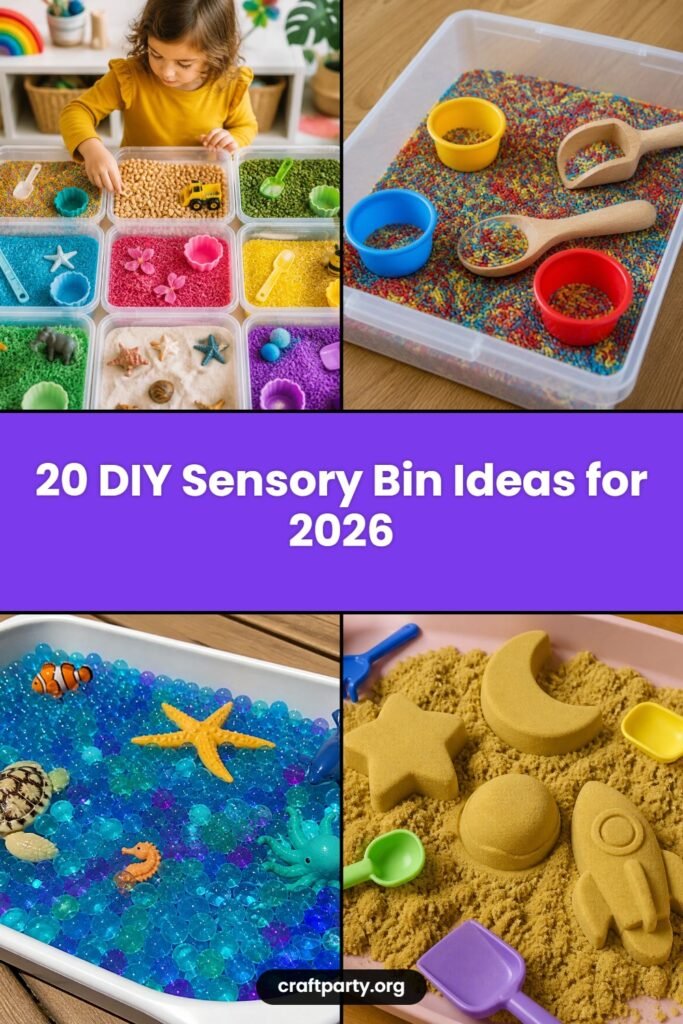
I’ve always found sensory bins to be a fantastic way to engage kids’ senses while keeping playtime creative and educational. In 2026, I’m excited to share my top 20 DIY sensory bin ideas that are easy to put together and offer endless learning opportunities. Whether you’re a parent, educator, or caregiver, these ideas bring fun and development into any setting.
Key Takeaways
- Sensory bins stimulate multiple senses, improving cognitive and motor skills.
- DIY sensory bins can be customized with simple household and natural materials.
- Each sensory bin idea targets different developmental areas like fine motor skills or emotional regulation.
- Creating sensory bins encourages creativity and involvement from kids and adults alike.
- Safety and mess management are key when designing sensory bins for children.
1. Classic Rice Sensory Bin
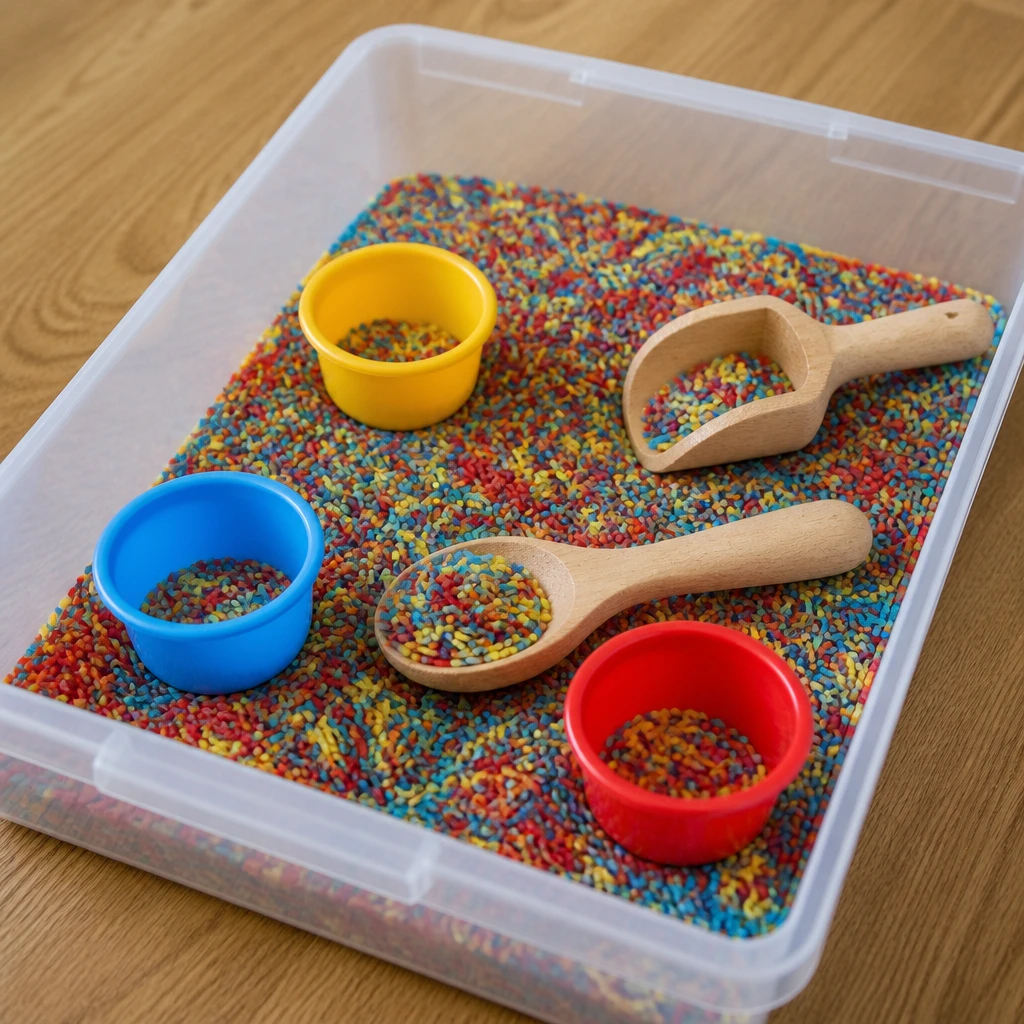
I always start with a classic rice sensory bin because it’s simple and versatile. Colored rice adds a visual element that captivates kids while allowing them to practice scooping and pouring. I mix a few drops of food coloring with uncooked rice to create vibrant hues, making the experience even more engaging.
Pro Tip: Color the rice before drying it thoroughly to avoid clumps and staining.
2. Water Beads Sensory Bin
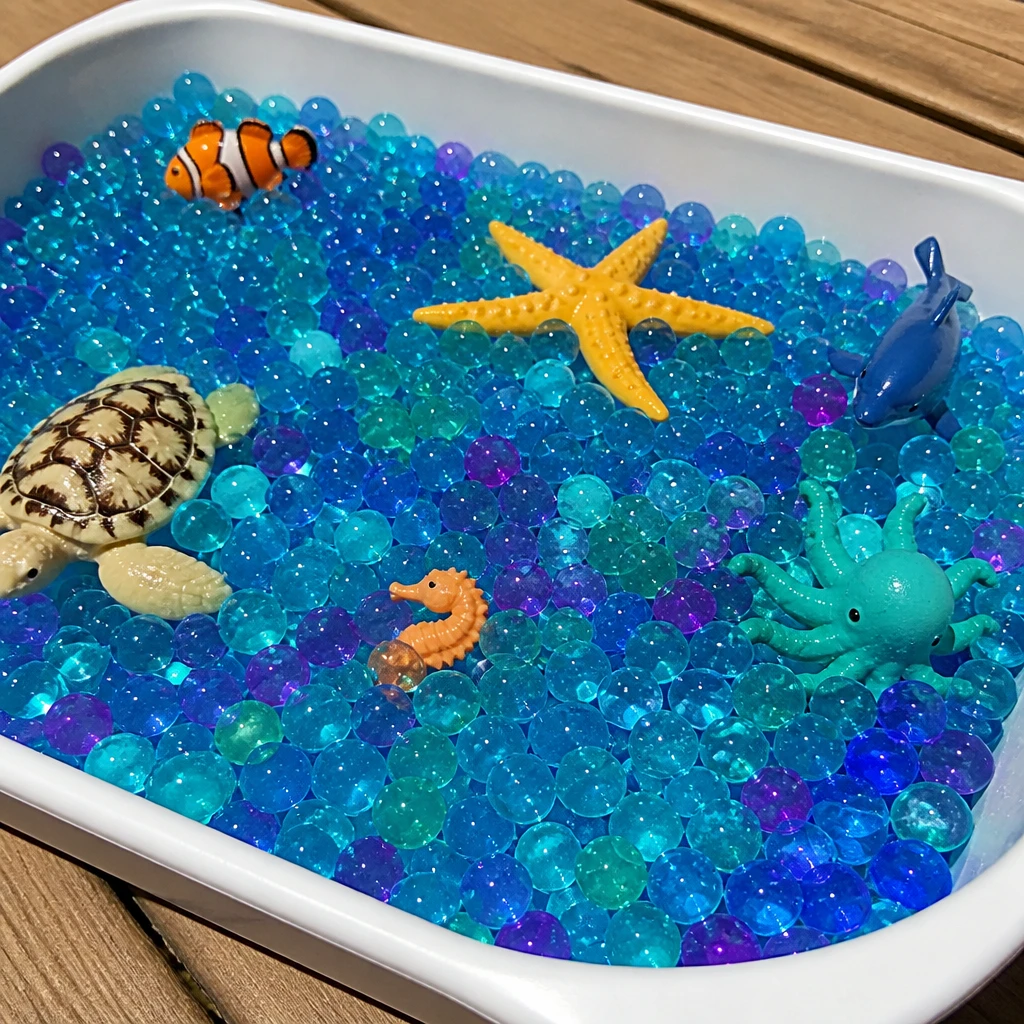
Water beads provide an incredibly tactile experience with their smooth, squishy texture. I soak them overnight to achieve maximum size and softness before placing them in the bin. They’re perfect for sensory exploration and can be paired with small toys or tools to enhance imaginative play.
Fact: Water beads can absorb up to 300 times their original size in water.
3. Moon Sand Sensory Bin
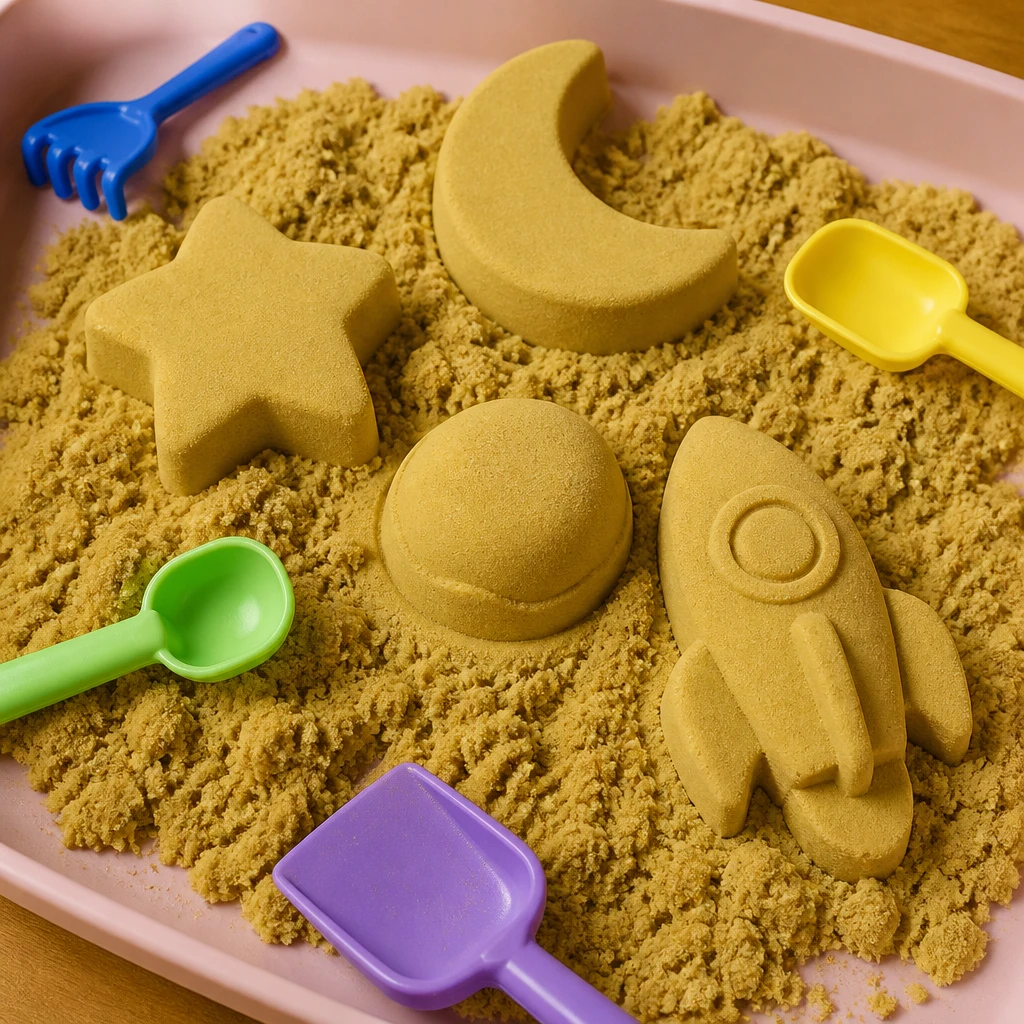
I’ve found moon sand to be brilliant for tactile stimulation and creative shaping. It’s super easy to make using flour and baby oil at home, which makes it soft yet moldable. This sensory bin sparks imaginative play through building and sculpting without the mess of regular sand.
Pro Tip: Mix ingredients slowly to avoid lumps and adjust baby oil for softer texture.
4. Pom-Poms and Clips Bin
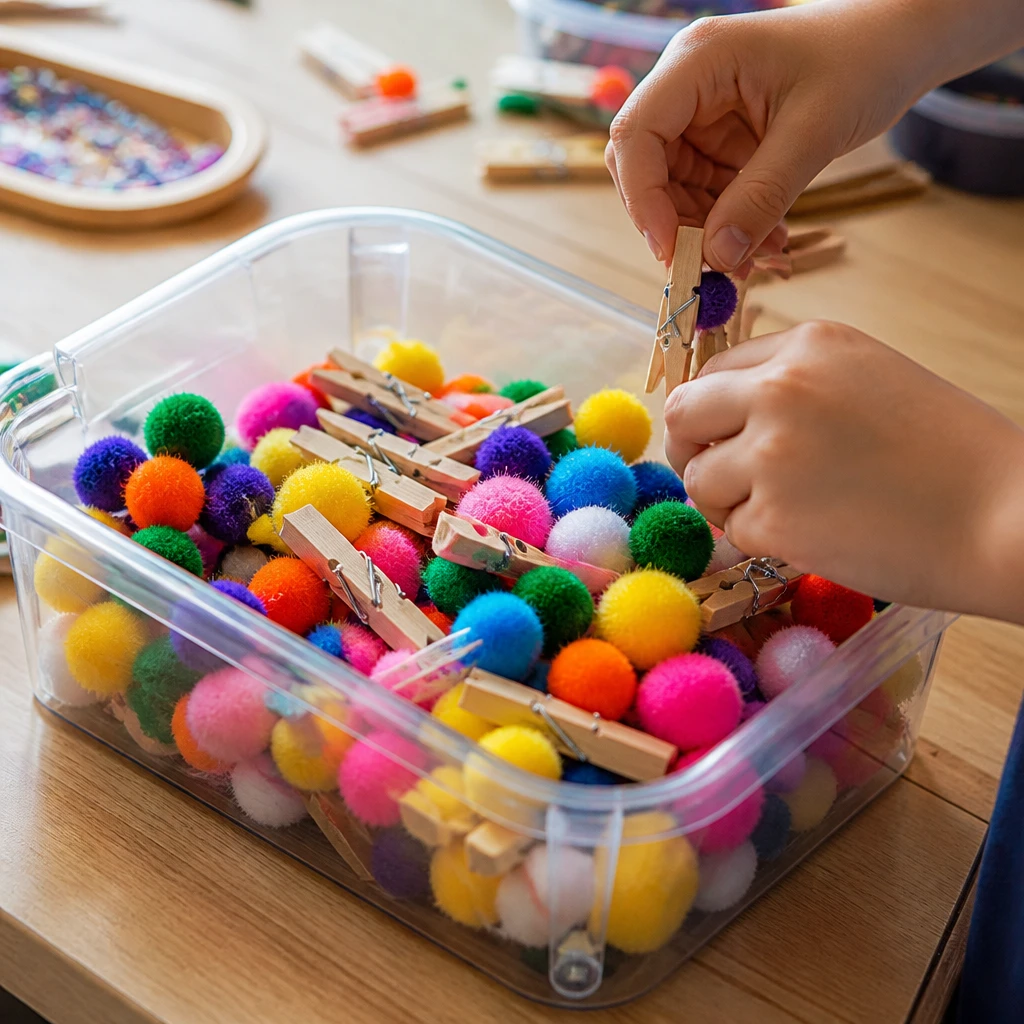
I like using a combo of colorful pom-poms and small clothespins to build fine motor skills. Kids enjoy picking up pom-poms with clips, which strengthens hand muscles and hand-eye coordination. This bin encourages focus and patience while being brightly colorful and tactile.
Insight: I noticed kids stay engaged longer when vibrant colors and easy-to-grip items are mixed together.
5. Kinetic Sand Sensory Bin
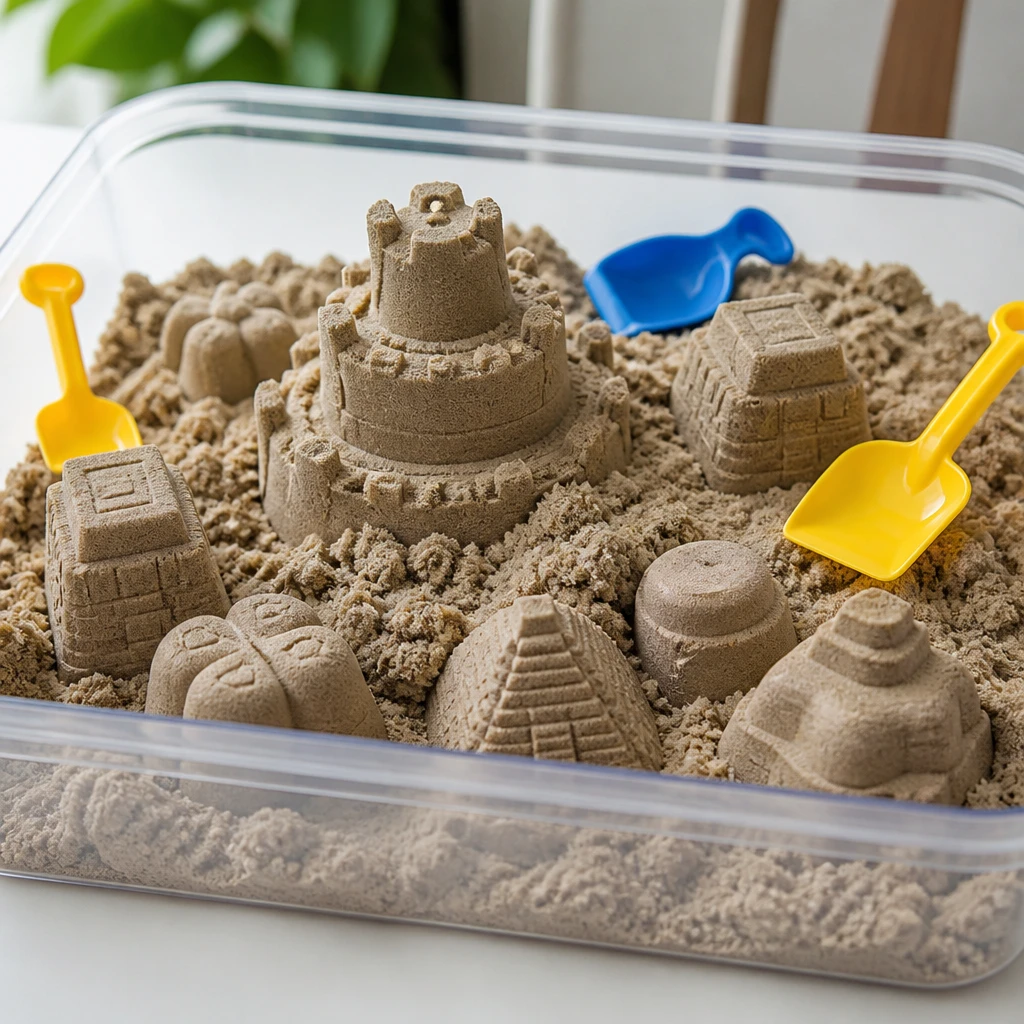
Kinetic sand remains one of my favorites because it’s moldable yet never dries out. I usually fill the bin with natural tan kinetic sand and include sand molds for stacking castles or shapes. It’s a soothing activity that also improves hand dexterity and creativity all at once.
Pro Tip: Store kinetic sand in an airtight container to keep it soft and reusable.
6. Nature-Themed Sensory Bin
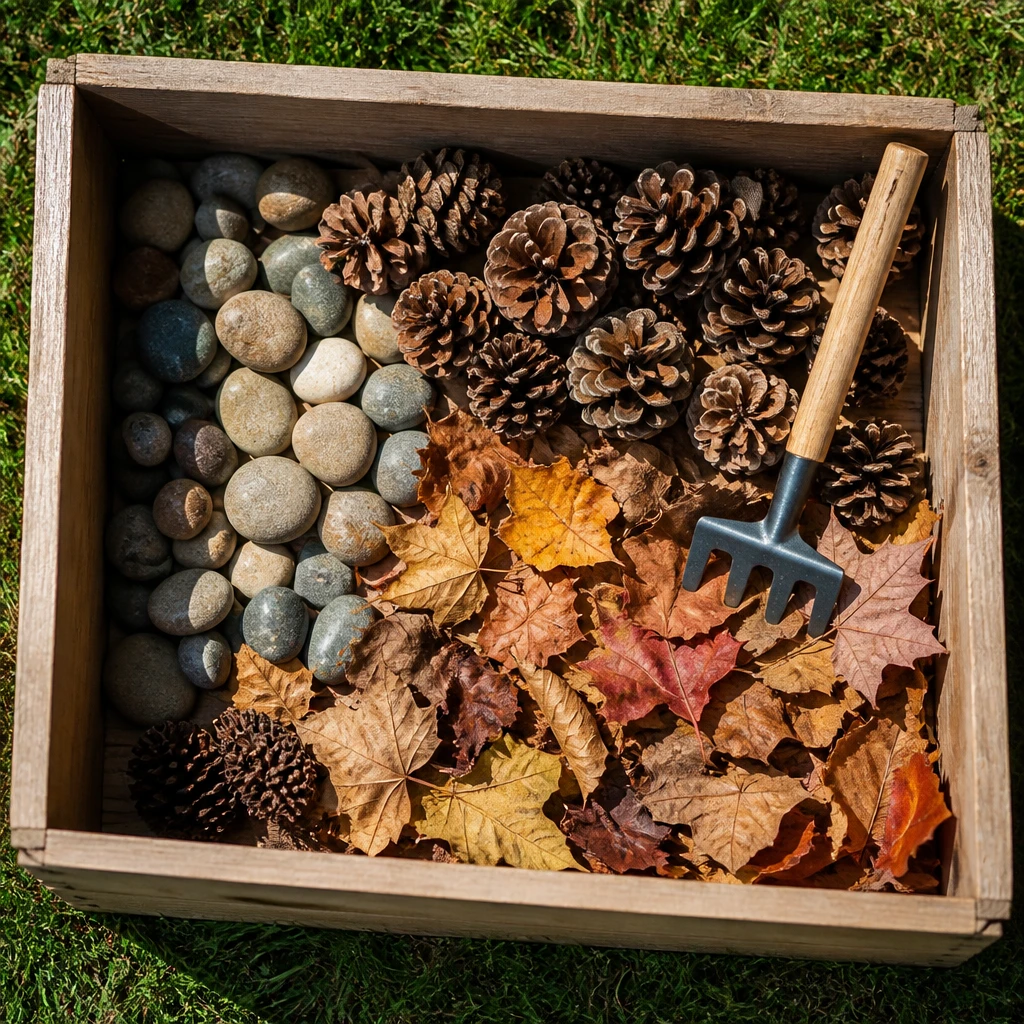
I often gather natural elements like pinecones, leaves, and smooth stones to create a nature sensory bin. This outdoors-inspired bin connects kids to tactile experiences and sparks curiosity about the environment. I pair these items with small gardening tools to extend play possibilities.
Insight: I find kids richer vocabulary and observational skills develop when interacting with real nature objects.
7. Sea Shells and Sand Bin
Creating a beach sensory bin with real sea shells and fine sand has been a hit with my kids. It evokes calming seaside memories while providing opportunities to explore textures and shapes. I mix in tiny toy crabs and shovels to enhance imaginative storytelling.
Fact: Sea shells also offer educational value by teaching about marine life and ocean habitats.
8. Frozen Ice Cube Bin
I’ve had great success with frozen ice cube sensory bins that add a chilly tactile sensation. I freeze colorful water cubes or shapes, then add them to a shallow bin for sensory exploration. It’s a unique experience that encourages careful manipulation and curiosity about melting.
Pro Tip: Use silicone molds for fun-shaped ice cubes to boost engagement.
9. Shredded Paper Confetti Bin
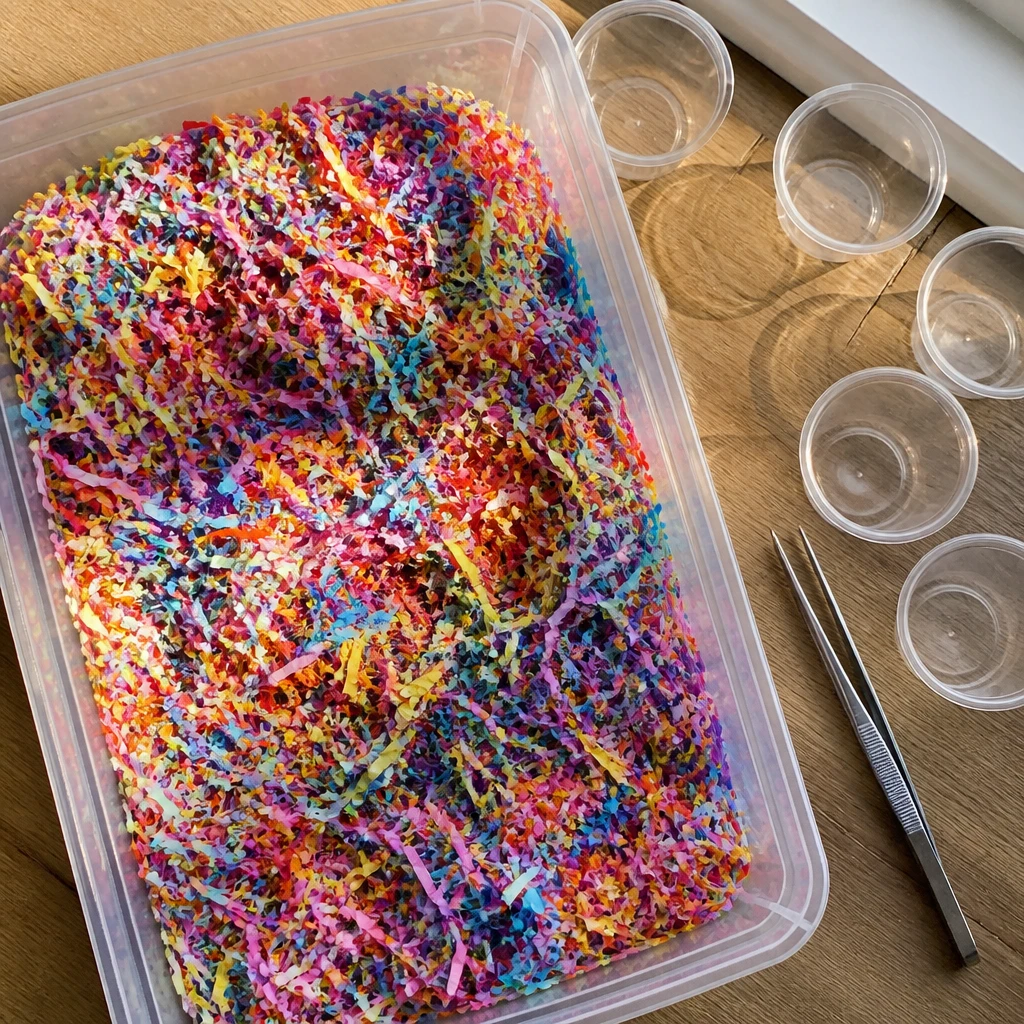
I recycle shredded colorful paper scraps into a playful confetti sensory bin that kids love to sift through. It’s lightweight and soft, encouraging tactile exploration and sorting activities. I like adding small containers and tweezers to boost fine motor control during play.
Pro Tip: Mix paper in different sizes and colors to increase sensory variety.
10. Chickpea and Bean Mix Bin
I combine dried chickpeas, kidney beans, and lentils for a tactile sensory bin with a natural feel. The assortment of shapes and sizes challenges sorting and sensory discrimination skills. Adding wooden spoons and bowls creates a kitchen-themed sensory play experience.
Insight: I noticed tactile diversity improves kids’ sensory tolerance and attention span.
11. Foam Beads and Glue Bin
This sensory bin doubles as an arts and crafts station by blending foam beads with glue in a shallow container. I love watching kids explore textures while creating slime-like mixtures. It encourages creativity and fine motor skills simultaneously through mixing and stretching.
Pro Tip: Control glue amounts carefully to avoid overly sticky mixtures.
12. Coffee Bean and Cinnamon Stick Bin
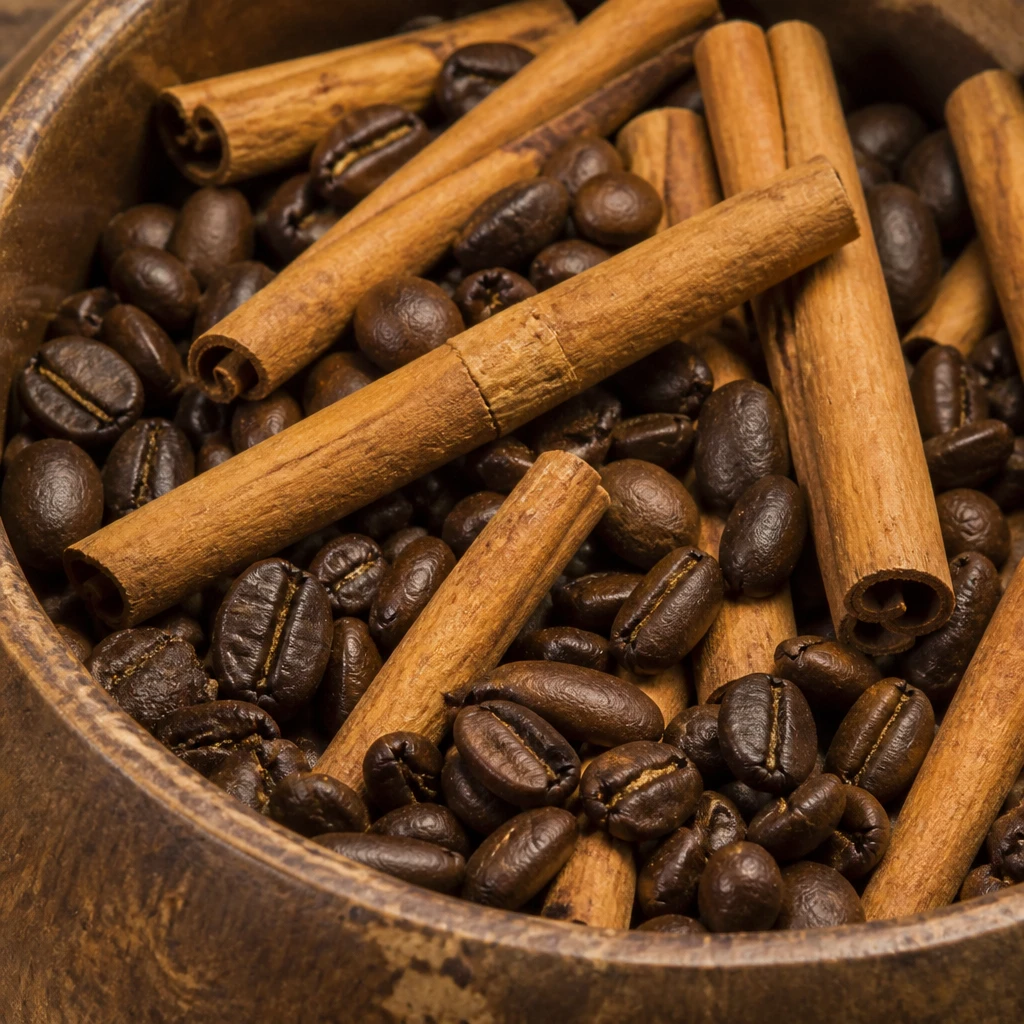
I created this aromatic sensory bin filled with dark roasted coffee beans and cinnamon sticks to stimulate both touch and smell. Kids were fascinated by the rich textures and warm scents. It’s a multisensory experience perfect for sensory seekers and holiday themes alike.
Fact: Scented sensory bins can help children with sensory processing sensitivity.
13. Shaving Cream and Food Coloring Bin
I combine shaving cream with drops of food coloring in a bin for a messy but highly creative sensory experience. Kids love swirling colors and feeling the fluffy texture simultaneously. It’s also an excellent medium for letter writing or drawing practice during sensory play.
Pro Tip: Use washable shaving cream and food coloring to simplify cleanup.
14. Dry Pasta and Wooden Utensils Bin
Dry pasta shapes combined with wooden spoons and measuring cups create a simple yet engaging sensory bin I frequently use. The variety of pasta forms provides interesting textures and shapes for sorting and scooping. I’ve found that this bin doubles as a great pre-writing activity enhancing hand strength.
Insight: I observed kids developing pattern recognition while playing with pasta shapes.
15. DIY Cloud Dough Bin
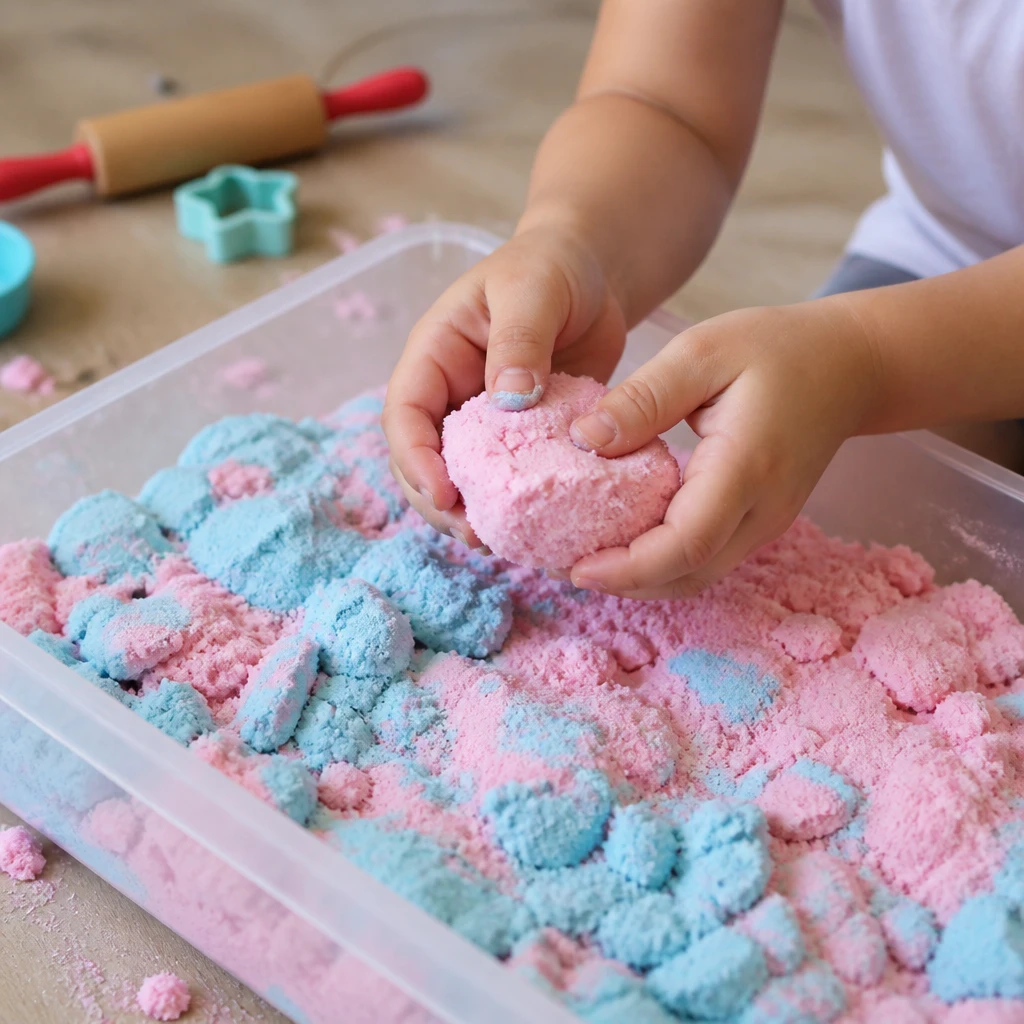
Making cloud dough with flour and baby oil results in a silky, moldable sensory bin I always recommend. Kids enjoy squeezing and shaping the dough, which promotes sensory calming and fine motor control. I add food coloring occasionally to create vibrant pastel batches that appeal visually.
Pro Tip: Adjust baby oil quantity to control dough softness and stickiness.
16. Edible Oatmeal Sensory Bin
I created an edible oatmeal sensory bin using finely ground oats for very young children, blending safety with sensory fun. The soft texture offers gentle tactile stimulation and is perfect for little hands exploring tastes and textures. I always supervise closely when food items are involved for safety.
Fact: Edible sensory bins encourage safe exploration for children prone to mouthing objects.
17. Glow-in-the-Dark Beads Bin
I experimented with glow-in-the-dark beads in a bin for an exciting nighttime sensory experience. When the lights go off, kids are amazed by the glowing effect while exploring texture and shape. I often use a black light lamp nearby to intensify the glow and add a magical element.
Pro Tip: Charge beads under bright light before sensory time for maximum glow effect.
18. Alphabet Letter Sensory Bin
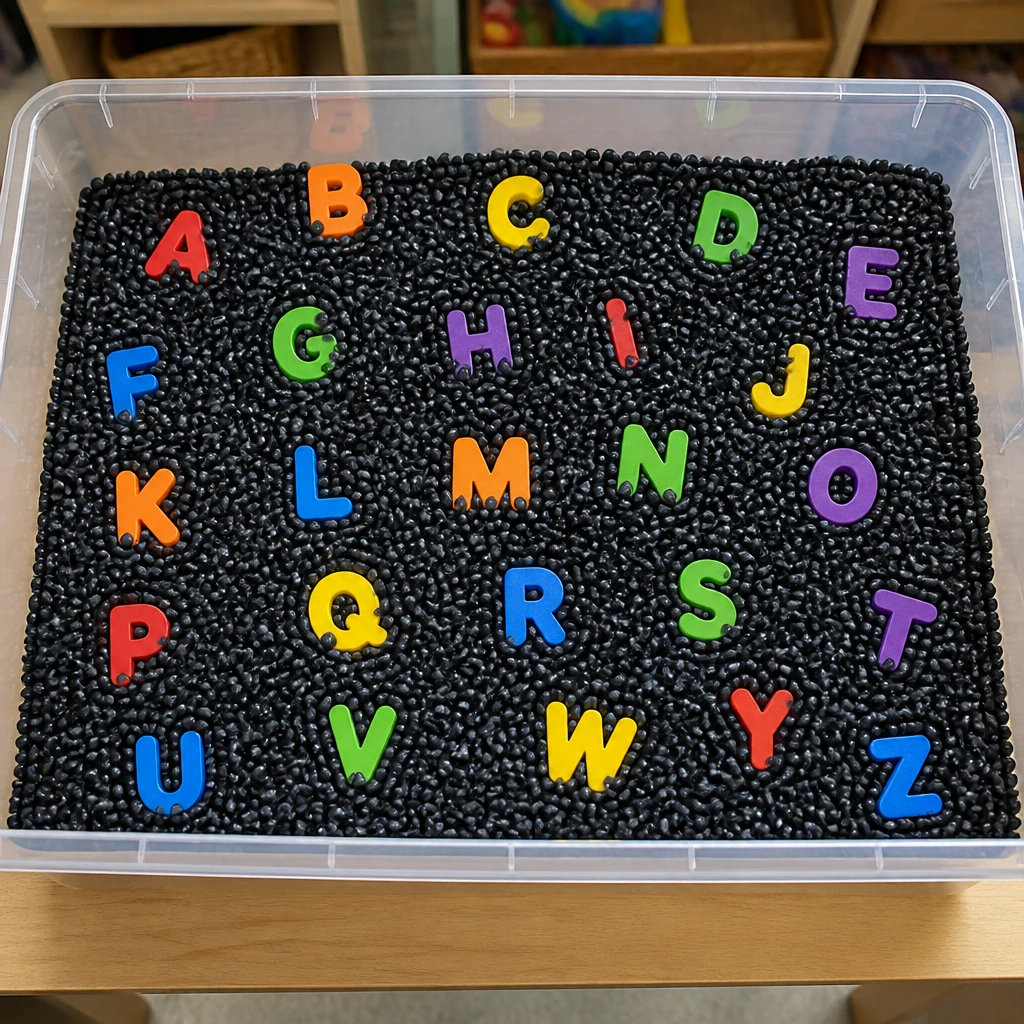
I use foam or plastic alphabet letters in a bin filled with dried beans or rice to combine literacy and sensory play. Kids pick out letters while feeling different textures, which reinforces letter recognition in a hands-on way. It’s a rewarding multisensory learning activity I include often.
Insight: In my experience, combining letters with tactile materials enhances memory retention.
19. Cotton Balls and Feather Bin
I combine fluffy cotton balls with light feathers for a gentle sensory bin that encourages soft touch exploration. Kids love the contrast between the pillowy cotton and delicate feathers as they scoop or blow them around. I find this bin calms sensory seekers and encourages imaginative play.
Fact: Feathers and cotton stimulate the tactile sense with distinctly different textures.
20. Magnetic Pebbles and Letters Bin
I combined magnetic letters with brightly colored magnetic pebbles to create an interactive sensory bin. This allows kids to practice both tactile exploration and magnetic pull forces while having fun. It’s a creative variation that boosts fine motor skills and cognitive reasoning.
Pro Tip: Use a shallow metal tray to enhance magnetic interaction and ease of cleanup.
Conclusion
In my experience, these 20 DIY sensory bin ideas have been invaluable tools for promoting sensory development and imaginative play throughout 2026. Each bin offers unique textures, smells, and visual elements, making learning an exciting adventure for kids. I encourage you to try them and watch how sensory play enriches your child’s growth and curiosity.