20 Goat Pen Ideas DIY for 2026
When I started building goat pens, I realized there are countless ways to create functional and comfortable spaces for my goats. Over the years, I've experimented with various DIY designs that help me save money and customize the pens to my specific needs. In this article, I’ll share 20 goat pen ideas for 2026 based on my hands-on experience and practical insights.
Key Takeaways
- Design pens that suit your goats’ size and behavior for maximum comfort.
- Incorporate durable, weather-resistant materials to extend your pen’s lifespan.
- Ensure good ventilation and drainage for a healthy goat environment.
- Add enrichment features like climbing structures to keep goats engaged.
- Plan for easy cleaning access to maintain hygiene effortlessly.
1. Portable Goat Pen with Wheels
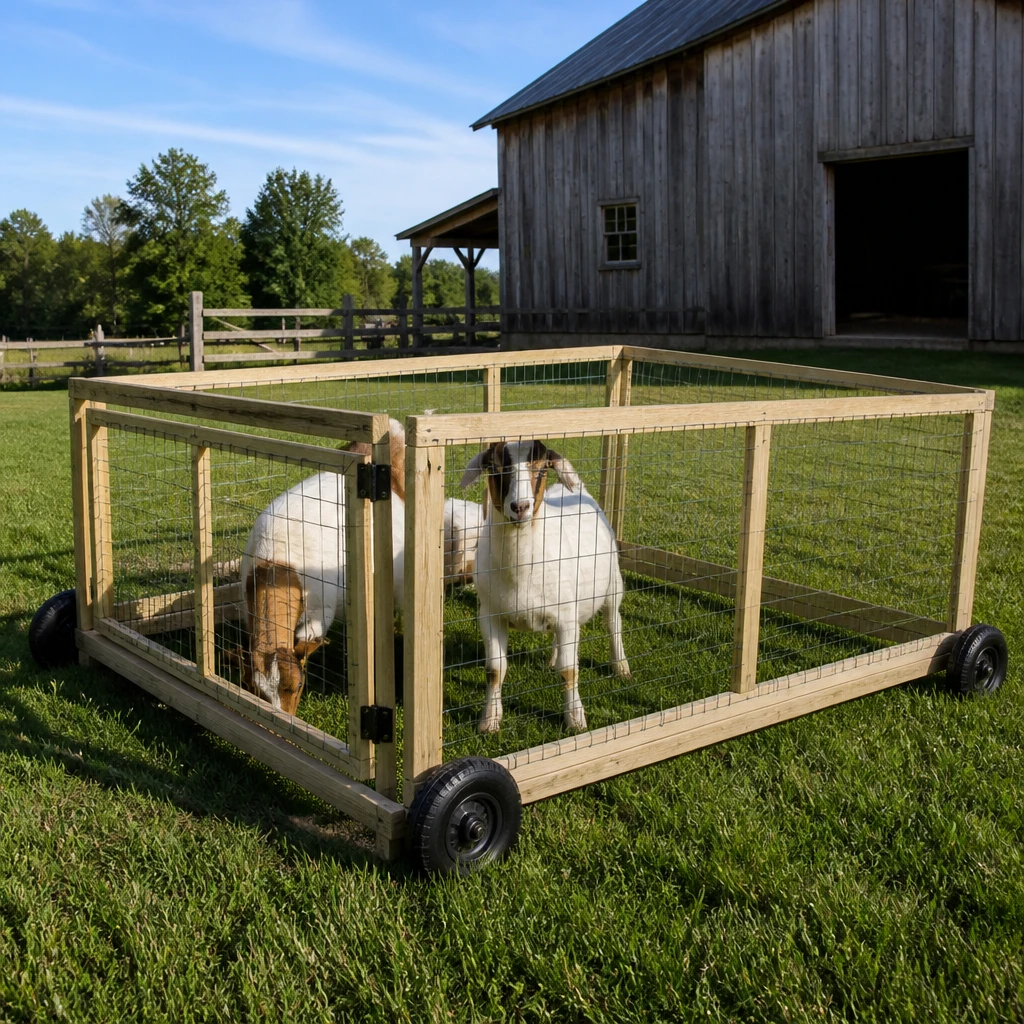
I found that building a portable goat pen on wheels lets me move the enclosure around to fresh grazing spots easily. Using sturdy casters and lightweight wood, I created a safe and movable pen that also doubles as a shelter. This design helps me rotate pastures, which I think contributes to healthier goats and grass.
Pro Tip: Install lockable wheels to keep your portable pen securely in place when stationary.
2. Lean-to Goat Shelter Pen
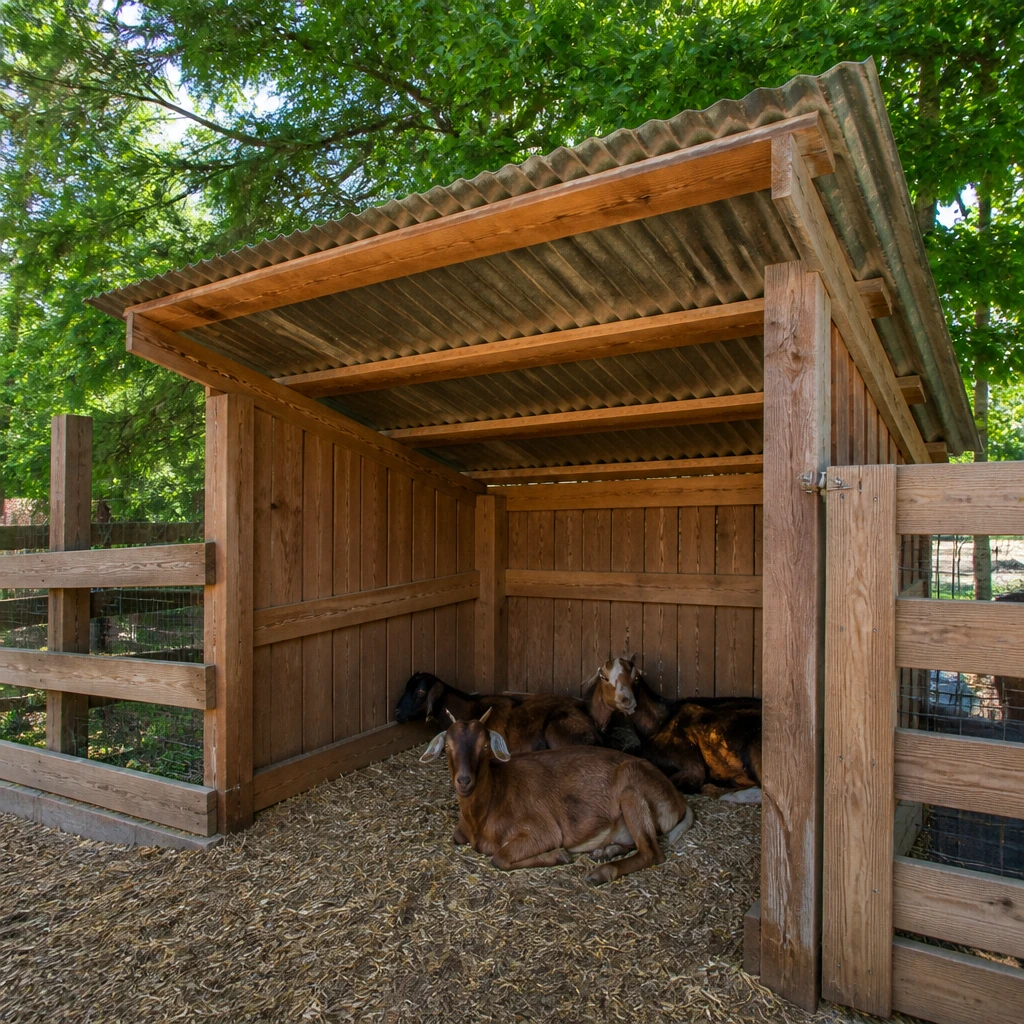
I built a lean-to shelter pen by attaching a slanted roof to an existing fence, which saves time and materials. This setup offers great protection from the sun and rain while keeping the structure simple and open. I appreciate how airflow is maintained, preventing moisture buildup inside the pen.
Fact: Lean-to shelters are common in livestock farming for their cost-effectiveness and easy assembly.
3. Recycled Pallet Goat Pen
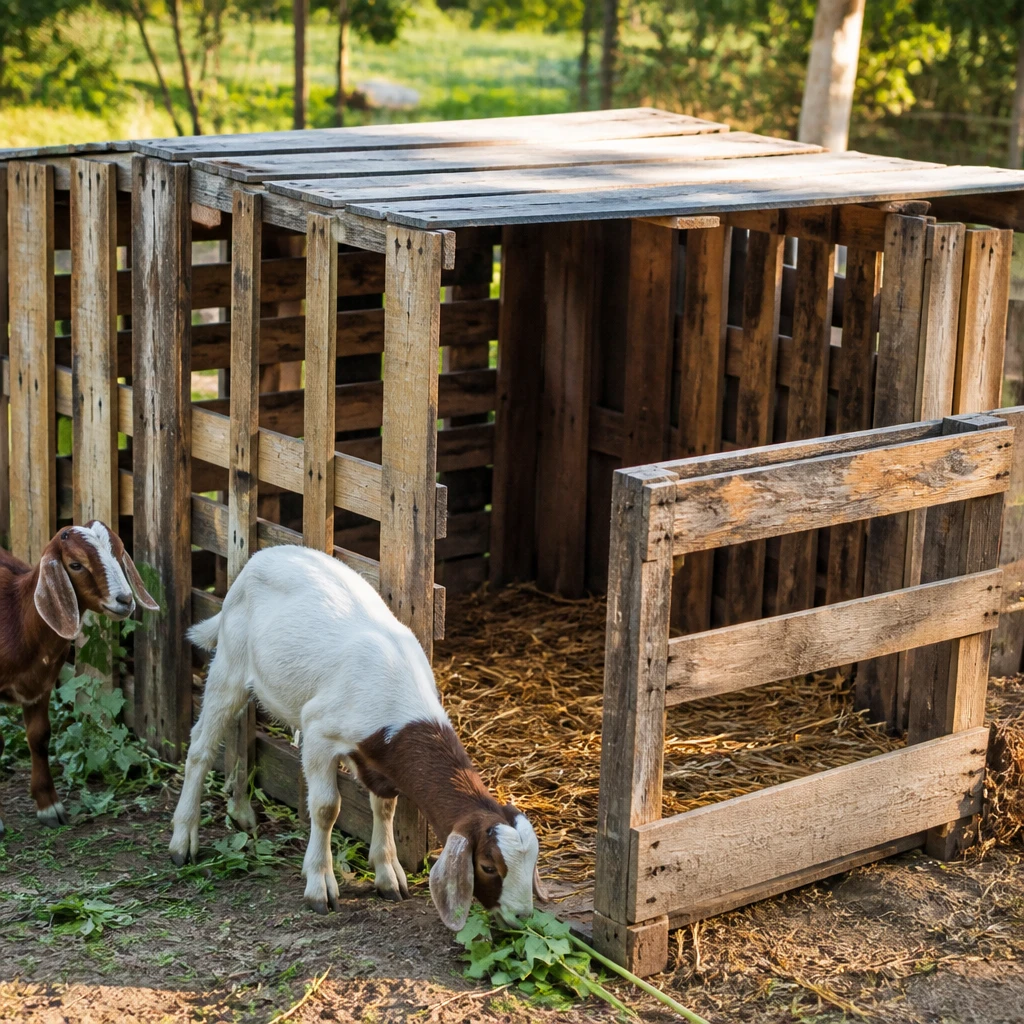
One of my favorite designs uses recycled pallets for the walls and floor, saving money and reducing waste. Pallets are sturdy and provide natural airflow while keeping goats secure. I sanded and treated the wood to ensure there were no sharp edges or harmful chemicals for my animals.
Pro Tip: Always inspect and clean pallets thoroughly before repurposing them for animal pens to avoid hazards.
4. Wire Mesh Enclosure with Wooden Frame
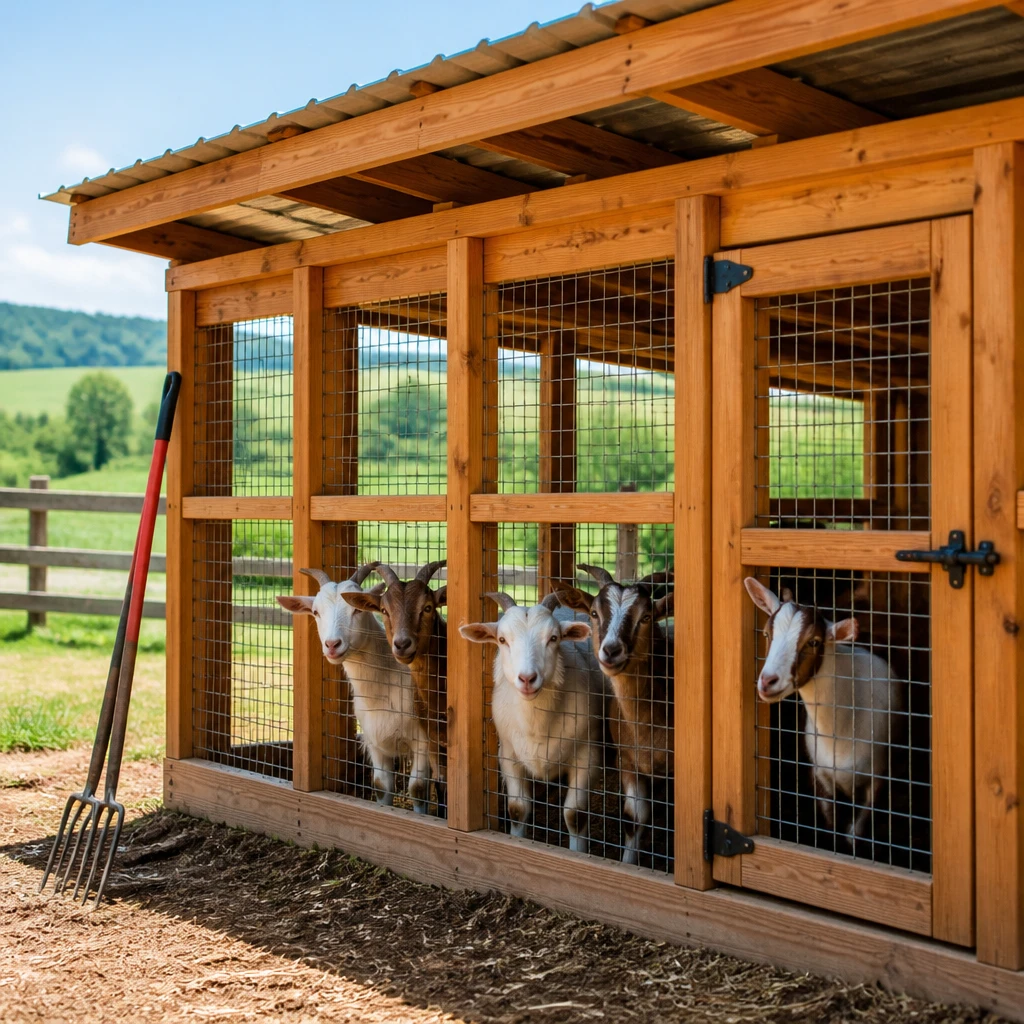
I combined wire mesh with a wooden frame to build a strong but breathable enclosure that keeps predators out. This design lets me watch my goats easily while they enjoy fresh air. I also added a gate with a secure latch to simplify feeding and cleaning routines.
Insight: I found that blending wood and wire mesh balances strength with visibility, which is vital for monitoring goats.
5. Concrete Floor with Raised Wooden Pen
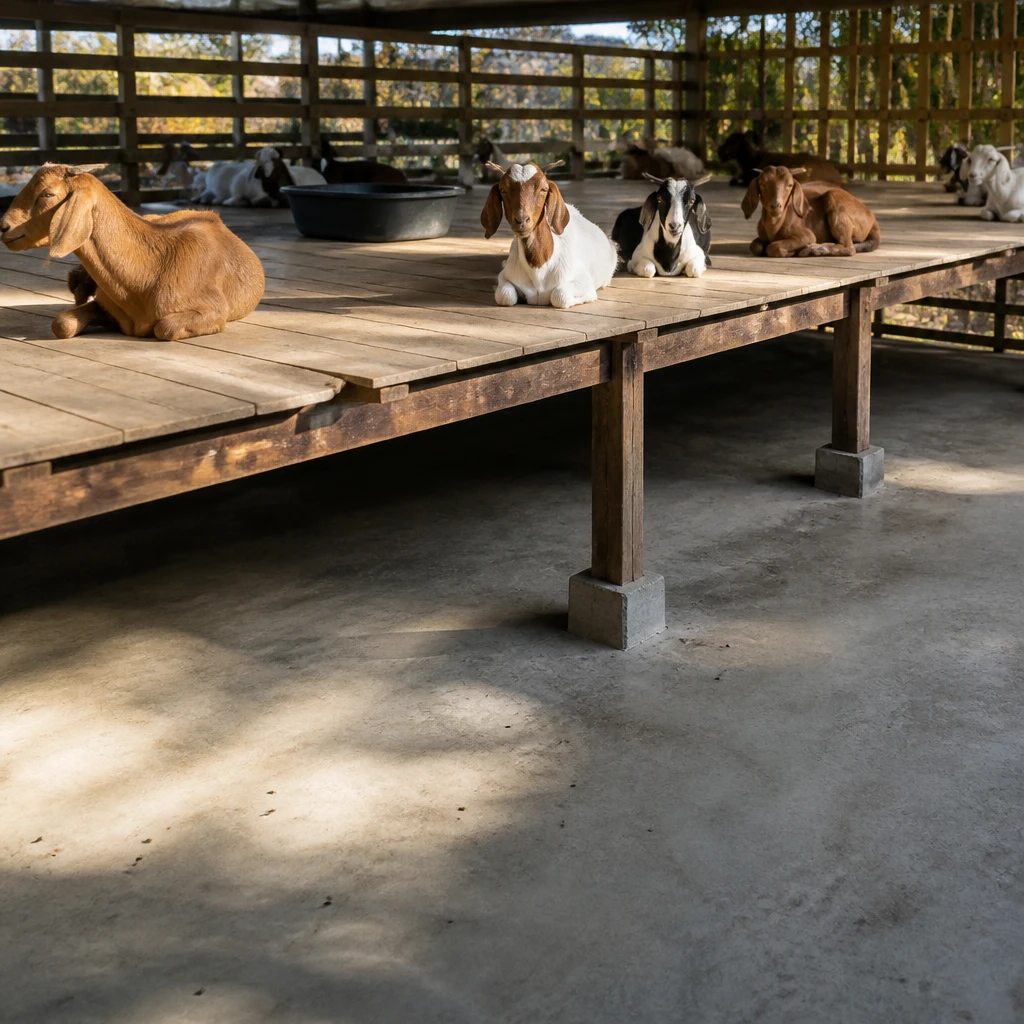
To control mud and parasites, I built a pen with a concrete floor topped by a wooden raised platform for the goats to rest on. This setup keeps them clean and dry, especially during rainy seasons. I recommend sealing the concrete to prevent cracking and make cleaning easier.
Pro Tip: Seal your concrete floor to improve durability and make washing down the pen hassle-free.
6. Round Goat Pen with Circular Panels
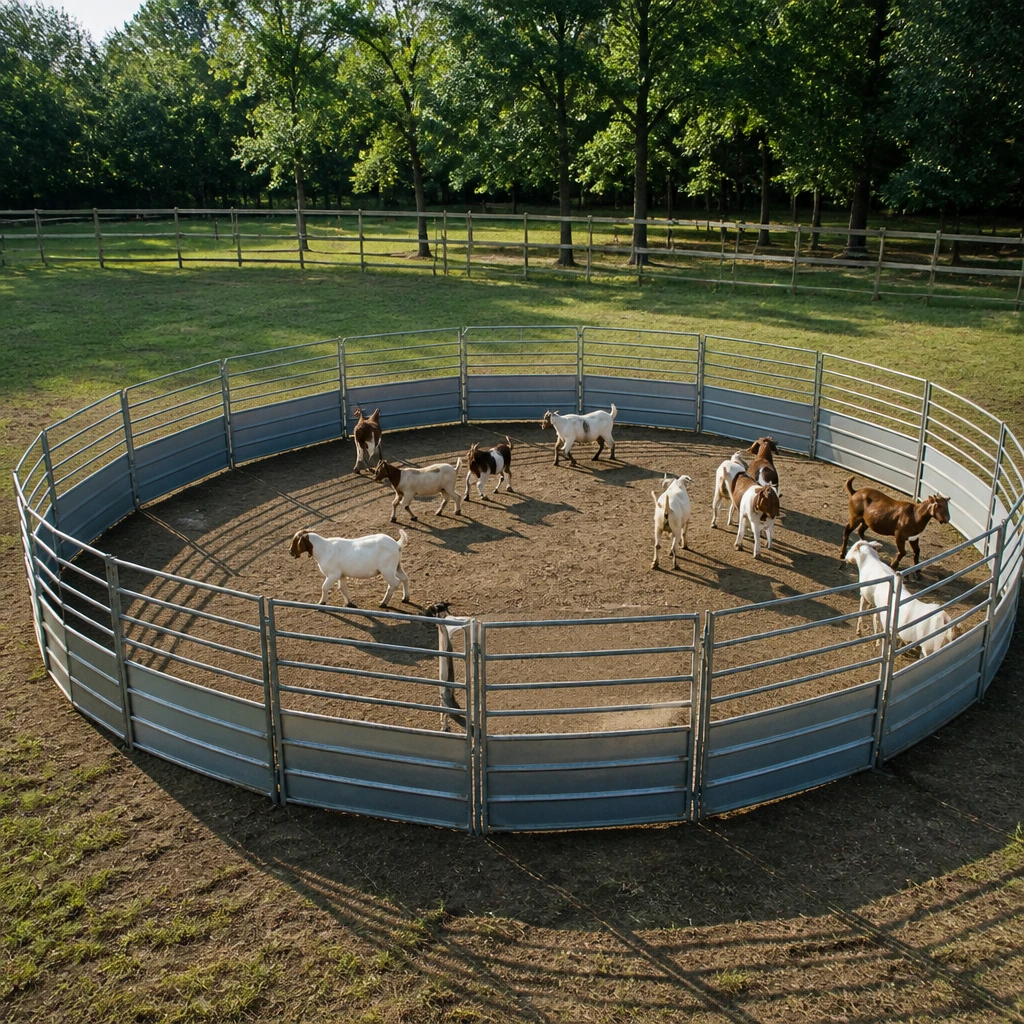
I experimented with a round goat pen using curved panels which I think encourages natural movement patterns among goats. It also eliminates sharp corners where goats might injure themselves. This design is visually appealing and easy to expand by adding more curved panels.
Fact: Round pens reduce stress in livestock by providing a continuous walking path, which benefits their behavior.
7. Goat Pen with Climbing Structures
Knowing how playful goats are, I added climbing structures like ramps and platforms to my pen, which keeps them mentally and physically stimulated. I built these using sturdy reclaimed wood and secured them firmly to prevent wobbling. I noticed my goats are calmer and less destructive with these enriching elements.
Insight: I’ve observed that climbing structures reduce boredom and promote natural behaviors in goats.
8. PVC Pipe Frame Pen with Tarpaulin Cover
For a lightweight and weatherproof option, I constructed a frame from PVC pipes and covered it with a waterproof tarp. This shelter offers good protection from the elements while being easy to assemble and move. In my experience, this flexible design is perfect for seasonal adjustments or temporary setups.
Pro Tip: Use UV-resistant tarpaulins to extend the lifespan of your cover when exposed to sunlight.
9. Minimalist Chain-Link Goat Pen
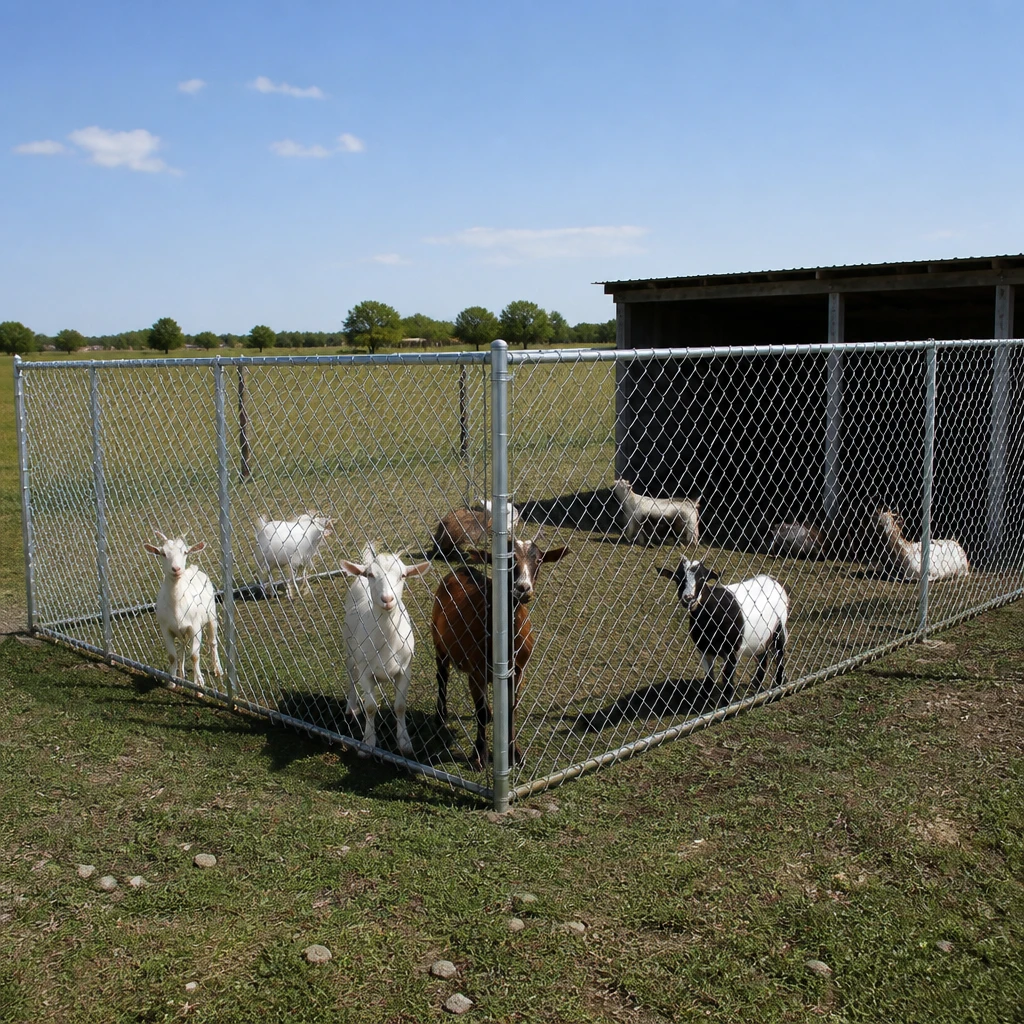
I tested a minimalist approach using chain-link fencing for a sturdy, low-cost pen that offers good visibility. While it doesn’t provide much shade, I supplemented it with movable shade cloths on hot days. This setup is practical for quick enclosures or temporary holding areas.
Fact: Chain-link fencing is widely used in animal pens due to its durability and ease of installation.
10. Half-Wall Brick and Wood Goat Pen
I combined half-height brick walls with wooden framing for the upper sections to create a sturdy and attractive pen. The brick lowers dust and enhances insulation while the wood provides enough ventilation. This hybrid design worked well in my variable climate, offering both protection and airflow.
Insight: From my experience, blending brick and wood balances durability and comfort for goats in mixed weather.
11. Hinged Door Goat Pen with Double Gate
I implemented a hinged door and double gate system in my pen to create a small quarantine area and improve safety during feeding times. This design allows me to separate goats temporarily without extra fencing. I find it extremely useful for managing medical treatments or introducing new goats.
Pro Tip: Install double gates to create a secure buffer zone for safe animal handling.
12. Goat Pen with Straw Bale Insulation
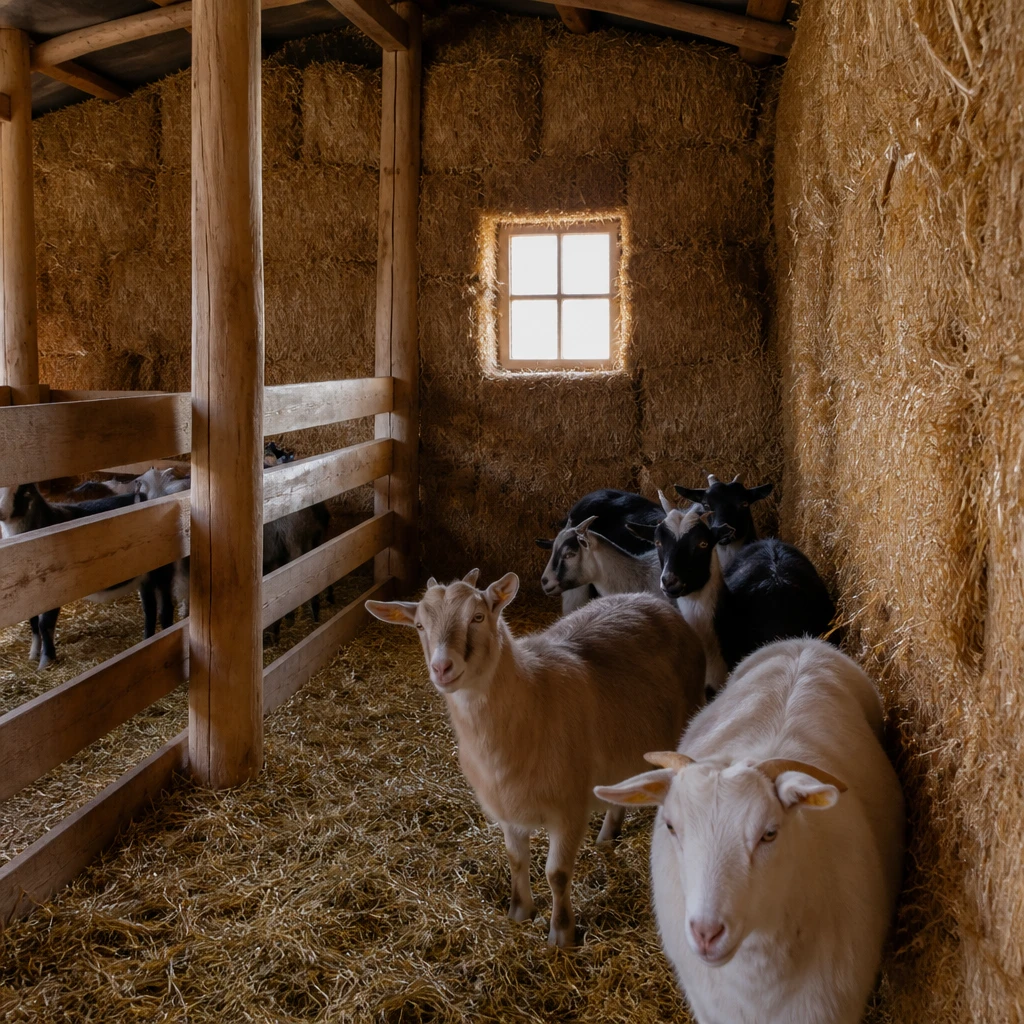
To keep my goats warm during winter, I lined the walls of the pen with straw bales, which I think provide natural insulation. I covered them with a waterproof barrier to protect against rain and pests. This method also helped me reduce heating costs and keep my goats comfortable.
Fact: Straw bale insulation is an eco-friendly and effective way to maintain warmth in animal shelters.
13. Multi-Level Goat Pen for Small Spaces
I designed a multi-level goat pen that stacks platforms vertically when space is limited, allowing more exercise area without expanding the footprint. This design required careful structural support but paid off in keeping my goats entertained. I also added ramps with non-slip surfaces for safety.
Insight: I discovered multi-level pens optimize small areas while promoting healthy activity.
14. Goat Pen with Automatic Waterer
Incorporating an automatic waterer into my goat pen saved me time and ensured constant hydration for my herd. I connected a water line to a nipple drinker that refills a trough automatically. This system also reduces spilled water and keeps the pen cleaner.
Pro Tip: Install an automatic waterer to guarantee fresh water and reduce daily maintenance.
15. Natural Wooden Log Goat Pen
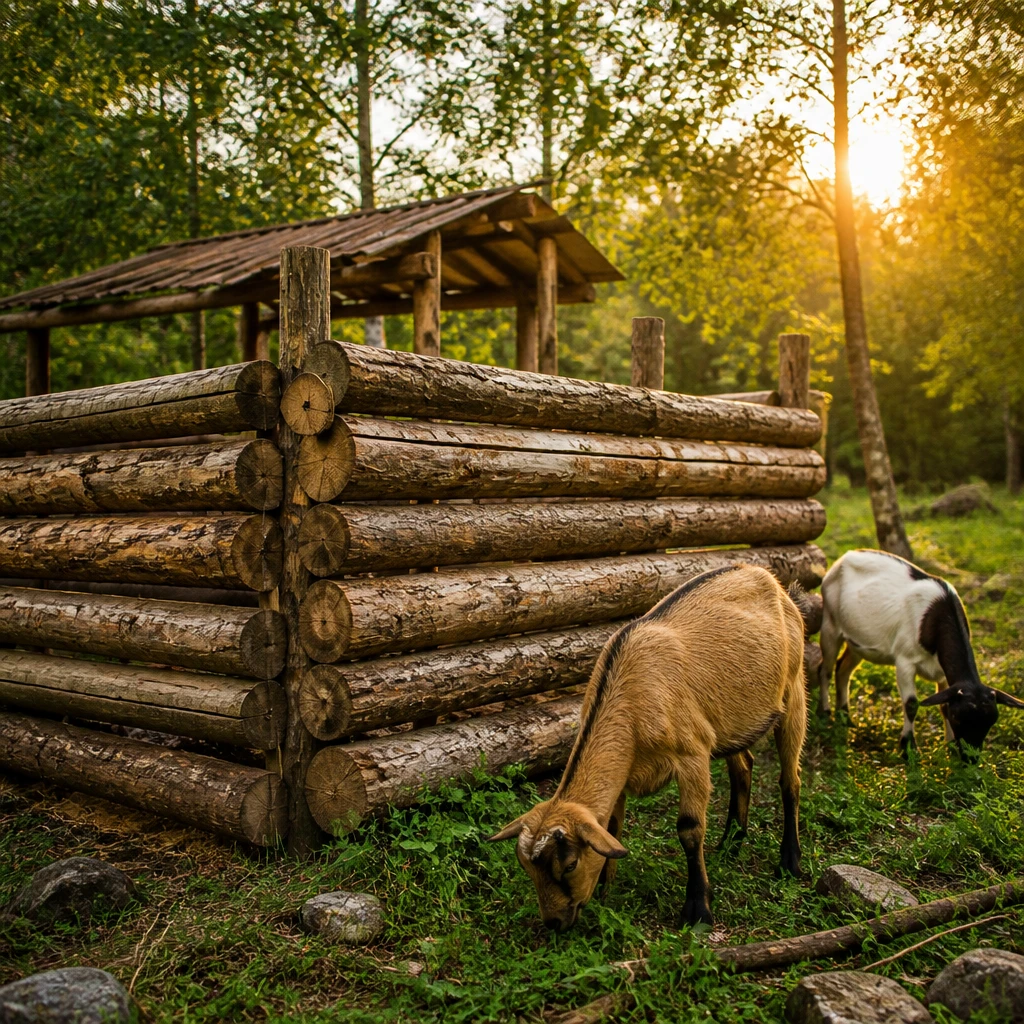
Using natural wooden logs, I built a rustic pen with an organic feel that blends into the landscape. I stripped and treated the logs to resist weather and insects. This design not only appeals to me aesthetically but also provides a solid and safe barrier for my goats.
Fact: Log constructions offer excellent durability and natural insulation for livestock pens.
16. Modular Goat Pen Panels
I developed modular panels that snap together, allowing me to reconfigure the goat pen size according to my needs. This flexibility is invaluable when my herd size changes or I want to rotate pens often. I built the panels from lightweight metal frames with durable mesh for easy handling.
Pro Tip: Use modular panels for quick assembly and flexible pen layouts that adapt over time.
17. Goat Pen with Sand Bedding Floor
I switched to sand bedding on my goat pen floor to improve drainage and animal comfort. Sand feels soft on their hooves and dries quickly after rain, which I found reduces mud and odors significantly. Regular raking keeps the sand clean and spread evenly.
Insight: I noticed sand bedding greatly enhances hygiene and hoof health in my goats.
18. Circular Goat Pen with Shade Sail
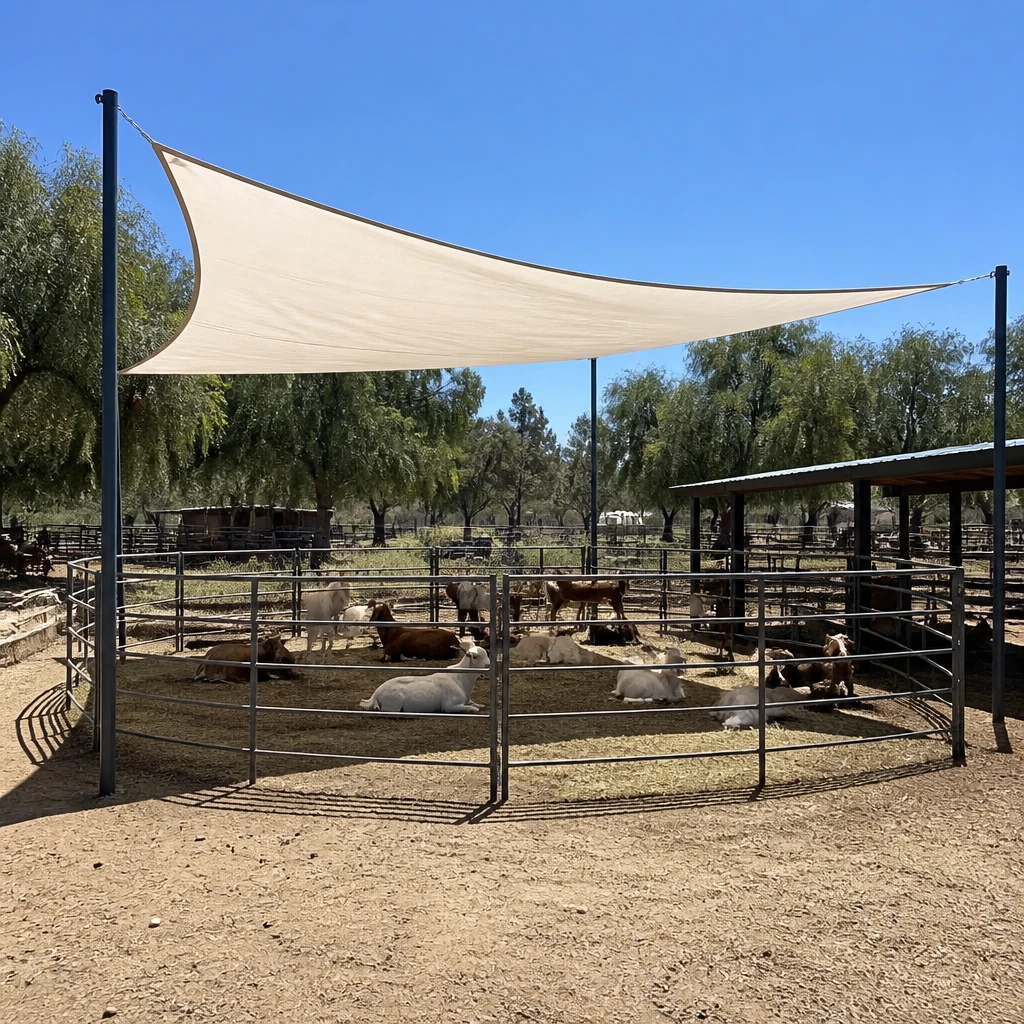
Adding a shade sail over my circular goat pen provides excellent protection from sun exposure without fully enclosing the space. The sail’s tensioned fabric keeps it stable through wind, and I adjust its height for ventilation. I found this method balances comfort and airflow effectively.
Pro Tip: Install adjustable shade sails to optimize sun protection and airflow in your goat pen.
19. Upcycled Fence Gate Goat Pen
I repurposed old fence gates to build the structure of my goat pen, combining economy with sustainability. These gates already had secure latches and weatherproof finishes, speeding up construction. I cleaned and reinforced weak points to ensure goats couldn't escape.
Fact: Upcycling old gates makes pen building cost-effective and environmentally friendly.
20. Goat Pen with Raised Feeders
I mounted feeders at a raised height to prevent mess and discourage wasteful eating habits in my goats. This arrangement keeps food cleaner and helps reduce spillage on the floor. I designed the feeders from recycled plastic, which I found easy to clean and durable.
Pro Tip: Position feeders at goats’ chest height to maintain cleanliness and ease of access.
Conclusion
Over the years, I've learned that a well-planned goat pen combines functionality, safety, and comfort tailored to your herd. These 20 DIY ideas reflect designs I’ve tested and refined, helping me improve goat welfare while managing costs. I encourage you to adapt and experiment with these ideas to build the perfect pen for your goats in 2026.