20 DIY Abstract Canvas Art Ideas for 2026
I’ve always found abstract canvas art to be an incredible way to express creativity and refresh my living space. In 2026, I’m excited to share 20 DIY abstract canvas art ideas that I’ve tested and loved for adding depth and personality to any room. Each idea is accessible no matter your skill level and uses simple materials.
Key Takeaways
- Use diverse tools and materials for unique textures and effects.
- Layering colors can add depth and dimension to abstract pieces.
- Personal experimentation is key to developing your own abstract style.
- Combining contrasting colors creates striking visual impact.
- Incorporating everyday objects can transform your art into conversation pieces.
1. Color Swipe Technique
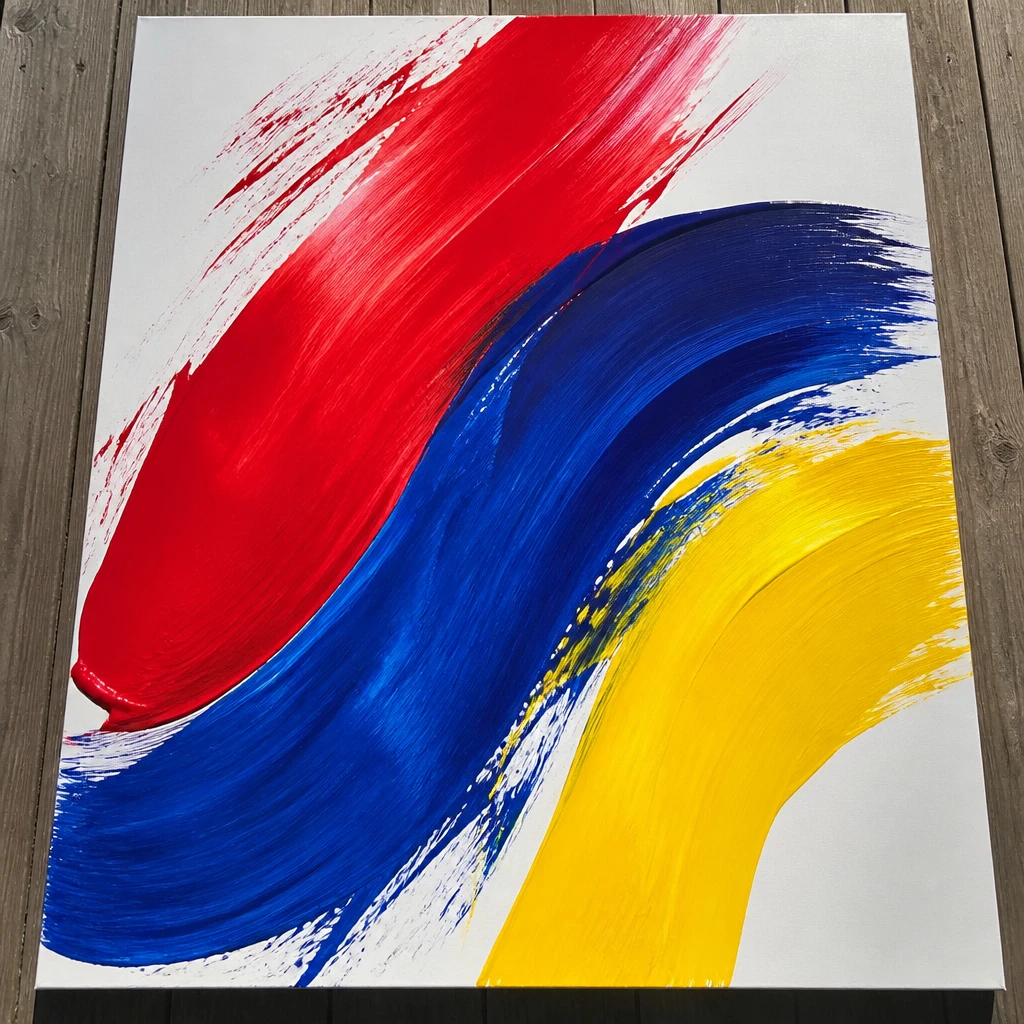
I start by choosing two or three bold colors and applying them in wide, sweeping strokes across the canvas. Using a large flat brush, I swipe colors back and forth while they're still wet to create smooth blended transitions. This technique helps me achieve dynamic motion while keeping the process simple and fun.
Pro Tip: Use a soft-bristled brush for smoother color blending in swipe techniques.
2. Geometric Brushstrokes
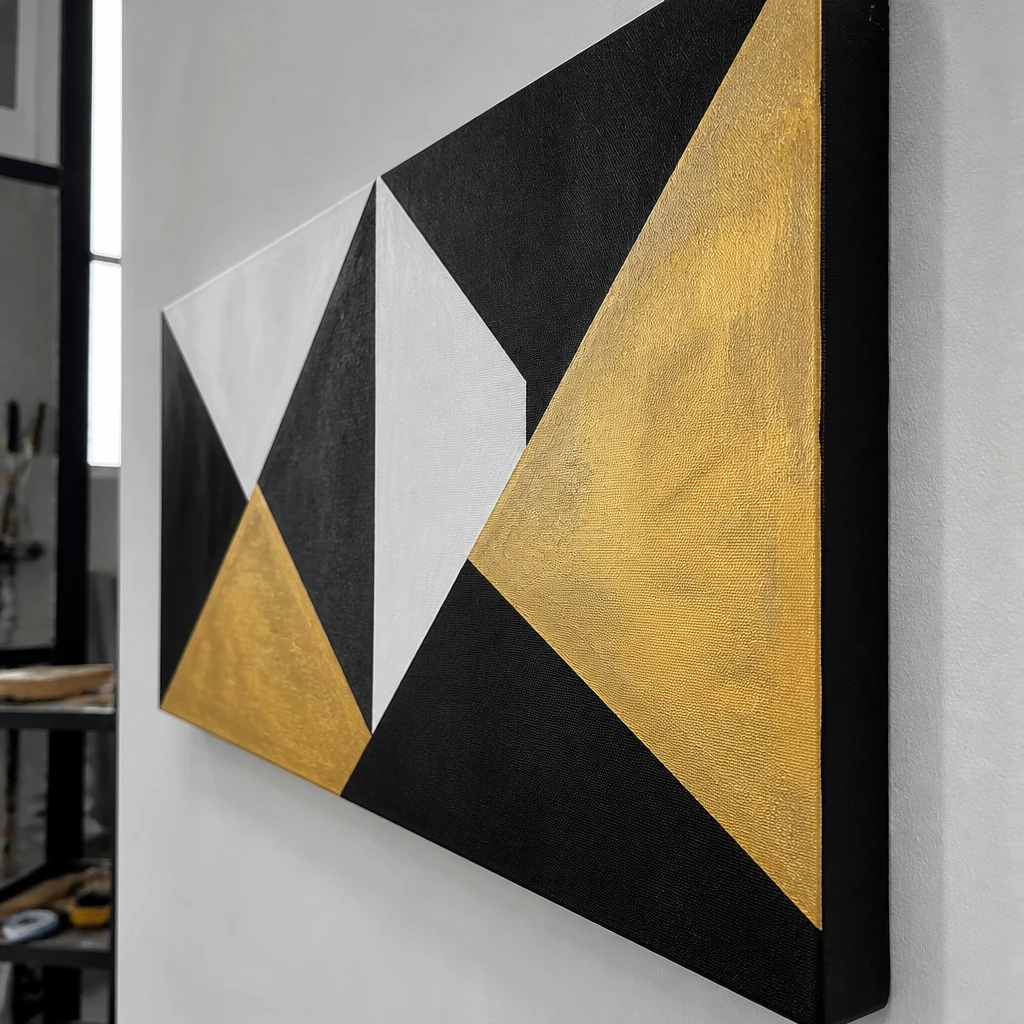
I use painter’s tape to section off sharp shapes before filling them with solid, contrasting colors. This method lets me combine precision with abstract flair, making the composition striking and balanced. After peeling the tape off, the clean edges add structure to the otherwise freeform design.
Pro Tip: Apply tape firmly to prevent paint bleeding and achieve crisp lines.
3. Splatter and Drip Expression
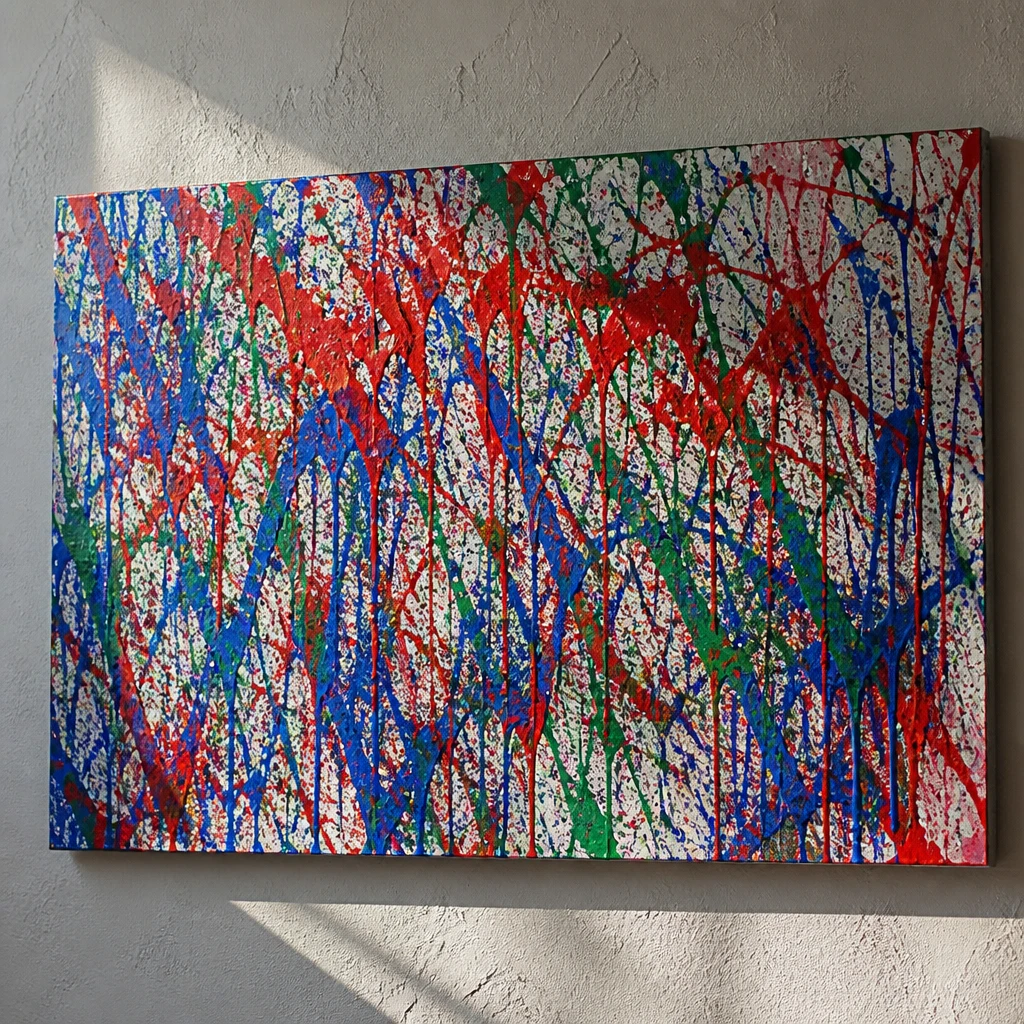
I throw paint on the canvas using brushes or even my fingers to create spontaneous splatters and drips. This method allows me to release emotions freely and enjoy unpredictable results. I always lay down protective sheets because splatters can get messy, but the outcome is worth it.
Fact: Splatter techniques became popular through artists like Jackson Pollock in the mid-20th century.
4. Metallic Abstract Accents
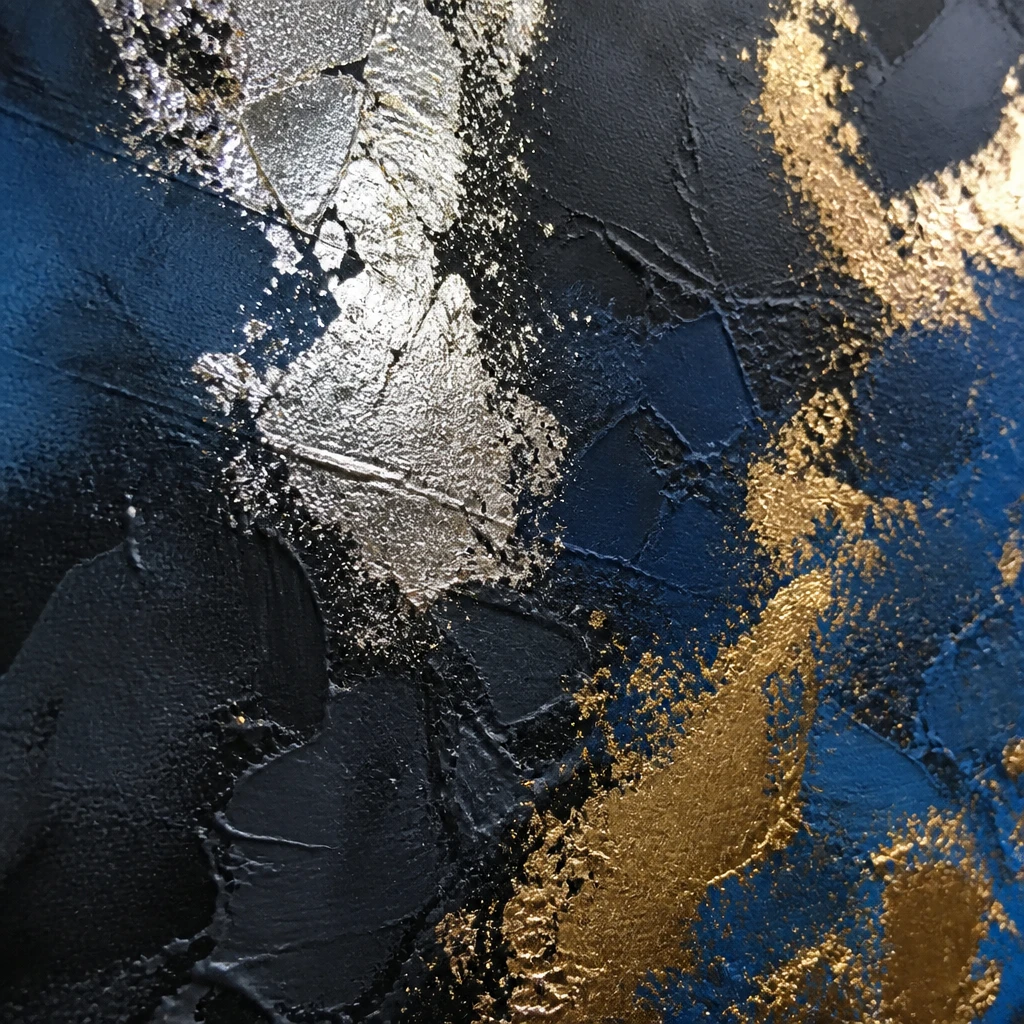
I love adding metallic gold or silver leaf patches on abstract paintings to introduce a touch of luxury. These reflective accents contrast beautifully against matte acrylics and bring subtle shimmer from different viewing angles. Working with metallics requires patience, but I always find it elevates the piece.
Insight: I find metallic leaf application surprisingly relaxing and rewarding in abstract art.
5. Textured Paint Layers
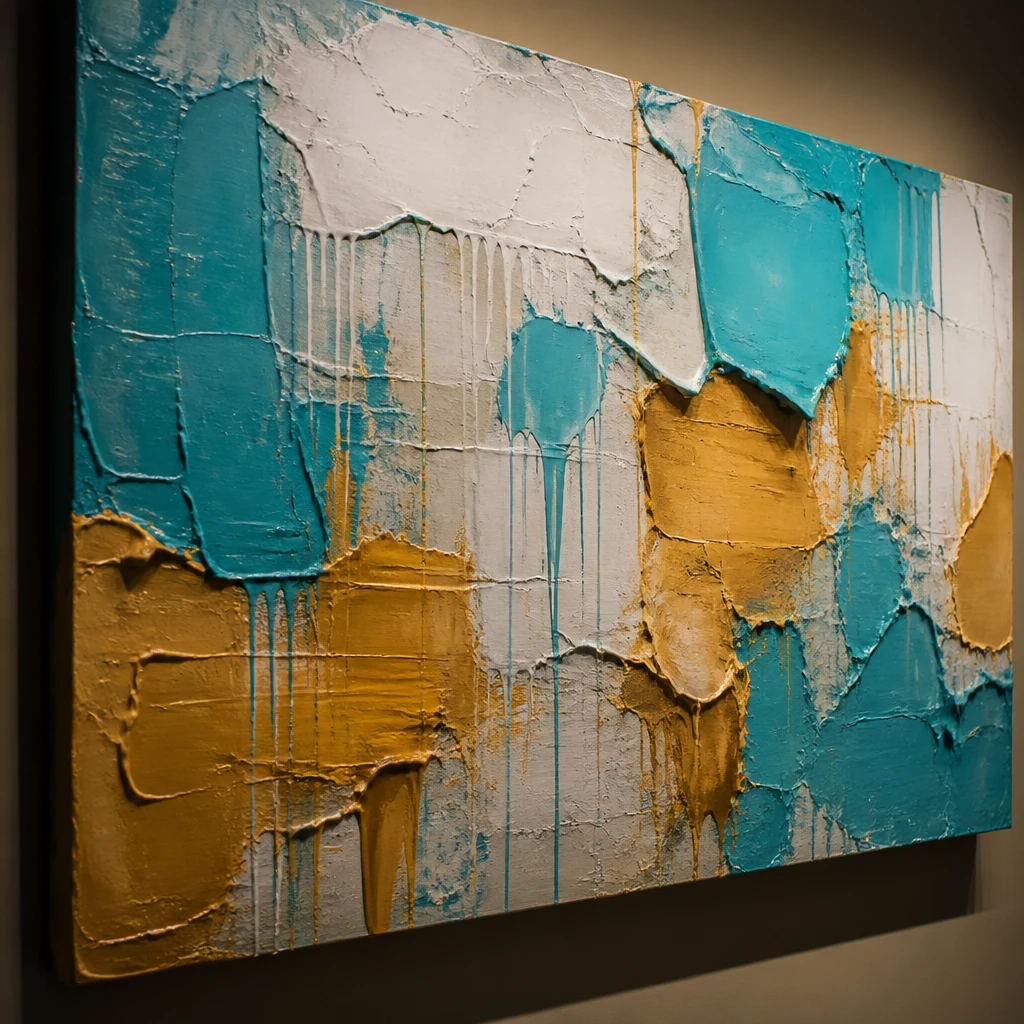
I experiment by layering thick paint with palette knives to build texture that you can both see and feel. By applying multiple layers of different colors, sometimes mixing in sand or modeling paste, I create depth that adds interest beyond just color. It’s a tactile experience that pulls viewers closer to the artwork.
Pro Tip: Use a palette knife to sculpt and layer paint for rich tactile surfaces.
6. Negative Space Exploration
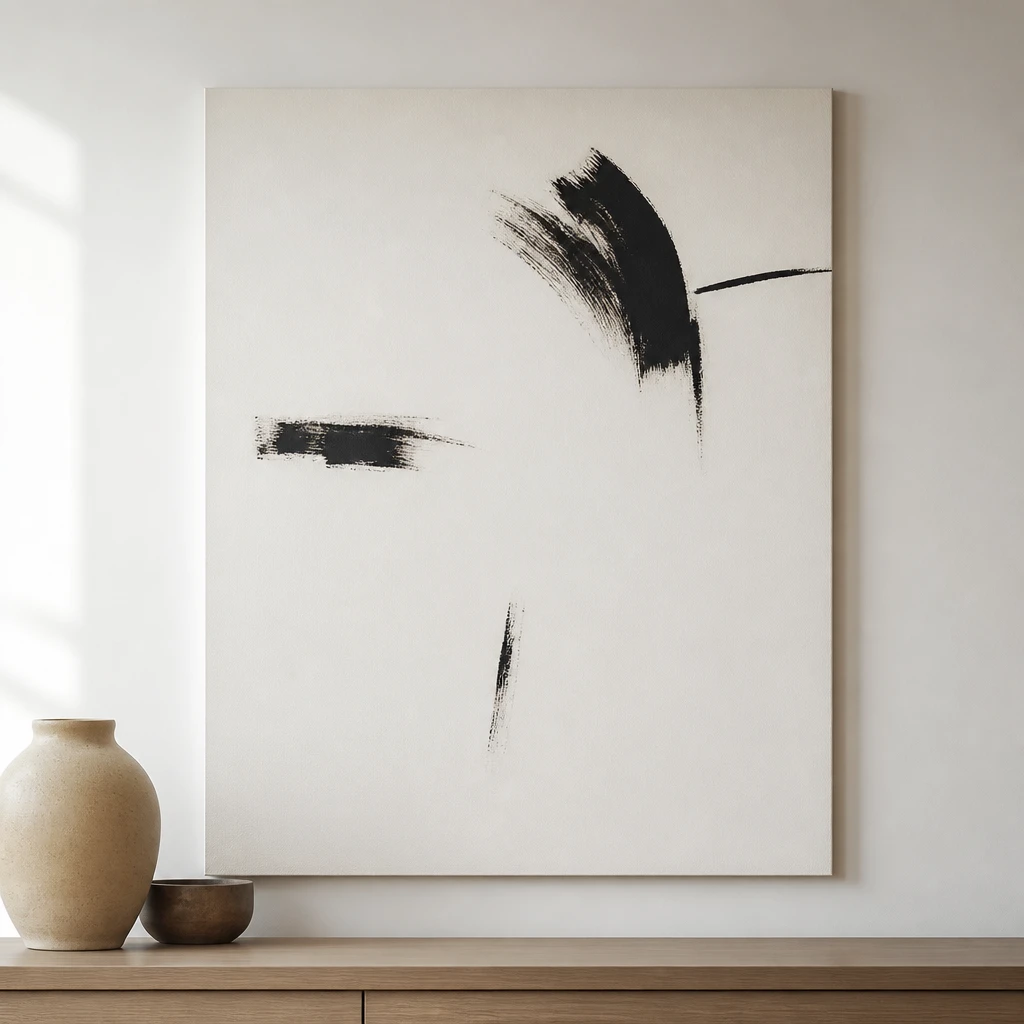
I focus on painting only part of the canvas and purposely leave large areas empty to emphasize the shapes I create. This balance between painted sections and bare canvas invites the eye to rest and appreciate the forms. Mastering negative space improves your composition skills significantly.
Insight: I find negative space brings harmony and focus to abstract art like nothing else.
7. Monochrome Mood Pieces
I pick one color and explore every shade from its lightest tint to its darkest tone across the canvas. This focused palette challenges me to express complexity without relying on multiple colors. The monochromatic approach lets texture and form become the star of the work.
Pro Tip: Experiment with layering tints and shades of one color for elegant monochrome effects.
8. Organic Shapes with Watercolor Acrylics
I dilute acrylic paint to a watercolor consistency and let it flow freely to create organic, fluid shapes on the canvas. Watching colors merge and bleed naturally is always inspiring and unpredictable. This method is relaxing and encourages me to embrace imperfections.
Fact: Diluted acrylics behave like watercolors but dry faster and are more durable on canvas.
9. Bold Brushstroke Overlapping
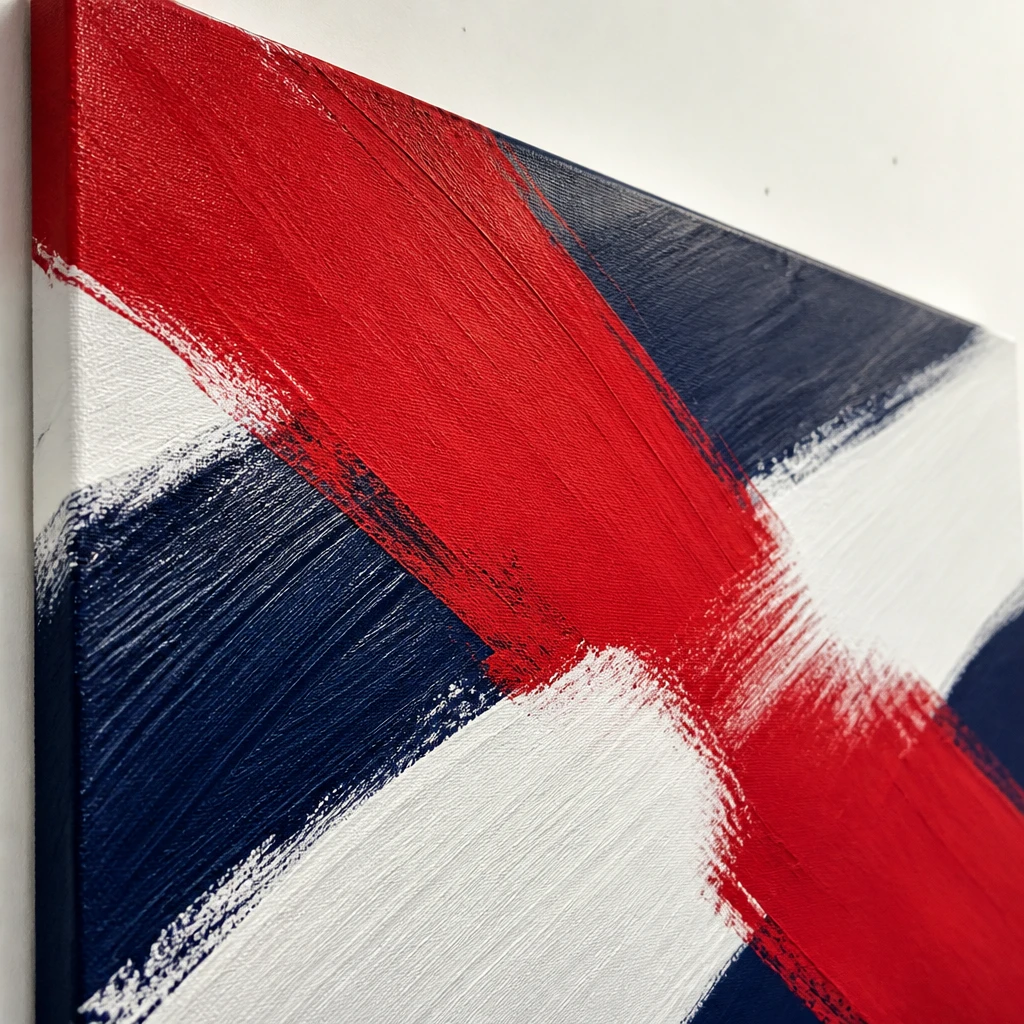
I layer strong, deliberate brushstrokes of contrasting colors over each other to create dynamic energy. Each stroke is intentional and adds to a tapestry of color and movement. This technique pushes me to control spontaneity while maintaining expressiveness.
Pro Tip: Let each brushstroke dry slightly before overlapping to preserve clarity of layers.
10. Minimalist Line Abstraction
I include simple, elegant lines in black or dark tones on neutral canvases to evoke minimalist abstract forms. This approach makes me focus more on composition and rhythm rather than color. I find it a refreshing challenge that produces calm yet striking art.
Insight: I appreciate how minimal lines can communicate so much emotion and tension in abstract art.
11. Spray Paint Abstracts
I experiment with spray paints to create smooth gradients and textured mist effects impossible with brushes. The aerosol’s unpredictability makes every piece exciting and unique. I always spray in a well-ventilated area and use protective gear to stay safe.
Fact: Spray paint artists revolutionized street art and abstract forms in urban settings.
12. Fabric and Mixed Media Collage
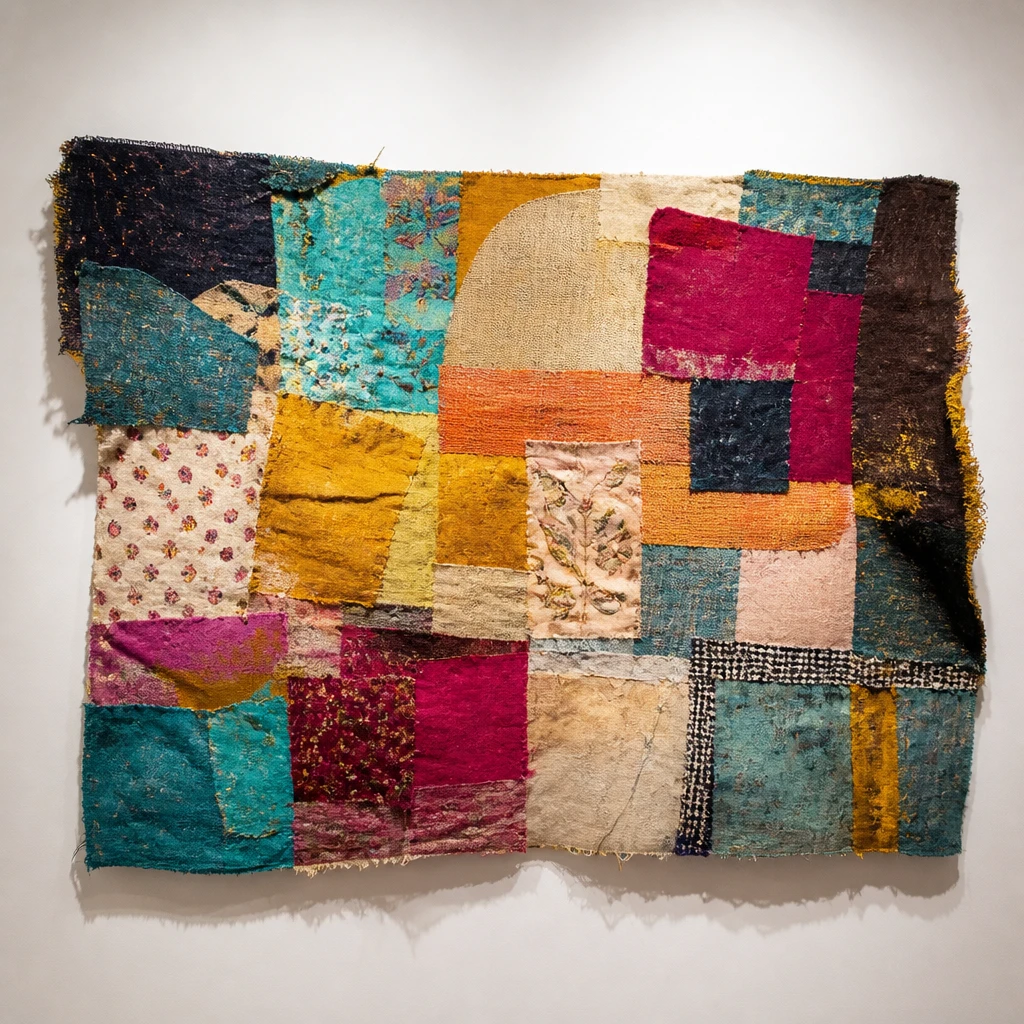
I glue torn pieces of colorful fabric and textured paper onto my canvas to add a tactile dimension to abstract art. Combining mixed media engages multiple senses and invites viewers to explore beyond paint. This technique offers endless opportunities for creativity and personalization.
Pro Tip: Use strong adhesive like gel medium to securely affix fabric and paper layers on canvas.
13. Circular Motion Painting
I rotate the canvas while brushing paint in spirals and circles to create hypnotic motion in my artwork. This technique helps me explore rhythm and flow, producing captivating abstract visuals. It’s also a fun way to physically engage with my creative process.
Insight: I enjoy how circular motion paintings draw viewers into a meditative visual journey.
14. Palette Knife Scraping
I use a palette knife to scrape off layers of paint revealing colors beneath, creating complex abstract textures. This subtractive method balances painting with uncovering hidden layers, making my work more dynamic. It also allows me to correct and refine the painting progressively.
Pro Tip: Work in layers and let each dry before scraping to control texture and color reveal.
15. Ink Blots and Rorschach Style
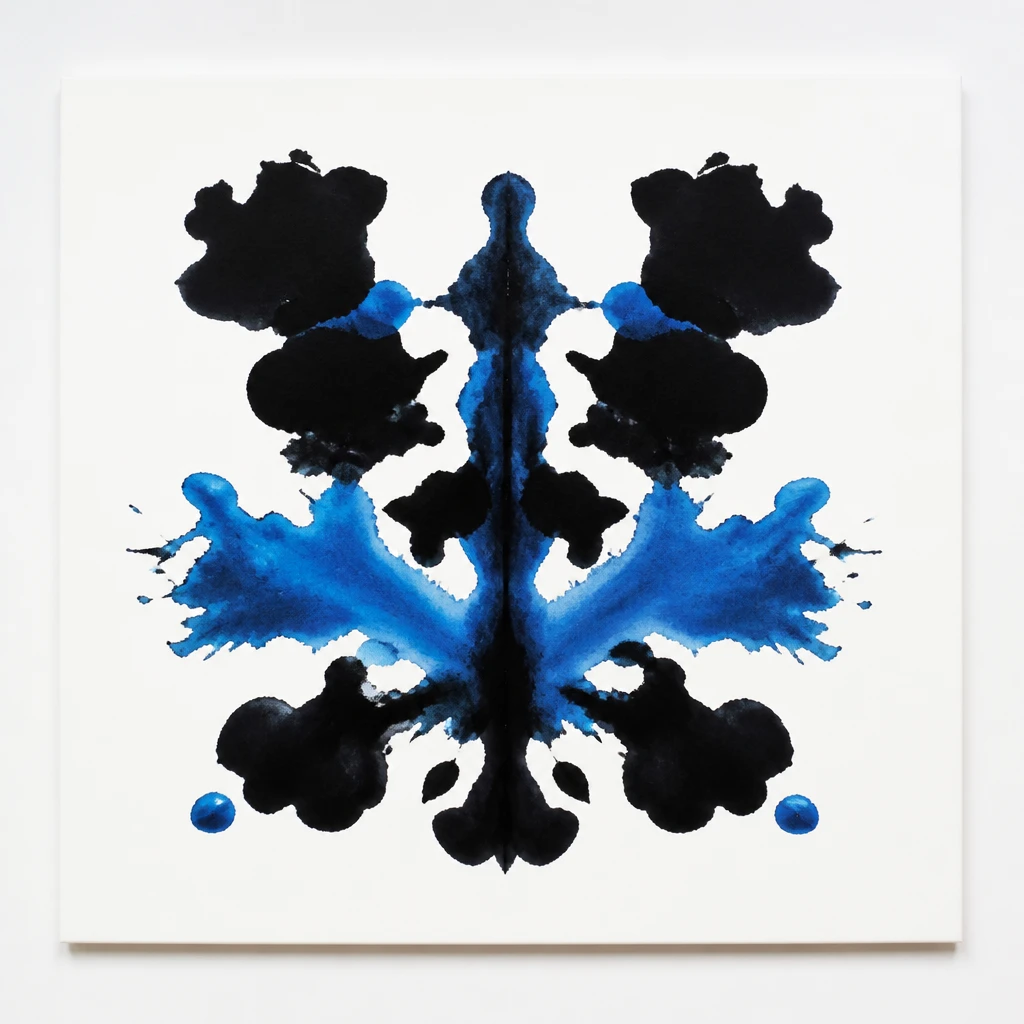
I create symmetrical inkblot patterns by folding paint-laden canvas in half and pressing it together. This method produces intriguing symmetrical designs that invite interpretation. It’s a playful approach to abstract art that surprises me with every fold.
Fact: Rorschach inkblots were originally designed for psychological testing but inspire many abstract artists.
16. Color Block Experimentation
I divide the canvas into large blocks of contrasting colors, sometimes using a ruler for straight edges. This modernist technique makes me focus on color relationships and spatial balance. The simplicity of blocks creates bold visual statements.
Insight: I find color blocking perfect for experimenting with unexpected palette combinations.
17. Impressionistic Dotting
I apply paint with the tip of my brush or a sponge to create clusters of small dots that combine into abstract patterns from afar. This technique encourages patience and precision but rewards me with intricate textures. The gradual build-up of dots gives the work a vibrant energy.
Pro Tip: Use different brush sizes to vary dot dimensions for richer textures.
18. Negative Painting with Scratch Back
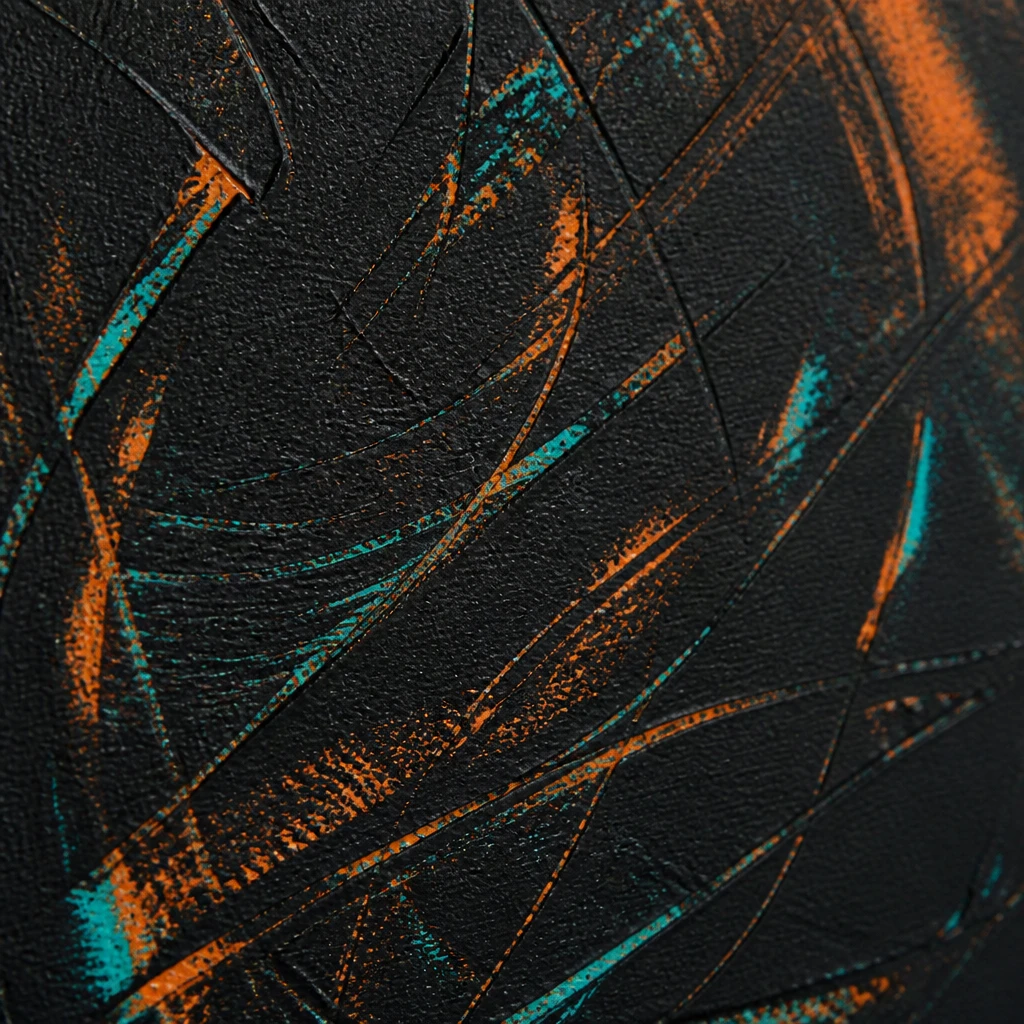
I start by applying a solid dark paint layer over a bright base, then scratch back designs to reveal the colors underneath. This reverse painting method intrigues me because it effectively uses both addition and subtraction. It delivers an eye-catching interplay of positive and negative spaces.
Pro Tip: Use a toothpick or fine tool to carefully scratch away paint for detailed reverse designs.
19. Layered Transparent Washes
I paint several thin transparent layers in different colors, allowing each to dry before adding the next. This glazing technique creates rich color depth and subtle shifts in tone. I love how delicate and luminous these layered washes feel on the canvas.
Insight: I appreciate the patience glazing demands because of the beautiful color complexity it builds.
20. Chalk Pastel Smudge Abstracts
I combine chalk pastels with blending tools to blur and smudge colors into soft, dreamy abstract forms. This dry medium approach contrasts with paint and offers immediate blending control. I enjoy the tactile sensation and the velvety finish it creates.
Fact: Chalk pastels have been used by artists for centuries to create vibrant, soft textures.
FAQs ( Frequently Asked Questions )
Conclusion
Creating abstract canvas art has been one of my favorite ways to combine creativity and relaxation. I hope these 20 DIY ideas inspire you to try new techniques and develop your unique style. Remember, the joy is in the process as much as the result.