27 Group Games for Kids in 2026
I've always found group games to be a fantastic way to engage kids, especially with how technology and social trends evolve every year. In 2026, I’ve noticed some fresh twists and timeless classics that really keep children entertained and help them bond. Let me share my favorite 27 group games for kids that work wonders in fostering fun and teamwork.
Key Takeaways
- Group games promote social skills and teamwork in children.
- Adapting games with technology can enhance engagement in 2026.
- Outdoor and indoor game balance keeps kids active and focused.
- Simple rules and inclusivity are key to successful group games.
- I recommend customizing these games based on group size and interests.
1. Human Knot
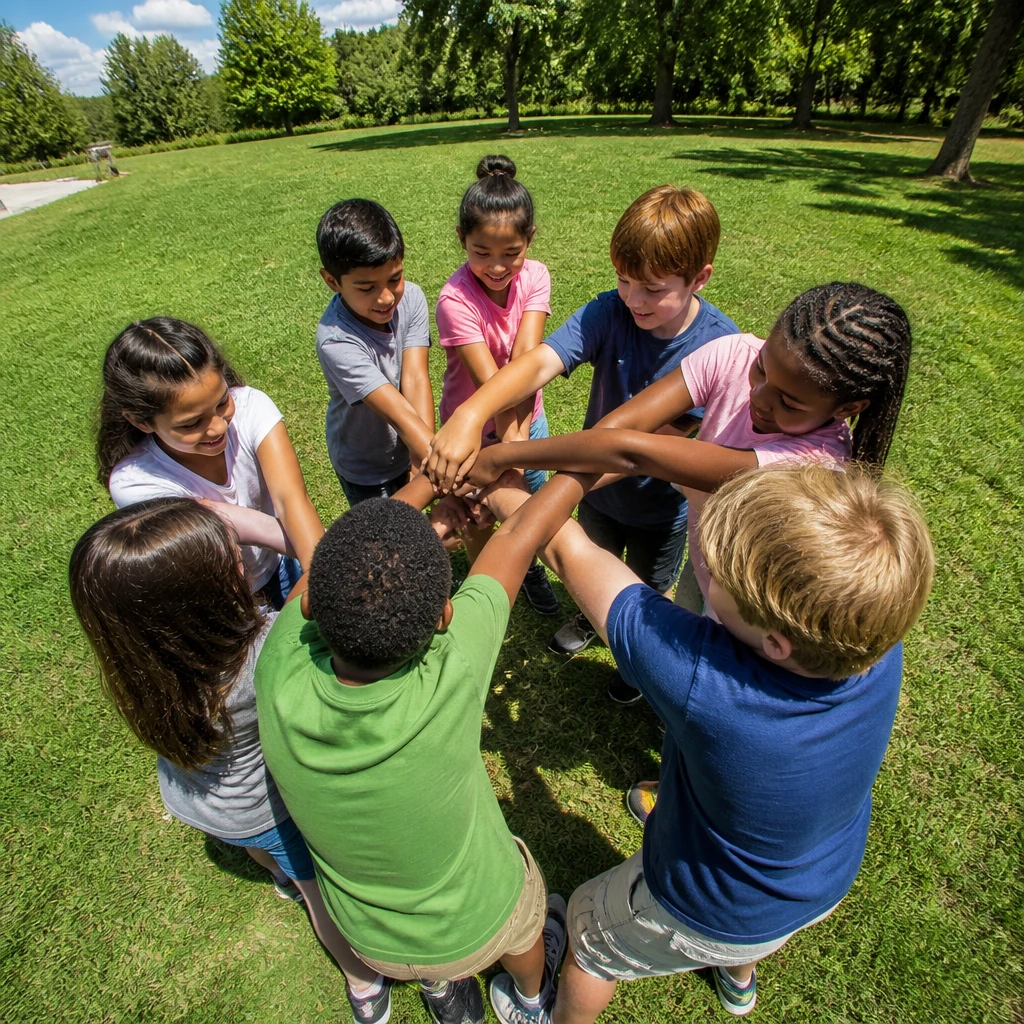
In my experience, the Human Knot is a timeless trust-building game that never fails to entertain a group of kids. I love how it encourages problem-solving and communication without any equipment needed. The laughter and teamwork I witness make it one of my go-to group activities.
Pro Tip: Encourage kids to speak calmly and listen actively to untangle the knot faster.
2. Capture the Flag
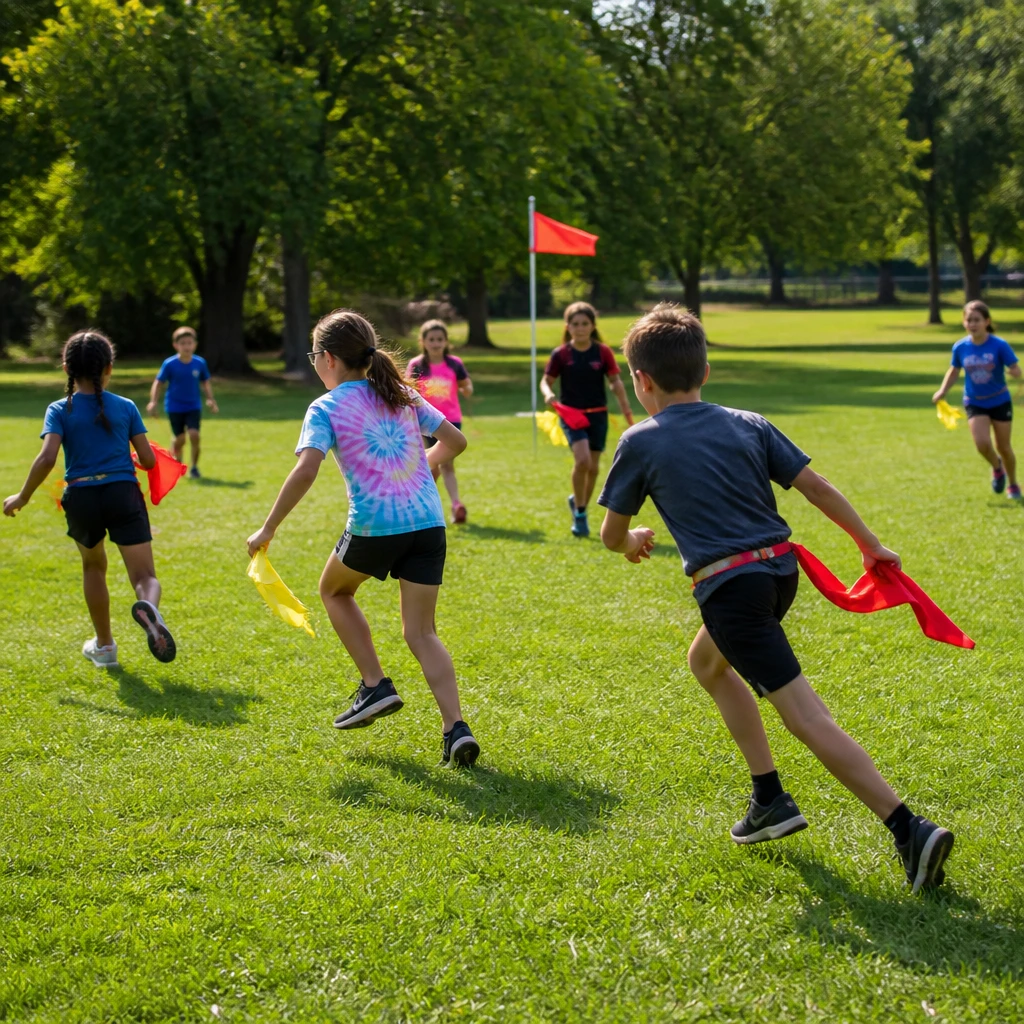
I always recommend Capture the Flag for large groups because it sparks energy and strategic thinking among kids. Watching children divide into teams and attempt to grab the opposing flag keeps me engaged as they practice teamwork and agility. Plus, adjusting boundaries and rules makes it adaptable for various ages and spaces.
Fact: Capture the Flag dates back to early 20th-century North American camps.
3. Freeze Dance
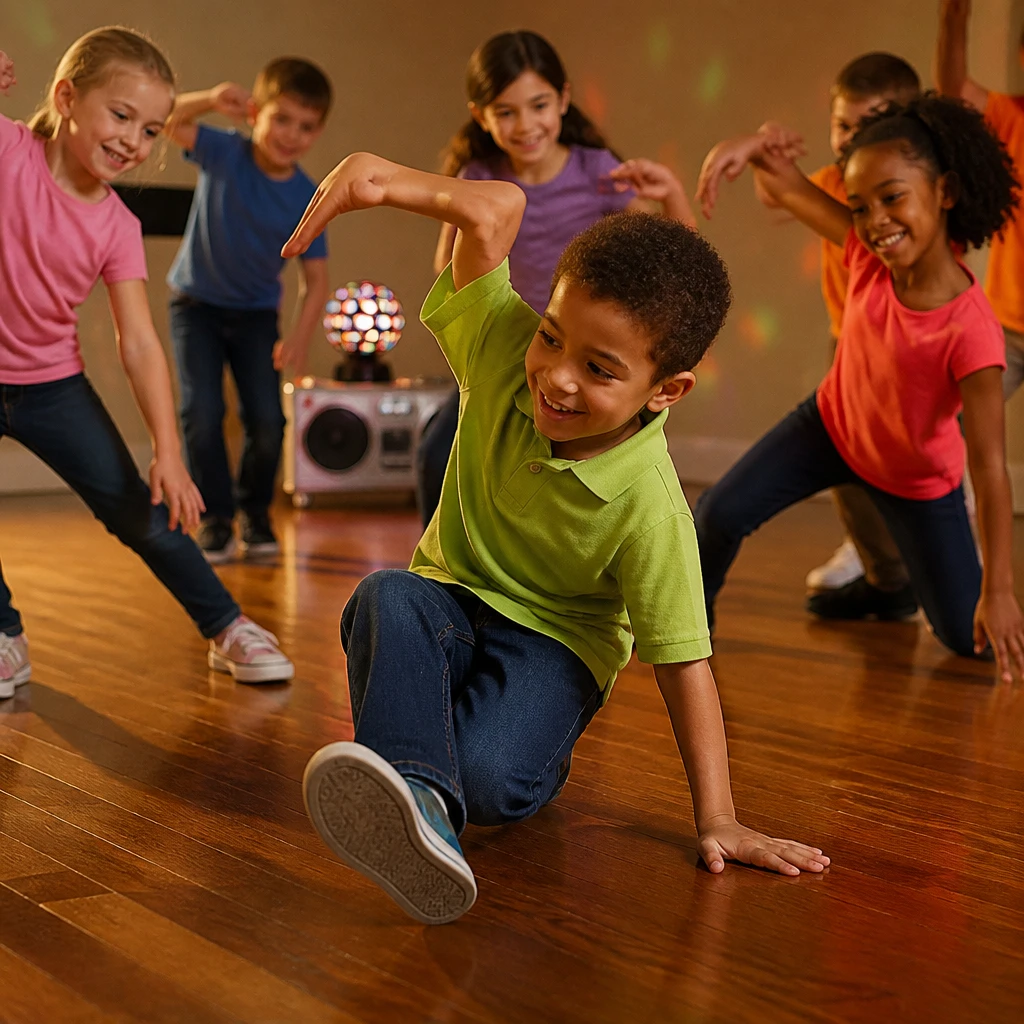
Freeze Dance is a lively game I use often that combines music with active play, perfect for burning energy indoors or outside. I’ve found that kids love the surprise of freezing suddenly and the challenge of maintaining balance. It also improves listening skills and impulse control, which I always aim to encourage.
Pro Tip: Change music tempos to vary challenge and keep kids engaged longer.
4. Relay Races
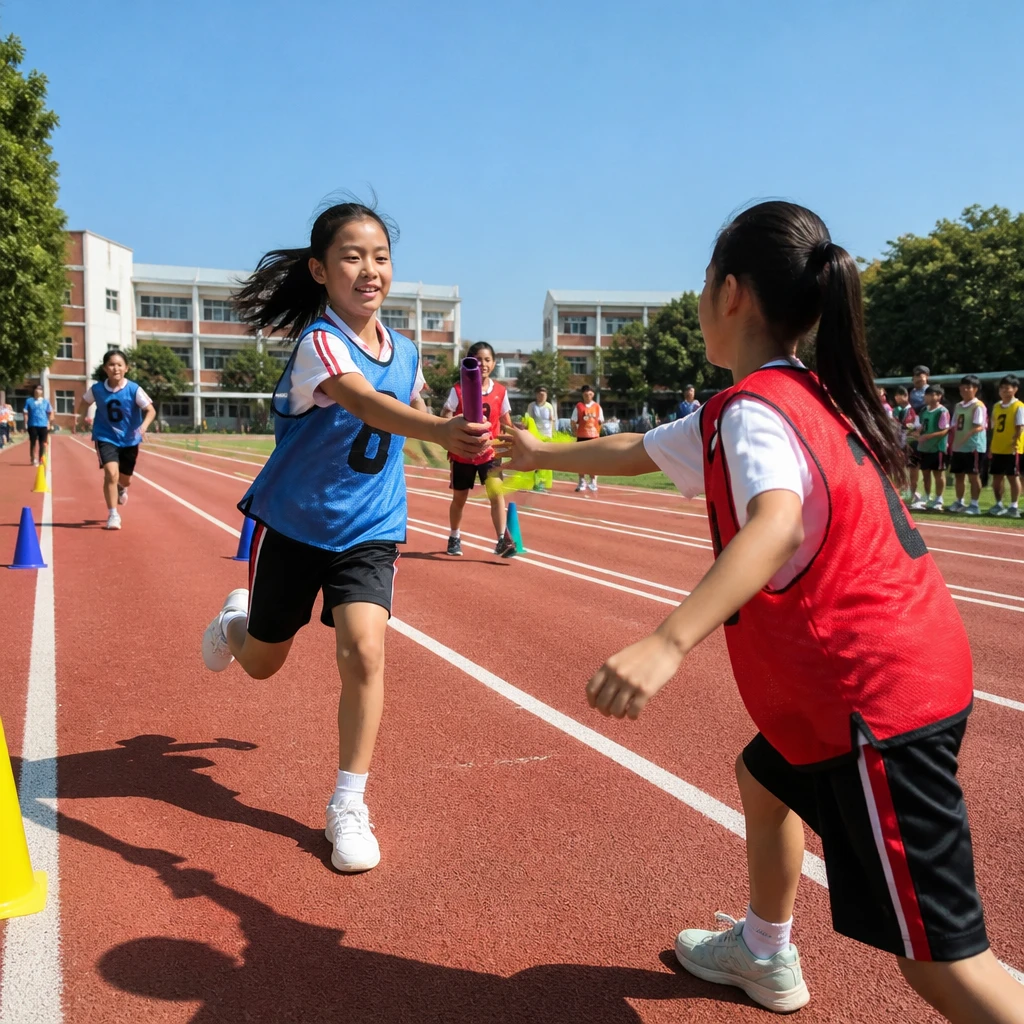
In my experience, relay races are fantastic for teamwork and physical fitness, making them a staple at any kids' gathering. I always set up different types of relay stations to keep the games fun and tailored to the kids’ ages. There’s a special excitement when kids cheer their teammates on, which I love to witness.
Insight: I’ve noticed relay races foster a wonderful sense of shared accomplishment among children.
5. Sardines
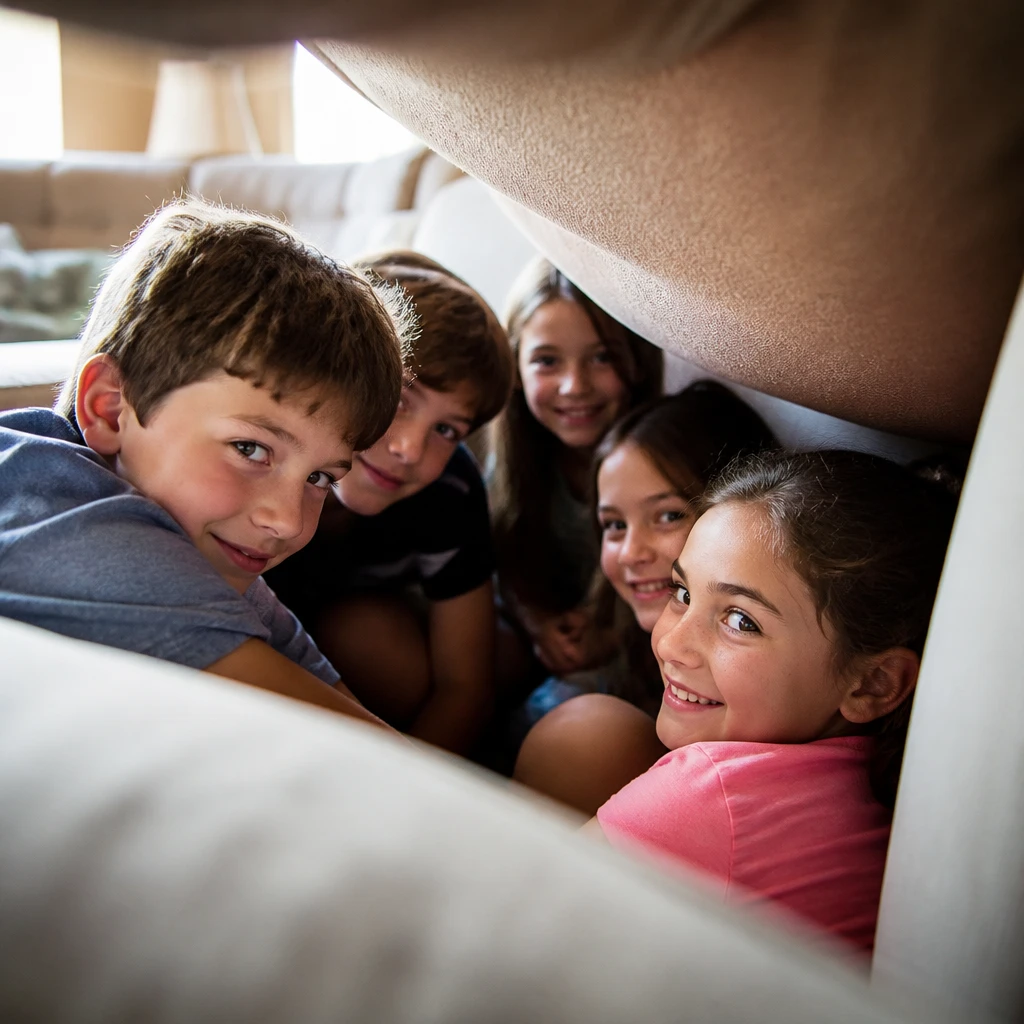
Sardines is a hide-and-seek variant I recently reintroduced to groups with great results, especially for quieter kids. I appreciate how it flips the traditional game by having one person hide and others find them, cramming into a small space like sardines afterward. The shared closeness often leads to delightful giggles and bonding moments.
Pro Tip: Choose safe, varied hiding spots to keep the game exciting and secure.
6. Red Light, Green Light
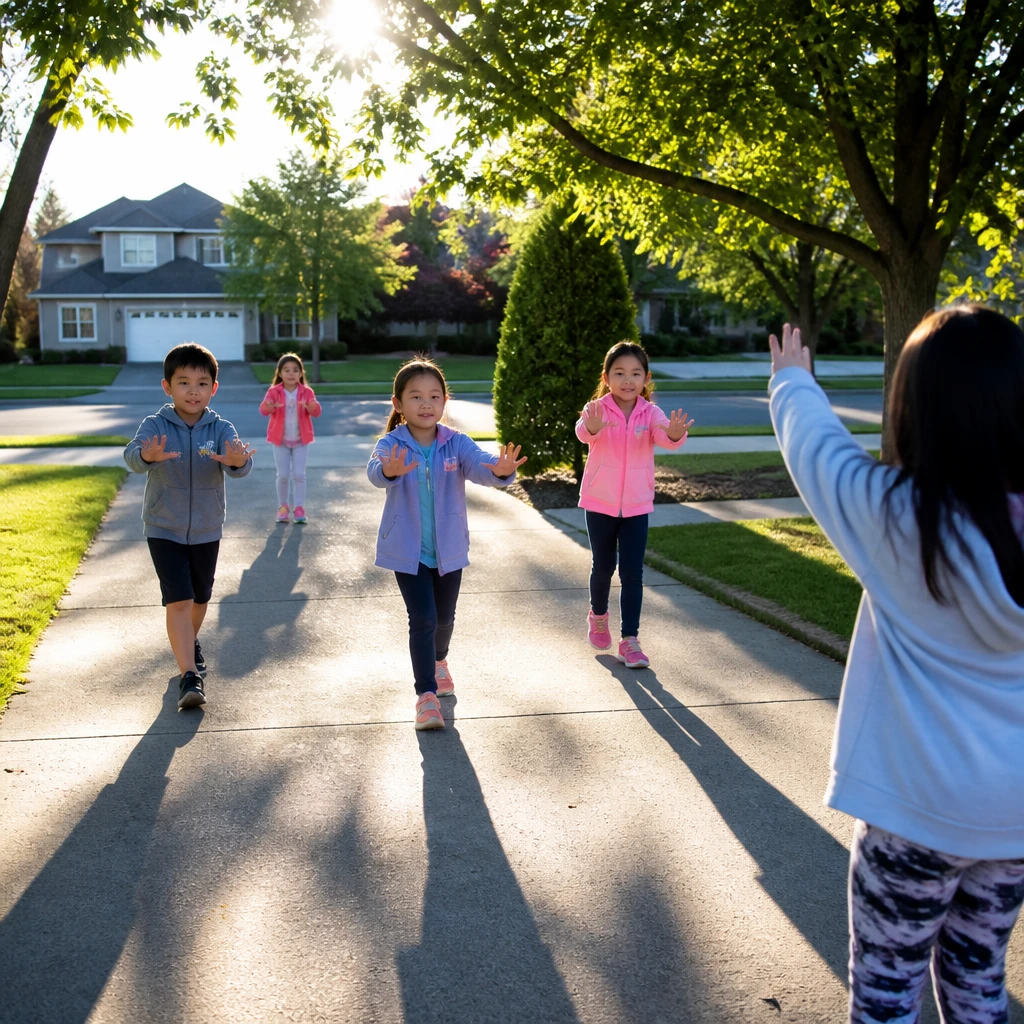
Red Light, Green Light has always been a simple yet effective game I use to teach kids control and patience. I enjoy seeing how children sprint with excitement and then freeze instantly at the red light signal. It’s a great game for developing quick reflexes and attentiveness in a group setting.
Fact: This game has been played worldwide under various names for centuries.
7. Simon Says
I always include Simon Says in group activities because it’s both fun and reinforces listening skills among kids. I’ve noticed that the kids get really into trying to catch each other out when someone misses an instruction. It’s easy to play anywhere and requires no materials, which I find very convenient.
Pro Tip: Use varied commands to keep children attentive and entertained.
8. Tug of War
Tug of War is a classic game I still rely on because it tests strength and teamwork simultaneously. I enjoy organizing it outdoors on soft grass to ensure safety and maximize fun. In my experience, kids love the thrill of trying to out-pull the other team, which also builds camaraderie.
Insight: I find that Tug of War helps children learn about cooperation and healthy competition.
9. Musical Chairs
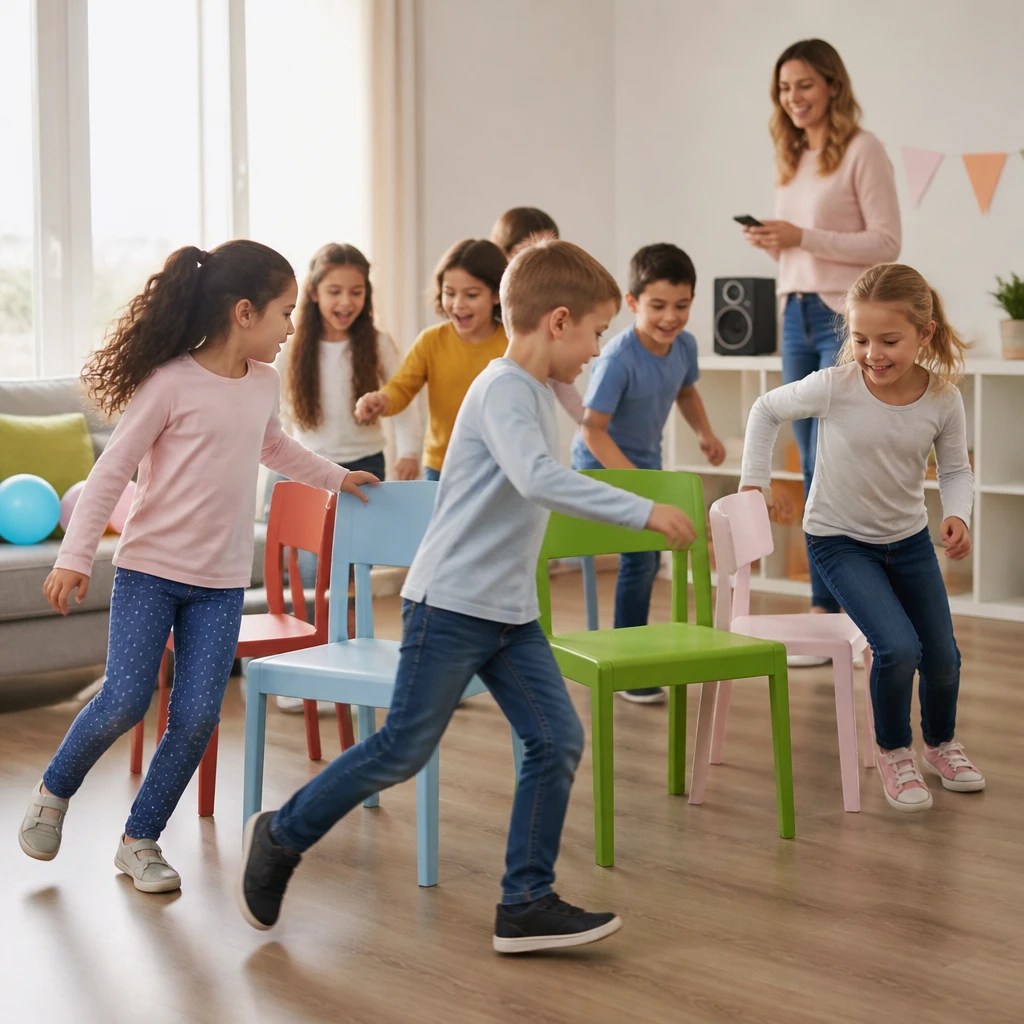
Musical Chairs is a fun game I frequently use for keeping energy high and teaching quick thinking. I appreciate how the game encourages kids to make swift decisions and have a good-natured competitive spirit. The excitement peaks when chairs get fewer, making every round more intense.
Pro Tip: Play upbeat songs and change directions to add unpredictability to the game.
10. Duck, Duck, Goose
I enjoy watching Duck, Duck, Goose because it’s simple but encourages quick movement and social interaction among younger kids. I’ve seen how it helps children learn patience and anticipation as they wait for their turn. Plus, the chasing aspect always gets them giggling and engaged.
Fact: Duck, Duck, Goose originated from traditional European children's games.
11. Charades for Kids
Charades is a game I tailor for kids by selecting simple words and themes they know well, which increases their confidence. I find it great for sparking creativity and expressive skills while keeping the group laughing together. It’s also adaptable indoors or out, requiring no props from me.
Pro Tip: Prepare themed word cards ahead to maintain game flow and excitement.
12. Pass the Parcel
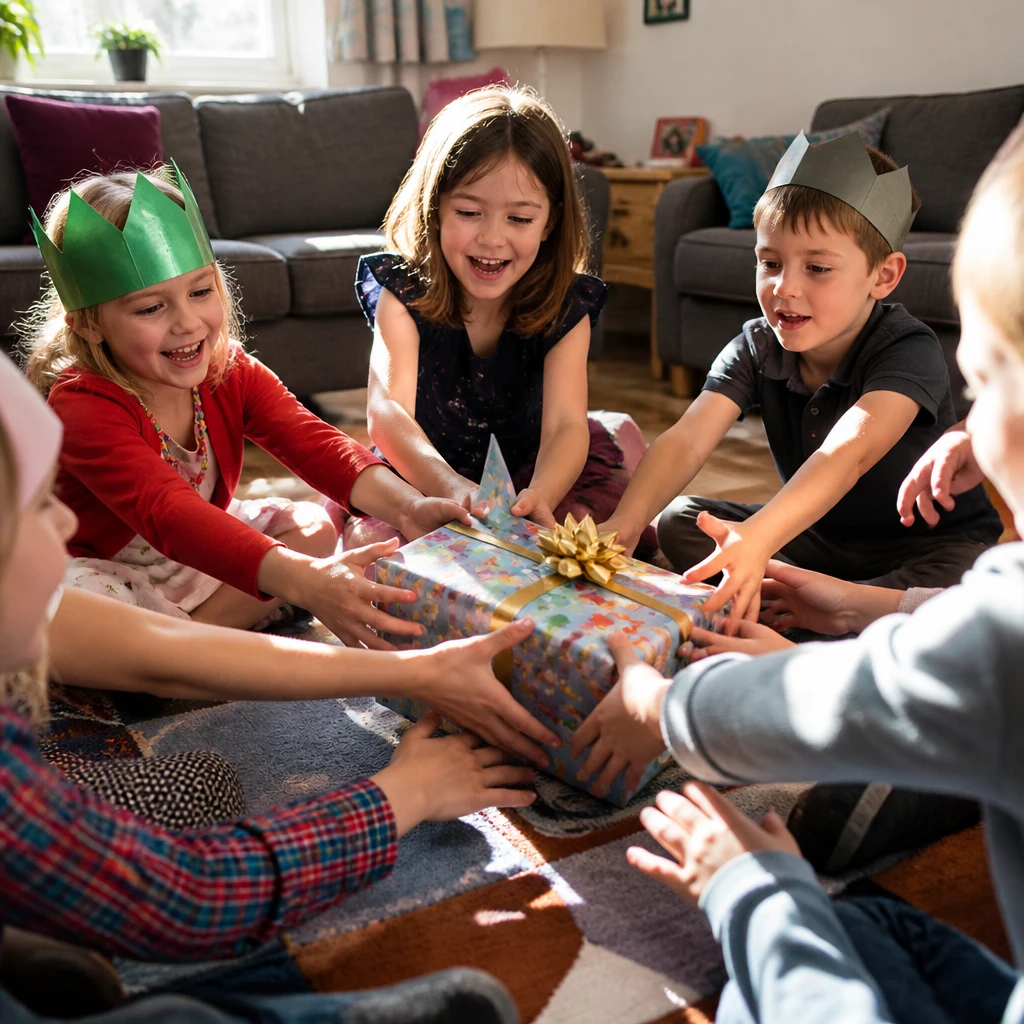
Pass the Parcel is a nostalgic game I always mix up by adding creative challenges in each layer to keep kids intrigued. I enjoy the anticipation builds as the parcel passes around the circle, and kids eagerly unwrap to uncover surprises. This game also teaches patience and sharing, which I prioritize when organizing group entertainment.
Insight: I find layering challenges make Pass the Parcel more engaging and memorable for kids.
13. Balloon Pop
Balloon Pop is a lively and interactive game I’ve seen kids enjoy immensely at parties and playdates. I always inflate bright balloons and include fun tasks or prizes inside some of them to heighten excitement. It’s a great way to combine physical activity with surprise and laughter.
Pro Tip: Add small prizes or challenges inside balloons for added fun and motivation.
14. Scavenger Hunt
I frequently organize scavenger hunts because they inspire curiosity, exploration, and teamwork among kids. I customize clues to suit their age, making the hunt both challenging and manageable. The thrill kids show when they find a hidden item is always rewarding for me as a facilitator.
Fact: Scavenger hunts trace back to medieval European folk events.
15. Spider Web Game
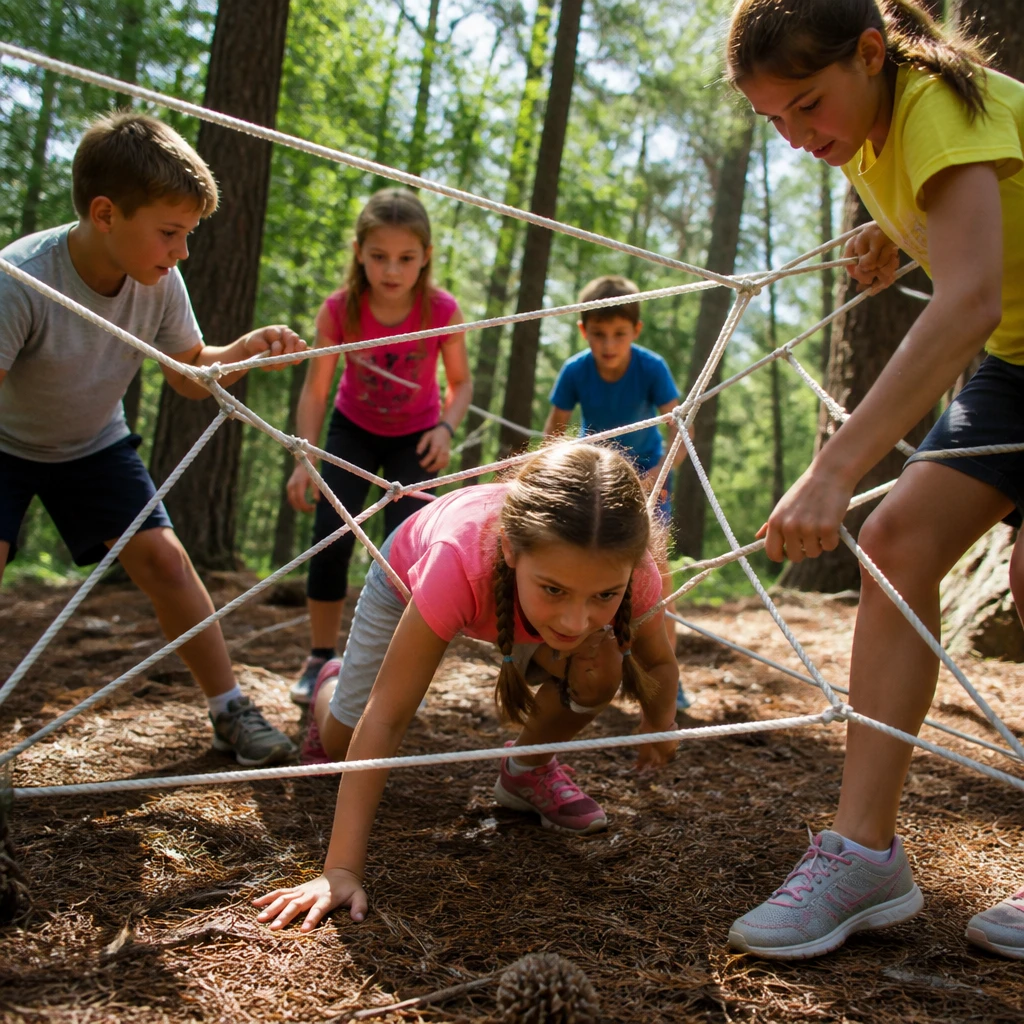
The Spider Web Game is one I use to encourage strategic thinking and physical coordination, as kids carefully navigate a network of ropes I set up. I’ve seen how it builds trust, as children help one another not to get caught or tangled. It’s a visually fun and tactile exercise that keeps the group focused and cooperative.
Insight: I notice that kids develop problem-solving skills quickly when playing the Spider Web Game.
16. Jump Rope Group Games
I’ve found group jump rope games fantastic for endurance and rhythm practice, especially with variations like Double Dutch. Kids enjoy the challenge of timing their jumps and working together to keep the ropes moving smoothly. These games also improve coordination and build a positive group spirit.
Pro Tip: Encourage kids to call out rhythms or count to boost timing accuracy in jump rope games.
17. Kickball
Kickball is a hybrid sport I often organize for groups because it combines familiar elements of baseball with simple kicking actions. I find it’s inclusive for different skill levels, allowing every child to contribute. The game's social and physical benefits make it a beloved choice for outdoor gatherings.
Fact: Kickball was invented in the early 1900s as a playground adaptation of baseball.
18. Hot Potato
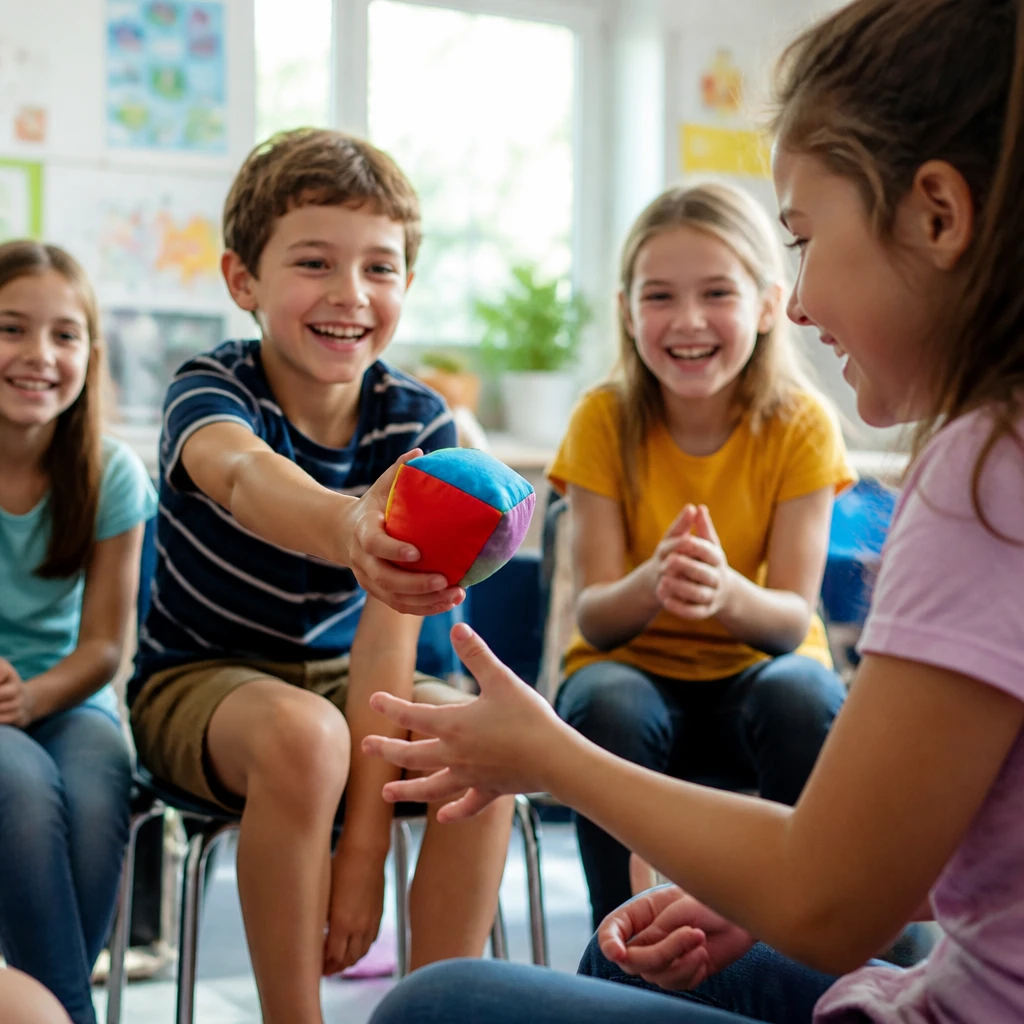
Hot Potato is a quick-paced game I regularly use to develop quick reflexes and reduce shyness through social interaction. I enjoy how kids pass an object rapidly while music plays, adding to the anticipation and excitement. It also naturally fosters a light-hearted atmosphere with much laughter.
Pro Tip: Use a soft, throwable object and upbeat music to keep the energy high and safe.
19. Four Corners
Four Corners is a game I often choose to engage kids in decision making and anticipation without needing much space or equipment. I’ve observed it sharpens listening skills as kids try to predict where the caller will send them. The game is straightforward but always results in plenty of fun and surprise eliminations.
Insight: I value Four Corners for its balance of simplicity and strategic guessing among children.
20. Balloon Volleyball
Balloon Volleyball is one group game I implement indoors for a gentle introduction to volleyball rules with reduced physical strain. The children enjoy keeping the balloon afloat and rallying without the intimidation of a heavy ball. It encourages hand-eye coordination and cooperative play in a fun, safe environment.
Pro Tip: Use a large, colorful balloon to slow pace and extend rallies during play.
21. Charity Ball Pass
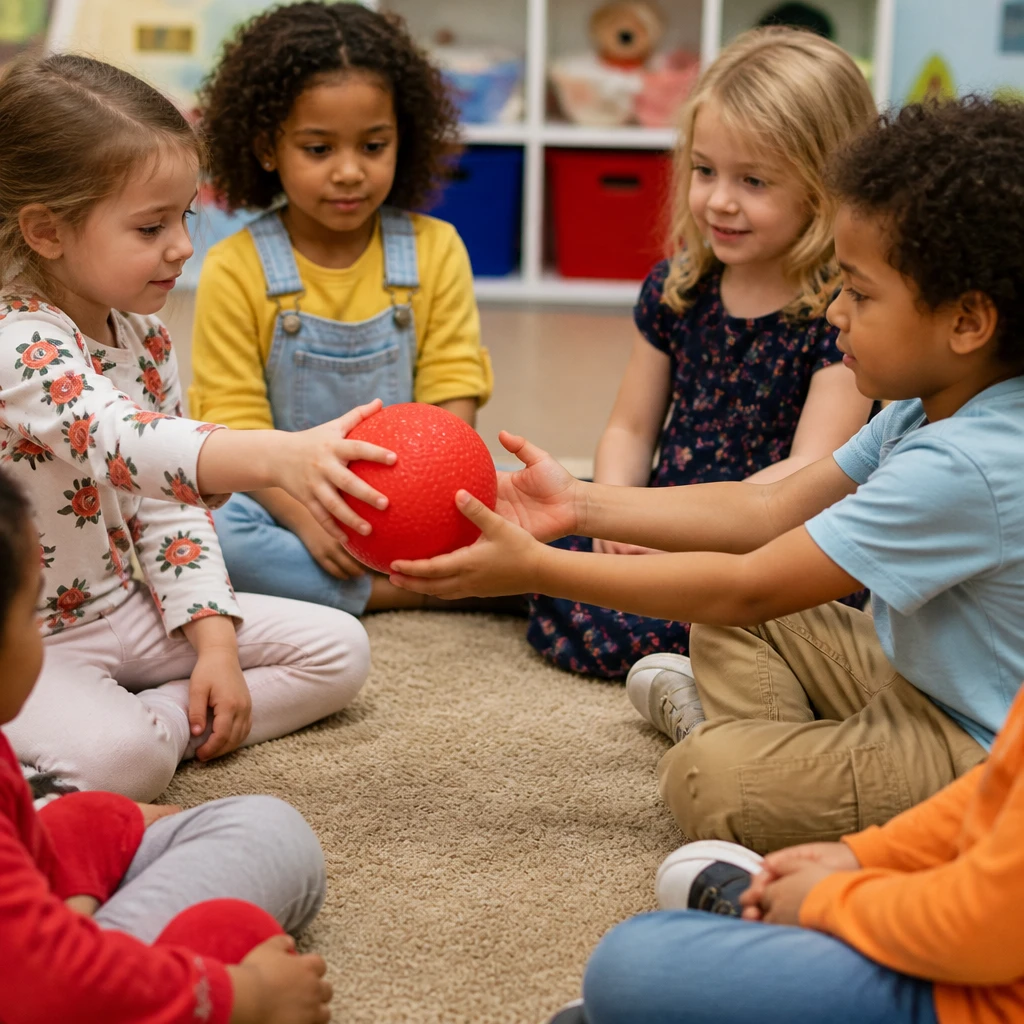
I love involving kids in the Charity Ball Pass, where they pass a ball and share a positive story or compliment when holding it. This game encourages kindness and reflection, which I find extremely valuable in group settings. It helps kids build empathy while still engaging in an active, playful way.
Insight: I’ve seen this game help children open up and connect beyond typical play interactions.
22. Obstacle Course
I create obstacle courses tailored to available spaces and children’s abilities, and they never fail to exhilarate. It encourages physical fitness, problem-solving, and friendly competition all in one. Watching kids tackle each station with enthusiasm and encouragement from peers is deeply rewarding to me.
Pro Tip: Mix physical and mental challenges to keep the obstacle course dynamic and inclusive.
23. Hula Hoop Contest
Hula Hoop Contests are a favorite group activity I use to improve balance and stamina while having playful competition. I enjoy how kids cheer each other on as they see who can keep the hoop around their waist the longest. It’s a simple game but creates lots of energy and smiles.
Fact: Hula hoops were originally popularized as a toy in the 1950s after being inspired by a traditional Australian Indigenous game.
24. Team Storytelling
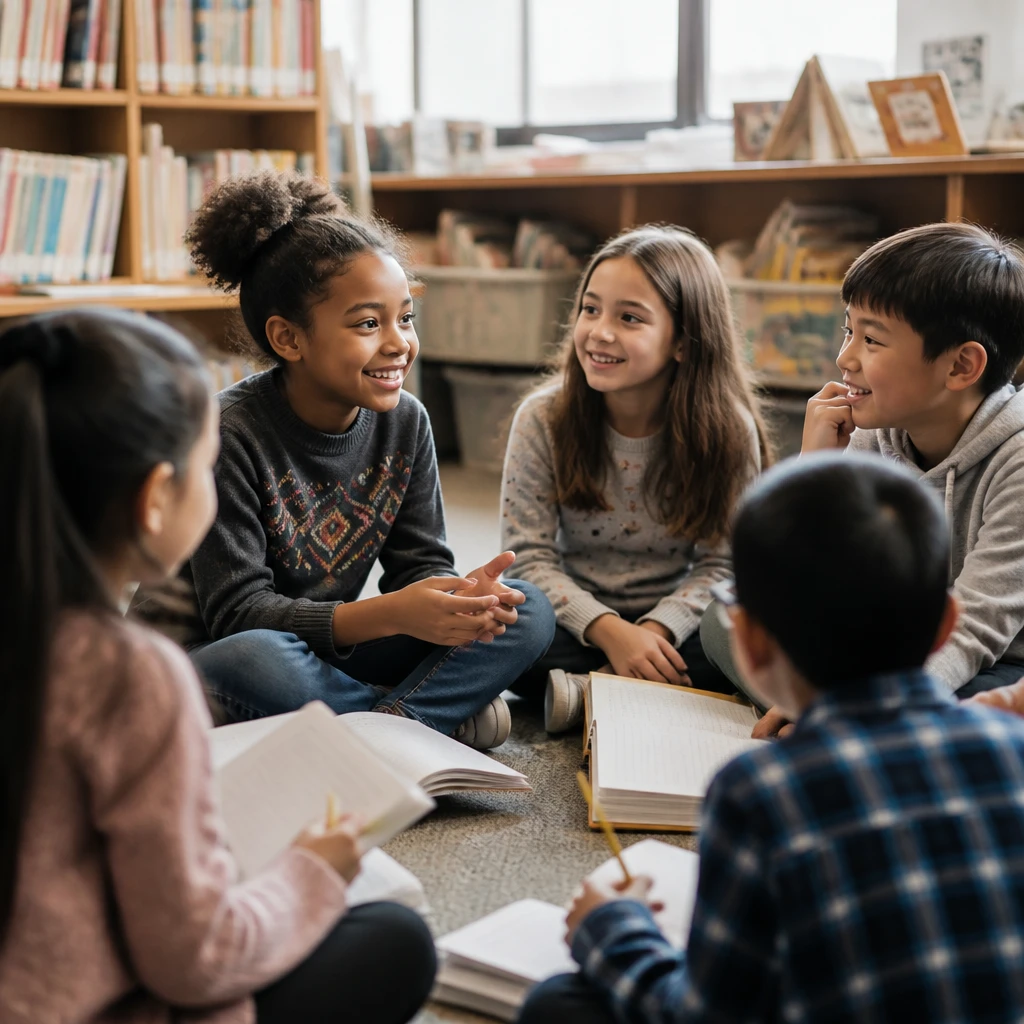
Team Storytelling is a creative group game I facilitate where each child adds a sentence to build a story collaboratively. I’ve found this nurtures imagination and listening as everyone must pay attention to continue the plot logically. It also fosters a strong sense of community, as the story becomes a collective creation.
Insight: I observe that children develop language skills effectively when encouraged to contribute in turns.
25. Animal Charades
Animal Charades is a lively twist I introduced to classic charades, which really captivates kids because they love acting like animals. I find it encourages movement and creativity, plus it’s educational as they think about animal behaviors. The laughter and guessing add a joyful energy to our group playtimes.
Pro Tip: Choose a mix of familiar and exotic animals to broaden knowledge and challenge acting skills.
26. Treasure Map Adventure
I love organizing Treasure Map Adventures because they spark curiosity and teamwork among kids. I always create simple maps with landmarks in the backyard or park to guide the children on their quest. In my experience, giving each child a small role, like navigator or clue finder, keeps everyone engaged and excited throughout the game.
Pro Tip: Draw clear, colorful maps with easy-to-follow landmarks to boost kids' confidence and enjoyment.
27. Story Circle Relay
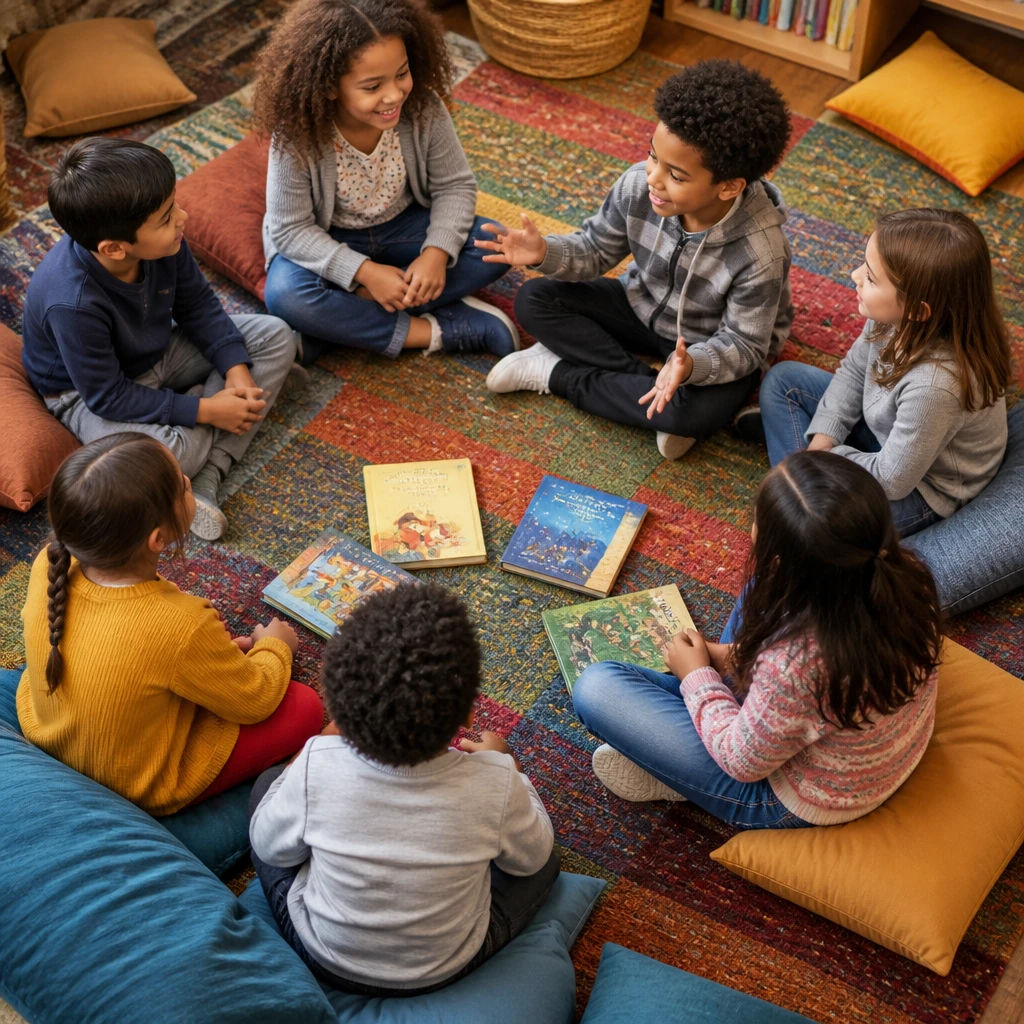
I always find that the Story Circle Relay encourages creativity and listening skills in a fun group setting. I start by giving the first child a story prompt, and each participant adds a sentence to build the tale collectively. This game never fails to surprise me with the imaginative twists children come up with when they build on each other’s ideas.
Insight: I notice that cooperative storytelling improves children’s communication and fosters inclusion.
Conclusion
I’ve found that these 27 group games for kids in 2026 offer a wonderful mix of physical activity, creativity, and social connection. By choosing games that fit the group’s mood and space, I can ensure every child gets involved and enjoys themselves. I recommend experimenting with these ideas to create meaningful and memorable play experiences for kids.