25 Backyard Movie Screen DIY Ideas for 2026
I’ve always loved the idea of transforming my backyard into a cozy movie night spot, so I’ve gathered and tested 25 backyard movie screen DIY ideas perfect for 2026. Whether you prefer a simple setup or something more elaborate, I’ve found options that fit various styles and budgets. Let me share what worked best for creating memorable outdoor cinema experiences.
Key Takeaways
- Incorporate weather-resistant materials to ensure longevity of your screen.
- Choosing the right screen size and aspect ratio greatly enhances viewing experience.
- Portable and foldable designs offer great versatility for different backyard layouts.
- Adding ambient lighting and seating can elevate your movie night setups.
- Creative upcycling often results in budget-friendly and unique screens.
1. PVC Pipe Frame with White Sheet Screen
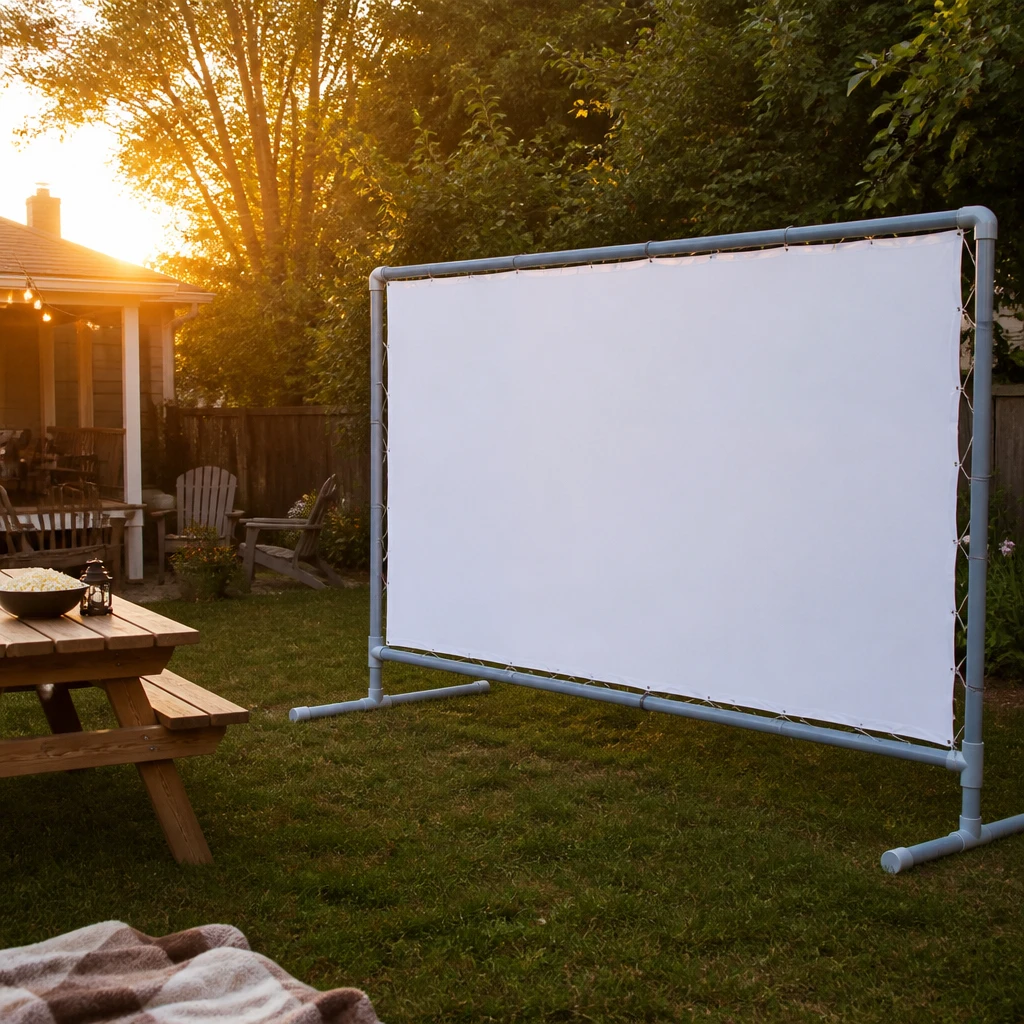
I built a simple frame using PVC pipes and stretched a white bed sheet over it to create a budget-friendly screen. This setup is lightweight and easy to assemble or disassemble, perfect when I want to change locations in my backyard. The PVC structure held up surprisingly well even on slightly windy evenings.
Pro Tip: Use clips instead of staples to secure the sheet so you can easily wash and reuse it.
2. Wooden Pallet Movie Screen
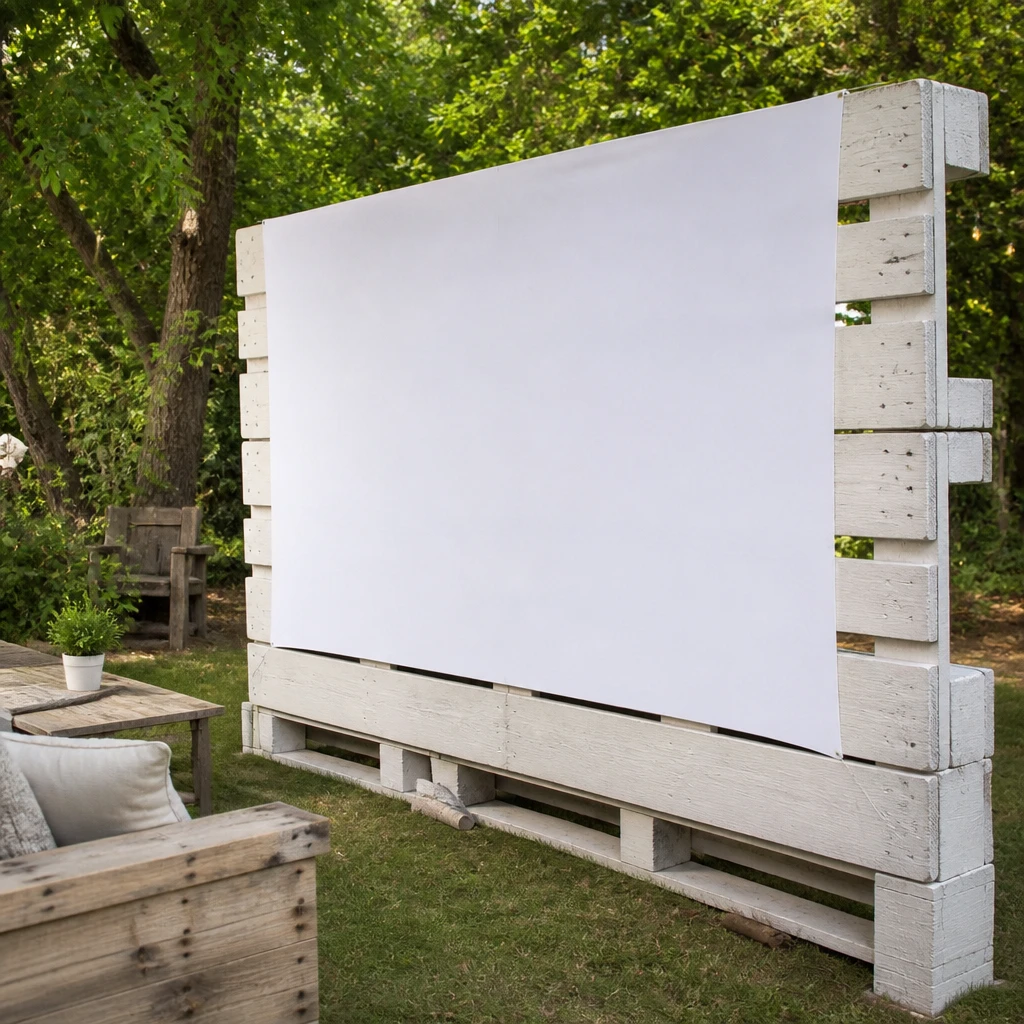
I repurposed old wooden pallets to create a rustic movie screen frame and painted a smooth white surface on one side for projection. This DIY approach let me recycle materials and add a charming, farmhouse vibe to my backyard. The screen stands sturdy, and swapping out the front panel for a painted canvas work was straightforward.
Insight: I found that staining the pallets first helps protect the wood from outdoor elements and adds aesthetic appeal.
3. Portable Tripod Screen Frame
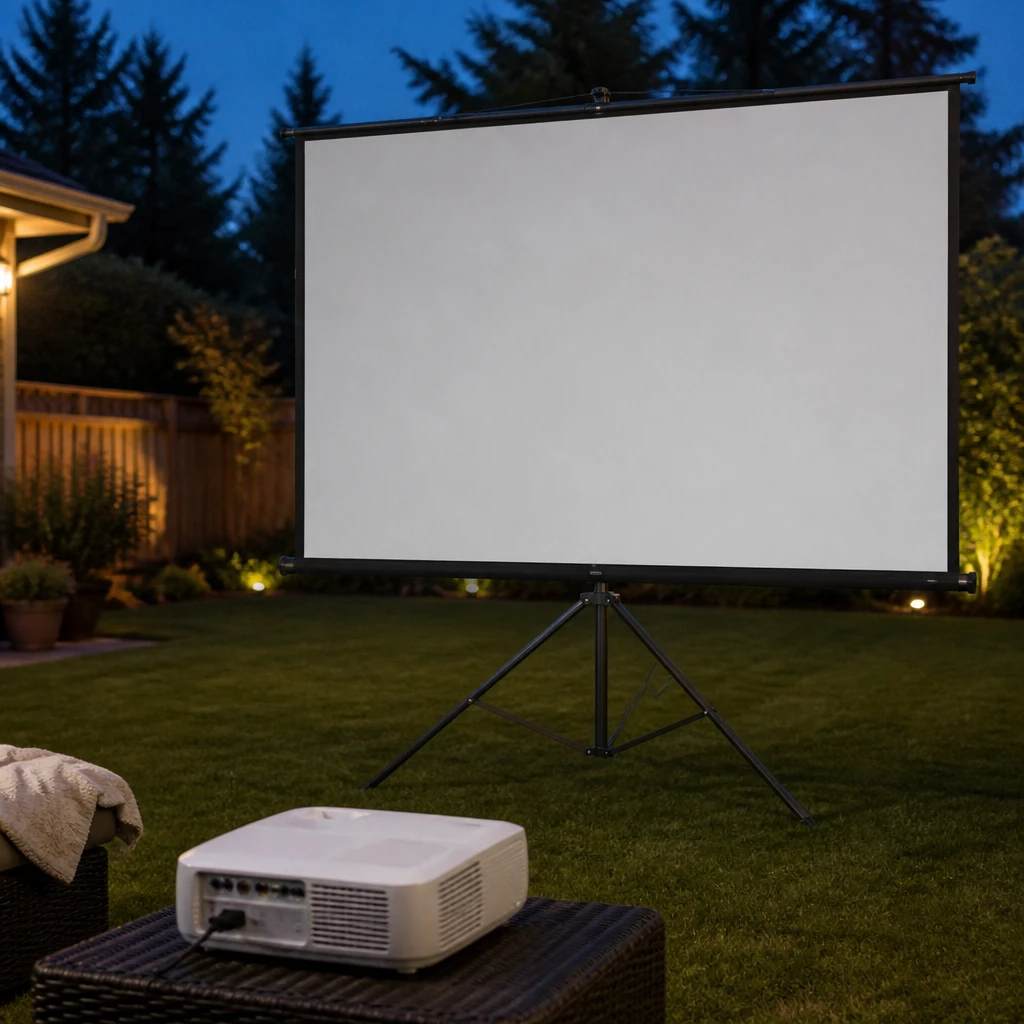
I purchased a tripod stand and rigged a white blackout cloth to create a portable, adjustable movie screen. This method gave me versatility because I could easily relocate the screen and adjust the height for the best viewing angle. It’s especially handy for an impromptu movie night or when hosting friends across different parts of the yard.
Pro Tip: Choose a tripod with locking joints to keep the screen steady during breezes.
4. Repurposed Window Frame Screen
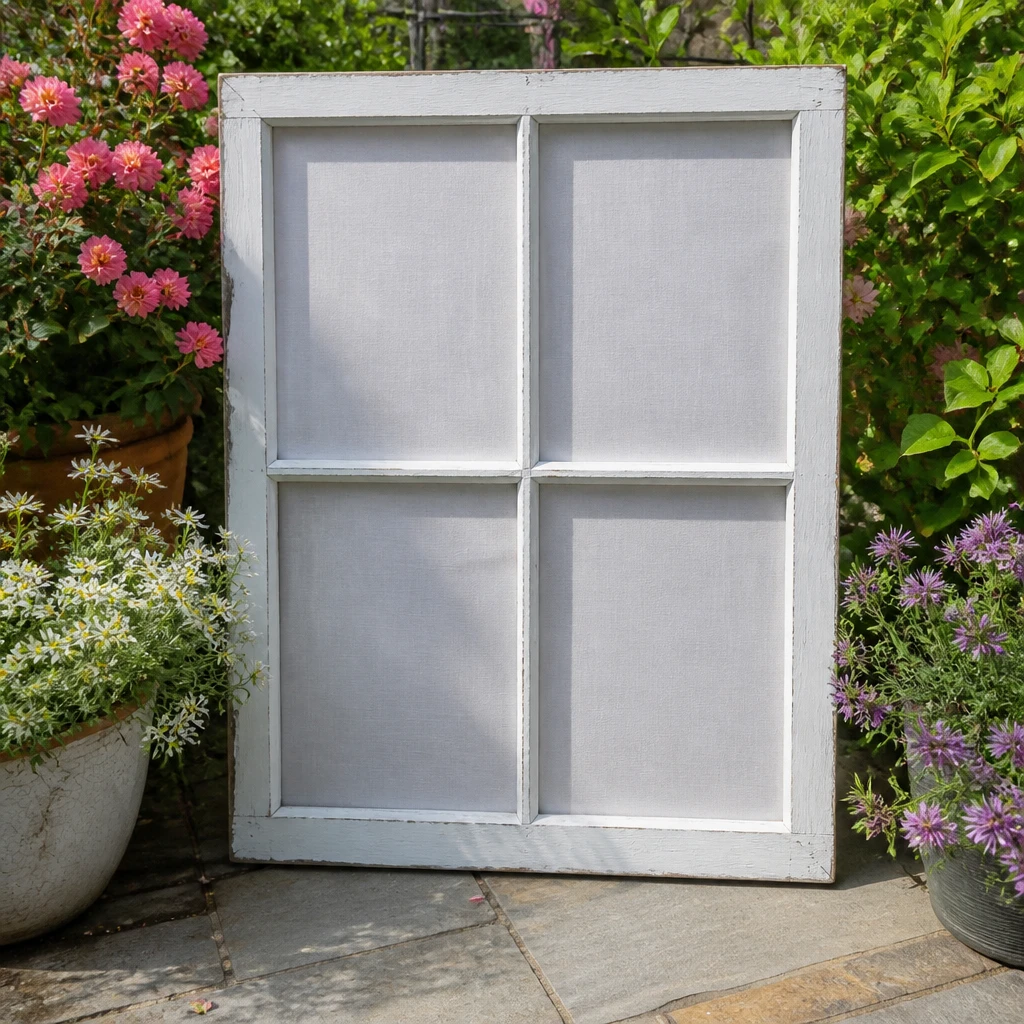
I found an old window frame and removed the glass to create a movie screen by stretching a white fabric behind it. This gave my backyard an artistic, vintage look that guests always compliment. I’ve installed hooks and eyelets to keep the fabric taut, which improves the picture quality significantly.
Fact: Using old window frames can add architectural charm while serving a practical function outdoors.
5. DIY Inflatable Movie Screen
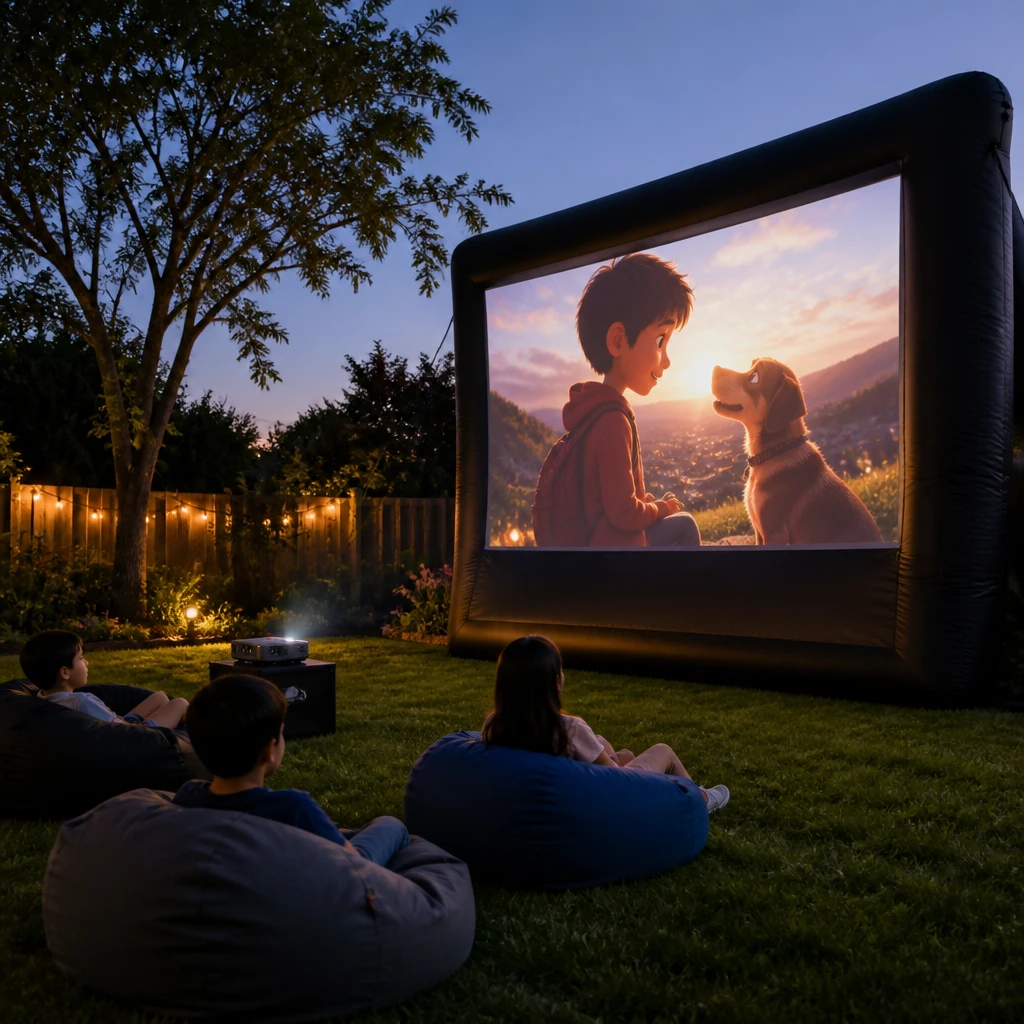
I experimented with an inflatable movie screen kit that I customized with my own seam-sealed fabric to fit perfectly in my backyard. Inflation made setup incredibly fast and the screen stays rigid without a frame, which I really appreciate. Although it requires an air pump, the overall portability and size options are unbeatable.
Insight: I noticed inflatables perform best on flat, smooth ground to avoid punctures and improve stability.
6. Canvas Drop Cloth Screen on Fence
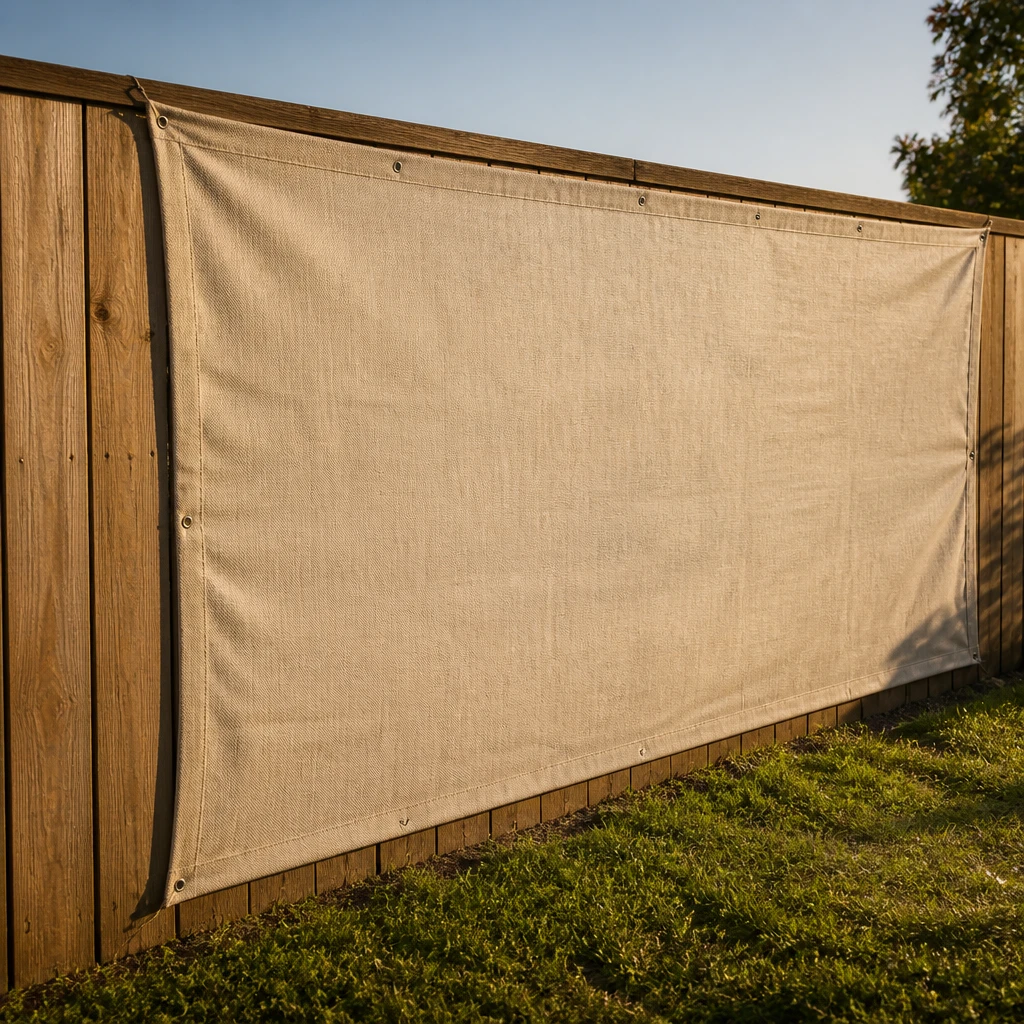
Stretching a canvas drop cloth directly onto a wooden fence created an instant and flush movie screen I can use in seconds. It’s a no-fuss method that works when you don’t want to build anything bulky or permanent. I simply attached the cloth with heavy-duty staples and added some tension with bungee cords for a wrinkle-free surface.
Pro Tip: Always stretch from the middle outward and tighten edges evenly to avoid wrinkles.
7. Hinged Frame Screen with Roller
I constructed a hinged wooden frame with a roller system to raise or lower the screen fabric quickly as needed. This setup has been perfect for my backyard because it saves space and protects the fabric when not in use. The roller mechanism is smooth, and I tailored it so the overall design blends well with my garden decor.
Pro Tip: Install a latch to securely lock the screen in the rolled-up position during windy days.
8. Metal Frame with Stretch Fabric Screen
I built a sturdy metal frame and attached specialized outdoor stretch fabric, which gave me a wrinkle-free and durable screen surface. This method was a bit more advanced, requiring welding skills, but the end result is highly weather-resistant. I appreciated how the fabric’s tension could be adjusted, ensuring a smooth picture every time.
Insight: I feel the investment in quality metal and fabric pays off with a professional-grade backyard cinema.
9. Old Bed Frame Screen with Muslin Fabric
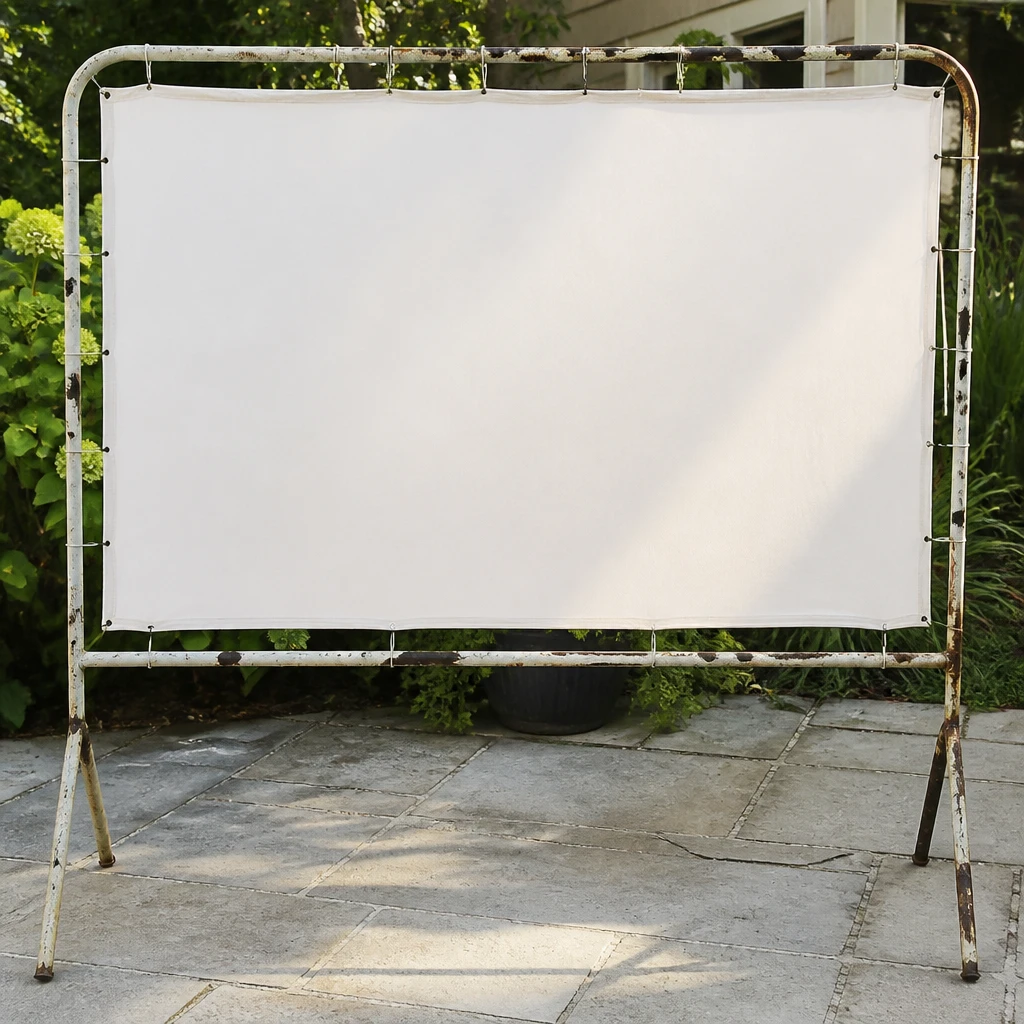
I converted an old metal bed frame into a freestanding screen by tightly securing muslin fabric across it. This quirky DIY gave me a tall and narrow screen that’s easy to move and store. The vintage frame adds character and the fabric’s natural fibers provide nice color accuracy for the projected images.
Fact: Muslin fabric is a popular choice for DIY screens due to its smooth texture and affordability.
10. Roll-Up Bamboo Shade Screen
I adapted a roll-up bamboo window shade by painting it white and hanging it between two posts for a natural, bohemian-style outdoor screen. This lightweight option blends beautifully with greenery and offers easy roll-up storage. It’s a great choice if you want a screen that doubles as a garden privacy shade on other days.
Pro Tip: Seal bamboo with clear weatherproof sealant before painting to increase durability.
11. Tensioned Rope Screen on a Pergola
I strung heavy-duty ropes across my pergola and stretched a screen fabric tightly for a large, elegant movie surface. Using my existing backyard structure cuts down on build time and the tensioned fabric looks very sleek. It also allowed me to integrate soft fairy lights for ambiance during movie nights.
Insight: I’ve found that choosing a fabric with some stretch reduces sagging over time under the rope tension.
12. Canvas Drop Cloth on PVC Frame with Stakes
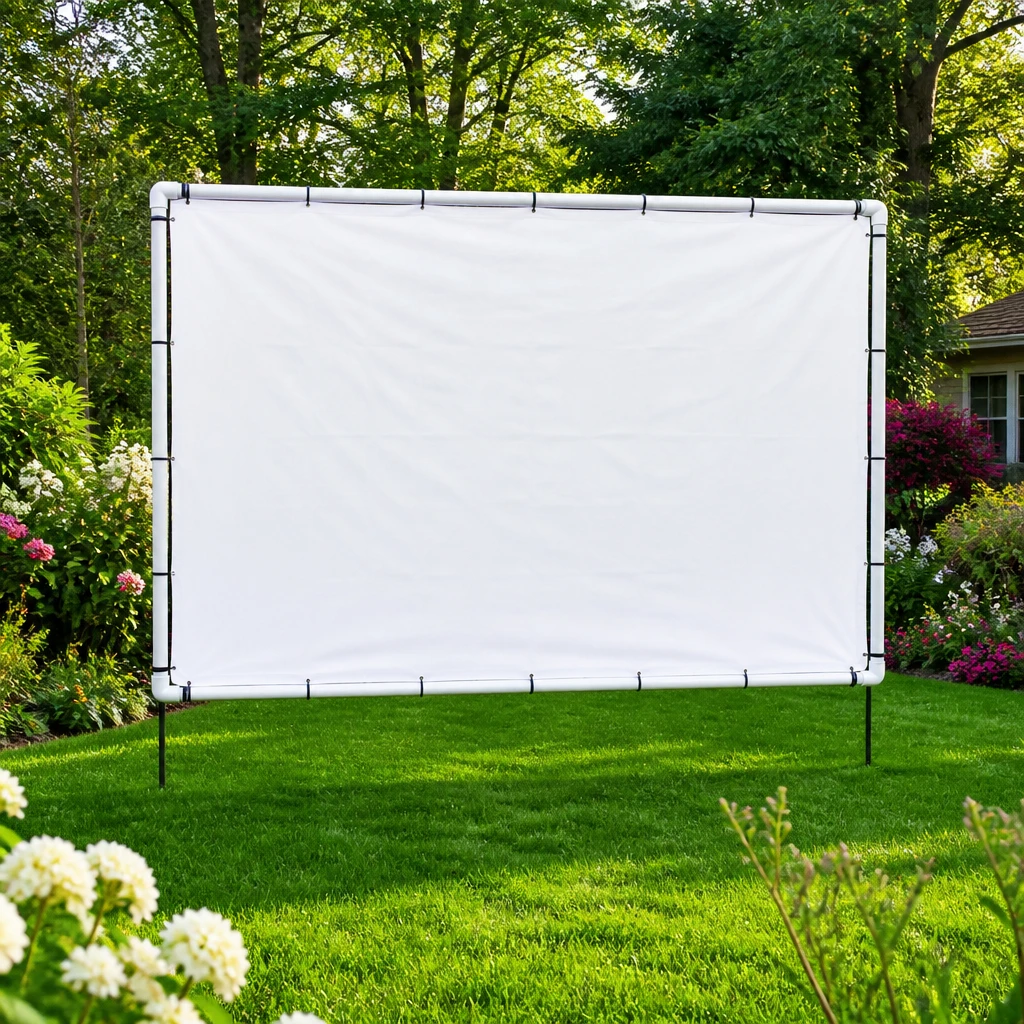
I combined a PVC pipe frame with sturdy garden stakes to anchor it firmly into the ground and stretched a canvas drop cloth screen. This DIY is lightweight but solid enough for slightly windy nights. It’s also easy to take down and set up again, fitting well with my dynamic outdoor space.
Pro Tip: Add guy ropes for extra stability when using tall PVC pipe frames.
13. Projector Tent Screen Setup
I created a mini-screen inside a pop-up tent with white blackout fabric stretched inside, perfect for small groups or kids' movie nights. This contained space keeps the image sharp and the projector equipment protected from dew or light rain. I always carry this setup when camping or hosting movie nights in different backyard spots.
Fact: Pop-up tents offer a controlled environment that can enhance projector image quality outdoors.
14. Screen Wall with Outdoor Paint on Fence
Instead of hanging a screen, I painted a section of my wooden fence with special outdoor projector screen paint. This permanent solution delivers crystal clear images and eliminates wrinkles or sagging issues. It took some prep work, but the durable finish has held up well through rain and sun exposure all season.
Pro Tip: Apply multiple paint coats with a roller to ensure smooth, even coverage for best image clarity.
15. DIY Tarp Screen with Grommets and Bungee Cords
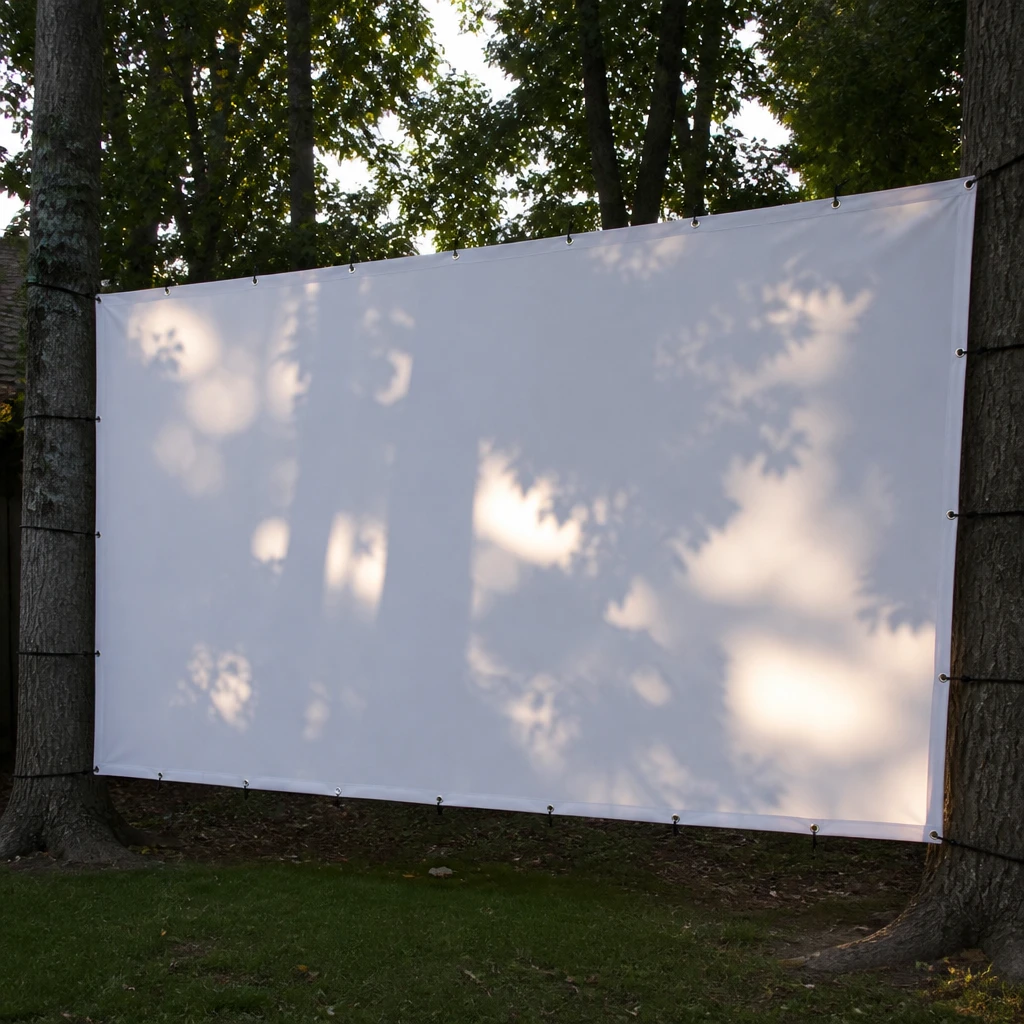
I turned a large white tarp into a cost-effective screen by adding metal grommets and securing it with bungee cords on a frame. This allowed me quick assembly and adjustment to keep the surface tight and wrinkle-free. The material is waterproof, which adds the advantage of easily cleaning and weather resistance.
Pro Tip: Space grommets evenly along edges to maintain proper tension and reduce screen flapping.
16. Screen from an Old Projection Curtain
I sourced an old theater projection curtain from a thrift shop and mounted it on a wooden frame in my backyard. The fabric’s density and matte finish made it one of the best surfaces I’ve used for clarity and contrast. It’s heavier than most DIY fabrics, so I reinforced the frame to keep everything stable during outdoor use.
Insight: The weight and quality of original projection fabrics noticeably boost image sharpness outdoors.
17. DIY Tripod + PVC Frame Hybrid Screen
I combined a tripod stand base with a PVC pipe frame to create a hybrid foldable screen that’s both stable and lightweight. This clever combination helped me save space while still having a large canvas area. It’s proven easy to transport and perfect for outdoor movie nights on varying terrains.
Pro Tip: Secure PVC ends inside tripod legs with zip ties to prevent slipping during use.
18. Upcycled Door Screen Frame
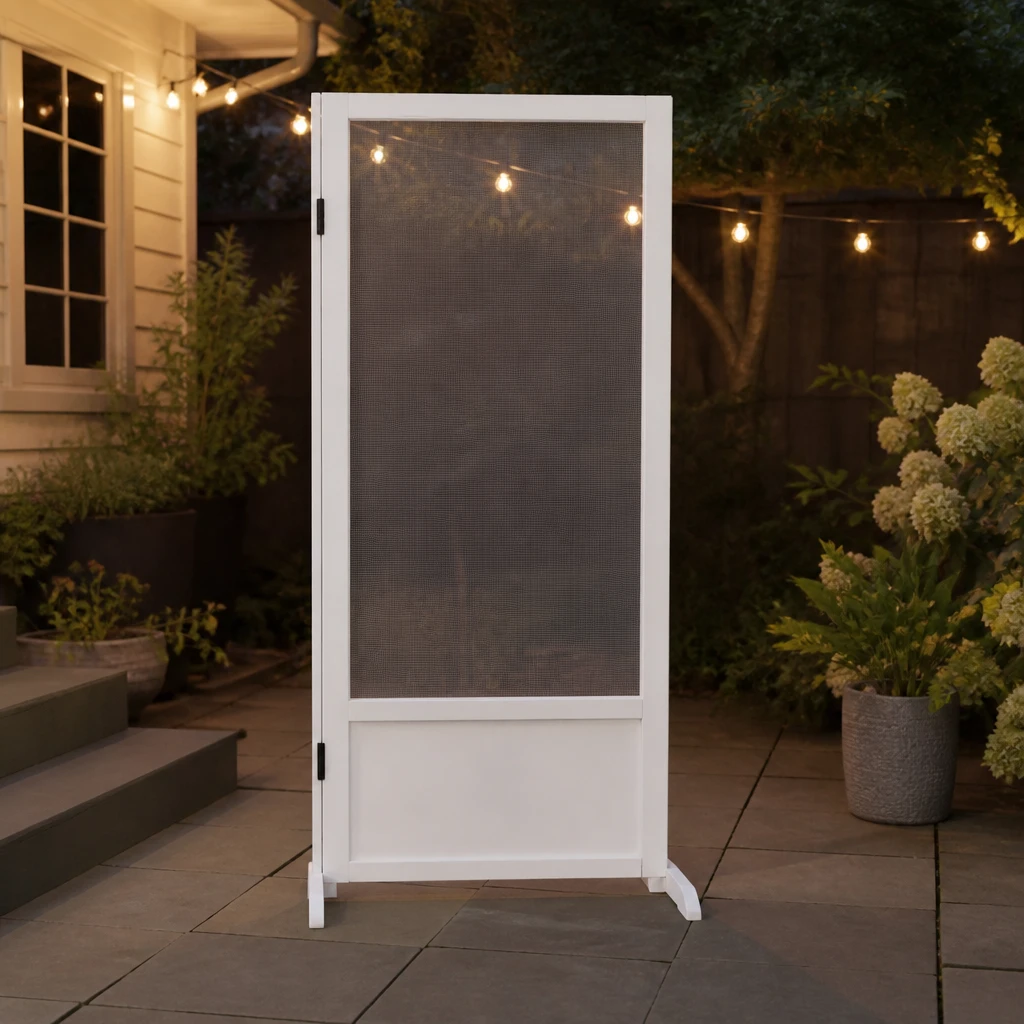
I painted a discarded solid door white and attached projector fabric on one side for a stylish, portable screen. Using a door frame offered a large flat surface and great rigidity, making setup a breeze. I added foldable legs to keep it upright, which is ideal for quick backyard entertainment hacks.
Fact: Old doors make surprisingly elegant and sturdy outdoor screens with minimal modifications.
19. Canvas Backdrop on PVC Arch
I crafted a PVC arch and suspended a canvas backdrop painted white, creating a curved screen surface that enhances viewing angles. The arch design also adds an artistic flair and feels like a dedicated movie stage in my garden. I often pair this setup with soft uplighting for a dramatic movie environment.
Insight: Curved screens help reduce edge distortion and can make smaller screens feel larger.
20. Screen Using Whiteboard Sheet on Frame
I replaced a glass panel on a large frame with a whiteboard sheet that doubles as a projector screen and writable surface for pre-show notes. This creative multitasking idea has been fun for interactive movie nights with friends and kids. The surface is glossy but works surprisingly well with high-lumen projectors I tested.
Pro Tip: Opt for matte whiteboard sheets to reduce minor projector hotspot glare.
21. Outdoor Curtain Rod with Draped Fabric Screen
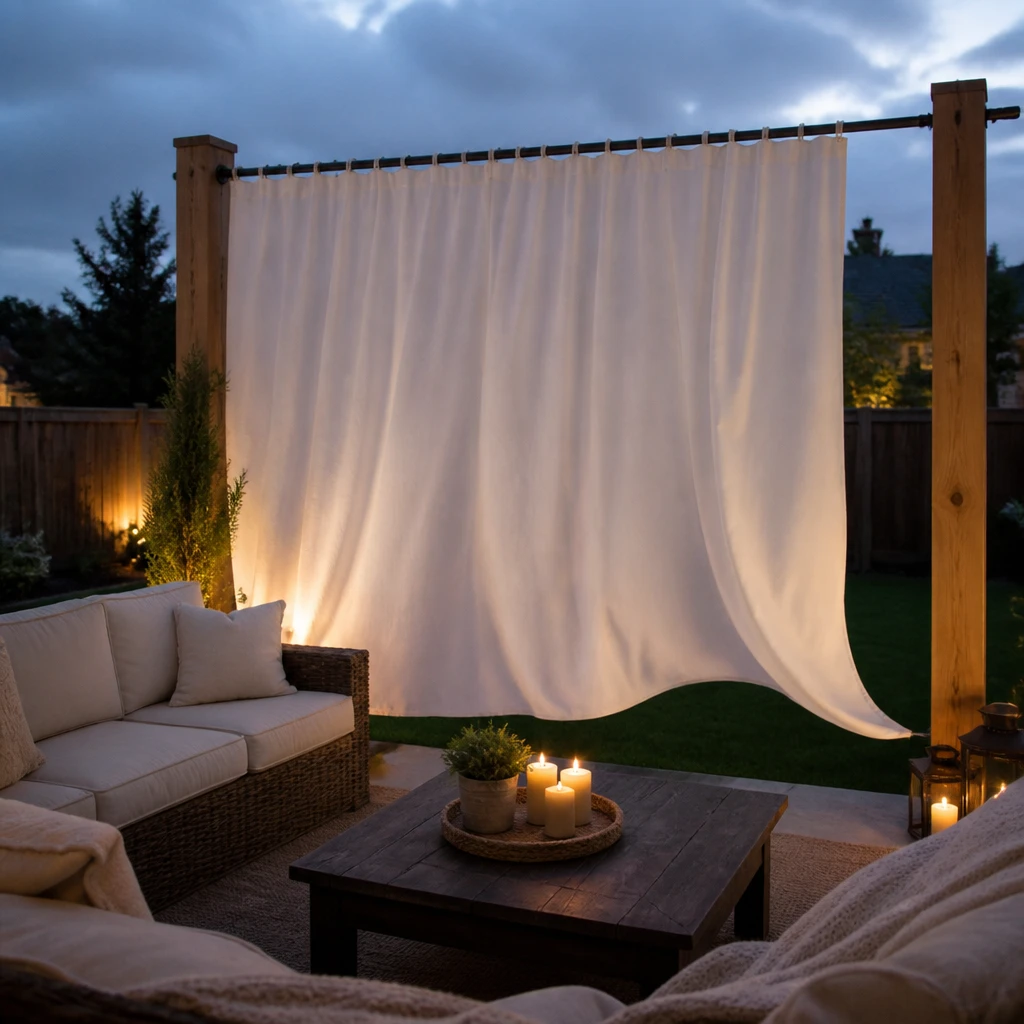
I installed a sturdy outdoor curtain rod on posts and hung heavy white drapery fabric for an elegant and flexible movie screen. This design gives me quick fabric removal for washing or swapping styles and creates a theater-like vibe. The thickness of the drapery also minimizes outdoor light penetration for better contrast.
Pro Tip: Use weatherproof curtain rings and rods designed for outdoor use to avoid rusting.
22. DIY Wooden Ladder Frame Screen
I converted an old wooden ladder into a screen frame by attaching a painted canvas to the rungs and sides. This quirky structure reminded me of a scoreboard and added a playful aspect to my backyard movie nights. Lightweight and easy to reposition, it's a decorative piece even when not in use.
Fact: Repurposing ladders saves materials and adds height for better visibility.
23. DIY Pergola Hanging Screen
I hung a large white blackout fabric from hooks installed on my pergola roof beams, creating a drop-down screen that’s easy to roll when not in use. This method uses existing structures, minimizing new build effort. I also added pull cords to raise and lower the fabric neatly before and after shows.
Insight: Utilizing garden structures saves space and integrates movies into outdoor living seamlessly.
24. PVC Frame with Magnetic Strip Screen
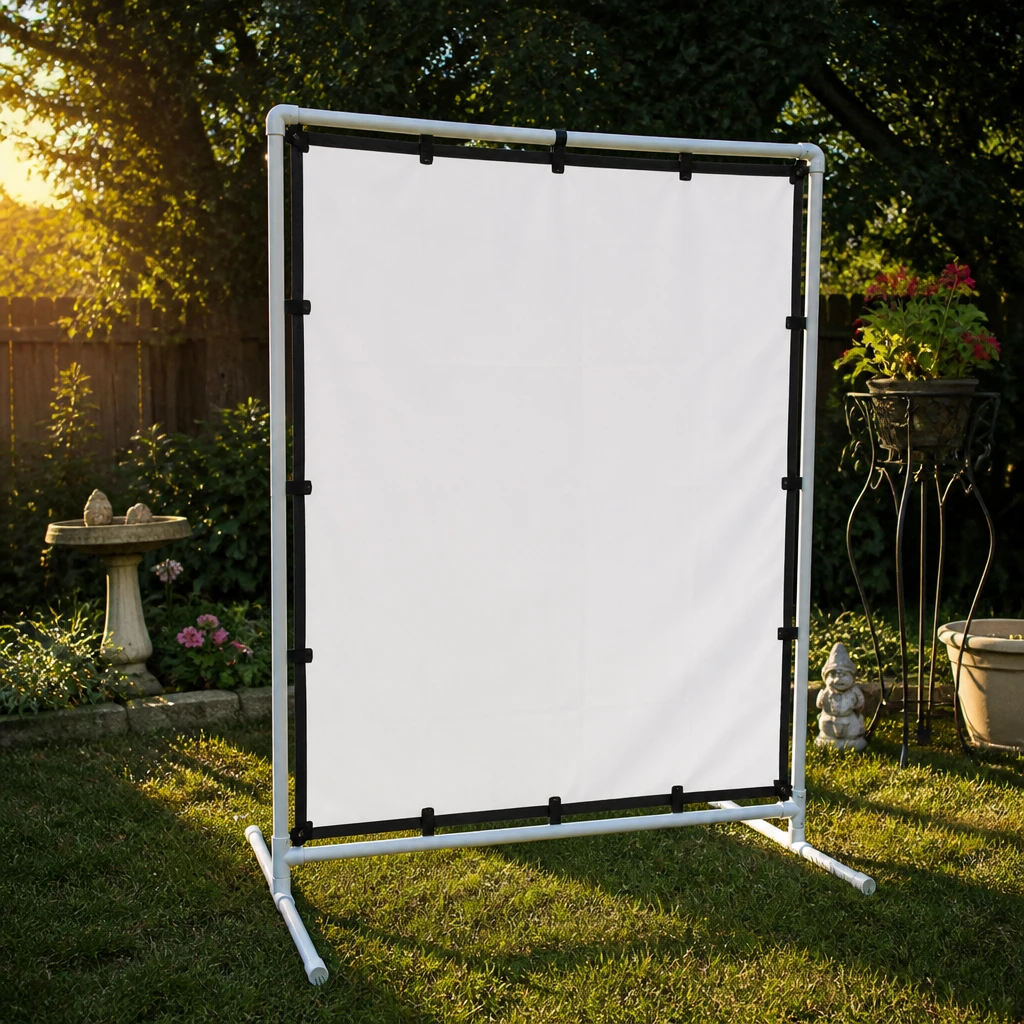
I added magnetic strips along a PVC frame so I can easily snap on and remove screen fabric panels depending on use. This modular setup gives me customization options for size and portability. The magnets hold very securely and help keep the fabric perfectly flat during projection.
Pro Tip: Use strong neodymium magnets embedded in fabric edges for a reliable hold on PVC frames.
25. Old Canvas Tent Fabric Screen
I stripped canvas fabric from an old camping tent and sewed it into a screen with reinforced edges for outdoor use. The heavy-duty material withstands multiple seasons and has a pleasant matte finish. I often roll it out on a lightweight frame, appreciating the durability and texture it provides for movies.
Insight: Reusing tent fabric is an eco-friendly way to get an outdoor screen that handles the elements well.
Conclusion
After experimenting with these 25 backyard movie screen DIY ideas, I’ve found that the best setup balances durability, ease of use, and aesthetics tailored to your outdoor space. I always recommend starting simple and upgrading your screen and accessories as you gain experience. With the right materials and a bit of creativity, your backyard movie nights can be unforgettable in 2026 and beyond.