30 Fun Large Group Games for Parties and Events
When I run big events, I focus on three essentials: zero awkwardness, instant participation, and keeping energy high without forcing it. In this guide, I share my top 30 large group games broken down into quick icebreakers, creative team challenges, high-energy games, and low-prep classics. You will discover practical ways to split crowds into manageable teams, set up rule systems that run smoothly, and adapt activities for mixed ages. Plus, I have included my proven 3-tier hosting strategy, game selection framework, and real-world tips to help you lead any group with confidence.
Key Takeaways
- Match the Game to the Crowd: Select activities based on physical space, group size, and how well attendees know each other.
- Keep Prep Minimal: Use no-equipment games like Rock, Paper, Scissors Tournament or Categories when you need an immediate energy boost.
- Divide and Conquer: Break crowds over 20 people into teams of 5 to 8 to keep everyone involved and reduce downtime.
- Balance Your Schedule: Always prepare one icebreaker, one main team activity, and one quiet, low-energy backup option.
30 Proven Large Group Games for Every Event
1. Rock, Paper, Scissors Tournament
I love starting large gatherings with this high-energy icebreaker because it requires zero gear and gets everyone cheering within two minutes. You pair everyone up for a quick match. The loser instantly becomes the winner’s ultimate personal cheerleader for the next round. As matches progress, two massive cheering squads form around the final two players, filling the room with electric energy.
2. Guess Who
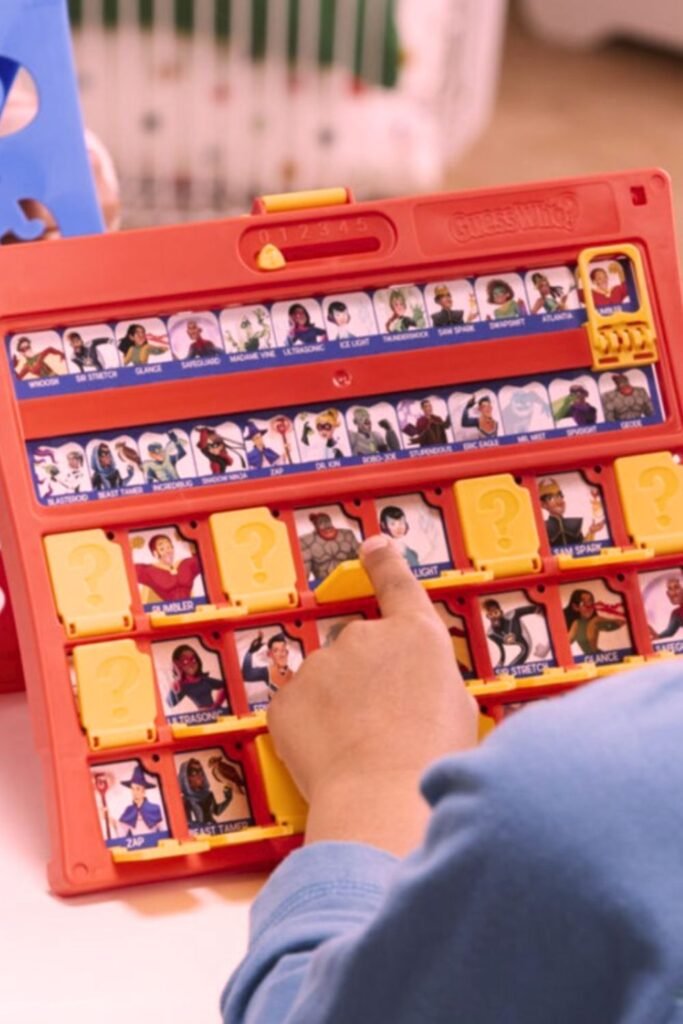
When I host mixed crowds where people are still learning names, this simple game breaks the ice without causing social anxiety. I give every guest a sticky note with a famous person or fictional character written on it and stick it on their forehead. Players walk around asking yes-or-no questions like “Am I an actor?” or “Am I alive?” until they guess their identity.
3. Cool Beans
If you want to inject subtle humor into a group meal, this game is my go-to choice. Before guests arrive, I slip a card with a random phrase—like “purple elephant” or “circus performer”—under each plate or seat. Guests must naturally work their assigned phrase into dinner conversation without getting called out. The conversation becomes delightfully strange as people attempt their hidden missions.
4. Two Truths and a Lie
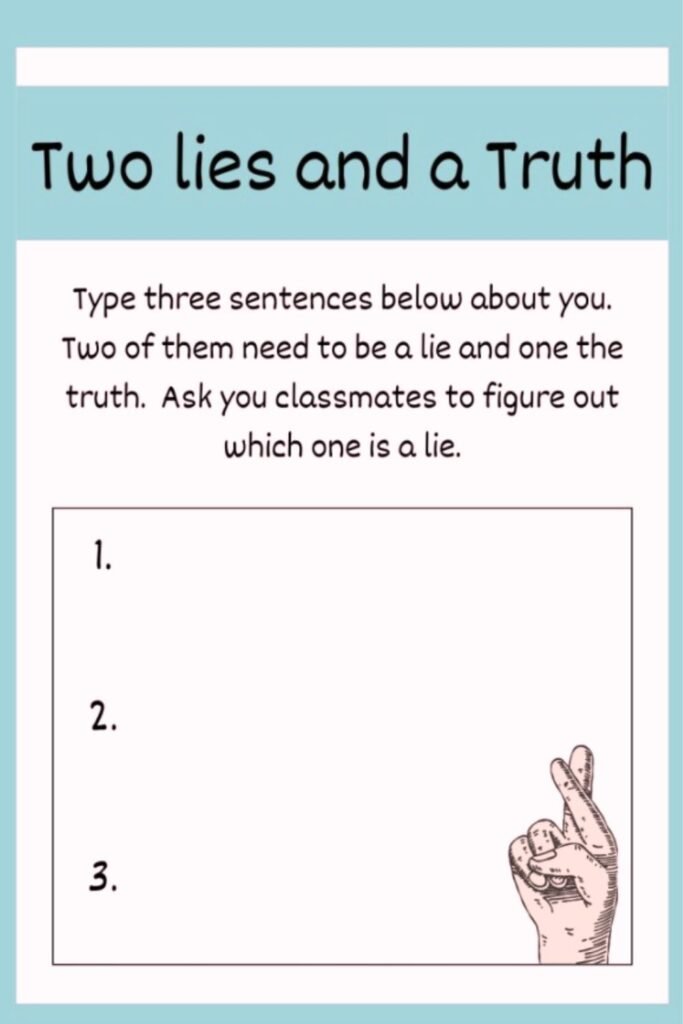
I rely on this classic activity when I want people to discover surprising facts about one another quickly. Each participant presents three personal statements—two true facts and one plausible lie—and the rest of the group votes on the fake one. Pro tip: encourage guests to share unusual childhood stories or odd achievements to make guessing tougher.
5. Great Minds Think Alike
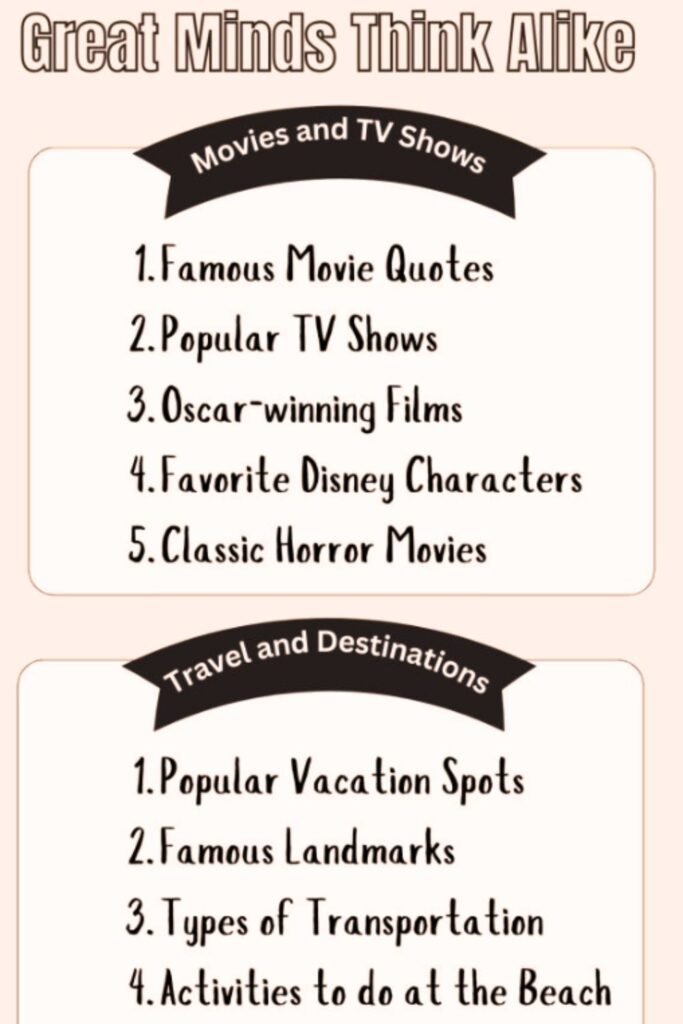
This quick paper-and-pen game reveals how similar (or bizarrely different) your group’s thought processes really are. I split everyone into small teams and announce broad categories like “things you pack for the beach” or “popular pizza toppings.” Players write down their top three answers independently, earning team points whenever two or more members match.
6. Trivia Night
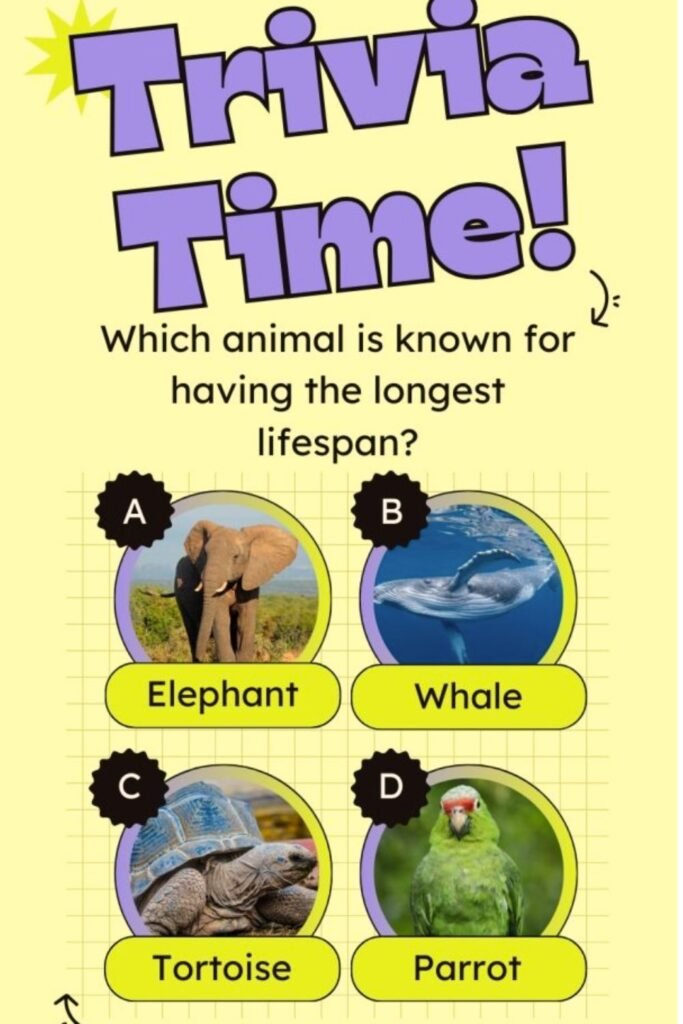
When I need a structured game that keeps a seated crowd locked in for an hour, a custom pub trivia format never fails. I organize guests into teams of six to eight and ask questions across categories like pop culture, history, and food. I always include varied difficulty levels so younger guests and trivia pros can both contribute to the score.
7. Salad Bowl
This three-round party game builds momentum fast as clues get recycled and condensed. Everyone writes down a few names of celebrities, fictional characters, or mutual friends and drops them into a bowl. In Round 1, teams describe the names using full sentences; in Round 2, they act them out silently; and in Round 3, they are restricted to a single-word clue.
8. Pictionary
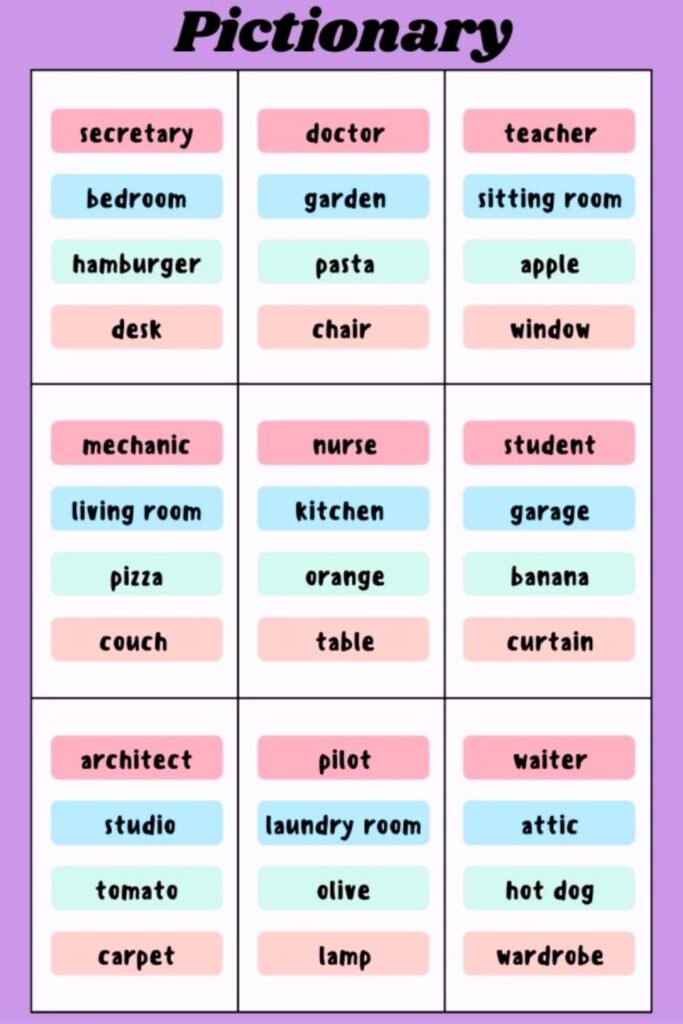
I use Pictionary whenever I want fast-paced visual laughs without needing complex rules or setup. Team members take turns drawing random words or phrases on a large pad while their group guesses against a 60-second timer. Bad drawings usually generate more laughter than artistic masterpieces, keeping the mood light.
9. Challenge Jenga
To turn a standard physical game into a social connector, I turn to modified Jenga. Before the event, I write fun, low-pressure prompts on the wooden blocks—such as “share your favorite dad joke” or “do a 5-second dance move.” Players must complete the challenge written on the block they pull before placing it on top.
10. Make a Rule
This game operates silently in the background while your event proceeds normally. I introduce simple ground rules at the start, such as “no using first names” or “you must clap twice before taking a drink.” Anyone caught breaking a rule performs a quick, harmless penalty, creating continuous entertainment throughout the night.
11. Mafia
When I have a group that loves social deduction, strategy, and debate, Mafia is my top recommendation. A host secretly assigns roles (Mafia, Townspeople, Doctor, Detective). During the night phase, players close their eyes while the Mafia picks a target. During the day phase, the entire room debates and votes to eliminate suspected Mafia members.
12. Telephone Pictionary
This activity combines the classic game of Telephone with visual drawing, producing hilarious misunderstandings. Each person writes a sentence at the top of a page and passes it along. The next person draws a picture of that sentence, folds the text out of sight, and passes it to the next player to interpret the drawing into text again.
13. Spoons
I run Spoons when I need a loud, reaction-based card game that keeps players on the edge of their seats. Players sit around a table with one less spoon than the number of participants. As cards pass rapidly around the circle to build four-of-a-kind, the first player to complete a set grabs a spoon, triggering a wild scramble for the rest.
14. Who Said That?
To build personal connections and share memorable stories, I collect fun quotes or obscure facts from attendees before the event. During the game, I read each quote aloud anonymously while guests guess who said it. Once revealed, the original author gets a minute to share the story behind the quote.
15. Human Machine
This energetic theater exercise forces teams to think creatively while using physical cooperation. Teams design a functional or imaginary mechanism—like an automatic espresso maker or a wrapping station—using only their bodies, sounds, and repetitive movements. Each player acts as a moving mechanical component.
16. Red Ball
I use this imaginary passing game as a quick focus warm-up to sharpen group listening skills. Standing in a circle, players pass an imaginary “red ball” around by calling it out and miming the throw. As the rhythm picks up, I add heavier or unpredictable imaginary items like a heavy bowling ball or an angry cat to test their coordination.
17. The Viking
When I want to build focus and induce contagious laughter, this rhythmic elimination game works wonders. The designated “Viking” makes a gesture, while the players directly on their left and right must instantly perform rowing movements. The Viking then passes the role across the circle, penalizing anyone who hesitates or misses a cue.
18. Guess the Tune
This simple musical game requires zero gear and works across all age groups. One player hums or whistles a famous song, movie theme, or pop hit while others race to guess the title. The person who guesses correctly earns a point and steps up as the next performer.
19. Human Bingo
I regularly use Human Bingo at conferences, community gatherings, and large family reunions to get people moving. Players receive grid cards filled with traits like “speaks more than two languages” or “owns a reptile.” Participants mingle across the room to find matching guests and collect signatures to complete a winning line.
20. Charades
Charades remains a mainstay in my event toolkit because it adapts to any venue and age group without preparation. Players draw secret prompts and act them out without speaking or writing while their team guesses against the clock. Categories can range from classic movies to internal company jokes.
21. Stop-and-Go Race
When hosting outdoor events with active groups, this classic movement game provides simple competition. Players line up and move toward a finish line when the host calls “Go,” but they must freeze instantly on “Stop.” Anyone caught moving after the call takes steps backward, rewarding control over pure speed.
22. Capture the Flag
For high-energy outdoor gatherings with plenty of space, Capture the Flag is an unbeatable team activity. Teams divide a field into two territories, hide their flags, and attempt to sneak into enemy territory to steal the opponent’s flag without getting tagged and sent to “jail.”
23. Giant Jenga Tournament
I use giant lawn Jenga to build a spectator-friendly competitive arena. Teams take turns pulling large wooden blocks and restacking them on top of the tower. To manage massive crowds, run multiple towers side-by-side and bring the match winners together for a high-stakes final round.
24. Team Scavenger Hunt
A custom scavenger hunt lets me turn an entire venue or park into an interactive game board. I supply small teams with a list of clues to solve, specific items to locate, and absurd group photos to snap within a strict time limit. Creative submissions earn bonus points.
25. Switch
When I want a fast-paced physical icebreaker that uncovers shared experiences, I set up Switch. Chairs are placed in a circle with one middle player standing without a seat. The center caller states a fact like “Switch places if you have traveled abroad,” forcing everyone who matches that statement to scramble for a new seat.
26. Follow the Leader
This activity serves as an effective low-stress game for mixed-age groups or warm-ups. One designated leader initiates movements, claps, or rhythms that the entire group copies in real time. In the detective variation, one player leaves the room while a leader is secretly chosen, returning to guess who is guiding the actions.
27. Table Topics
When I run formal dinners or small-group breakouts where physical games are not practical, I rely on Table Topics. I place prompt cards with open-ended questions like “What is the best piece of advice you have ever received?” in the center of tables to ignite meaningful group conversations.
28. Memory Tray
This quiet mental challenge tests focus and observation skills under time pressure. I present a tray filled with 15 to 20 distinct objects, allowing the group 45 seconds to study them. I then cover the tray and give teams two minutes to write down every item they can recall.
29. Categories
Categories is my ultimate backup game when I need to fill unexpected downtime without any supplies. Standing or sitting in a circle, players take turns naming items within a specified category (such as “dog breeds” or “80s movies”) within three seconds. Repeats or hesitations result in elimination.
30. Hot Seat
I use Hot Seat to close out team-building sessions with high engagement. One player sits facing away from a board where a word or concept is displayed. Their teammates give spoken clues and descriptions without saying the actual word, racing to get the player in the hot seat to guess as many words as possible in 60 seconds.
My Framework for Choosing the Right Large Group Game
Selecting the right game comes down to reading the room and understanding your environment. When I select an activity for a big group, I evaluate four primary factors before picking a game from my list:
- Venue Space & Mobility Constraints: Active outdoor games like Capture the Flag require open space, while seated games like Cool Beans or Table Topics fit tight indoor rooms.
- Group Familiarity: If guests are meeting for the first time, stick to low-pressure icebreakers like Human Bingo or Rock, Paper, Scissors Tournament to break the ice naturally.
- Time Windows: If you only have ten minutes before dinner, choose no-prep games like Categories. Save long-form activities like Trivia Night or Scavenger Hunts for longer sessions.
- Energy Management: High-energy games build excitement, but running them back-to-back causes fatigue. Alternate physical games with focused, seated activities to keep energy levels balanced.
Frequently Asked Questions
How do I run games effectively for massive crowds over 50 people?
The key is dividing the crowd into smaller, self-managed teams of 5 to 8 people. Games like Trivia Night, Pictionary, and Scavenger Hunts scale smoothly when smaller teams compete concurrently in the same space.
What are the best no-prep, zero-equipment games for large groups?
My top zero-equipment games are Rock, Paper, Scissors Tournament, Categories, Two Truths and a Lie, and Follow the Leader. You can launch any of these instantly without buying supplies or spending time setting up.
How do I balance games for mixed-age groups with kids and adults?
Select games that rely on teamwork, observation, or humor rather than specialized trivia or raw physical speed. Charades, Human Bingo, Memory Tray, and Telephone Pictionary work exceptionally well across generation gaps.
How many games should I plan for a two-hour event?
I recommend planning three games using my 3-tier strategy: one icebreaker to open, one main structured activity, and one quiet, zero-prep backup game. It is always better to let a crowd fully enjoy two games than to rush them through five.
Conclusion
If I had an event starting in an hour with a crowd of 40 people and zero advance preparation, I would kick things off with a 5-minute Rock, Paper, Scissors Tournament to instantly raise the room’s energy. Next, I would transition into Human Bingo to get people talking one-on-one, and round out the session with Charades or Telephone Pictionary once everyone feels completely comfortable.
You do not need a complicated schedule or a box full of expensive props to run a successful gathering. Stick to two or three games that fit your space, lead with clear instructions, and keep one no-prep activity ready in your back pocket. When your guests are genuinely having fun, let the moment ride—flexibility is always the mark of a great host.