23 Car Organization Ideas for 2026
A messy car can make even a short drive feel stressful. Groceries roll around, small items disappear between seats, and everyday essentials never seem to stay in one place.
The solution isn’t just cleaning your car more often. It’s creating a simple storage system that gives everything a proper place. With the right organizers and a few practical habits, you can keep your car tidy without filling it with unnecessary storage products.
In this article, I’m sharing 23 practical car organization ideas for 2026. These ideas cover trunk storage, backseat organization, glove box essentials, emergency supplies, and small items that often create clutter.
Key Takeaways
- Divide your trunk into separate zones for groceries, everyday supplies, and emergency items.
- Use seat-back organizers and compact pouches to control backseat clutter.
- Keep frequently used essentials in easy-to-reach compartments.
- Create separate storage for children, personal care items, and seasonal supplies.
- Remove trash regularly and return loose items to their assigned places.
How Do You Organize Your Car?
To organize your car properly, start by removing everything that doesn’t belong inside it. Take out old receipts, empty bottles, unused accessories, and anything you haven’t needed in a long time.
Next, separate the items you want to keep into categories. Everyday essentials, emergency supplies, children’s belongings, and seasonal gear should each have their own storage area.
Once you’ve sorted everything, choose organizers that fit your car’s available space. You don’t need a storage product for every small item. Sometimes a simple pouch, divided box, or seat-back organizer is enough.
The most important thing is to give each item a fixed place. When everything has a home, it’s easier to put things away and prevent clutter from building up again.
1. Trunk Zones
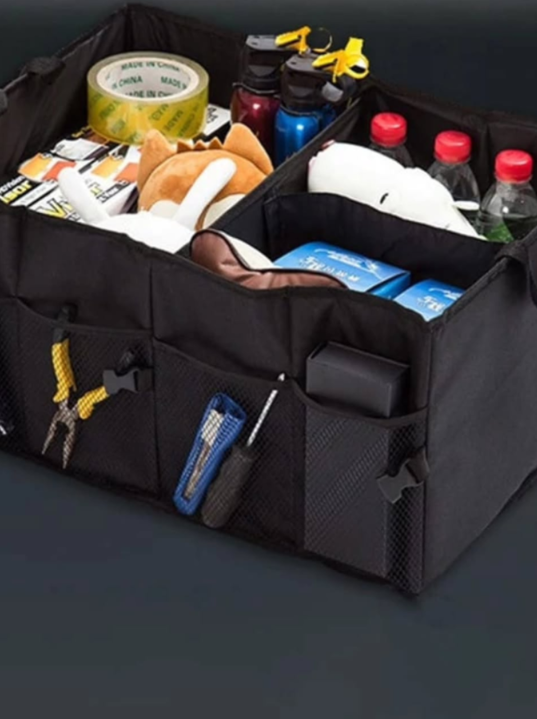
Groceries, tools, shopping bags, and emergency supplies can quickly become one big pile when your trunk has no structure. A divided trunk organizer helps separate these items into useful sections.
Use one compartment for everyday supplies, another for groceries, and a separate section for emergency equipment. Choose a collapsible organizer with firm sides to help prevent items from tipping over.
Keep it close to the back seats so it stays in place and doesn’t slide around while driving.
2. Layered Packing
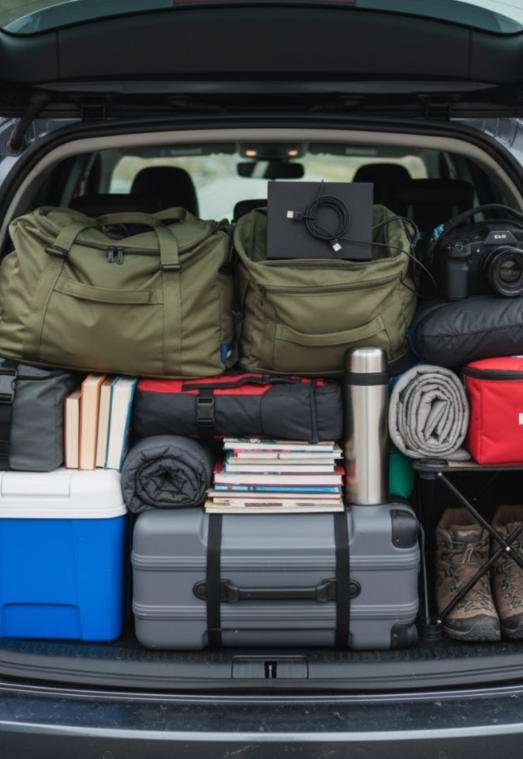
Packing your trunk in layers makes road trips easier and helps prevent items from shifting during the drive.
Place heavy bags and equipment at the bottom. Keep lighter bags, jackets, and frequently used supplies on top so they’re easier to reach.
Emergency kits and food coolers should be positioned near the trunk opening whenever possible. Leave a small access area so you don’t have to remove everything just to reach one item.
3. Seat Control
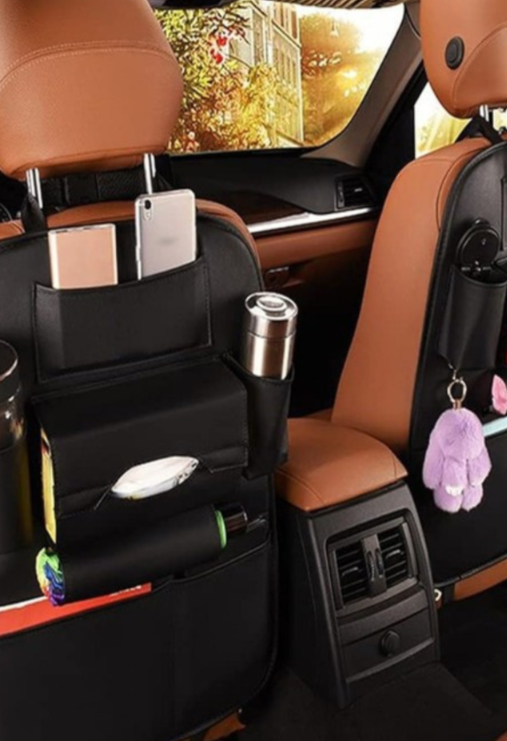
Backseat clutter often comes from small items that have nowhere to go. A seat-back organizer turns unused space behind the front seats into practical storage.
You can use its pockets for tissues, wipes, water bottles, toys, books, and other travel essentials. This is especially helpful for families with children.
Attach the organizer securely to the headrest and adjust it so it doesn’t swing around while the car is moving.
4. Grocery Hold
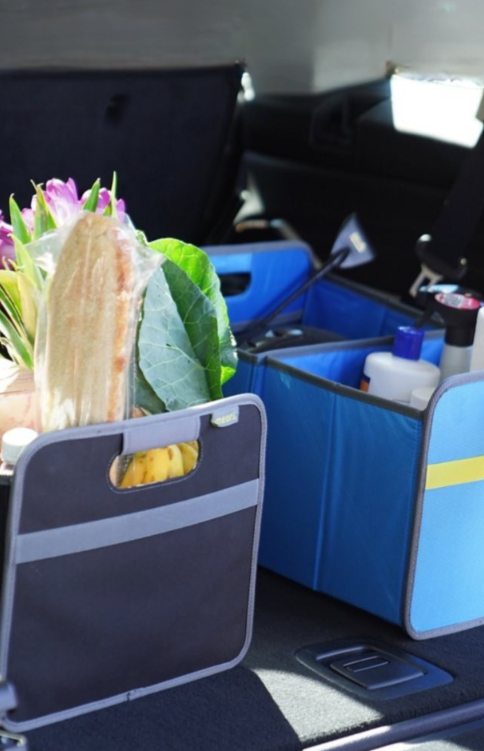
Loose grocery bags can tip over whenever you turn or brake. This often leads to spilled food, damaged packaging, and extra cleaning.
Upright storage bins help keep groceries separated and prevent bags from collapsing. Use different sections for bread, produce, bottles, and other items.
Place the bins near the trunk opening so unloading is easier when you get home.
5. Hygiene Kit
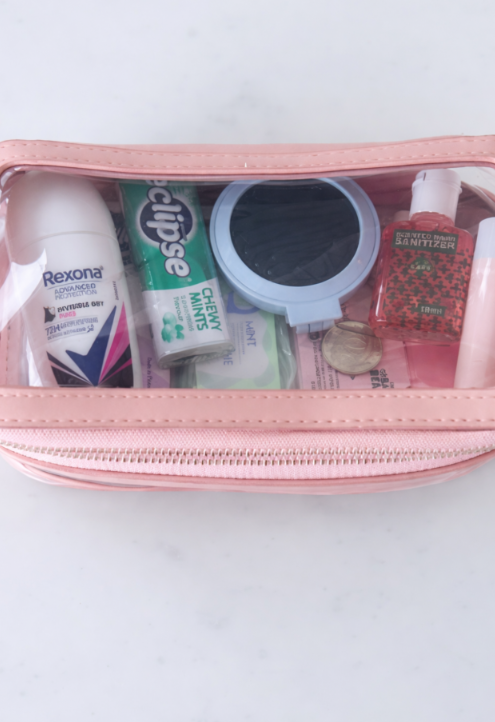
Personal care products often end up scattered between the glove box, door pockets, and center console. A small hygiene pouch keeps everything together.
Use a clear or wipeable zip pouch for hand sanitizer, lip balm, tissues, and travel wipes. Store it in the glove box or a seat-back pocket where you can reach it easily.
Choose a pouch with a secure zipper to prevent small items from spilling out.
6. Grab Storage
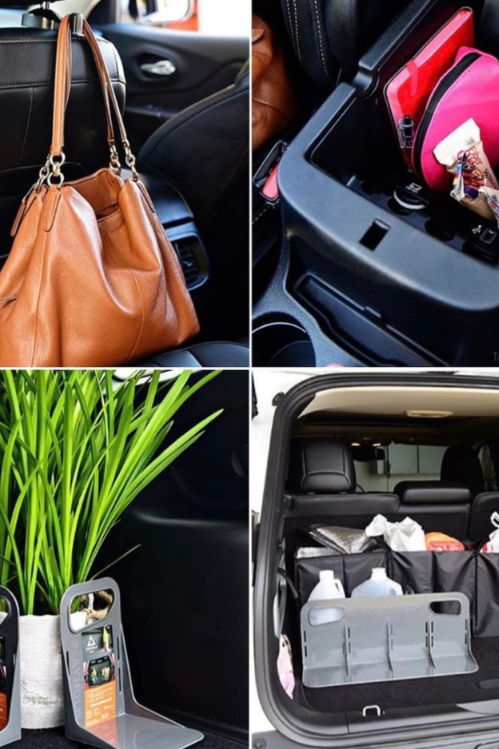
Everyday items become frustrating when you can’t reach them quickly. Hanging hooks and compact storage bins help keep frequently used belongings organized.
Install suitable hooks behind the front seats to hold lightweight shopping bags or purses. You can also use small open bins to keep snacks and travel accessories contained.
Make sure hooks and storage products don’t block the driver’s view or interfere with passengers.
7. Console Pockets

The center console can quickly become a messy space for phones, charging cables, cards, and small accessories.
Slim seat-side organizers provide extra storage without taking up much room. They fit between the front seat and center console, making small essentials easier to reach.
Choose a secure design that fits your vehicle properly and doesn’t interfere with seat adjustments or driving controls.
8. Kid Station
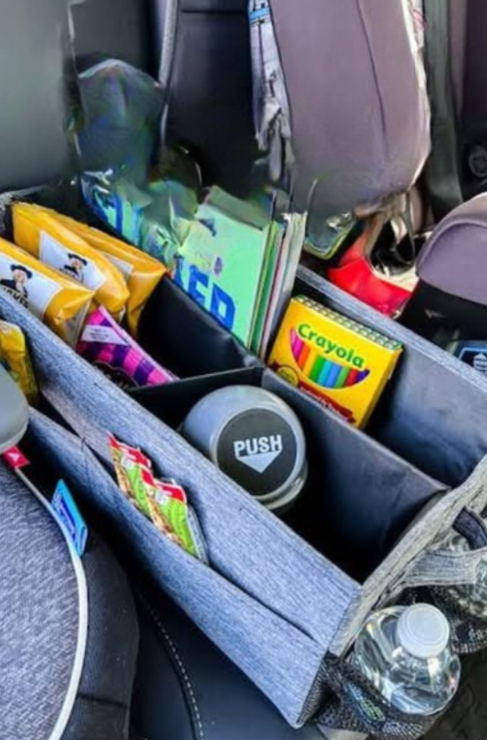
Traveling with children often means carrying snacks, coloring supplies, wipes, drinks, and small toys. Without a proper storage system, these items can spread across the backseat.
Create a kid station using a seat-back organizer with several pockets. Keep coloring books, crayons, tissues, and small toys in separate sections.
Place frequently used items in the lower pockets where children can reach them safely when the car is parked.
9. Essentials Pouch
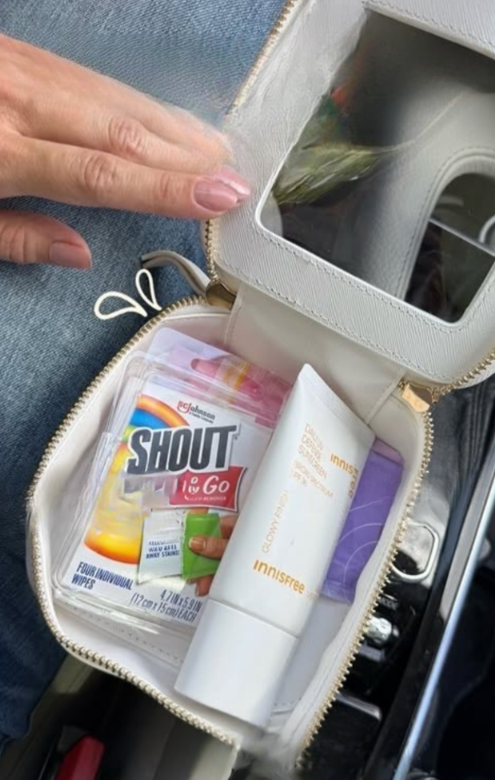
A small essentials pouch is useful for keeping personal items together instead of spreading them across different compartments.
You can store sunscreen, stain remover, lip balm, tissues, and other travel basics in one zippered case. Choose a pouch with separate sections to keep bottles and small products organized.
Place it in the center console or a door pocket, making sure it doesn’t interfere with safe driving.
10. Category Buckets
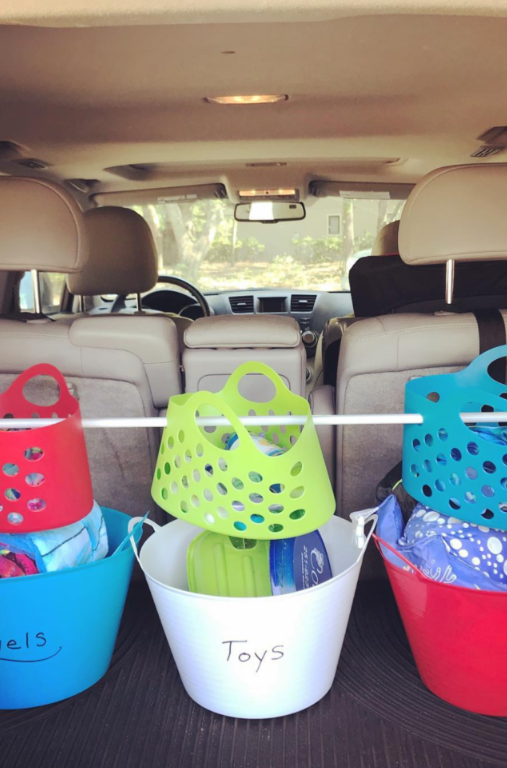
Beach trips, family outings, and weekend drives often require several different supplies. Labeled buckets make it easier to separate everything before loading the car.
Use one bucket for towels, another for toys, and a third for outdoor accessories. Small buckets can sit inside the trunk or be secured in a larger storage area.
This system also makes unloading easier because you can carry each category directly to its destination.
11. Mini Boxes
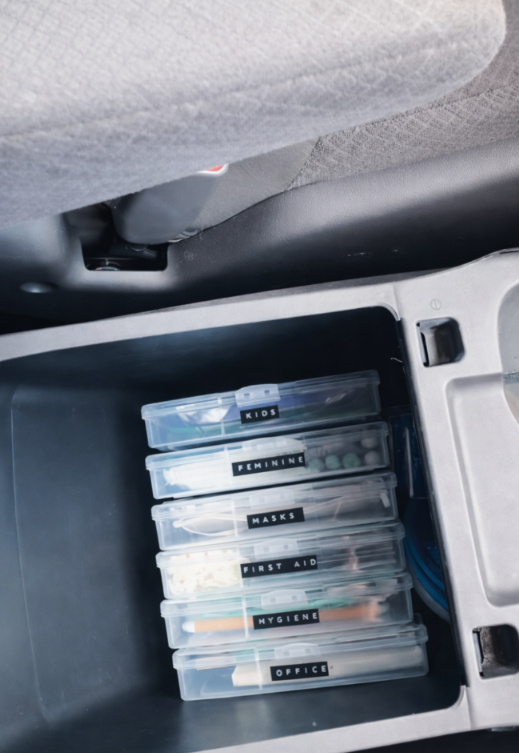
Small items can disappear inside deep glove boxes and center consoles. Mini storage boxes create separate spaces for things that would otherwise get mixed together.
Use compact containers for first-aid supplies, hygiene products, charging accessories, and office essentials.
Choose slim boxes that fit your available compartments. Adding simple labels makes it easier to grab what you need without opening every container.
12. Bulky Balance
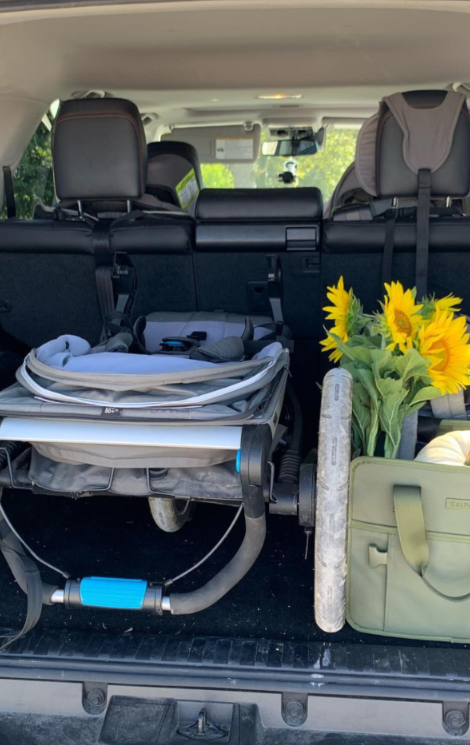
Large items such as strollers, folding carts, and travel bags can take up most of your trunk space when they’re loaded without a plan.
Start by placing the largest items inside the trunk. Lay heavy equipment flat and position upright bags along the sides where possible.
Use smaller bags to fill empty spaces and help keep everything stable. Avoid stacking items so high that they block your rear window or affect visibility.
13. Go Kit

A go kit keeps everyday essentials together for quick errands, commuting, and short trips.
Use a structured zip organizer for items such as chargers, sanitizer, makeup, tissues, and small personal accessories. Place it in a secure storage compartment where it won’t move around.
A case with separate sections helps keep everything in order, especially when you carry several small items.
14. Pouch Stacking
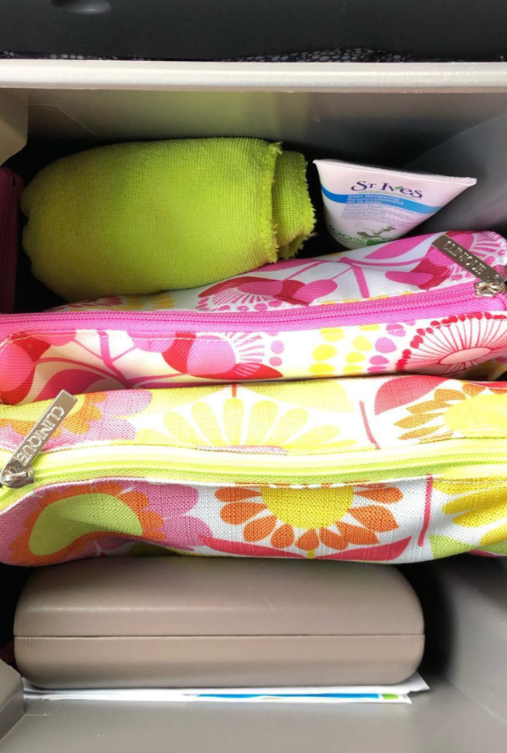
Deep compartments can become difficult to manage when small items are thrown inside without a system.
Slim zip pouches help divide belongings into clear categories. For example, keep charging cables in one pouch, personal care products in another, and travel accessories in a third.
Stack them according to how often you use them. Keep daily essentials on top and occasional-use items underneath.
15. Emergency Kit
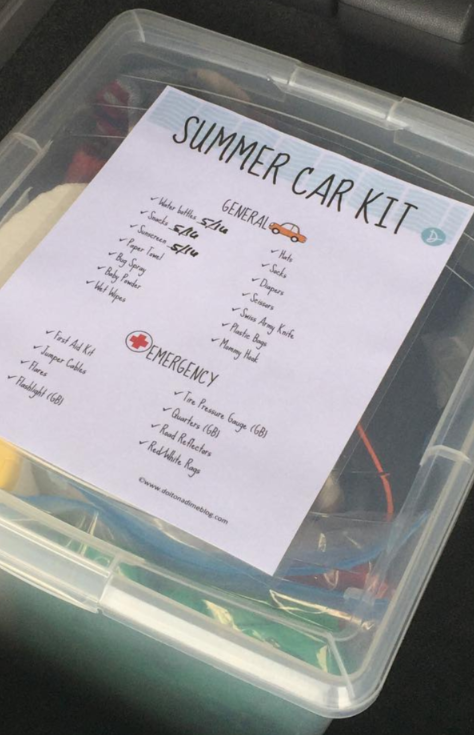
An emergency kit is one of the most useful things to keep in your car. It helps you prepare for unexpected situations without filling the trunk with loose supplies.
Depending on your needs and local conditions, consider keeping a first-aid kit, flashlight, reflective warning triangle, basic tools, jumper cables, and a phone charging option.
Store everything in a secure container in the trunk. Check the supplies regularly and replace anything that has expired or become damaged.
16. Diaper Caddy
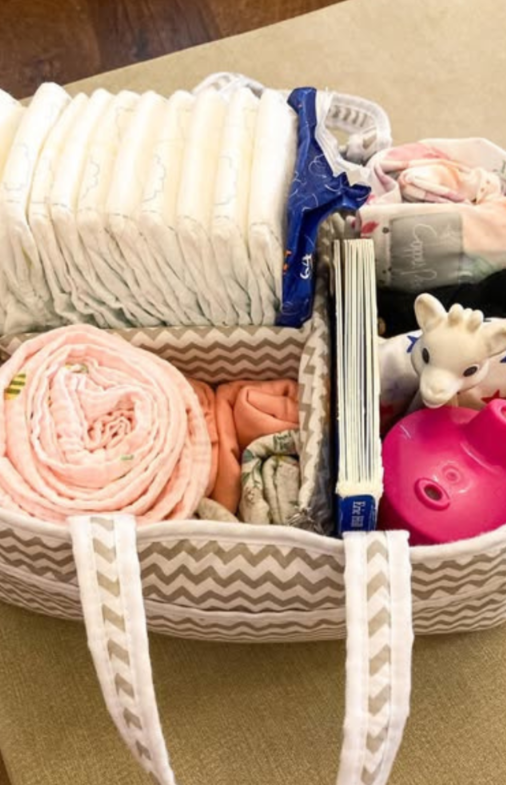
Parents who travel with babies often need diapers, wipes, spare clothes, toys, and other essentials within easy reach.
A compact diaper caddy keeps these supplies together. Divide it into sections for changing products, clothing, feeding accessories, and small toys.
Place the caddy in a secure trunk area or another suitable storage spot. Restock it after each trip so you’re always prepared for the next outing.
17. Trash Control
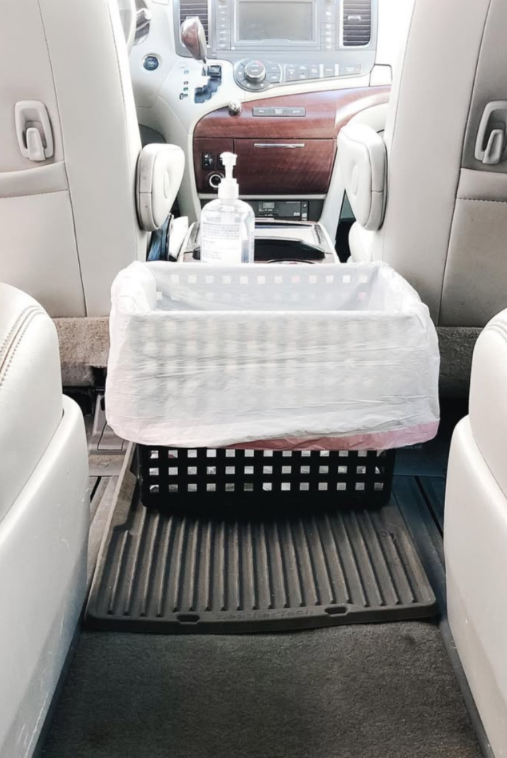
Wrappers, tissues, receipts, and empty cups can make a clean car look messy very quickly.
A small car trash bin gives these items a designated place instead of letting them collect on the floor or in door pockets.
Choose a leak-resistant bin with a removable liner or disposable bags. Empty it regularly, especially after long drives and family trips.
18. Labeled Stack
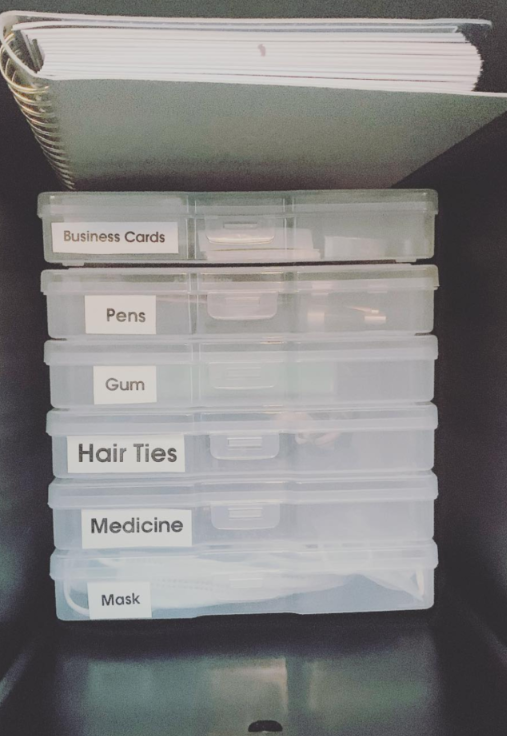
Clear storage boxes make it easier to see what you keep inside your car. Adding labels takes the organization one step further.
Use small containers for cards, pens, tissues, charging accessories, and other necessities. Stack slim boxes inside suitable trunk compartments or storage areas.
Keep labels simple and easy to read. This helps you return items to the correct container after using them.
19. Glove Sorting
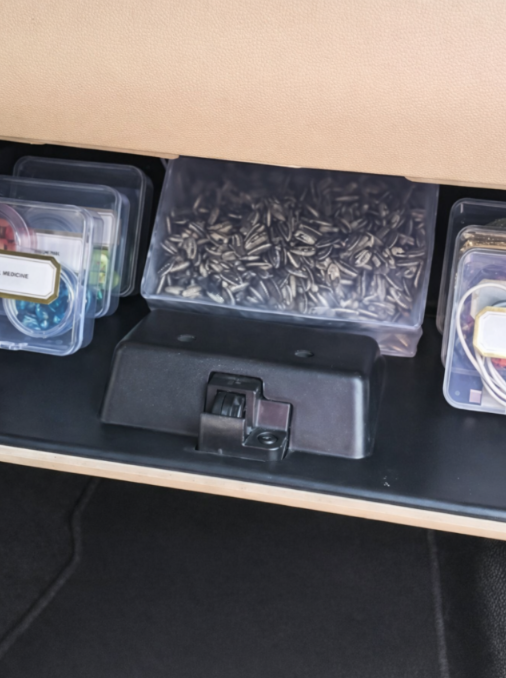
The glove box often becomes a collection point for paperwork, cables, receipts, and random accessories.
Small clear containers or dividers help separate these belongings into manageable sections. Keep important vehicle documents in one area and smaller accessories in another.
Avoid filling the compartment completely. Leave enough space for it to close properly and keep the items you may need most accessible.
20. Cold-Weather Kit
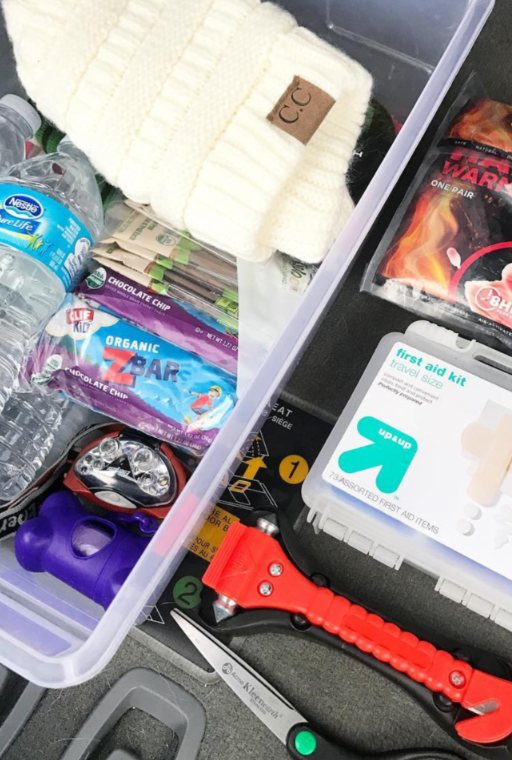
Seasonal supplies can create clutter when they’re mixed with everyday belongings. A dedicated cold-weather kit keeps useful items together during colder months.
Depending on your climate and travel needs, you might include gloves, a warm blanket, drinking water, snacks, a flashlight, and appropriate safety supplies.
Store the kit in a secure trunk organizer. When the season changes, check the contents and replace anything you no longer need.
21. Drawer System
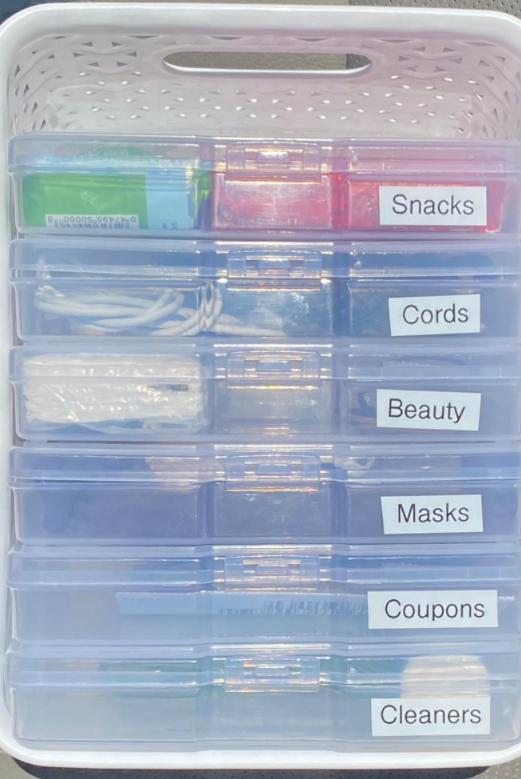
A drawer-style organizer helps separate items that would otherwise pile up in one large compartment.
Choose a compact system with shallow sections for snacks, charging cables, cleaning supplies, and personal accessories. Clear drawers make it easier to see what’s inside.
Place the organizer on a flat, secure surface where it won’t slide around. Make sure it doesn’t obstruct passengers or interfere with the driver’s controls.
22. Coin Control
Loose change can quickly spread across cup holders, door pockets, and the center console.
A small coin case or divided container gives your change a proper storage place. You can also use separate sections for cards and other small essentials.
Choose a compact case that fits inside your console without making the compartment difficult to close.
23. Cup Command
Cup holders often become storage spaces for items other than drinks, which can make the center console look cluttered.
Give one holder a dedicated place for your drink and keep the others available for their intended use. If you need extra storage for small accessories, use a separate compact organizer designed for your vehicle.
Avoid placing loose objects where they could interfere with driving or become dangerous during sudden braking.
FAQs
How Do I Keep My Car Organized Long Term?
The easiest way to maintain an organized car is to avoid bringing unnecessary items inside. Keep only the belongings you regularly use or genuinely need for emergencies.
Create a quick weekly reset routine. Remove trash, return loose items to their assigned places, and check whether any supplies need replacing.
If an item keeps moving around, it probably needs a proper storage spot. Adjust your setup instead of adding more organizers every time clutter appears.
What’s the Biggest Mistake People Make With Car Organization?
One common mistake is buying organizers before decluttering. Adding storage products without removing unnecessary belongings can make the car feel even more crowded.
Start by emptying the car and sorting everything into categories. Decide what needs to stay, what belongs somewhere else, and what can be removed.
Once you know what you’re keeping, choose storage solutions that fit your vehicle and your daily routine.
Final Thoughts
A well-organized car doesn’t need expensive accessories or complicated storage systems. A few practical changes, such as divided trunk organizers, seat-back pockets, small pouches, and labeled containers, can make everyday driving much easier.
Start with the areas that create the most clutter and give frequently used items a permanent place. With a quick weekly reset, these 23 car organization ideas can help you maintain a cleaner and more useful space throughout 2026.
Is this conversation helpful so far?