25 Hoodie Storage Ideas for 2026
Hoodie Storage Ideas to Save Space and Keep Your Closet Organized
If you own several hoodies, you probably know how quickly they can take over your closet. Their thick fabric, bulky hoods, and long sleeves make them harder to store than T-shirts or lightweight sweaters. Even a neatly folded pile can become messy when I pull out one hoodie from the bottom.
The good news is that I don’t need a bigger closet to solve this problem. I can make better use of shelves, drawers, hangers, wall space, and storage bins to keep my collection organized without crowding my wardrobe.
In this guide, I’ll cover 25 practical hoodie storage ideas for small closets, bedrooms, entryways, and larger wardrobes. I’ll also explain how to choose between folding and hanging, organize hoodies by color or season, and keep frequently worn pieces within easy reach.
Key Takeaways
- Fold hoodies vertically: I can see more of my collection at once and avoid disturbing an entire stack when choosing an outfit.
- Use shelves and dividers: Separate storage sections help prevent bulky hoodies from spreading across the closet.
- Hang selected hoodies: Strong, well-fitting hangers work well for pieces I wear regularly or want to keep visible.
- Store seasonal hoodies separately: Bins and under-bed storage free up space for clothes I need right now.
- Rotate my collection: Keeping everyday favorites accessible makes it easier to maintain an organized closet.
How Do You Store Hoodies Without Taking Too Much Closet Space?
When I organize hoodies, I start by looking at the storage space I already have. A deep drawer, an unused shelf, or the area beneath my bed might provide enough room without requiring new furniture.
I also separate hoodies according to how often I wear them. My everyday favorites stay within reach, while thick winter hoodies and pieces I rarely use can go on higher shelves or into labeled storage bins.
One useful trick is to fold hoodies into compact rectangles and store them upright whenever the drawer or container allows it. This makes it easier to see the designs and colors without pulling apart a tall pile. For shelves, I use smaller stacks and dividers to keep bulky fabric from spreading.
The best storage method depends on the size of my collection, the type of hoodies I own, and how much hanging or folding space is available. Here are 25 ideas worth considering.
1.1. Layered Shelving
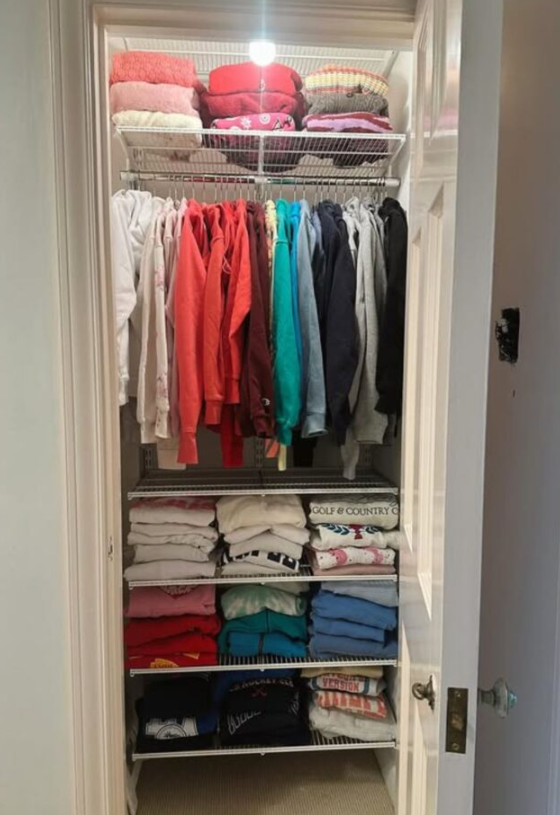
Layered shelving helps me use the full height of a closet instead of placing every hoodie on a single shelf. By creating separate levels, I can organize everyday sweatshirts, heavier fleece hoodies, and seasonal clothing without mixing everything together.
Adjustable wire shelves are a useful option because I can change the distance between levels to accommodate different garment sizes. I fold each hoodie into a similar shape and group the pieces by type or color.
Pro tip: Keep frequently worn hoodies at eye level and move rarely used pieces to the highest shelf. Before adding shelves, check the closet’s height, width, and available clearance so the new layout remains easy to use.
1.2. Wooden Hangers
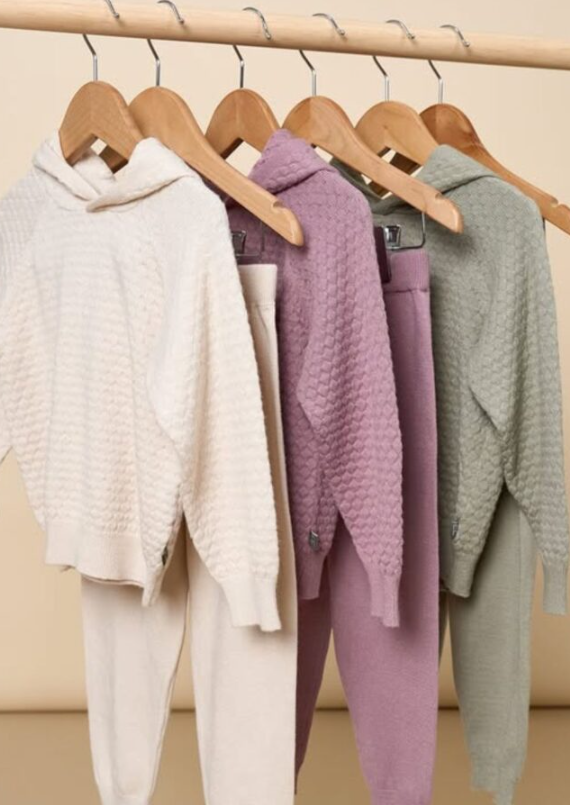
Wooden hangers can make a hoodie collection look neat while keeping individual garments easy to find. I use them for lightweight hoodies, zip-up styles, and favorite pieces that I wear regularly.
The main thing I look for is a hanger with enough width to support the shoulders. A narrow hanger can leave unwanted marks or put pressure on the fabric, especially when the garment is heavy.
To organize the rod, I leave a little room between hoodies and group similar styles together. If I have particularly heavy sweatshirts, I may prefer folding them rather than leaving them hanging for long periods.
1.3. Color Stacks
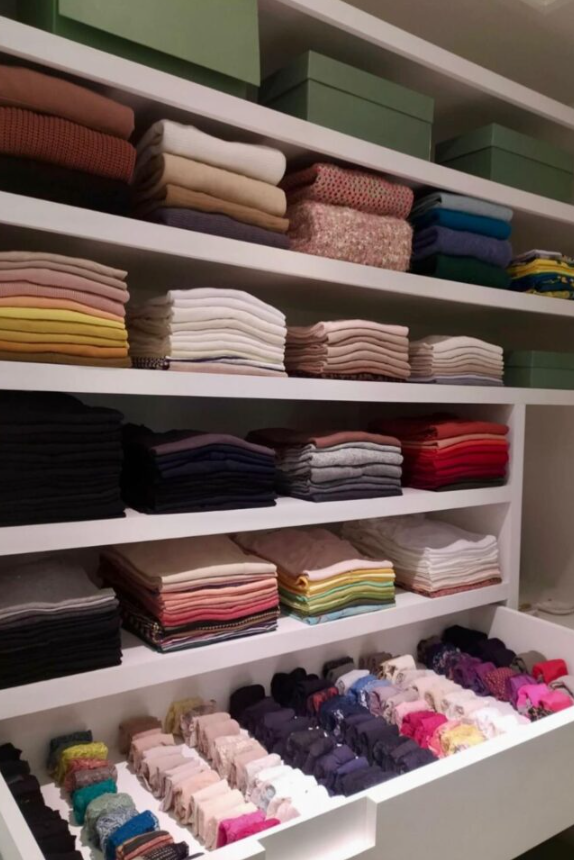
Sorting hoodies by color gives my shelves a more organized appearance and helps me find the right piece quickly. Instead of mixing every shade into one pile, I create separate groups for light colors, dark colors, and brighter designs.
I fold each hoodie into a similar rectangle and place the matching colors together. Keeping the stacks reasonably short makes it easier to remove one garment without knocking the others over.
This method is especially helpful when I own several hoodies in similar styles. If I want to find a black, gray, or cream hoodie, I know which stack to check first.
1.4. Drawer Stacks

Drawers are a practical option when I want to keep hoodies out of sight while maintaining an organized bedroom. Wide, deep drawers are particularly useful for thicker sweatshirts because they provide room for bulky fabric.
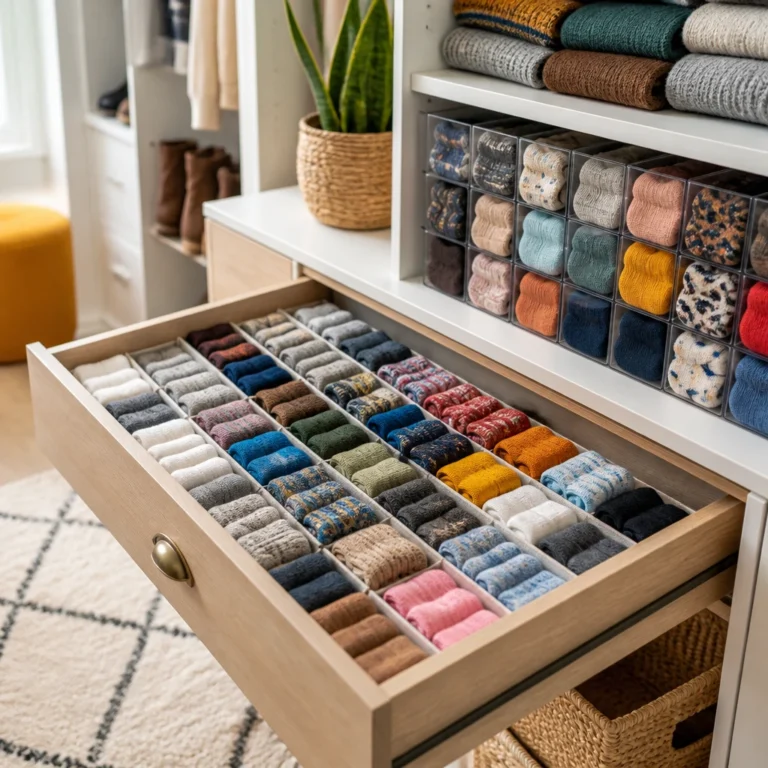
Rather than building one tall pile, I arrange folded hoodies in short rows. If the drawer is wide enough, I can place them upright so that each piece remains visible when I open it.
I also separate printed hoodies from plain ones when I have enough room. This makes it easier to locate a favorite graphic without searching through the entire drawer.
Pro tip: Measure the inside of the drawer before buying organizers. A divider that fits properly can prevent hoodies from shifting and help me make better use of the available space.
1.5. Open Rack
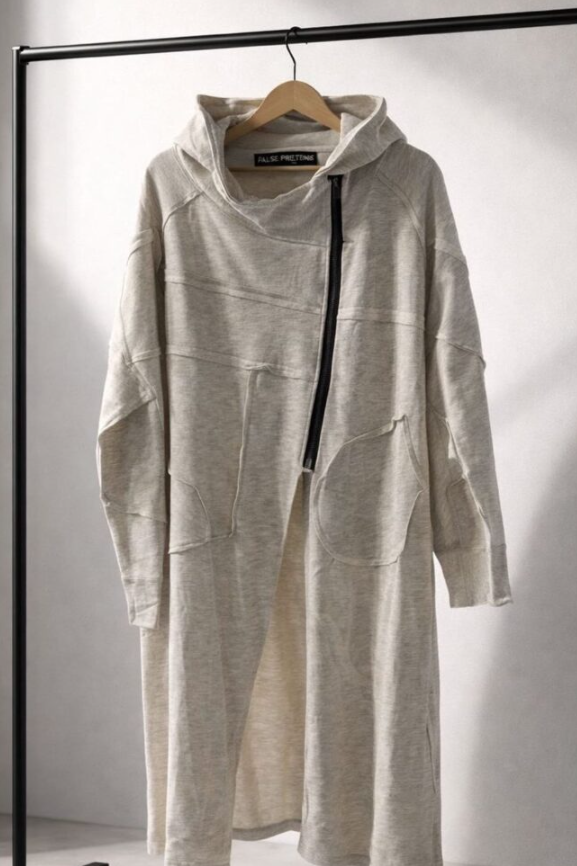
An open clothing rack gives me extra hanging space when my closet rod is already full. I can place it in a bedroom corner, dressing area, or another spot with enough clearance.
I use an open rack for zip-up hoodies, frequently worn sweatshirts, and pieces I prefer to hang. Keeping the number of garments manageable prevents the rack from becoming another crowded storage area.
A rack with a lower shelf can provide additional room for folded hoodies, shoes, or storage baskets. Before buying one, I check its weight capacity and stability, especially if I plan to store several heavy garments.
1.6. Shelf Sections
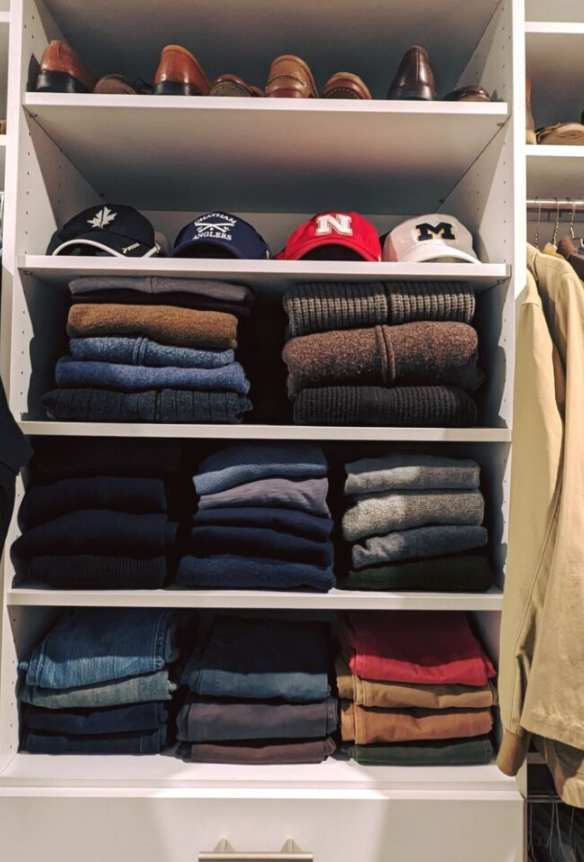
Dividing closet shelves into smaller sections helps me control the spread of bulky hoodies. Instead of placing the entire collection on one large shelf, I give different categories their own spaces.
For example, I might keep lightweight hoodies on one shelf, fleece styles on another, and seasonal pieces higher up. I fold the garments consistently so the stacks fit neatly within each section.
This approach works well in both built-in wardrobes and freestanding shelving units. It also makes tidying easier because I can return each hoodie to its assigned place instead of creating a new pile whenever I put laundry away.
1.7. Hoodie Display

Some hoodies have designs, colors, or logos that I want to show rather than hide inside a drawer. A small display area lets me keep a few favorites visible while making them easy to grab.
I can install a wall-mounted clothing rod or use a suitable set of hooks with enough space between garments. Matching hangers help create a consistent look, while limiting the display to a few pieces prevents the wall from appearing crowded.
I change the displayed hoodies when my preferences or the weather change. The rest of my collection stays folded in the closet, where it takes up less visible space.
This idea is useful when I want my favorite clothing to become part of the room’s decor without turning the entire bedroom into a storage area.
1.8. Color Hanging
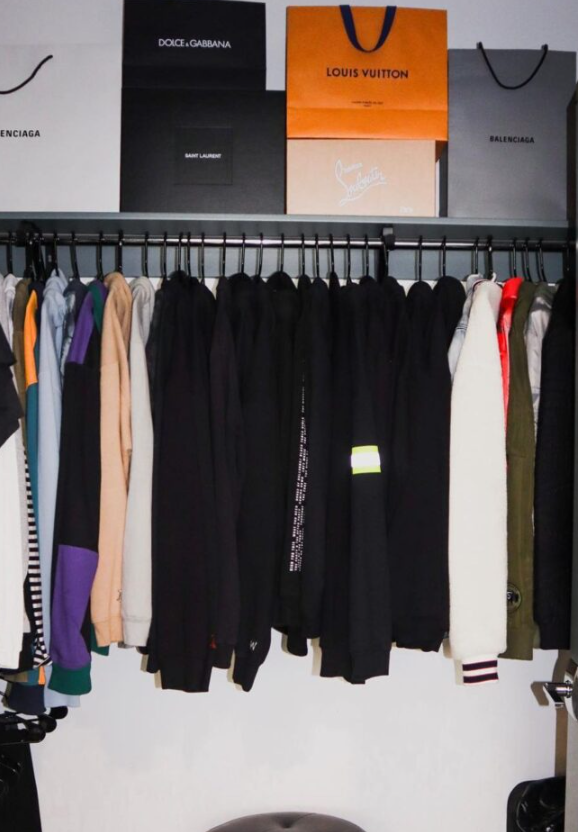
Color hanging is a simple way to make a crowded closet rod easier to navigate. I arrange hoodies by shade so similar colors sit next to each other instead of appearing in a random order.
I might group white, cream, and beige hoodies together, followed by gray, blue, green, and darker colors. The exact order is up to me, but keeping it consistent makes the wardrobe easier to maintain.
This method works best when there is enough space to see each garment. If the rod is too crowded, I remove less frequently worn pieces and store them on shelves or in drawers.
1.9. Corner Shelves
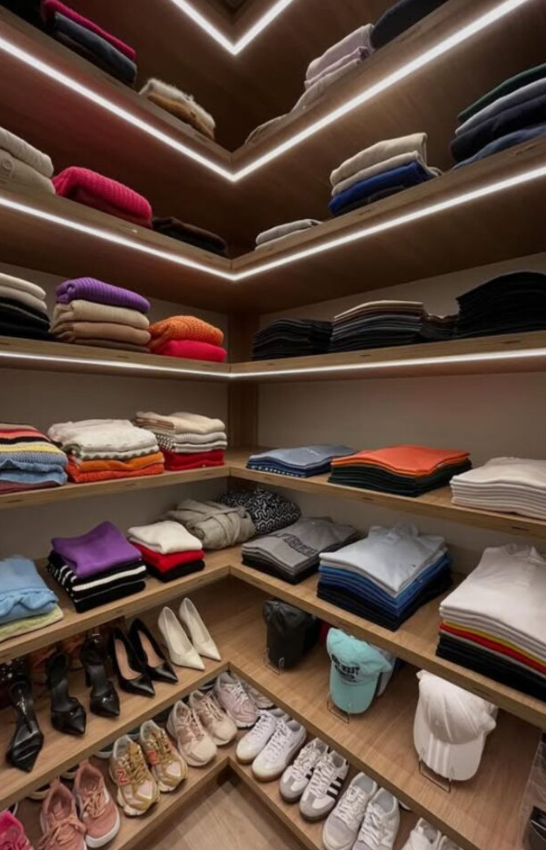
Closet corners often go unused because regular shelves do not always fit neatly into the available space. Corner shelving can turn these awkward areas into useful storage for folded hoodies.
I can use an L-shaped shelving unit or install shelves designed to fit the corner. Each level can hold a separate group, such as everyday sweatshirts, lighter hoodies, or seasonal clothing.
To keep the shelves practical, I avoid building stacks so high that I have to remove several garments to reach the bottom. I also make sure the shelves are securely installed and can support the weight of the clothing.
This option is particularly useful in walk-in closets or larger wardrobes where the corners have enough depth for additional storage.
1.10. Rolling Rack
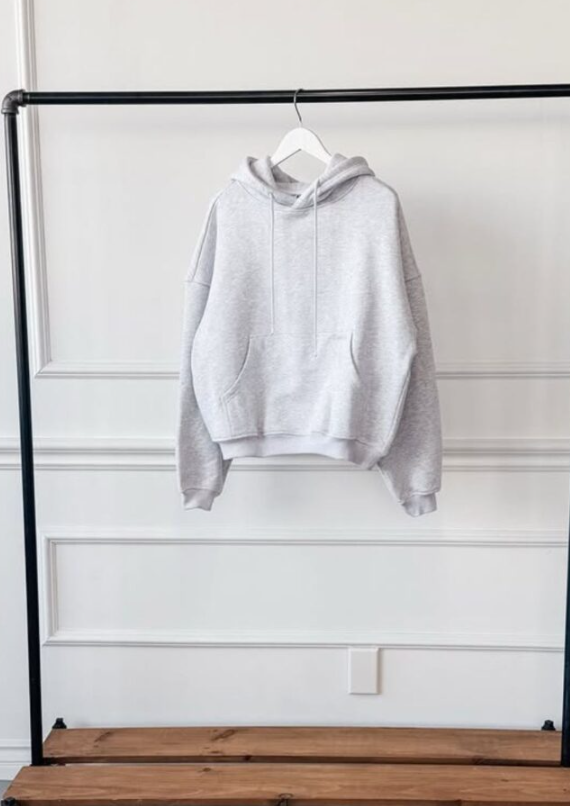
A rolling clothing rack provides flexible storage that I can move around the room when needed. It is useful when I want extra space for frequently worn hoodies without changing the main closet layout.
I choose a rack with sturdy wheels, a stable frame, and a hanging bar that can support the weight of my garments. I keep enough space between hoodies to make them easy to remove without pulling other pieces off the rack.
Some rolling racks also have a lower shelf for folded clothes or baskets. This gives me two storage options in one place and can help keep the floor clear.
Pro tip: Check that the wheels lock before loading the rack. Locking wheels help keep it in place when I am choosing clothes or moving garments around.
1.11. Shade Order
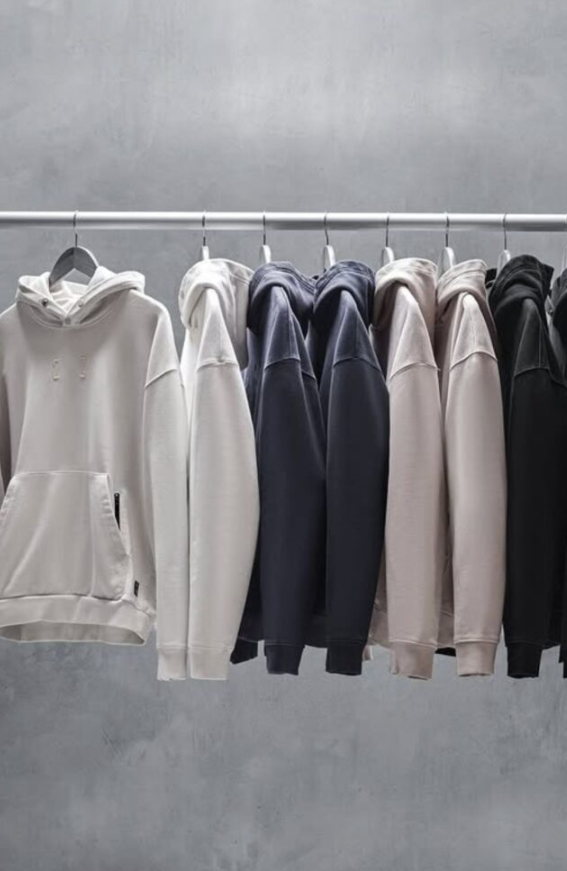
Arranging hoodies from light to dark is another way to make hanging storage easier to scan. This approach is slightly different from basic color grouping because I organize garments according to how light or dark their shades appear.
For example, I can place white and cream hoodies at one end, move through lighter grays and blues, and finish with navy, brown, or black. I can also create separate shade sequences for different colors.
Using similar hangers helps the row look consistent. If the wardrobe rod is short, I prioritize the colors I wear most often rather than trying to display every hoodie at once.
The main benefit is practical: a consistent order helps me find the right garment without moving several others aside.
1.12. Storage Bins
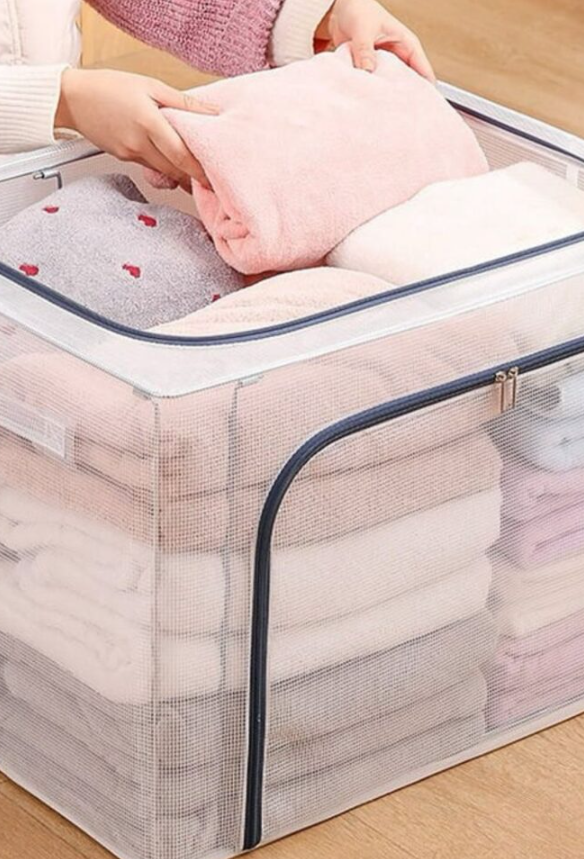
Storage bins are useful for hoodies that I do not need every day. I can use them for winter fleece, spare sweatshirts, or garments that are taking up too much room in my main closet.
Before packing them away, I make sure the hoodies are clean and completely dry. I fold them into flat shapes and place them inside a bin that fits the available shelf, cupboard, or under-bed space.
Clear bins make it easier to identify the contents, while labels can help when I use opaque containers. For long-term storage, I choose a clean, dry location and avoid compressing delicate garments too tightly.
I also check the bins occasionally so stored clothing stays in good condition and remains easy to find when I need it again.
1.13. Wall Hooks
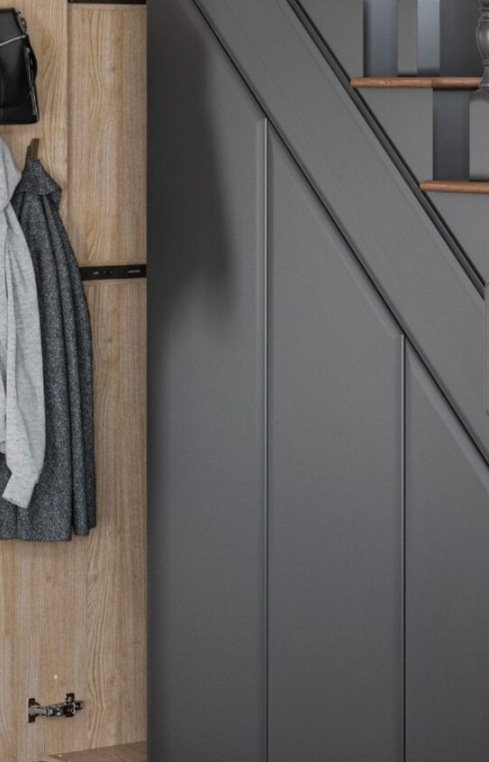
Wall hooks provide a simple place to hang hoodies that I wear frequently. They can be installed near a bedroom door, beside a wardrobe, or in another convenient location.
I prefer individual hooks with enough space between them so the garments do not form one large pile. Lightweight hoodies work especially well because they are easy to hang up and grab when I am getting ready.
For a more organized setup, I can install several hooks on a wooden rail or wall-mounted panel. A small shelf above them may provide extra space for caps, bags, or other accessories.
Before installing the hooks, I check the wall material and use suitable fixings for the expected weight. This helps keep the setup secure during everyday use.
1.14. Travel Packing

Hoodies can take up a surprising amount of room in a suitcase, particularly when I am packing several layers for colder weather. Rolling or compact folding can help me arrange them alongside the rest of my clothing.
I start by folding the sleeves inward and flattening the hood. Then I fold or roll the body into a compact shape that fits my suitcase or packing cube.
Packing cubes can keep rolled garments together and separate clean clothes from other items. However, rolling does not remove the hoodie’s actual bulk, so I avoid squeezing too many thick sweatshirts into a small bag.
For longer trips, I choose hoodies that work with multiple outfits. This reduces the number of bulky garments I need to pack in the first place.
1.15. Hanging Cubes
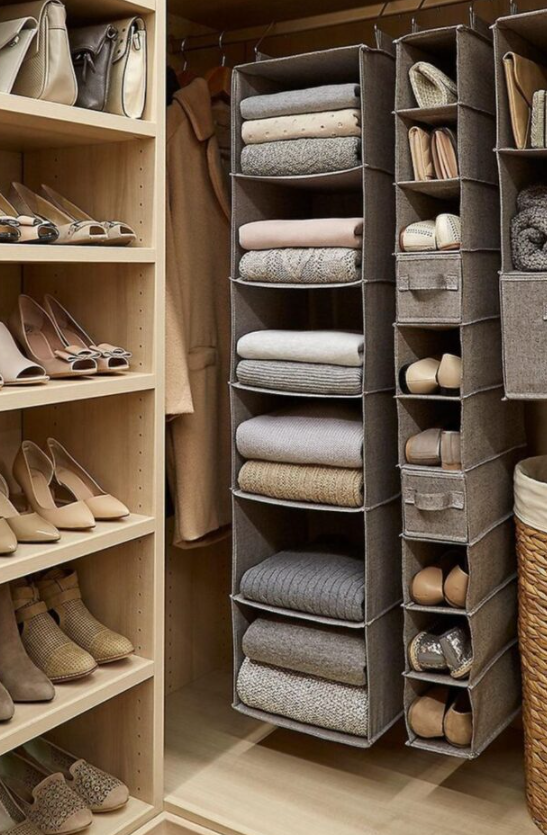
Hanging fabric organizers turn unused closet-rod space into a series of small compartments. Instead of hanging every hoodie individually, I can fold selected pieces and place them in separate fabric shelves.
I attach the organizer securely to the rod and check that the shelves can support the weight of the clothing. Lighter hoodies are often better suited to this type of storage because thick fleece can make the compartments sag.
Each cube can hold a different category, such as zip-up hoodies, graphic designs, or lightweight sweatshirts. I keep the stacks small enough to remove individual pieces without pulling out everything inside the compartment.
This option is helpful when my closet has a hanging rod but very few built-in shelves.
1.16. Wardrobe Zones

Creating separate wardrobe zones helps me keep hoodies from mixing with every other type of clothing. I assign one area to hoodies, another to shirts, and separate spaces to trousers, jackets, and accessories.
Within the hoodie section, I can divide garments by thickness, color, or how frequently I wear them. Lighter hoodies may go on hangers, while heavier pieces can be folded on a shelf or placed in a drawer.
I find this approach especially useful when several people share storage space. Clear sections make it easier for everyone to return clothing to the right place.
I do not need an expensive built-in wardrobe to create zones. A few storage boxes, shelf dividers, and a consistent arrangement can achieve the same basic goal.
1.17. Entry Hooks
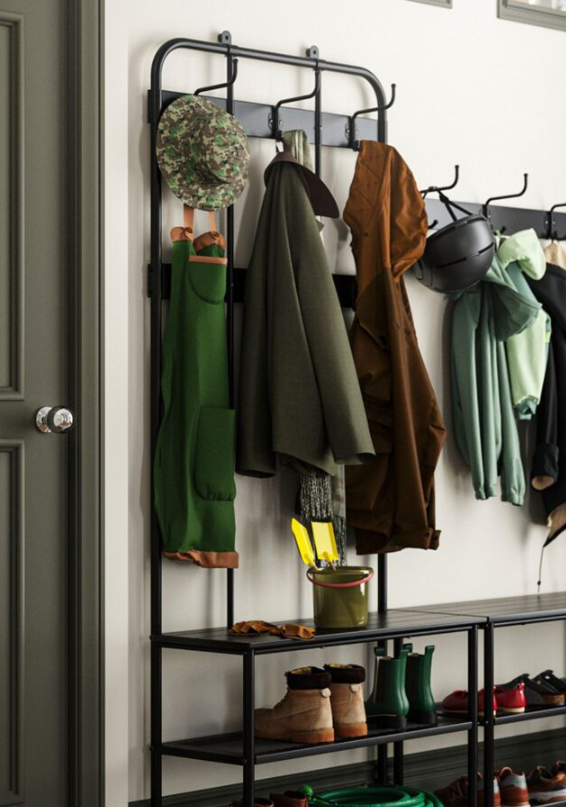
Entry hooks give everyday hoodies a convenient home near the front door. This means I can grab a sweatshirt when leaving and put it back in the same place when I return.
I can install a hook rack above a shoe cabinet, beside a hallway bench, or near an entryway shelf. Each hook gets one garment, which helps prevent the usual pile of jackets and hoodies from forming.
I reserve this area for pieces that I use regularly rather than storing my entire collection there. Seasonal or rarely worn hoodies can remain in the bedroom closet.
If I have limited wall space, a narrow hook rail may be enough to keep a few everyday layers organized without blocking the walkway.
1.18. Hoodie Stand
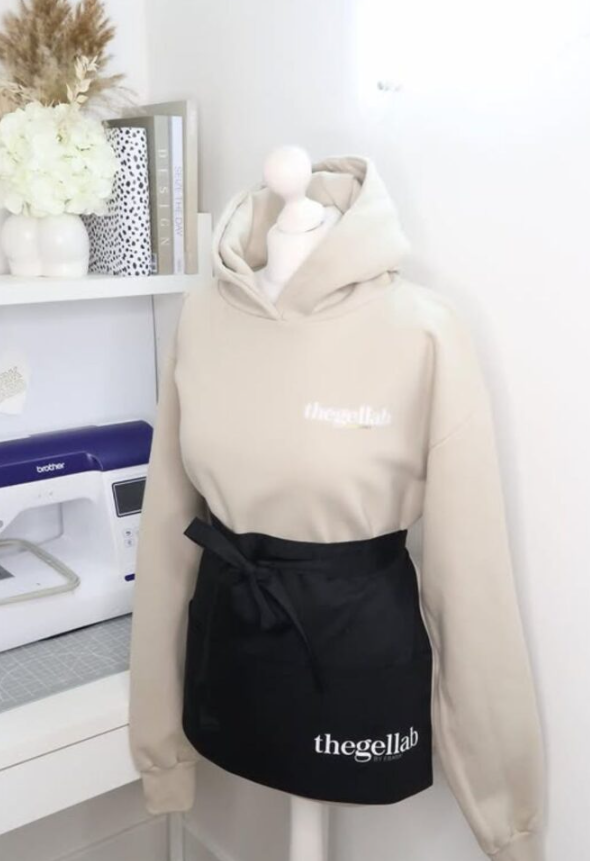
A clothing stand or dress form offers a different way to display a favorite hoodie. Instead of folding the garment or placing it on a shelf, I keep one selected piece visible and ready to wear.
This setup can work in a bedroom, dressing area, or creative space where I want to display a graphic hoodie or a special design. A lightweight dress form can also make it easy to change the displayed piece whenever I want.
I choose a stable stand that does not take up too much floor space. Since this method is mainly for display, I keep the rest of my collection stored normally rather than trying to use the stand for every hoodie.
For a simpler alternative, I can use a freestanding coat stand with a suitable hook to hold a frequently worn sweatshirt.
1.19. Mirror Hanger
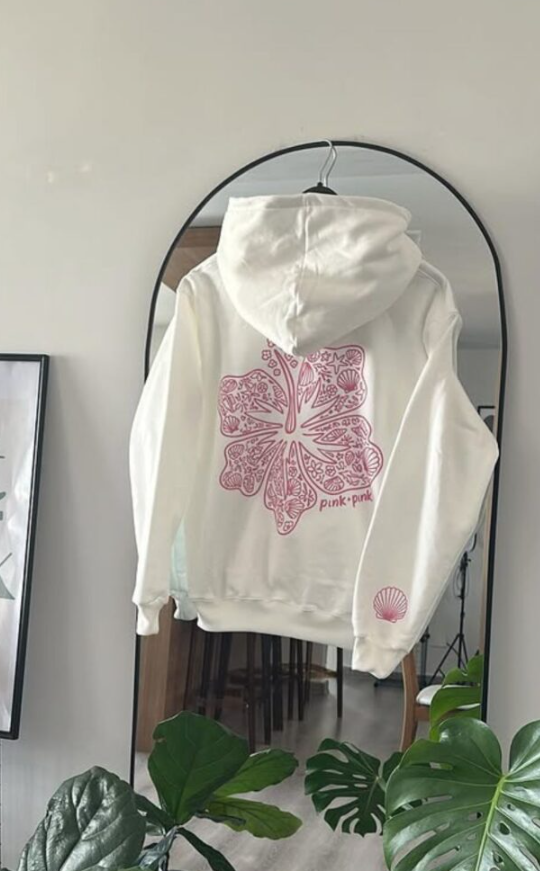
A mirror-side hanger can create a handy spot for a hoodie I plan to wear soon. It works well in a bedroom or dressing area where I usually choose my clothes.
I can place a sturdy hook near a full-length mirror and hang one hoodie there for easy access. This keeps the garment off the bed or chair while allowing me to see it when putting together an outfit.
I avoid attaching hooks directly to a mirror unless the product is specifically designed for that purpose. A wall-mounted hook beside the mirror is usually a safer and more practical choice.
Keeping this area limited to one or two pieces prevents the mirror from becoming surrounded by clothing and maintains a tidy appearance.
1.20. Shelf Dividers

Shelf dividers help control bulky hoodies that tend to spread across a wide shelf. They create separate spaces for each stack, making it easier to remove one garment without disturbing the rest.
I can choose acrylic, metal, or other sturdy dividers that fit the shelf’s depth and thickness. Before buying them, I measure the shelf and check whether the dividers need a specific installation method.
I fold each hoodie into a similar shape and place a manageable number in every section. Thicker garments may need more room, so I avoid forcing too many into one compartment.
This is a particularly useful option for deep wardrobes where folded clothing can otherwise slide sideways and become difficult to organize.
1.21. Minimal Hanging
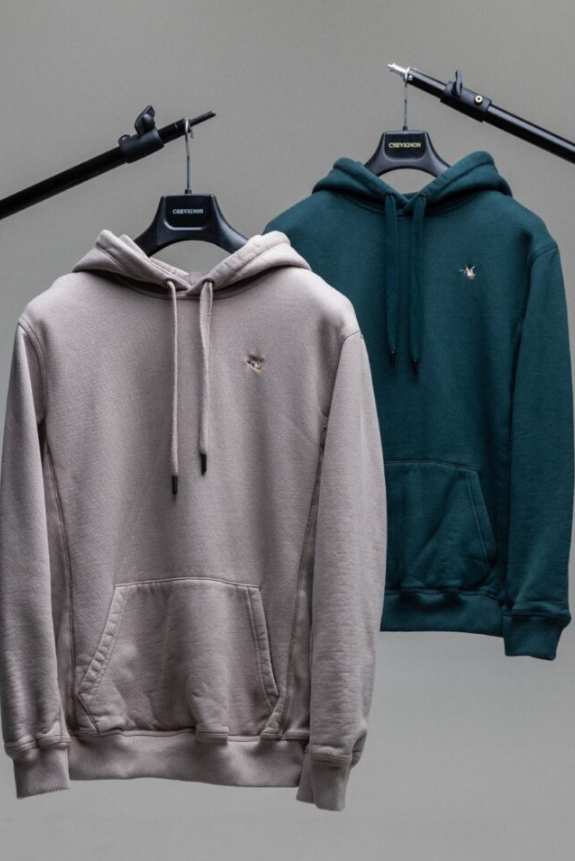
Minimal hanging works best when I want to keep a small selection of hoodies visible and easy to reach. Rather than filling the rod with every garment I own, I reserve it for my most frequently worn pieces.
I use suitable hangers and leave enough space to remove each hoodie comfortably. The remaining garments can be folded in drawers, stored on shelves, or packed away until the season changes.
This setup makes it easier to see what I have and reduces the pressure on a crowded closet rod. It also encourages me to choose which hoodies deserve the most accessible storage space.
If I have a large collection, I can review it every few weeks and swap pieces in and out according to the weather and my routine.
1.22. Flat Folding

Flat folding is a reliable option for hoodies that I want to store on shelves, in drawers, or inside storage bins. It keeps the garments compact and makes it easier to build stable stacks.
I place the hoodie on a clean, flat surface, fold the sleeves inward, and bring the sides toward the center. Then I fold the body into a rectangle, keeping the hood tucked neatly into the final shape.
I try to fold each garment to a similar size so the stack stays balanced. If the hood is especially thick, I adjust the fold rather than forcing it into a shape that creates an uneven pile.
This method is particularly suitable for heavier hoodies that I prefer not to leave hanging for long periods.
1.23. Cubby Storage
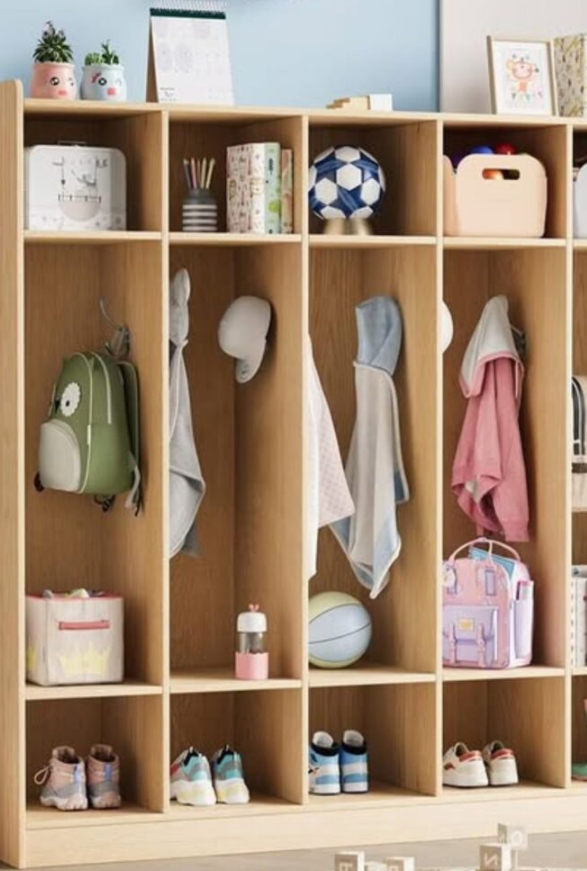
Cubby storage gives each hoodie a defined place instead of making me rely on one large pile. A cubby shelf or modular storage unit can hold folded garments in separate compartments.
I might assign one cubby to plain hoodies, another to graphic designs, and a third to lightweight zip-ups. If the compartments are large enough, I can store several folded pieces together without mixing them with other clothing.
The lower sections can also hold baskets or accessories, provided the unit is designed to support their weight. I keep heavier items low when appropriate to help maintain stability.
This arrangement works well in bedrooms, shared spaces, and entryways where clothing needs to remain visible and easy to put away.
1.24. Hoodie Rotation

A hoodie rotation system helps me avoid overcrowding the main closet with garments I rarely wear. I keep the pieces I use most often within easy reach and store the rest elsewhere.
At the start of a season, I select a practical group of hoodies based on the weather and my usual outfits. The remaining pieces go into drawers, storage bins, or higher shelves until I need them again.
I review the collection whenever the weather changes or my preferences shift. This lets me replace lightweight options with warmer fleece hoodies without reorganizing the entire wardrobe.
Rotation is especially useful when I own more hoodies than my closet can comfortably hold. It gives my everyday clothes a clear place while keeping the rest of the collection available.
1.25. Mudroom Hooks
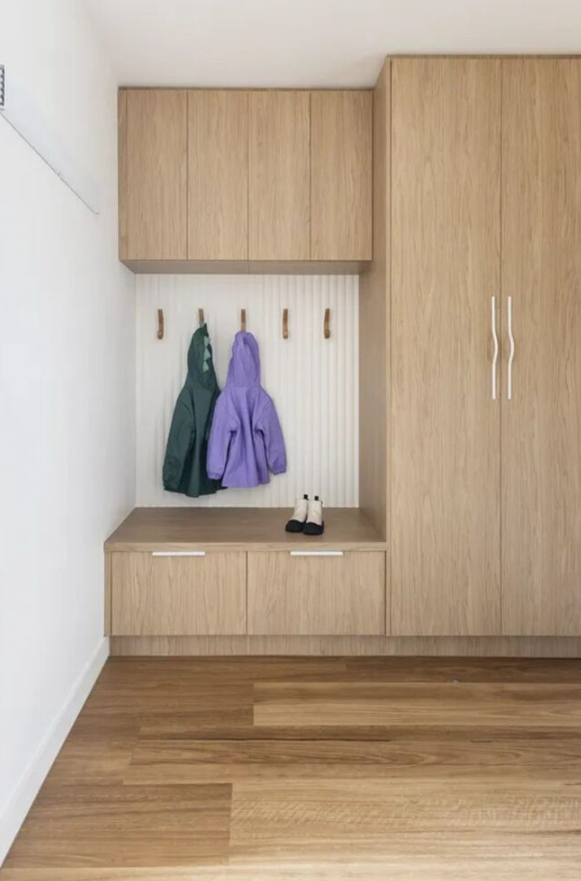
Mudroom hooks are a practical choice for households where hoodies are worn throughout the day. They provide a designated place for sweatshirts near the door instead of leaving them on chairs, benches, or the floor.
I can install a row of hooks above a bench or shoe cabinet, leaving enough space between each one for the garments to hang freely. A lower storage area can hold shoes, bags, or other items used when leaving the house.
I keep the mudroom selection limited to hoodies that people wear regularly. Extra garments stay in bedroom closets or other storage areas so the entryway does not become crowded.
If the household has children, placing a few hooks at a suitable height can make it easier for them to put their own hoodies away.
FAQs
2.1. What is the most space-efficient way to store multiple hoodies in a small closet?
For most small closets, I recommend folding hoodies into compact rectangles and storing them vertically in a drawer or suitable storage bin. This makes it easier to see individual garments and retrieve one without disturbing the entire stack.
If I have more shelf space than drawer space, I use short stacks with dividers to keep everything in place. Seasonal hoodies can go into labeled bins under the bed or on a high shelf, leaving the main closet free for everyday clothing.
The most efficient arrangement depends on the dimensions of the storage area and the thickness of the hoodies. I start by measuring the available space and testing one folding method before buying additional organizers.
2.2. How do you store hoodies so they don’t lose their shape?
I generally fold heavy hoodies for long-term storage because their weight can place strain on the shoulders when they hang for extended periods. I fold the sleeves inward, flatten the hood, and store the garment on a clean shelf or in a drawer without pressing it too tightly.
If I prefer hanging a hoodie, I choose a hanger that supports the shoulders properly and can carry the garment’s weight. I also avoid squeezing too many hoodies together on one rod, since overcrowding makes them harder to remove and can leave the fabric bunched up.
Before putting a hoodie away for an extended period, I make sure it is clean and fully dry. For long-term storage, a clean, dry container and a cool, dry location help protect the fabric from unwanted moisture and odors.
The key is to choose a storage method that suits the hoodie’s weight, fabric, and how often I wear it.