22 Clothing Organization Ideas for 2026
When I organize clothes in a small bedroom or closet, I focus on using every inch wisely. The right storage system helps me keep everyday outfits within reach, store seasonal clothing neatly, and prevent folded clothes from turning into messy piles.
Simple changes can make a big difference. I can add shelves to closet doors, use dividers to separate clothing stacks, install a second hanging rod, or place storage bins under the bed. These options create more room without requiring a larger closet or expensive furniture.
In this guide, I’m sharing practical clothes storage ideas for small spaces, including open wardrobes, modular closet systems, hanging organizers, and space-saving containers. Whether you’re organizing a rental apartment, a small bedroom, or a crowded wardrobe, these ideas can help you create a setup that is easier to maintain.
Key Takeaways
- Use closet doors and empty wall areas for additional storage.
- Separate folded clothes with shelf dividers and individual bins.
- Store seasonal clothing in labeled containers under the bed or on upper shelves.
- Add a second hanging rod to create more space for shorter garments.
- Keep frequently worn clothes within easy reach and move occasional-use items out of the way.
Door Shelves
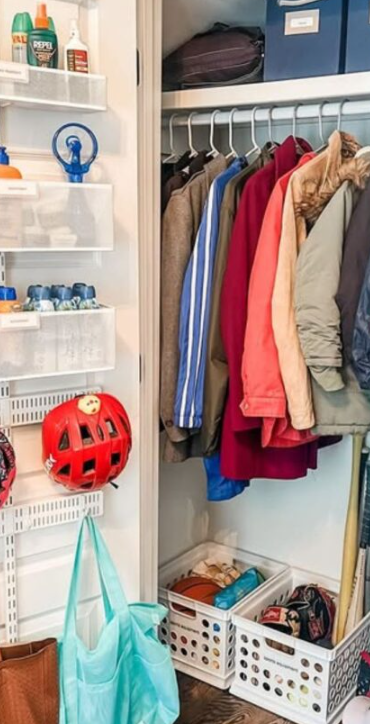
The back of a closet door is one of the first places I check when a wardrobe feels too crowded. Adding an over-the-door organizer or a set of slim shelves creates extra storage without using valuable floor space.
I use small baskets to separate accessories, gloves, belts, and other lightweight items. If several people share the closet, labeling each basket makes it easier for everyone to return things to the right place.
For the best results, I keep heavier items off lightweight door organizers and check that the shelves do not interfere with the door closing. This simple addition can free up valuable drawer and shelf space for clothes.
Shelf Sections
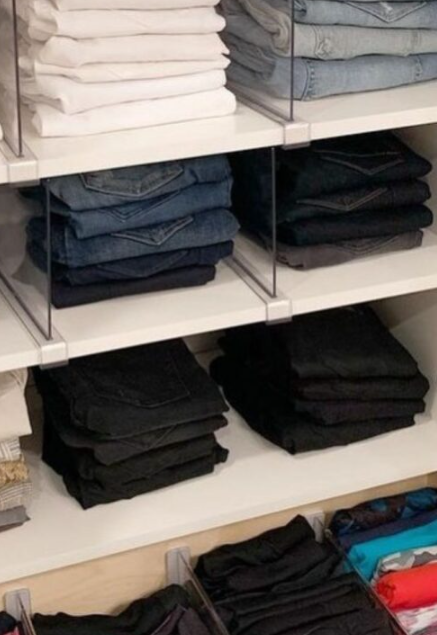
Folded clothes can quickly become disorganized when I pull something from the middle of a stack. Shelf dividers help prevent this by creating separate sections for jeans, sweaters, T-shirts, and other garments.
I prefer clear acrylic or wire dividers because they keep clothing piles in place without making the shelves feel closed off. Many designs simply slide onto existing shelves, so I can install them without drilling holes.
To make the system more useful, I give each section a specific purpose. For example, I keep everyday T-shirts together and place heavier sweaters in another section. This makes it easier to put away clean laundry and find what I need without disturbing other clothes.
Color Folding
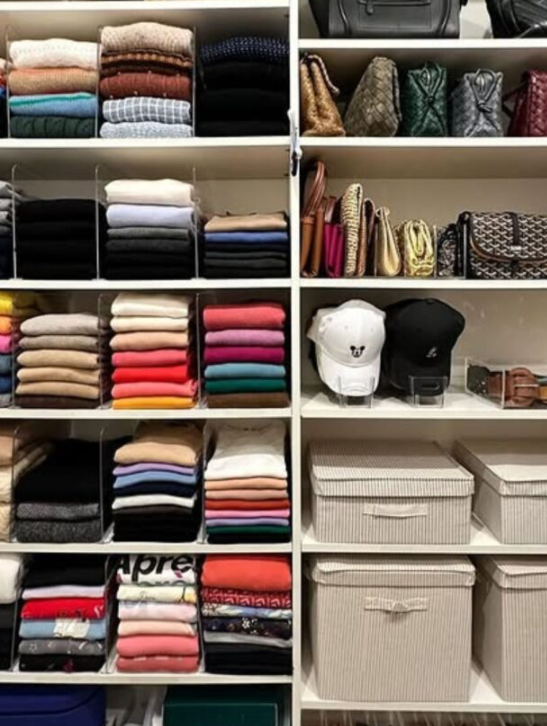
Organizing folded clothes by color gives a closet a more orderly appearance and makes choosing outfits easier. I start by grouping similar garments together, such as T-shirts, sweaters, jeans, and workout tops.
Within each group, I arrange the clothes by color, moving from lighter shades to darker ones. This creates a consistent pattern and helps me spot a particular item quickly.
Shelf dividers can make this method even more effective by keeping each stack separate. I also avoid making piles too tall because high stacks are more likely to fall apart when I remove something from the bottom.
This approach works especially well on wide closet shelves where folded clothing is easier to see at a glance.
Open Wardrobe
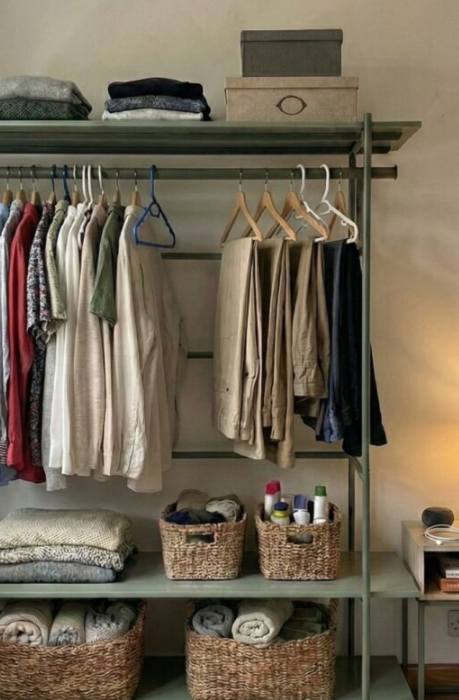
When a bedroom has no built-in closet, an open wardrobe rack can provide a practical alternative. It combines hanging space and shelves in one area, allowing me to organize clothes without adding a bulky wardrobe cabinet.
I use the hanging rod for shirts, dresses, jackets, and outfits I wear regularly. The shelves below can hold folded clothing, while baskets keep socks, scarves, and accessories from getting mixed together.
Upper shelves are useful for storage boxes containing seasonal garments or occasional-use items. I keep the most frequently worn clothes at a comfortable height so I don’t have to reach or bend every time I get dressed.
To keep an open wardrobe looking tidy, I group similar garments together and avoid filling every available space. Leaving a little room between items makes clothes easier to remove and return.
Shoe Shelf
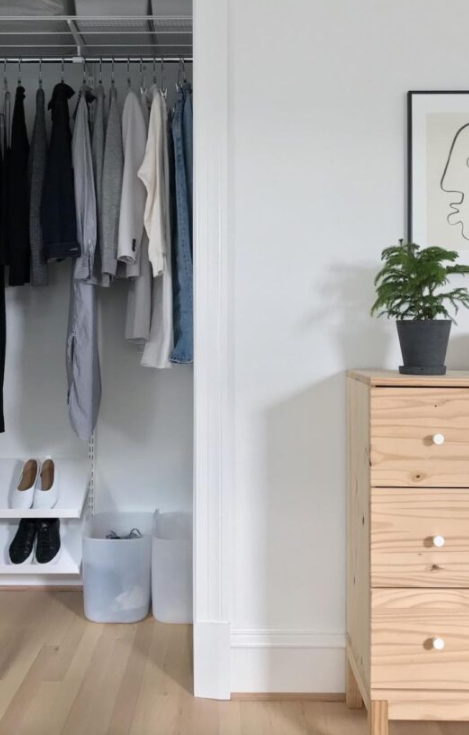
Shoes often take up more room than expected, especially when several pairs are scattered across the closet floor. A dedicated shoe shelf helps me use the lower part of the closet without letting footwear spread into the rest of the space.
Angled shoe shelves are useful because the pairs remain visible and easy to reach. A low shoe rack or pull-out organizer can also work well when the closet has limited depth.
I arrange everyday sneakers, flats, and frequently worn shoes near the front. Special-occasion footwear can go on a higher shelf or inside a separate box.
Keeping shoes in one designated area leaves more room for clothing and makes it easier to clean the closet floor.
Garment Covers
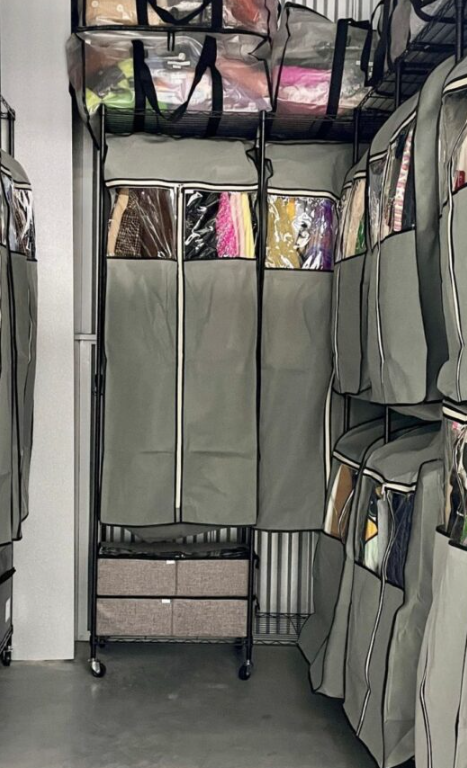
Garment covers help protect clothing that I don’t wear regularly, especially formal dresses, suits, and coats. They keep garments separate from everyday items and reduce their exposure to dust.
I choose long covers for dresses and coats, while shorter covers work for jackets and other smaller pieces. Clear panels make it easier to identify clothing without opening every cover.
For better organization, I group garments by season or occasion and label the covers when necessary. I also make sure clothes are clean and completely dry before storing them.
Breathable covers are a sensible choice for many everyday fabrics, particularly when clothes will remain stored for an extended period. I avoid packing garments too tightly because they need enough room to hang properly.
Pull Bins

Deep closet shelves can waste space when clothes at the back are difficult to reach. Pull-out storage bins solve this problem by allowing me to bring the contents forward instead of moving everything around.
I use these bins for folded T-shirts, sweatshirts, workout clothes, and other items that are easy to stack. Clear containers are particularly useful because I can see what’s inside before opening them.
If the shelves are deep, I choose bins that slide out easily and fit the available dimensions. I also avoid overfilling them, as heavy containers can become difficult to move.
Assigning one category to each bin keeps the system simple. For example, I might use one for workout clothes and another for casual tops. This makes putting away laundry quicker and helps prevent piles from building up again.
Wardrobe Zones
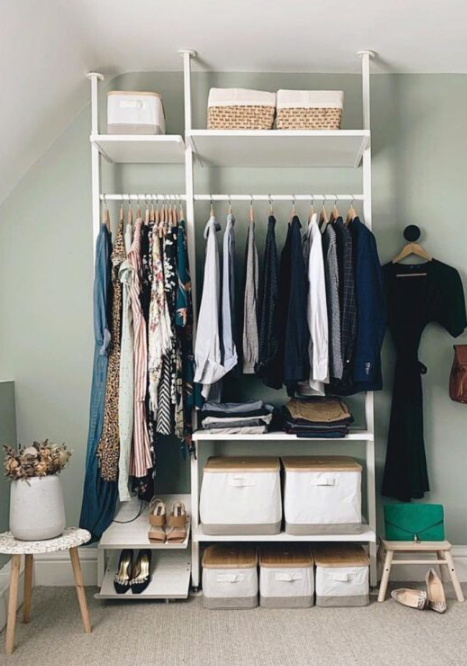
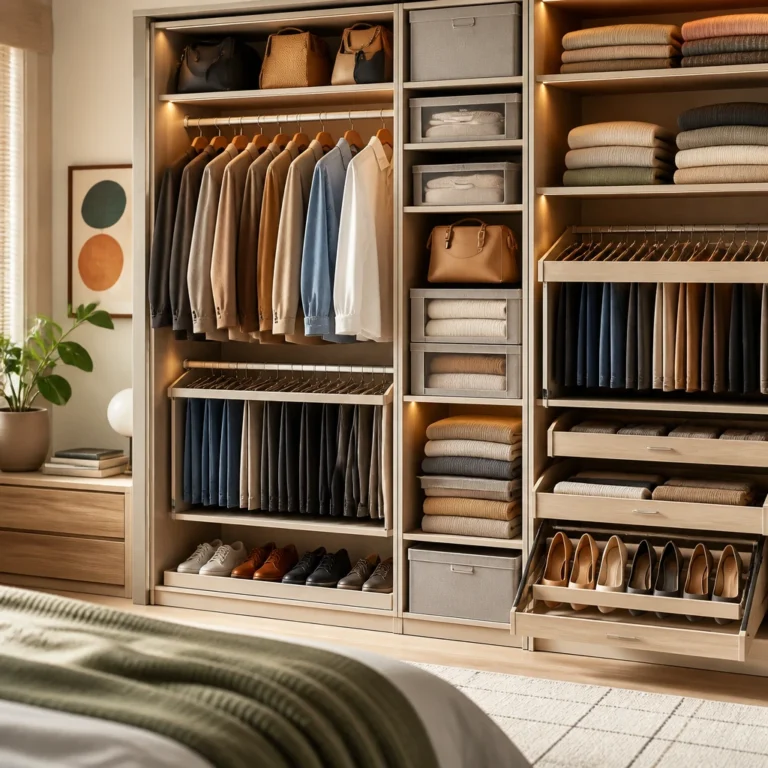
Dividing a wardrobe into separate zones helps me make better use of limited storage space. Instead of mixing everything together, I assign each section a specific purpose.
I keep dresses, shirts, and jackets on hanging rods, while shelves hold folded clothing. Baskets are useful for smaller accessories, workout gear, and seasonal items, and the bottom section can hold shoes.
The upper shelves are best for things I don’t need every day, such as spare blankets or off-season clothes. Everyday outfits stay at eye level or within easy reach.
This arrangement works well in small bedrooms, particularly when a freestanding wardrobe is the main storage option. Once each area has a clear purpose, it becomes easier to return items to their proper places.
Fabric Bins

Fabric bins are useful for shelves that tend to collect loose piles of clothing. They create separate storage compartments for sweaters, knitwear, T-shirts, and seasonal garments.
I choose bins that fit the shelf dimensions rather than buying oversized containers that leave unused gaps. Bins with handles are easier to pull forward, while front openings or clear panels help me see what’s stored inside.
I also group similar garments together instead of mixing everything into one container. For example, one bin can hold winter accessories while another stores lightweight tops.
Fabric bins are especially helpful for clothing that isn’t worn every day. They keep shelves looking tidy and make it easier to organize garments without adding more drawers.
Clear Boxes

Clear storage boxes make seasonal clothing easier to organize because I can see the contents without opening each container. They’re useful for sweaters, scarves, summer clothes, and other garments that don’t need to stay within daily reach.
I fold clothes neatly and place similar items together. For example, one box can hold winter accessories while another contains lightweight seasonal clothing.
Lidded boxes help protect stored garments from dust, and their stackable design makes good use of upper shelves or under-bed space. Before buying containers, I measure the available area to ensure they fit without blocking access to other items.
I also label the boxes when the contents are difficult to identify. Even with transparent sides, labels make it quicker to locate a particular category when several containers are stored together.
Coat Row
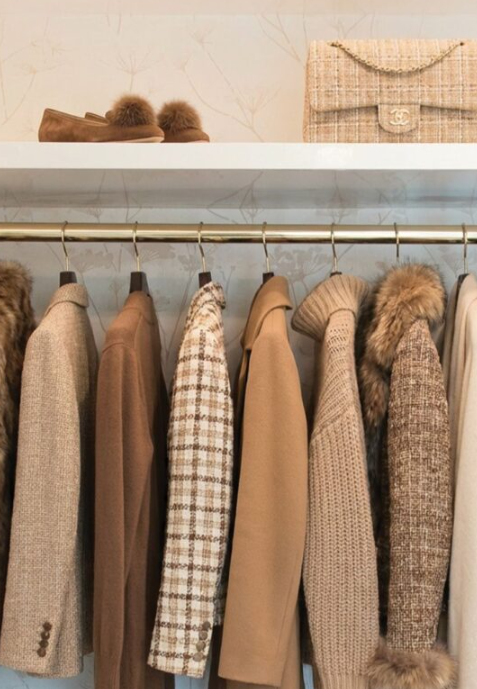
Coats and jackets can quickly crowd a closet because they are often thicker than everyday shirts. Creating a separate hanging row gives outerwear its own space and keeps it from pushing other garments aside.
I use a sturdy hanging rod designed to support the weight of the coats. Similar hangers help maintain a consistent appearance and make the available space easier to manage.
If the closet has upper shelves, I use them for hats, handbags, and seasonal accessories. I avoid overcrowding the rod because tightly packed coats are harder to remove and may become creased.
This setup is especially useful during colder months when outerwear needs to remain accessible. In warmer seasons, I can move less-used coats into garment covers or labeled storage containers to free up hanging space.
Shelf Dividers

Shelf dividers are a simple way to keep folded clothes from spreading across an entire shelf. They create boundaries between stacks, helping jeans, sweaters, and T-shirts stay in their assigned sections.
I prefer dividers that fit securely and do not damage the shelf surface. Clear designs work well when I want the clothing to remain visible without adding a bulky appearance.
I organize each section by garment type or color, depending on how I use the closet. For example, keeping jeans together and separating them from lightweight tops makes everyday dressing easier.
This solution is particularly useful when a wardrobe has several wide shelves but very few drawers. Instead of buying new furniture, I can make the existing shelves work more efficiently.
Pant Hangers
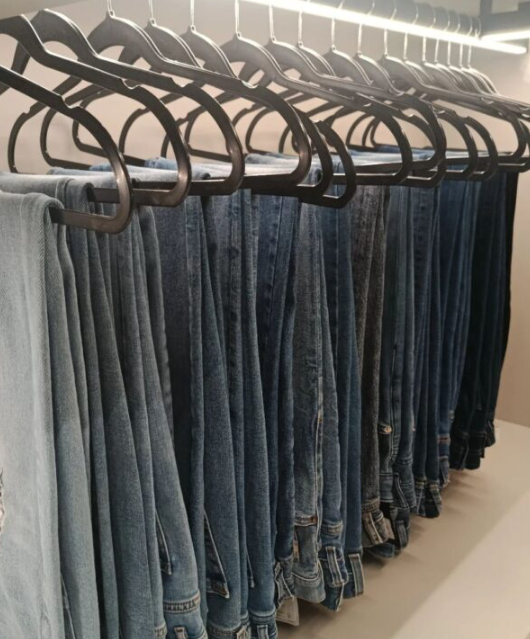
Jeans and trousers can occupy a surprising amount of shelf space when they’re folded into large stacks. Hanging them on a dedicated rack frees up shelves for other clothing.
I use sturdy hangers designed for trousers and leave enough space between pairs to make them easy to remove. Depending on the available room, a multi-tier hanger can store several pairs vertically.
Arranging jeans from light to dark can make the hanging section easier to scan. I also keep trousers that I wear regularly toward the front.
This method works best when the closet has enough hanging height and a suitable rod. If the space is limited, a slim multi-tier hanger can help organize several pairs without requiring a separate rack for each one.
Storage Trunks
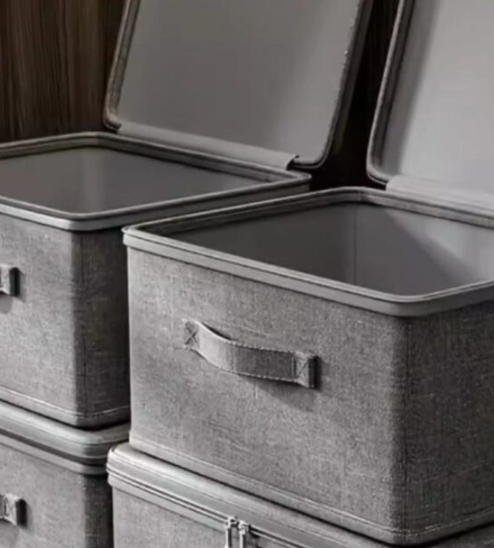
Bulky seasonal clothes can be difficult to fit into a small wardrobe. Storage trunks provide a separate place for winter jackets, thick sweaters, spare blankets, and other items that don’t need to stay within reach.
I choose a trunk that fits under the bed, at the bottom of a closet, or in an unused corner. A structured design with a lid keeps everything contained and helps protect clothing from dust.
Before storing garments, I make sure they are clean and fully dry. I also avoid packing them too tightly, particularly when storing delicate fabrics or items that need to maintain their shape.
Labeling each trunk saves time when the seasons change. Instead of opening several containers, I can go straight to the one holding the clothes I need.
Modular Closet
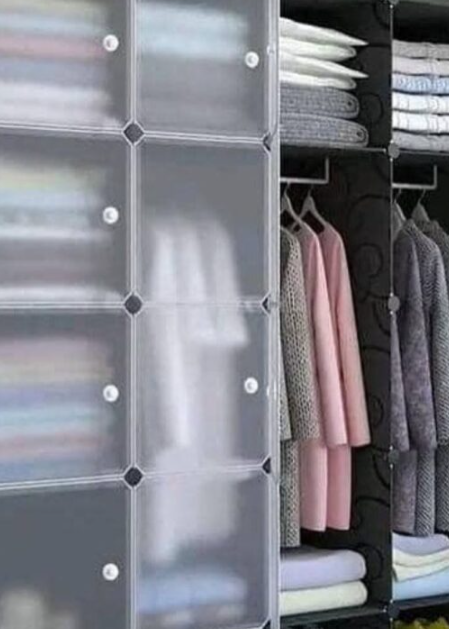
A modular closet is a practical option for small bedrooms, dorm rooms, and rental apartments without built-in wardrobes. It uses separate components that can be arranged to create hanging sections, shelves, and storage compartments.
I look for a design that matches the clothes I own. Hanging rods work well for shirts and jackets, while shelves and cubes can hold folded garments, shoes, and storage baskets.
One advantage of modular systems is their flexibility. Depending on the design, I can add or rearrange components when my storage needs change.
Before buying a unit, I measure the wall and check the available height and width. I also make sure the system is stable and follow the manufacturer’s instructions for assembly and anchoring.
With the right arrangement, a modular closet can turn an unused wall into a functional clothing storage area without requiring a permanent built-in wardrobe.
Locker Wardrobe
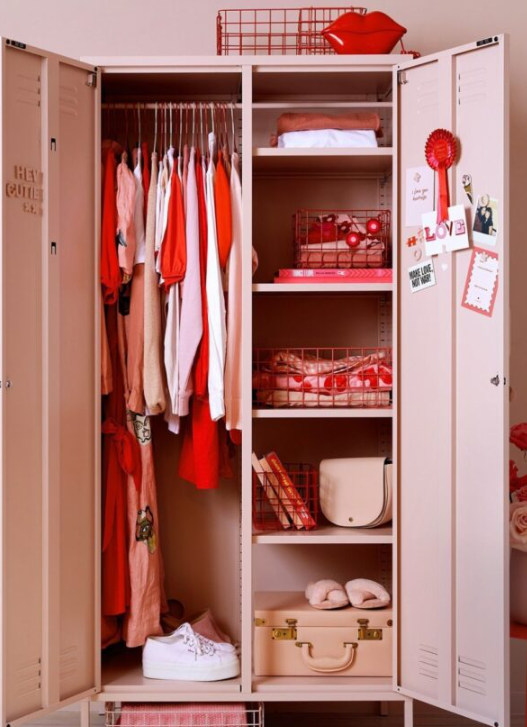
A locker-style wardrobe makes good use of vertical space by combining hanging areas, shelves, and separate compartments in one tall unit.
I use the hanging section for dresses, shirts, and jackets, while the shelves hold folded clothes, handbags, and accessories. Small baskets can keep socks, belts, and other loose items from getting mixed together.
The lower compartments are useful for shoes or storage containers, while the upper shelves can hold less frequently used garments. Keeping each category in its own section helps prevent the wardrobe from becoming overcrowded.
This style works well in compact bedrooms and shared living spaces where a large walk-in closet isn’t possible. I choose a unit with a layout that matches my clothing collection rather than one with more compartments than I actually need.
Wire Baskets

Wire baskets help make deep closet shelves easier to use. Instead of reaching over a pile of clothes, I can pull a basket forward and access everything stored inside.
I use them for folded jeans, T-shirts, sportswear, and other everyday garments. The open design makes it easy to see the contents, while the gaps allow air to circulate around the stored items.
For a neat arrangement, I assign each basket a category and label it if necessary. One might hold workout clothes, while another contains everyday basics.
Before installing pull-out baskets, I check the shelf width, depth, and weight capacity. A properly fitted system makes it easier to store clothes in an organized way without wasting the space at the back of the closet.
Shirt Bins
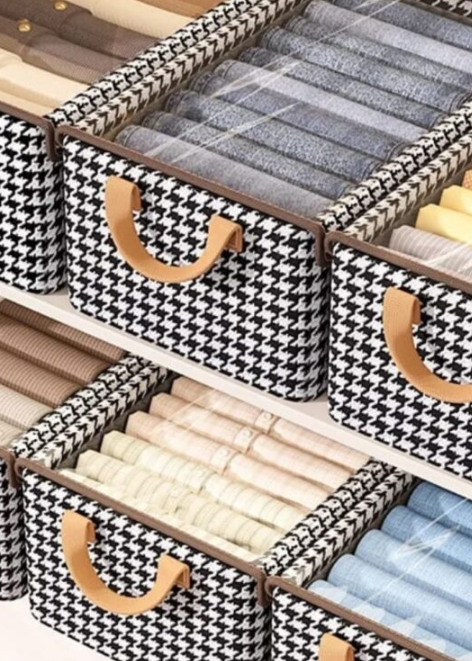
Shirts can become difficult to manage when they are stacked on top of each other. I find that storing folded shirts vertically in a bin makes individual pieces easier to see and remove.
Instead of building a tall pile, I fold each shirt into a similar size and place it upright beside the others. This arrangement allows me to identify different colors and styles without lifting the entire stack.
I use separate bins for casual T-shirts, work tops, and seasonal shirts. Handles make the containers easier to pull from shelves, especially when they’re stored inside a deep wardrobe.
The key is to avoid packing the shirts too tightly. Each piece should be easy to remove and return without disturbing the rest of the collection.
Cube Storage
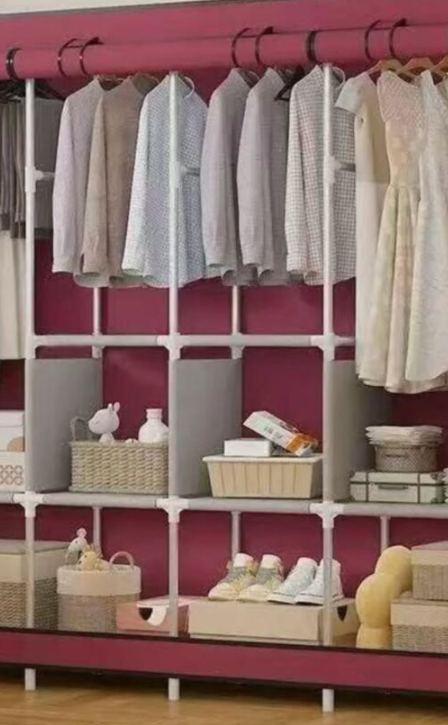
Cube shelving turns a small storage area into separate compartments for different clothing categories. It can be particularly useful when a bedroom has limited closet space or needs to accommodate several people.
I use the cubes for folded garments, baskets, shoes, and accessories. If the unit includes a hanging section above the shelves, I can also store dresses, shirts, and jackets in the same area.
Small fabric bins fit neatly into many cube compartments and help keep loose items out of sight. I might dedicate one cube to everyday tops and another to workout clothes or seasonal accessories.
This system works well in children’s rooms and shared bedrooms because each compartment can have a specific purpose. I measure the cube openings before buying containers to ensure everything fits properly.
Rolling Rack

A rolling clothing rack adds flexible storage when the main closet is already full. I can use it for frequently worn outfits, extra jackets, or clothes that need temporary hanging space.
The upper rod holds hanging garments, while lower shelves or baskets can store folded clothes, accessories, and other lightweight items. Some designs also include space for shoes or storage boxes.
The wheels make it easier to move the rack while cleaning or rearranging the bedroom. I can also position it against a wall or in an unused corner when it isn’t needed.
I choose a rack with a stable frame and a weight capacity suitable for the clothes I plan to store. Heavier garments should be distributed evenly to help prevent the rack from tipping.
This option is useful in small bedrooms, laundry rooms, and guest rooms where a permanent wardrobe isn’t practical.
Wall Organizer
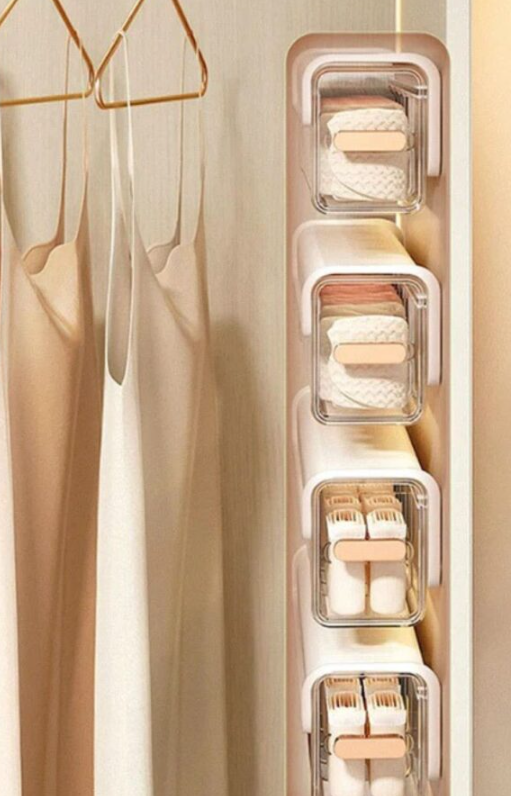
The narrow wall areas around a closet can provide extra storage for small clothing items. A wall-mounted organizer helps me use these spaces without taking up room on shelves or the floor.
I use compact compartments for socks, underwear, belts, and other accessories. Clear fronts make it easier to identify the contents, while separate sections prevent small items from becoming mixed together.
Depending on the design, organizers can be mounted beside a wardrobe or inside a closet. I check the available space and the mounting requirements before installation.
Keeping smaller items in their own compartments also frees up drawers for larger garments. When space is limited, this is a simple way to make the existing storage system more useful.
Double Rack
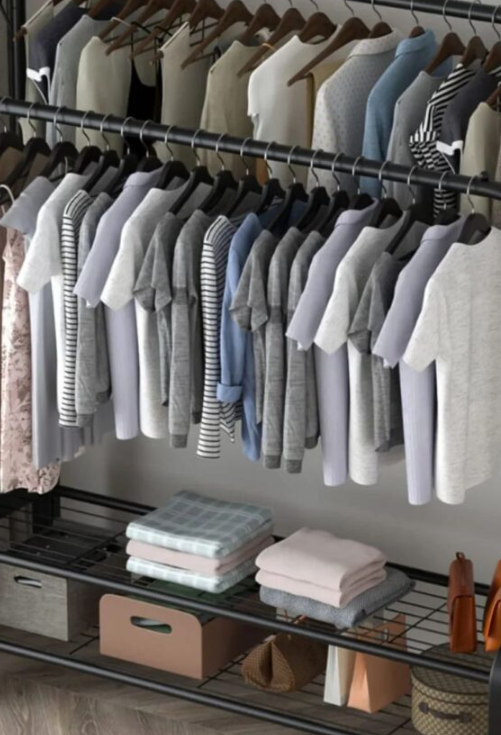
A double clothing rack creates two hanging levels instead of relying on a single rod. This can make a big difference in closets where most garments are shirts, blouses, skirts, and shorter jackets.
I use the upper rod for less frequently worn clothing and the lower rod for everyday outfits, adjusting the arrangement to suit my needs. This keeps regular clothing easy to reach while making better use of the available height.
Some double racks also include shelves underneath for folded clothes, shoes, or storage boxes. If the rack has wheels, I can move it when cleaning or changing the room layout.
Before adding a second hanging level, I check the height of the clothes and leave enough clearance between the rods. Long dresses and coats may need a separate section so they don’t drag on the floor or overlap the lower row.
For small bedrooms and dressing corners, a double rack provides extra hanging space without requiring a full built-in closet.
FAQs
How do you organize clothes in a small closet without adding furniture?
I start by rearranging the storage space I already have instead of buying another wardrobe. Removing clothes I no longer wear can also help free up valuable room.
Next, I use shelf dividers to separate folded garments and add a second hanging rod if the closet has enough vertical space. Door organizers and slim wall-mounted compartments can hold smaller accessories without taking up shelf space.
I also move seasonal clothing into labeled containers and store them on upper shelves or under the bed. Keeping everyday items within easy reach makes the closet more convenient to use.
What is the best way to store seasonal clothes in a small space?
I separate seasonal garments from the clothes I wear regularly. Sweaters, coats, and other winter items can be folded and placed in suitable storage containers during warmer months.
I make sure everything is clean and completely dry before packing it away. I then label each container so I can identify its contents without opening every box.
Under-bed storage, upper closet shelves, and unused wardrobe corners are useful places for these containers. I keep frequently worn clothes accessible and store off-season items where they won’t interfere with my daily routine.