17 Lunch Box Organization Ideas for 2026
What Are the Best Containers for Lunch Box Organization?
I find that lunch box organization becomes much easier when I use containers that fit properly, seal tightly, and keep different foods separate. The right containers help me pack lunches faster, control portions, reduce spills, and make better use of limited space. From divided bento boxes and reusable snack cups to stackable food containers and organized storage drawers, each option serves a different purpose. I also find that keeping lids, lunch accessories, and containers grouped by size makes daily meal preparation less stressful. With a simple system, I can prepare school lunches, work meals, and snacks without searching through a crowded cabinet every morning.
Key Takeaways
- Choose leak-resistant containers that fit your lunch bag and the foods you pack.
- Use divided bento boxes to separate meals, snacks, fruit, and vegetables.
- Store containers by size and keep lids upright to make matching pieces easier.
- Use small silicone cups for dips, berries, nuts, and other small snacks.
- Keep only the containers you use regularly to reduce clutter.
- Follow a repeatable packing routine to save time on busy mornings.
Built-In Meal Zones

I prefer containers with built-in compartments when I need to pack several foods in one box. These work well for sandwiches, rice, vegetables, fruit, and other lunch items that are better kept separate.
Fixed compartments also make portioning easier because each section has a clear purpose. I recommend checking the lid seal before buying a container, especially if you plan to pack moist foods or sauces. Remember that not every divided lunch box is leakproof, so keep liquids in containers designed specifically for them.
For a neat setup, I choose a lunch box with a simple shape, sturdy dividers, and a lid that closes securely. This makes packing easier without adding extra containers.
Size-Sorted Storage
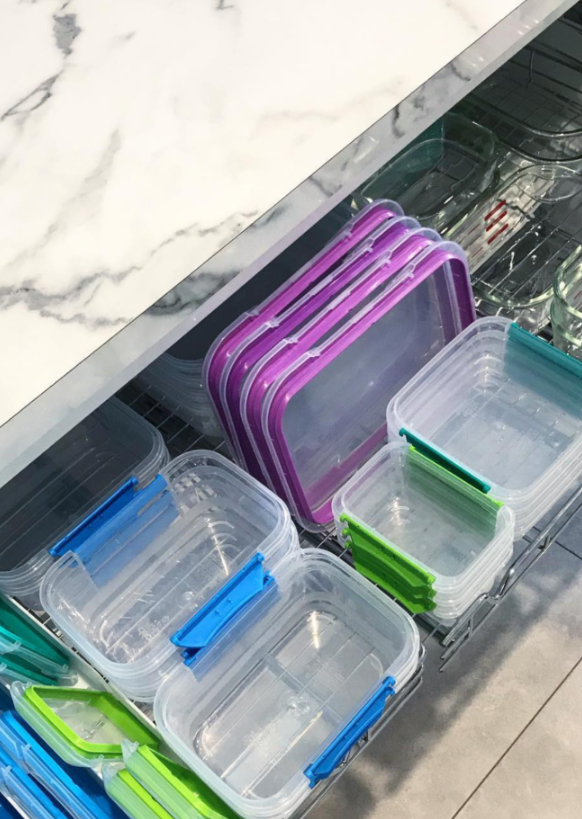
I find that storing lunch containers by size makes a noticeable difference when the kitchen cabinets are crowded. Instead of stacking everything together, I group small snack boxes, medium containers, and larger meal boxes separately.
Shallow storage bins or pull-out drawer organizers help keep the different sizes easy to reach. I also store lids vertically when possible, so I can see each size without moving a pile of other lids.
Clear containers make it easier to identify what I need, while matching lid colors can help distinguish different sets. This approach is particularly useful for families who pack several lunches every day.
Modular Snack Layers
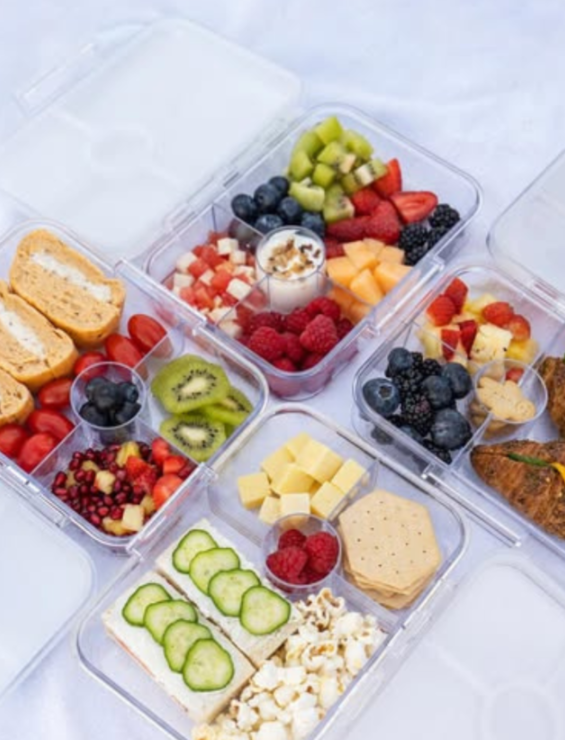
For lunches that include several small foods, I like using shallow, stackable containers that can be combined in different ways. Small boxes are useful for sliced fruit, crackers, cheese cubes, nuts, and other snacks that need their own space.
Mini cups can hold dips, dressings, or small portions of toppings. I keep wet ingredients separate from dry foods to help prevent crackers from becoming soggy and other snacks from losing their texture.
Square or rectangular containers often use lunch bag space more efficiently than bulky, irregular shapes. Choosing containers that stack securely also makes it easier to store leftovers and prepare snacks ahead of time.
Color-Coded Sections
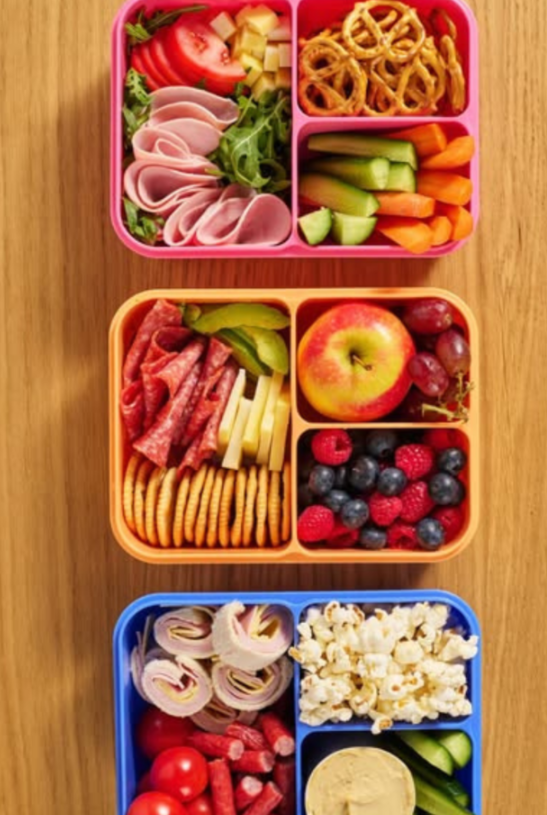
Color-coded lunch containers can make meal preparation easier, especially when children prefer familiar foods or like keeping everything separate. I use a simple color system to make different food groups easier to recognize.
For example, I might use one color for fruit containers, another for snack cups, and a third for main meals. Within a divided lunch box, I can also assign sections to protein, fruit, vegetables, and a small treat.
The goal is to make the system easy to follow rather than create extra rules. If several family members pack their own lunches, consistent colors can help everyone return containers to the correct storage area.
Mini Cup Control
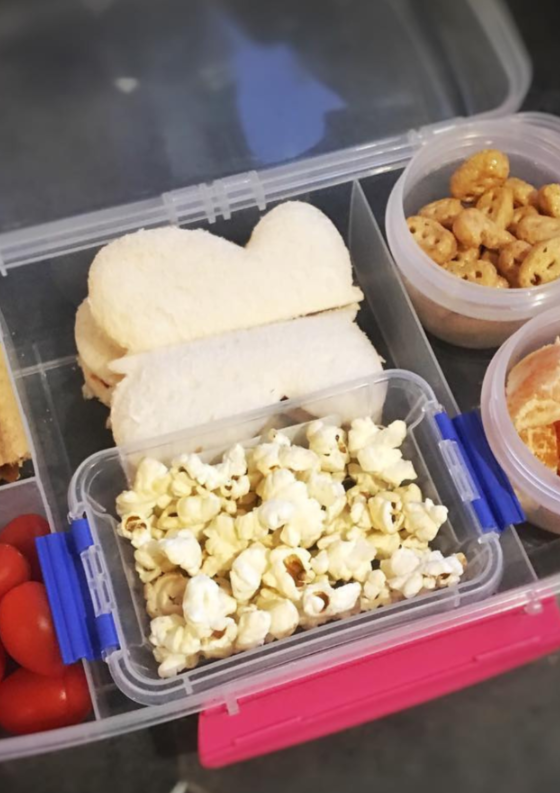
Small foods can quickly spread throughout a lunch box if they do not have a designated place. I use reusable silicone or food-safe plastic cups to keep smaller portions organized inside a larger container.
These cups work well for berries, sliced vegetables, nuts, crackers, and other snacks. They can also separate foods with different textures without requiring a separate full-size container for each item.
I recommend choosing cups that fit securely inside the lunch box and are easy to remove for washing. Before using them, check whether they are suitable for the foods and temperatures you plan to pack.
A few reusable cups can reduce the need for disposable bags and help keep the main lunch container tidy.
Grab-And-Go Drawer

I find that keeping lunch supplies together saves time when several meals need to be packed in the morning. A dedicated drawer can hold lunch boxes, snack cups, napkins, reusable cutlery, and other everyday accessories.
I divide the drawer into small sections so each item has a clear place. Larger boxes can sit toward the back, while frequently used containers and small accessories stay near the front.
For tiny items such as food picks, reusable straws, and mini cups, I use smaller bins to prevent them from spreading across the drawer.
This setup works particularly well for families. Once everything has a home, anyone can find the right supplies without searching through multiple cabinets.
One-Box Balance

A single divided lunch box can simplify packing when I want to prepare a complete meal without carrying several containers. I look for a design with one larger section and a few smaller compartments.
The larger area can hold a sandwich, pasta, rice, or another main item. The smaller sections can accommodate fruit, vegetables, cheese, or a snack.
I choose the compartment sizes according to the food I usually pack rather than buying a box based only on its appearance. A lunch box with too many tiny sections may not work well for larger foods, while one with only large compartments may require extra snack cups.
A well-fitted bento box keeps everything together and makes it easier to prepare a consistent lunch routine.
Mix-And-Match System

I find that a mix-and-match container system works best when the pieces follow a consistent size and shape. A main lunch box can handle the meal, while smaller containers can be added depending on the day’s menu.
For example, I might use a divided box for a sandwich and fruit one day, then add a small sealed container for yogurt or dressing the next. This gives me flexibility without requiring a different lunch box for every meal.
To keep the system manageable, I choose inserts that fit securely inside the main container and store them together. I avoid collecting too many different shapes because they can become difficult to stack and organize.
The best setup is one that adapts to different meals while keeping packing and cleanup simple.
Shelf-Based Grouping

When I have several lunch containers, I organize them by type on designated cabinet shelves. This prevents the containers from becoming a mixed pile and makes it easier to return each item after washing.
I group everyday lunch boxes together, keep small snack containers on another shelf, and place occasional-use containers in a separate area. Matching containers can be nested to save space, provided they are completely dry before storage.
I also keep lids with their corresponding container sets whenever possible. If there is not enough room, I place lids in a separate upright organizer near the containers.
This arrangement is useful for anyone who prepares lunches ahead of time or keeps extra food storage containers in the kitchen.
Stacked By Purpose
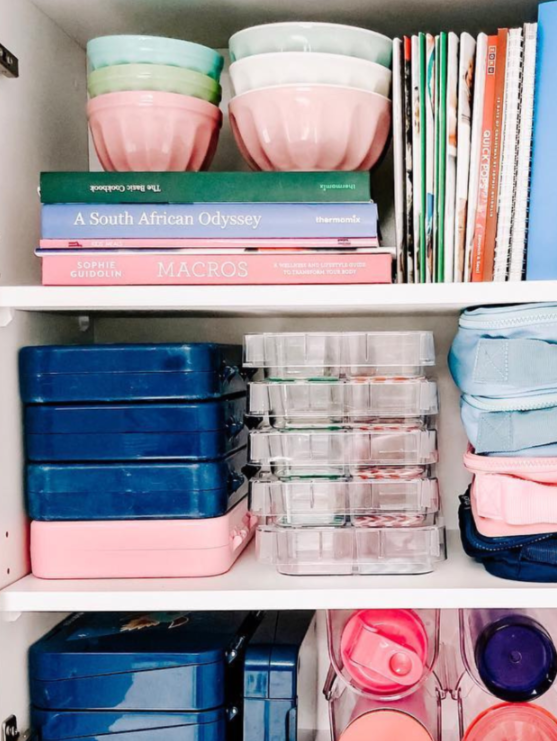
I find that assigning containers a specific purpose makes it easier to choose the right one for each occasion. Instead of organizing everything only by size, I separate daily lunch boxes, extra snack containers, and boxes used for travel or outings.
The containers I use most often stay within easy reach. Less frequently used pieces can go on a higher shelf or in a storage bin.
I also try to keep similar shapes together because they are easier to stack. Before buying more containers, I check whether the ones I already own can handle the same tasks.
This approach keeps the collection practical and helps prevent rarely used containers from taking over valuable cabinet space.
Vertical Lid Control
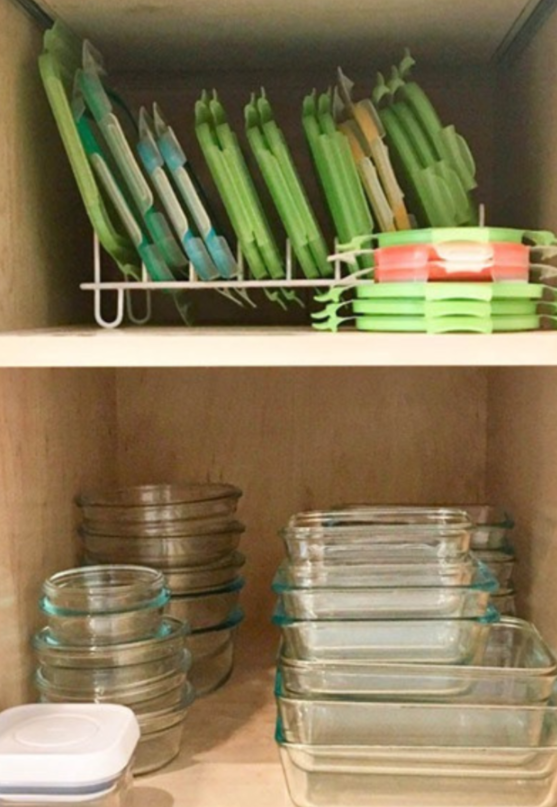
Loose lids are one of the most frustrating parts of storing food containers. I prefer to keep them upright in a small rack so I can quickly identify the correct size.
A plate organizer, adjustable divider, or narrow storage bin can work well for this purpose. I arrange the lids by shape or size and keep them close to the matching containers.
For glass food storage sets, I make sure the lids are stored securely and do not put unnecessary pressure on fragile pieces. I also allow washed containers and lids to dry completely before putting them away.
This simple change reduces the time spent searching for matching pieces and helps keep cabinet shelves from becoming cluttered.
Repeatable Lunch Formula

I find that using the same basic lunch box layout each day makes packing more predictable. When I use identical divided containers, I already know where each food group belongs.
For example, I can use the largest compartment for the main meal and the smaller sections for fruit, vegetables, and a snack. The actual foods can change throughout the week without changing the entire packing routine.
This system is especially helpful when preparing lunches for several people. Matching containers also stack neatly in storage, making it easier to organize the kitchen after washing.
I keep the routine flexible, though. The portion sizes and container layout should suit the person’s appetite and the type of food being packed.
Accessory Sorting

Small lunch accessories can create a surprising amount of clutter when they are stored loosely in a drawer. I organize reusable food picks, mini cups, sandwich cutters, silicone molds, and small utensils in separate compartments.
I use shallow drawer dividers or small bins so the items remain visible. Frequently used accessories stay near the front, while occasional-use tools can be stored farther back.
I also review these items regularly and remove damaged pieces or accessories that no longer serve a purpose. Keeping only useful tools makes it easier to find what I need without digging through a crowded drawer.
A simple sorting system works better than buying extra organizers that take up more space than the items themselves.
Brand-Based Stacks
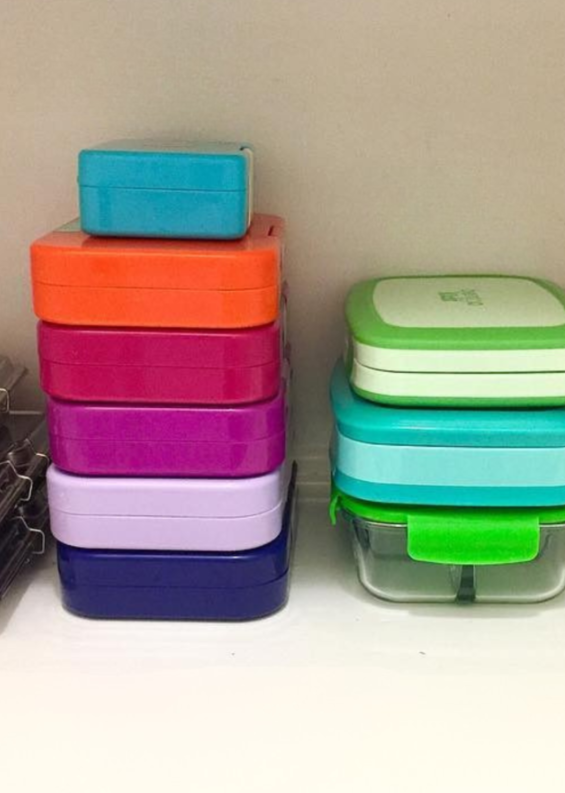
When I use lunch boxes from different brands, I find it helpful to group each set together. Containers from the same range are often designed to fit their own lids and inserts, so keeping them together reduces confusion.
I stack identical boxes whenever the manufacturer recommends that they can be nested or stacked safely. Their matching shapes make storage more predictable and help me use cabinet space efficiently.
I keep accessories and lids with their original sets instead of mixing everything into one container. If I have several sets that serve the same purpose, I consider whether I really need all of them.
This system is especially useful for households that rotate between different lunch box styles for school, work, and travel.
Portion-Smart Layout
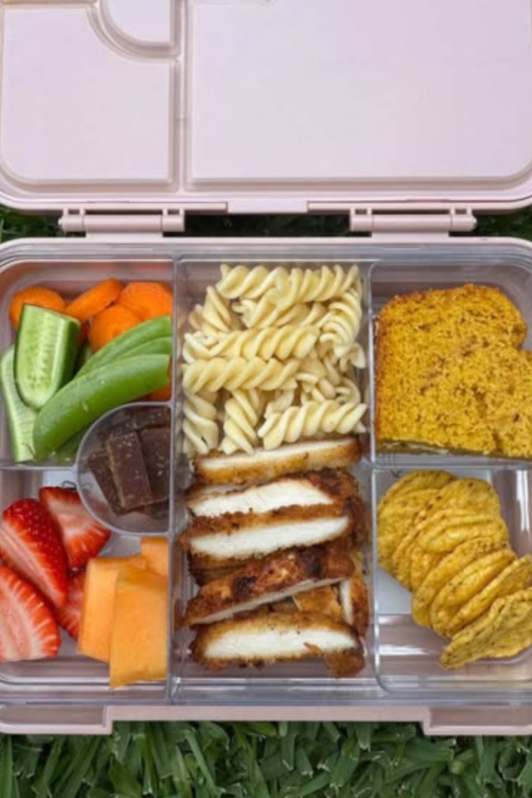
A well-organized lunch box should provide enough room for the meal without leaving everything loose or overcrowded. I choose containers with compartment sizes that suit the foods I pack most often.
For example, a larger section can hold a sandwich or pasta, while smaller compartments can hold fruit, vegetables, or cheese. The right balance depends on the person’s appetite, age, and daily activity.
I avoid forcing food into compartments that are too small because this can damage softer items and make the box harder to close. I also leave enough room for the lid to seal properly.
For children, I find that offering a variety of familiar foods in manageable portions can make lunchtime easier. Portions should be adjusted to individual needs rather than following a fixed size for everyone.
Pre-Packaged Pairing
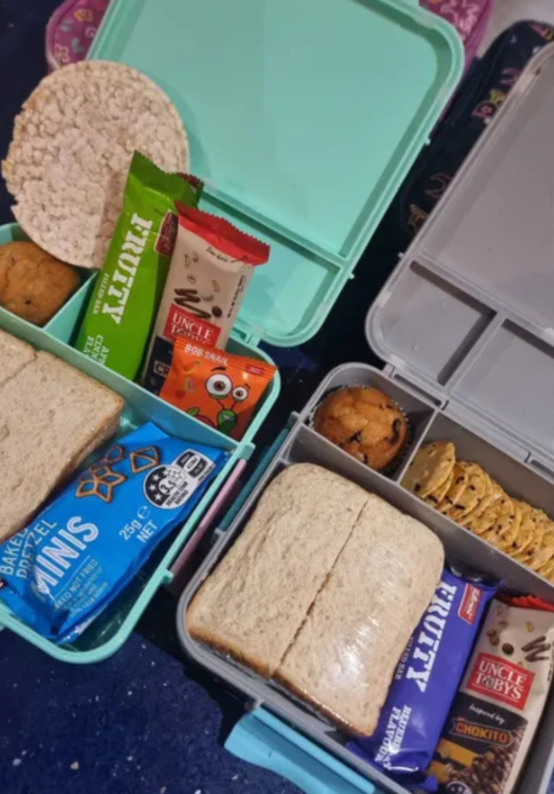
Some mornings are too busy for preparing every lunch item from scratch. On those days, I combine a homemade main item with a few convenient packaged snacks.
A sandwich can go in the largest compartment, while sealed crackers or another suitable snack fit into the remaining space. Fresh fruit or vegetables can add variety without making the routine complicated.
I check package sizes before packing to make sure everything fits and the lunch box closes securely. I also keep packaged foods separate from fresh items when needed to preserve texture and prevent spills.
This approach offers a practical balance between homemade food and convenience. The key is to choose items that suit the person’s preferences and keep the meal easy to carry.
Balanced Bento Routine
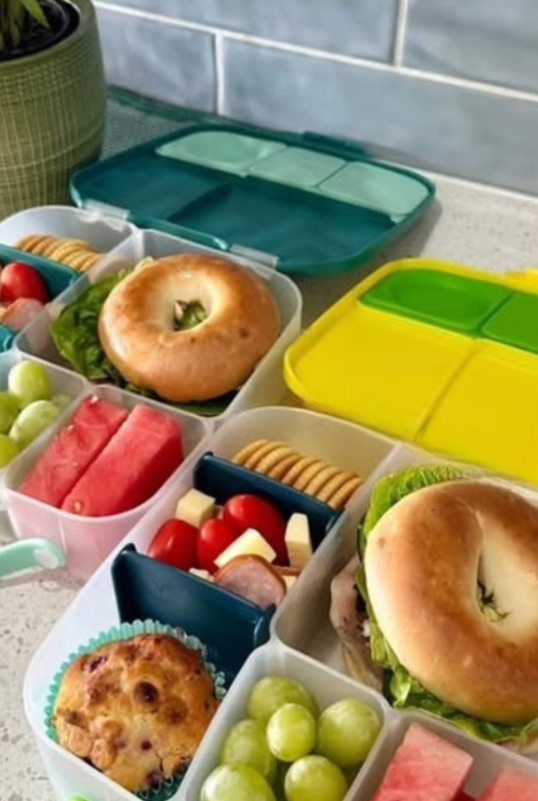
I find that a consistent bento routine makes it easier to pack a variety of foods without overthinking every meal. I start with the main item, then use the remaining compartments for suitable sides and snacks.
For example, I might pair a sandwich with sliced fruit and vegetables, or pack rice with cooked vegetables and a separate protein. The combination can change depending on the meal and what is available at home.
I use the same basic layout when possible, but I adjust the portions and ingredients to suit individual needs. Keeping moist foods separate from dry foods also helps preserve their texture until lunchtime.
Before closing the box, I check that the lid fits securely and that no food is blocking the seal. This final check helps prevent messes inside the lunch bag.
FAQs
How Many Containers Do You Actually Need?
I recommend starting with two or three reliable lunch boxes and a small collection of snack containers. This is often enough for someone who packs lunch regularly, although larger households may need additional sets.
The right number depends on how many lunches you prepare, how often you wash containers, and whether you pack meals ahead of time.
I prefer to buy containers that stack well, seal securely, and are easy to clean. Before purchasing more, I check whether my current collection already covers my everyday needs.
Keeping a smaller, useful collection makes storage easier and reduces the time spent searching for matching lids.
Should You Mix Container Brands or Stick to One System?
I find that using one main container system makes organization easier because the boxes, lids, and inserts are more likely to fit together. This reduces the chance of ending up with containers that have no matching lids.
However, mixing brands can still work if the containers fit your lunch bag, stack neatly, and have lids that match their own bases. I keep different sets grouped together instead of assuming that similar-looking lids are interchangeable.
When choosing new containers, I focus on size, durability, ease of cleaning, and whether they suit the foods I pack. I also check the manufacturer’s instructions for microwave, freezer, and dishwasher compatibility.
The goal is not to own containers from only one brand. It is to create a system in which every piece has a clear purpose and can be stored without wasting space.
Conclusion
I find that lunch box organization works best when I choose containers based on how I actually prepare and pack meals. Divided bento boxes, reusable snack cups, stackable containers, and upright lid organizers can all make daily preparation easier when used for the right purpose.
I also keep the storage system simple by grouping containers by size, function, or set. With a few reliable containers and a consistent packing routine, I can reduce clutter, avoid missing lids, and prepare lunches with less effort. Start with the containers you already own, identify what causes the most frustration, and make small changes that suit your daily routine.