21 Freezer Drawer Organization Ideas for 2026
I’ve found that the easiest way to keep a deep freezer drawer usable is to stop treating it like one large storage box. When everything gets thrown into the same space, newer food covers older food, small packages disappear, and finding one item can turn into a frustrating search.
I organize my freezer by food type, frequency of use, and package shape. Everyday foods stay where I can reach them quickly, while bulk meat and long-term storage go deeper. I also use freezer-safe bins, labels, and flat-packed bags to prevent food from becoming one frozen pile.
The biggest improvement comes from storing food vertically whenever possible. Flat bags can be frozen into thin, firm packets and filed upright like documents. This lets me see several packages at once instead of lifting a stack just to find one bag.
Key Takeaways
- I keep frequently used foods in the easiest-to-reach drawer or section.
- I use bins and dividers to create separate freezer zones.
- Flat-packed food is easier to stack, label, and find later.
- I label bags with the food name and freezing date to reduce guesswork.
- I rotate older food toward the front so it gets used before newer food.
- I avoid overfilling drawers because crowded storage makes everything harder to see.
Dual Drawers
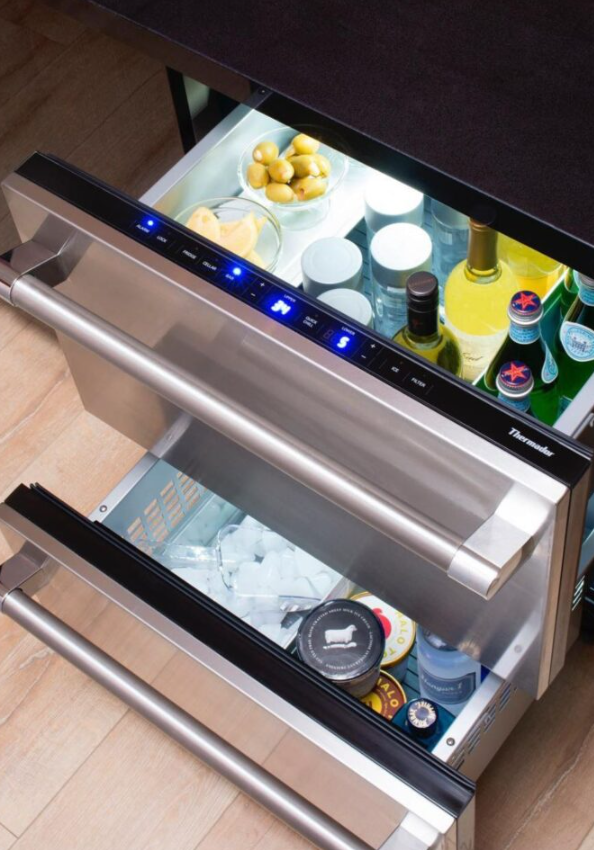
When I have two freezer drawers, I give each one a clear job rather than dividing food randomly. I usually keep foods I reach for often in the upper drawer and reserve the lower drawer for bulkier or less frequently used items.
The top section can hold frozen vegetables, fruit, breakfast items, snacks, or prepared meals. The deeper drawer is more useful for meat, larger containers, and backup supplies.
I also find this arrangement helpful because I don’t have to open and search through the entire freezer every time I need something small. Keeping everyday foods at a comfortable height saves time during regular cooking.
Pro tip: Before assigning a drawer, think about what you use several times a week. Those foods deserve the easiest access.
Drawer Zones
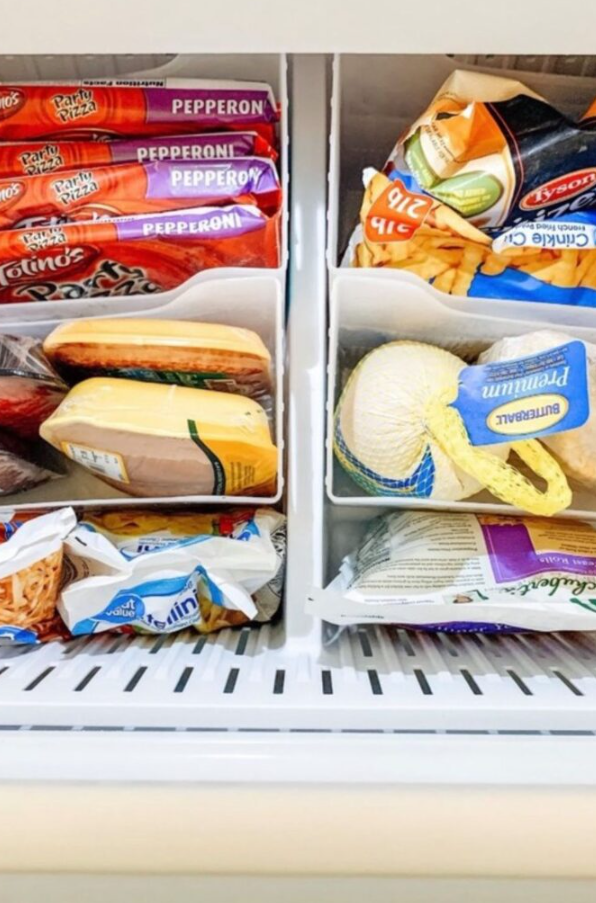
I get much better results when I divide one large drawer into smaller zones. Without some kind of separation, bags naturally spread across the available space and eventually cover each other.
I might use one bin for frozen vegetables, another for meat, and another for ready-to-eat foods. The exact categories depend on what I normally keep in my freezer.
I prefer bins that can be lifted out because I can move an entire category at once. Clear or open-top organizers are especially useful because I can see the contents without unpacking the drawer.
The main goal is simple: every type of food needs a predictable home.
Drink Section
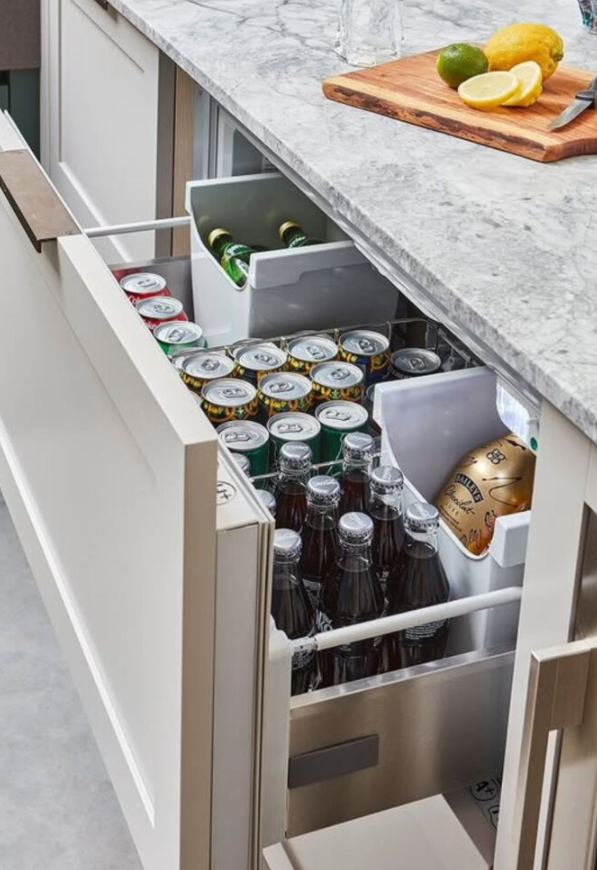
If I store drinks in a freezer drawer, I keep them separate from food. Bottles and cans can take up useful space and move around when the drawer opens, so giving them their own section makes the drawer easier to manage.
A sturdy freezer-safe divider or bin can stop smaller containers from rolling into other areas. I keep drinks together rather than spreading them between food categories.
One important point is to check the manufacturer’s instructions before freezing beverages. Liquids expand as they freeze, and sealed glass containers can break.
For everyday use, I prefer keeping only the drinks I actually need chilled in the freezer rather than filling valuable freezer space with a large supply.
Meat Stacks
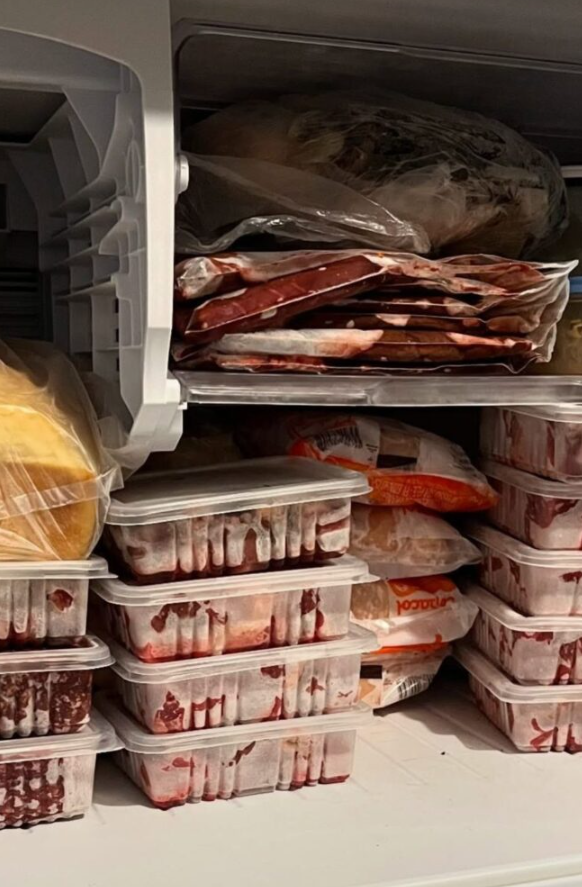
Meat is one of the easiest freezer categories to lose control of because packages come in different shapes and sizes. I get better results when I divide bulk purchases into meal-sized portions before freezing.
I label each package with the type of meat and the date. Then I freeze flat packages where possible and stack similar cuts together.
For example, chicken breasts can have their own section, ground meat another, and larger cuts can go into a deeper bin. This makes it much easier to find the right protein without moving every package.
Pro tip: Freeze packages in portions that match the amount I normally cook. It reduces unnecessary thawing and makes meal planning easier.
Bottle Rows
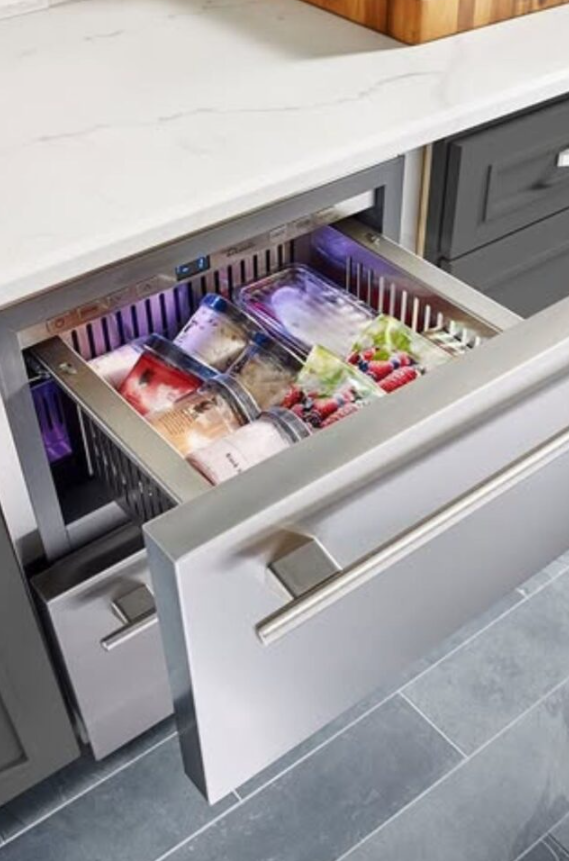
When I keep bottles in a freezer drawer, I arrange similar bottles together instead of letting them roll freely. Straight rows make the contents easier to see and prevent one bottle from getting buried behind another.
I also avoid packing the drawer so tightly that containers are difficult to remove. A little space around items makes the drawer easier to use and reduces the temptation to throw new purchases on top.
For narrow drawers, a small bin can act as a simple boundary. It keeps bottles in one area while leaving the rest of the freezer available for food.
Labeled Bins

I use labeled bins when several food packages look almost identical. A frozen bag isn’t always easy to identify once frost builds up, especially when I have several similar meals or ingredients.
I might label bins Meat, Vegetables, Breakfast, Ready Meals, or Snacks. The labels don’t need to be complicated; they simply need to make the category obvious.
Clear bins are useful because I can see the contents, while labels help other people in the household return items to the right place.
I also like leaving a little space in each bin. An organizer that is packed completely full becomes almost as difficult to use as an unorganized drawer.
Food Categories
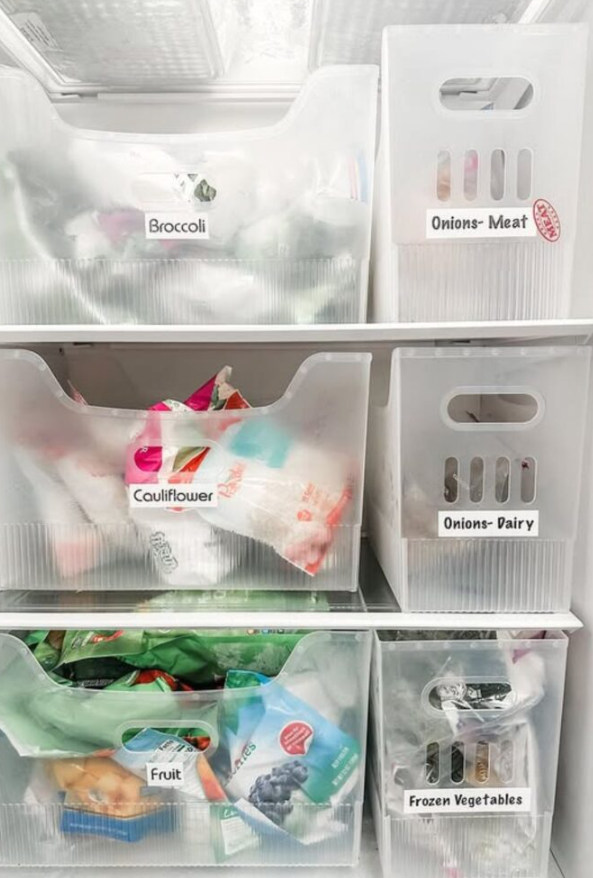
Grouping food by category is one of the simplest changes I can make. Instead of searching through the entire drawer, I first know which section to check.
I keep similar foods together, such as frozen vegetables in one area, fruit in another, and prepared meals somewhere else. If I have several types of vegetables, I can use smaller bins or labels inside that category.
This system also helps with grocery shopping. When I can see that I already have several bags of peas or plenty of frozen fruit, I’m less likely to buy another package I don’t need.
Divider Layout
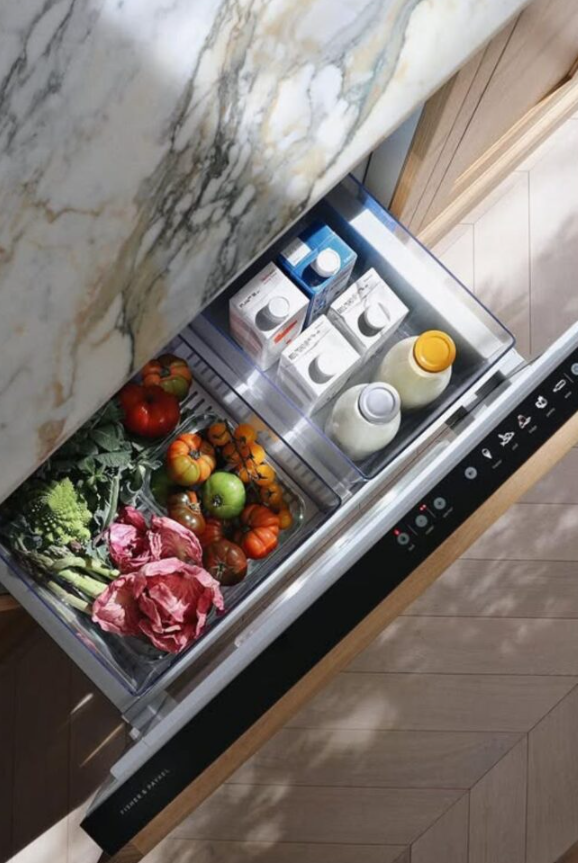
Adjustable dividers are useful when I want to create sections without buying a large collection of containers. They work like walls inside the drawer and stop packages from spreading into neighboring areas.
I can create one section for vegetables, another for meat, and a smaller space for frequently used items. If my storage needs change, I can move the dividers instead of rebuilding the entire system.
I find dividers especially useful for deep drawers because they prevent smaller packages from sliding underneath larger ones.
Prep Trays
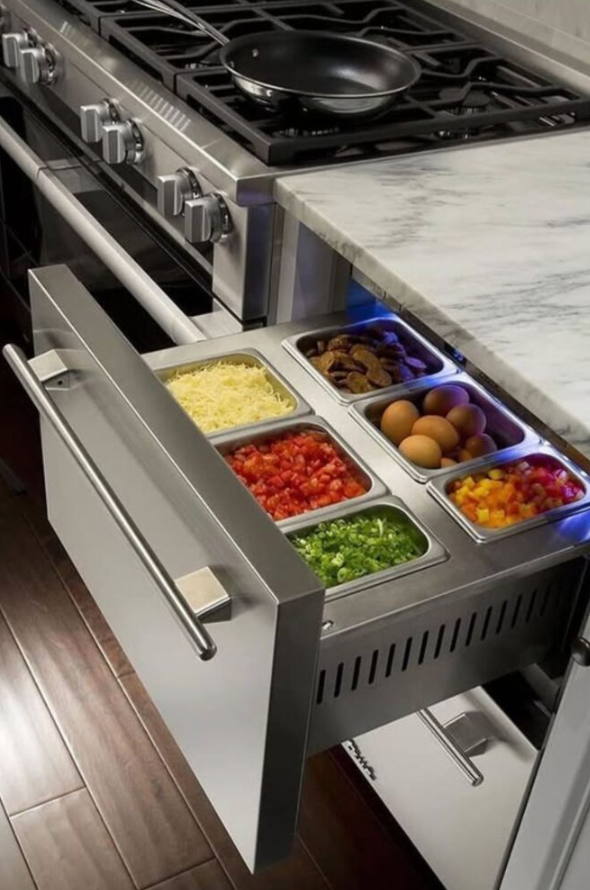
When I prepare ingredients ahead of time, I like keeping them in separate containers or trays. Chopped vegetables, shredded ingredients, or measured portions can be frozen together according to how I plan to use them.
The important part is choosing containers that are actually rated for freezer use. I don’t want a container becoming brittle, cracking, or taking up more room than the food inside it.
Shallow containers are often easier to stack than tall ones. They also freeze food in thinner layers, which can make storage more compact.
Bottle Cooling

For parties or gatherings, I can create a dedicated drink area, but I use caution when putting beverages in the freezer. I don’t leave glass bottles or carbonated drinks in there for extended periods because expanding liquid can damage containers.
For short-term chilling, I prefer a dedicated cooler or an appropriate chilling tray when possible. If I use a freezer drawer, I keep the drinks organized and set a reminder so they don’t get forgotten.
This approach keeps drinks separate from food and makes it easier for guests to find what they need.
Basket Sorting
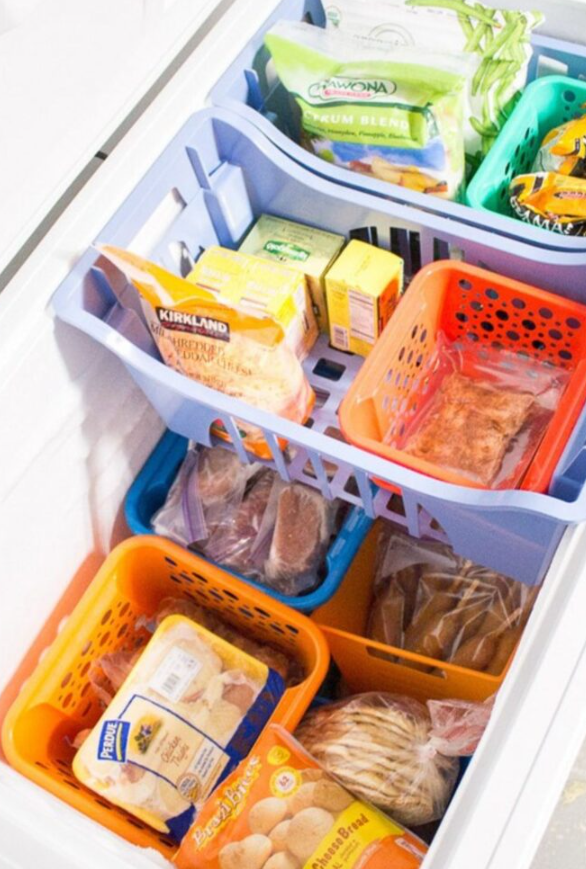
Baskets give me a simple way to divide a large drawer without installing anything. I can assign one basket to frozen vegetables, another to snacks, and another to smaller meat packages.
I prefer baskets with low or open sides because I can see the contents from above. If a basket is too deep, food at the bottom can still become difficult to reach.
The biggest advantage is that I can lift one basket out instead of searching through the entire drawer. That makes restocking and cleaning easier too.
Meal Containers
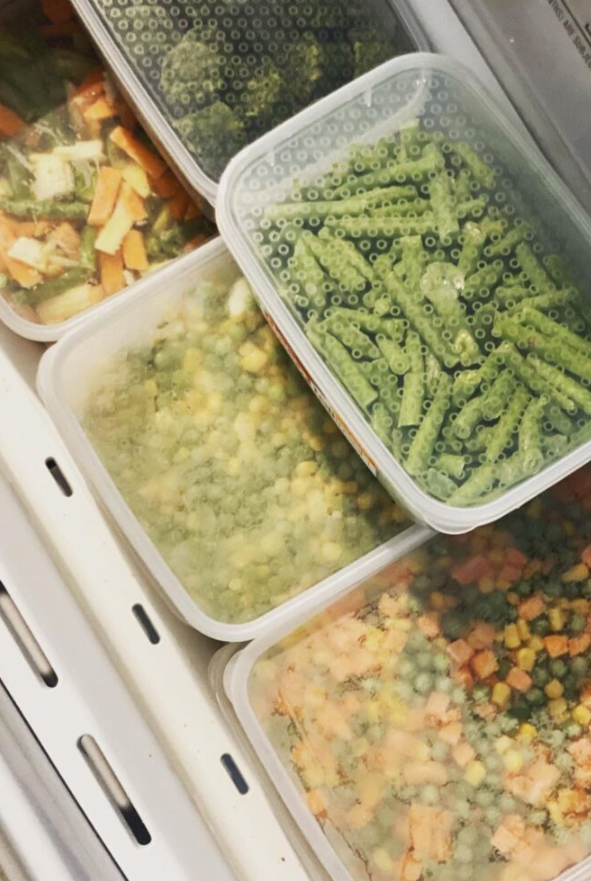
For freezer meals, I prefer containers or bags that match the portion size I actually need. Large containers may waste space if I’m only freezing enough food for one or two servings.
Shallow, stackable freezer-safe containers create more predictable rows than oddly shaped packages. I label each meal with its name and date so I don’t have to guess later.
I also leave room for food to expand when freezing liquids or foods with a high water content. Overfilling containers can cause lids to pop off or containers to crack.
Travel Freezer

For road trips and camping, organization becomes even more important because I can’t simply empty a vehicle freezer onto a kitchen counter. I divide food and drinks into separate bins or sections before leaving.
Frequently needed items stay near the top, while backup supplies go deeper. I also group similar items together so I can find something without disturbing everything else.
For portable freezers, I follow the manufacturer’s loading and temperature instructions rather than packing the compartment completely full.
Vertical Filing

One of my favorite freezer-storage tricks is standing flat bags upright. Instead of creating a horizontal pile, I line the packets up vertically like files in a cabinet.
This works particularly well with vegetables, fruit, ground meat, and prepared meals that can be frozen into thin, flat shapes.
To do this, I spread the food into an even layer inside a freezer bag, remove excess air, seal it, and freeze it flat on a tray. Once solid, I can stand the packet upright between dividers or inside a bin.
This makes individual packages much easier to identify and remove.
Freezer Trays
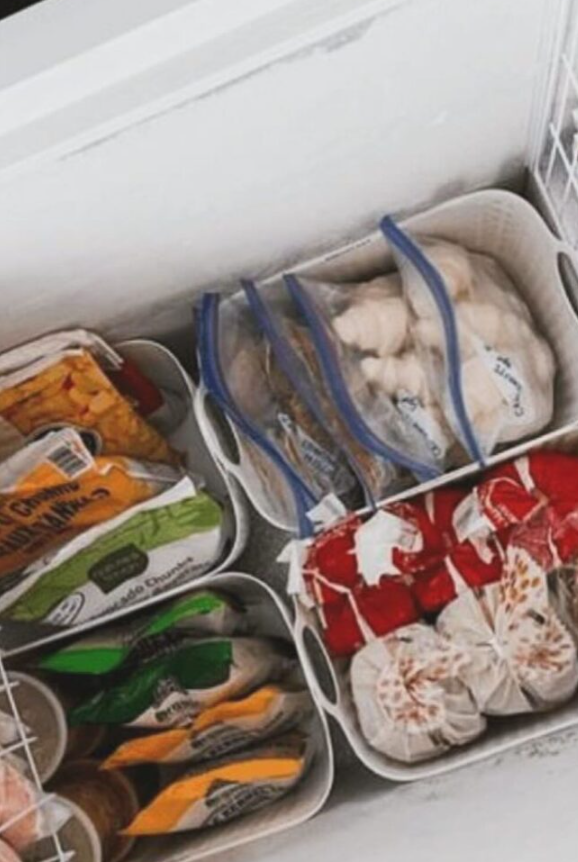
Shallow freezer trays help when I want to group several small packages without letting them scatter throughout the drawer. I can assign each tray a category and pull it out when I need that group.
For example, one tray can hold frozen vegetables while another holds smaller prepared foods. Because the tray moves as one unit, I don’t have to search through every package individually.
I choose trays that are freezer-safe and sized to fit the drawer without blocking its movement. Before buying organizers, I measure the drawer’s interior width, depth, and height.
Snack Stations
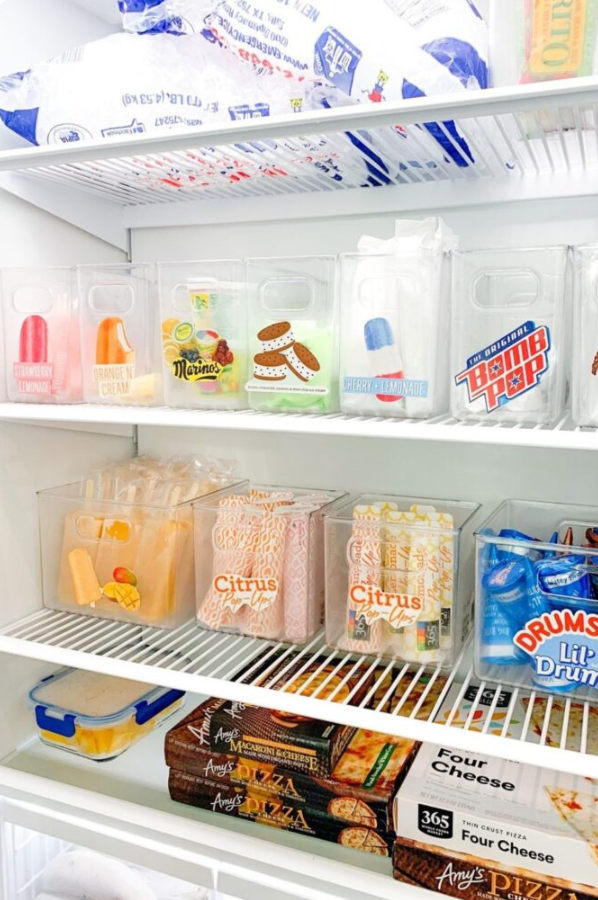
I keep snacks together when I want family members to find them without opening several boxes. A small bin can hold ice pops, frozen treats, breakfast items, or other quick-grab foods.
Clear bins make stock levels easy to check. When the bin starts looking empty, I know it’s time to add that item to the shopping list.
I also avoid mixing snacks with meat or ingredients that need to stay separate. Simple categories make the freezer easier for everyone to use.
Clear Sections
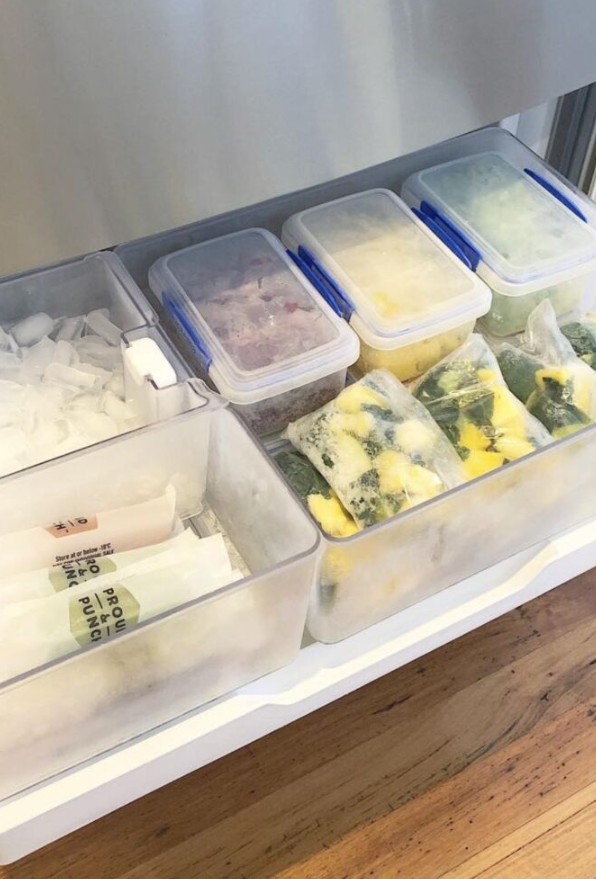
Clear bins can turn one deep freezer drawer into several visible sections. I can see the food through the sides instead of pulling out every package to check what’s underneath.
I find this particularly helpful for smaller items that otherwise disappear between larger packages. Each bin can have a clear purpose, such as vegetables, meals, fruit, or breakfast foods.
Before adding bins, I measure the drawer carefully. Containers that are slightly too wide can prevent a drawer from closing properly or waste usable space.
Labeled Bags
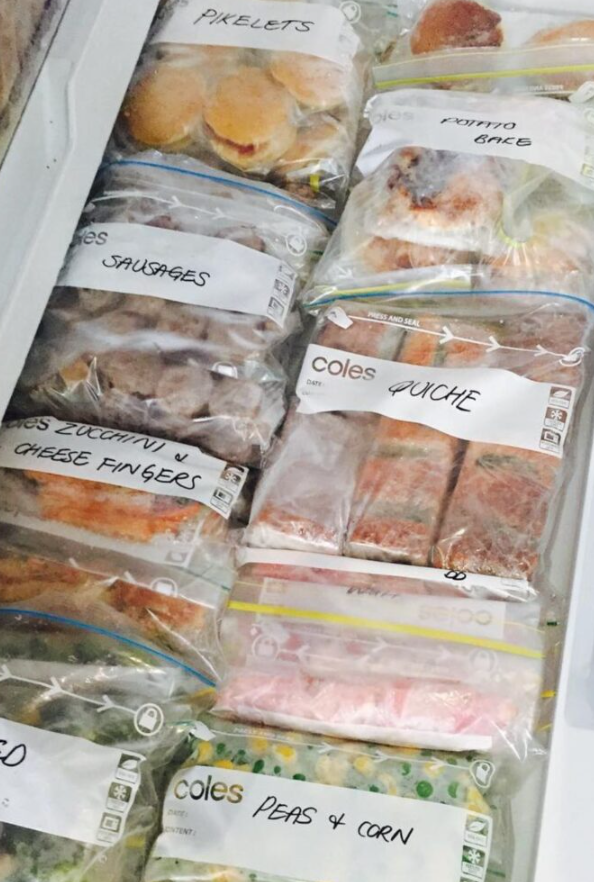
I never rely on memory alone when freezing food. A bag that looks obvious today can become difficult to identify after several weeks in the freezer.
I write the food name and freezing date directly on the freezer bag before putting it away. For prepared meals, I may also note the number of servings.
Flat bags make this system even more useful because I can arrange them vertically and read several labels at once.
Pro tip: Use a marker designed for writing on the type of bag or container you’re using, and make the label large enough to read without removing the package.
Container Stacks
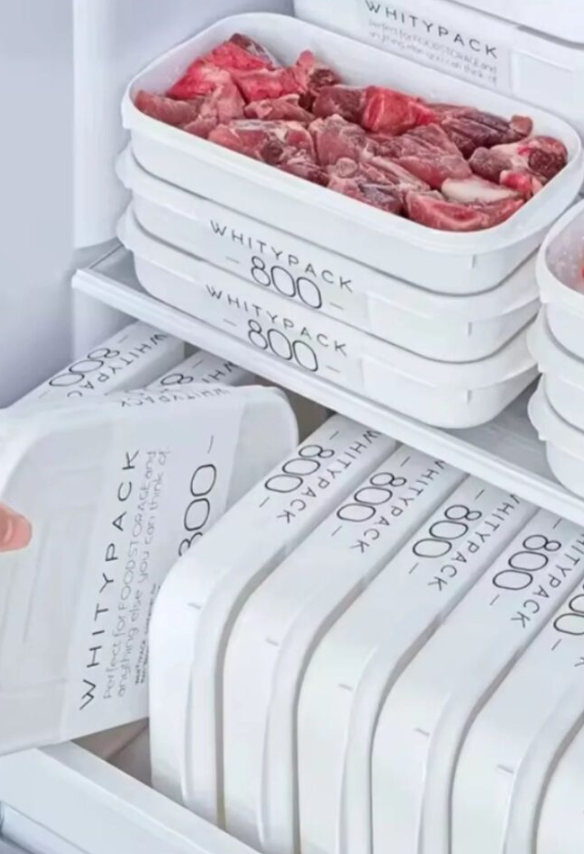
Matching containers are helpful when I store multiple portions of the same food. Identical shapes stack more predictably than a mixture of random containers.
I use freezer-safe containers that are designed for low temperatures and leave the recommended headspace when storing foods that expand as they freeze.
Labeling the top and side is another small improvement. If containers are stacked, I can still identify the contents without unpacking the entire pile.
Tiered Drawers
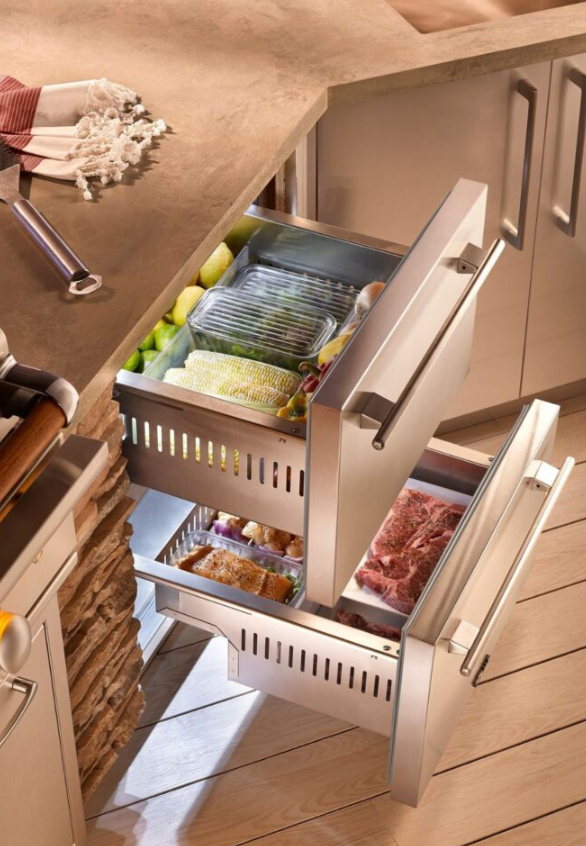
When a freezer has multiple drawers, I assign each level a different purpose. I usually put lighter, frequently used foods where they’re easiest to reach and heavier bulk storage lower down.
This arrangement also reduces the chance of small packages being buried underneath large bags of meat.
The key is consistency. If I change the purpose of a drawer every week, the system stops helping. I keep the same categories in the same places until my storage needs change.
Flat Packs
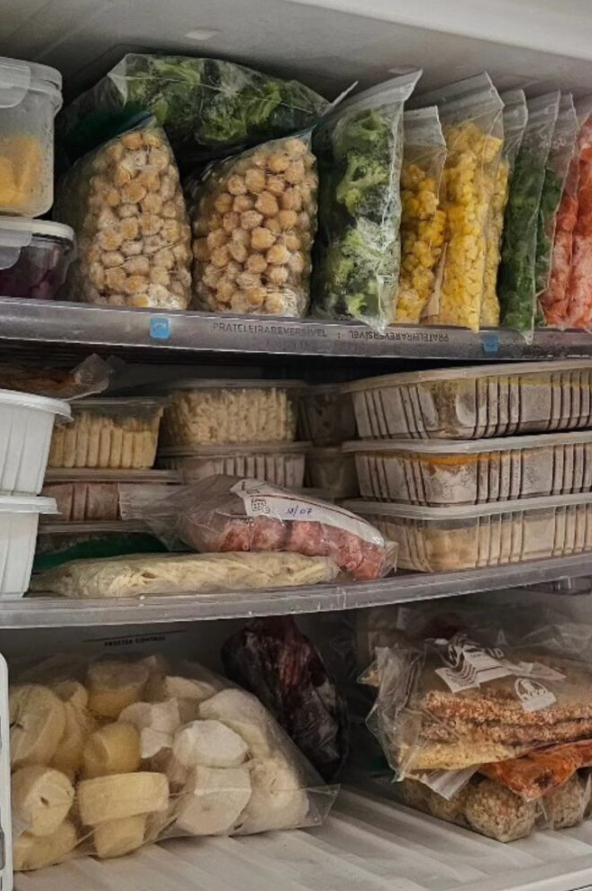
Flat-freezing is one of the easiest ways I can make better use of freezer space. I spread food into a thin, even layer inside a suitable freezer bag, remove excess air, seal it, and freeze it flat.
Once solid, the package becomes easier to stack or file upright. Thin packages also avoid the large, irregular shapes that make freezer drawers difficult to organize.
I make sure the food is properly sealed to reduce freezer burn and label each packet before it disappears into storage.
FAQs
How often should a freezer drawer be reorganized?
I do a quick freezer reset about once a month, although the exact timing depends on how often I use the freezer. A busy household may need a short reset more frequently.
During the reset, I move older food toward the front, group similar items, check labels, and remove anything that is no longer usable.
I don’t wait for the drawer to become completely chaotic. A few minutes of maintenance is much easier than reorganizing an entire freezer after months of buildup.
What is the best way to store bulk meat in a freezer drawer?
I divide bulk meat into meal-sized portions before freezing it. I then place each portion in a suitable freezer bag or freezer-safe container, remove as much excess air as practical, and label it with the cut and date.
For suitable foods, I freeze the portions flat so they stack or stand upright easily. Similar cuts stay together in the same bin or section.
This approach makes it easier to take out only what I need instead of thawing a large package every time I cook. It also gives me a clearer picture of how much meat I actually have.
One final tip: freezer organization works best when the system matches your normal habits. I don’t try to make every drawer look perfect. I make sure I can answer three questions quickly: What do I have, where is it, and which item should I use first?
Conclusion
I’ve found that keeping a deep freezer drawer organized is less about buying lots of storage products and more about giving every item a clear place. Grouping similar foods, using bins and dividers, labeling packages, and freezing food flat can make a crowded drawer much easier to use.
I also recommend keeping frequently used foods within easy reach and moving older packages toward the front. A quick monthly reset is usually enough to keep the system working without turning freezer organization into a big chore.
The best setup is the one that fits the way I actually shop and cook. When I can see what I have and find it within seconds, I waste less food, save time, and get much more use from the freezer space I already have.