19 Storage Bench Ideas for 2026
19 Storage Bench Ideas to Keep Your Home Organized
A messy entryway, crowded bedroom, or cluttered hallway can make even a beautiful home feel disorganized. I find that one of the simplest ways to manage everyday mess is to give frequently used items a dedicated place. A storage bench makes this easier by combining comfortable seating with useful storage in a single piece of furniture.
Whether I need a spot for shoes near the front door, a place to hide children’s toys, or extra room for blankets at the foot of the bed, the right bench can help me make better use of available space. From open cubbies and woven baskets to hidden compartments and built-in drawers, these 18 storage bench ideas offer practical ways to keep everyday items organized without adding bulky furniture.
Key Takeaways
- I can use a storage bench to combine seating and storage without taking up space for two separate pieces of furniture.
- Open cubbies and shoe shelves work well for items I use every day, while drawers and lift-up lids hide clutter.
- Baskets and removable crates make it easier to sort toys, accessories, and seasonal belongings.
- A bench with hooks and shelves can turn a busy entryway into an organized drop zone.
- Measuring the available space, checking storage depth, and choosing durable materials help me find a bench that suits my home.
Open Cubbies
I like open-cubby storage benches because they make it easy to see where everything belongs. Instead of leaving shoes, bags, and boots scattered across the floor, I can assign each compartment a specific purpose.
This arrangement works especially well in entryways, mudrooms, and children’s bedrooms. I can use separate cubbies for school bags, everyday footwear, and outdoor accessories, making it easier for everyone to put things away after use.
To create this setup, I would choose a sturdy bench with evenly sized compartments and a comfortable seat cushion. If children will use it, I would also look for smooth edges and cubbies that are easy for them to reach.
Shoe Shelves
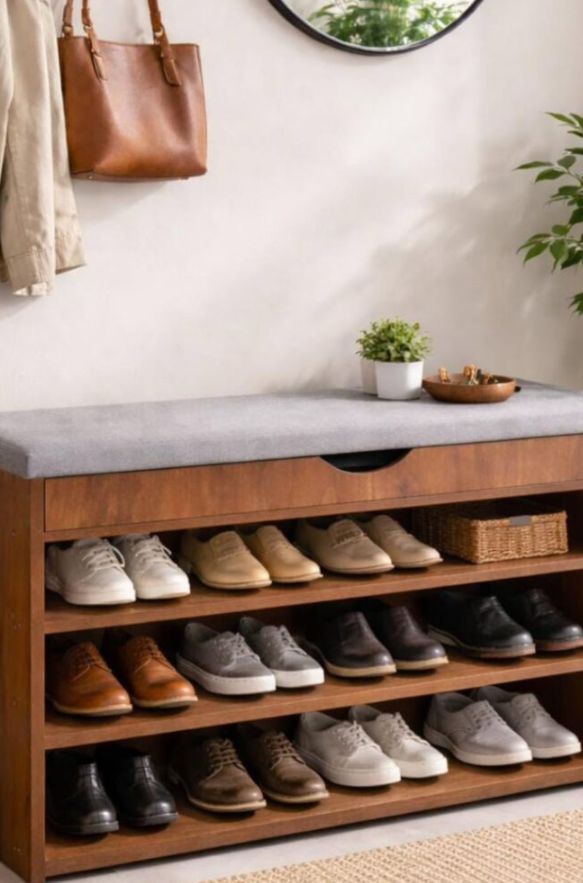
Shoes are often the first things to clutter a busy entrance. A storage bench with built-in shoe shelves gives everyday footwear a designated place while providing a convenient seat for putting shoes on and taking them off.
I would place this style near the front door or another entrance that the household uses regularly. Keeping frequently worn shoes on the easiest-to-reach shelf makes the daily routine simpler, while less-used footwear can go on the lower shelves.
When choosing a bench, I would check the height and depth of each shelf before buying it. Sneakers, dress shoes, and ankle boots need different amounts of room, so measuring the footwear I plan to store can prevent wasted space.
Toy Storage
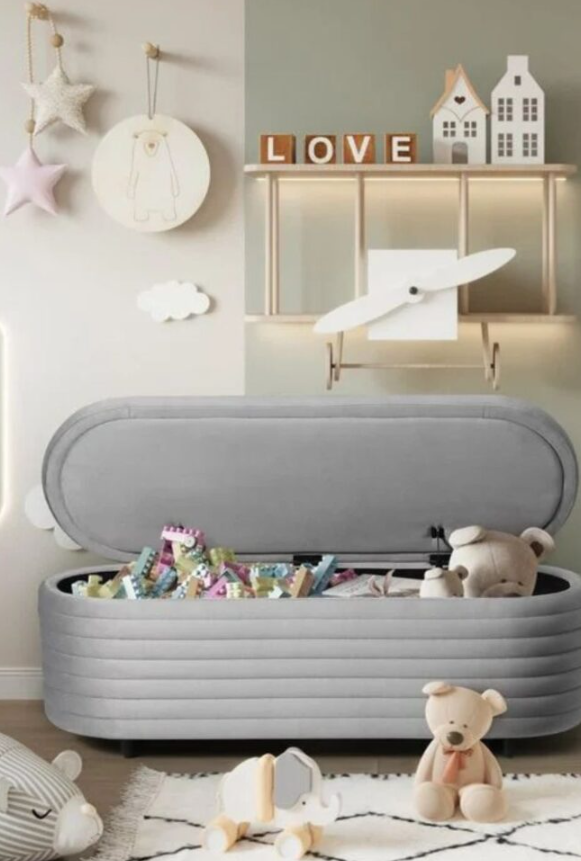
Keeping a playroom tidy can be challenging when toys come in different shapes and sizes. A lift-top storage bench provides a large compartment for stuffed animals, building blocks, puzzles, and other playtime essentials.
I would use this type of bench in a child’s bedroom or play area where toys need to be collected quickly after use. Instead of sorting every item into a separate container, children can place larger toys inside the bench and keep the room easier to manage.
For a family-friendly option, I would choose a stable design with rounded corners and a lid that opens safely. Soft-close hinges or a lid-support mechanism can help reduce the risk of the lid falling unexpectedly. The top also doubles as a place to sit, read, or take a break between activities.
Crate Storage
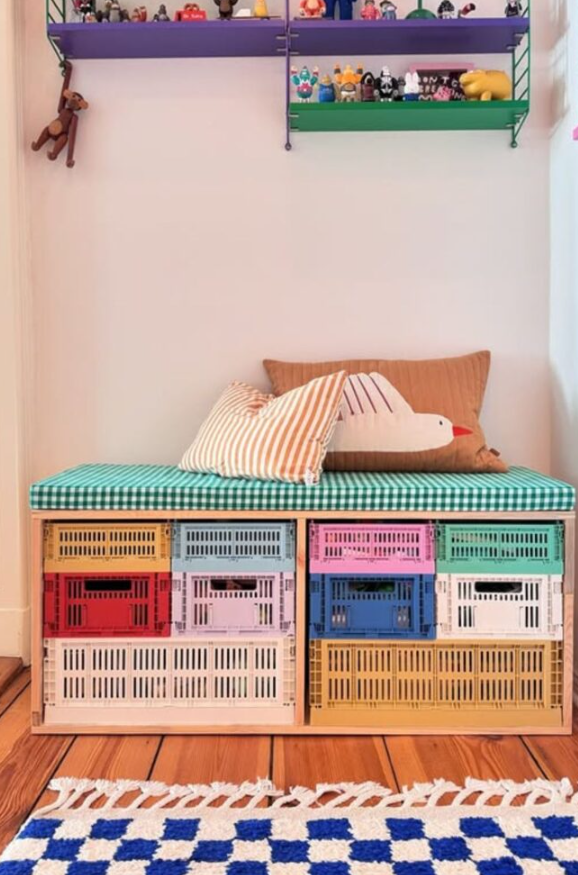
Removable crates offer a flexible alternative to built-in drawers. I can slide each crate under a bench and use it to hold toys, books, craft supplies, or other small household items.
This arrangement is particularly useful in children’s rooms, craft areas, and play spaces where storage needs change over time. I can label the crates by category and move them wherever they are needed without reorganizing the entire bench.
To recreate this idea, I would start with a strong wooden bench frame that fits the crates properly. I would measure each crate first, leaving enough clearance to pull it out easily. A cushioned top adds seating, while different crate colors can make the setup easier to use and visually appealing.
Hidden Chest
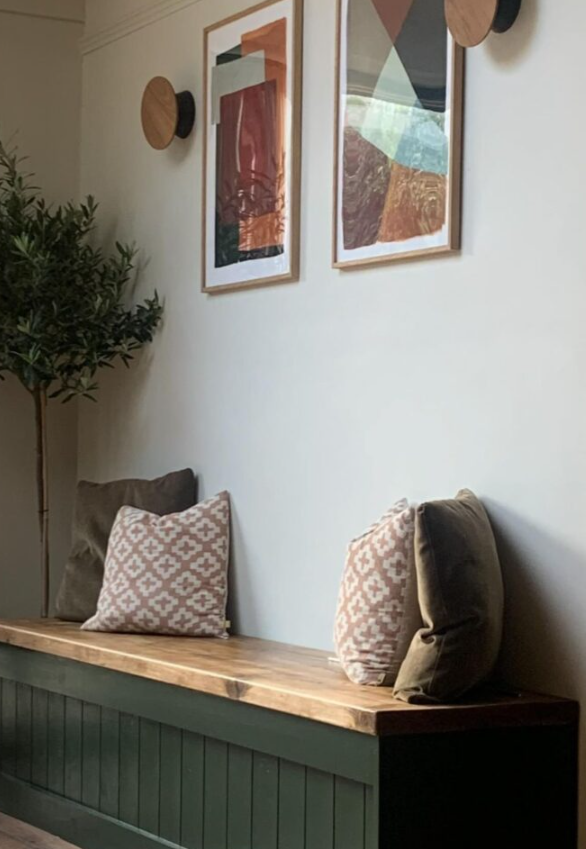
An empty hallway wall can become useful storage space with a chest-style bench. Its enclosed compartment keeps belongings out of sight, helping the room look less crowded without requiring a separate storage cabinet.
I would use this design for spare cushions, folded blankets, handbags, or seasonal accessories that I do not need to access constantly. It can work in an entryway, living room, or a quiet hallway corner, depending on the available space.
For a built-in appearance, I would choose a simple rectangular base with a hinged lid or discreet front panels. A darker painted base paired with a natural wood top can create an attractive contrast. Before installing one, I would also make sure the lid has enough clearance to open comfortably.
Window Cubbies
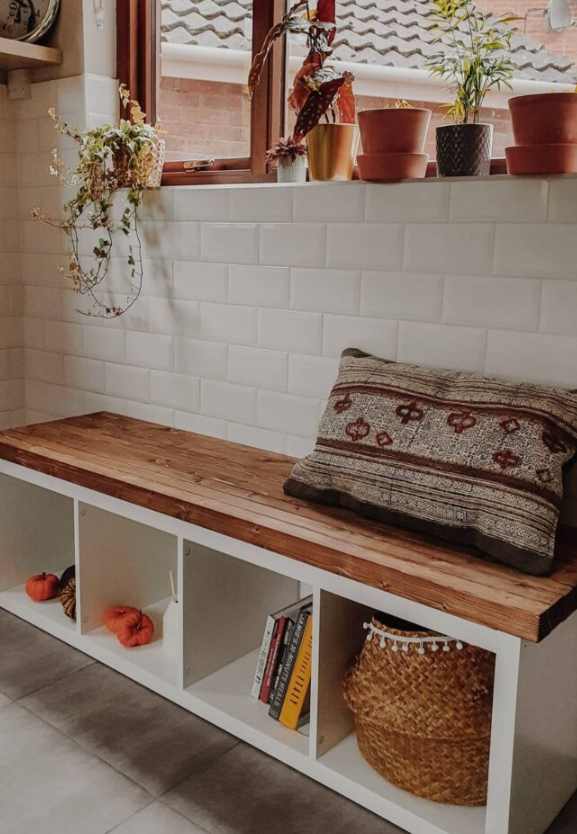
A window-side bench can turn an unused corner into a comfortable seating area with practical storage underneath. The open cubbies provide room for books, baskets, small decorations, or items I want to keep close at hand.
I would consider this design for a breakfast nook, hallway window, or bedroom corner. Natural light makes the seat an inviting place to read or relax, while the compartments help keep smaller belongings from spreading across nearby surfaces.
A simple cubby base with a sturdy wooden top is enough to create this look. I would measure the window height and check for radiators, vents, or window openings before deciding on the bench dimensions. A fitted cushion and a few pillows can make the finished space more comfortable.
Mudroom Station
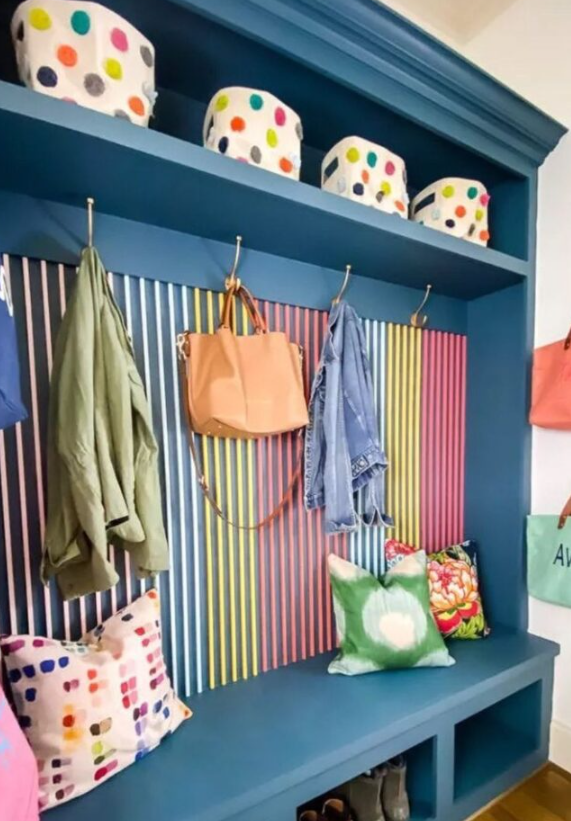
A mudroom bench can make a busy family entrance much easier to manage. By combining a bench, lower shoe cubbies, wall hooks, and an upper shelf, I can create one central place for everyday belongings.
I would assign each family member a small section for shoes and a hook for coats or backpacks. Baskets on the upper shelf can hold gloves, hats, and other seasonal accessories that are easy to misplace.
To build this setup, I would start with a strong bench and add hooks at a comfortable height for the people using them. I would also secure wall-mounted shelves and hooks properly, especially when they will carry heavy bags. For wet footwear, removable trays can help protect the floor and make cleaning easier.
Blanket Shelf
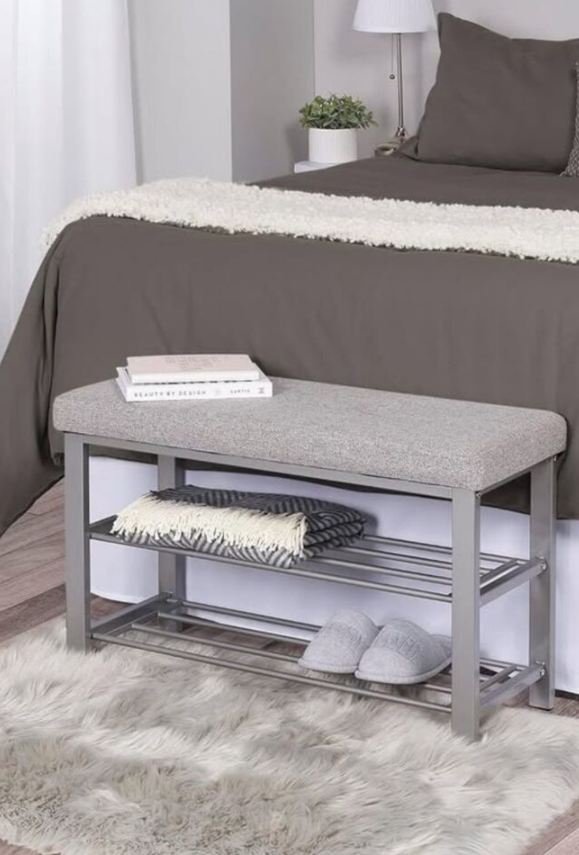
A bench with an open lower shelf offers a simple way to store extra blankets and throws without hiding them inside a cabinet. I can fold each blanket neatly and keep it within reach for chilly evenings or quiet reading sessions.
This design works especially well at the foot of a bed or beside a sofa. The bench provides a place to sit while getting dressed, changing shoes, or arranging bedding, while the lower shelf keeps soft furnishings off the floor.
I would look for a bench with enough shelf space for the blankets I use regularly. Wooden slats or a sturdy metal frame can support folded fabrics while allowing the items to remain visible. Matching the blankets to the room’s colors can also help the open storage look intentional rather than cluttered.
Drawer Bench
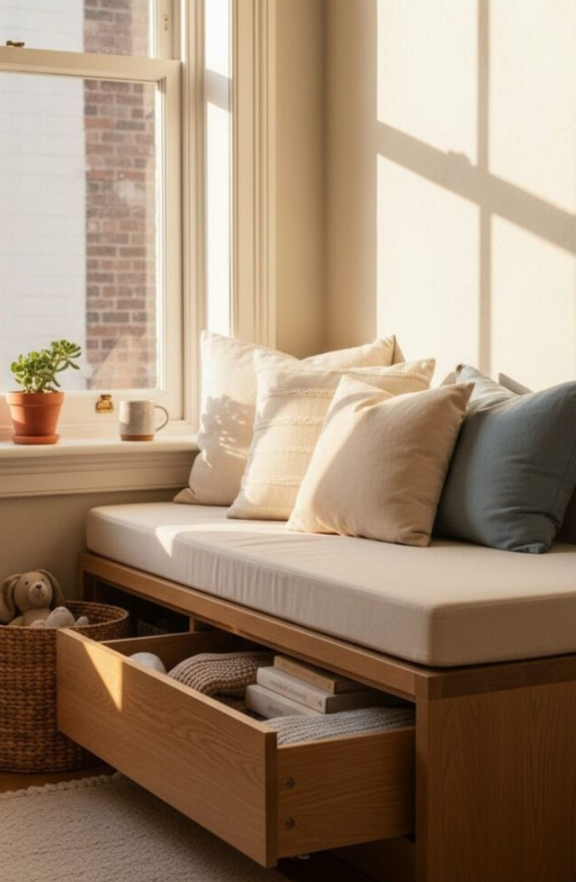
A drawer bench is a good choice when I want storage without displaying everything inside it. Unlike open cubbies, drawers keep smaller belongings out of sight and make it easier to group similar items together.
I could use the drawers for scarves, books, accessories, spare linens, or other everyday essentials. This design is particularly useful in bedrooms, hallway corners, and window seating areas where a clean appearance matters.
For the best results, I would choose a sturdy frame with drawers that slide smoothly and provide enough depth for the items I intend to store. A comfortable seat cushion and a few decorative pillows can turn the bench into a cozy reading spot. I would also leave enough space in front of the drawers so they can open fully.
Basket Bench
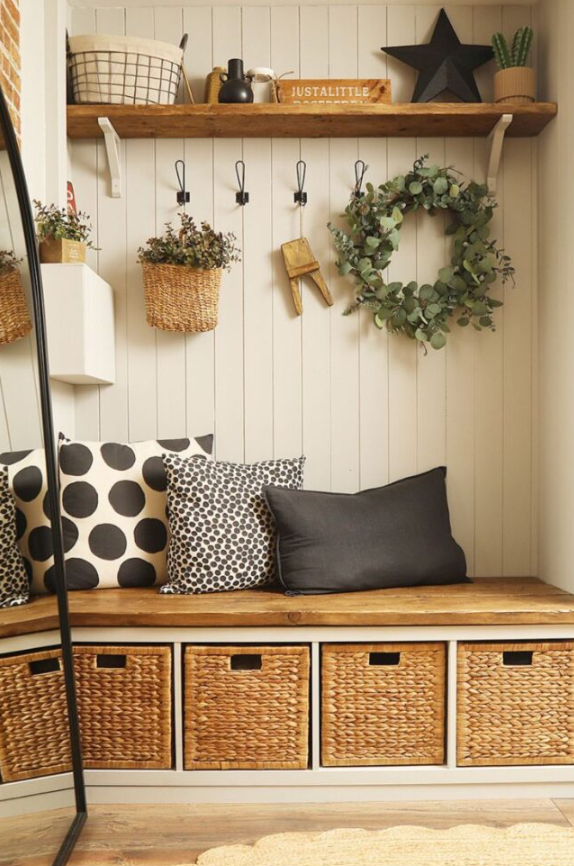
Woven baskets can make a storage bench feel warmer and more inviting while keeping everyday clutter contained. They work much like removable drawers, but they add natural texture and make it easy to carry items from one room to another.
I would use separate baskets for winter accessories, children’s belongings, pet leashes, or reusable shopping bags. This arrangement is especially useful in entryways and mudrooms, where small items tend to collect near the door.
To create the look, I would choose a cubby-style bench with openings that fit the baskets properly. I would measure the baskets before purchasing the bench to make sure they slide in and out without catching. Matching baskets create a coordinated appearance, while labeled baskets help everyone find what they need quickly.
Corner Bench
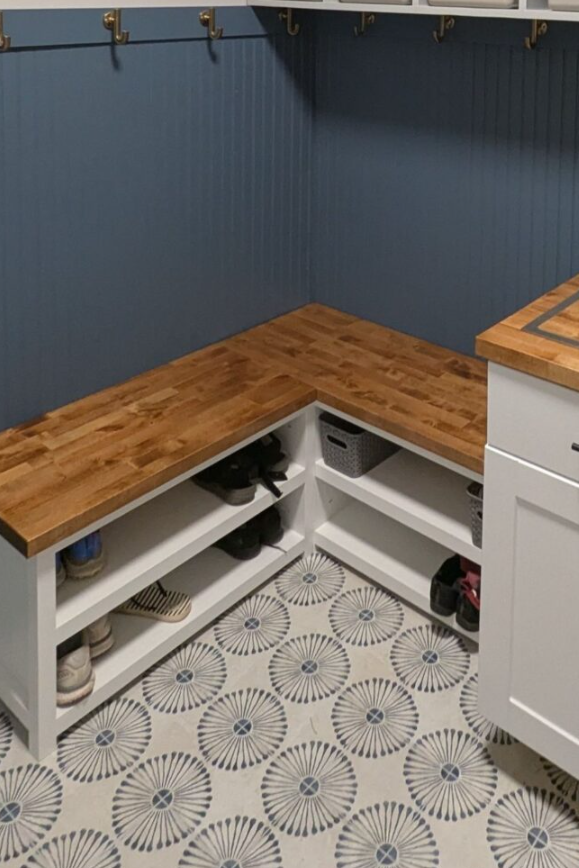
An unused corner in a mudroom, laundry area, or back entrance can provide valuable seating and storage. An L-shaped bench makes use of two adjoining walls, creating a longer sitting area without spreading furniture across the room.
I would use the lower shelves for shoes, slippers, and outdoor accessories that need to stay close to the entrance. The corner arrangement can also provide seating for more than one person, depending on the bench dimensions.
To recreate this design, I would plan two bench sections that meet neatly at the corner. Measuring both walls before building or buying the bench is essential, especially in narrow rooms. Open shelves make footwear easy to reach, while a sturdy frame and a comfortable cushion make the space practical for everyday use.
Lift Lid
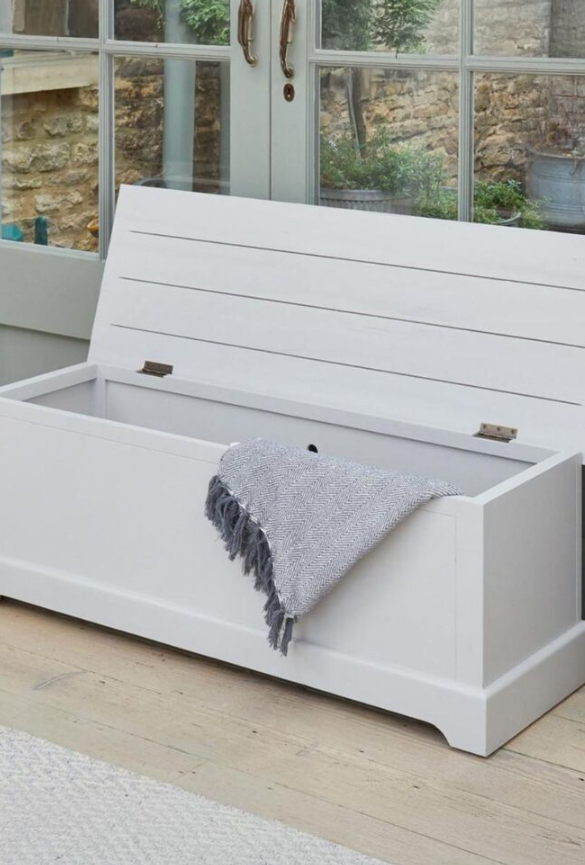
When I need room for bulky belongings, a lift-lid storage bench is a useful option. The hinged seat opens to reveal a large compartment where I can store extra pillows, blankets, seasonal clothing, or toys without leaving them on display.
I would consider this design for a living room, sunroom, bedroom, or entryway where hidden storage is more useful than multiple small shelves. Because the compartment is usually spacious, it can accommodate items that are awkward to fit into shallow drawers.
I would look for a strong frame, reliable hinges, and a lid-support mechanism that helps keep the top open safely. It is also worth checking the internal dimensions before buying, since the exterior size does not always reflect the usable storage space. Frequently used items should be placed near the top to avoid unnecessary rummaging.
Window Bench
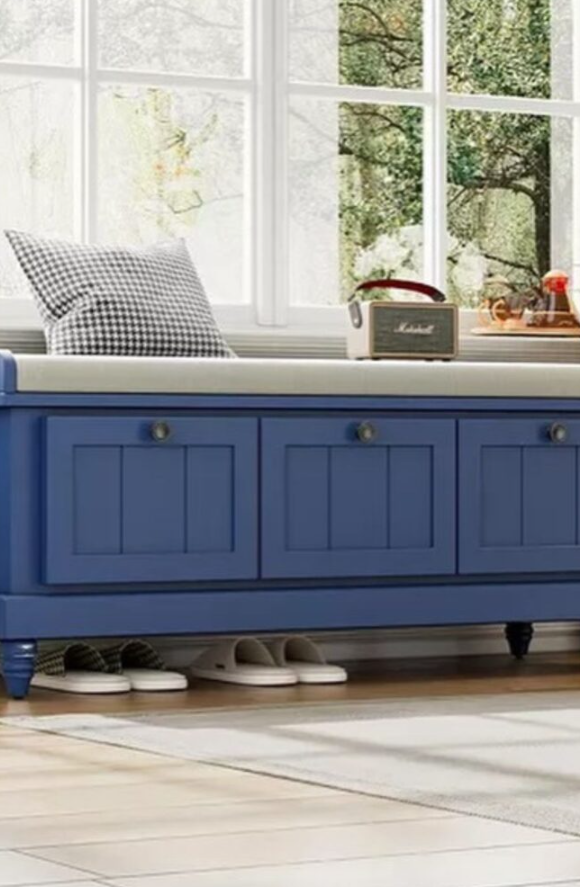
A window bench with built-in drawers combines a comfortable place to sit with discreet storage. It can turn an otherwise unused window area into a reading nook, a quiet resting spot, or an attractive feature in a bedroom.
I would use the drawers for books, magazines, folded blankets, slippers, or small accessories. Keeping these items inside the bench helps the surrounding area stay tidy while making essentials easy to reach.
For a comfortable setup, I would choose a solid bench base with drawers that open without hitting nearby furniture. A fitted cushion and a few pillows can make the seat more inviting. I would also check that the bench does not block window access, heating vents, or natural airflow before positioning it beneath the window.
Panel Bench
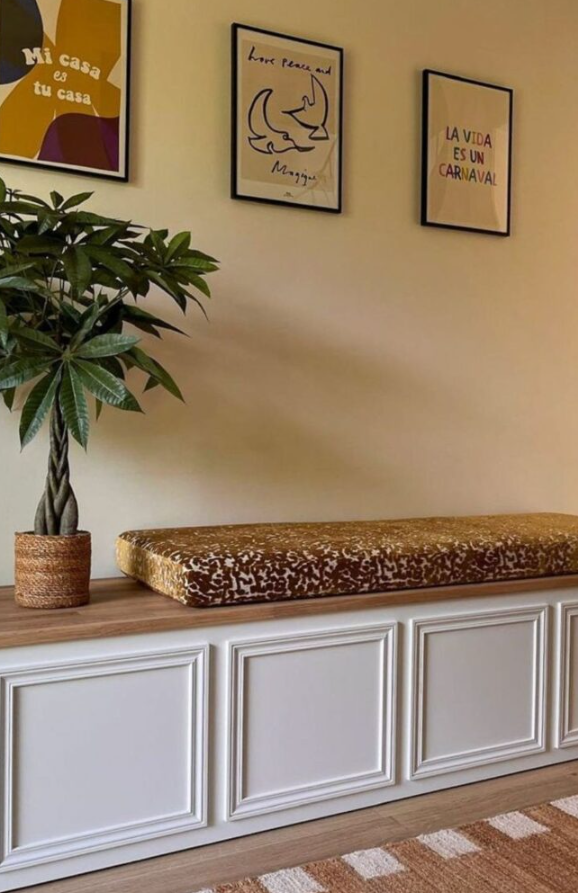
A panel-style storage bench can give a hallway or living area a clean, built-in appearance. Its decorative front panels conceal the storage compartment, allowing the bench to blend with the surrounding furniture instead of looking like a collection of storage boxes.
I would use this style for shoes, handbags, blankets, or seasonal accessories that I want to keep out of sight. A long bench can also provide useful seating along a wall without occupying the center of the room.
To recreate the look, I would choose a chest-style base with panel detailing and either a hinged top or suitable access panels. Matching the finish to nearby cabinets or woodwork can help the bench look like part of the room’s original design. I would leave enough clearance around it to maintain a comfortable walking path.
Wicker Baskets
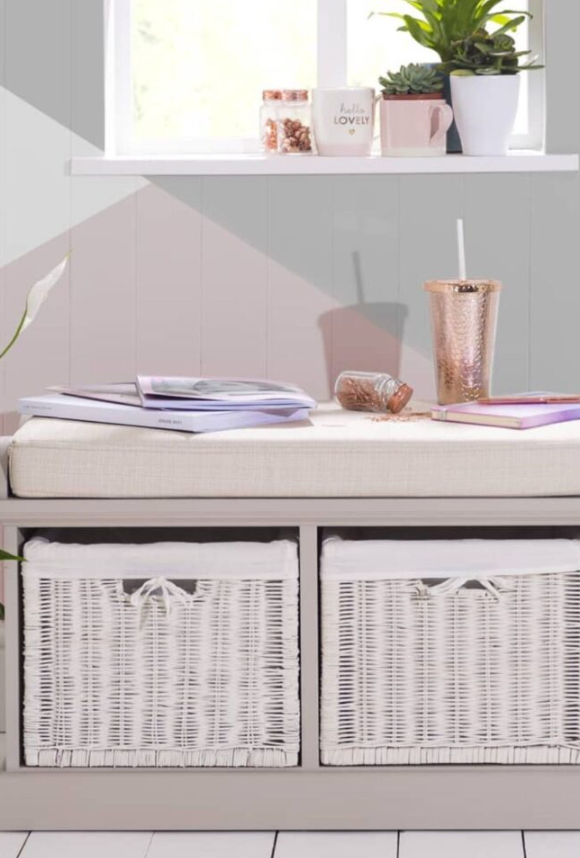
A compact bench with wicker baskets underneath is a practical option when I need storage but do not have room for a large cabinet. The baskets keep smaller belongings grouped together while adding texture to the room.
I would use this design in a bedroom, bathroom, or narrow hallway for towels, books, accessories, or other lightweight items. Removable baskets make it easy to carry belongings to another room and return them when finished.
When selecting this setup, I would check the basket dimensions and choose a bench with enough clearance for easy removal. In bathrooms or other damp areas, I would also consider moisture-resistant materials and good ventilation. A soft cushion on top creates a useful seat without making the arrangement feel bulky.
Dual Storage
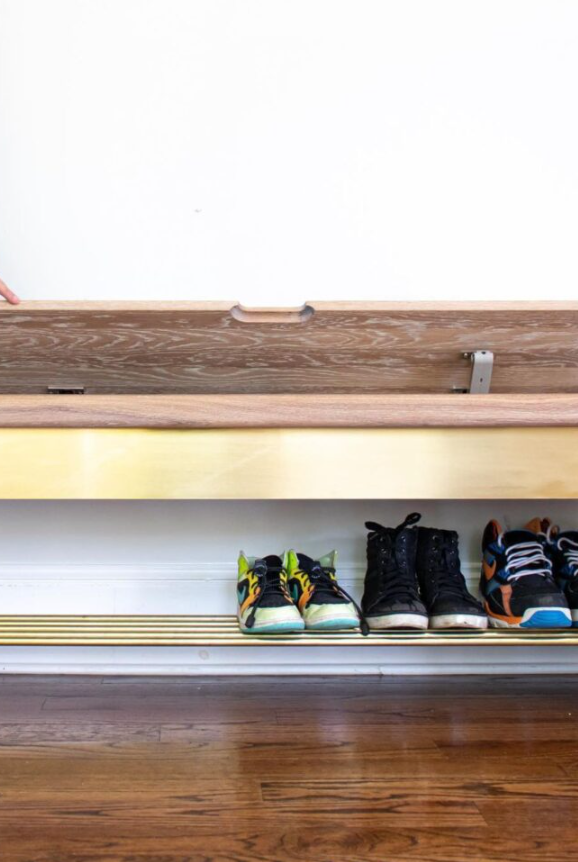
A dual-storage bench combines a hidden compartment beneath the seat with an open shelf for shoes. This gives me two different storage areas in one piece of furniture, making it especially useful near a busy entrance.
I would keep frequently worn shoes on the lower shelf and store smaller accessories, such as scarves, gloves, or bags, inside the upper compartment. This separation makes it easier to find everyday items while keeping less tidy belongings out of sight.
To recreate the design, I would look for a sturdy bench with a hinged top and a lower shelf that fits the footwear I use most. The open section should have enough room for the shoes to slide in and out comfortably. A cushioned seat adds comfort, while a simple wood finish helps the bench suit different interior styles.
Entry Organizer
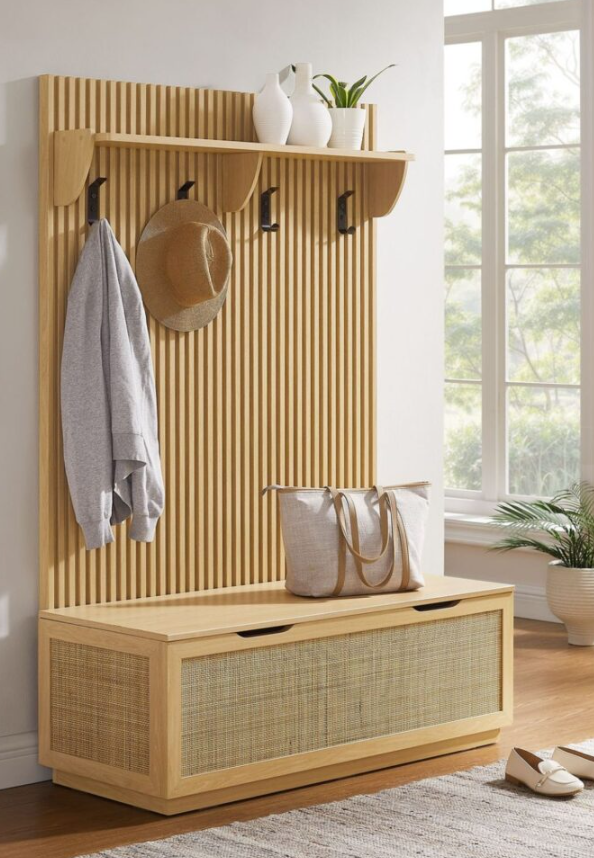
An entry organizer turns the space near the front door into a convenient drop zone. By pairing a storage bench with wall hooks and an upper shelf, I can give shoes, coats, bags, and small accessories their own places.
I would use the hooks for jackets, backpacks, and reusable shopping bags, while the bench stores footwear or other items that tend to collect near the entrance. Small baskets or compartments can hold keys, gloves, and other essentials, provided they are easy to access.
For a practical setup, I would choose hooks that can support the weight of the items they will carry and install them securely. I would also keep frequently used belongings at reachable heights. Even a narrow entryway can benefit from this arrangement if I select a slim bench and avoid overcrowding the wall.
Fluted Drawers
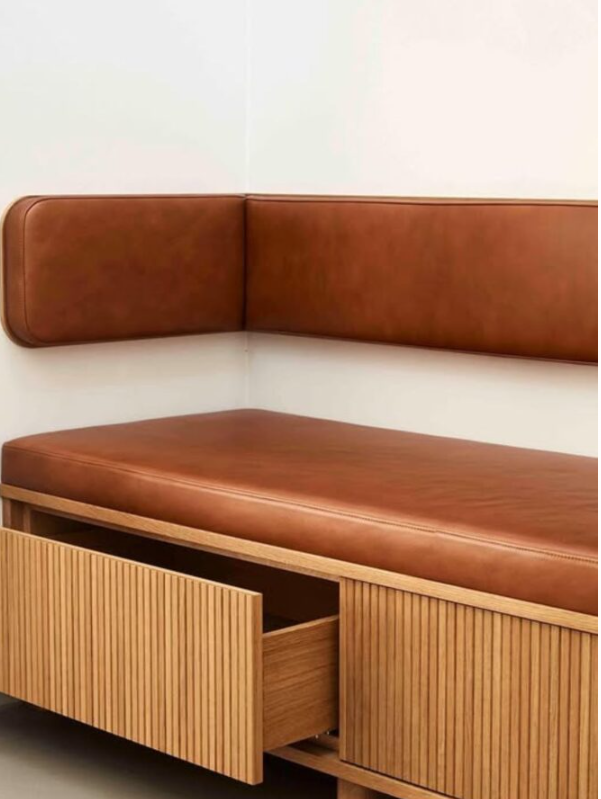
Fluted drawer fronts add texture to a storage bench while keeping the overall design simple. The vertical detailing gives the furniture a distinctive look, and the drawers provide hidden space for belongings that would otherwise collect around the room.
I would use this style in a hallway, dining nook, or bedroom for scarves, pet accessories, small household items, and other everyday essentials. It works well when I want functional storage that also looks like a considered piece of furniture.
To recreate the look, I would choose a sturdy frame with wide drawers and smooth-running hardware. An oak finish can create a warm appearance, while an upholstered seat adds comfort. Before buying, I would check the drawer depth and opening clearance to make sure the bench is practical as well as attractive.
Triple Storage
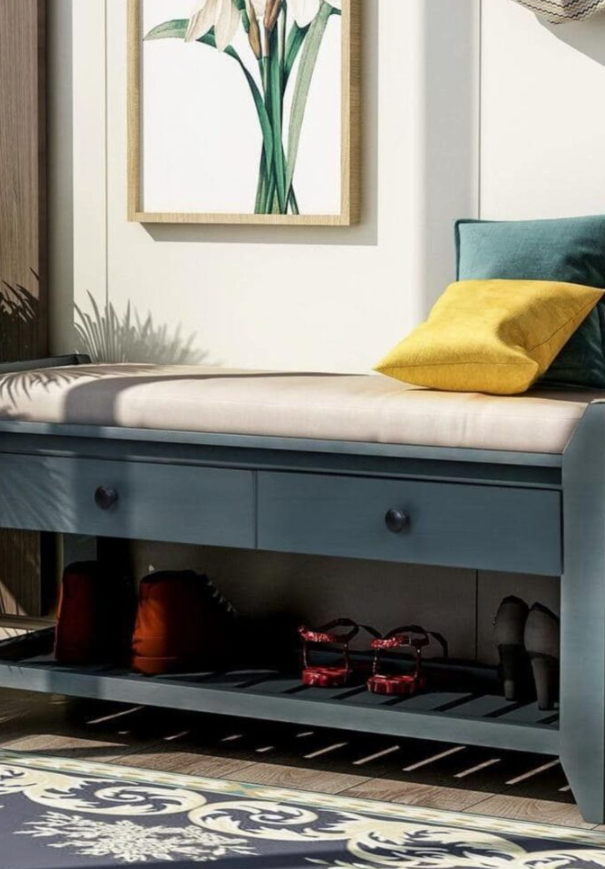
A triple-storage bench uses different levels or compartments to organize several types of belongings in one place. For example, shallow drawers can hold small accessories, an open lower shelf can store shoes, and the seat provides a comfortable place to sit.
I would consider this design for an entryway or hallway where I want to avoid adding several separate storage units. Keys, gloves, and other small items can stay inside the drawers, while frequently worn footwear remains visible and easy to reach.
To build this arrangement, I would look for a strong frame with drawers above a lower slatted shelf. The drawers should be deep enough for their intended contents without becoming difficult to open. Keeping each section dedicated to a specific category makes the system easier to maintain over time.
FAQs
Can a storage bench work in small apartments or narrow spaces?
Yes, a storage bench can be a smart choice for a small apartment because it combines seating and storage in one piece of furniture. This can reduce the need for a separate chair and storage cabinet.
I would look for a slim design with drawers, baskets, or compact cubbies that fit the available space. Placing a bench beneath a suitable window or against an entryway wall can make use of an area that might otherwise go unused.
Before buying, I would measure the wall, check the bench depth, and leave enough room for people to walk past comfortably. If the bench has drawers or a lift-up lid, I would also check that there is enough clearance to open it fully.
What items are best to store inside a storage bench?
The best items depend on where I place the bench and how often I need to use its contents. In an entryway, I would store everyday shoes, scarves, gloves, reusable bags, and small outdoor accessories.
In a bedroom or living room, I would use the bench for folded blankets, spare cushions, books, slippers, or seasonal clothing. A children’s room may benefit more from a large compartment for toys or removable crates for craft supplies.
I would avoid treating every bench as general-purpose storage. Keeping similar items together and choosing belongings that fit the compartment properly makes it easier to find things and maintain an organized space.