25 Brain Games for Dogs for 2026
I always look for fresh and engaging ways to keep my dog mentally stimulated, especially as new brain games emerge each year. In 2026, I found a variety of innovative and classic brain games that my dog absolutely loves. These games challenge their problem-solving skills and keep their mind sharp and active.
Key Takeaways
- Brain games improve your dog's problem-solving and cognitive skills.
- Rotating games regularly keeps your dog interested and engaged.
- Simple household items can be transformed into effective brain games.
- Positive reinforcement makes learning new games more enjoyable.
- Consistent mental exercise promotes a healthier, happier dog.
1. Hide and Seek with Treats
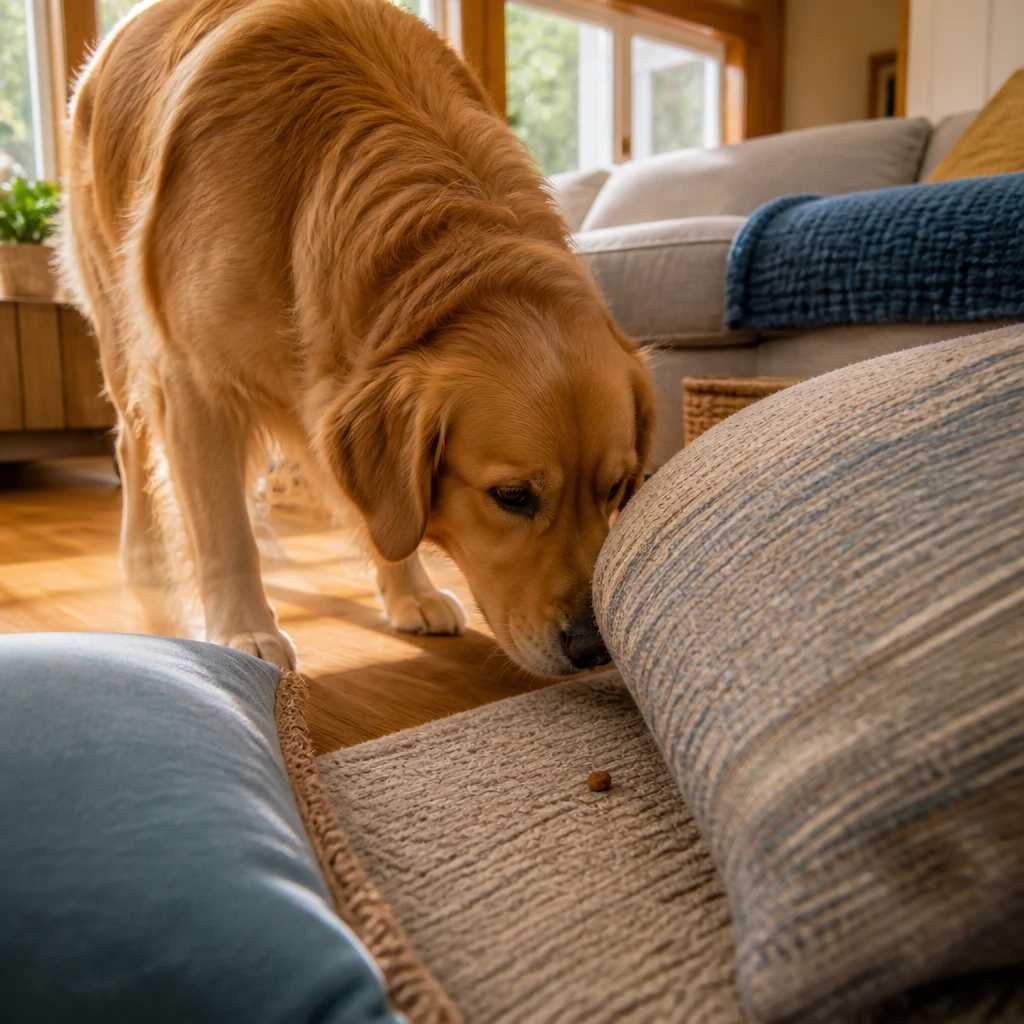
I started playing hide and seek with treats to encourage my dog’s scent-tracking abilities. I hide small treats around the room and let my dog hunt for them, which takes about 10 to 15 minutes. It’s amazing to watch how focused and excited my dog becomes during this simple yet rewarding game.
Pro Tip: Hide treats progressively harder to boost your dog’s scent tracking skills.
2. Puzzle Feeders
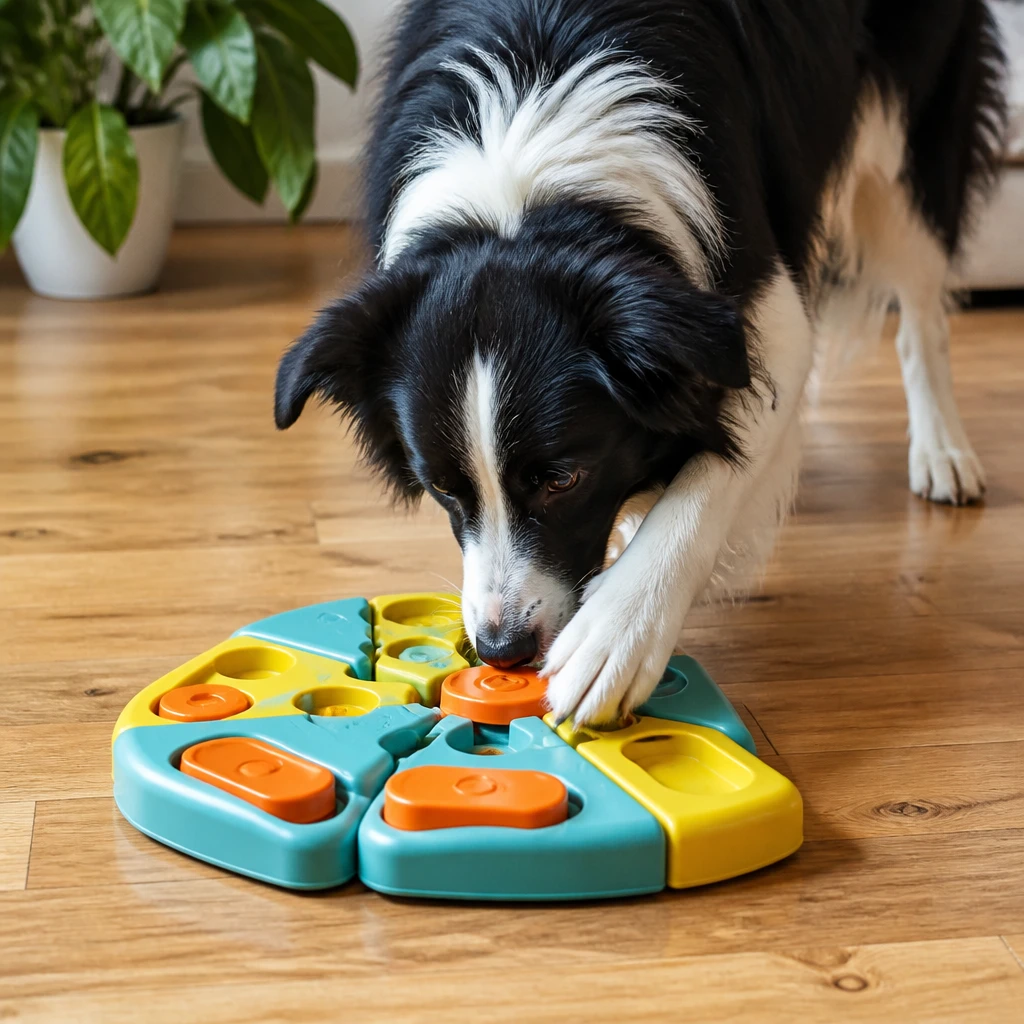
I use puzzle feeders to make mealtime an active brain challenge for my dog. These feeders require my dog to solve puzzles to release kibble, keeping them busy and mentally stimulated. I’ve noticed it also slows down their eating, which is great for digestion.
Fact: Puzzle feeders can reduce anxiety and destructive behavior by keeping dogs occupied.
3. Name the Toy
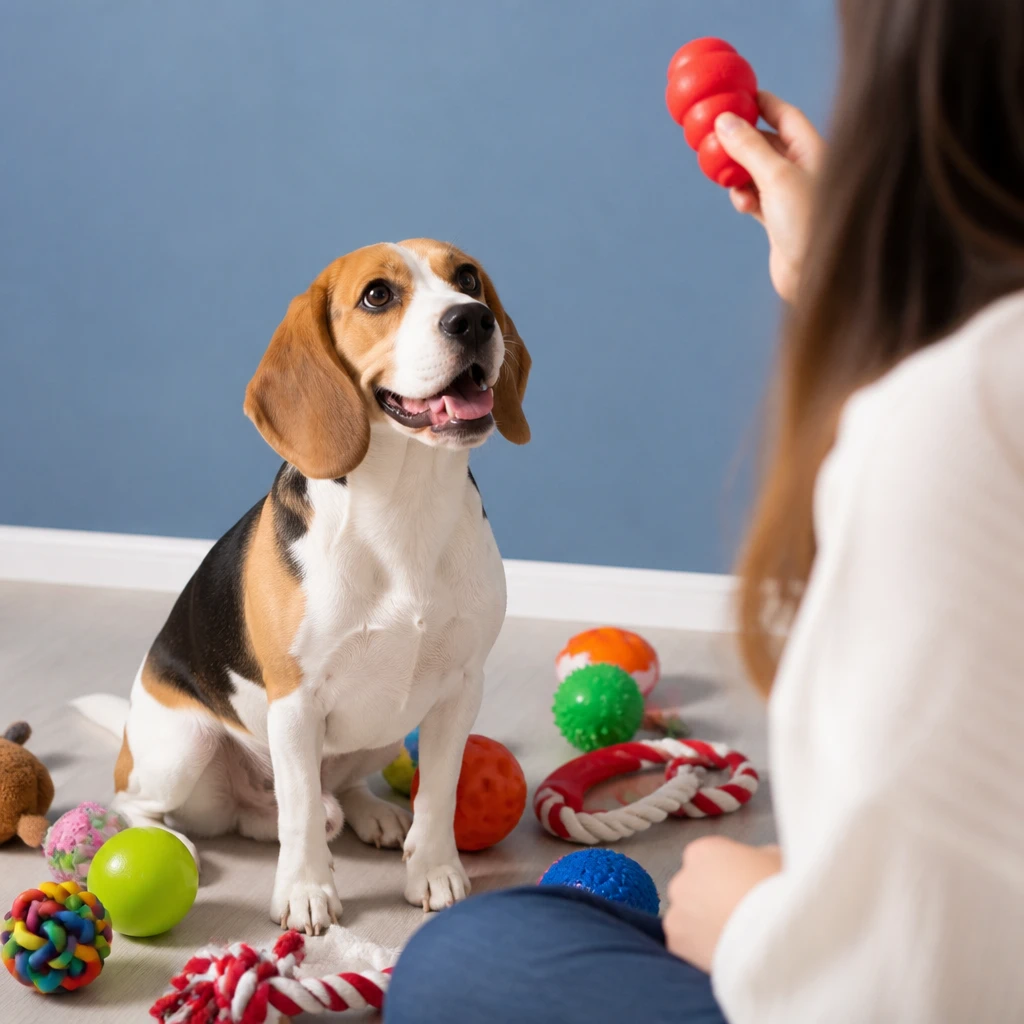
I taught my dog to recognize different toys by name, which became a fun mental exercise for him. I start by repeating the toy’s name while playing fetch, then asking him to retrieve specific toys by name. This game encourages memory recall and sharpens communication between us.
Insight: I found naming toys deepens trust and understanding between me and my dog.
4. Shell Game with Cups
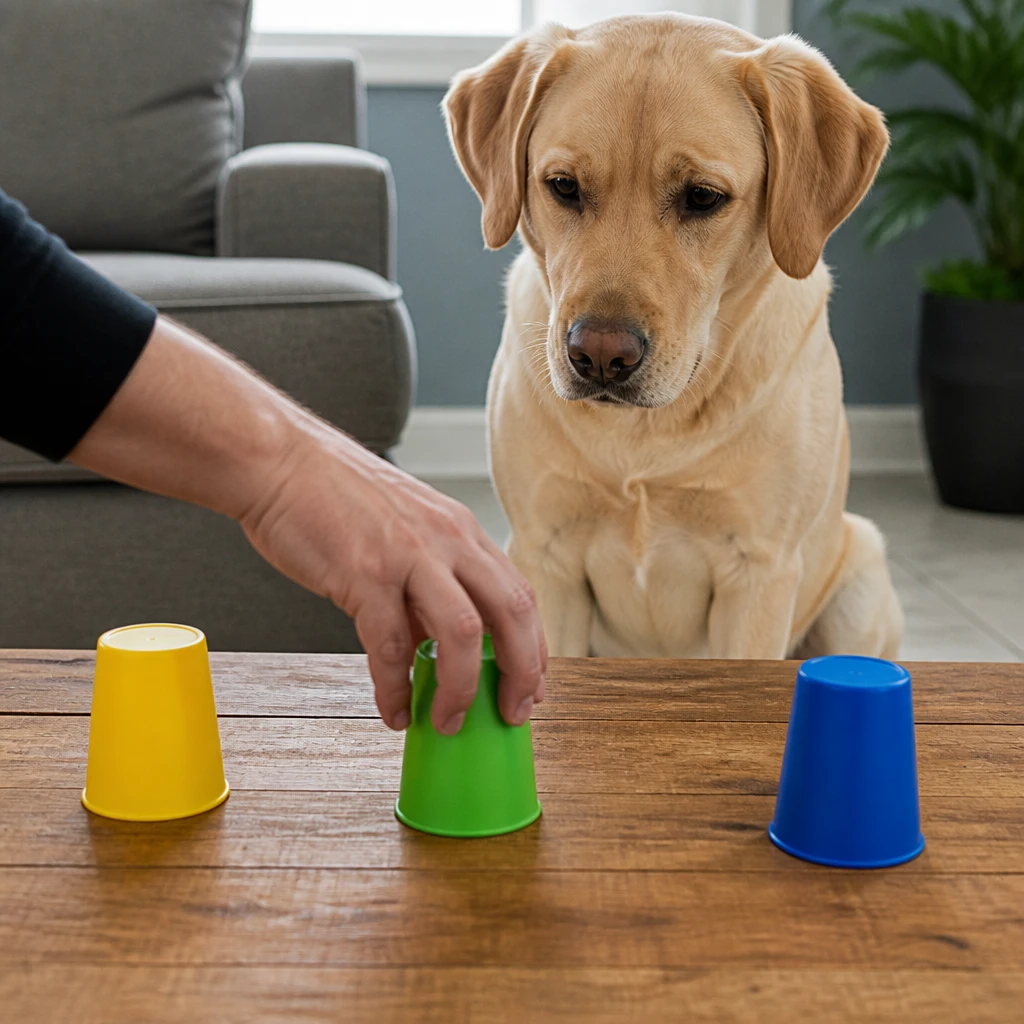
One of my favorite brain games is the shell game, where I hide a treat under one of three cups and shuffle them. My dog’s job is to choose the cup hiding the treat. This game sharpens his problem-solving and attention skills and provides mental stimulation in a quick session.
Pro Tip: Use opaque cups to increase difficulty and keep your dog guessing.
5. Interactive Tug Toys
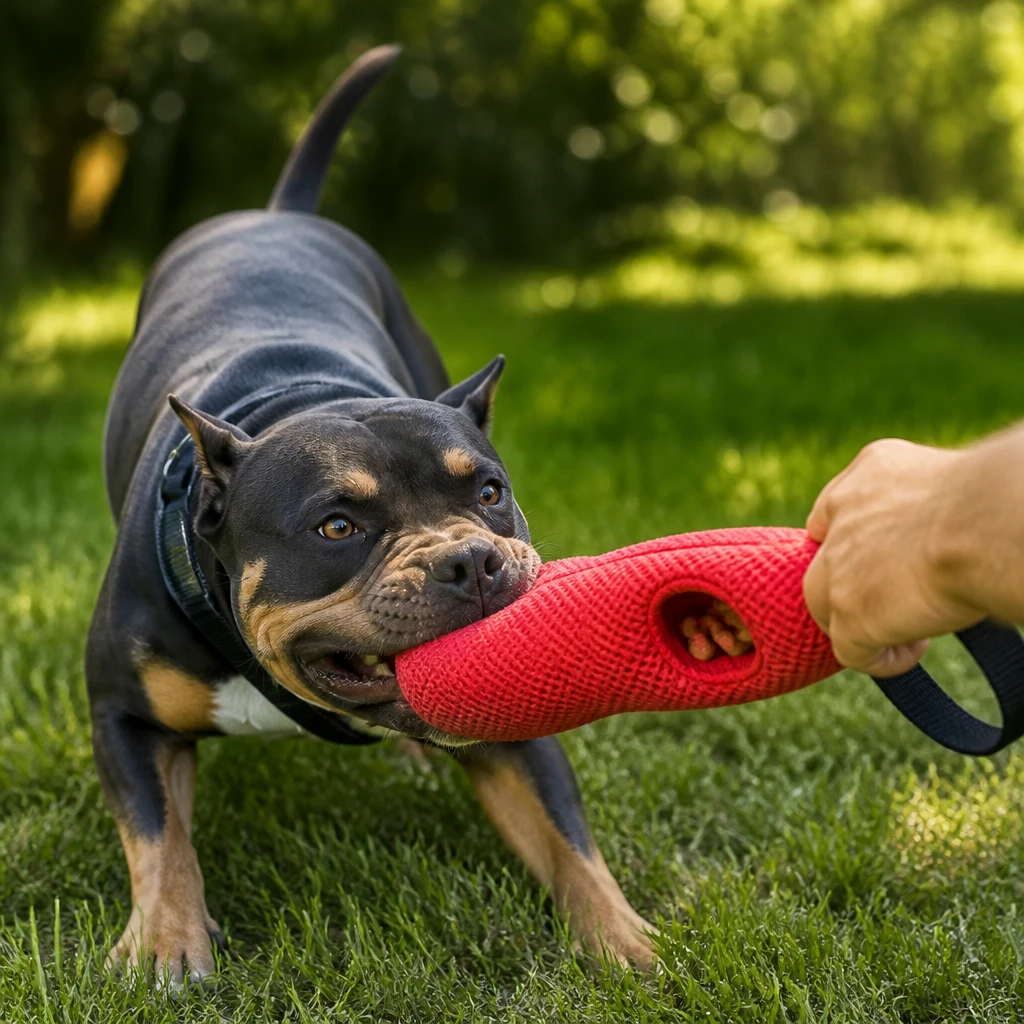
I include interactive tug toys as brain games by encouraging my dog to figure out how to release a hidden treat. These toys combine physical activity with mental challenges, making tug time more stimulating. I find this keeps my dog engaged longer than regular tug-of-war.
Insight: I noticed combining play and problem-solving builds my dog's confidence.
6. Obstacle Course Navigation
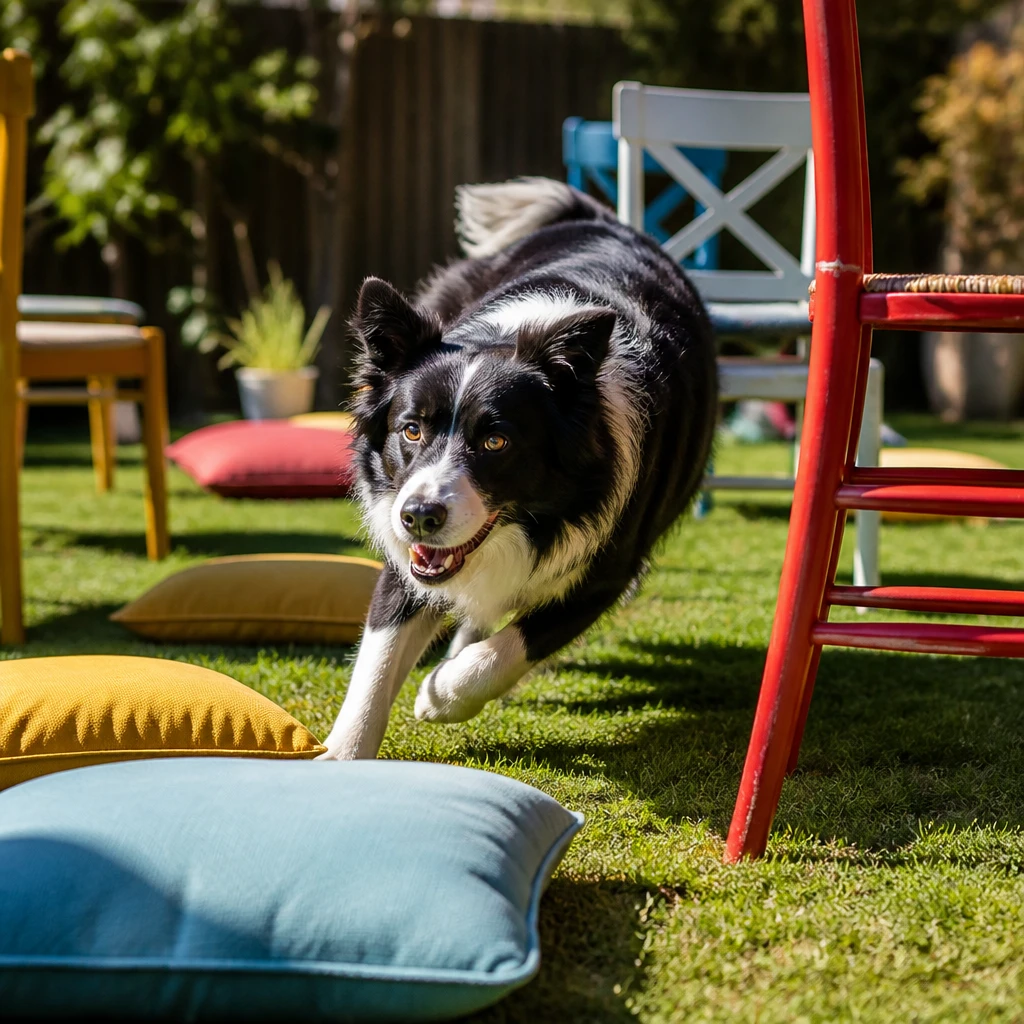
I set up a mini obstacle course to stimulate my dog’s brain and body simultaneously. Using household items like chairs and cushions, I make my dog navigate through, jump over, or crawl under obstacles. It’s a fantastic way to build problem-solving and physical coordination.
Pro Tip: Create safe but challenging obstacles to push your dog’s mental limits.
7. Treat-Dispensing Balls
Using treat-dispensing balls is one of my go-to brain games to keep my dog entertained. My dog has to roll and nudge the ball to release the treats inside. It takes patience and strategy, which mentally tires the dog in a fun way.
Fact: Treat-dispensing toys encourage problem-solving and reduce boredom in dogs.
8. Learning New Commands
I make teaching new commands a daily brain exercise for my dog. Every new word or trick builds their memory and focus, and I reinforce learning with positive praise. This consistent training keeps their mind sharp and responsive.
Insight: I found short, frequent training sessions are best for mental endurance.
9. Find the Object Game
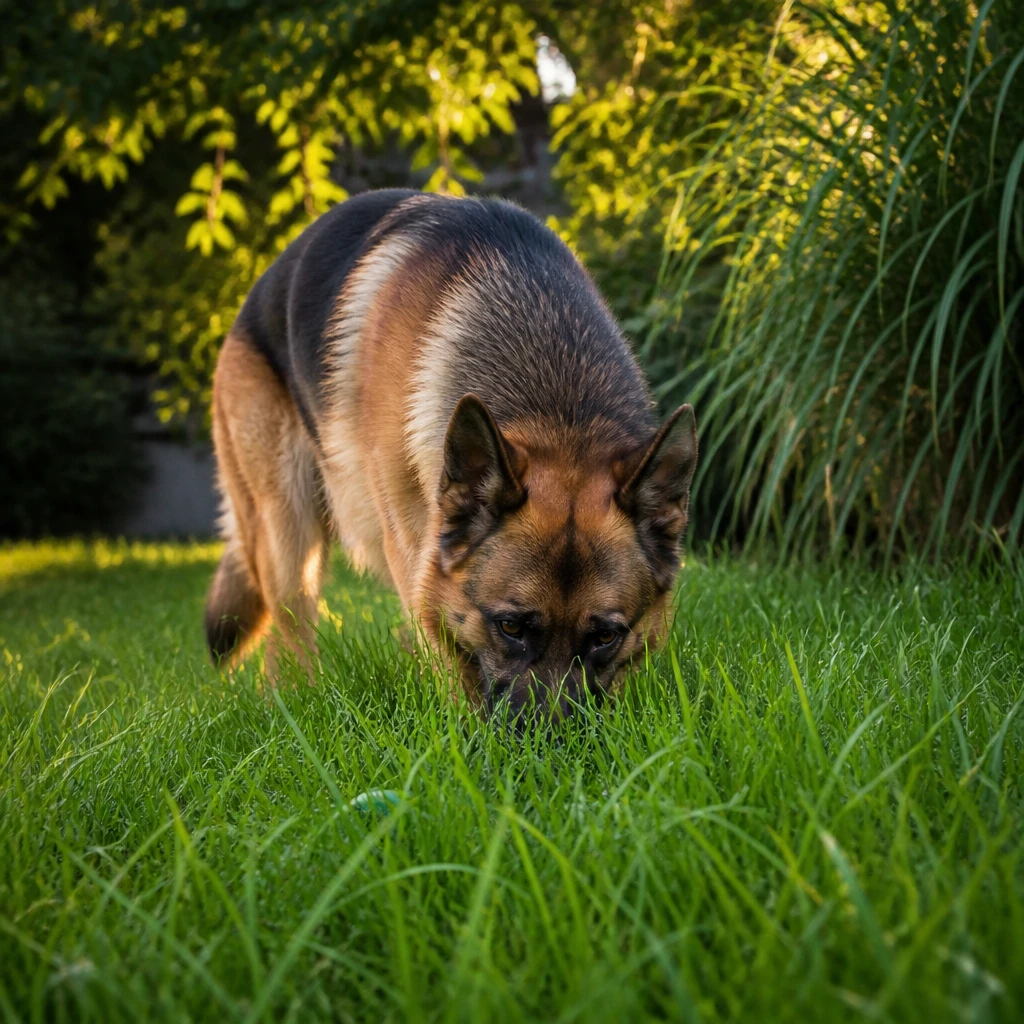
I hide a familiar object and ask my dog to find it by name or smell, turning it into a stimulating treasure hunt. My dog enjoys searching both indoors and in the yard, which tests their memory and scent skills. This helps sharpen their natural instincts while keeping them motivated.
Pro Tip: Start easy, then increase the challenge by hiding objects in trickier spots.
10. DIY Muffin Tin Puzzle
I created a muffin tin puzzle by placing treats inside muffin tin cups and covering some with tennis balls. My dog has to move the balls to get to the treats underneath, which is engaging and fun. It’s a budget-friendly way I mix problem solving with rewards.
Fact: You can build cognitive games from simple household items like muffin tins.
11. Follow the Leader Walks
I make walking more mentally stimulating by turning walks into follow the leader games where I change pace and direction unpredictably. This requires my dog to focus and pay close attention to me. It keeps our walk engaging and helps deepen our communication.
Insight: I realized that unpredictability in walks sharpens my dog’s attention.
12. Shell Game with Hidden Treats
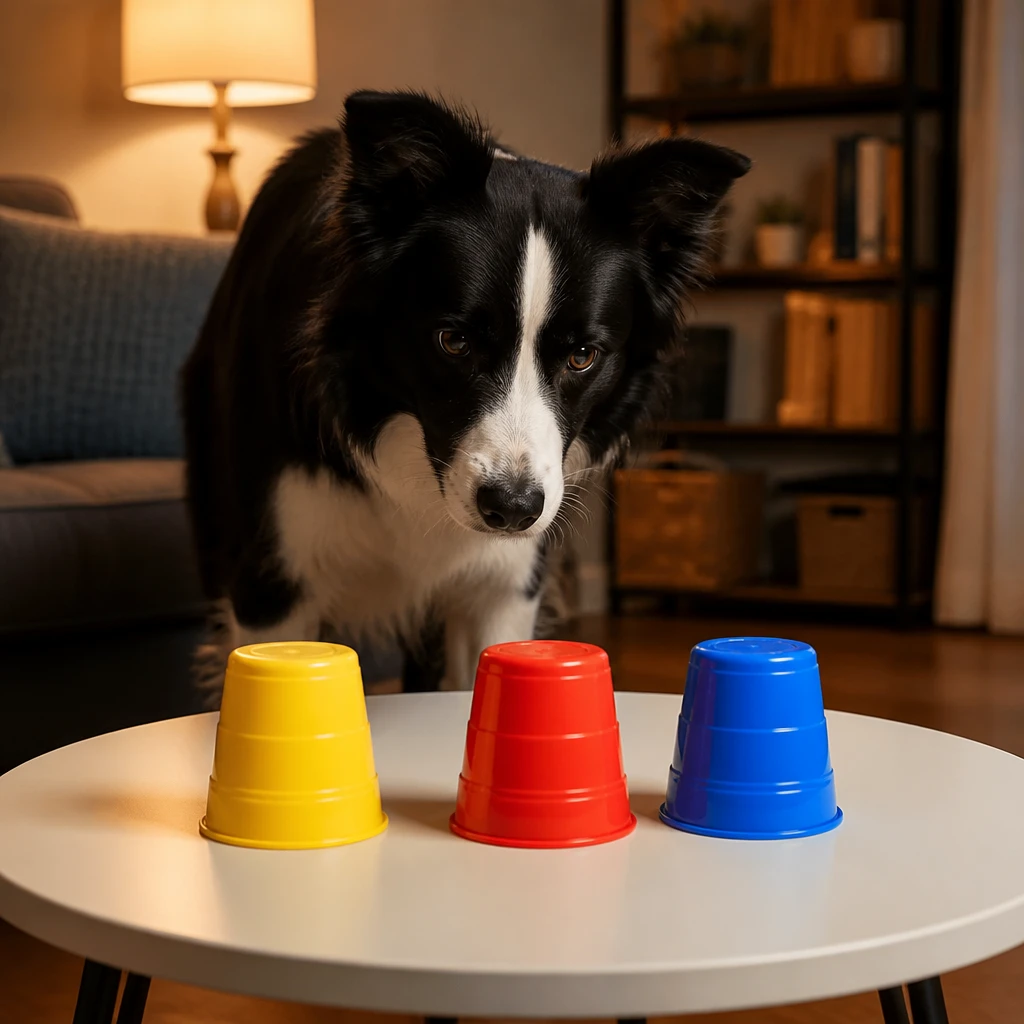
I use this simple shell game variation to really test my dog’s memory by hiding treats under colorful containers and mixing them up. My dog watches keenly as I shuffle and then chooses the right container. This game provides quick mental workouts and lots of excitement.
Pro Tip: Vary the number and size of containers to fit your dog’s skill level.
13. Interactive Laser Chase
I’ve introduced my dog to chasing laser pointers, turning it into a brain game by setting movement patterns. This requires quick reactions and sharp visual focus, which challenges their mind more than usual play. However, I always end with a tangible toy to prevent frustration.
Fact: Laser chase can improve a dog’s reflexes but must be used responsibly.
14. Teach New Tricks Using Clicker Training
I’ve found clicker training incredibly effective for teaching new tricks and enhancing brain activity. The sound of the click marks desired behavior, which motivates my dog to think and respond quickly. It's a positive reinforcement method that keeps training sessions upbeat and productive.
Insight: I noticed clicker training accelerates my dog’s learning pace and enthusiasm.
15. The Muffin Tin and Ping Pong Ball Game
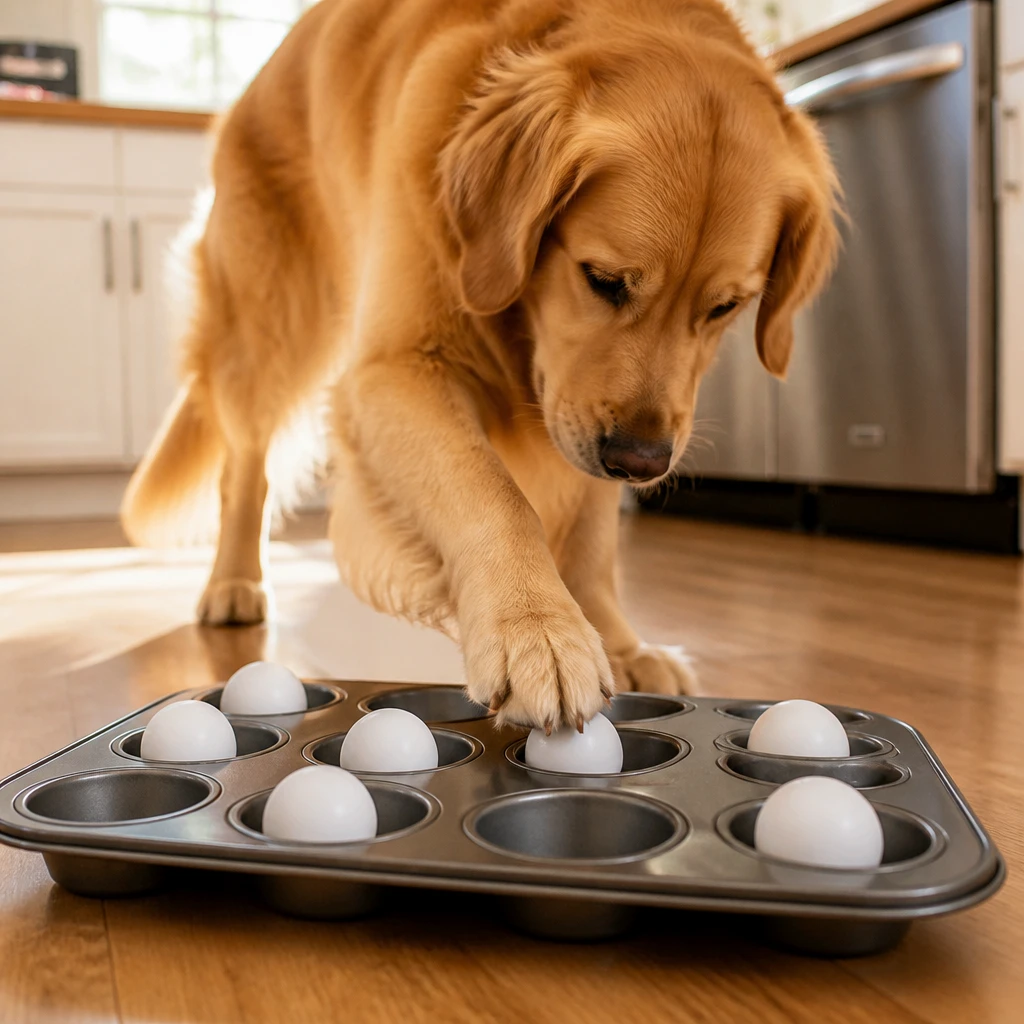
I use ping pong balls to cover treats in a muffin tin, challenging my dog to remove them to get the reward. This simple game requires problem solving and patience, which are great mental workouts. I like seeing how my dog experiments with different strategies to uncover the hidden treats.
Pro Tip: Switch out tennis balls or other objects for variety and challenge adjustments.
16. Teach Your Dog to Clean Up Toys
I trained my dog to put toys back in their basket, turning cleanup into a brain game. This requires memory, recognition, and following multi-step instructions. It’s a practical skill that stimulates their mind while keeping our home tidy.
Insight: I discovered teaching cleanup builds responsibility and cognitive control in my dog.
17. Scent Discrimination Training
I practice scent discrimination by teaching my dog to distinguish between different essential oil scents on cotton balls. This brain game enhances their olfactory skills and focus tremendously. It’s fascinating to see how quickly my dog learns to select the correct scent on command.
Fact: Dogs can learn to identify and differentiate a wide range of scents effectively.
18. Treat Scattering in Grass
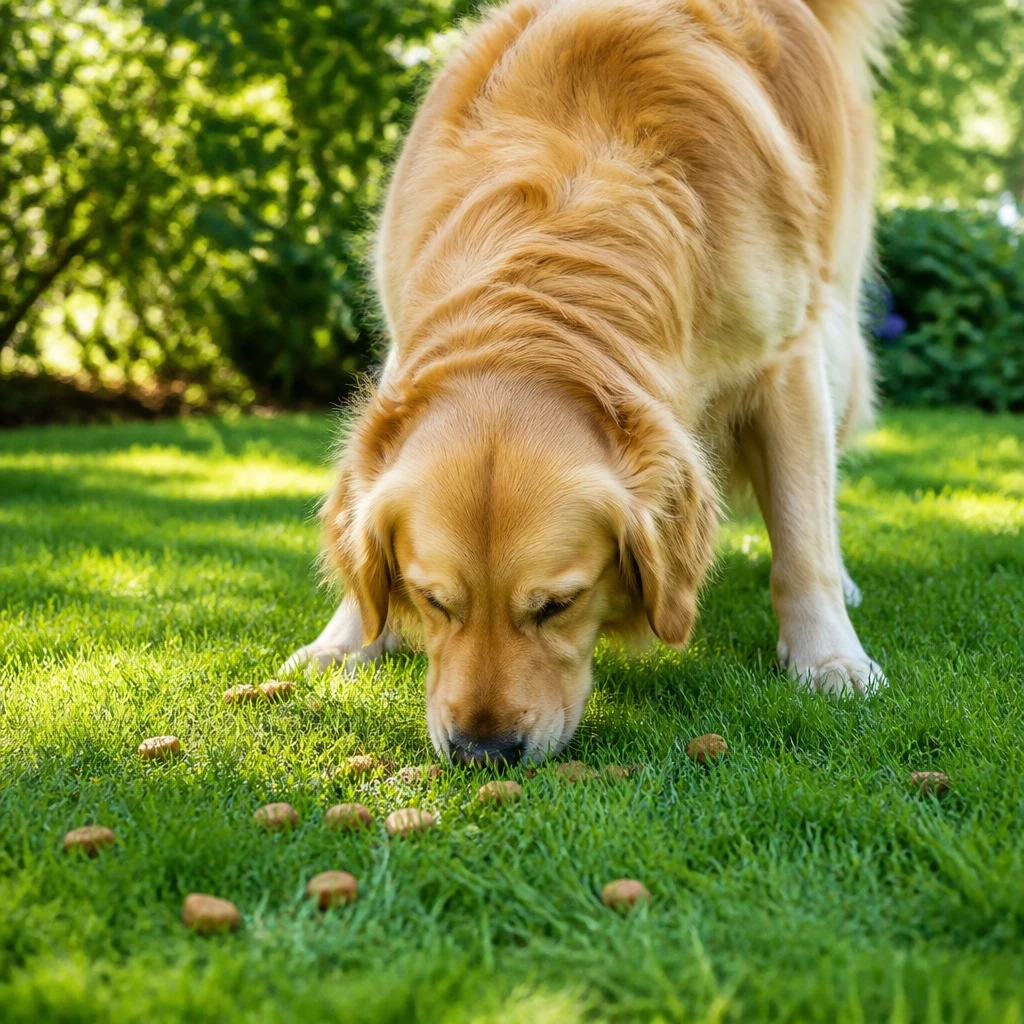
I scatter small treats around the yard to encourage my dog to use their natural sniffing and foraging instincts. This simple game gets my dog moving and mentally engaged as they hunt for scattered treasures. It’s a great low-effort way to boost brain activity outdoors.
Pro Tip: Scatter treats in varying locations to keep scent-hunting fresh and challenging.
19. DIY Treat Maze
I build treat mazes using cardboard boxes with holes cut to lure my dog to work out how to navigate for prizes. This hands-on game takes creativity to build and patience for my dog to explore. It’s a fun way to combine problem-solving with physical activity.
Insight: I’ve found that designing mazes tailored to my dog’s skills increases their confidence.
20. Interactive Touchscreen Apps
I've introduced my dog to specific touchscreen apps designed to challenge their minds with problem solving and pattern recognition. These digital games provide a modern spin on cognitive training for dogs. I always supervise to ensure the experience stays positive and stress-free.
Fact: Certain touchscreen apps have been scientifically designed to stimulate canine cognition.
21. Teach Your Dog the Names of Family Members

I spend time teaching my dog to recognize and respond to the names of different family members. This enhances their ability to associate words with people and instructs their memory and social skills. In my experience, it also improves their excitement when greeting relatives.
Insight: I noticed my dog’s social awareness improved significantly through this game.
22. Shape Sorting Toys
I introduced my dog to shape sorting toys where they place blocks in matching slots. This game enhances spatial awareness and fine motor skills in dogs. My dog finds it challenging but rewarding, and it provides an excellent mental workout.
Pro Tip: Start with large, simple shapes and gradually introduce more complex puzzles.
23. Follow the Sound
I play follow the sound by hiding a toy that makes noise and asking my dog to find it. This game boosts auditory tracking and sharpens listening skills. It’s especially fun indoors when sight is limited, forcing the dog to rely on hearing.
Fact: Dogs have superior hearing and can locate sounds with impressive accuracy.
24. Box Puzzle Game
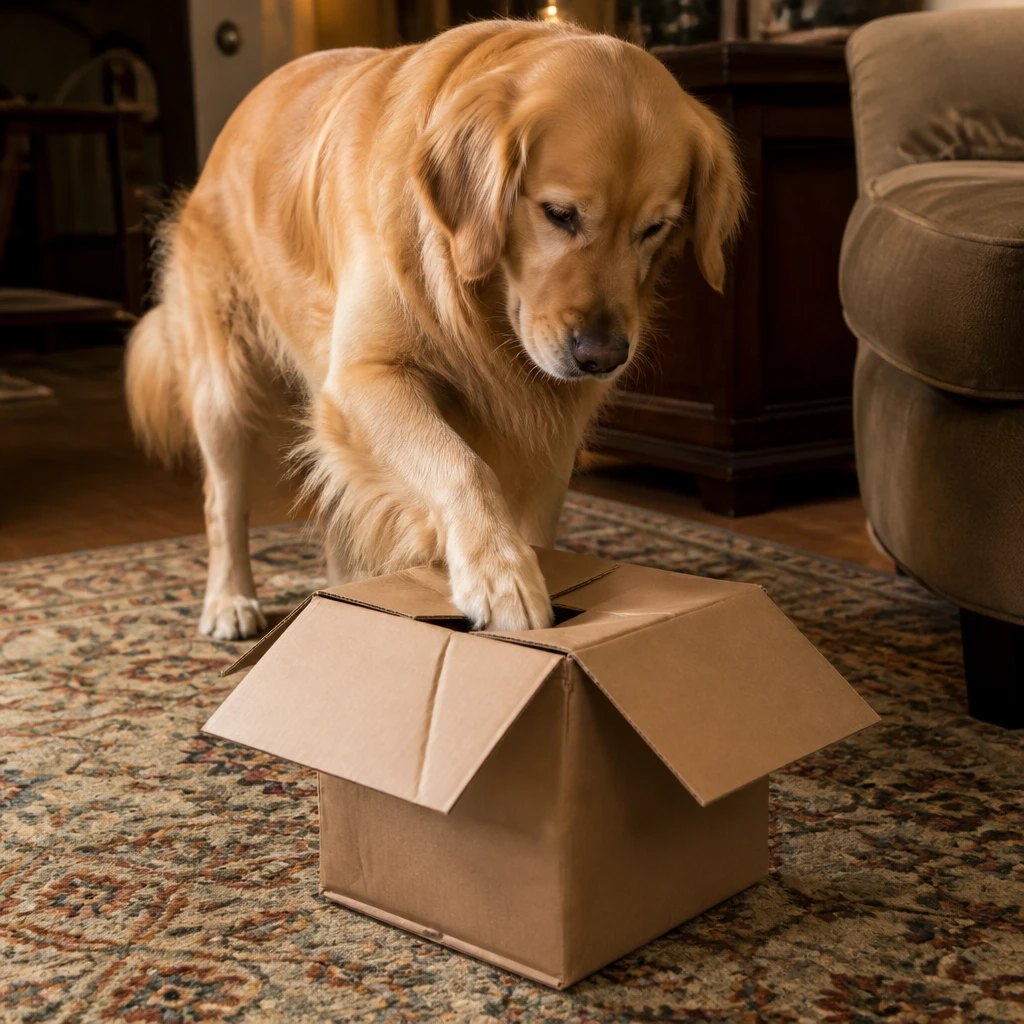
I turn empty cardboard boxes into puzzles by placing treats inside and partially closing them. My dog loves figuring out how to open or move the boxes for treats. It’s an inexpensive, tactile brain game that encourages independent thinking.
Pro Tip: Modify box size and closure tightness to adjust the difficulty for your dog.
25. Copycat Trick Training
I teach my dog to mimic simple actions like ringing a bell or tapping a paw on command. This copying challenges their observation and memory skills. I find it also strengthens our bond through shared interaction and problem-solving.
Insight: I observed that dogs enjoy mimicking behaviors as a creative mental challenge.
Conclusion
I’ve consistently seen how brain games enrich my dog's daily life and contribute to their overall well-being. Incorporating a mix of these 25 games keeps the mental challenges fresh and exciting throughout 2026. I recommend trying them to help your dog stay sharp, happy, and engaged year-round.