45 Team Building Games for Kids in 2026
I’ve always found that team building games are essential in helping kids develop cooperation and social skills. Over the years, I’ve tested a variety of games that promote teamwork while keeping things fun and engaging. Here are 45 team building games for kids in 2026 that I've found highly effective and enjoyable.
Key Takeaways
- Team building activities strengthen communication and trust among kids.
- Incorporating creative and physical elements keeps children engaged longer.
- Games that encourage problem-solving foster essential critical thinking skills.
- Adapting games based on group size and age makes team building more successful.
- Regularly rotating games keeps team building fresh and exciting for kids.
1. Human Knot
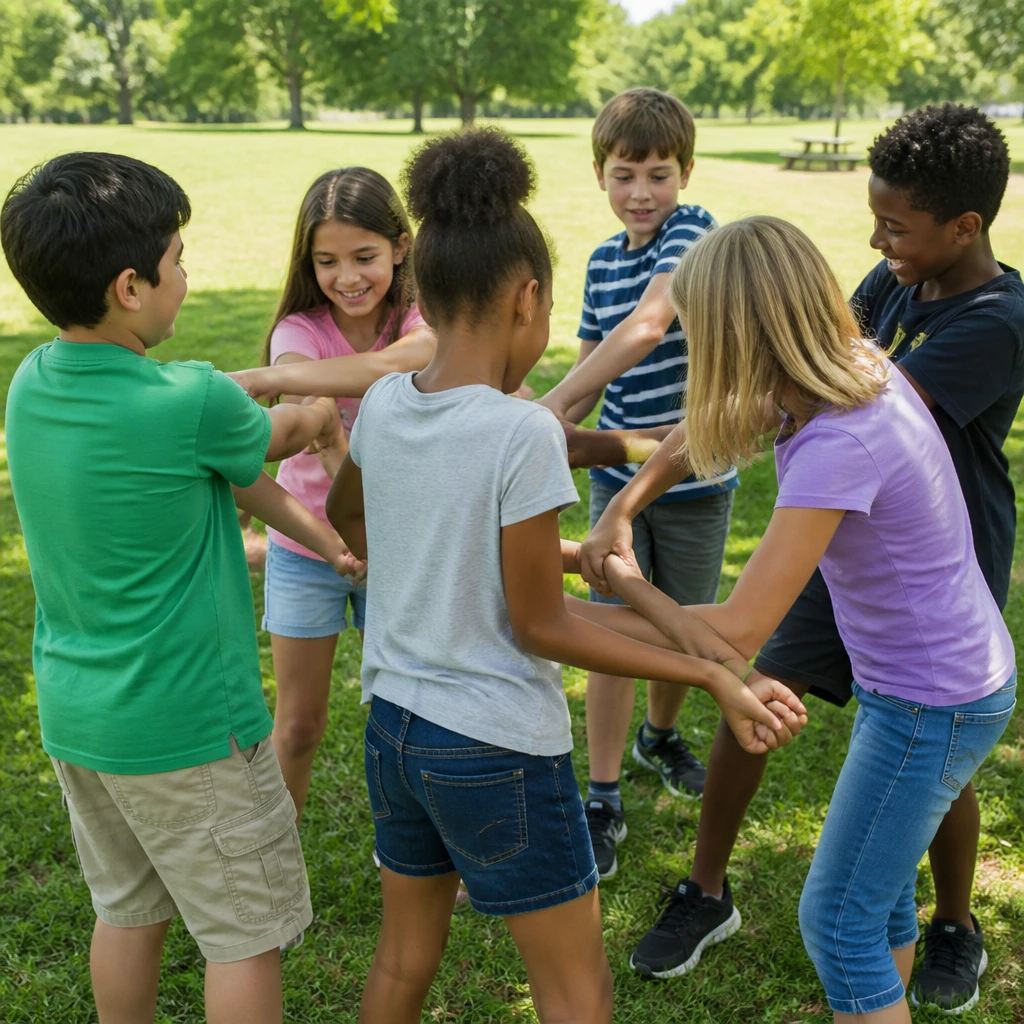
I love starting with the Human Knot because it immediately gets kids to communicate and work closely together. I find that it’s a great icebreaker that promotes physical interaction and patience. Watching kids untangle themselves without letting go of hands shows me how they negotiate and solve problems collaboratively.
Pro Tip: Encourage kids to speak out loud about their moves to enhance teamwork.
2. Blindfolded Minefield
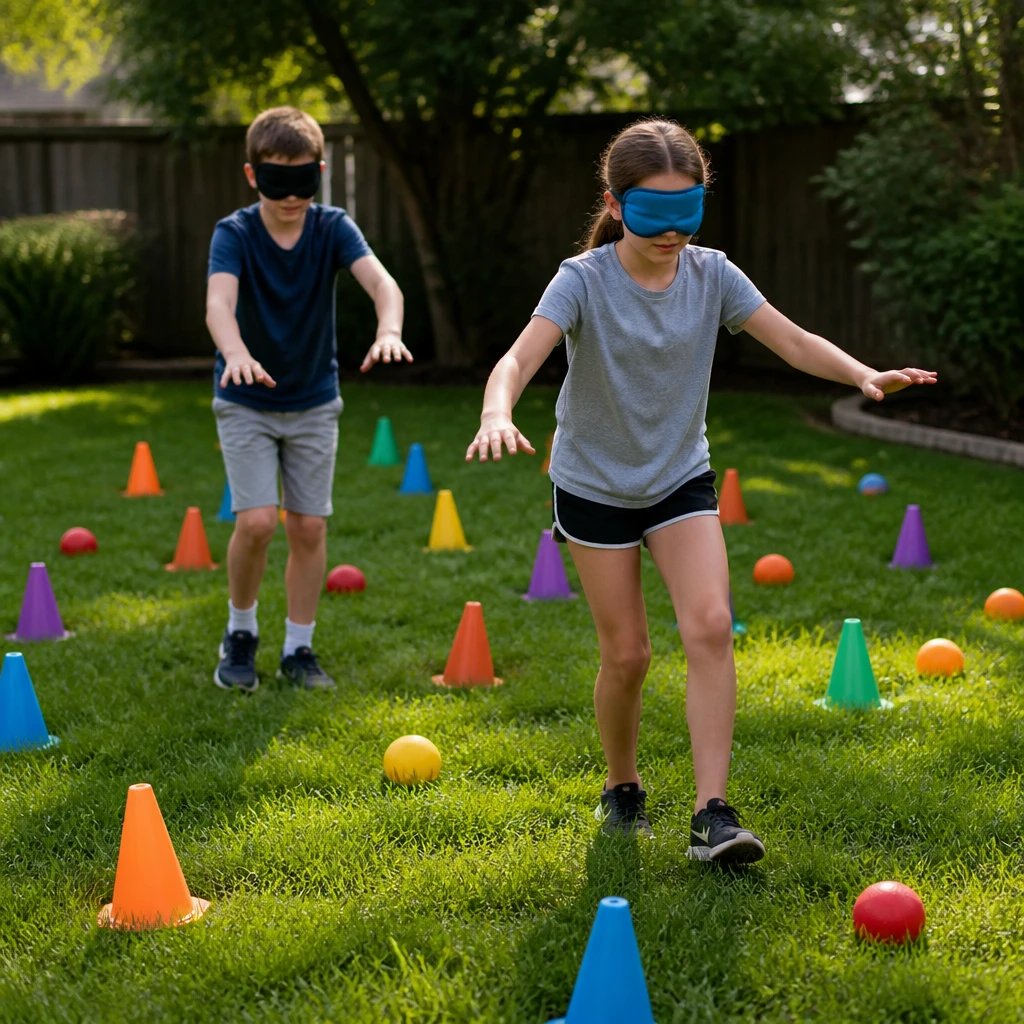
In this game, I blindfold one child while their teammate guides them through a 'minefield' of objects using vocal directions. I’ve noticed this really helps kids build trust and improve their communication skills. The sense of responsibility from the guiding partner is a key part of the learning process.
Pro Tip: Use soft objects as mines and ensure safety by clearing obstacles outside the game area.
3. Egg Drop Challenge
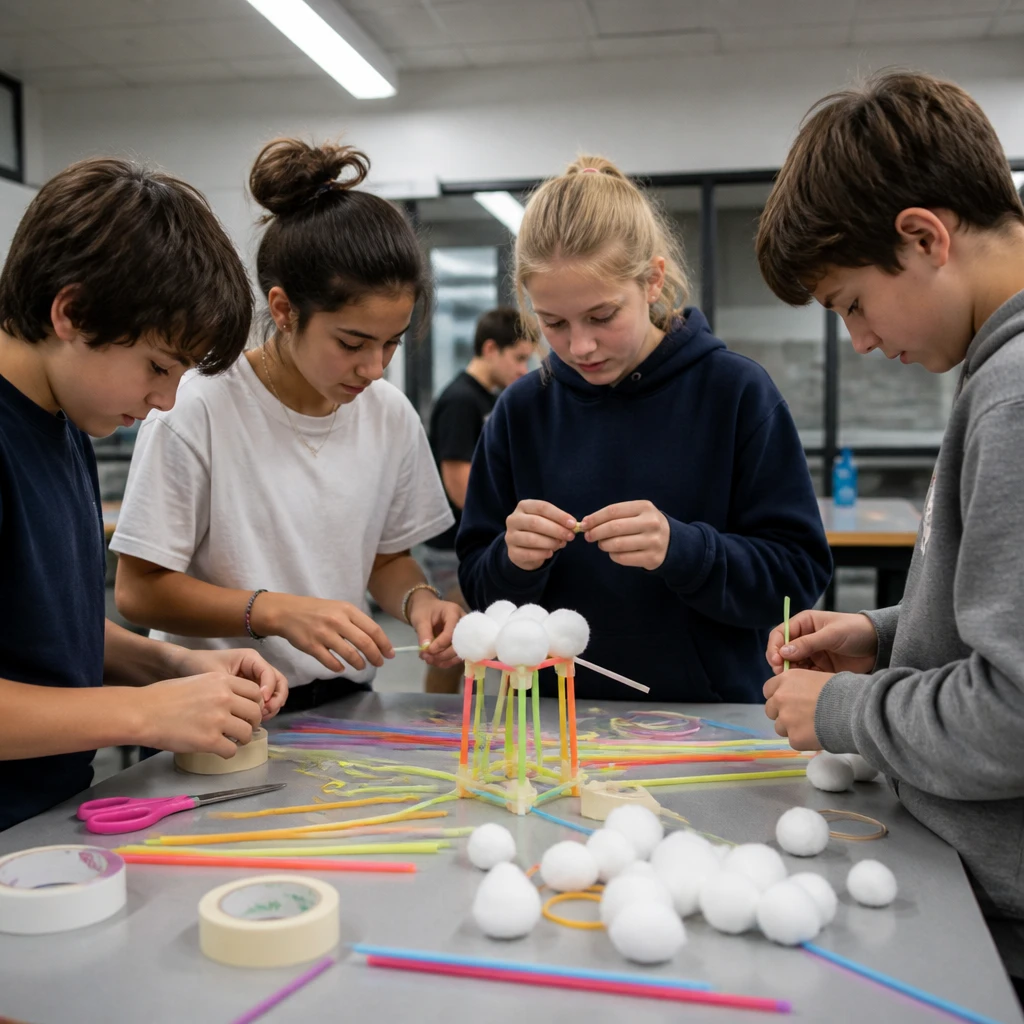
I always bring out the Egg Drop Challenge to inspire creativity and collaboration among kids. They work in small groups to build contraptions protecting an egg from a fall, which encourages engineering thinking. The excitement peaks when the eggs are dropped, and the group sees if their design worked.
Fact: Egg Drop Challenges have been used in schools worldwide to combine fun with STEAM learning.
4. Minefield Communication
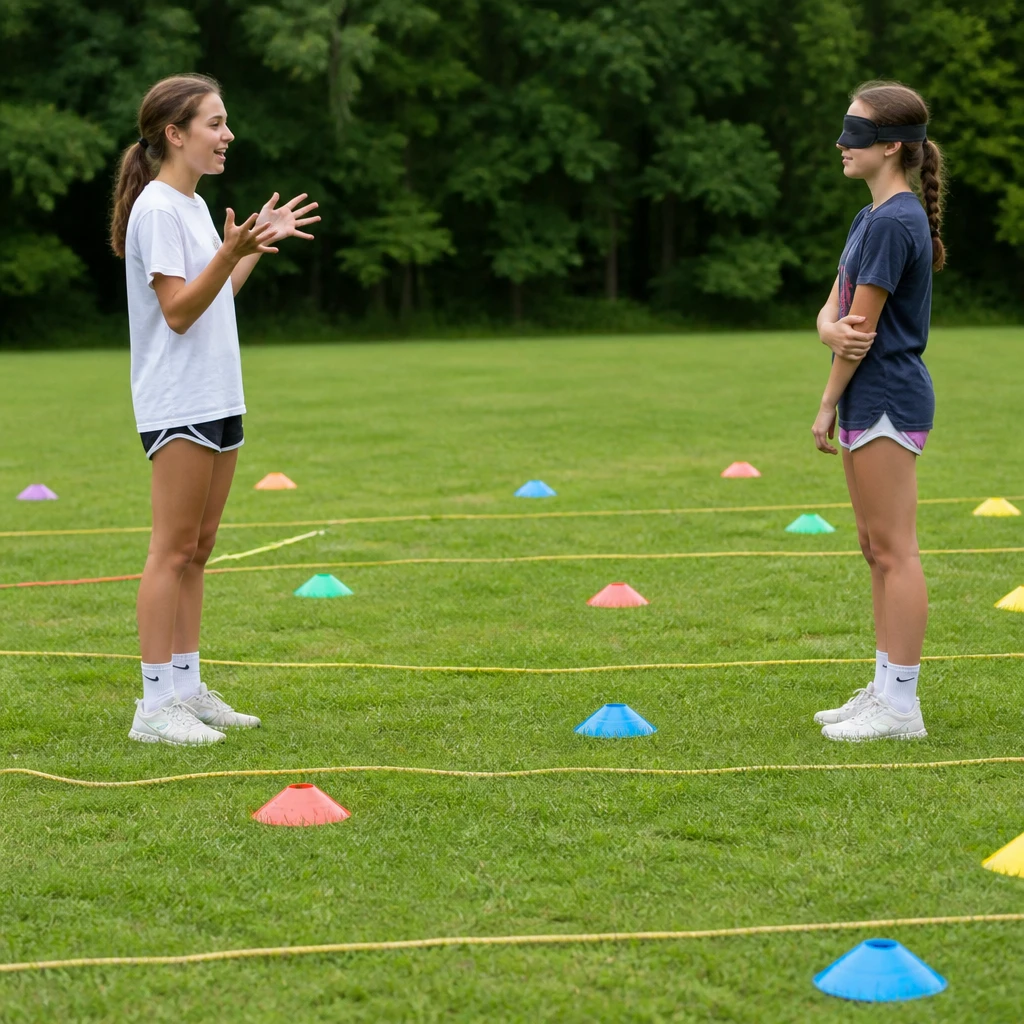
I use this variation of the classic minefield where kids guide each other by describing a maze of obstacles from a distance. This game helps me see how well kids can give and receive clear instructions. The added distance element increases the challenge and sharpens listening skills.
Insight: I’ve realized that kids often surprise themselves with how precise their verbal directions can become.
5. Tug of War
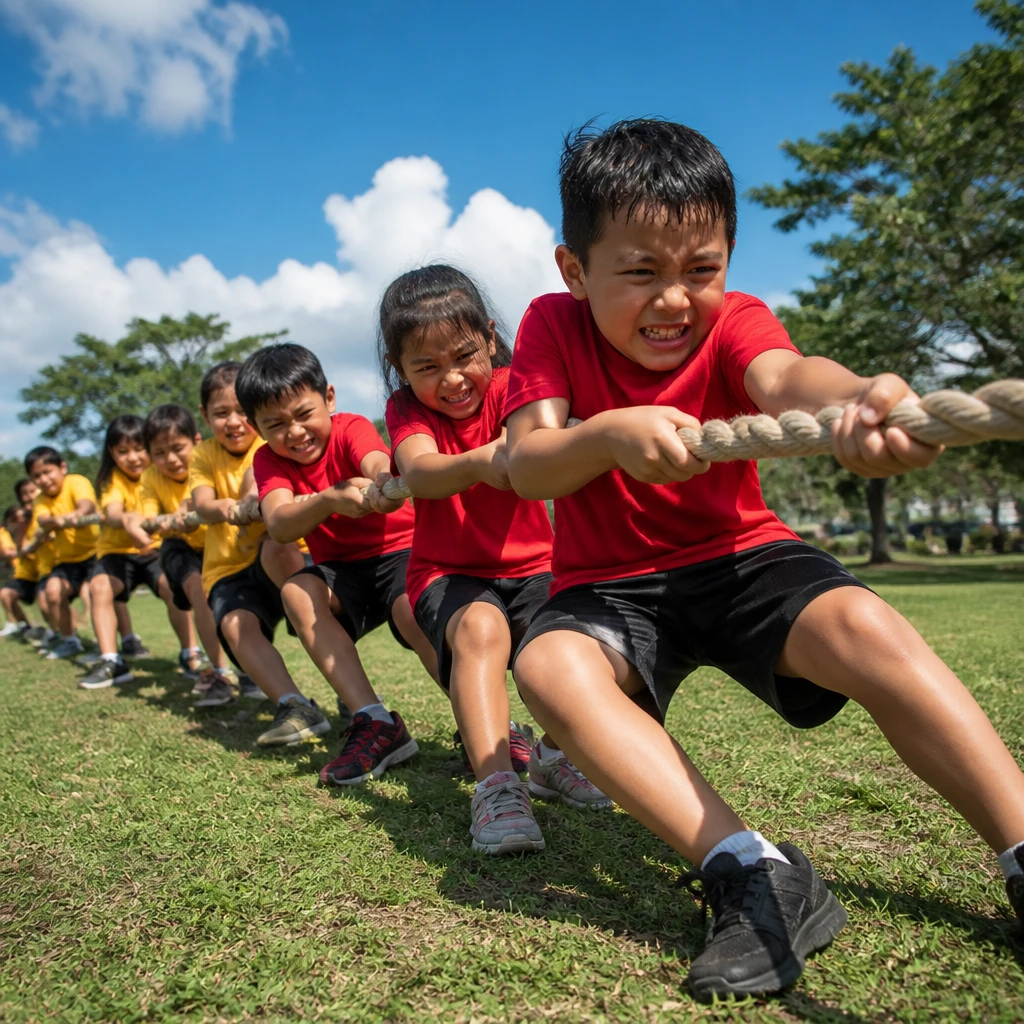
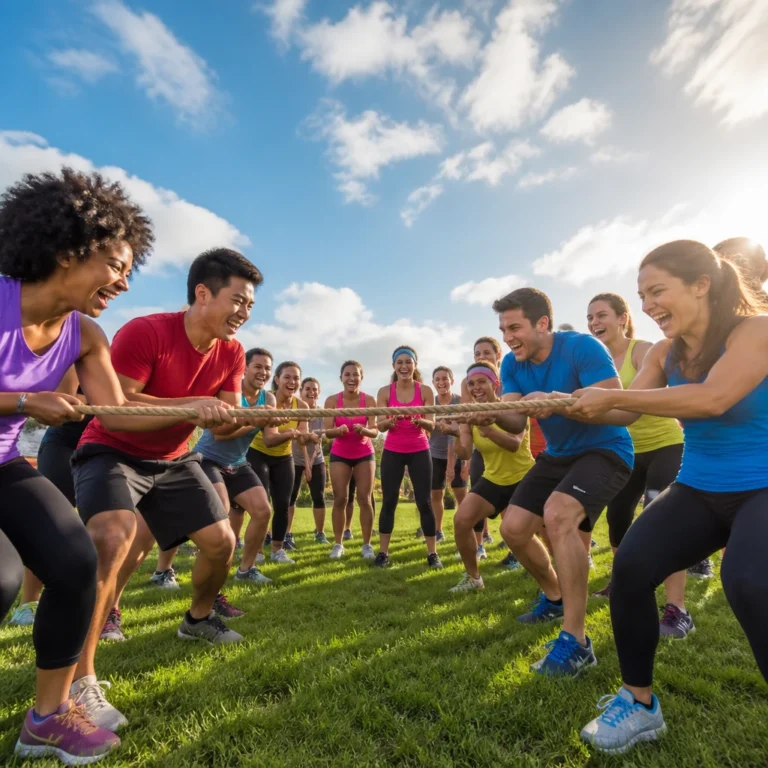
I’ve always enjoyed Tug of War because it literally shows the power of teamwork in action. Kids split into two teams, learning to synchronize their strength and strategy. It’s thrilling to see how communication and rhythm can overturn a physical challenge.
Pro Tip: Choose a soft surface like grass to prevent injuries during the game.
6. Pass the Hula Hoop
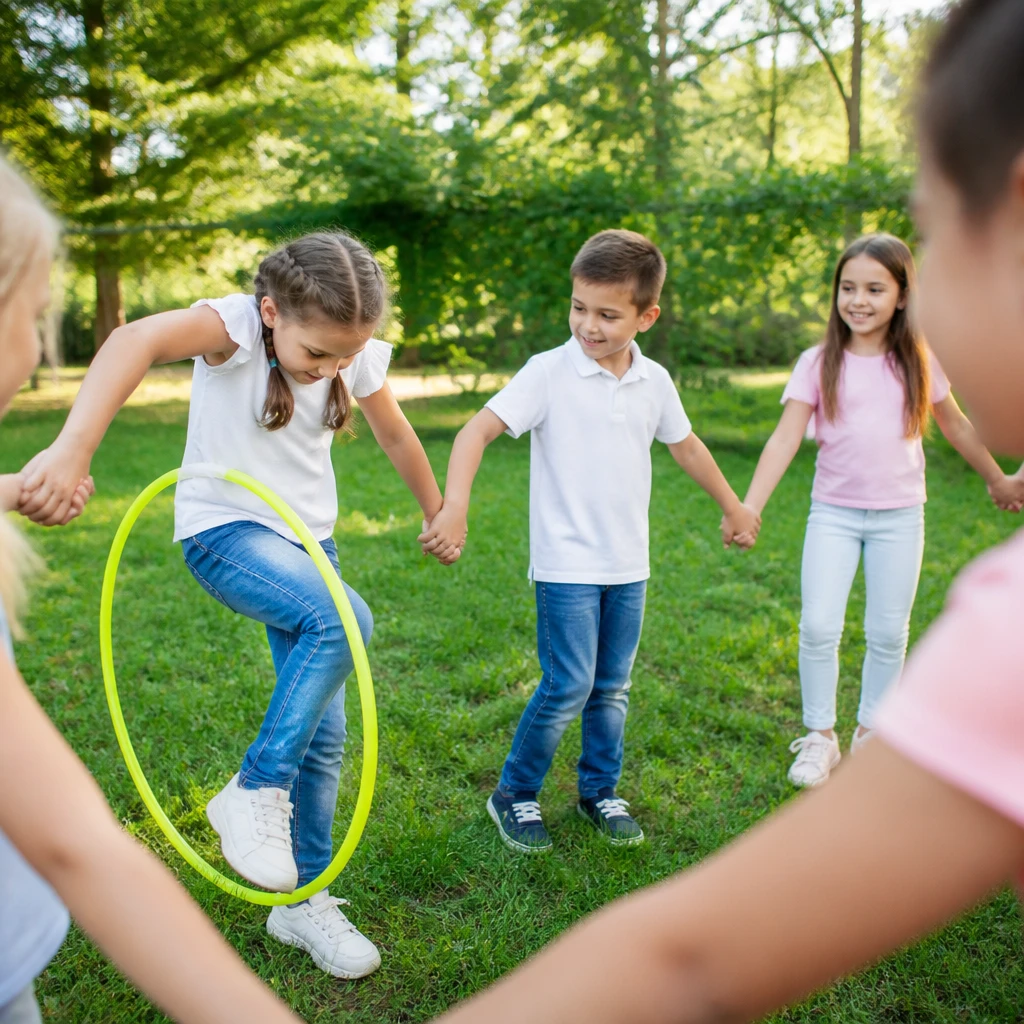
This game is a fun way I get kids moving and cooperating without speaking much. They have to pass a hula hoop around the circle without breaking handholds, which requires teamwork and flexibility. I especially enjoy seeing how kids encourage each other during tricky moments.
Fact: Passing the hula hoop enhances coordination and group problem solving simultaneously.
7. Puzzle Building Race
I use puzzle races to improve kids’ collaborative problem-solving skills under time pressure. Groups compete to complete the same jigsaw puzzle, which emphasizes dividing tasks and working efficiently. It’s rewarding to watch them celebrate when their teamwork pays off.
Insight: I’ve noticed competitive spirit often boosts collaboration rather than hinder it.
8. Relay Races with a Twist
I spice up traditional relay races by adding team challenges like carrying objects or solving riddles between legs. This keeps kids actively engaged and requires communication during transitions. I’ve found that these twists maintain excitement and foster team support.
Pro Tip: Design relay tasks that require cooperation and creativity beyond just running fast.
9. The Marshmallow Tower
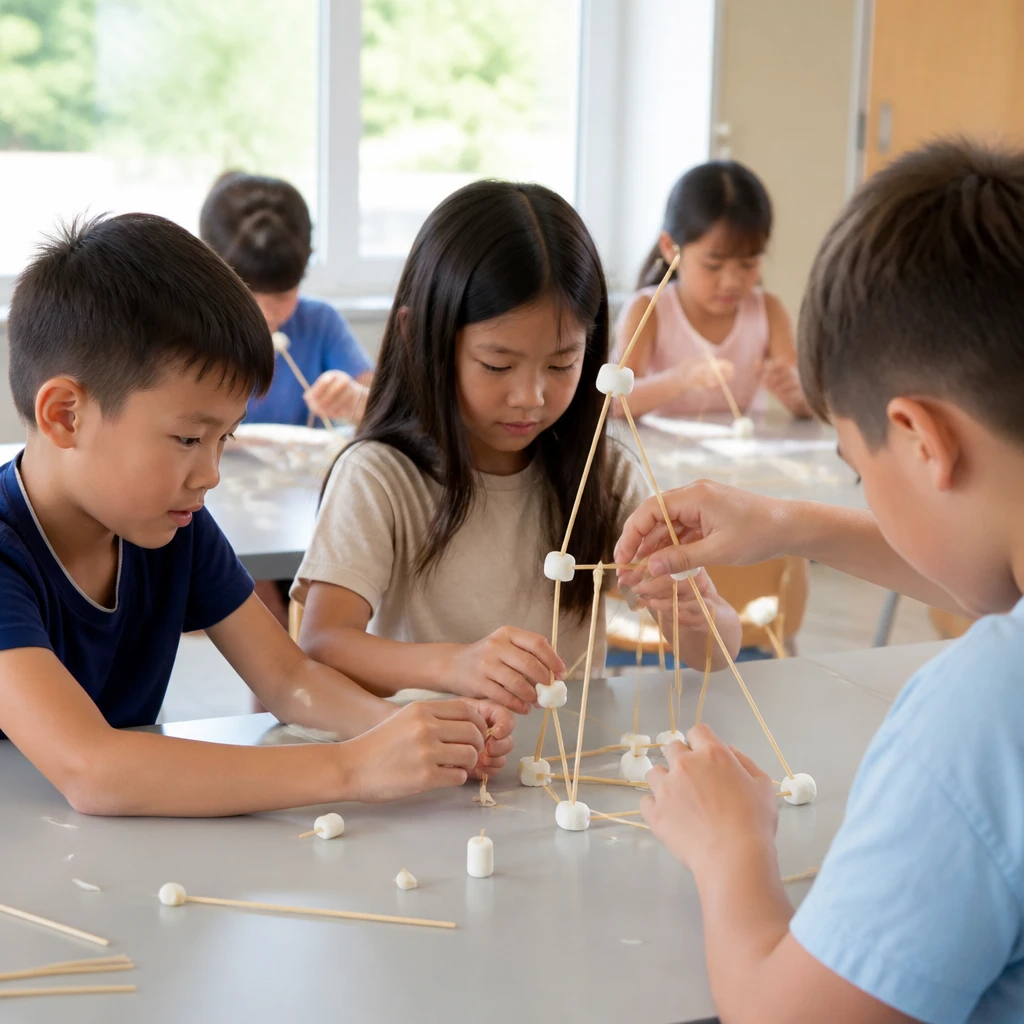
I introduced the Marshmallow Tower challenge to encourage innovation and joint planning among kids. Teams use spaghetti sticks and marshmallows to build the tallest freestanding tower. It’s fascinating to see their trial-and-error approach fueled by teamwork.
Fact: The Marshmallow Challenge is used by design schools to teach collaboration and prototyping.
10. Charades with a Team Twist
I adapted traditional charades so kids act out team-related concepts and guess as a group. This game enhances non-verbal communication and group intuition. I love the bursts of laughter and energy that come with this collaborative guessing game.
Pro Tip: Encourage exaggerated expressions to help teammates guess more easily.
11. Line Up Without Speaking
I challenge kids to line up by height, birthday, or other categories without using words. This game pushes them to develop nonverbal methods and patience. It’s always rewarding when they figure it out and cheer their silent success.
Insight: I realized nonverbal cues often become surprisingly creative with this challenge.
12. Group Storytelling Circle
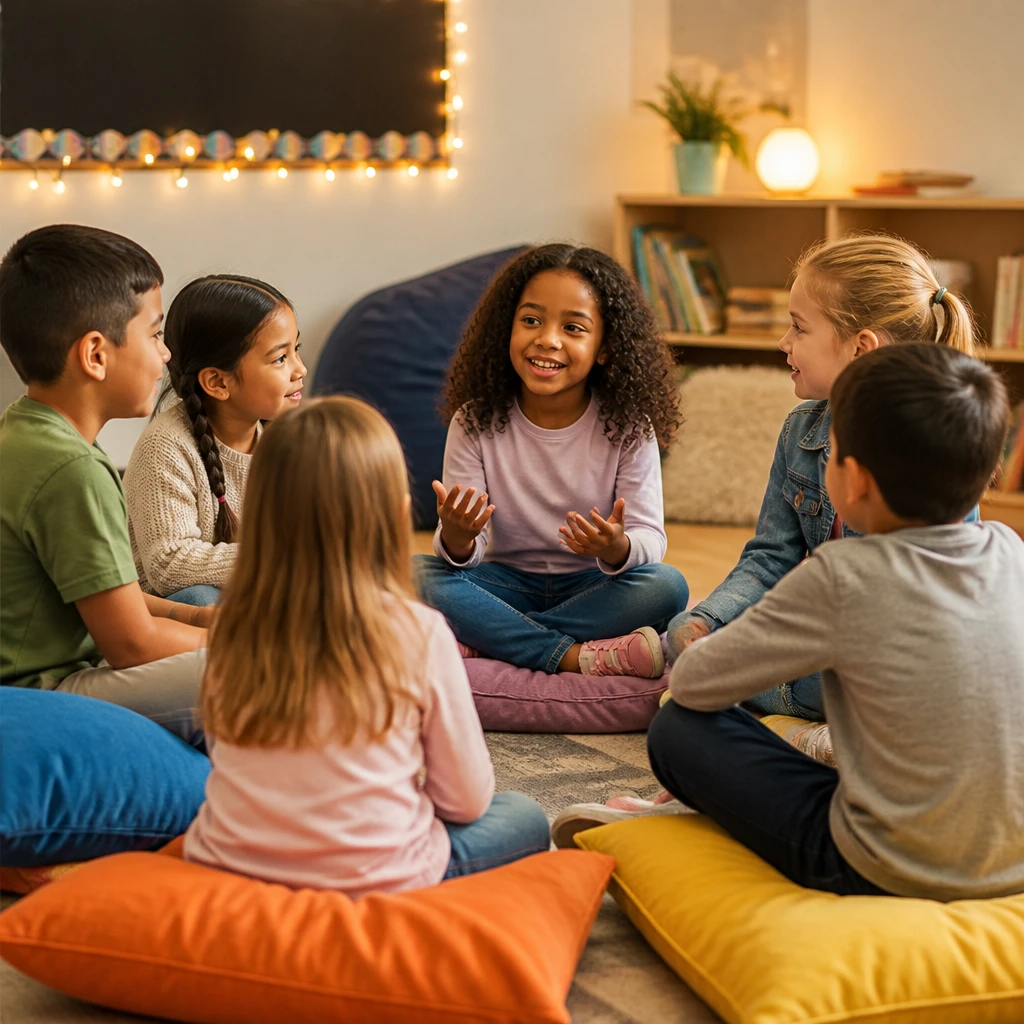
I've found group storytelling circles to build creativity and listening skills simultaneously. Each child adds a sentence to the story, which encourages attentive collaboration. This activity reveals how well kids can build on each other’s ideas in a supportive setting.
Fact: Storytelling builds narrative skills and empathy, key for team connection.
13. Balloon Pop Cooperation
I use Balloon Pop Cooperation to encourage kids to keep balloons in the air as a team without letting them fall. This game enhances coordination and group awareness quickly. Kids love the energetic competition it brings while learning to listen and adjust together.
Pro Tip: Use different balloon sizes and colors to keep kids visually tracking and engaged.
14. Human Pyramid Building
I’ve seen amazing teamwork when kids build human pyramids carefully supporting one another. It builds trust and physical cooperation, demanding precise communication. The pride they feel after succeeding always makes this game worthwhile.
Pro Tip: Always supervise closely and ensure safe mats or soft surfaces underneath.
15. Scavenger Hunt Teams
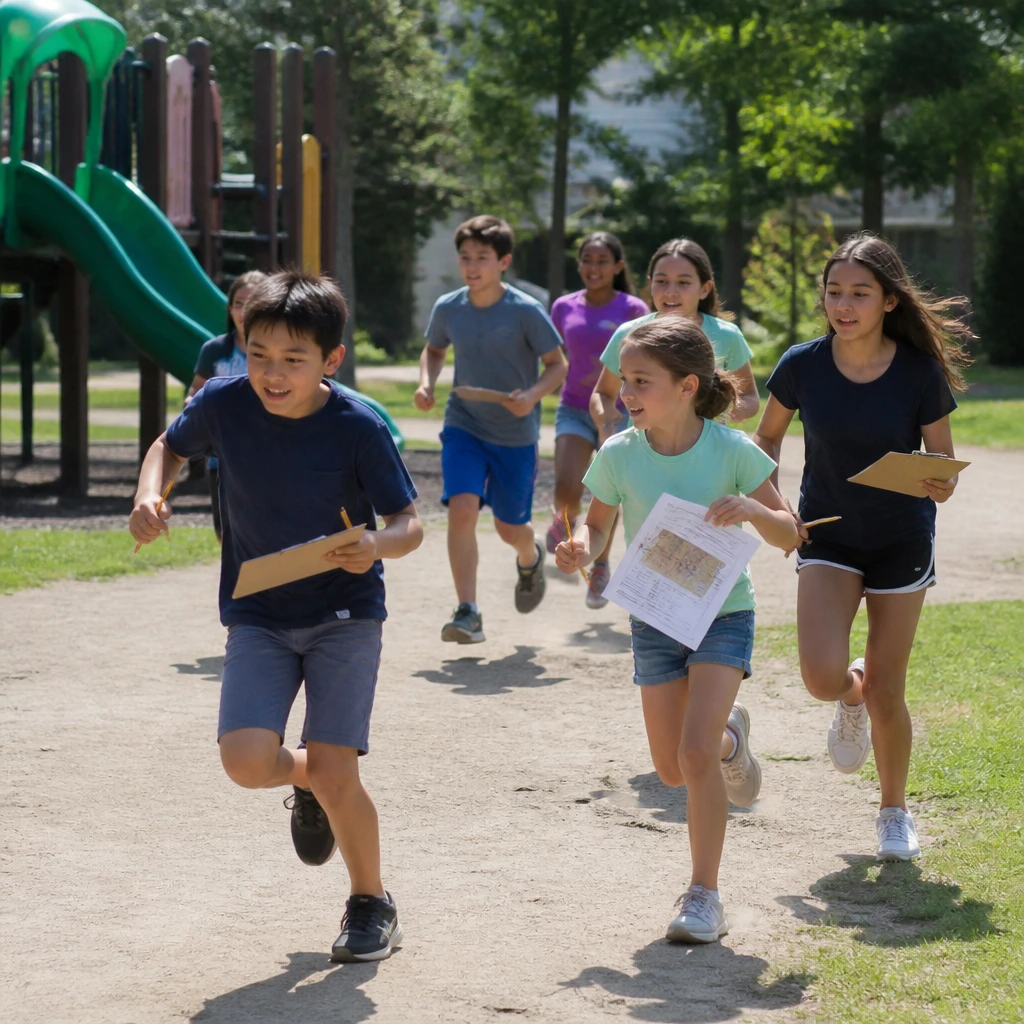
I organize scavenger hunts where teams must find items or solve clues around a park or playground. This activity combines exploration with teamwork and strategic planning. Watching kids delegate tasks and celebrate their finds is always exciting for me.
Insight: I’ve learned that giving diverse roles keeps every child actively involved.
16. Parachute Games
Parachute games are my go-to for younger kids to build teamwork through rhythmic and synchronized movements. They learn to coordinate raising and lowering the colorful parachute, often with balls or lightweight objects on top. The sense of collective achievement is palpable every time.
Fact: Parachute play originally started as a physical education tool to develop cooperation.
17. Shape Shift
I played Shape Shift by challenging kids to form different shapes using their bodies as a team. This game inspires creative problem-solving and physical closeness. I appreciate how it encourages kids to listen to each other and move in harmony.
Pro Tip: Use simple shapes first and gradually increase complexity as the group improves.
18. Stick the Tail on the Donkey Team Edition
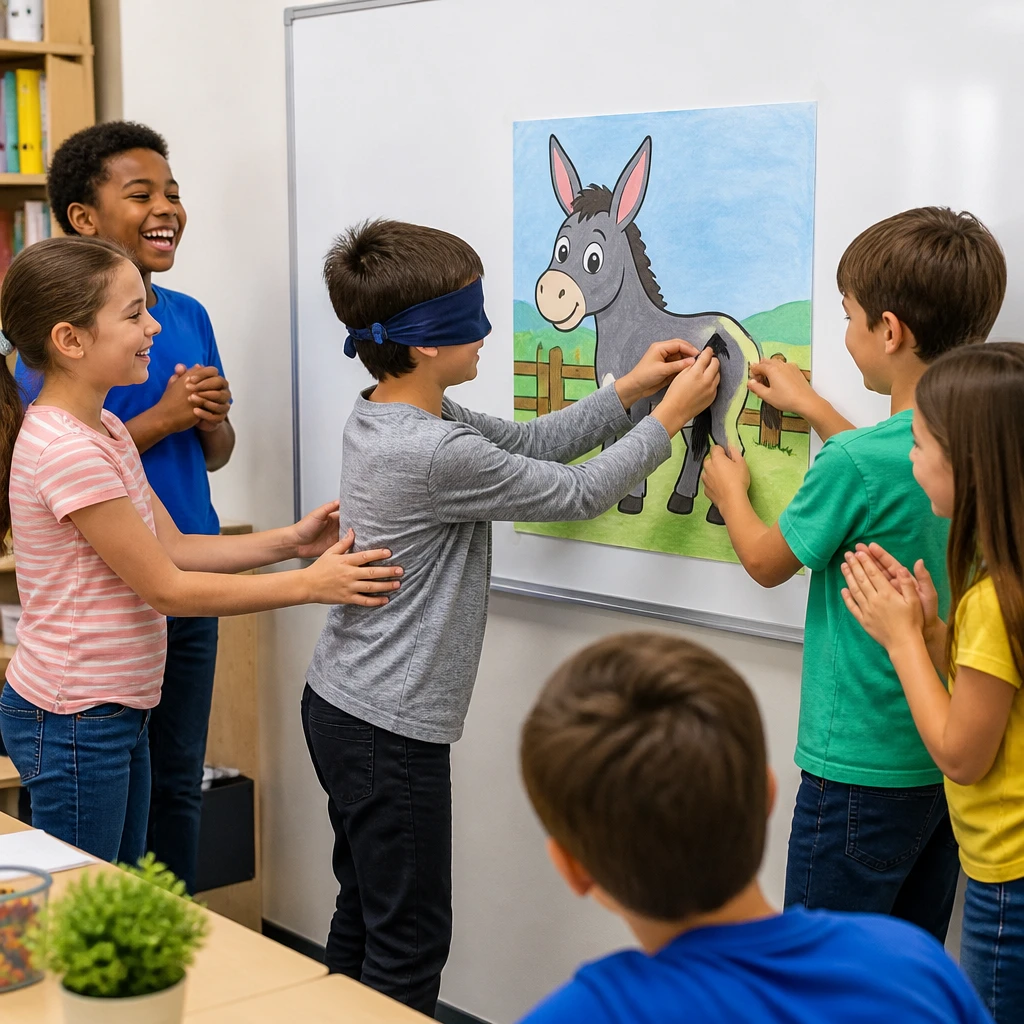
I revised this classic party game so kids assist each other in guiding blindfolded teammates to stick paper tails on a large poster. It fosters gentle communication and encouragement. I enjoy how the team cheers every attempt, creating a supportive atmosphere.
Insight: I’ve seen shy children blossom with group encouragement during this game.
19. Pass the Clap
Pass the Clap is a rhythmic game where kids must sequentially pass a hand clap around the circle without breaking the flow. I find it sharpens focus and group timing. It’s impressive how quickly kids synchronize and maintain the rhythm once they get the hang of it.
Fact: Synchronization games like this enhance group cohesion and attention skills.
20. Collaborative Drawing
I encourage kids to create a single drawing on a large sheet where each contributes part of the image. Watching their ideas merge teaches me a lot about compromise and shared vision. It’s always fun to see the surprising results of their combined creativity.
Pro Tip: Set clear guidelines on turn-taking to keep the drawing balanced and inclusive.
21. Friendship Web
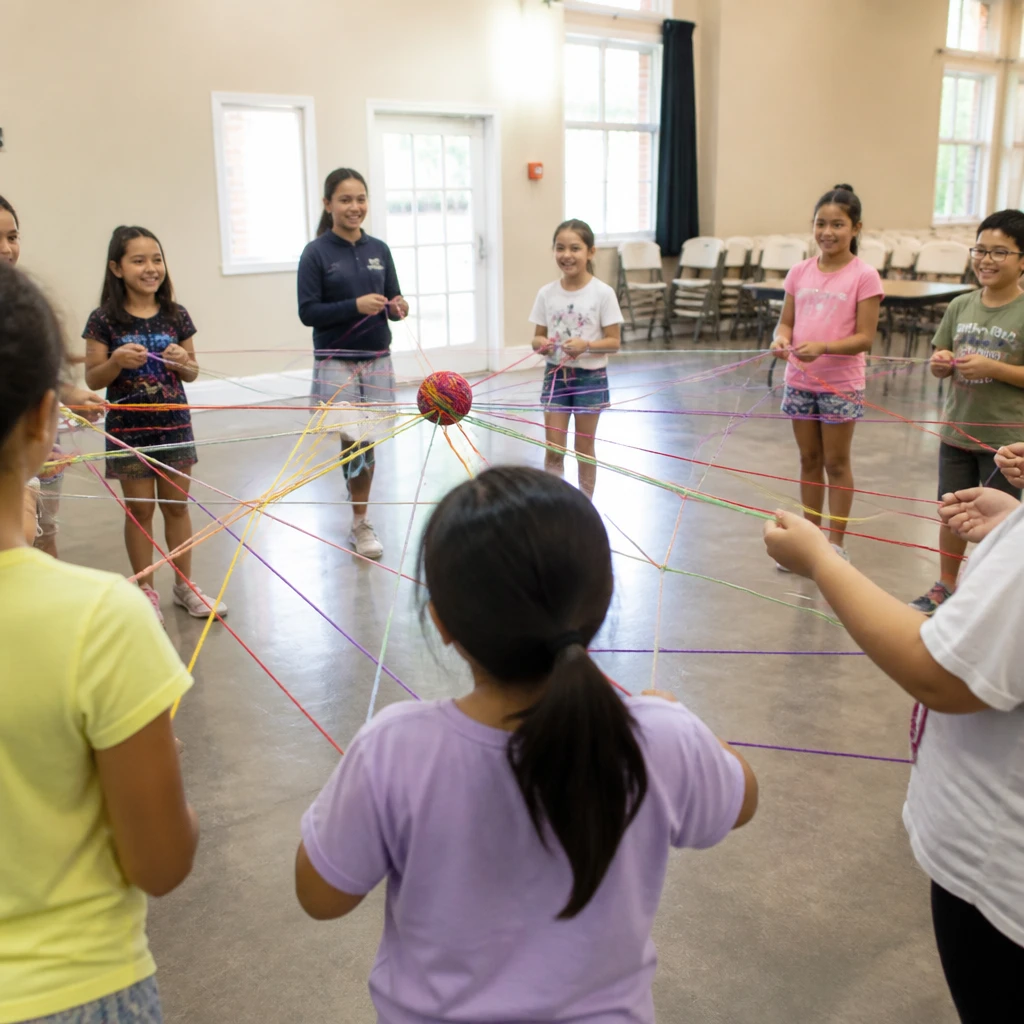
Friendship Web involves tossing a ball of yarn between kids to create a web connecting everyone, symbolic of cooperation. I find this creates tangible visual proof of interdependence that kids find meaningful. It usually sparks great conversations about teamwork and support.
Insight: I noticed this game deepens empathy as children see their connections materialized.
22. The Silent Line
I love The Silent Line because it forces kids to organize themselves quietly by a specific attribute, like age or shoe size. This challenges their body language and observation skills. Each successful silent lineup fills me with pride at their nonverbal teamwork.
Pro Tip: Encourage expressive gestures and eye contact to aid silent communication.
23. Group Juggle
In Group Juggle, I have kids throw multiple balls to each other to keep them all airborne harmoniously. This activity improves focus, timing, and trust within the group. It’s thrilling when kids achieve a long continuous juggle through teamwork.
Fact: Juggling games are proven to increase hand-eye coordination and team focus.
24. Spider Web Obstacle
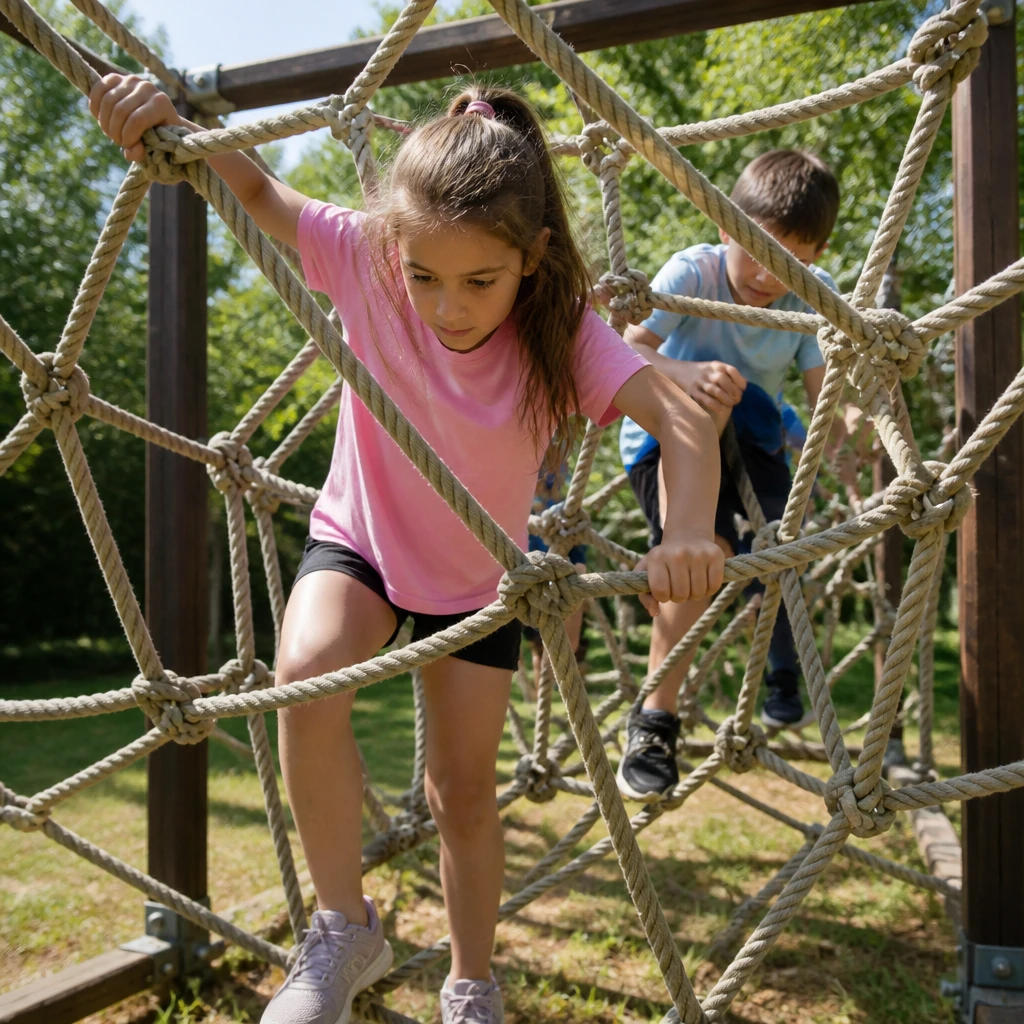
I set up a Spider Web obstacle made from ropes in a frame through which kids must pass without touching the ropes. It requires careful teamwork and planning. I enjoy facilitating as kids strategize and support each other to safely navigate the web.
Pro Tip: Guide kids to communicate and assign roles before attempting the crossing.
25. Musical Chairs with Team Twist
I modify musical chairs by requiring kids to help each other find seats without arguing, promoting cooperation. It transforms a competitive game into a team challenge. The spirit of helping each other truly shines when fewer chairs are available than kids.
Insight: I’ve learned this version encourages kids to balance competition with kindness.
26. The Human Knot Challenge
I always find the Human Knot Challenge an excellent way to encourage communication among kids. In this game, children stand in a circle, grab hands with others across from them, and then work together to untangle without letting go. I've noticed it really helps develop problem-solving skills and patience.
Pro Tip: Encourage kids to talk through each move to improve teamwork.
27. Building a Tower Blindfolded
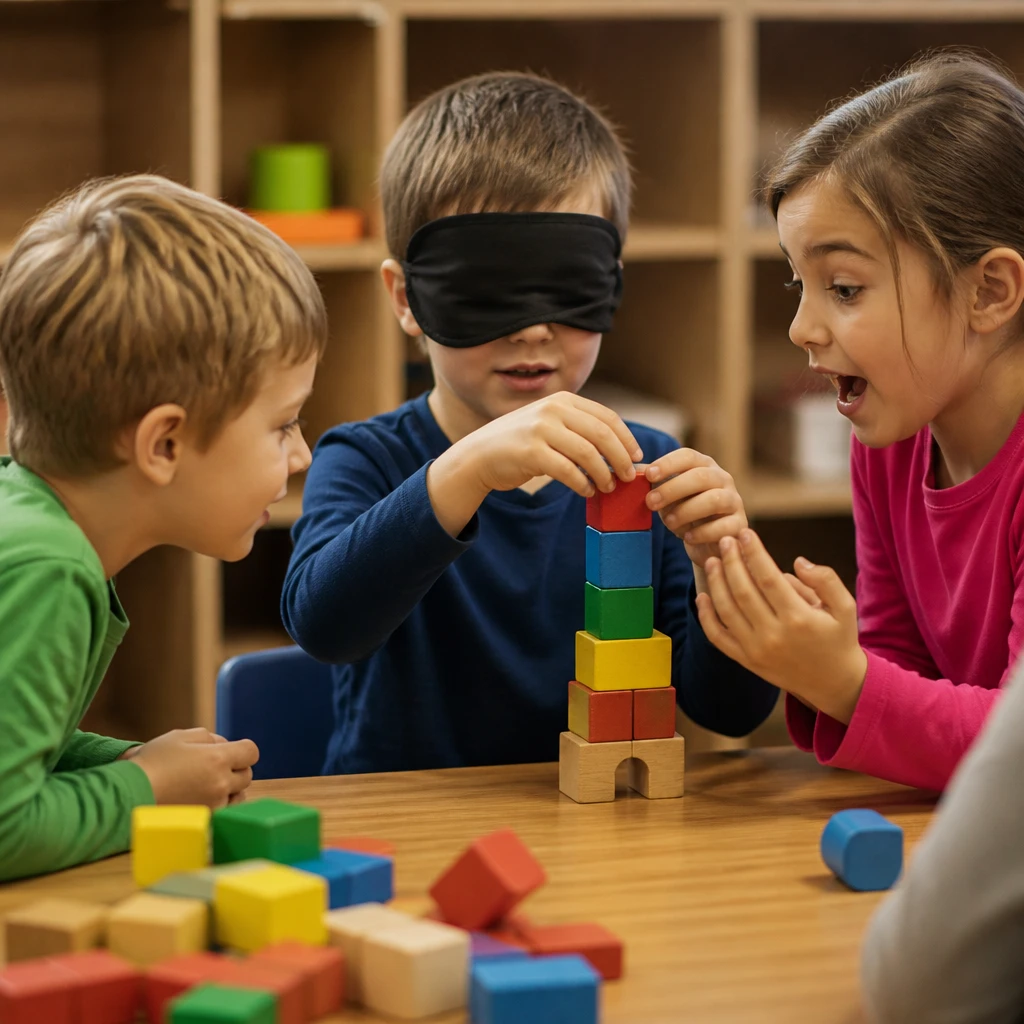
I've tested the Blindfold Tower Building game several times, and it’s great for trust-building. Kids rely on their teammates’ verbal guidance to stack blocks while blindfolded. I always ensure safety first, emphasizing clear communication and patience during the process.
Insight: I’ve seen communication skills soar when sight is taken away.
28. Pass the Hula Hoop Without Breaking the Chain
In my experience, the Hula Hoop Pass game always gets kids laughing while learning cooperation. They must pass a hula hoop around a circle holding hands without breaking the chain. I found this activity superb for teaching spatial awareness and teamwork under lighthearted pressure.
Pro Tip: Start with a large hula hoop and gradually decrease size for a challenge.
29. The Great Egg Drop
I always love setting up The Great Egg Drop because it’s fun and sparks creativity. Kids work in teams to build protective cases to prevent eggs from breaking when dropped. I encourage them to prototype ideas using safe materials like straws and tape, which boosts their collaborative problem-solving skills.
Fact: Egg drop challenges teach principles of physics and engineering teamwork.
30. Team Scavenger Hunt Adventure
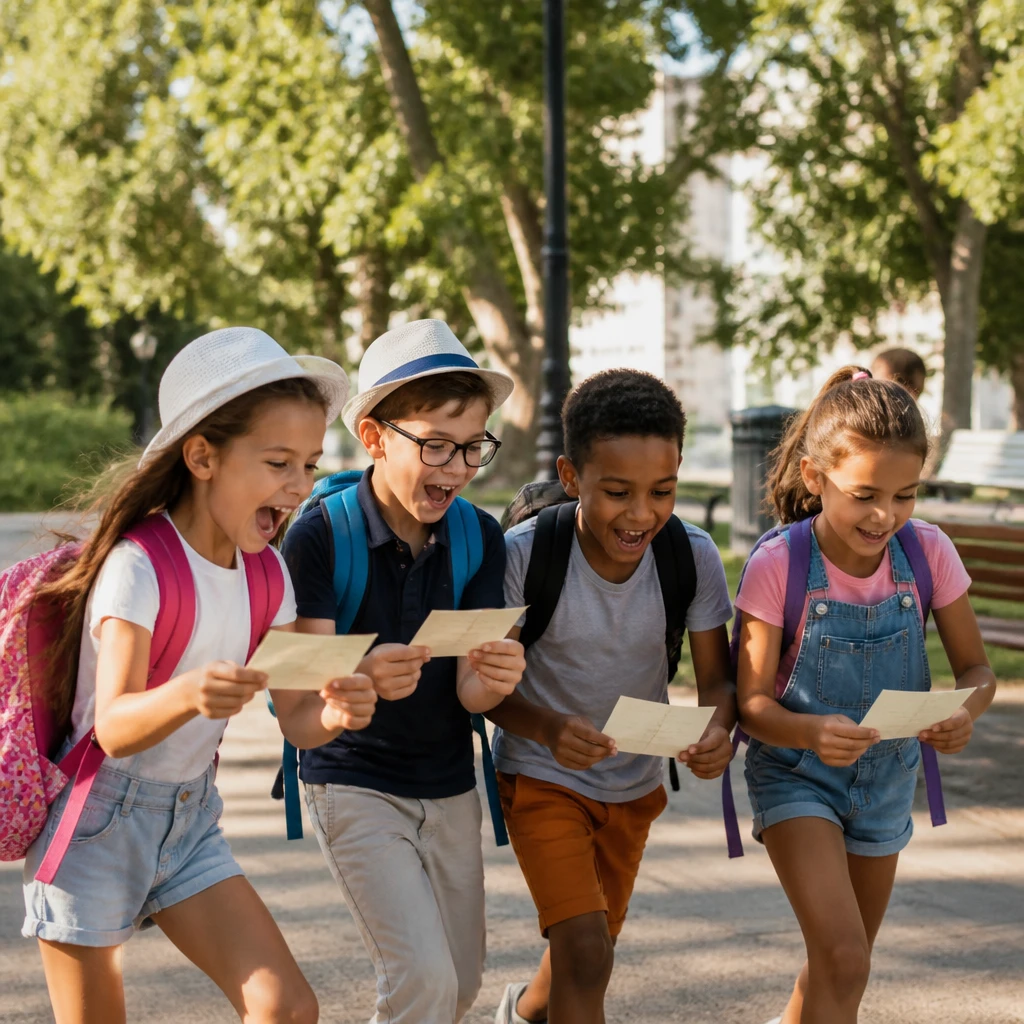
I've organized scavenger hunts that promote strategic thinking and group collaboration. Kids receive clues and must split tasks to find items within a set time. I noticed this activity fosters leadership as kids naturally assume roles based on their strengths.
Insight: I see kids build leadership skills when distributing scavenger hunt roles.
31. Story Circle Collaboration
I’ve found Story Circle Collaboration to be a brilliant way to enhance listening and creativity. Each child adds a sentence to build a group story, requiring everyone to pay attention and connect ideas. I always see shy kids opening up and gaining confidence through this shared experience.
Pro Tip: Encourage kids to build on each other's ideas to strengthen group storytelling.
32. Relay Race with Team Challenges
I tested relay races that add small team challenges at each checkpoint to boost cooperation and energy. Kids have to complete puzzles or tasks together before tagging the next runner. This keeps the activity exciting and emphasizes the importance of working as a unit.
Pro Tip: Mix physical and mental tasks to engage all kids during relay races.
33. Blindfolded Trust Walks
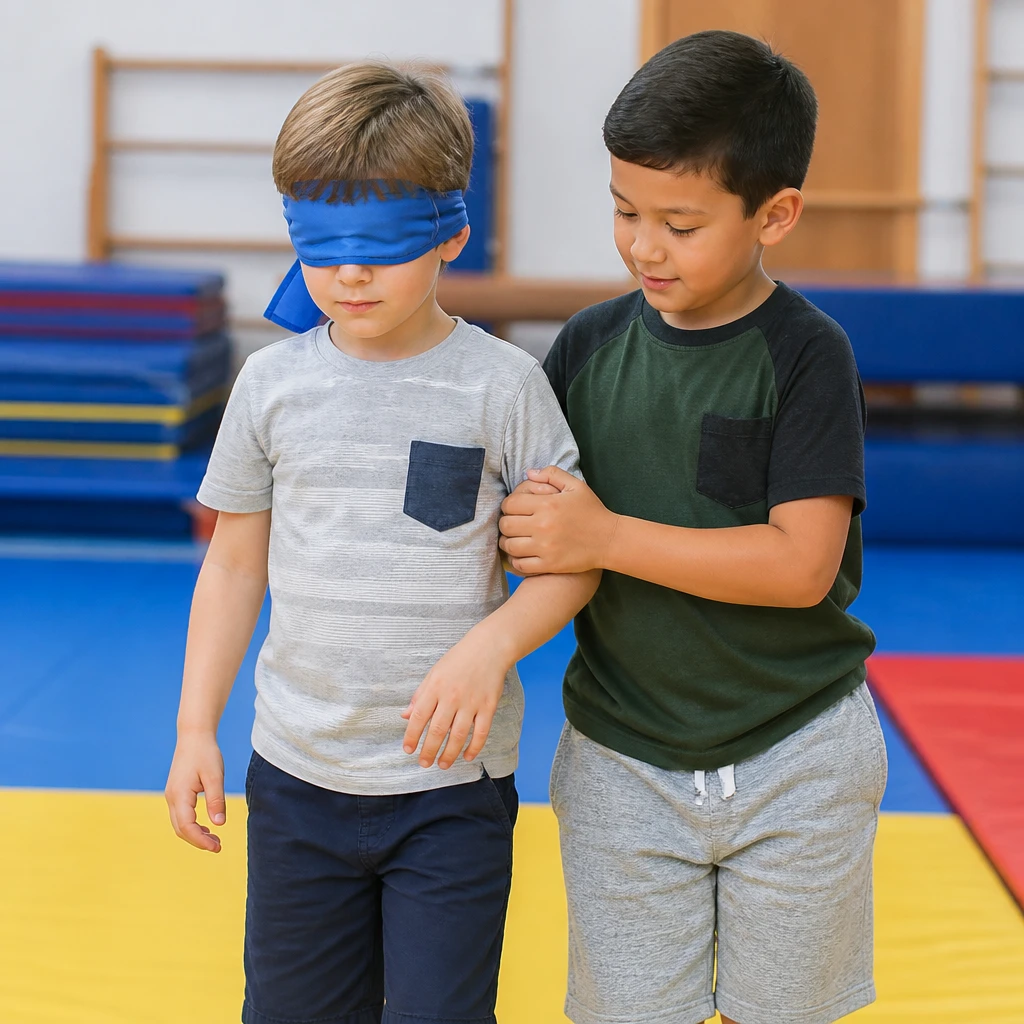
In my experience, blindfolded trust walks are effective for enhancing reliance and communication skills. One child is blindfolded while the other guides them safely through obstacles using only verbal directions. I make sure to create a safe environment with soft surfaces and clear rules.
Fact: Trust walks build empathy by encouraging reliance on teammates’ guidance.
34. Paper Plane Team Competition
I’ve found a paper plane contest to be both simple and rewarding for teamwork. Groups design planes to achieve distance or accuracy, discussing design tweaks together. This activity teaches iteration and collaboration while making it fun and light-hearted.
Pro Tip: Test multiple plane designs as a team to find the best flying model.
35. Puzzle Assembly Race
I always enjoy facilitating puzzle races where teams compete to complete a large puzzle first. It sharpens problem-solving and encourages calm communication under time pressure. I suggest selecting puzzles with bold, kid-friendly images to keep interest high.
Insight: I notice teamwork improves when kids divide puzzle tasks logically.
36. The Silent Line-Up Challenge
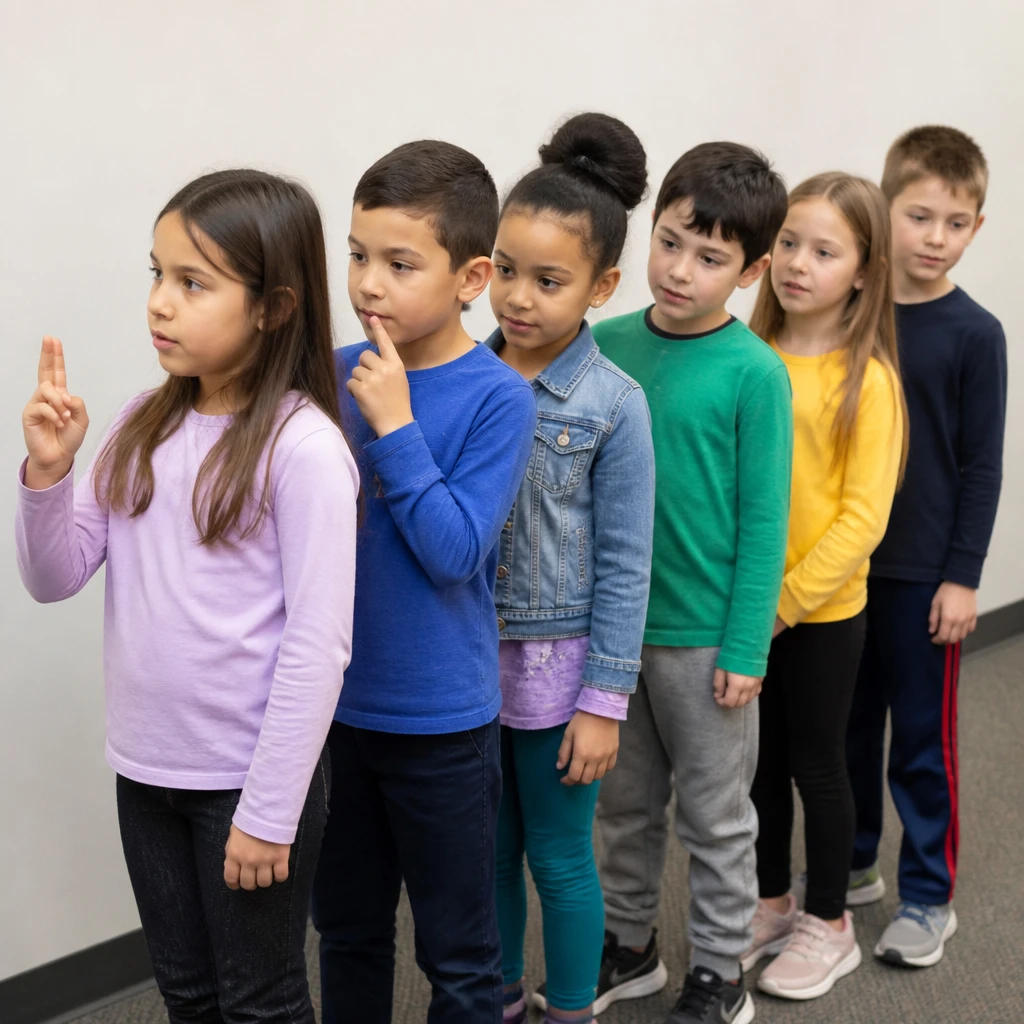
I’ve found the Silent Line-Up challenge excellent for non-verbal communication skills. The goal is to line up by birthday or height without speaking, prompting the use of gestures and facial expressions. I recommend keeping the group size manageable for better interaction.
Pro Tip: Use hand signals and eye contact to encourage effective silent communication.
37. Marshmallow Tower Building
I love the Marshmallow Tower challenge because it combines creativity and collaboration. Kids use spaghetti sticks and marshmallows to build the tallest free-standing tower possible. I always emphasize teamwork and planning before construction begins to improve outcomes.
Fact: This game develops fine motor skills and group planning abilities.
38. Creative Costume Relay
In my experience, costume relays add an imaginative twist to traditional races by requiring teamwork in dressing up. Kids pass costumes down a line and help one another dress quickly before racing. I’ve seen lots of laughter and increased cooperation emerge from this playful game.
Pro Tip: Choose easy-to-wear costumes to keep the relay fast and fun.
39. Collaborative Mural Painting
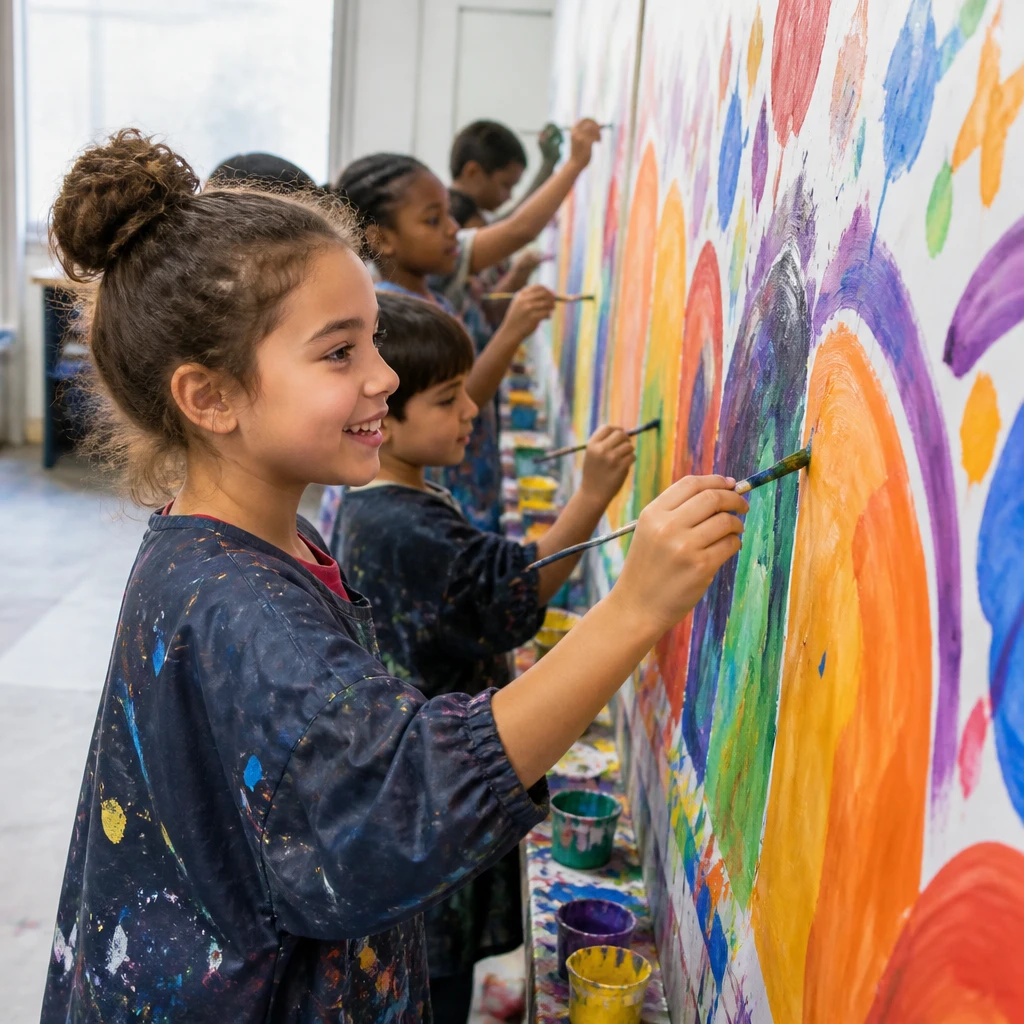
I always cherish the outcomes of collaborative mural painting as it promotes shared creativity and harmony. Kids work together to design and paint a large mural on paper or a wall. I encourage open discussion about ideas to help each child feel included and valued.
Insight: I see collaboration thrive when kids co-create visual art projects.
40. Musical Chairs with a Twist
I enjoy modifying musical chairs to require group problem-solving when the music stops. Instead of just finding a chair, kids must perform a team task together to stay in the game. This encourages quick thinking and cooperative fun that keeps all players engaged.
Pro Tip: Incorporate simple team tasks like high fives or group huddles.
41. What's My Name? Team Edition
I've found 'What's My Name?' a fun guessing game that helps kids with communication and deduction. Each child has a name tag on their back, guessing who they are based on teammates’ clues. I always make sure the clues are encouraging to promote positive interaction.
Fact: This game builds listening skills and boosts peer support.
42. Team Balloon Pop
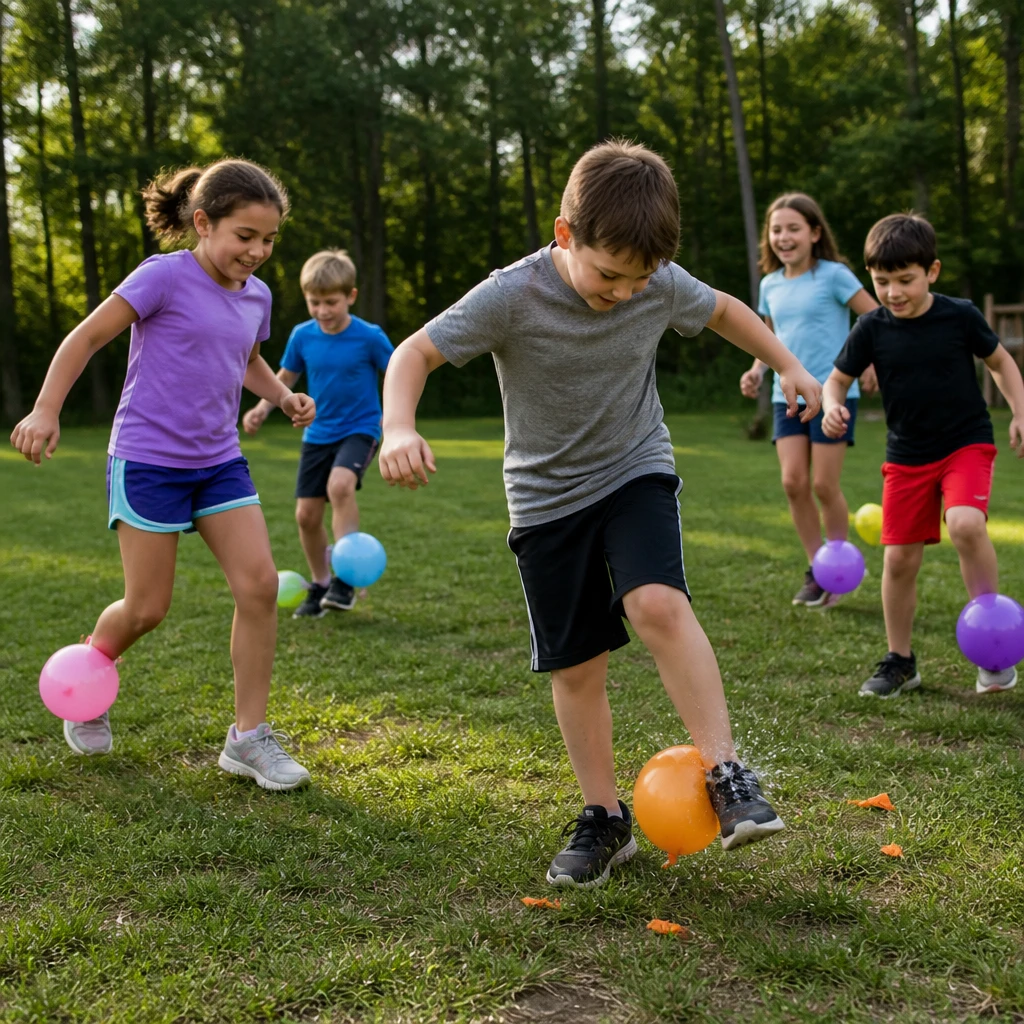
I like playing Team Balloon Pop because it requires coordination and quick team actions. Kids tie balloons to ankles and work to pop other teams’ balloons while protecting their own. I emphasize playing fairly and cheering all efforts to keep the atmosphere supportive.
Pro Tip: Clear safety rules help keep energetic balloon games fun and injury-free.
43. Chain Storytelling with Illustration
I love combining storytelling and drawing in a team setting where each child adds a part to the story and illustrates it. This pushes creative collaboration, helping kids visualize ideas together. I always provide plenty of art supplies to keep everyone engaged and expressive.
Insight: I observe creativity thrive when stories are paired with shared illustrations.
44. Obstacle Course Team Relay
I find obstacle course relays great for combining physical fitness and teamwork. Teams strategize on how to navigate challenges like crawling and balancing before passing the baton. I recommend customizing courses to match the kids’ age and abilities for safety and fun.
Fact: Obstacle courses enhance physical coordination and cooperative strategy.
45. Group Jump Rope Challenge
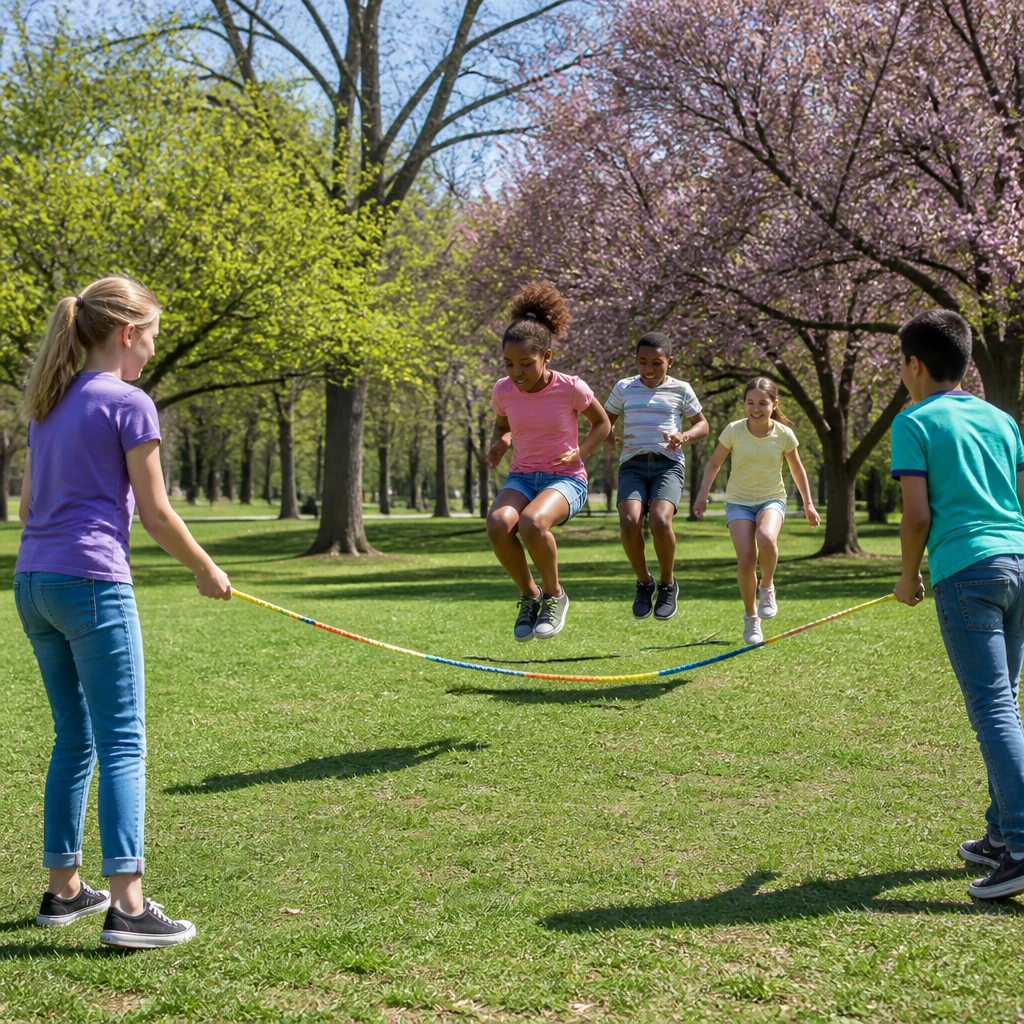
In my experience, the group jump rope challenge is a fantastic test of timing and cooperation. A large rope swings while kids jump in and out together, requiring rhythm and patience. I always cheer teams on to build group spirit and resilience as they try to stay coordinated.
Pro Tip: Practice a rhythm together before adding more jumpers to the rope.
Conclusion
I hope these 45 team building games inspire you to create fun and meaningful experiences that foster teamwork with kids in 2026. I’ve found that with the right activities, children develop important life skills while building friendships. Don’t hesitate to adapt and mix these games to suit your group’s unique energy and needs.