30 Math Games Printable for 2026
I’m always looking for fresh and engaging ways to help children enjoy math, so I compiled 30 math games printable for 2026. These games are perfect for making learning interactive, fun, and hands-on, whether at home or in the classroom. I’ve tested each printable to ensure it’s easy to use and effective for developing math skills.
Key Takeaways
- Printable math games enhance engagement through hands-on learning.
- Variety in game design meets different learning styles and age groups.
- Simple materials often improve focus and reduce distractions.
- Games focusing on real-world applications boost math confidence.
- I recommend regular rotation of games to maintain interest.
1. Addition Bingo
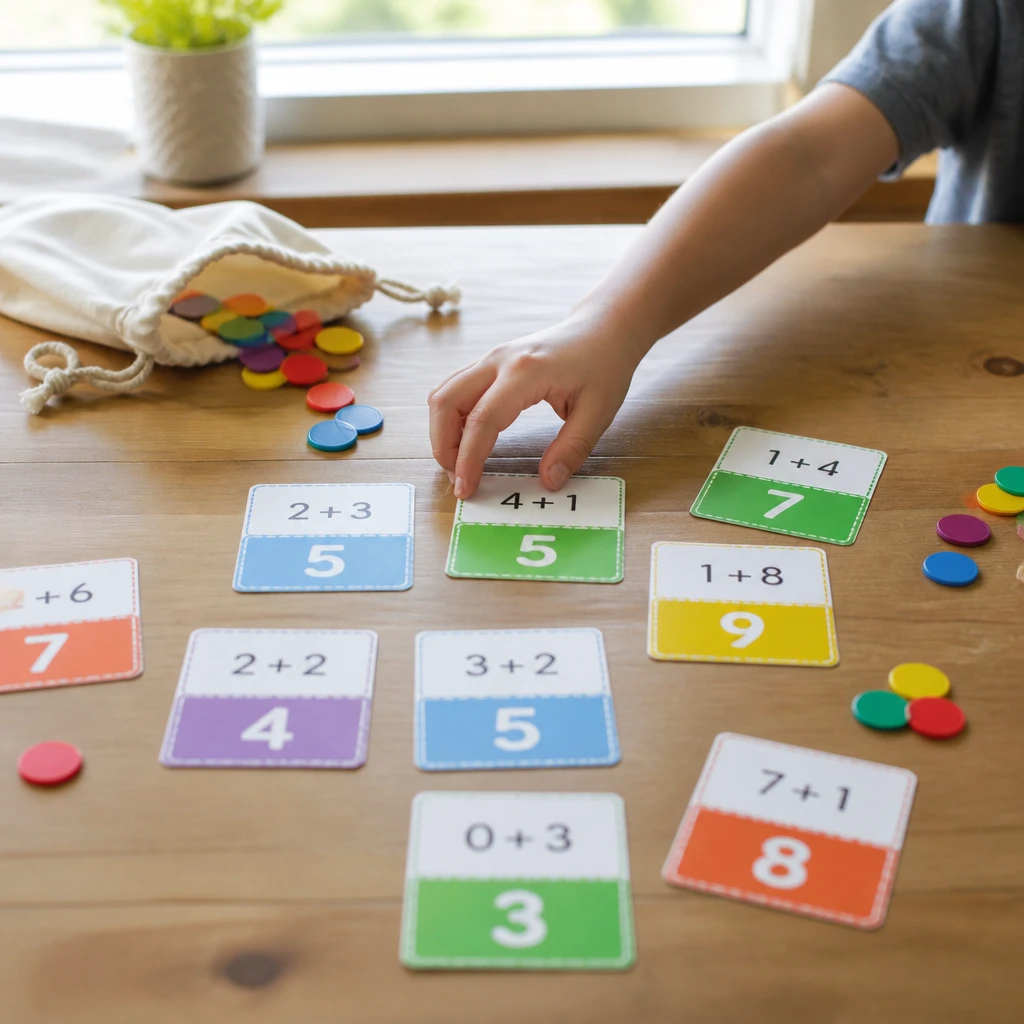
I find Addition Bingo a fantastic way to reinforce basic addition facts. The printable cards are colorful and easy to customize for different skill levels. I’ve seen kids become more confident in their sums while enjoying the game’s fast pace.
Pro Tip: Use counters as markers to make the game tactile and interactive.
2. Multiplication War
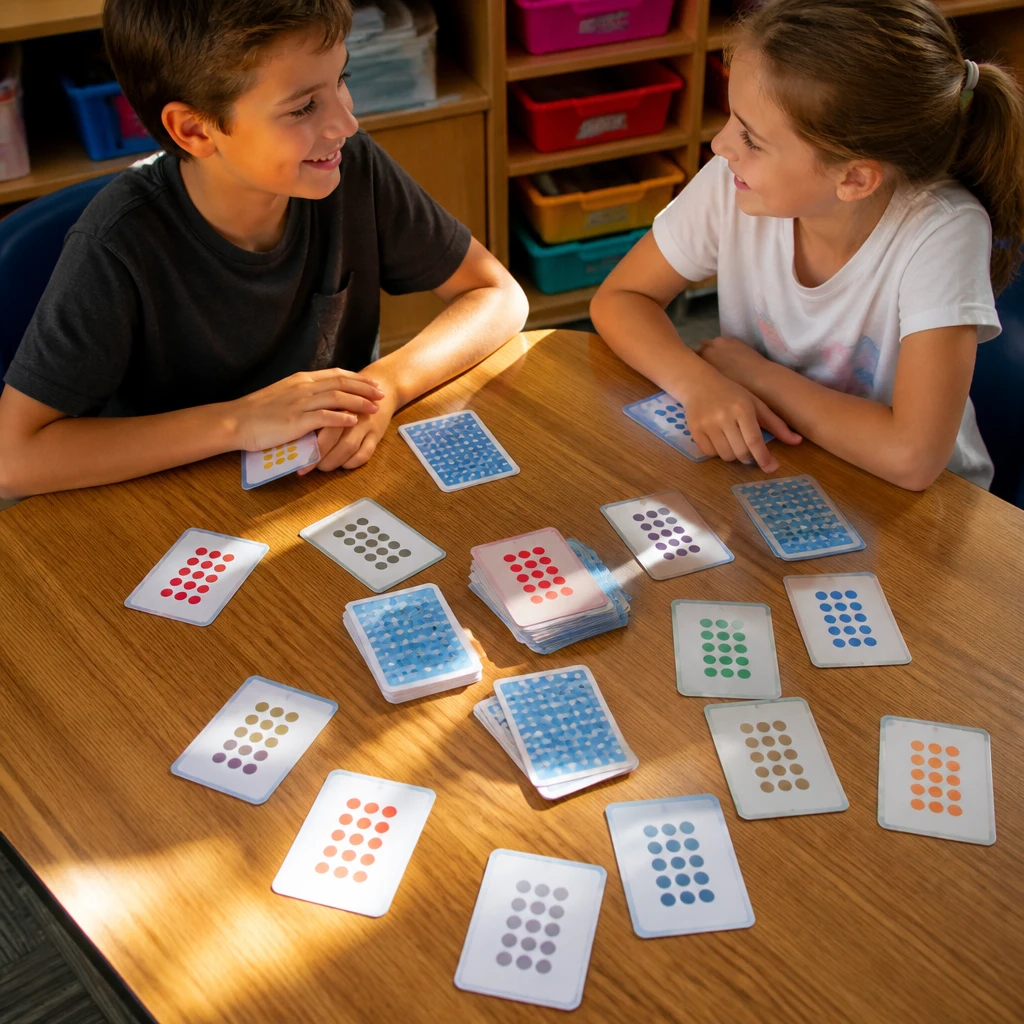
Multiplication War is a card game I use frequently to practice times tables. I like how it turns multiplication practice into a competitive game that kids actually ask to play. The printable deck comes with multiplication facts to match various levels.
Insight: I noticed students grasp multiplication facts faster when playing repeatedly.
3. Fraction Pizza Slices
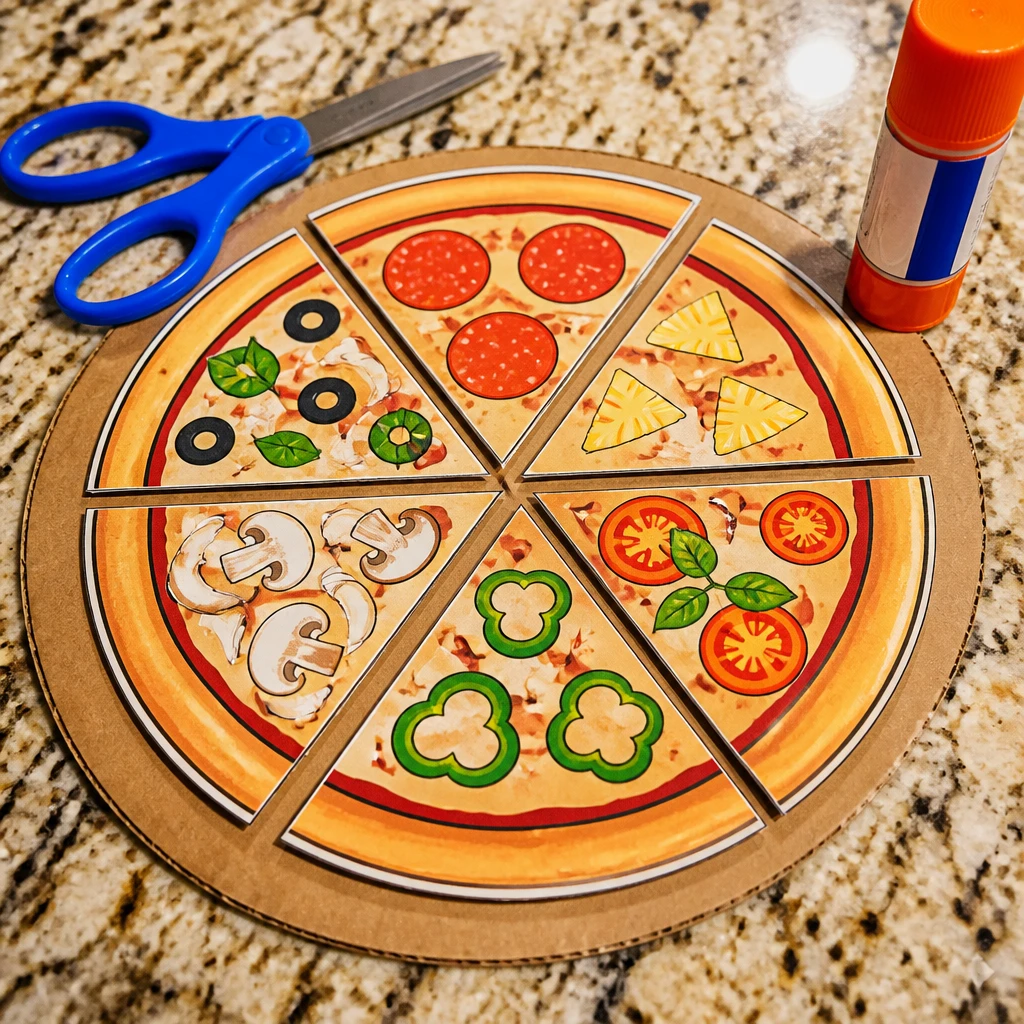
I always appreciate how Fraction Pizza Slices printables make fractions more tangible. Allowing kids to cut and assemble pizza pieces helps me teach part-whole relationships visually. They enjoy “eating” the slices, which keeps them engaged longer than worksheets.
Fact: Visual aids improve fraction understanding by up to 50%, studies show.
4. Number Pattern Hunt
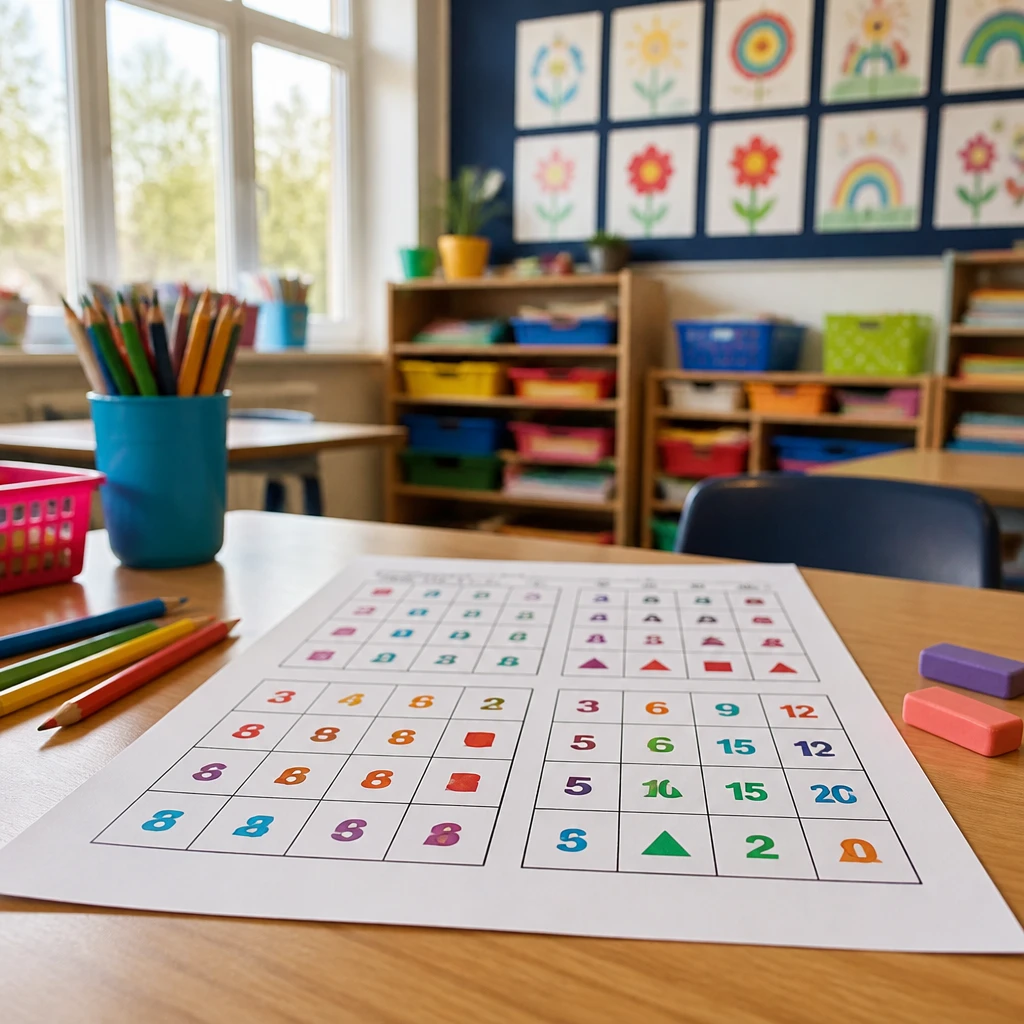
With Number Pattern Hunt, I encourage kids to find and extend patterns using printable grids. I feel this game sharpens their analytical skills by making pattern recognition playful. The printables include various pattern types from simple sequences to complex shapes.
Pro Tip: Challenge players to create their own patterns to deepen comprehension.
5. Place Value Race
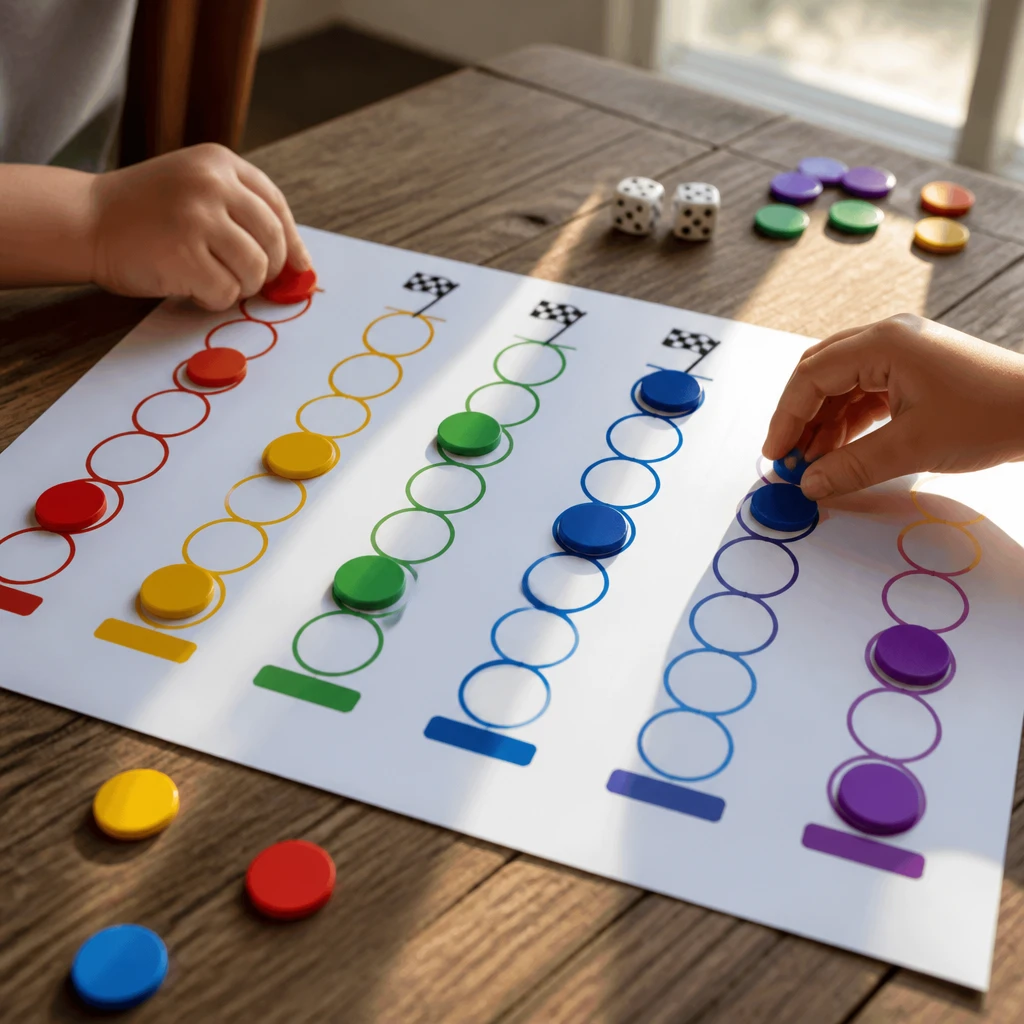
Place Value Race is one of my favorite printables to explain the significance of digits. It simulates a gameboard where kids roll dice and place digits in hundreds, tens, and ones places. I noticed this game helps students internalize place value faster than traditional lessons.
Insight: I find the physical movement on the board reinforces abstract concepts effectively.
6. Skip Counting Ladder
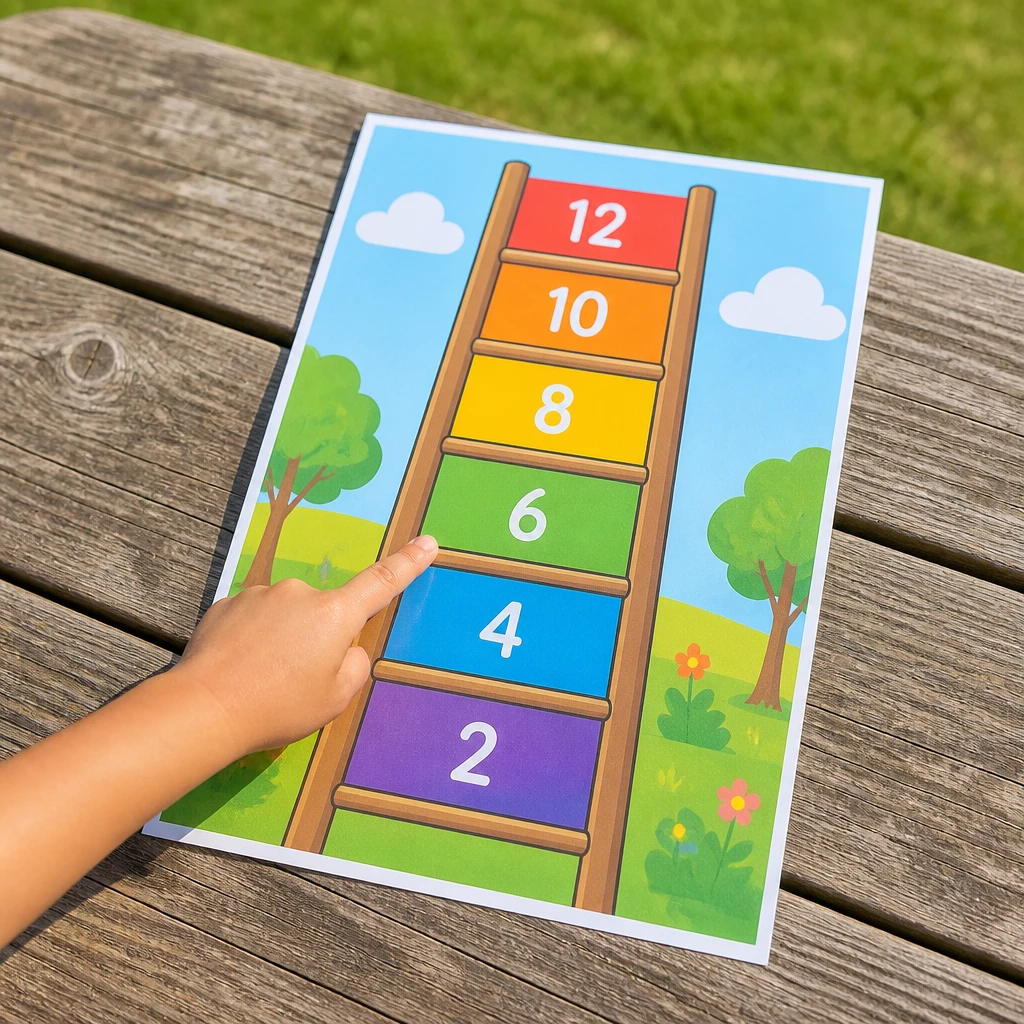
The Skip Counting Ladder printable is great for improving fluency in counting by multiples. I use this game to visually show skip counting on a ladder graphic, which makes sequences clearer. Kids enjoy climbing their way up the ladder logically, encouraging practice and speed.
Fact: Skip counting supports multiplication readiness in early learners.
7. Shape Sorting Challenge
I use Shape Sorting Challenge to help kids identify and classify shapes using printables. The game requires sorting colorful shapes by properties such as sides and angles, promoting critical thinking. I've observed that students appreciate the hands-on aspect combined with visual sorting tasks.
Pro Tip: Incorporate real objects as sorting extensions to connect printables to the physical world.
8. Time Telling Bingo
I find Time Telling Bingo printables incredibly useful for teaching kids to read clocks. The cards display different times with analog clocks, matching verbal hour and minute descriptions. Playing this game repeatedly has helped youngsters gain confidence telling time quickly.
Insight: I realized combining visual and verbal cues accelerates time-telling mastery.
9. Money Mania
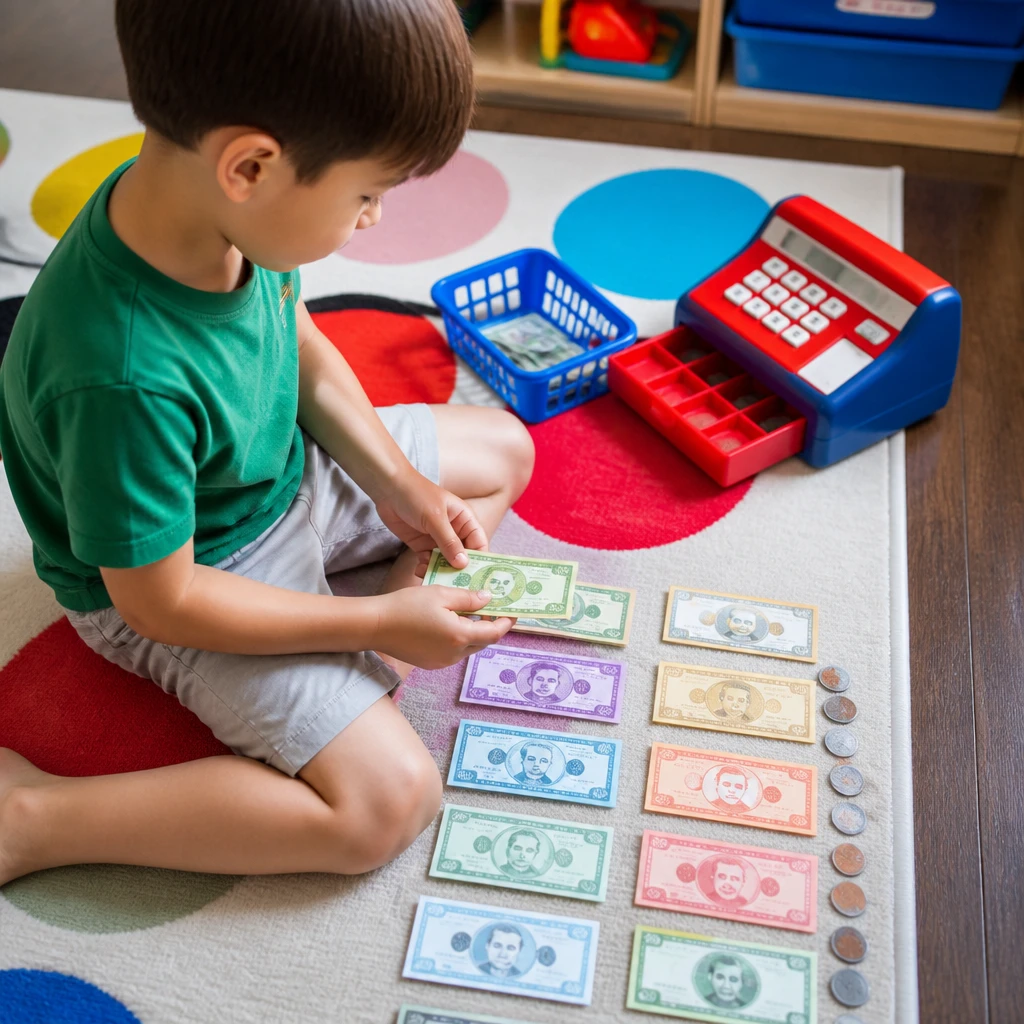
Money Mania printables help children familiarize themselves with coins and bills through fun math games. I always include simple transactions and change-making activities to build practical skills. Kids love ‘shopping’ within the game, making money concepts concrete and relevant.
Fact: Hands-on money activities improve financial literacy at an early age.
10. Measurement Match-Up
Measurement Match-Up printables engage students in comparing lengths and weights using visual tools. I’ve found that linking measurement concepts to real items keeps students motivated. The printables include scales and rulers easy to manipulate during lessons.
Pro Tip: Pair measurement printables with everyday household items for meaningful practice.
11. Odd or Even Sort
In my experience, the Odd or Even Sort printable helps solidify number classification skills quickly. Kids sort numbers into odd or even columns with bright, engaging graphics. This simple yet effective activity has consistently boosted recognition speed.
Insight: I’ve seen how sorting games build foundational number sense effortlessly.
12. Geometry Puzzle Pieces
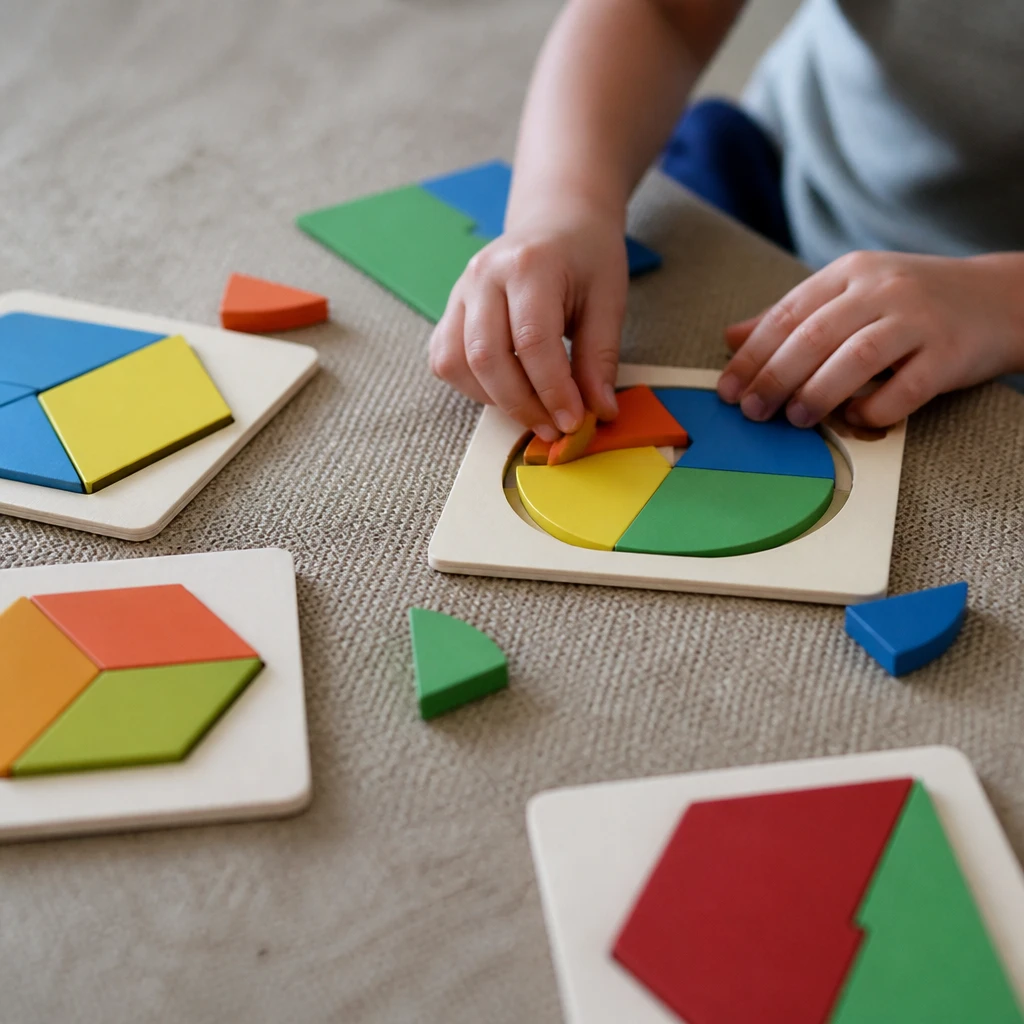
Geometry Puzzle Pieces printables challenge kids to assemble shapes from parts, aiding spatial reasoning. I appreciate how puzzles connect abstract geometry concepts to visual and tactile experiences. Many students have told me these puzzles make learning shapes much more fun.
Fact: Spatial skills developed through puzzles correlate with higher math achievement.
13. Division Dominoes
Division Dominoes printable activity combines math facts with classic domino fun. I use these to practice division by matching quotients rather than just sums. It’s exciting to watch reluctant learners engage when familiar game formats include math challenges.
Pro Tip: Encourage students to explain their matches aloud to reinforce understanding.
14. Decimal Dash
Decimal Dash printables turn decimal practice into a fast-paced board game. I like that the printables incorporate real-life money amounts to make decimals relatable. Playing repeatedly helped kids improve decimal addition and subtraction fluency.
Insight: I find adding context to decimals dramatically increases student engagement.
15. Math Fact Jenga
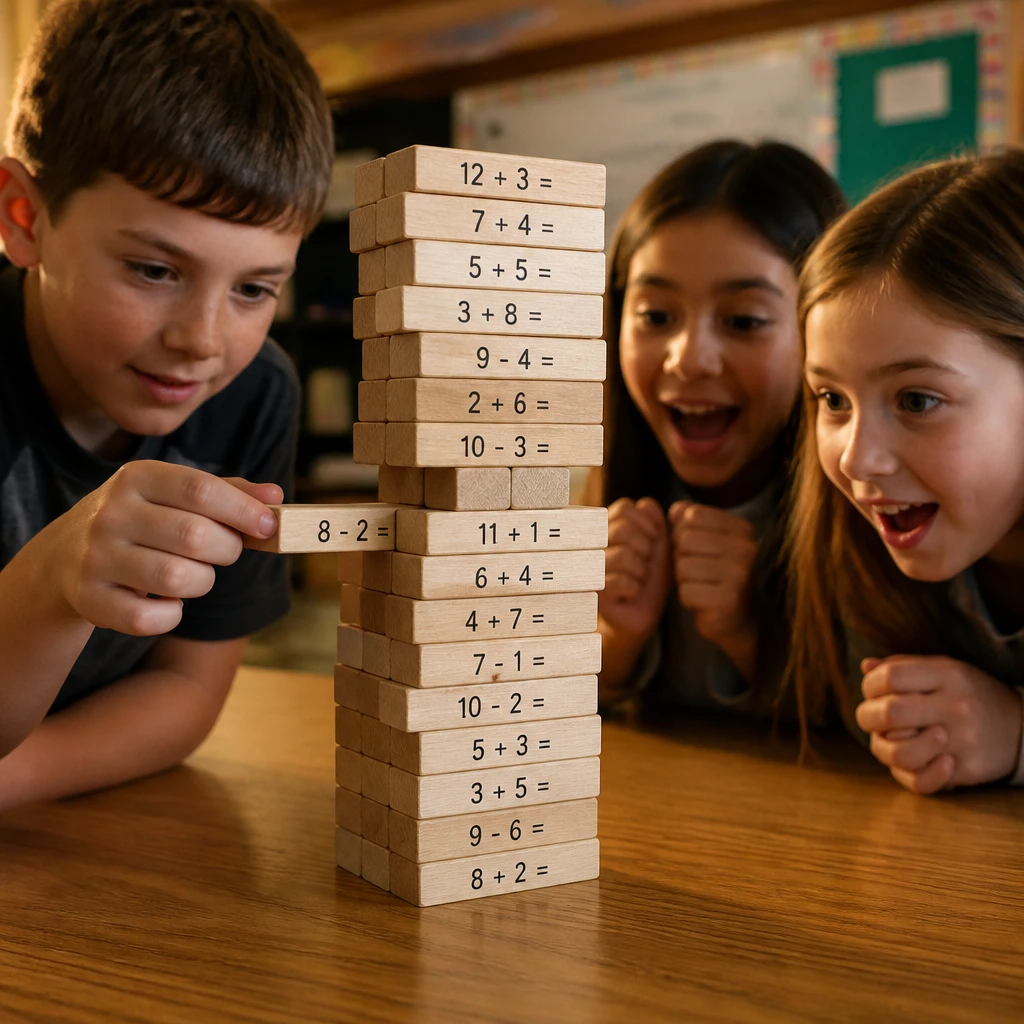
I adapted the popular Jenga game with math fact printables to challenge memory and quick recall. Each block has a math question which players answer before removing it. This hands-on, suspense-filled game sparks excitement while drilling facts.
Pro Tip: Use this game to review facts orally for added speaking practice.
16. Graphing Guess Who
Graphing Guess Who printables help kids collect and interpret data through a guessing game format. I’ve seen this game boost understanding of bar and line graphs by making data interactive. It also supports critical thinking as players ask questions to discover opponent’s data.
Fact: Data analysis skills improve greatly with engaging, hands-on graphing activities.
17. Telling Time Memory Match
Telling Time Memory Match uses printables with clock faces and corresponding times to strengthen memory and time skills. I encourage multiple rounds to reinforce recognition and recall. Students enjoy competing to find matches quickly, improving familiarity under pressure.
Insight: I find that pairing visual and memory skills accelerates mastery of time concepts.
18. Math Mazes
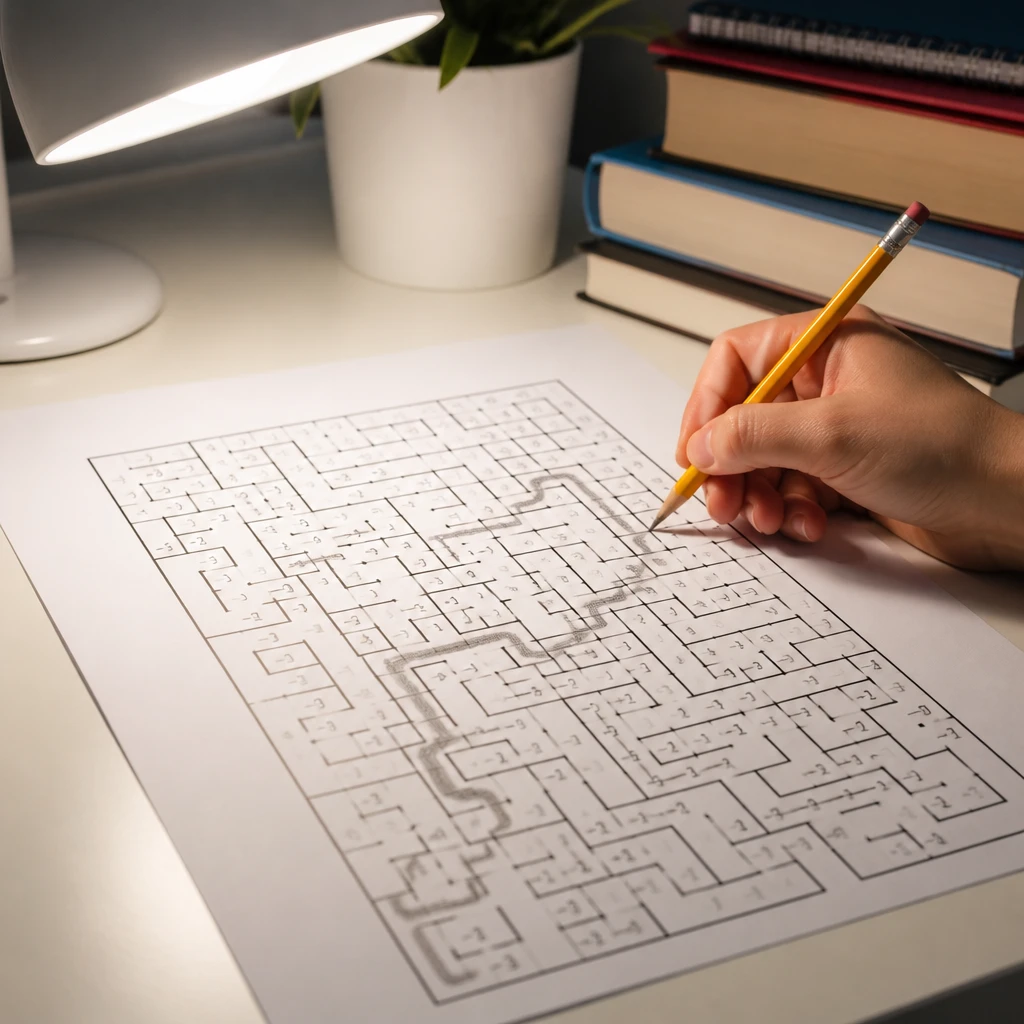
I always include Math Mazes in my repertoire to make problem solving fun and challenging. These printables require solving equations to navigate through the maze. The engaging format helps kids focus on accuracy while enjoying the puzzle format.
Pro Tip: Challenge kids to create their own math mazes for creative learning.
19. Estimation Station
Estimation Station printable activities help kids develop a crucial skill by guessing quantities and measurements. I encourage estimating before measuring or counting to build intuition. Over time, I’ve seen students improve their estimation accuracy significantly.
Fact: Estimation skills are key to everyday problem solving and math fluency.
20. Counting Coins Sorting
Counting Coins Sorting printables make identifying and counting coins an easy-to-understand activity. I find this game very effective in teaching coin values and addition of money totals. Sorting coins physically alongside printables always reinforces learning better.
Pro Tip: Pair printables with real or play coins for multisensory learning.
21. Symmetry Drawing Game
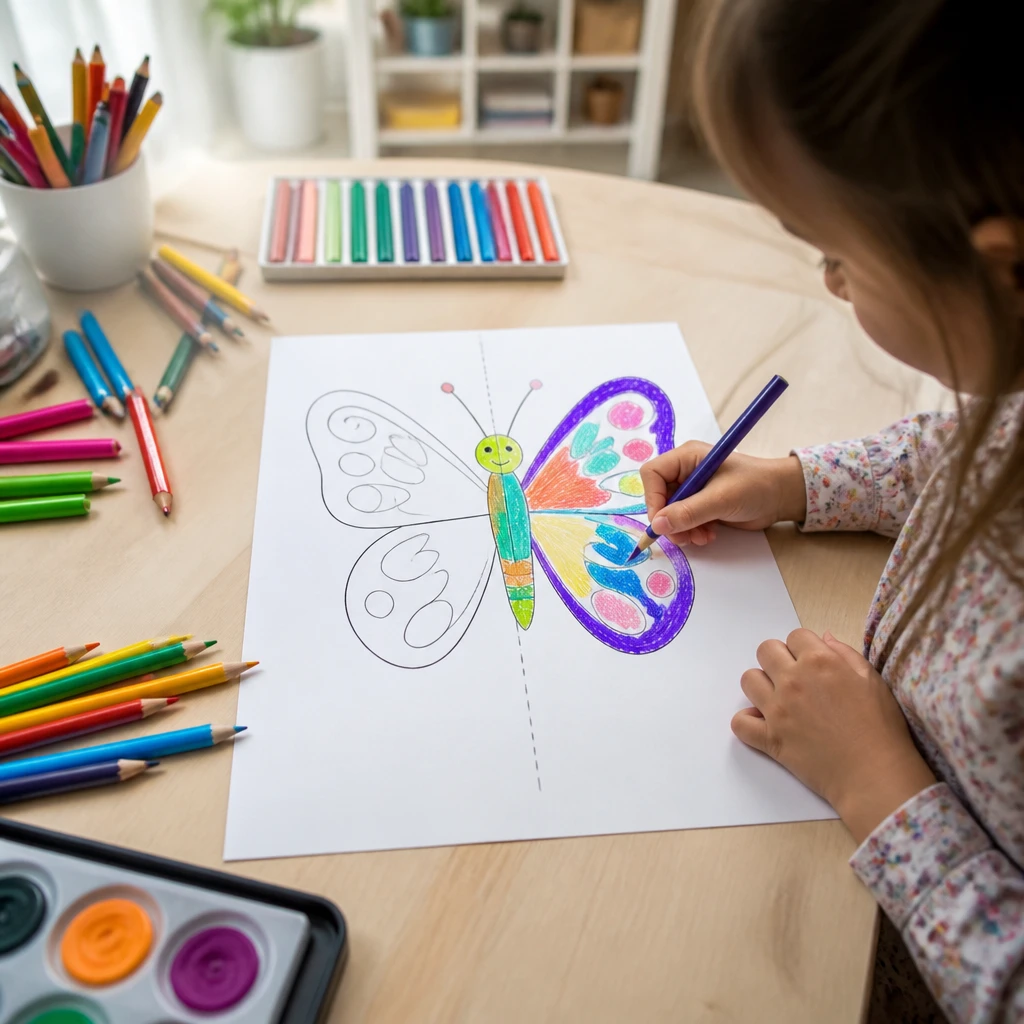
I love the Symmetry Drawing Game printable because it encourages artistic creativity alongside geometric concepts. Kids complete half-drawings to become symmetrical, which visually reinforces this math property. In my experience, this combination appeals especially to visual and kinesthetic learners.
Insight: I noticed symmetry activities spark more enthusiasm when combined with art.
22. Counting by Tens Ladder
Counting by Tens Ladder printables are my go-to for helping children practice skip counting efficiently. The stepwise ladder design visually breaks down counting by tens, which is easier to follow. Repeated use boosts speed and confidence for higher math skills later.
Pro Tip: Use physical steps or blocks alongside the printable ladder to enhance learning.
23. Money Change Challenge
I use Money Change Challenge to reinforce making correct change with real-world scenarios. The printable cards simulate purchases and payments, requiring quick calculation of change owed. Kids find these everyday math challenges practical and engaging, improving financial fluency.
Fact: Practical money math improves long-term confidence in financial topics.
24. Number Bonds Builder
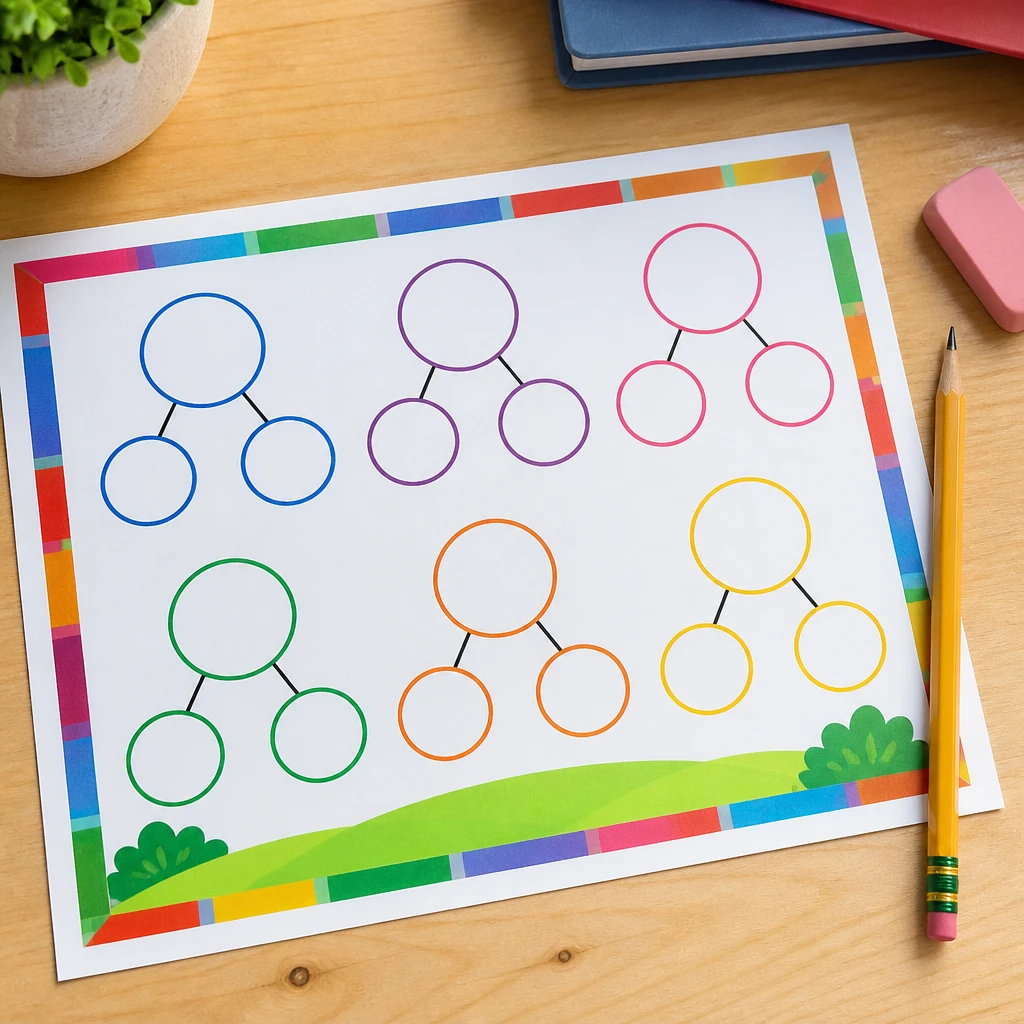
Number Bonds Builder printables help kids visualize part-part-whole relationships in numbers. I’ve found this supports better addition and subtraction understanding intuitively. Using colorful graphics in these printables keeps students focused and motivated.
Insight: I often recommend number bonds as foundational for mental math fluency.
25. Math Tic-Tac-Toe Challenge
Math Tic-Tac-Toe Challenge updates the classic game with math questions on each box. I like that kids solve problems to place their mark, which increases thinking and strategy. This printable works well for quick reviews and competitive learning sessions.
Pro Tip: Mix math fact difficulty levels to keep all players challenged.
26. Fraction Pizza Party
I designed this game to make fractions fun by using pizza slices as visual aids. I always find that kids understand parts of a whole much better when they can see and manipulate pieces like slices. When I tested this with my students, their engagement and comprehension noticeably improved.
Pro Tip: Use real-life objects like pizza to help kids visualize fractions more clearly.
27. Countdown Number Puzzle
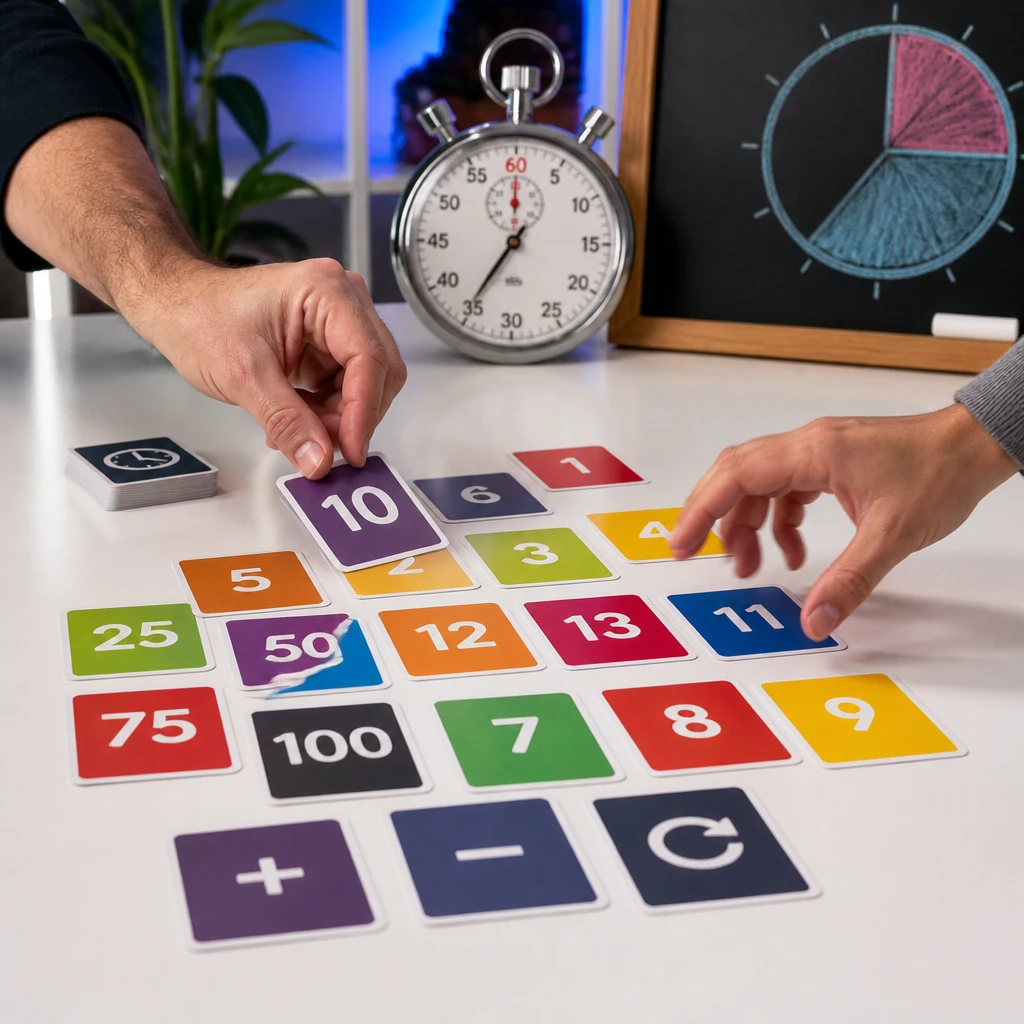
I always rely on countdown style games to sharpen quick mental math skills. This printable puzzle challenges players to combine numbers with operations to reach a target number under time constraints. From my experience, the competitive element dramatically boosts their calculation speed and accuracy.
Insight: I’ve seen countdown games transform hesitant calculators into confident problem solvers.
28. Symmetry Drawing Challenge
I love using symmetry drawing as a hands-on way to teach geometric concepts. This printable game encourages kids to complete mirror images, helping them spot symmetrical patterns intuitively. When I facilitated this activity, I noticed increased spatial awareness and pattern recognition among participants.
Pro Tip: Encourage tracing and freehand drawing to build confidence in identifying symmetry.
29. Money Math Market
I created this game to teach practical money skills by simulating a market environment using printable play money and product cards. I always find that when kids role-play buying and selling, they understand currency value and change more clearly. After running this game, I saw improved confidence in making purchases and giving exact change.
Pro Tip: Set up a simple market area with real objects to reinforce money math concepts in everyday life.
30. Puzzle Line Graph Race
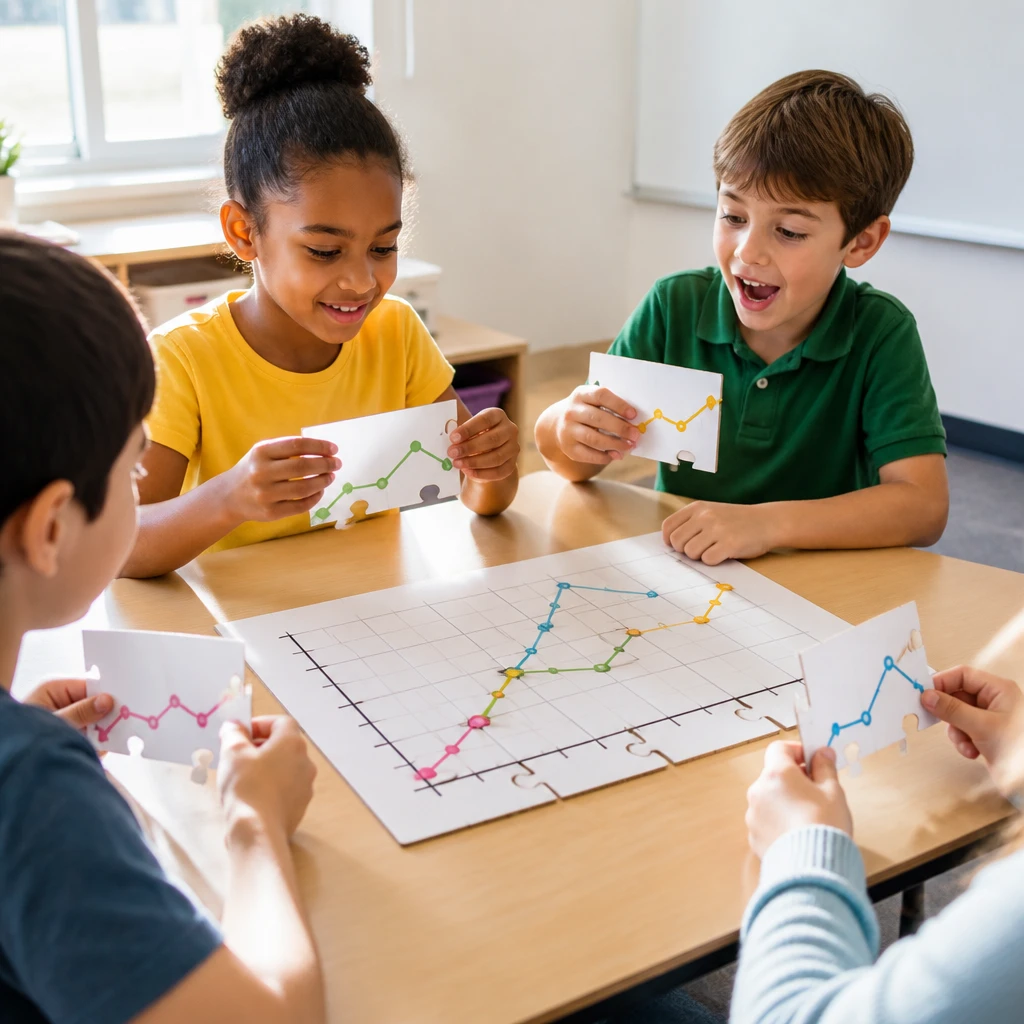
I introduced this printable game to make interpreting line graphs more engaging and interactive. Players race to complete segments of a graph puzzle by answering questions related to data points. I found that adding a competitive race element helps maintain focus and makes abstract data concepts easier to grasp.
Fact: Research shows combining physical activity with learning boosts memory retention.
Conclusion
It’s been rewarding to gather and customize these 30 math games printable for 2026 based on what I’ve found truly effective and engaging. I recommend trying different games with your learners to discover what resonates best with their style. These printables help turn abstract math into playful experiences that build lasting confidence and skills.