20 Patchwork Sweatshirt DIY Ideas for 2026
I absolutely love transforming basic sweatshirts into unique pieces with patchwork techniques. Over the years, I've experimented with various fabrics, styles, and sewing methods to create personalized sweatshirts that stand out. In this article, I'll share 20 creative patchwork sweatshirt DIY ideas that are perfect for 2026, giving you fresh inspiration for your upcycling projects.
Key Takeaways
- Mixing different fabric textures adds depth and personality to patchwork sweatshirts.
- Using visible stitching techniques can elevate the handmade aesthetic.
- Incorporating sustainable or recycled materials keeps your projects eco-friendly.
- Customizing with asymmetrical patch placement creates a modern look.
- Layering patches over graphics or logos can refresh old sweatshirts creatively.
1. Color-Blocked Cozy Sweatshirt
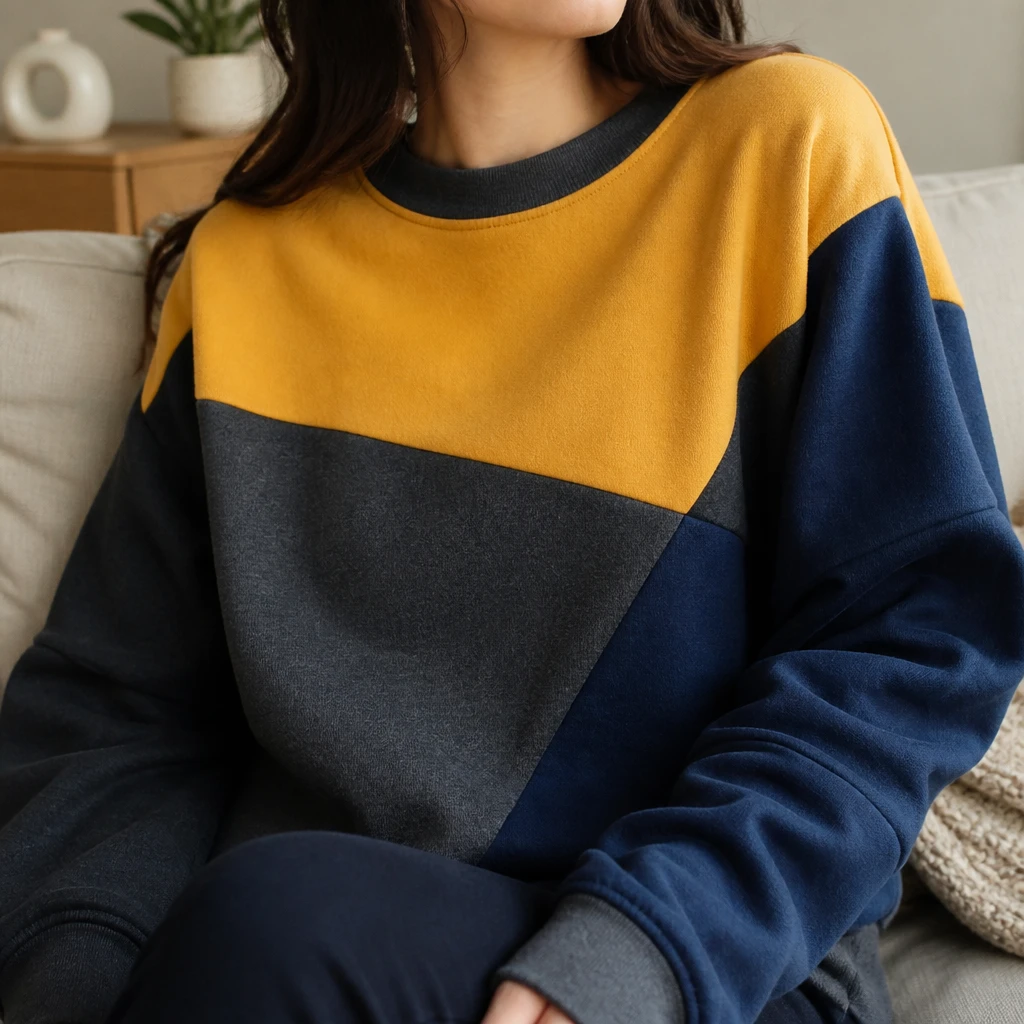
I love starting with bold color blocks when patchworking sweatshirts because it creates a striking visual impact. I usually pick complementary or contrasting fabric colors to enhance the design. This method is simple but makes the sweatshirt feel fresh and vibrant.
Pro Tip: Choose fabrics with similar weights to maintain sweatshirt comfort when color blocking.
2. Denim Patch Pocket Accents
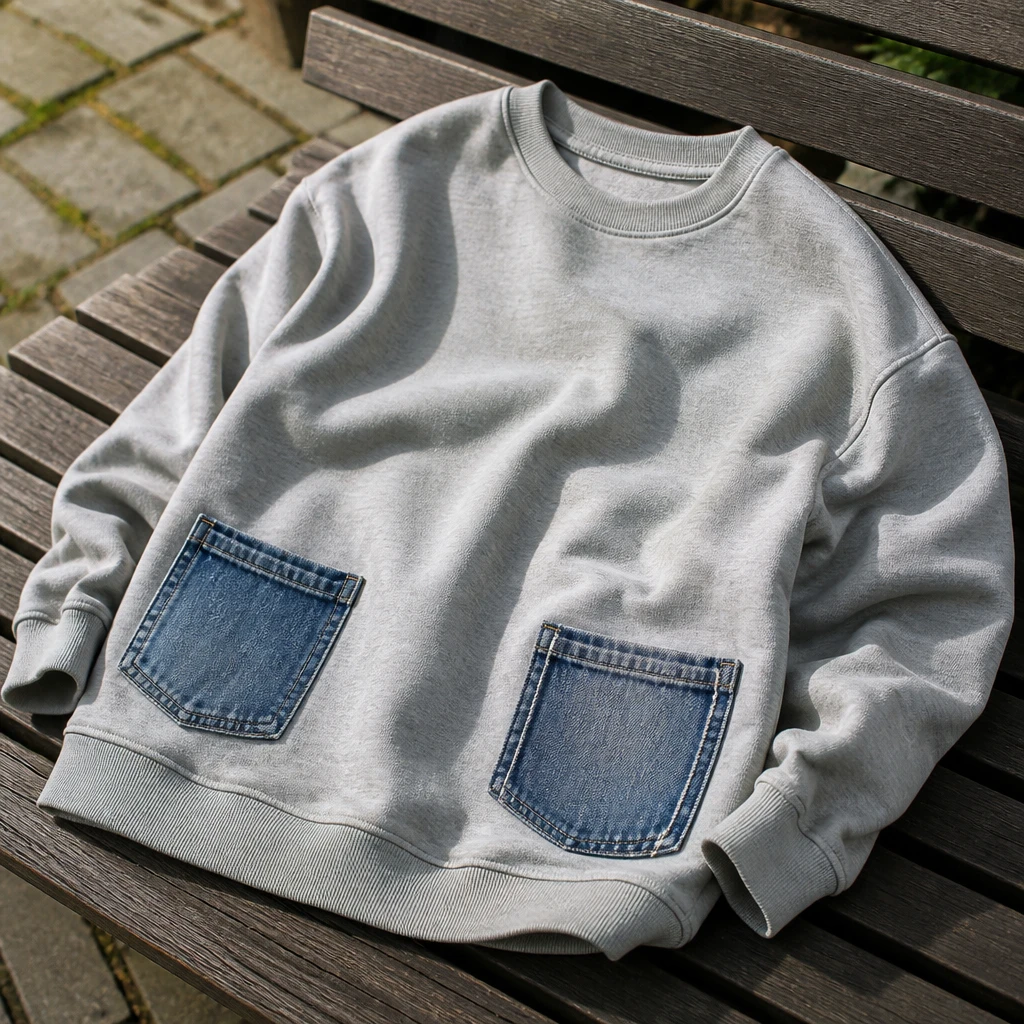
I like adding denim patch pockets to sweatshirts for a casual yet functional touch. Denim adds durability and a contrasting texture that I find very appealing. I usually repurpose old jeans for these pockets to stay sustainable.
Insight: I find denim pockets instantly boost both style and utility on any basic sweatshirt.
3. Mixed Pattern Fabric Patchwork
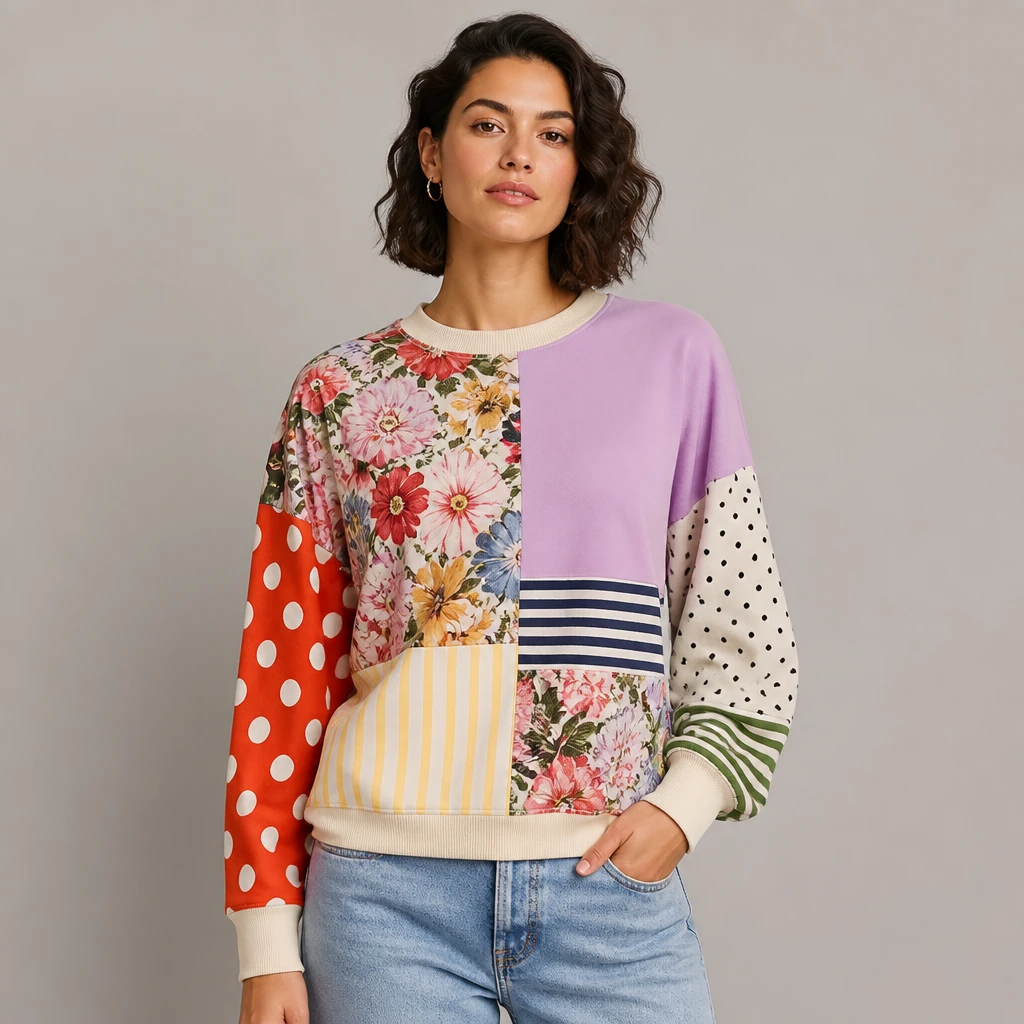
One of my favorite ways to create patchwork sweatshirts is mixing various patterns like florals, stripes, and polka dots. I carefully select colors that harmonize despite differing designs. This approach gives the garment playful energy and makes it a conversation starter.
Pro Tip: Always prewash patterned fabrics to prevent shrinkage and color bleeding in your patchwork.
4. Raw Edge Patch Details
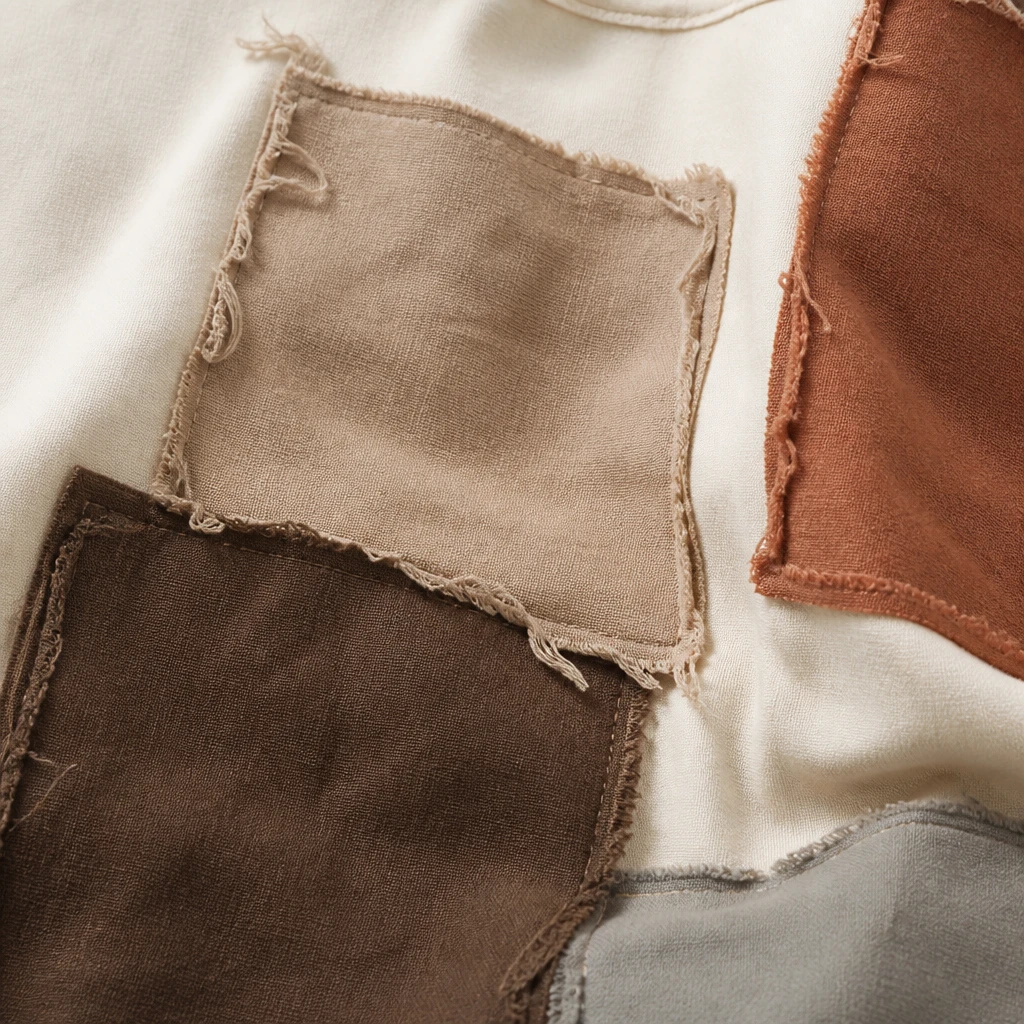
I enjoy using raw edges on patches for a more relaxed, bohemian feel. Leaving edges unfinished exposes fabric textures and creates a unique silhouette after washing. I recommend using fabrics that don’t unravel too much, like fleece or felt, for this style.
Fact: Raw edges became popular in DIY fashion due to their effortless, artisanal look.
5. Contrast Stitch Highlighting
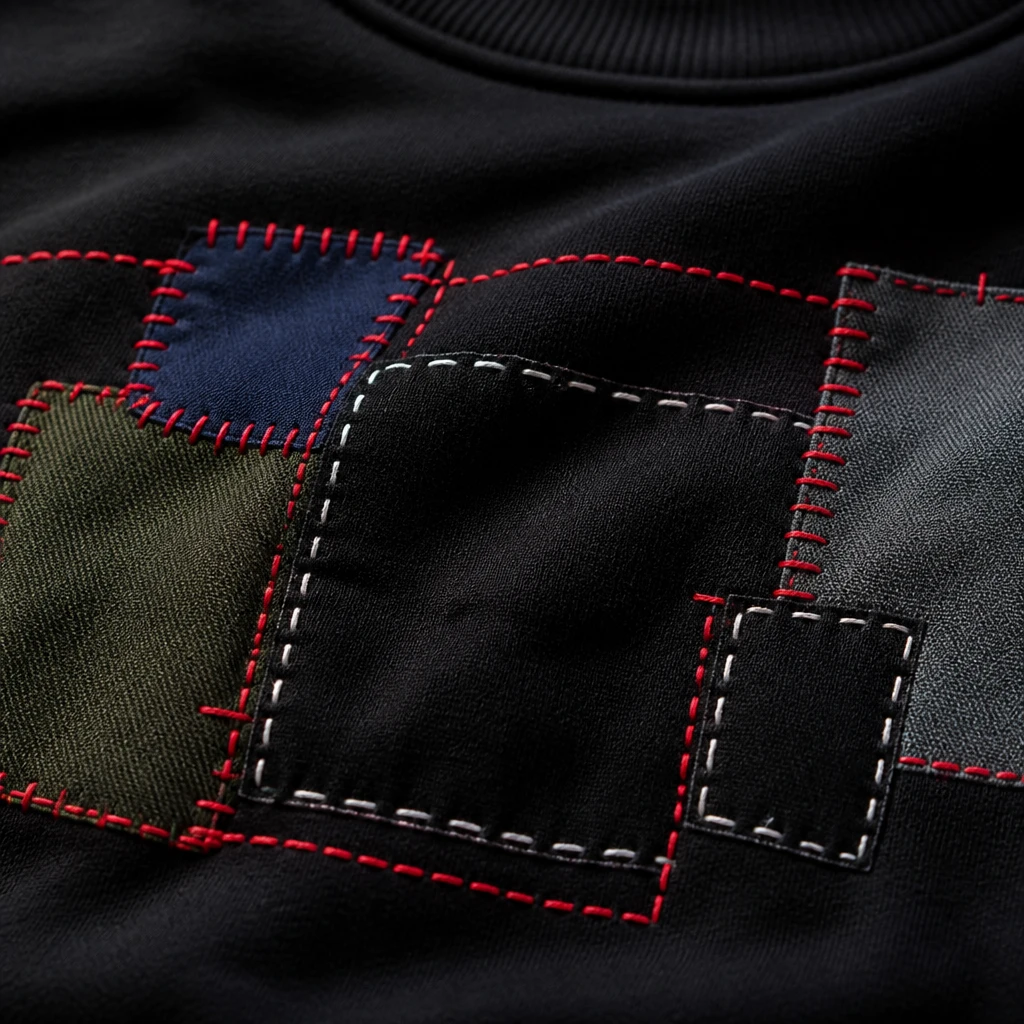
Adding contrasting stitching around patches is a simple trick I use to emphasize their shapes and add hand-crafted charm. I usually choose thread colors that pop against the fabric patches for extra visual interest. This detailing is quick but dramatically changes the sweatshirt’s aesthetic.
Pro Tip: Use embroidery floss or thicker thread for contrast stitching to make details stand out beautifully.
6. Upcycled Vintage Sweatshirt Panels
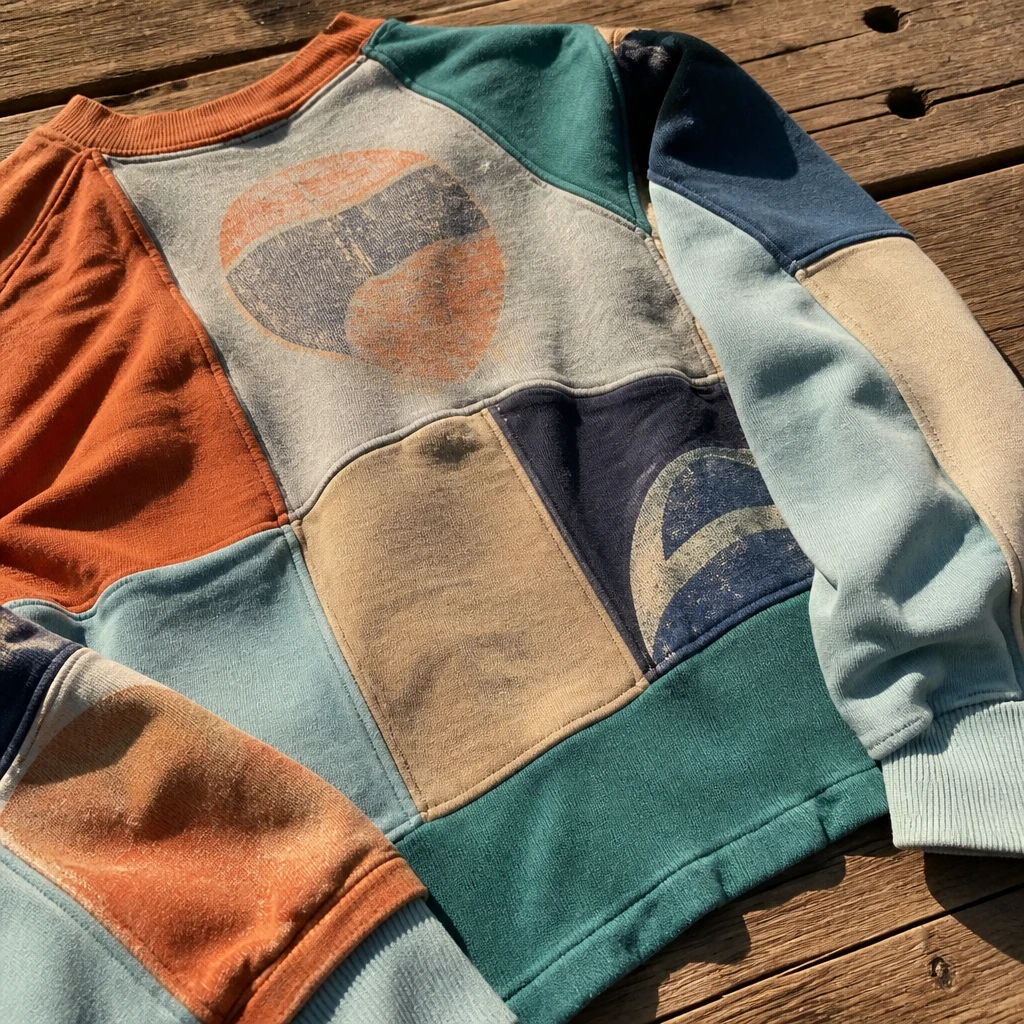
I often combine sections from vintage sweatshirts to create patchwork pieces that have nostalgic appeal. Mixing retro prints and worn textures adds character you just can’t buy new. I recommend sourcing vintage materials carefully to ensure good condition despite their age.
Insight: I find that vintage panels bring a story and soul to every patchwork sweatshirt I make.
7. Fleece and Knit Fabric Combo
I like combining fleece with knit fabrics in my patchwork sweatshirts to balance warmth with stretch. The softness of fleece pairs well with the lighter knit fabrics for comfortable but dynamic pieces. This combination works especially well in fall and winter.
Pro Tip: Layer knit patches over fleece and sew with stretch stitches to preserve garment flexibility.
8. Asymmetrical Patch Placement
I love breaking rules by placing patches in unexpected, asymmetrical locations on sweatshirts for a modern edge. This frees me from rigidity and allows the piece to feel spontaneous and artistic. Asymmetry suits all body shapes nicely, too.
Insight: I’ve found asymmetrical patch placement adds movement and uniqueness to every sweatshirt I design.
9. Incorporating Lace Overlays
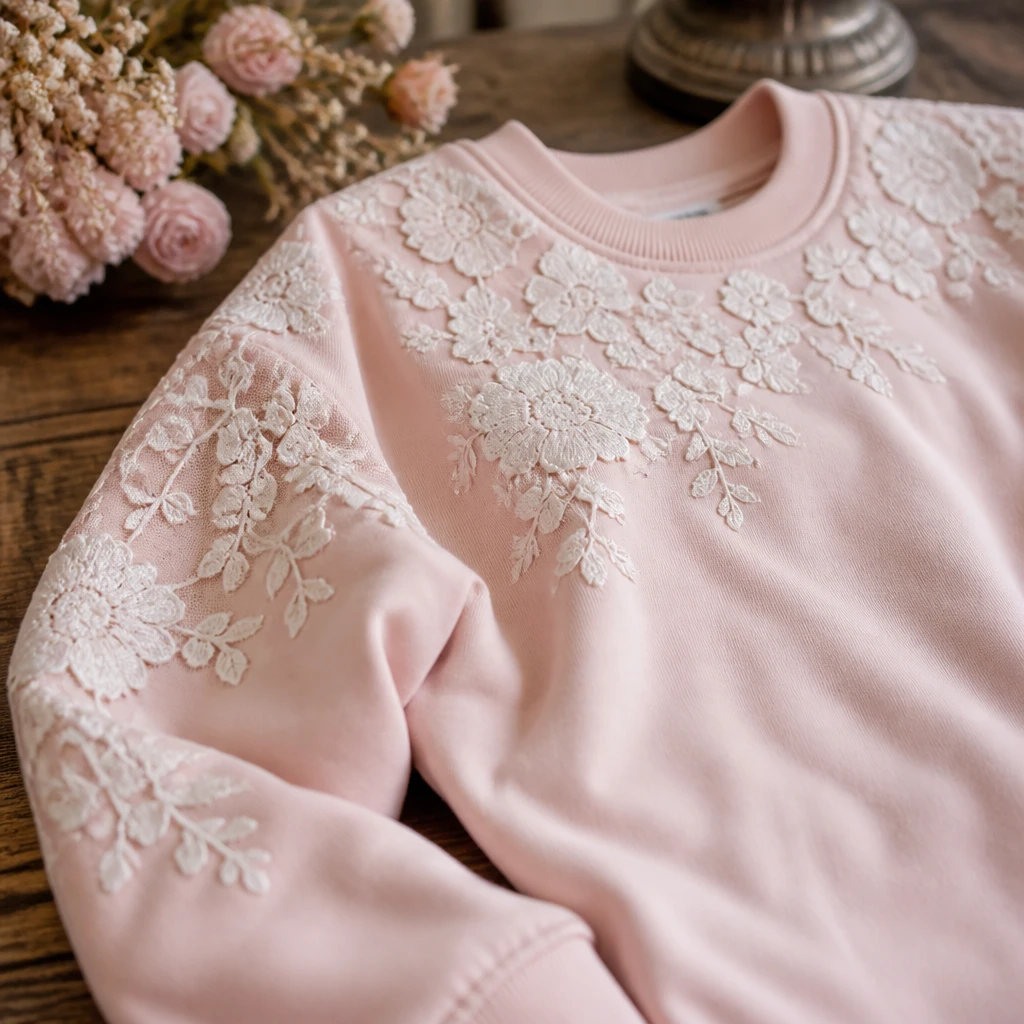
For a delicate twist, I sometimes overlay lace fabric patches onto sweatshirts to contrast rough cotton. The lace adds an unexpectedly feminine texture that surprises people. I’m careful to secure lace well since it tends to be more fragile than other fabrics.
Pro Tip: Sew lace patches onto a backing fabric patch before attaching to sweatshirt for extra durability.
10. Bold Lettering Patchwork
I’ve experimented with cutting out bold letters from contrasting fabrics to applique as patches, creating slogans or initials. This makes the sweatshirt personal and graphic. It’s also a great way to upcycle sweatshirts with worn-out graphics by refreshing the design.
Fact: Lettering as patchwork dates back decades in custom varsity and band sweatshirts.
11. Patchwork Hoodie with Fringed Edges
I love adding fringed edges around my patches on hoodies for a playful, textural detail. The fringes add movement and a tactile quality I find delightful. I use thicker yarn trims or carefully cut fabric strips for the fringe.
Pro Tip: Attach fringe trims after sewing patches to avoid bulk under sewing machine foot.
12. Hand-Drawn Fabric Patches
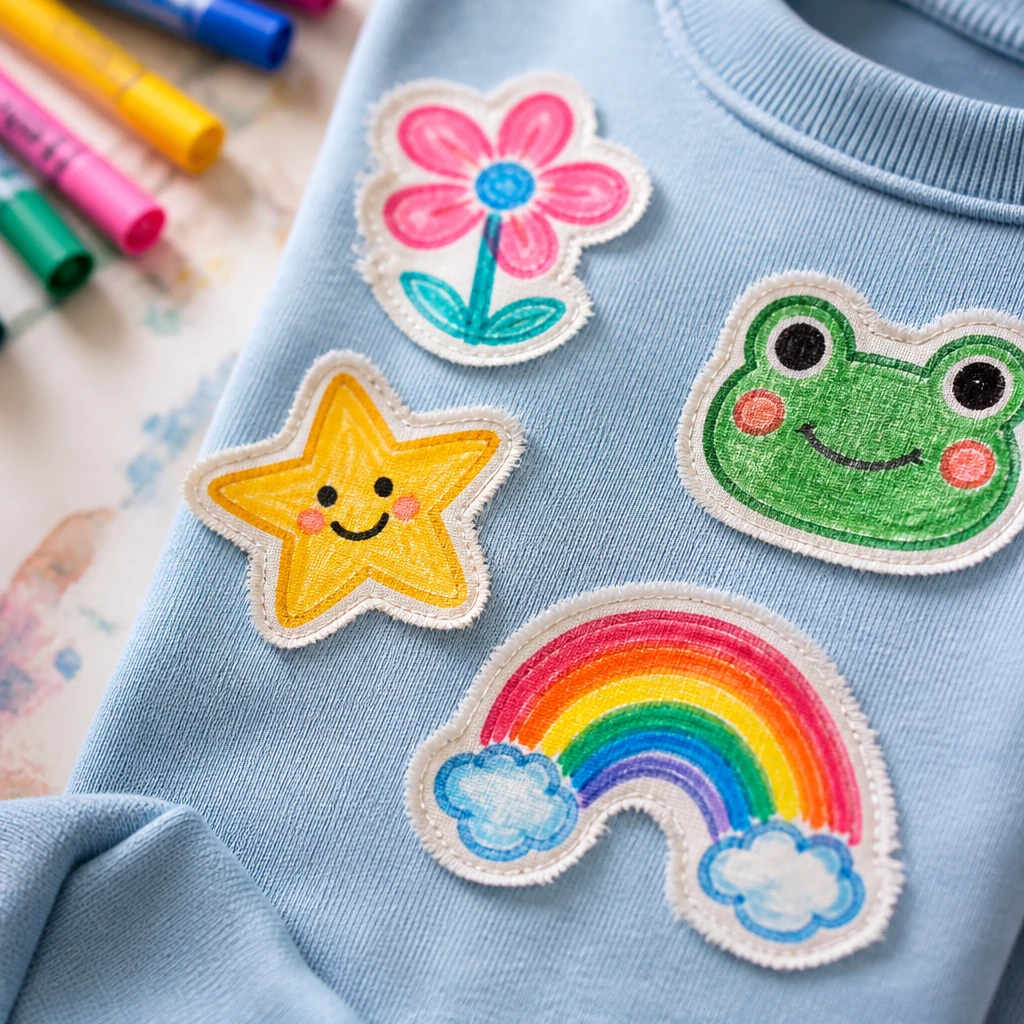
A fun way I customize sweatshirts is by creating patches on plain fabric using fabric markers or paint before sewing them on. This DIY approach lets me add personalized designs, doodles, or artwork that aren’t found in stores. It’s a creative outlet that makes every sweatshirt one-of-a-kind.
Insight: I find hand-drawn patches unlock limitless creativity while maintaining a handmade charm.
13. Sustainable Upcycled Fabric Collage
I’m passionate about eco-friendly crafting, so I often make collage-style patchworks using scraps from old clothing and linens. This eco-conscious approach reduces waste and creates beautifully eclectic sweatshirts. I enjoy the process of piecing together diverse remnants into one cohesive design.
Fact: Textile recycling helps save thousands of gallons of water per sweatshirt made.
14. Geometric Shape Inspired Patches
Using geometric shapes like triangles, circles, and squares feels super modern to me when creating patchwork sweatshirts. I take care to balance shapes and colors for visual harmony. This style works well for anyone wanting a sleek but playful garment.
Pro Tip: Use pattern weights and rotary cutters to achieve precise geometric patch edges.
15. Metallic and Shiny Fabric Patches
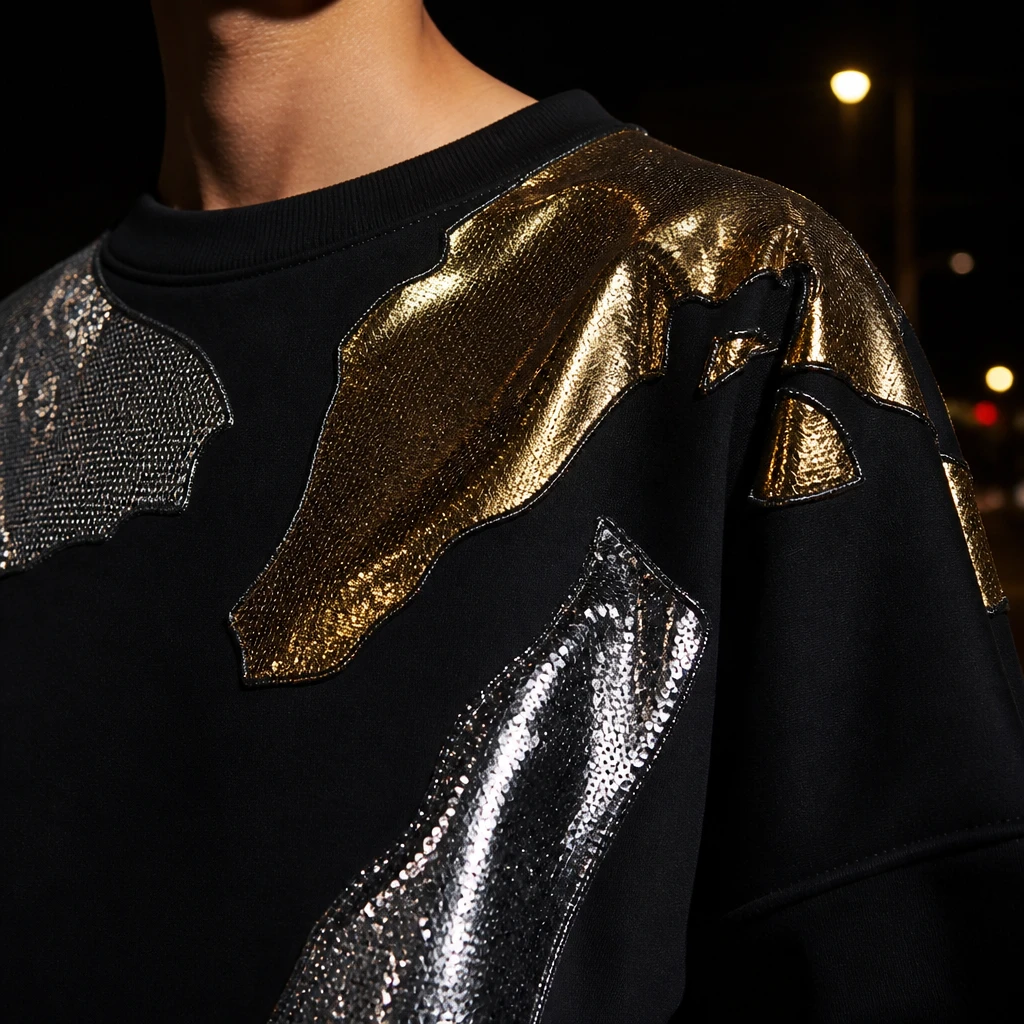
To add a bit of glam, I incorporate metallic or shiny fabric patches like lamé or sequined textiles into my designs. These patches catch light beautifully and make the sweatshirt party-ready. I usually use metallic pieces sparingly so they stand out without overwhelming.
Insight: I find metallic patches add unexpected luxury to casual sweatshirts effortlessly.
16. Patchwork Elbow and Shoulder Reinforcements
I regularly sew patches onto elbows and shoulders to reinforce these high-wear areas on sweatshirts. This not only extends the garment’s life but adds a classic, rugged style. I like to match patch fabrics to the sweatshirt or go bold for a utilitarian look.
Pro Tip: Use durable fabrics like canvas or denim for elbow and shoulder patch reinforcements.
17. Embroidered Patchwork Accents
After stitching down patches, I often take it further by embroidering details or outlines with colorful thread. This combination I use adds depth and personalization to each piece. Sometimes I incorporate initials or small motifs to make it truly unique.
Pro Tip: Add embroidery after patch attachment using an embroidery hoop to maintain fabric tension.
18. Incorporating Sheer Fabric Panels
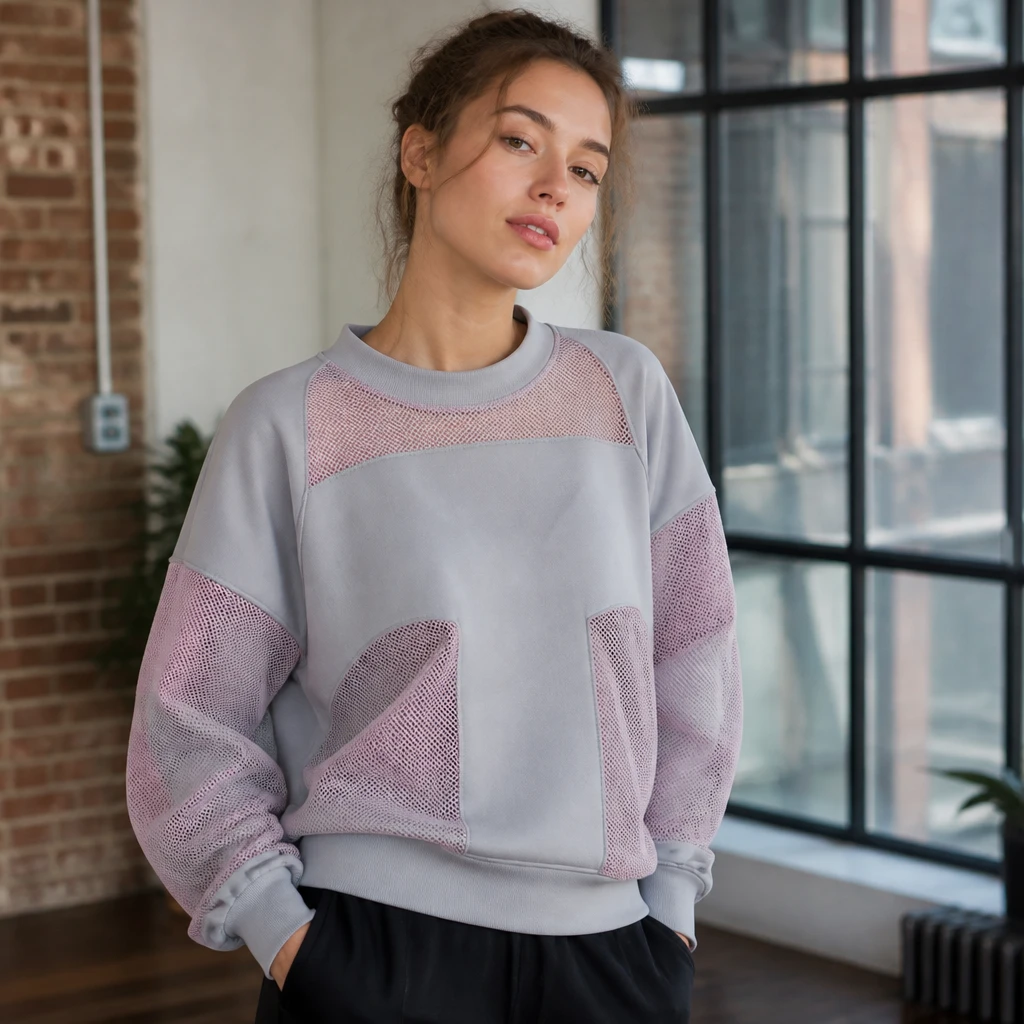
I enjoy integrating sheer fabrics like mesh or organza as patch panels to add lightness and layering effects. These translucent additions create dynamic contrasts to heavier sweatshirt fabric. I’m always careful to reinforce sheer patches so they last through wear and washing.
Fact: Sheer fabrics in patchwork became popular in high fashion for modern texture layering.
19. Upcycled Knit Sweater Patch Details
I like to cut patches from old knit sweaters and sew them onto sweatshirts for a cozy, tactile effect. Mixing knit with sweatshirt fleece adds an unexpected texture that I find so comforting. I always handle knit patches gently to avoid stretching out shape.
Pro Tip: Stabilize knit patches by interfacing fabric backs before attaching to prevent distortion.
20. Large Patchwork Back Panels
I often create one large patchwork panel covering the entire back of a sweatshirt for bold impact. This method lets me incorporate many fabrics and patterns in a cohesive block. I find it transforms a plain sweatshirt into a real statement piece effortlessly.
Insight: I love how a large back patch panel instantly elevates the sweatshirt’s visual appeal.
Conclusion
I hope these 20 patchwork sweatshirt DIY ideas inspire you to experiment with your own unique designs in 2026. I've found that patchworking is not only a creative expression but also a way to make sustainable fashion choices. With a bit of patience and imagination, anyone can transform a simple sweatshirt into a wearable work of art.