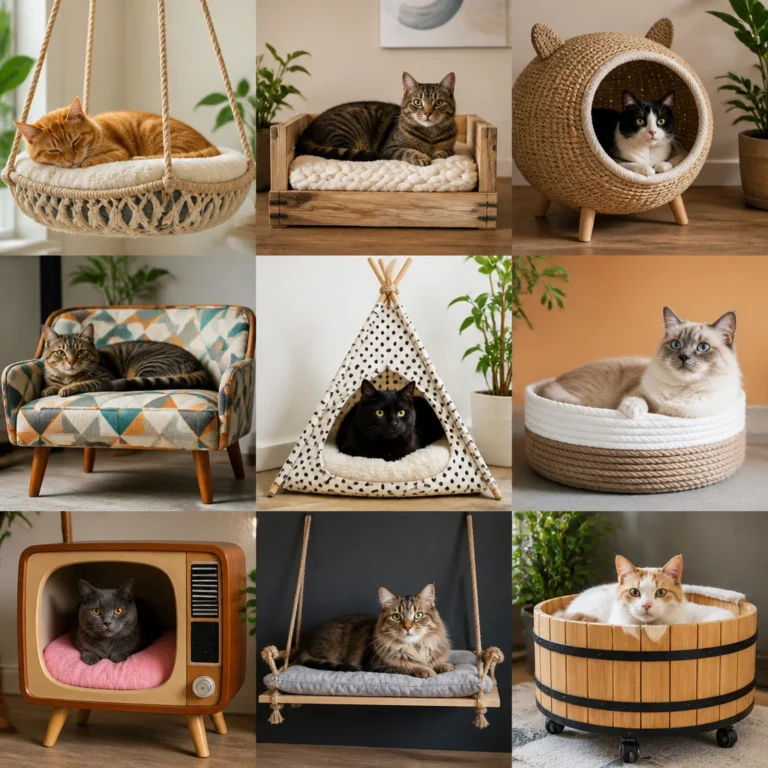
20 DIY Cat Tower Ideas for 2026
As a longtime cat owner, I've always been fascinated by creative ways to keep my feline friends entertained and comfortable. DIY cat towers have become my go-to solution because they combine functionality with a personal touch. In this article, I’m sharing 20 inspiring cat tower ideas for 2026 that I’ve personally tested or researched to make your crafting journey fun and rewarding.
Key Takeaways
- Incorporate vertical space to maximize your cat’s climbing and resting comfort.
- Use safe, cat-friendly materials like untreated wood and natural fabrics.
- Add multi-level platforms and cozy hideouts to cater to different cat habits.
- Incorporate scratching surfaces to maintain your cat’s nails and protect furniture.
- Personalize towers with your cat’s preferences and your home décor style.
1. Reclaimed Wood Rustic Cat Tower
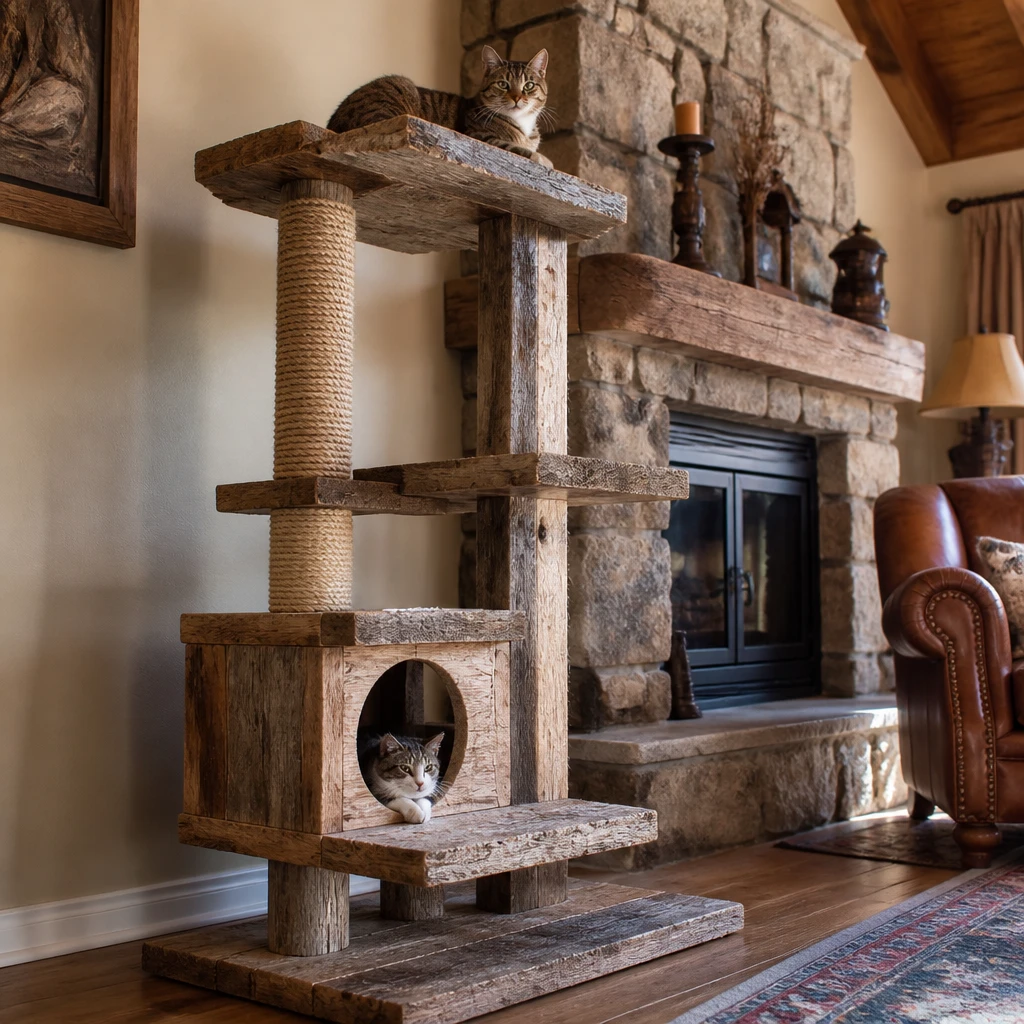
I love working with reclaimed wood because it’s eco-friendly and gives each tower a unique rustic charm. This design focuses on sturdy platforms made from old wooden planks combined with sisal rope-wrapped posts for scratching. I found my cats enjoy the natural textures and the earthy look blends well with rustic home décor.
Pro Tip: Use untreated reclaimed wood to ensure your cats aren’t exposed to harmful chemicals.
2. Minimalist Floating Shelves Cat Tower
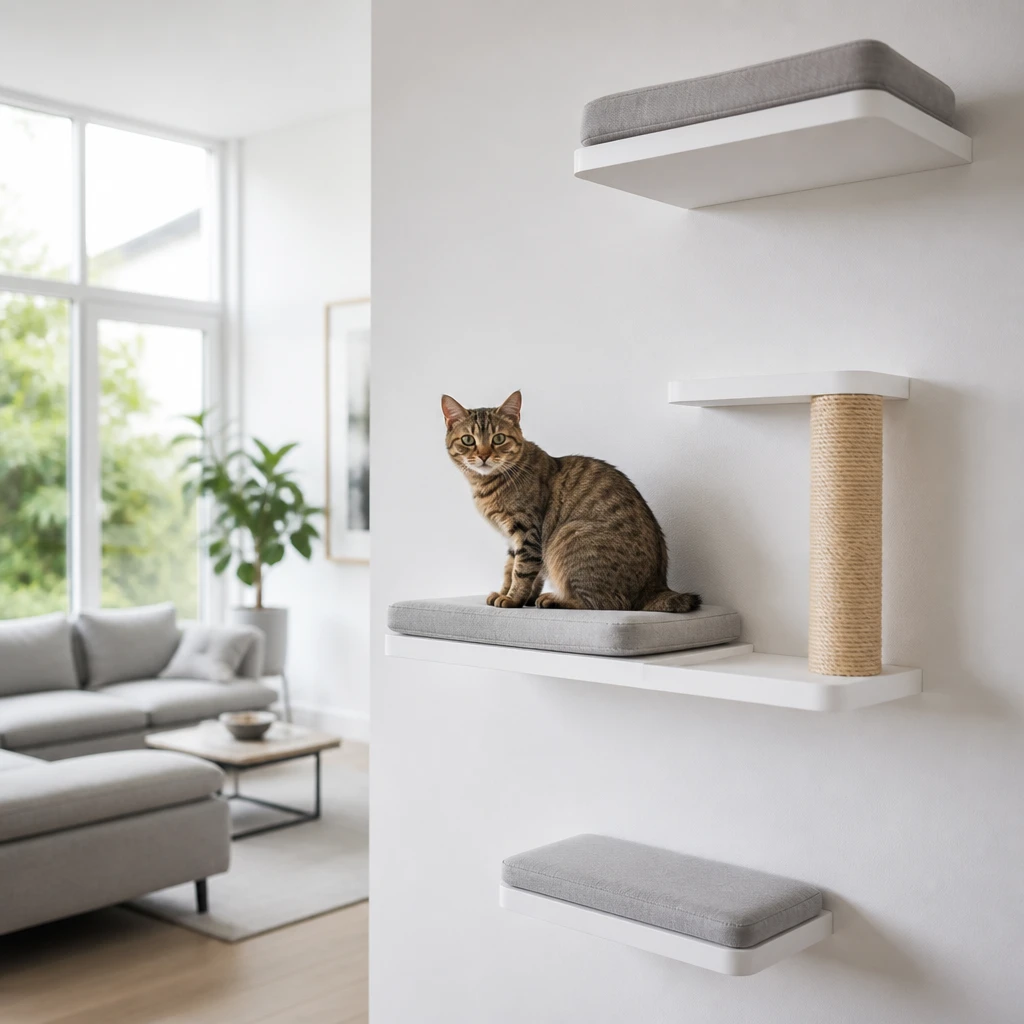
For smaller spaces, I designed a minimalist tower using floating wooden shelves spaced vertically. This saves floor space while giving my cats multiple high perches to lounge and observe from. I always make sure the shelves have a slight lip or edge so my cats feel secure while perched.
Insight: I noticed my shy cat felt safer with shelves near walls rather than in open spaces.
3. Multi-Level Box Cube Tower
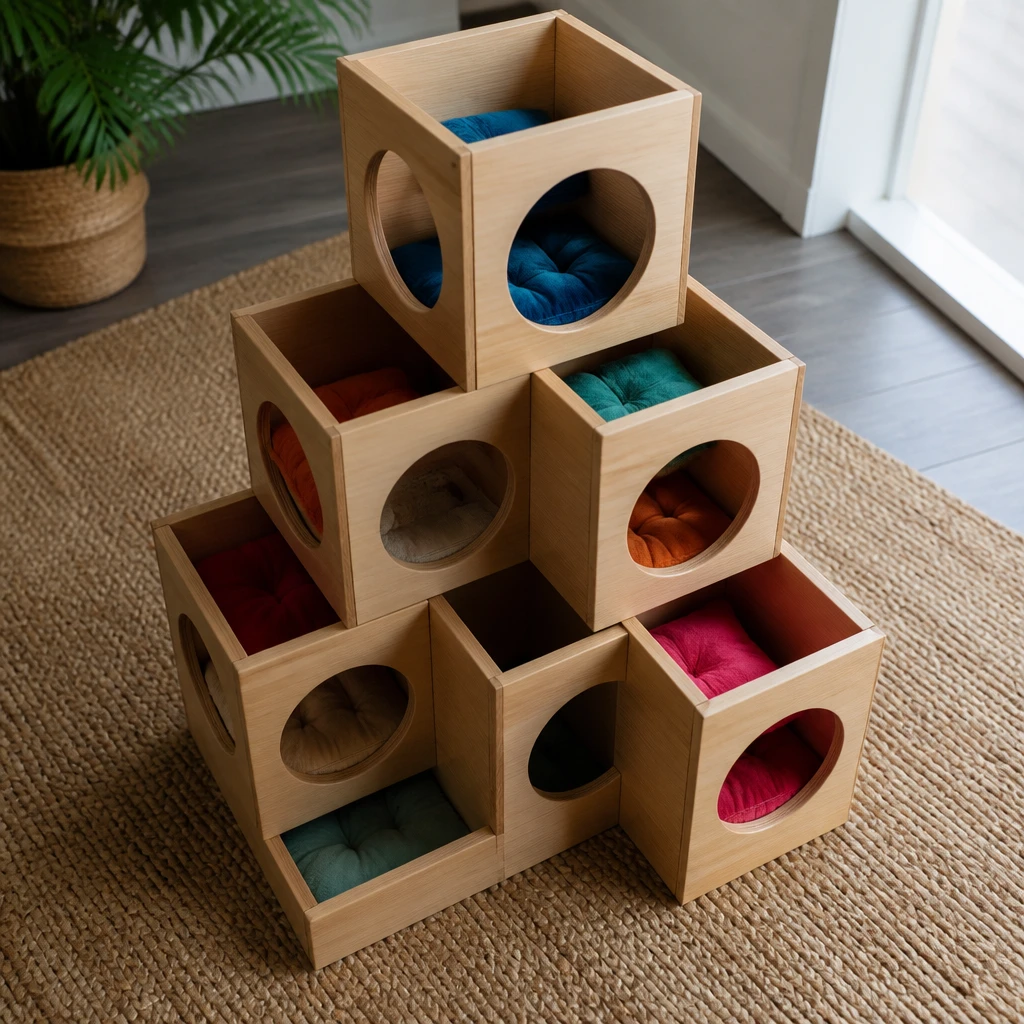
I created a cube tower by stacking wooden boxes at different heights and angles, allowing cats to climb, hide, and rest inside. Each cube got a cozy cushion and an entrance cut-out, creating perfect little private nooks. This modular design also lets me rearrange or add cubes as my cats’ needs change.
Pro Tip: Secure stacked boxes with brackets to prevent wobbling or tipping over.
4. DIY Cardboard Cat Tower
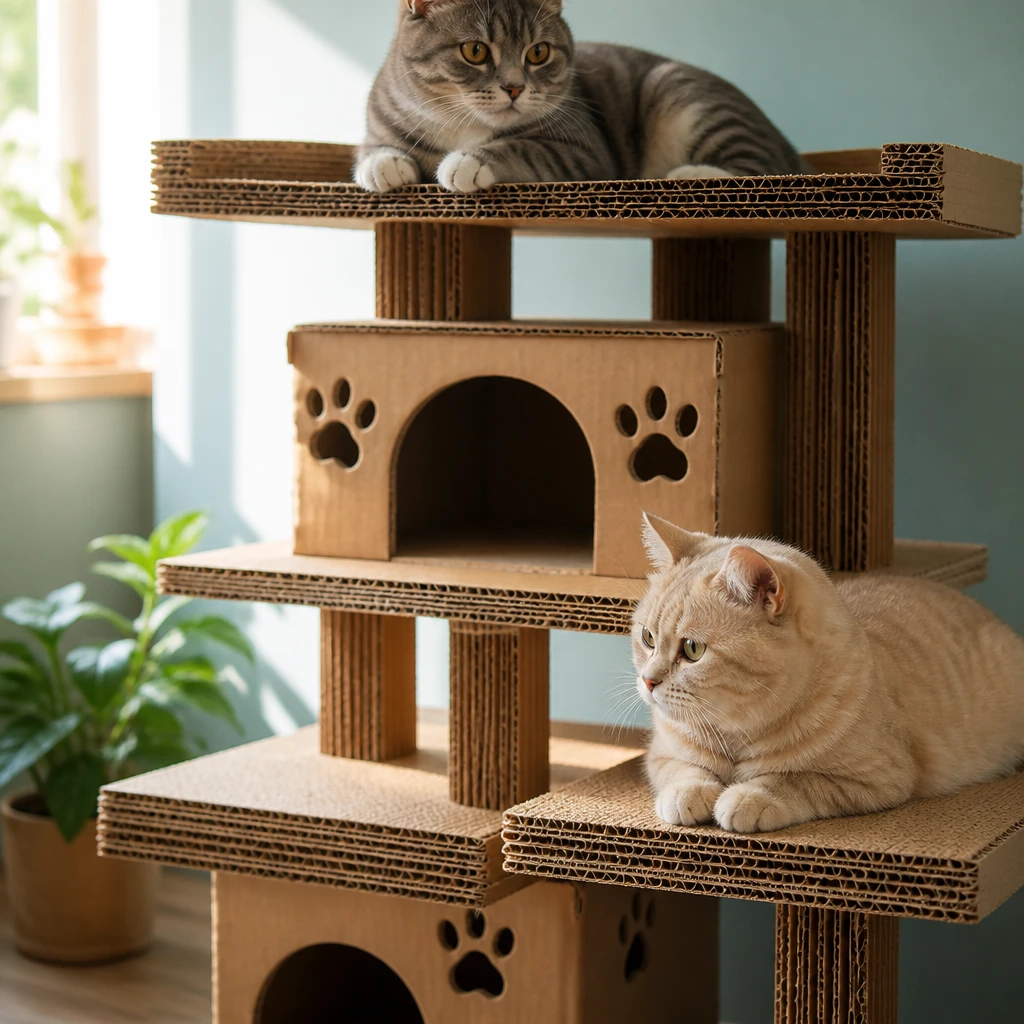
I tested an eco-friendly option by building a tower completely from stacked and glued corrugated cardboard. It’s surprisingly sturdy when layered properly and gives cats a fun texture for scratching. Plus, it’s affordable and recyclable once it wears out, which I find perfect for temporary needs.
Fact: Corrugated cardboard mimics the natural scratch resistance texture cats prefer.
5. Cat Tower with Built-in Toy Channels
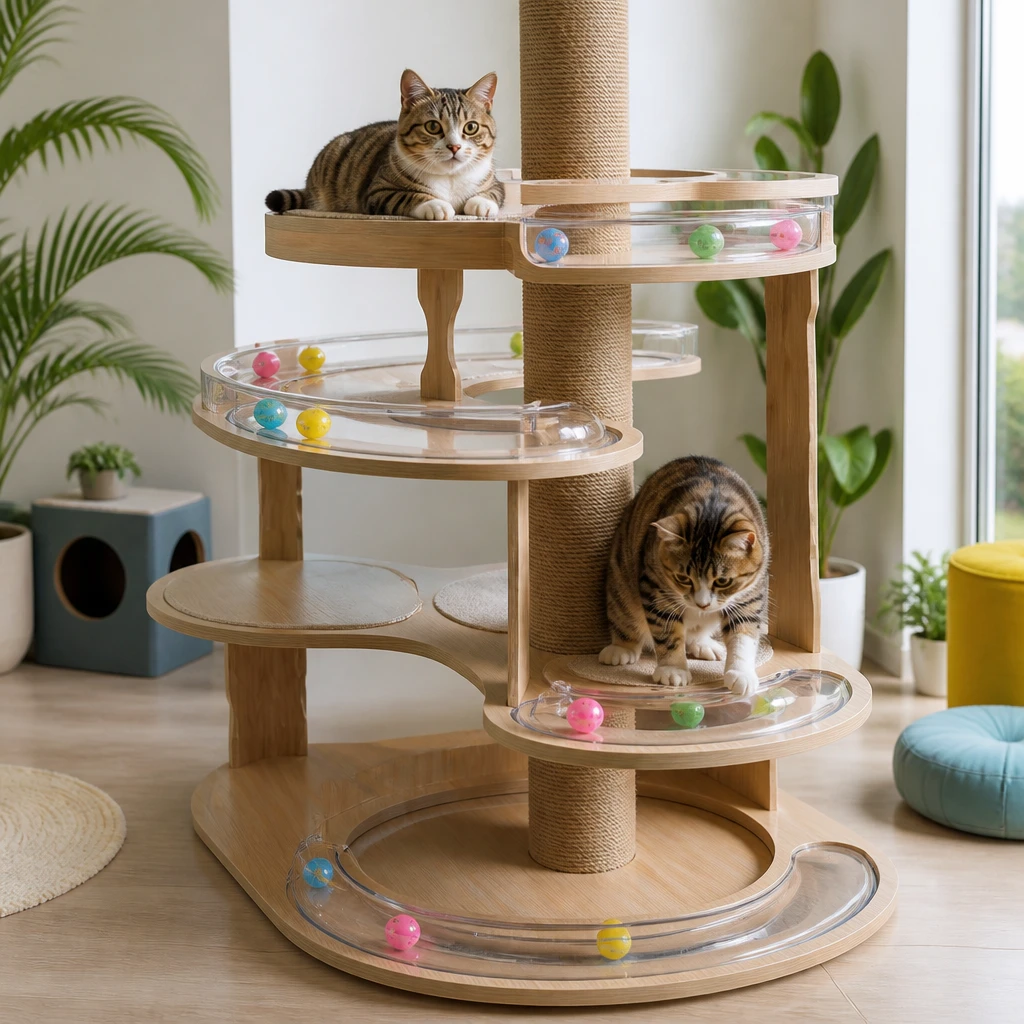
To keep my cats entertained, I integrated narrow plastic tracks on several levels for rolling balls and toys. This playful feature encourages physical activity and mental stimulation throughout the day. I always test the size to ensure toys glide smoothly without getting stuck, maintaining my cats’ interest.
Pro Tip: Incorporate safe, easy-to-clean materials for toy channels to prevent buildup.
6. Rustic Log and Branch Cat Tower
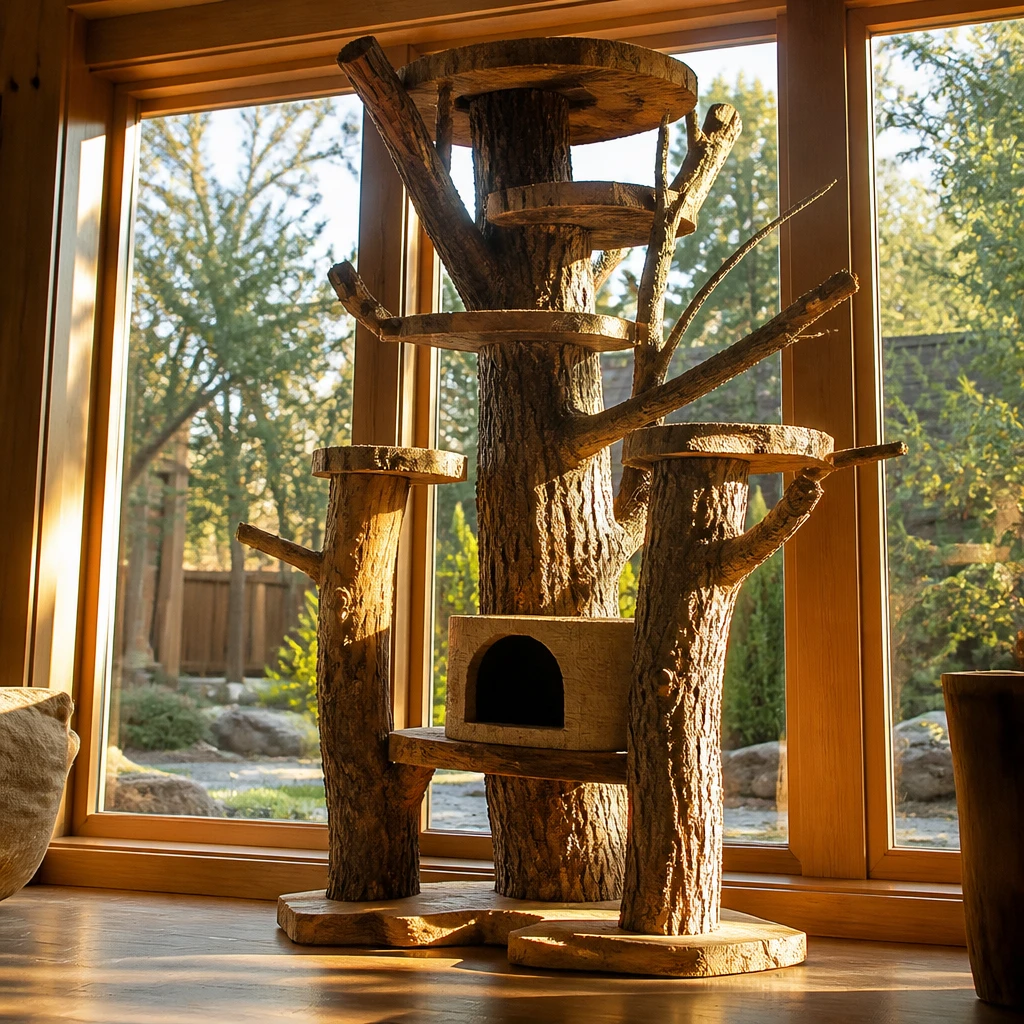
I sourced natural logs and branches for an earthy tower that blends outdoor elements indoors. I secure the branches vertically and horizontally to create climbing ladders and platforms with rough bark for scratching. This nature-inspired design really appeals to my cats’ wild instincts and looks stunning in my garden room.
Insight: I found fresh logs retain scent and texture that intrigue cats for longer than processed wood.
7. Circular Spiral Cat Tower
I built a spiral-shaped tower that slowly ascends in a circular pattern, providing a fun climbing challenge and an interesting visual statement. The spiral steps offer both perches and resting spots where cats can see all around. I like that this encourages exercise while saving floor space thanks to its vertical design.
Pro Tip: Add soft padding to each step for extra grip and comfort when climbing.
8. Upcycled Bookshelf Tower
I repurposed an old bookshelf by reinforcing shelves and adding carpet pads and sisal rope-wrapped posts. Each shelf acts as a resting spot or lookout, and the low shelves make it easy for older or less agile cats to explore. I also decorated the bottom shelf with soft pillows for a cozy ground-level retreat.
Fact: Bookshelves provide excellent vertical space repurposing for pets without extra woodworking.
9. Modern Geometric Cat Tower
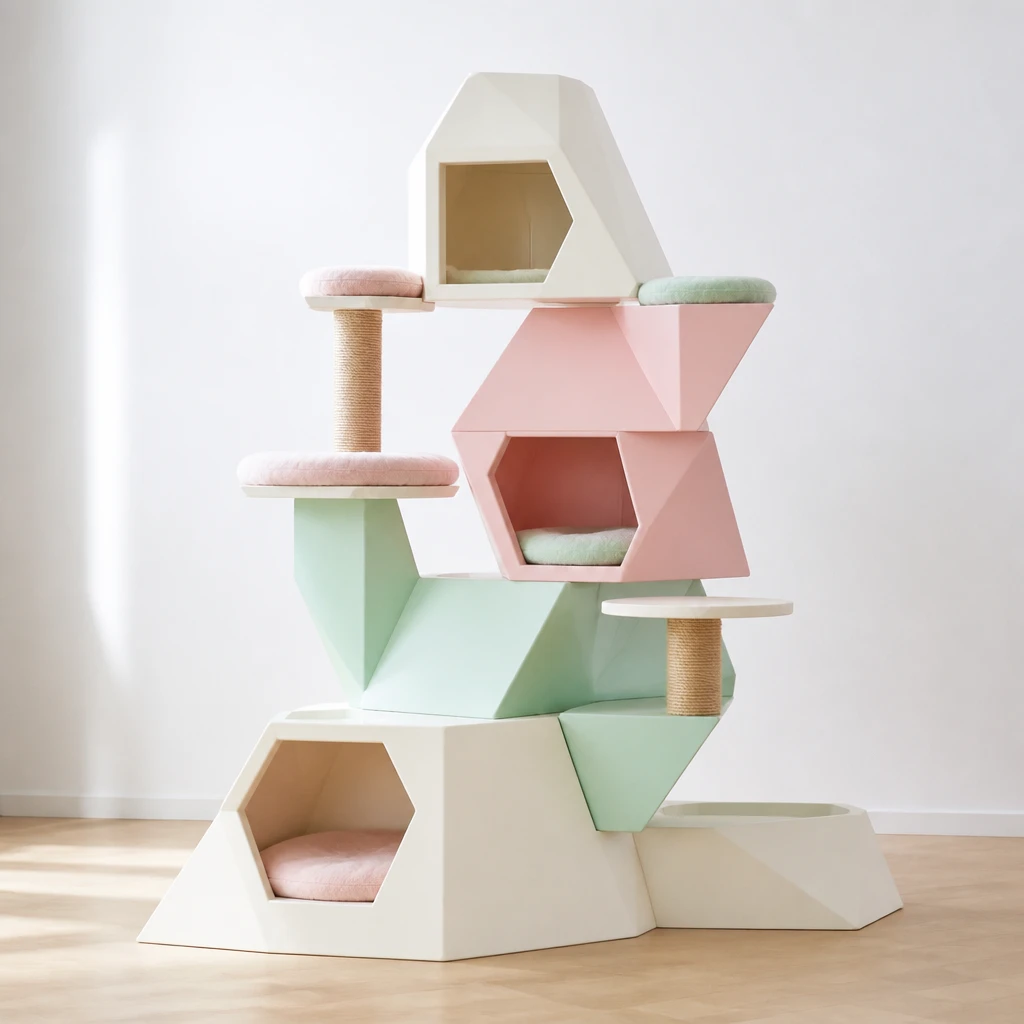
I designed a geometric-inspired tower using sharply angled polygonal shapes made from MDF and painted in pastel colors. It’s avant-garde and stylish enough to double as art while providing climbing and cozy cubbyholes. I made sure to smooth all edges and add plush cushioning to prioritize my cats’ safety and comfort.
Insight: I realized blending art and function keeps my cat tower visually appealing year-round.
10. Rope-Clad Suspension Cat Tower
I experimented with a suspension design that’s held together by thick cotton ropes around sturdy wooden planks. This creates a hanging tower with a slight bounce that my cats find irresistibly fun. I make sure all rope knots are tight and placed safely away from claws to avoid damage and hazards.
Pro Tip: Regularly inspect rope integrity to prevent wear or unraveling over time.
11. Convertible Cat Tower and Bed
I crafted a tower that transforms into a comfy cat bed by folding down certain platforms into cushioned resting spots. This versatility lets me switch between active play and relaxation modes depending on my cat’s mood. It’s practical for small apartments where multifunctional furniture maximizes space.
Pro Tip: Design foldable shelves with secure locking hinges to prevent accidental collapse.
12. Vintage Ladder Cat Tower
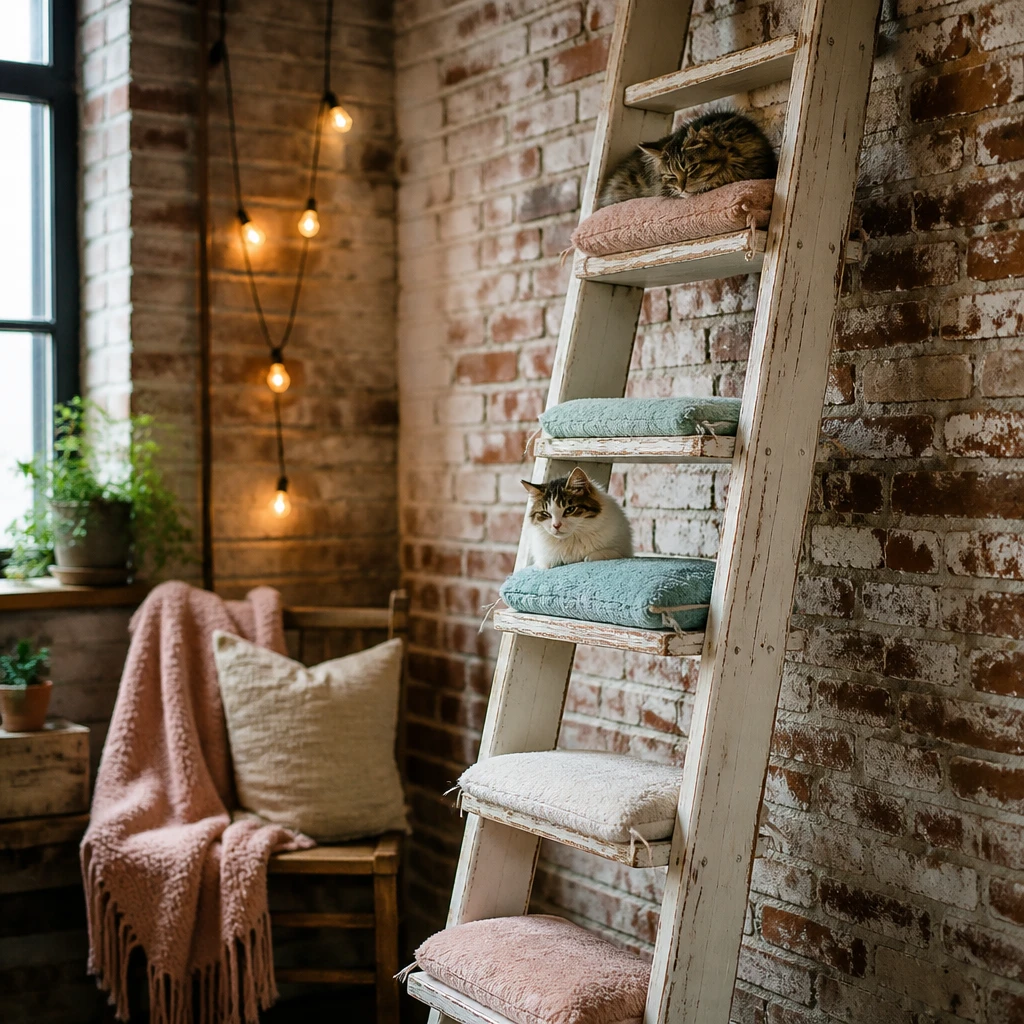
An old wooden ladder became a unique multi-tier cat tower when I added cushioned platforms to the rungs. It provides vertical space in a narrow footprint and invites cats to climb and perch at various heights. I also used weathered paint to match vintage decor and gave my cats a rustic climbing experience.
Fact: Ladders naturally encourage climbing motions cats instinctively enjoy.
13. Industrial Pipe and Wood Cat Tower
I combined industrial black steel pipes with wooden planks for a stylish loft-style cat tower. Pipes provide structural strength and an urban aesthetic, while wood adds warmth and comfort. I always sand and seal the wood thoroughly to avoid splinters and ensure a safe climb.
Insight: Incorporating contrasting materials makes the tower blend with modern industrial interiors.
14. Circular Hideaway Cat Tower
I fashioned a tower focused around circular enclosed cubbies stacked vertically for ultimate privacy. Each round hideaway has a cushioned interior and small entrance, perfect for cats who love secluded spaces. I painted the exterior in warm neutral tones to keep the look cozy and inviting.
Pro Tip: Line each hideaway with washable blankets for easy cleaning and added softness.
15. Fabric Hanging Hammock Tower
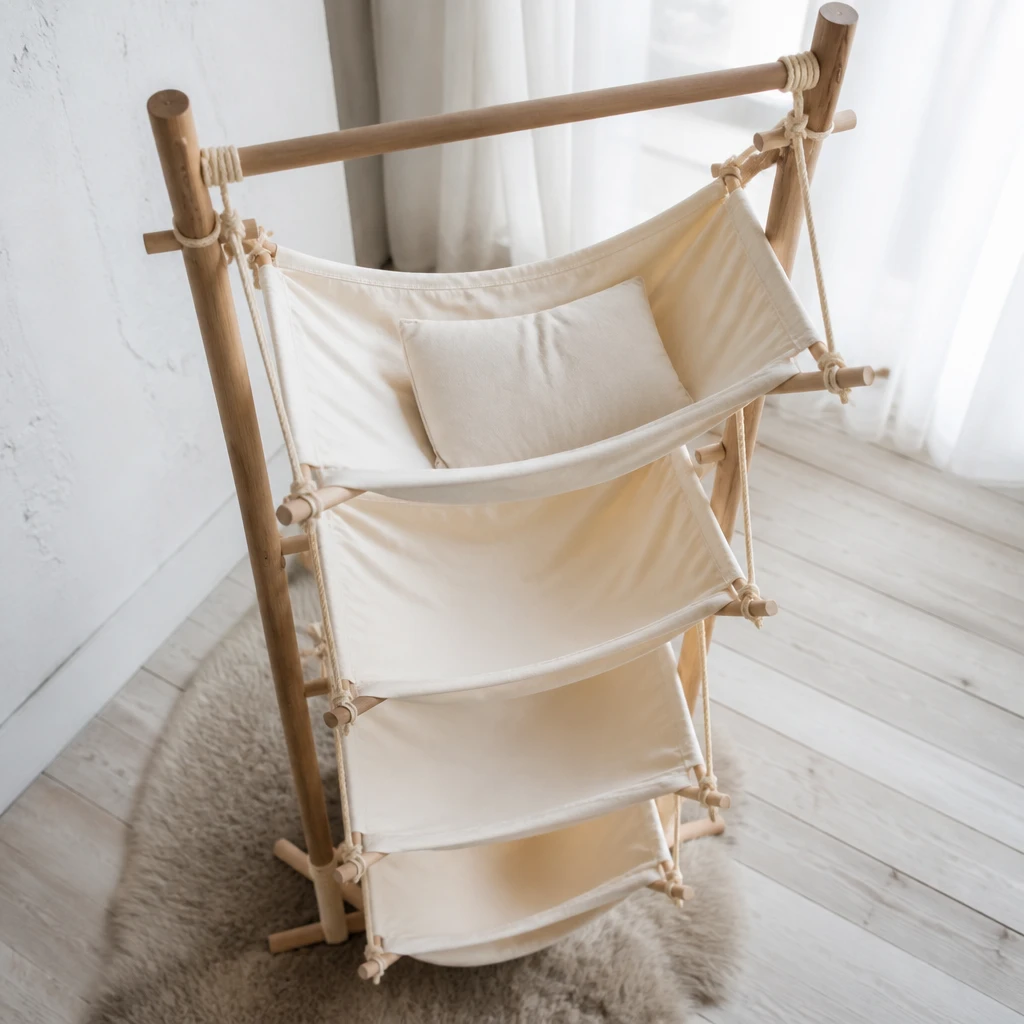
I installed soft fabric hammocks between wooden frames at different heights for a floating, breezy tower feel. The hammocks conform to my cats’ bodies, creating a gentle cradle for naps. I made sure to use strong, washable materials and secure anchor points to support weight safely.
Fact: Hammock-style beds mimic natural resting positions cats seek on trees or soft branches.
16. Compact Corner Cat Tower
I built a corner-specific tower that fits snugly into tight spaces using triangular platforms stacked vertically. This design uses often overlooked corners, proving great for apartment living. I tailored platform sizes to my cats’ body dimensions for comfortable climbing and lounging.
Pro Tip: Measure your corner space precisely and pre-plan your platform sizes for a perfect fit.
17. Outdoor Weatherproof Cat Tower
I designed a weather-resistant tower using treated wood and waterproof cushions for safe outdoor cat lounging. The tower includes covered platforms to protect from rain and sunny spots for sunbathing. I also anchored the base firmly to withstand wind and kept materials non-toxic for safety.
Pro Tip: Use UV-resistant and mildew-proof fabrics to maintain longevity outdoors.
18. Interactive Laser and Treat Tower
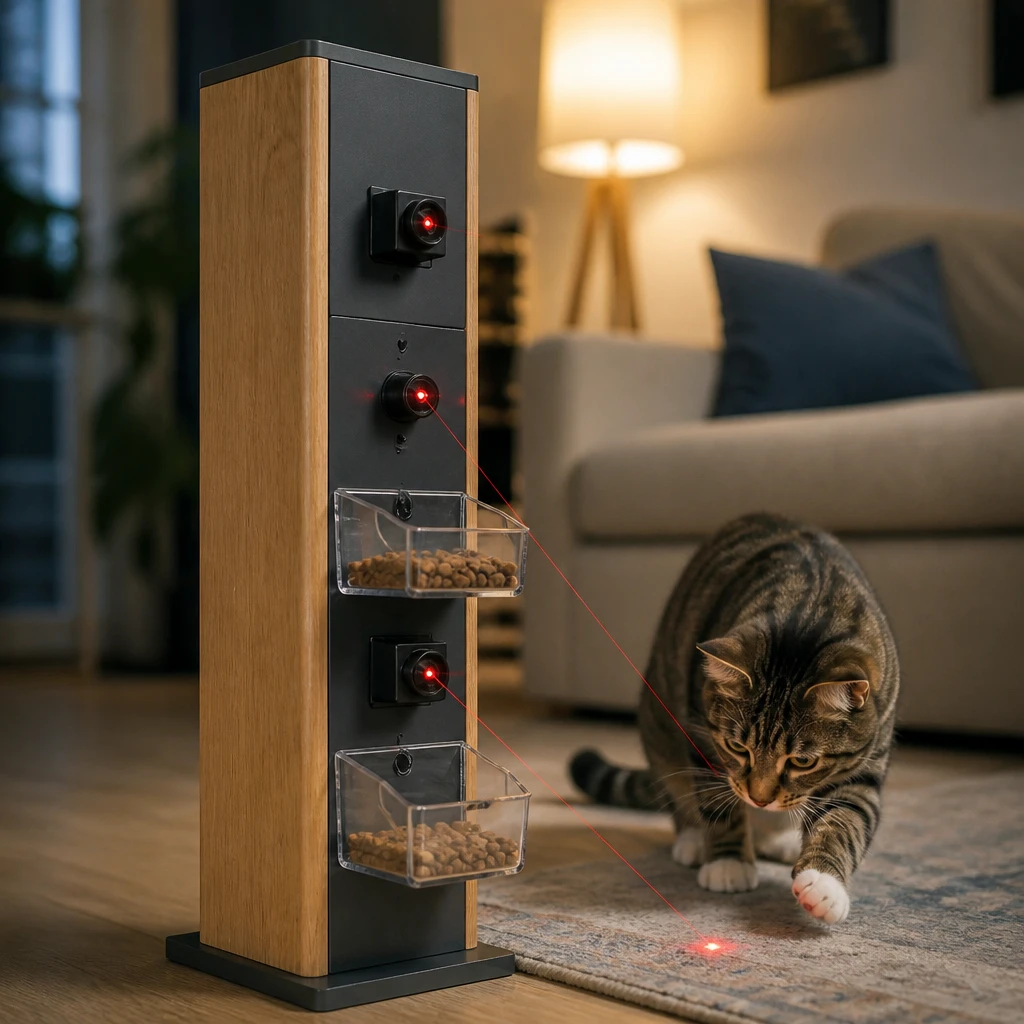
I integrated laser pointers and treat dispensers in a tower to stimulate my cats’ hunting instincts. This feature combines physical exercise with rewards, making playtime more engaging. I customized the activation controls to ensure my cats play safely without constant supervision.
Insight: Interactive features keep indoor cats mentally sharp and physically active.
19. Vintage Suitcase Cat Tower
I creatively stacked vintage suitcases with soft inserts to form a nostalgic cat tower. Each suitcase opens partially or fully to create hideaway spaces for my cats to nap and explore. I find this eclectic design adds personality while repurposing sentimental items from thrift shops.
Fact: Suitcases provide insulated, enclosed spaces that cats seek for security and warmth.
20. Cat Tower with Integrated Planter
I designed a tower that includes built-in planter boxes growing pet-safe greenery like catnip and wheatgrass. This adds natural enrichment for my cats while beautifying the space. I always ensure soil is securely contained to prevent mess and use non-toxic plants safe for feline consumption.
Pro Tip: Choose plants known to be safe and beneficial to cats when adding greenery to towers.
Conclusion
In my experience, building a DIY cat tower is not just about giving your cats vertical space but also about tailoring it to their personality and your living area. Each of these 20 ideas reflects a unique approach to functionality, comfort, and style that I’ve personally found effective in enriching my cats’ lives. I encourage you to pick one that fits your home and enjoy the rewarding process of crafting a happy place for your feline companions.