30 DIY Cat Tree Ideas for 2026
I've always loved creating cozy, fun spaces for my cats to explore and relax, so I've tested dozens of DIY cat tree ideas over the years. In this article, I’m sharing 30 creative and practical designs I recommend trying in 2026 to keep your feline friends entertained and happy.
Key Takeaways
- Using household materials can simplify building unique cat trees.
- Incorporating natural elements like wood and sisal makes them more durable.
- Adjust designs based on your cat’s climbing and scratching preferences.
- Safety and stability are paramount in every DIY project.
- Adding multiple textures helps stimulate your cat’s senses.
1. Recycled Cardboard Cat Tower
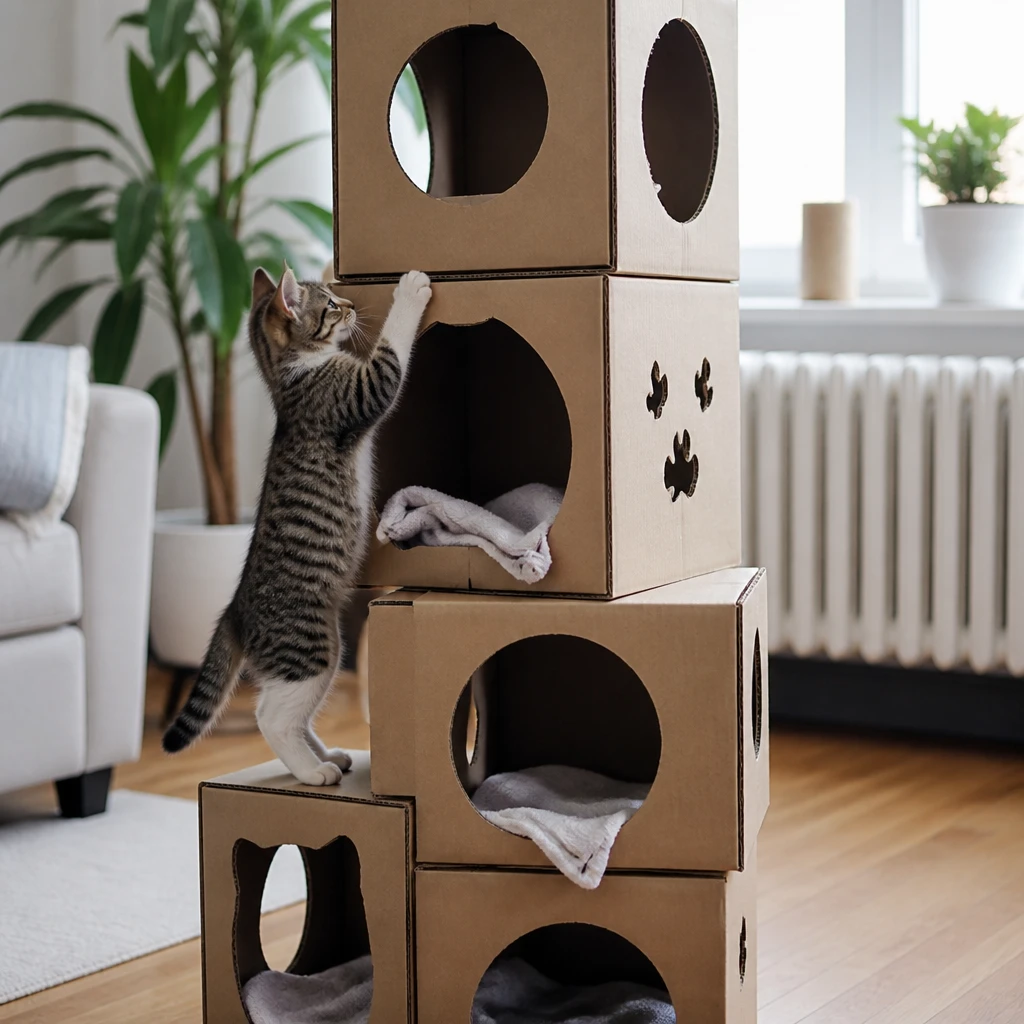
I love using recycled cardboard because it’s affordable and eco-friendly for building cat trees. I stack sturdy cardboard boxes into a tower and cut openings for climbing. My cats enjoy scratching and squeezing through the holes, which adds interactive stimulation.
Pro Tip: Cut ventilation holes carefully to ensure stability and airflow for safety.
2. Minimalist Wall-Mounted Shelves
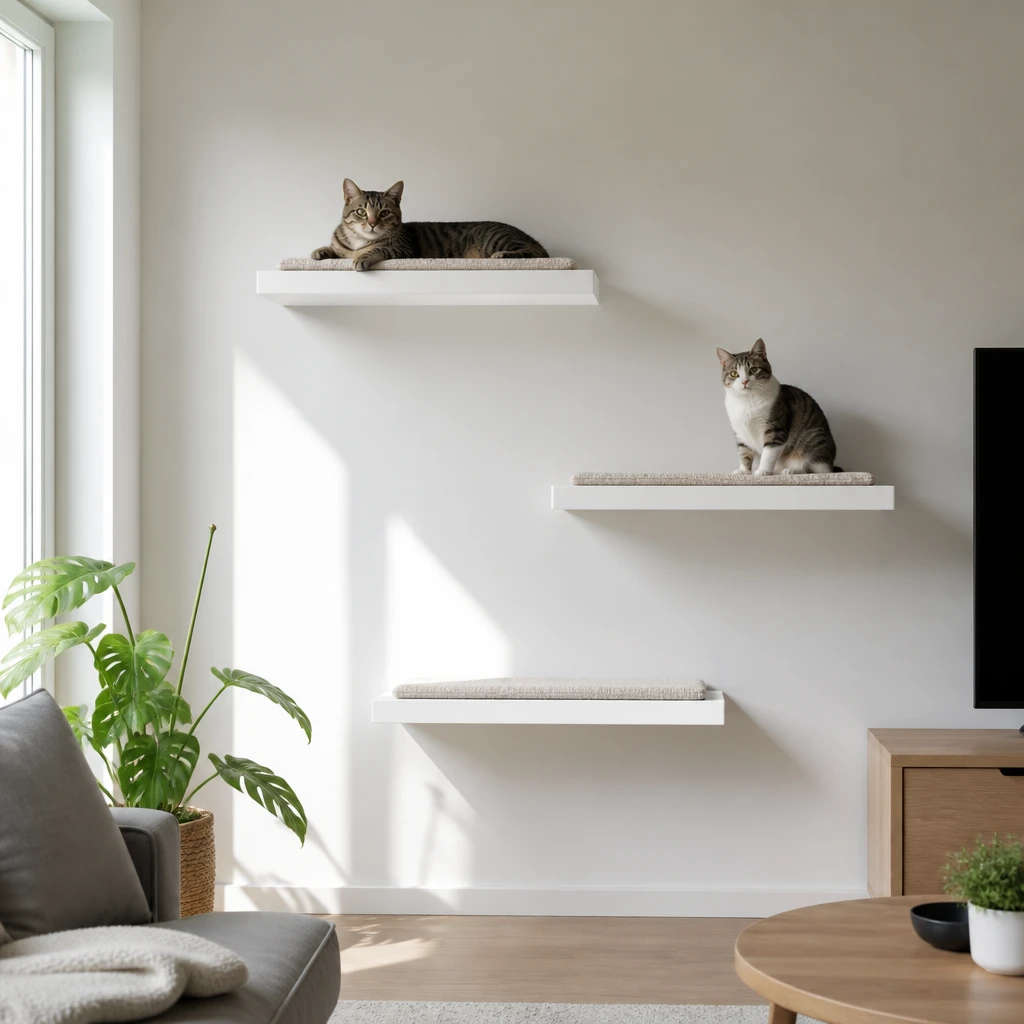
I tested minimalist wall-mounted shelves as a space-saving cat tree alternative. This design lets my cats jump from shelf to shelf while keeping floor space open. I recommend securing shelves strongly into studs to support active jumps.
Pro Tip: Use heavy-duty wall anchors or mount directly into studs for maximum safety.
3. Macrame Hammock Cat Lounge
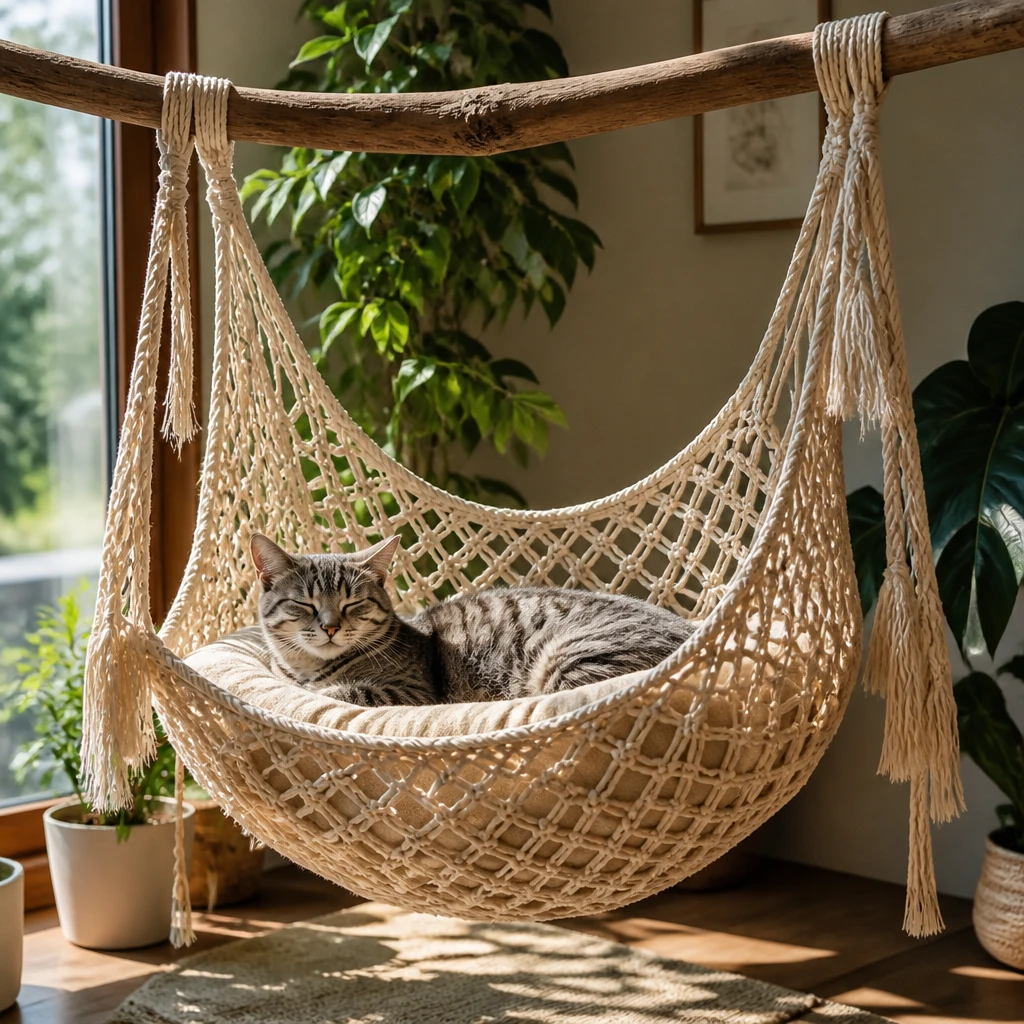
I enjoy crafting a macrame hammock cat tree that doubles as a relaxing perch. The intricately knotted cotton ropes offer gentle support and a boho look for my home. My cats love lounging in the help of cool breezes near windows.
Fact: Macrame provides both strength and comfort due to its woven texture.
4. Rustic Wooden Post and Platform Tree
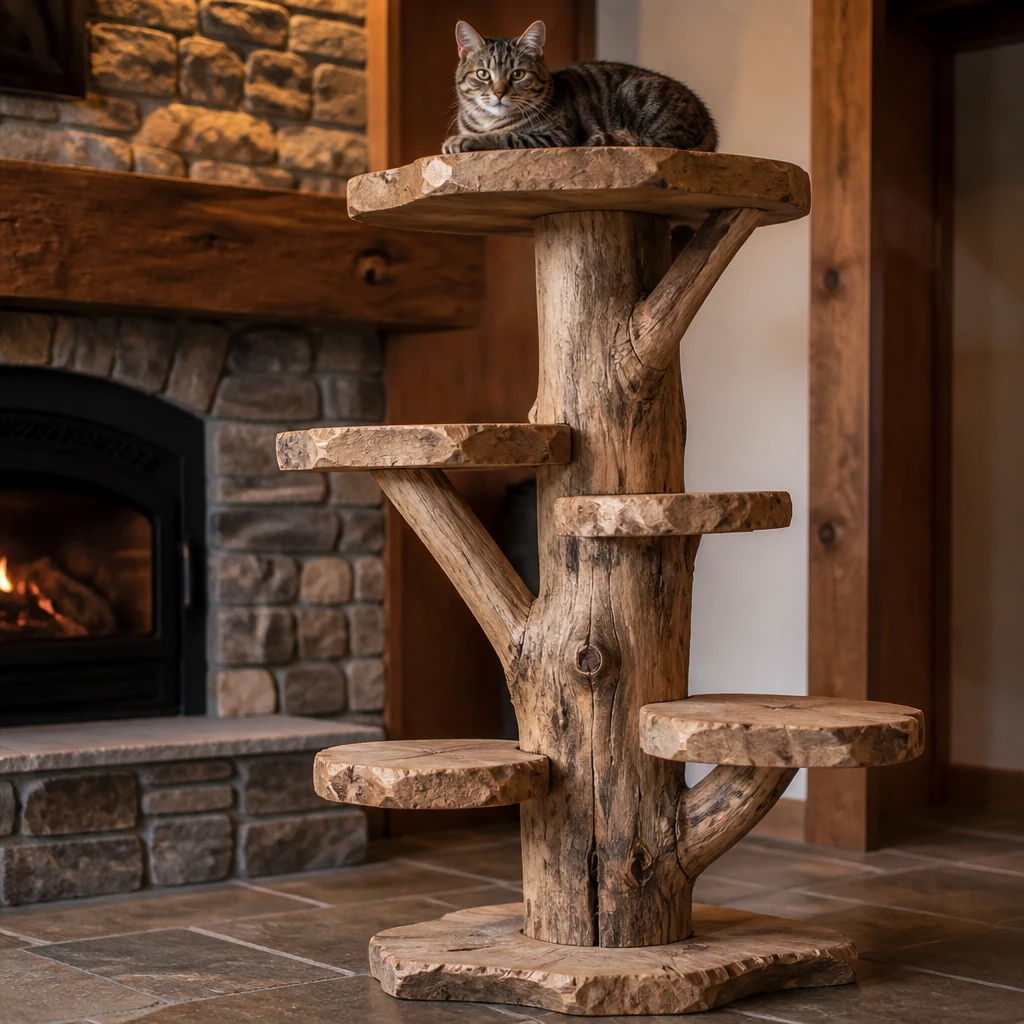
I built a rustic wooden post and platform tree using reclaimed wood for stability and aesthetics. My cat appreciates the rough texture for scratching, while the high platform offers a commanding view. I recommend sanding edges to keep it splinter-free.
Pro Tip: Seal wood with non-toxic finish to protect both cat and wood longevity.
5. Compact Corner Cat Tree
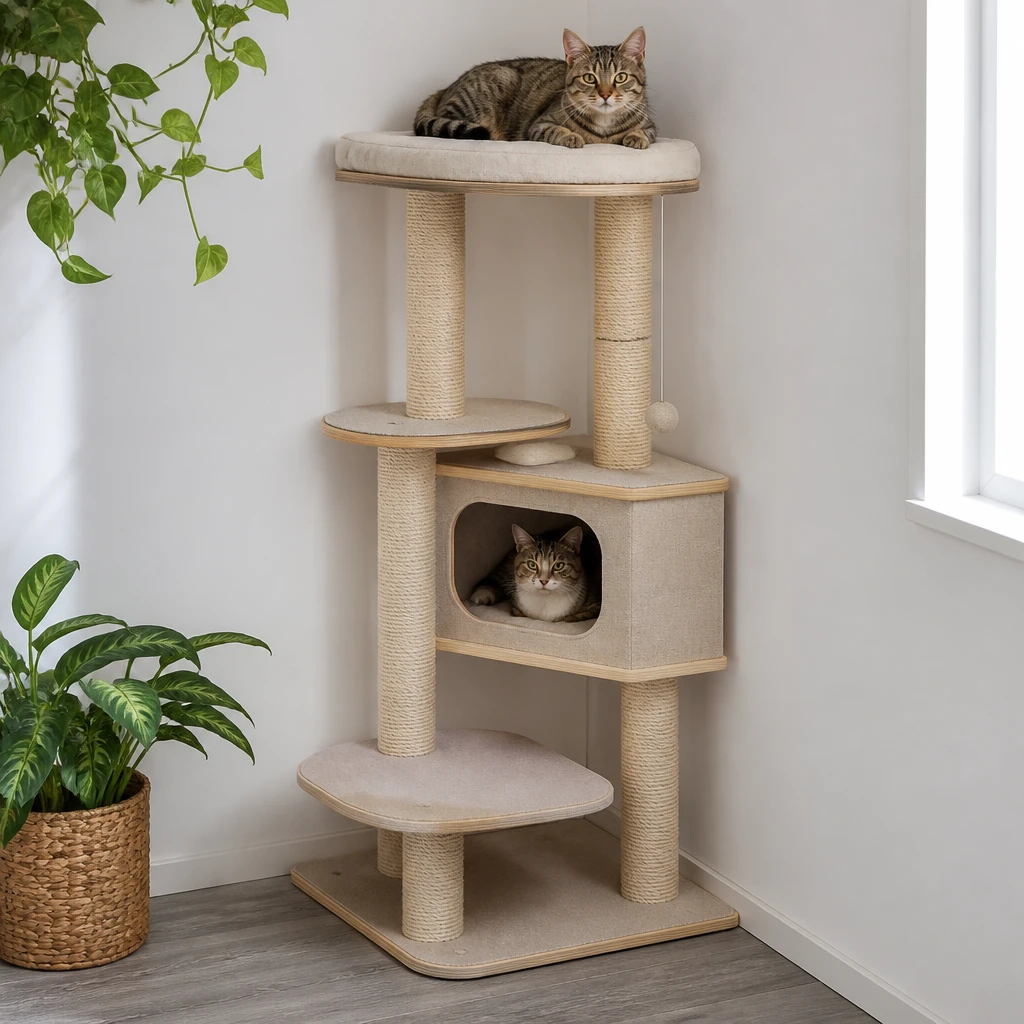
In small spaces, I rely on compact corner cat trees that maximize unused areas. I designed mine with tiered platforms and a cozy cubby tucked into the corner. My cats love feeling hidden yet elevated, and I love how it saves valuable room.
Insight: I always find corners perfect for integrating discreet cat spaces without crowding the room.
6. Cylindrical Sisal Wrapped Scratching Post
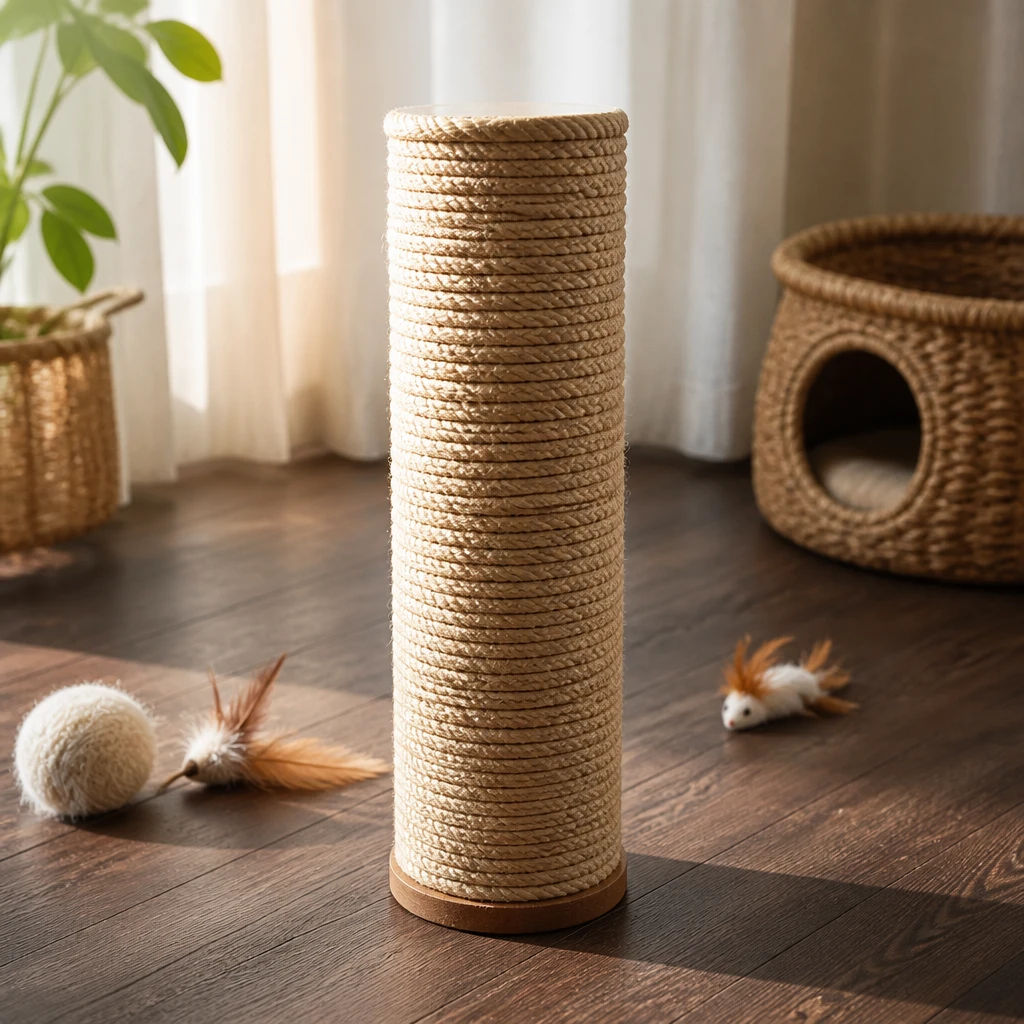
I wrapped a tall cylinder with natural sisal rope to create a durable scratching post centerpiece. This helps protect my furniture while giving my cats a satisfying texture to scratch. I place it in their favorite lounging area to encourage use.
Fact: Sisal fibers are naturally rough and long-lasting, perfect for cat claws.
7. Vintage Ladder Cat Climber
I repurposed a vintage wooden ladder into a cat climber by adding platforms and cushions on the rungs. It brings a charming rustic feel with vertical climbing options. I always secure the ladder firmly to the wall to prevent tipping during play.
Pro Tip: Anchor vintage ladders to walls for safety before letting cats climb freely.
8. Hollow Tree Stump Hideout
I turned a hollow tree stump into a private cat hideout to satisfy my cat’s love of cozy dens. This natural, earthy design blends well with rustic decor and offers shade and solitude. I line the inside with soft fabric to enhance comfort.
Insight: Natural materials like wood stimulate my cat’s instincts and comfort.
9. Multi-Level Bookshelf Cat Tree
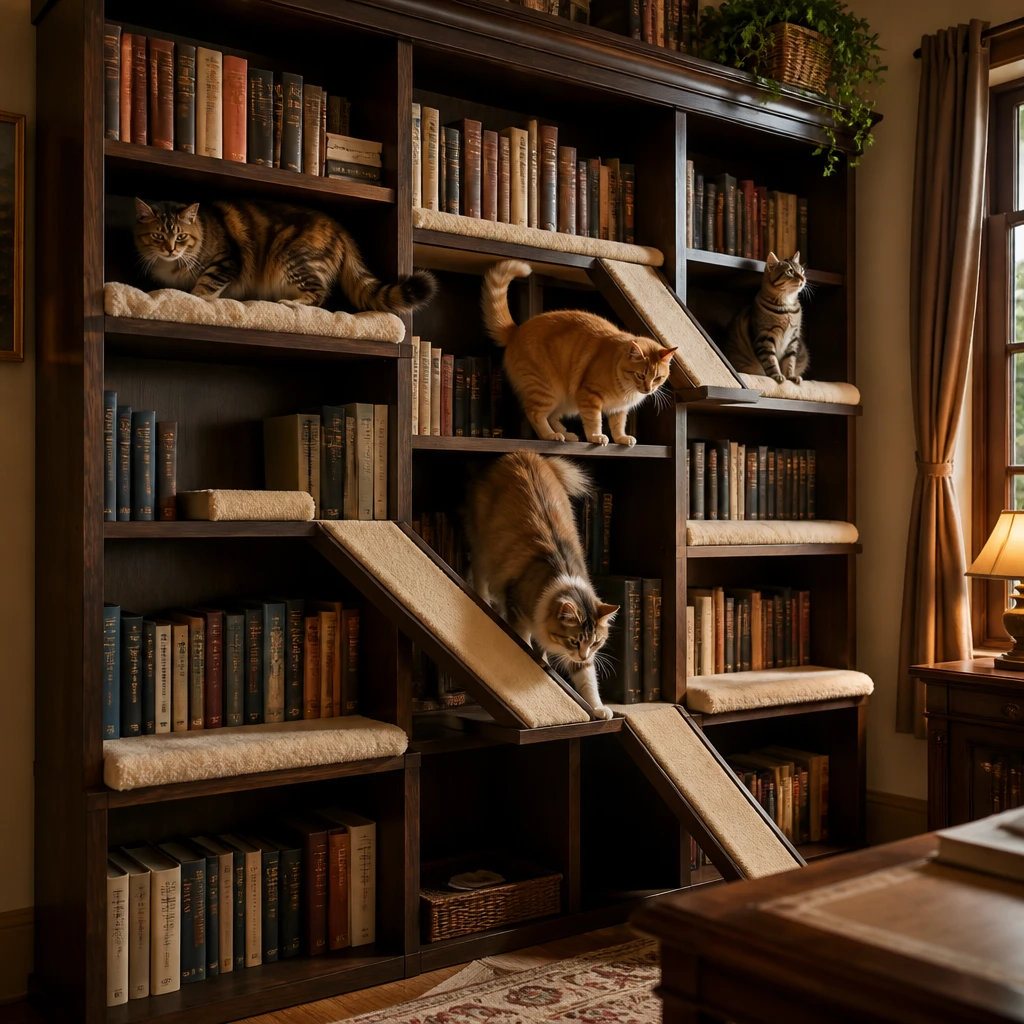
I converted my old bookshelf into a multi-level cat tree by adding ramps and cushioned spots on various shelves. It encourages climbing and resting while blending with my home library aesthetics. I make sure each shelf is sturdy enough to hold my cat safely.
Pro Tip: Reinforce shelves when adding weight-bearing cat climbing features.
10. Hanging Yarn Ball Playground
I crafted a hanging yarn ball playground from colorful yarn balls suspended at different heights to entertain my cats. This movable, tactile design encourages playful batting and swatting. I hang it near sunny windows to keep my cats engaged during the day.
Fact: Cats are naturally attracted to moving yarn for tactile stimulation.
11. Repurposed Suitcase Cat Bed and Climber
I transformed an old suitcase into a stylish cat bed that also acts as a climbing step. This compact idea adds charm and function without taking much space. I lined the interior with plush pillows for extra softness.
Insight: Repurposing vintage items can create unique and personal cat spaces.
12. Circular Wall Cat Wheel
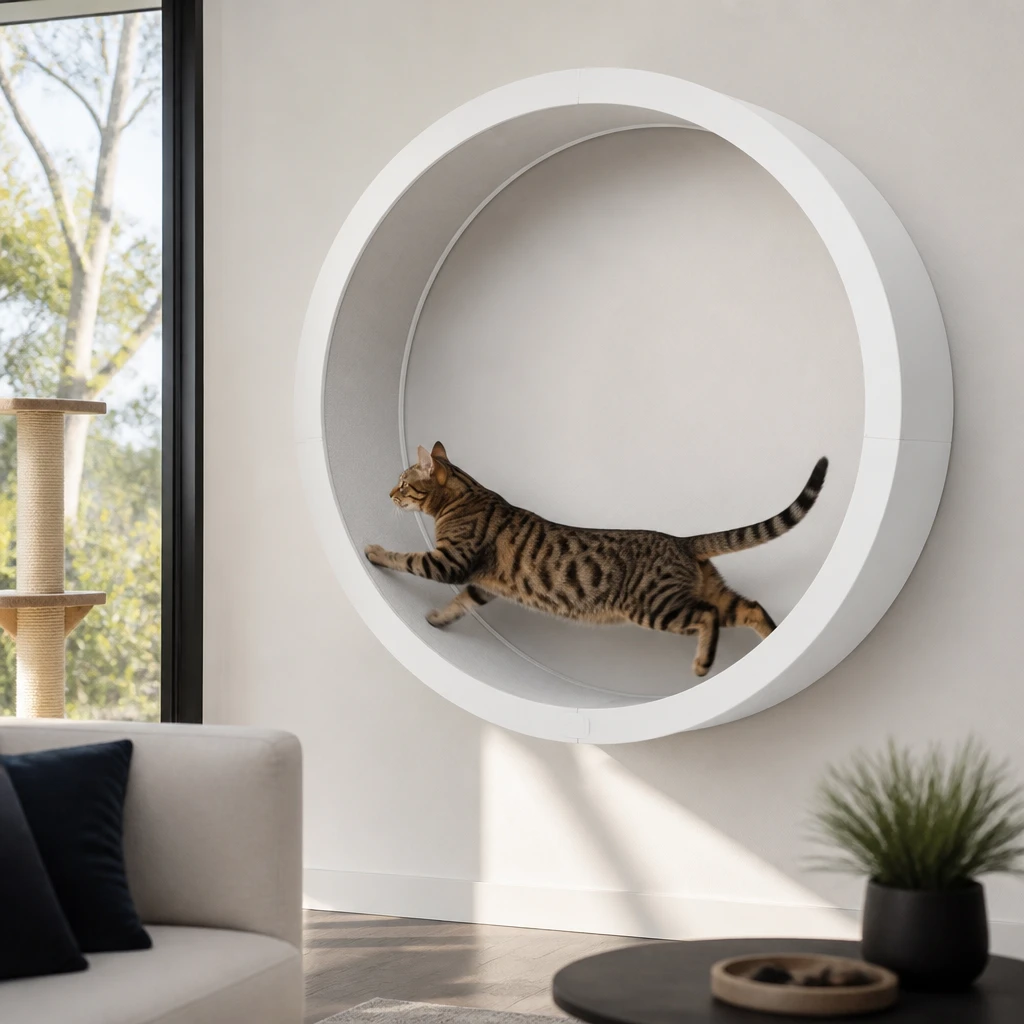
I experimented with building a circular cat wheel mounted on the wall to provide exercise and entertainment. It allows my high-energy cat to run indoors for cardio. I always test the wheel’s rotation smoothness before allowing full use.
Pro Tip: Balance the wheel properly to ensure smooth rotation and prevent accidents.
13. DIY Rope Wrapped Platforms
I made platforms wrapped in thick jute rope to offer texture and gripping surfaces for climbing. These platforms add rustic charm and practically withstand scratches. I secured the rope ends carefully to prevent unraveling over time.
Fact: Natural jute rope withstands wear and looks great in rustic settings.
14. Under-Stairs Cat Nook
I transformed the empty under-stairs space into a cat nook with carpeted steps and a cozy pillow zone. This clever use of awkward spaces gives privacy and climbing fun in one. I added LED strip lights for gentle illumination at night.
Insight: I always look for overlooked spots in my home to create unique cat retreats.
15. Hanging Wooden Box Perches
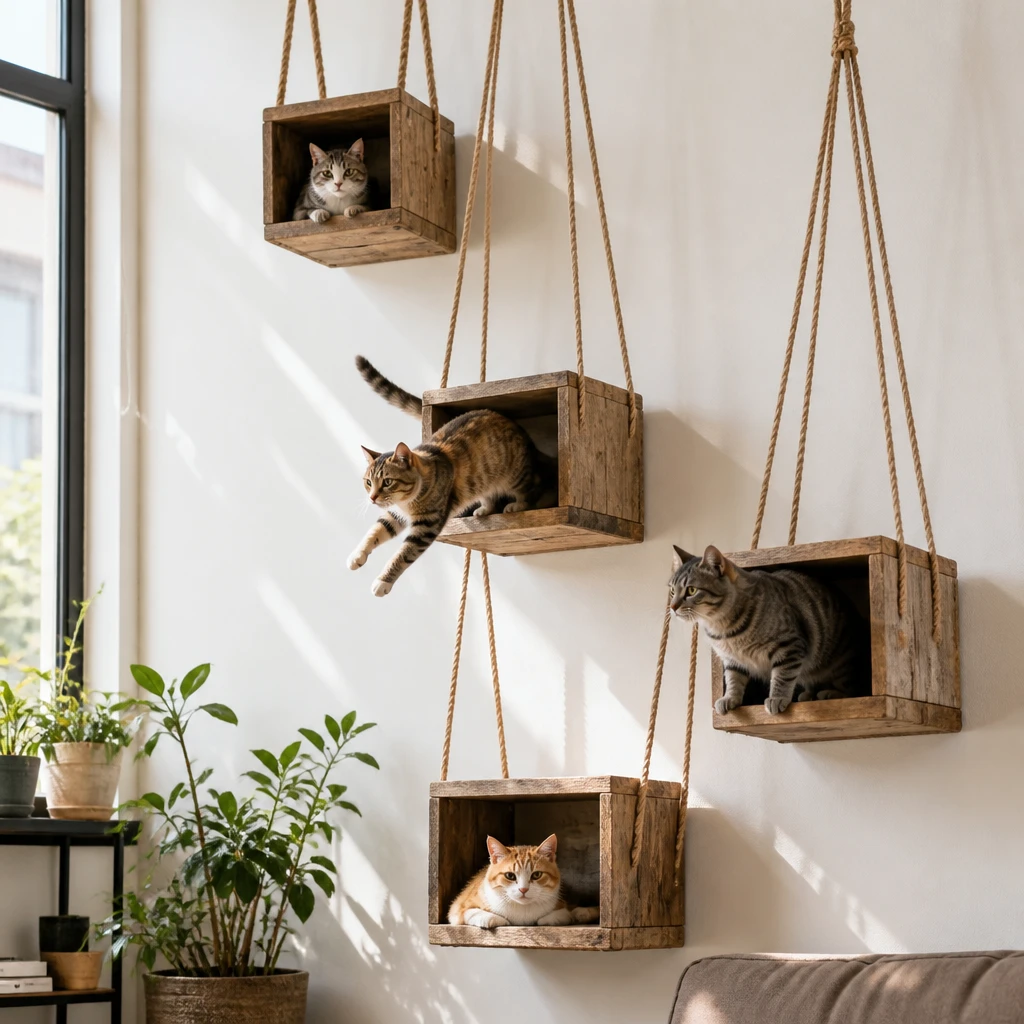
I suspended wooden boxes from the ceiling to create floating perches for my cats. This vertical design inspires climbing and exploration and looks artistic in my space. I tested secure ropes and hardware repeatedly to ensure safety.
Pro Tip: Use heavy-duty hardware and test stability before letting cats use hanging perches.
16. Upcycled Pallet Cat Tree
I upcycled a wooden pallet by sanding and attaching cushions to create a multi-platform cat tree. It provides a low-cost climbing structure with plenty of resting spots. I sealed the wood with pet-friendly varnish for durability.
Fact: Pallet wood is a versatile, eco-friendly base for many DIY pet projects.
17. Closet Door Mounted Cat Ladder
I installed a narrow ladder on the back of my closet door to give my cats vertical access to a shelf perch. It’s a clever space saver since it uses an otherwise idle area. I recommend soft padding on rungs to protect paws during climbs.
Pro Tip: Add non-slip padding to ladder rungs for comfortable climbing.
18. DIY Cat Carpet Scratcher with Platform
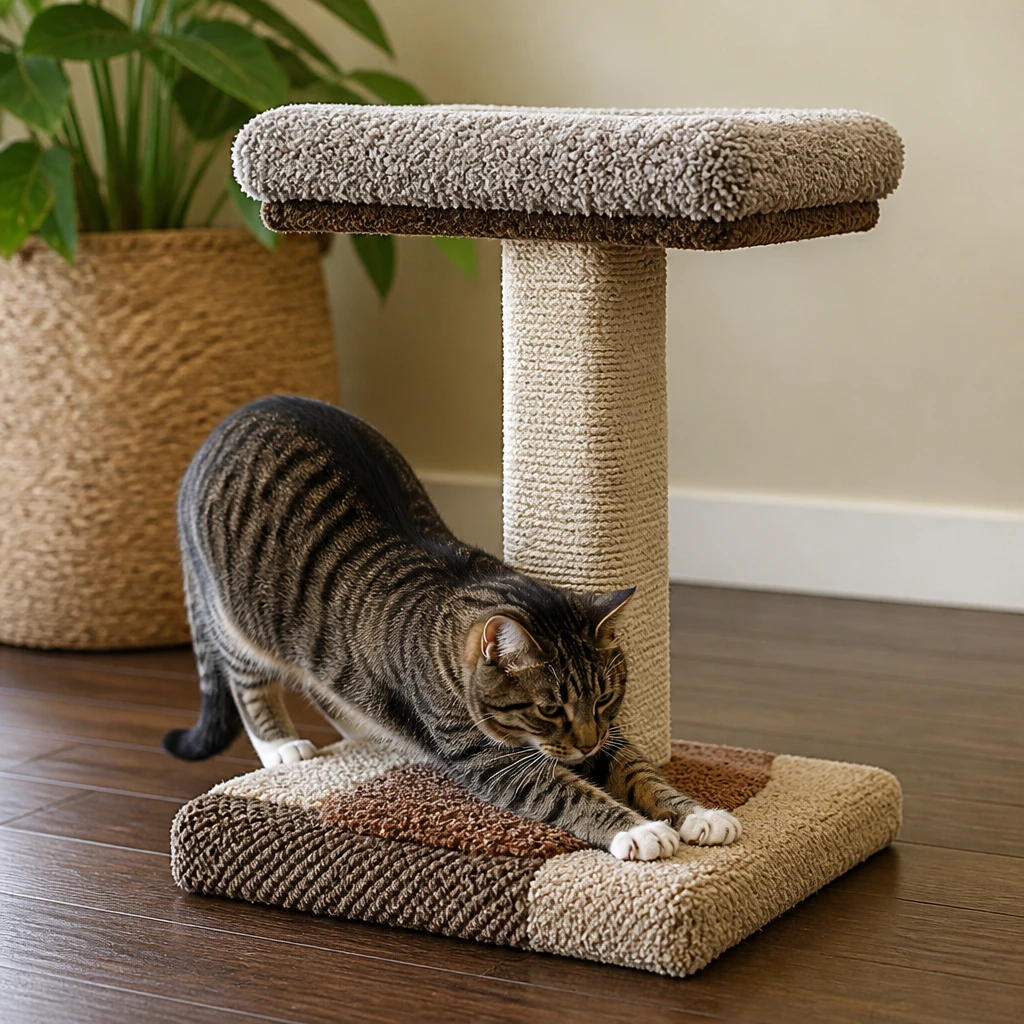
I combined old carpet scraps to create a sturdy scratcher topped with a cushioned platform. The rough carpet texture is a favorite scratching surface for my cats. I built a wide base to keep the structure from tipping over during aggressive play.
Insight: I find combining textures increases my cat’s interest in scratching posts.
19. Fabric Covered Tunnel Cat Walk
I crafted a fabric-covered tubular tunnel as a playful cat walkway mounted between walls. The soft texture invites hiding and running, which my cats love for quick games. I secured the ends with wooden rings to maintain shape and easy cleaning.
Pro Tip: Choose washable, durable fabric for easy maintenance of tunnels.
20. Perch Built from Stackable Crates
I stacked sturdy wooden crates to form a modular cat perch system, customizing height and shelves as needed. This flexible design lets me change layout or add cushions for comfort. I always secure crates together tightly to avoid shifting.
Fact: Stackable crates allow easy customization and expansion for cat trees.
21. Feather and Bell Hanging Toy Tree
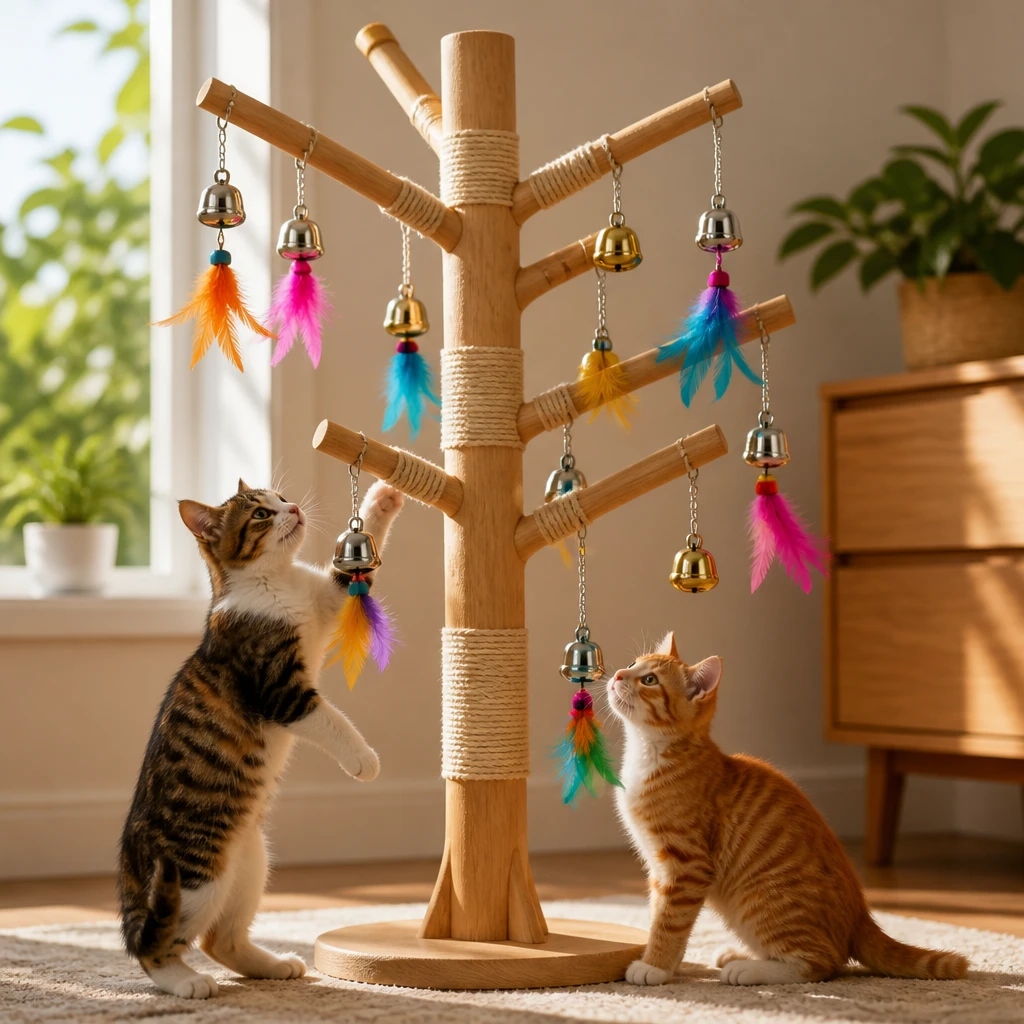
I added hanging feather and bell toys to a stable post tree to increase playtime engagement. These dangling items keep my cats mentally and physically stimulated. I rotate toys regularly to maintain their curiosity and excitement.
Insight: I notice my cats get bored quickly, so changing toys often keeps play fresh.
22. Ladder Shelf Hybrid Cat Tree
I designed a hybrid ladder shelf cat tree combining storage and climbing platforms in one piece. This approach saves space and integrates my cat’s climbing needs with decor. I keep the shelves organized so cats can navigate without obstacles.
Pro Tip: Maintain clear pathways on shelves to avoid obstructing your cat’s climb.
23. Cat Tree with Built-In Feeding Station
I integrated a feeding station into the base of a cat tree to streamline my cats’ activity areas. This keeps food tidily organized while encouraging breaks between climbing and eating. I clean regularly to keep the area hygienic and inviting.
Fact: Combining feeding with play areas helps promote healthy activity cycles.
24. Hanging Rope Ladder Climber
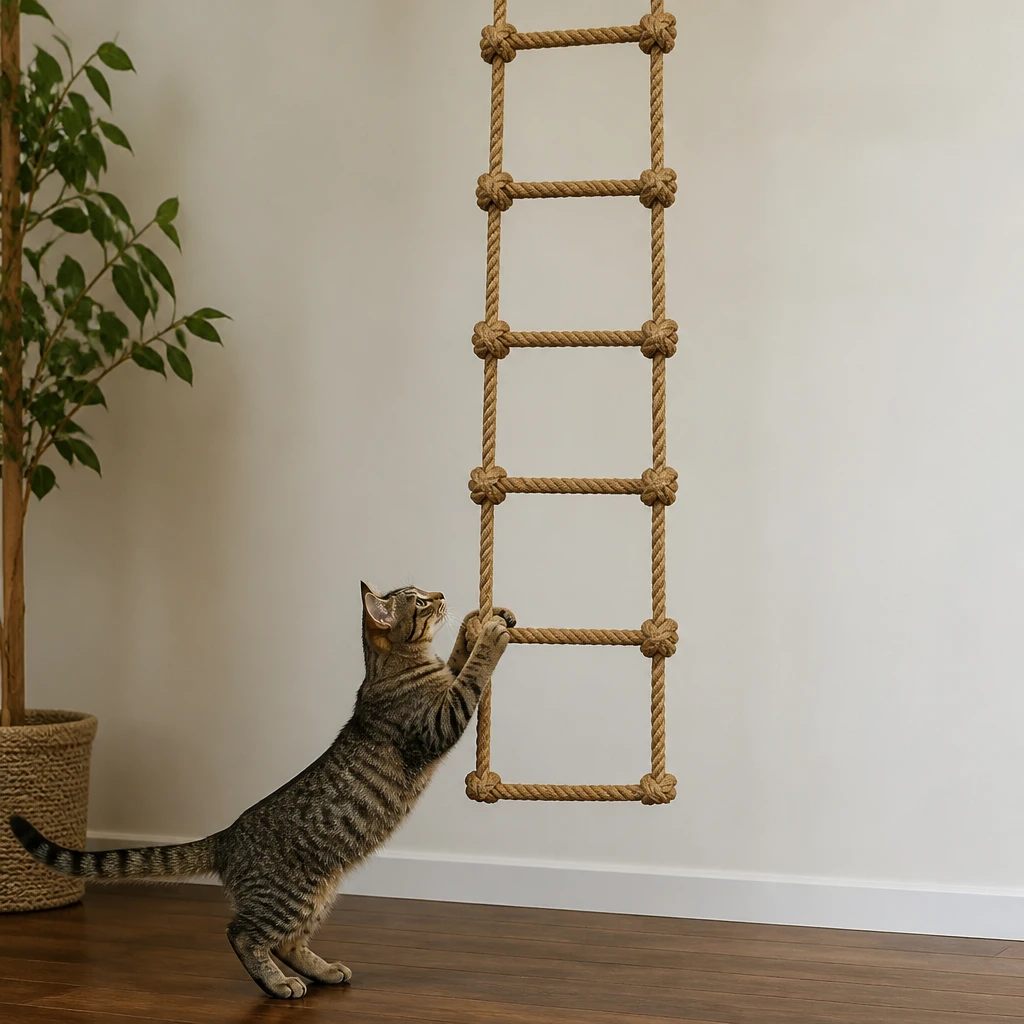
I used thick ropes to create a hanging ladder climber for my cats to scale vertically. The flexible movement encourages balance and agility training. I always supervise initial use to ensure my cats are confident and safe.
Pro Tip: Supervise new climbing structures to help your cat adjust safely.
25. DIY Sliding Puzzle Cat Toy Wall
I crafted a wall-mounted sliding puzzle with hidden compartments to mentally challenge my cats. This interactive feature encourages longer engagement and rewards with treats. I frequently change puzzle difficulties to keep my cats stimulated.
Insight: Mental challenges are just as important as physical activity for cats I’ve found.
26. Repurposed Bookshelf Cat Climber
I transformed an old bookshelf into a vertical playground for my cats, giving them plenty of spots to jump and nap. I carefully reinforced each shelf to handle their weight and added soft cushions on several levels for added comfort. This idea saved me money and gave my cats an engaging space that fits perfectly with my living room decor.
Pro Tip: Use non-toxic wood sealant to protect both your furniture and your cats.
27. Interactive Cat Tree with Puzzle Elements
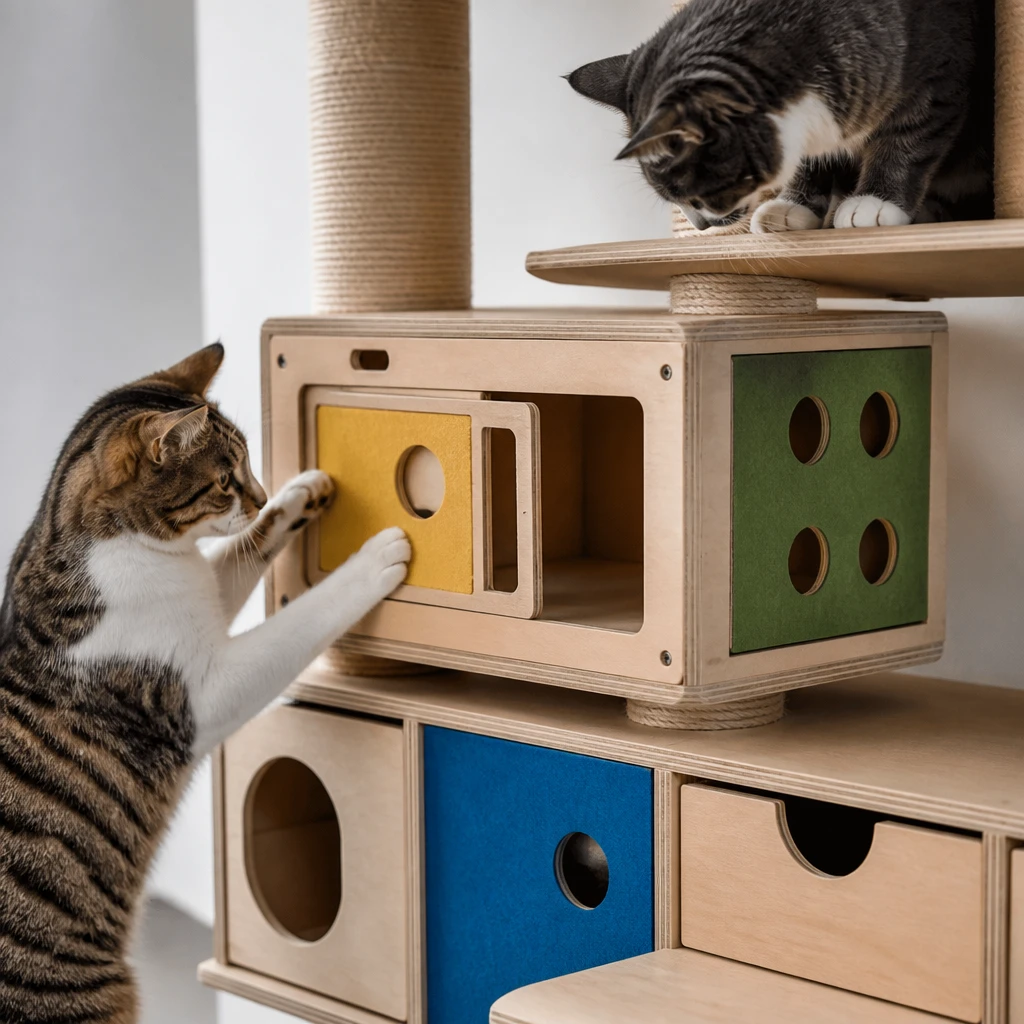
I designed a cat tree that includes puzzle compartments to keep my cats mentally stimulated during playtime. Integrating small hideaways and removable panels encourages them to explore and solve challenges, which reduces boredom. This DIY combines physical activity with mental exercise, something I found crucial for my indoor felines’ happiness.
Pro Tip: Incorporate interchangeable puzzle parts to keep your cat engaged over time.
28. Natural Branch Cat Climbing Tree
Incorporating natural branches into my cat tree gave it an organic look and added texture my cats love to scratch and climb. I sourced branches from safe, untreated wood and securely mounted them with sturdy brackets to ensure stability. The scent and irregular shapes make it more enticing than traditional smooth posts, and it blends nicely with my rustic home style.
Fact: Cats prefer natural textures like wood over synthetic materials for scratching.
29. Convertible Window Perch and Hideaway
I built a cat tree that doubles as a window perch and cozy hideaway, giving my cats fresh air and sun while feeling secure. The lower portion is enclosed for naps and privacy, while the top platform is padded and positioned to maximize the outdoor view. My cats love the mixture of open lookout and sheltered comfort, making it their favorite hangout spot.
Insight: I found that combining visibility with privacy makes my cats feel safer and more relaxed.
30. Compact Corner Cat Tree for Small Spaces
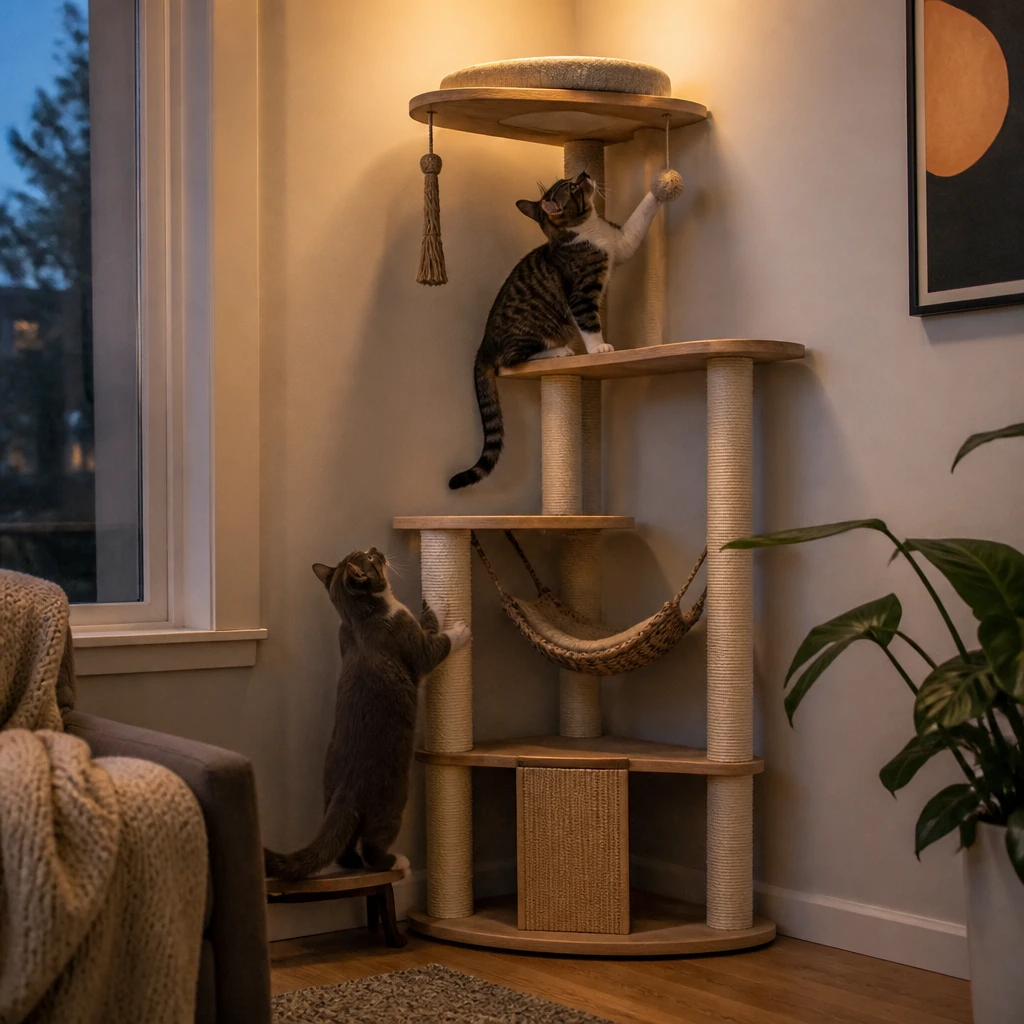
I designed a compact corner cat tree to fit into tight spaces without sacrificing play features my cats need. Utilizing vertical layers with scratching pads, hammock nets, and hanging toys, I maximized the use of limited floor area. This solution is perfect for apartment living and keeps my cats entertained while preserving valuable room for other furniture.
Pro Tip: Measure your corner space carefully before building to optimize fit and function.
FAQs ( Frequently Asked Questions )
Conclusion
Building DIY cat trees has been one of the most rewarding ways I’ve enriched my cats’ lives and my home style. I hope these 30 ideas inspire you to create something special and tailor-made for your furry friends. Remember, a little creativity goes a long way in crafting a happy cat environment.