25 Budget-Friendly School Organization Ideas for 2026
I’ve found that organizing school supplies and schedules can completely change the way the year goes, especially when you keep costs low. In 2026, I’m excited to share 25 budget-friendly school organization ideas that have worked well for me and are easy to replicate. These practical tips helped me stay on top of things without breaking the bank.
Key Takeaways
- Using repurposed household items can save money and reduce clutter.
- Establishing simple routines promotes consistent organization habits.
- DIY labeling systems enhance accessibility and efficiency.
- Creating dedicated zones for supplies limits distractions.
- Incorporating visual planners supports time management.
1. Repurpose Glass Jars for Supply Storage
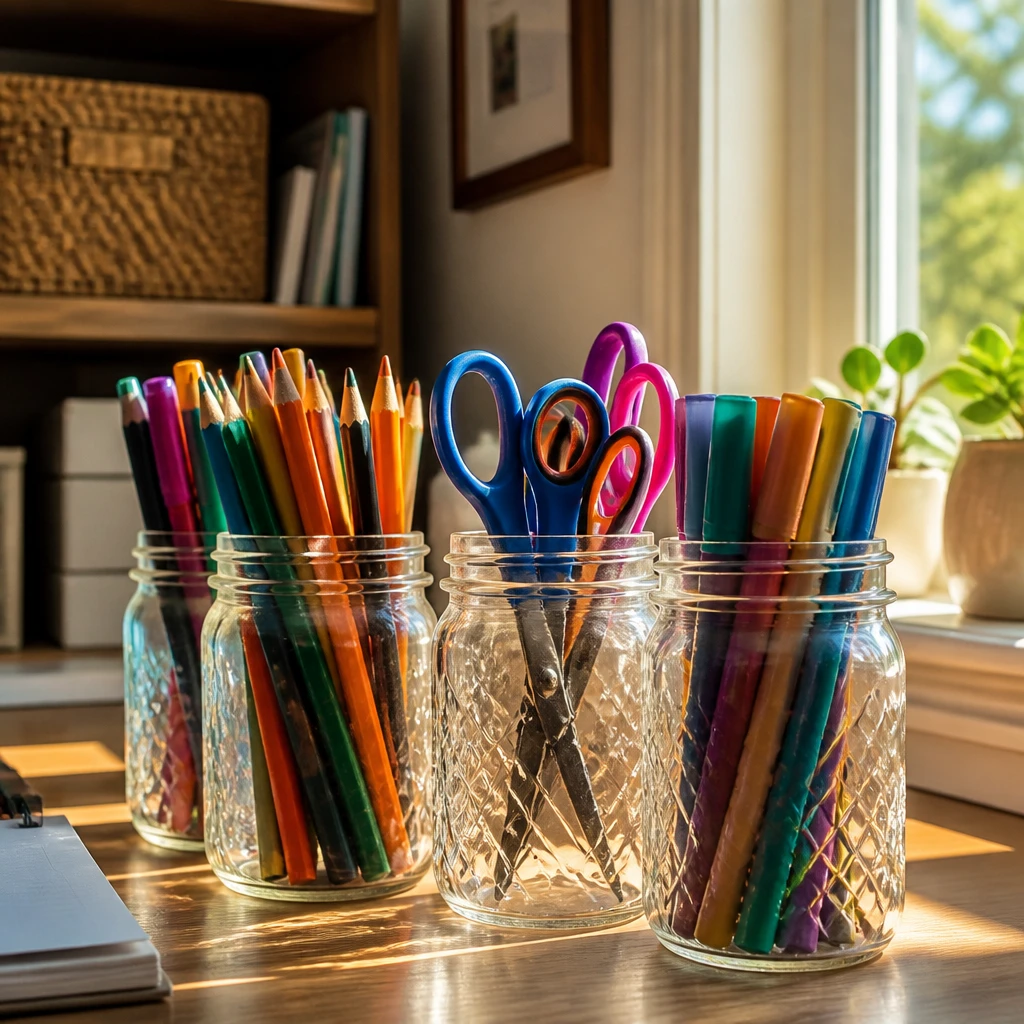
I always save clean glass jars to organize pencils, pens, and markers because they’re inexpensive and transparent, so I easily see what’s inside. Adding labels with printed or handwritten tags helps me quickly identify contents and keep similar items grouped. This simple solution replaces plastic organizers and adds a charming, eco-friendly touch to my workspace.
Pro Tip: Use leftover jars from jams or sauces for clear, cheap supply holders.
2. Create a Homework Command Center
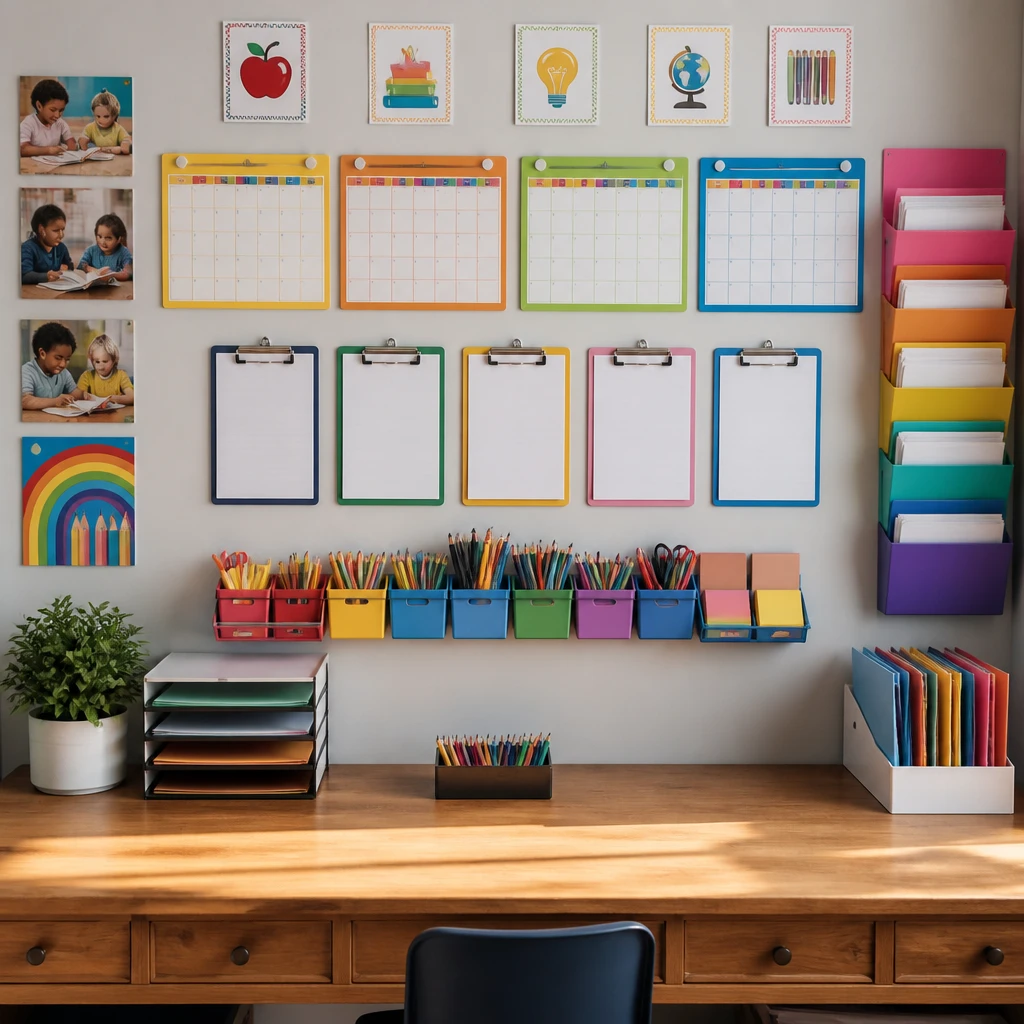
I designed a dedicated homework spot with clipboards, calendar charts, and easy-access supplies so all essentials stay in one place. This prevents me from losing important papers or scrambling for materials after school. I’ve found that this centralized setup reduces stress and keeps me focused during study time.
Insight: A homework command center motivates me to tackle tasks efficiently.
3. Use Dollar Store Bins for Categorized Storage
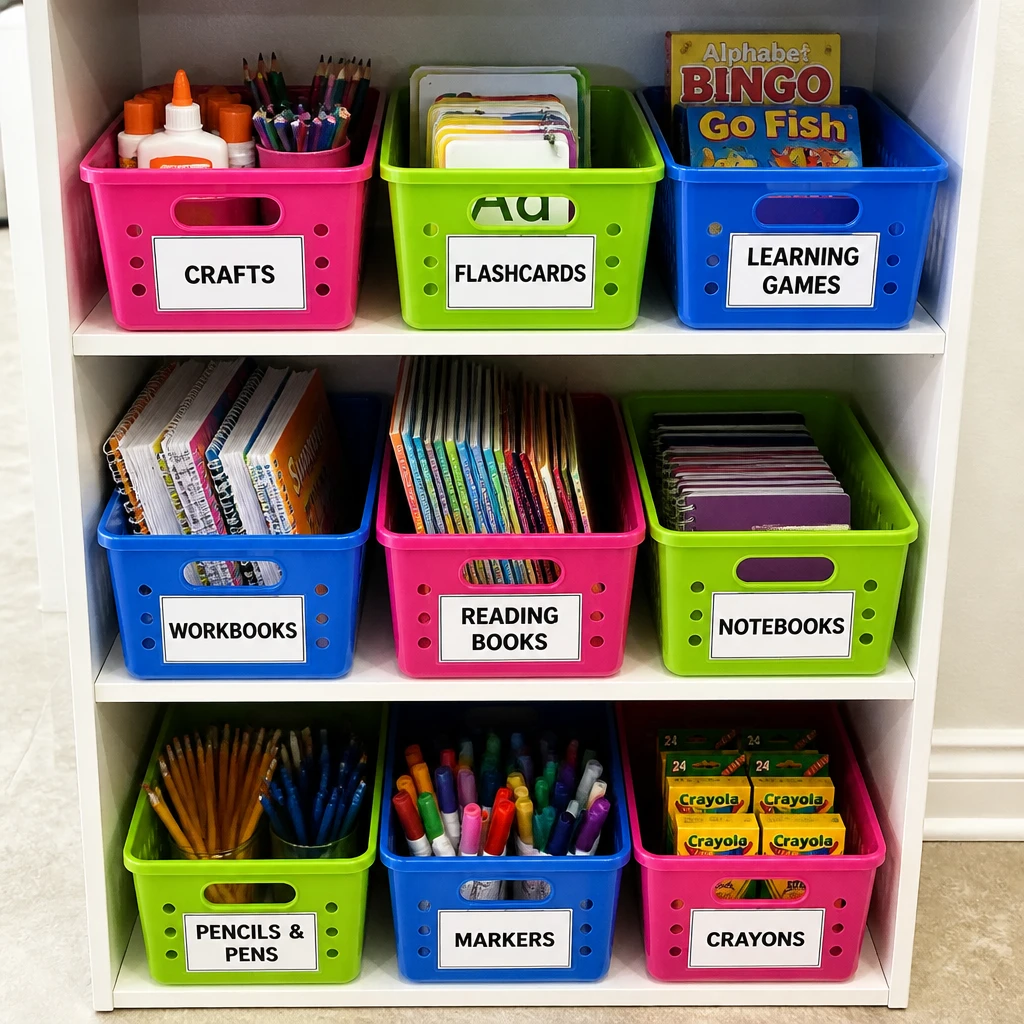
In my experience, dollar store bins are lifesavers for sorting craft supplies, flashcards, and small gadgets without spending a lot. I label each bin clearly, which makes it easier for me to put things back where they belong after use. This approach helps me maintain order in larger storage areas like closets or shelves.
Pro Tip: Label dollar store bins by category to streamline clean-up time.
4. Designate a Daily Backpack Station
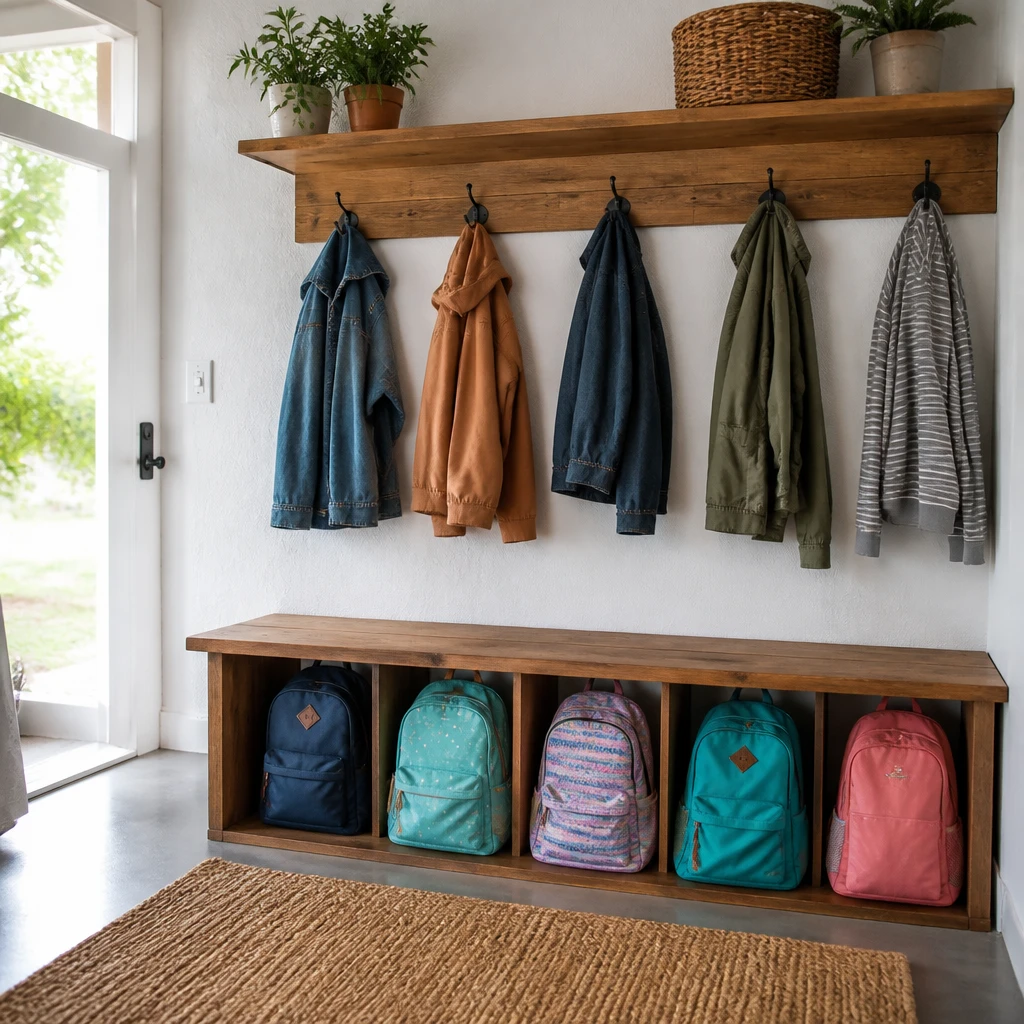
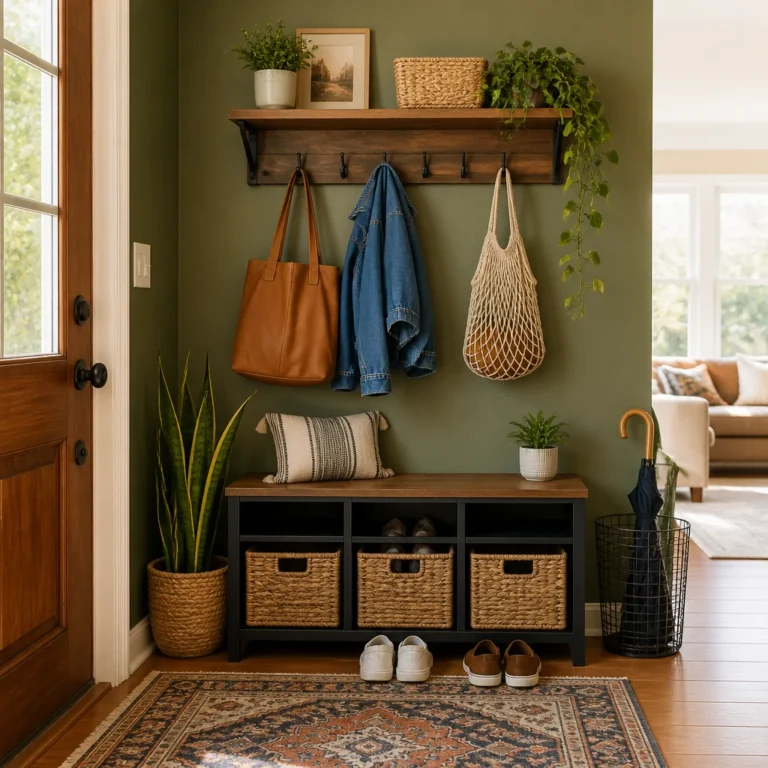
I set up a small bench or shelf near the door to keep backpacks, lunchboxes, and shoes organized and ready to go. This habit saves me morning chaos because everything is gathered in one accessible place. I also added hooks on the wall for winter coats, which keeps the entryway tidy all year.
Fact: A dedicated backpack station reduces morning prep time by up to 30%.
5. Make Personalized Pencil Pouches
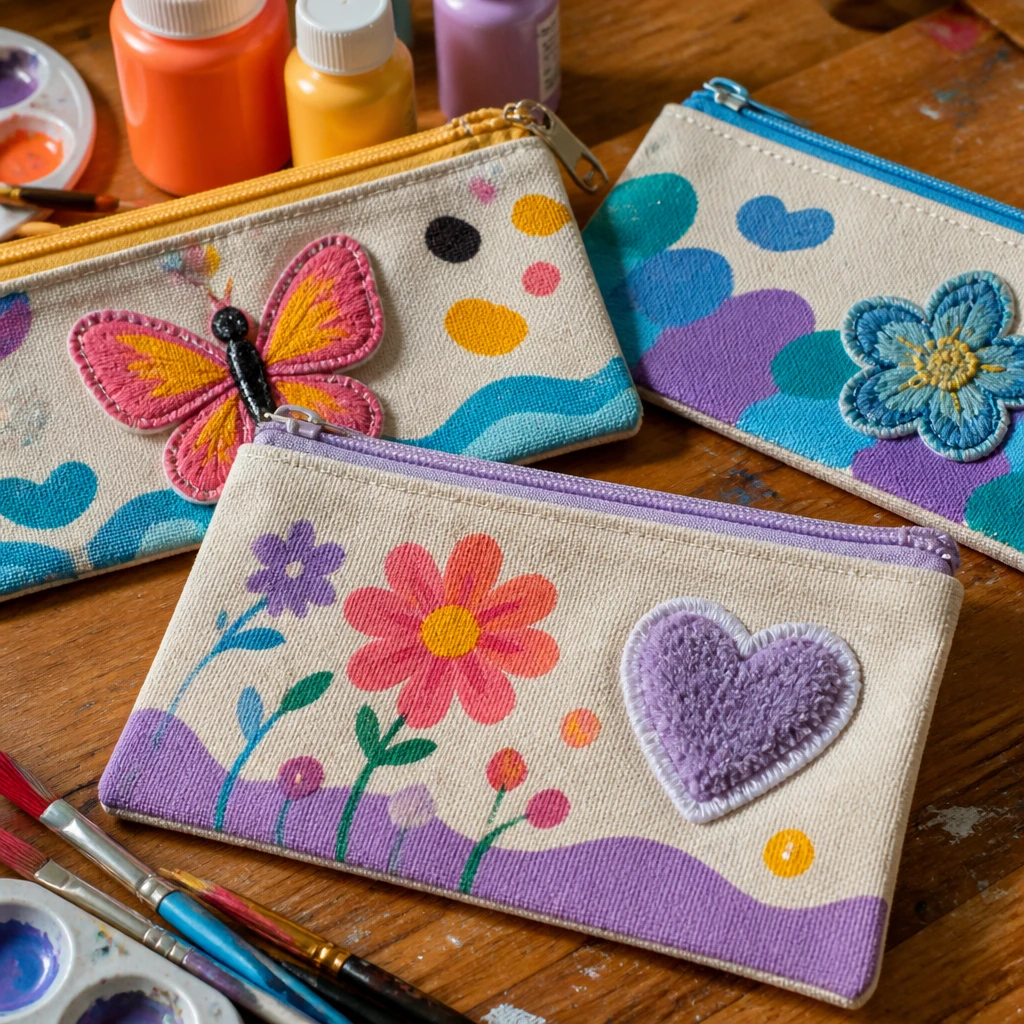
I enjoy customizing inexpensive pencil pouches with fabric paint or iron-on patches to easily distinguish mine from others. This project costs less than store-bought fancy pouches and adds a personal touch to my school supplies. Plus, switching up designs keeps things fun and fresh throughout the year.
Pro Tip: Add DIY decorations to budget pencil pouches for easy personalization.
6. Set Up a Weekly Visual Planner
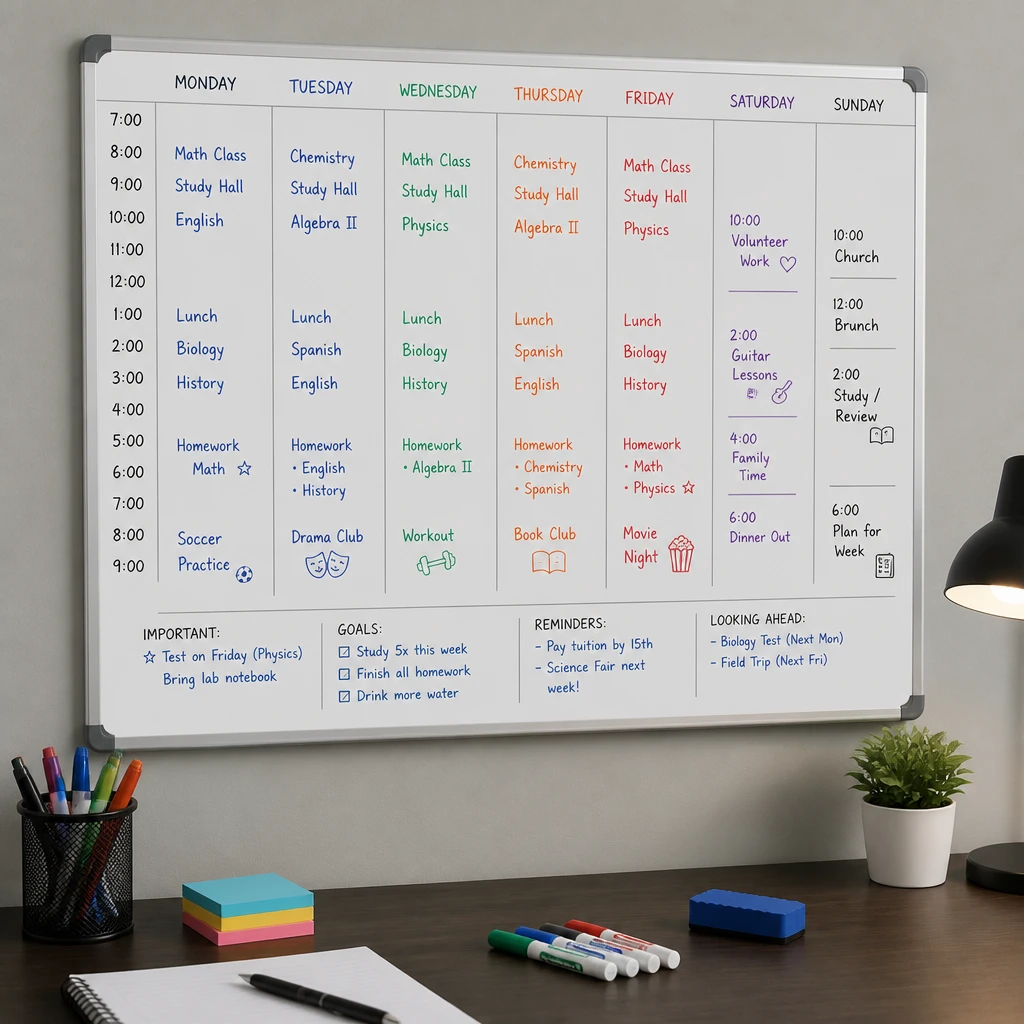
I use a large dry-erase board mounted on my wall to break down weekly assignments and events visually. Writing everything in different color markers helps me prioritize and remember deadlines with ease. This planner also serves as a motivating tool, so I feel more in control of my time.
Insight: Visual planners boost my accountability and reduce procrastination.
7. Use Binder Clips as Cord Organizers
I’ve found binder clips to be inexpensive and effective for keeping charging cords and earbuds untangled. Attaching them to the edge of a desk or drawer keeps cables accessible but prevents them from slipping away. This simple hack keeps my tech area clean without buying costly organizers.
Pro Tip: Clip and label cords with binder clips to avoid tangles and loss.
8. Create a Folder System for Loose Papers
I organize loose worksheets and important documents in inexpensive, color-coded folders labeled by subject. This system helps me quickly locate what I need and reduces the clutter that accumulates throughout the school week. I keep the folders in a portable file box so I can take homework to any room easily.
Fact: Color-coded folders increase homework retrieval speed by up to 40%.
9. Label Everything for Quick Access
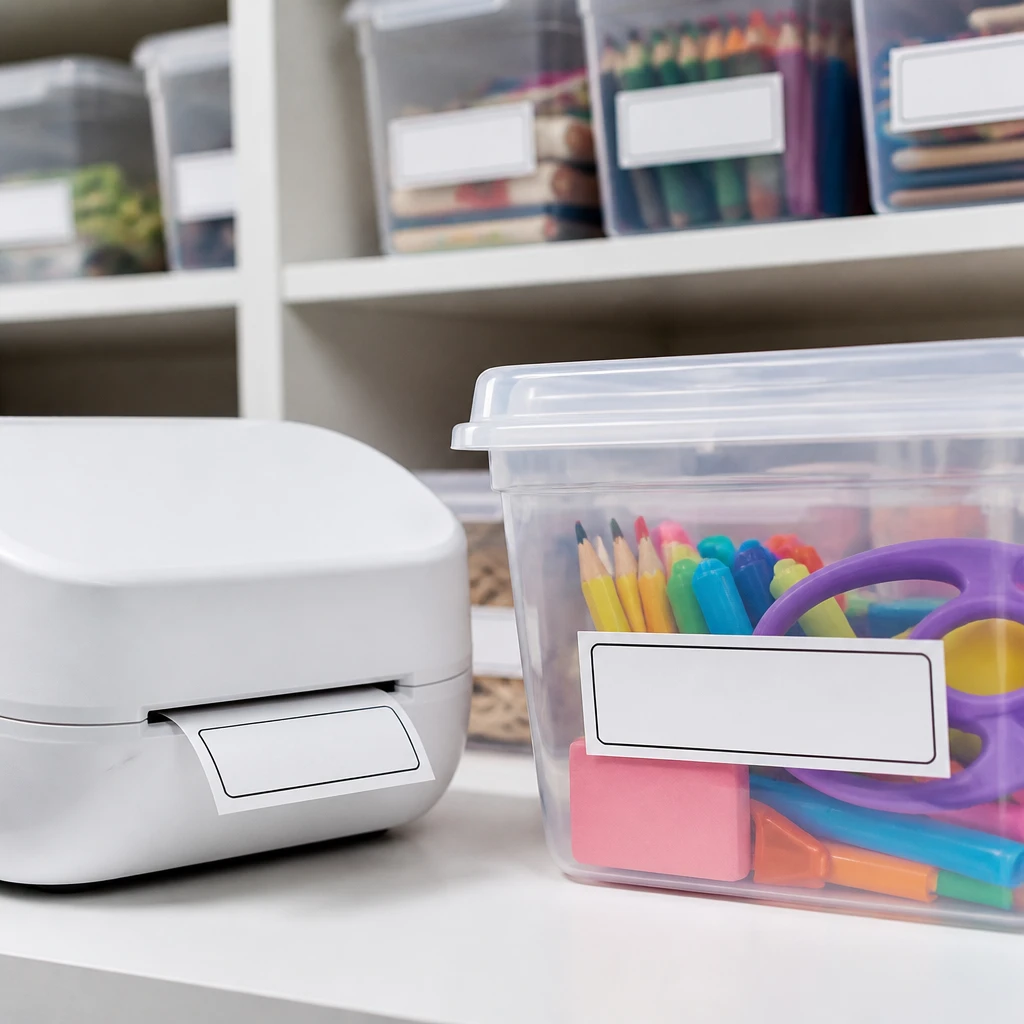
I always label storage bins, folders, and even shelves to keep track of supplies easily. Using a label maker or printable labels with clear fonts ensures I never waste time searching. In my experience, this small step greatly reduces friction in maintaining an organized space.
Pro Tip: Label all storage to streamline finding and returning supplies.
10. Use Hanging Shoe Organizers for Supplies
I hang fabric shoe organizers on the back of my classroom or bedroom door to store small supplies like glue sticks, scissors, and calculators. This maximizes unused vertical space and keeps items visible and easy to grab. Installing this organizer was quick and very affordable compared to traditional storage furniture.
Insight: Vertical storage like shoe organizers frees up desk clutter effectively.
11. DIY Chalkboard Labels for Jars and Containers
I painted small areas of jars and containers with chalkboard paint so I can write and erase labels repeatedly. This reusable method saves money on stickers and adds a rustic, personalized look to my organization. I find it fun to update the labels as supplies change throughout the school year.
Pro Tip: Paint chalkboard labels on jars for a reusable and customizable system.
12. Keep a Donation Box for Outgrown Supplies
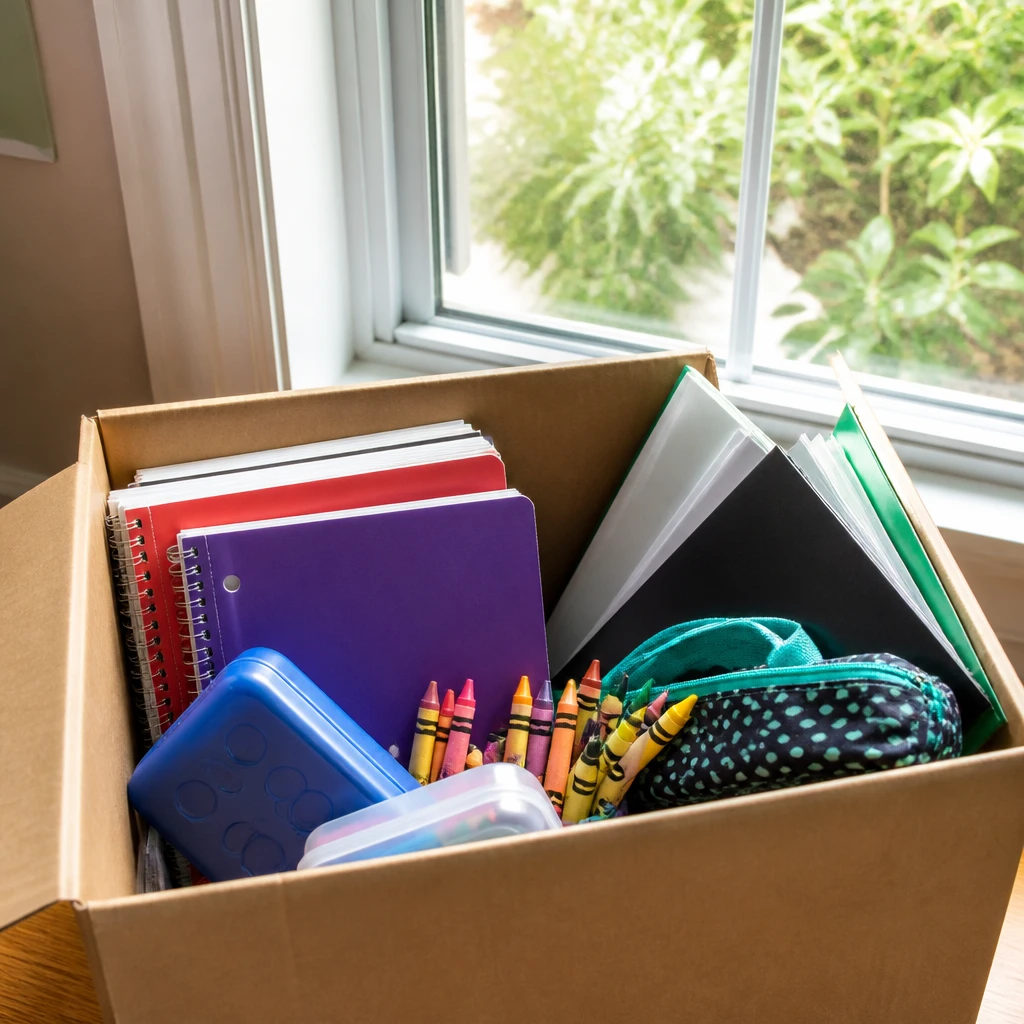
I keep a simple cardboard box designated for supplies I no longer need but are still usable to donate or share. This habit helps me declutter regularly while supporting others who might benefit from leftover materials. Over time, it prevents accumulations and encourages mindful organizing.
Fact: Regular donation of supplies reduces clutter and supports community needs.
13. Print Free Printable Planners and Checklists
I often find free printable planners and checklists online, which I customize for my needs before printing at home. These tools help me track assignments, tests, and goals without buying expensive planners. I hole-punch and add them to a binder, which keeps everything neatly contained and easy to update.
Pro Tip: Use free printables to create personalized, reusable organizers.
14. Turn Old Cereal Boxes into Desk Organizers
I cut and decorate old cereal boxes to create compartments for papers, notebooks, and folders. This repurposing saves money and reduces waste while providing custom-sized organizers that fit my desk perfectly. Adding decorative wrapping paper or washi tape makes each piece visually appealing and unique.
Insight: Repurposing cereal boxes is an eco-friendly way to tailor desk storage.
15. Use a Magnetic Whiteboard for Quick Notes
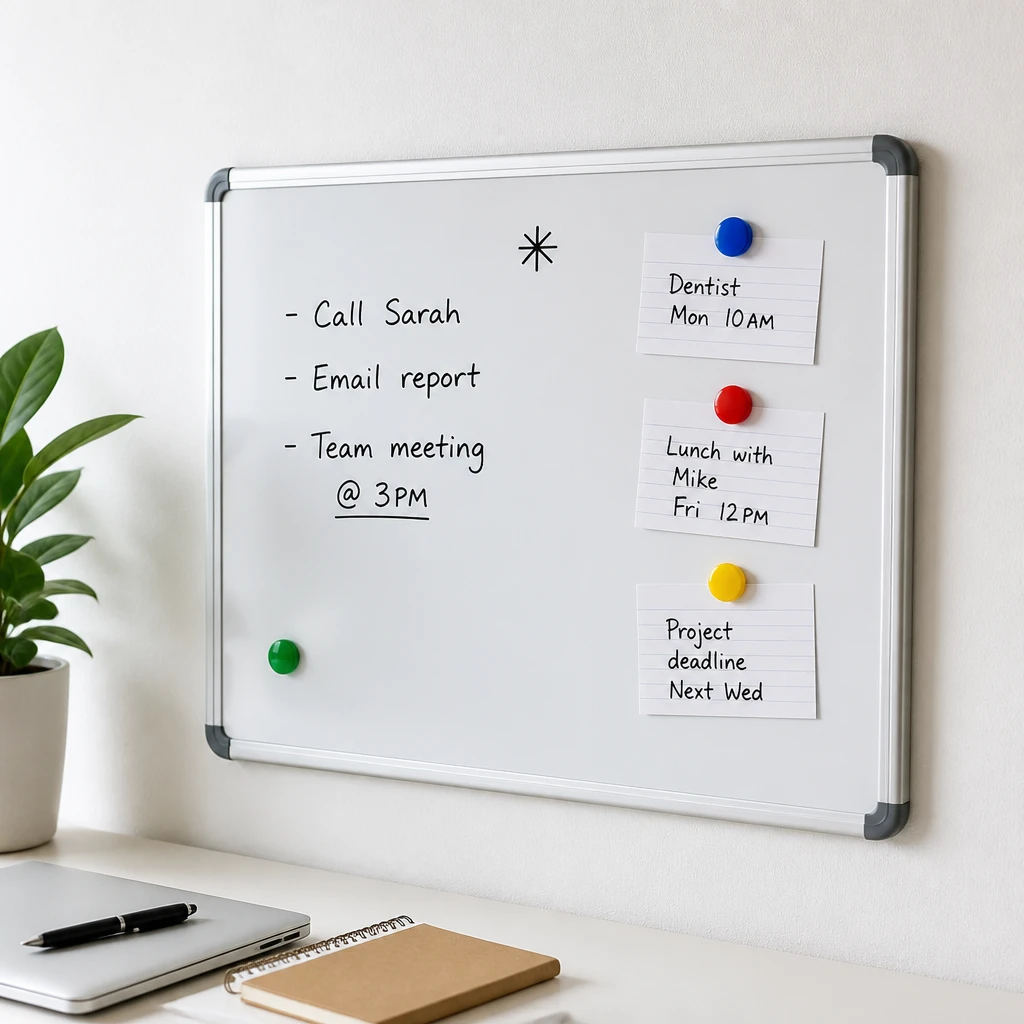
I set up a small magnetic whiteboard near my study area to jot down quick reminders, to-dos, or motivational quotes. Magnets let me attach important papers or appointment cards, so nothing gets lost. This dual-purpose board is a handy and reusable tool that constantly keeps me informed and inspired.
Pro Tip: Use magnetic whiteboards to combine notes and important paper reminders.
16. Make a Study Supply Caddy with a Shoe Box
I transform an empty shoe box into a portable study supply caddy by adding handles made of yarn or ribbon. This lightweight container holds essential items like highlighters, erasers, and sticky notes. Carrying the caddy between rooms keeps my study sessions flexible and all supplies at hand.
Pro Tip: Convert shoe boxes into carryable caddies to keep study tools organized.
17. Schedule Weekly Organization Check-ins
Every Sunday, I take 15 minutes to tidy my desk, folders, and supplies to prevent clutter buildup. This short, consistent routine keeps my space welcoming and efficient for the week ahead. I’ve noticed my stress lessens when I maintain this habit regularly.
Insight: Weekly check-ins sustain organization without feeling overwhelming.
18. Use Tidy Cubbies for Each Subject’s Items
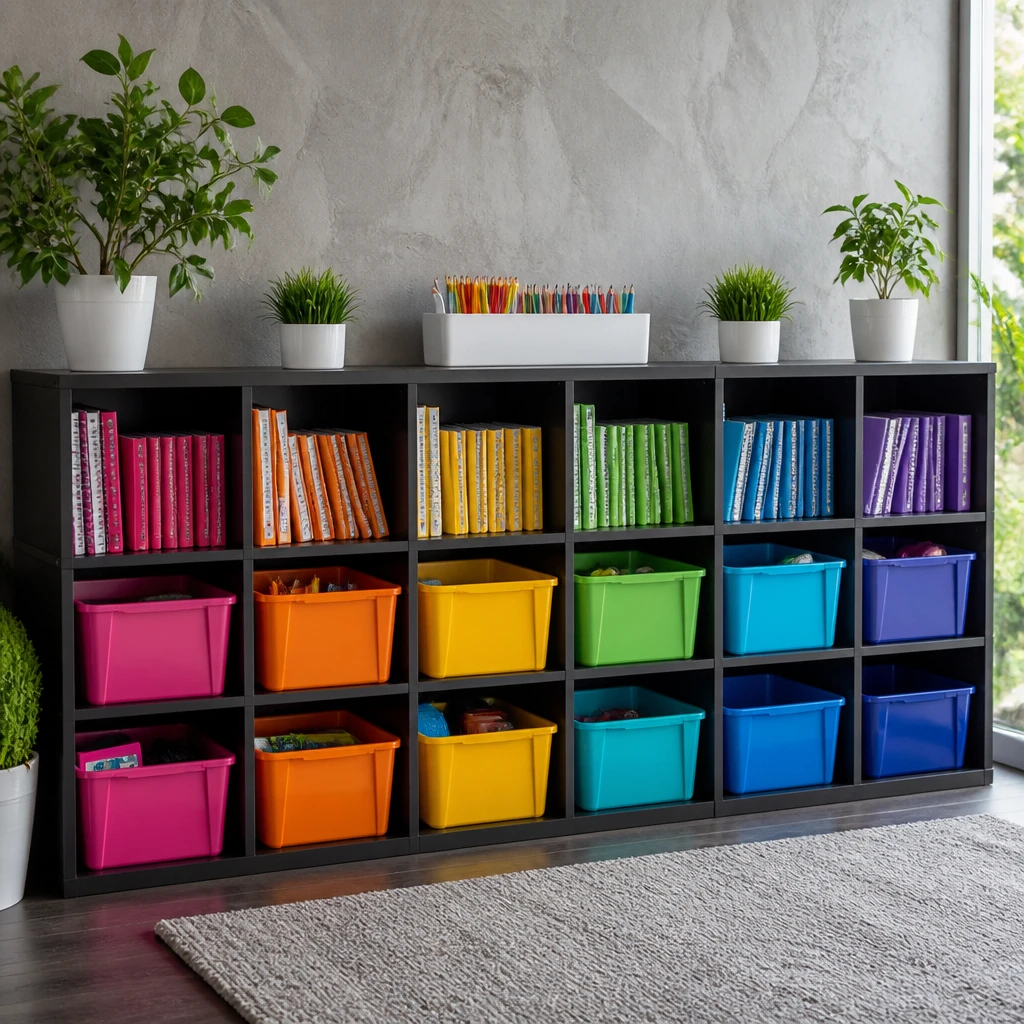
I assign a cubby or shelf section to each subject, filling it with specific books, notebooks, and supplies needed. This separation helps me avoid mixing materials and makes prepping for classes faster. I also customize cubbies with subject labels and colors for a visually clear system.
Fact: Subject-specific cubbies speed up study prep and minimize misplaced items.
19. Make Use of Wall-Mounted Magazine Holders
I attach inexpensive wall magazine holders near my study space to store folders, textbooks, and recent handouts vertically. This frees up desk space and keeps everything accessible without piles. I’ve found this to be a neat, low-cost way to keep papers organized and visible.
Pro Tip: Mount magazine holders on walls to maximize vertical storage space.
20. Use Colorful Washi Tape for Quick Categorizing
I mark notebooks, folders, and binders with washi tape in different colors and patterns to visually separate subjects or projects. This inexpensive tape peels off easily without damage, so I change color codes as needed. The fun designs keep me motivated to stay organized too.
Pro Tip: Use washi tape to add removable, color-coded labels to supplies.
21. Keep a Binder with Dividers for Loose Papers

I organize handouts and notes in a three-ring binder separated by dividers for each class. This keeps papers flat, secure, and easy to flip through when studying or completing homework. In my experience, this method replaces messy piles with an efficient filing system.
Fact: Binders with dividers reduce lost papers and improve study flow.
22. Repurpose Ice Cube Trays for Tiny Supplies
I use old or inexpensive ice cube trays to sort tiny supplies like paper clips, rubber bands, and push pins. The separate compartments prevent these small items from getting mixed or lost in drawers. This approach keeps my workspace neat and supplies exactly where I want them.
Pro Tip: Sort tiny items in ice cube trays to keep small supplies organized.
23. Use Clipboards to Organize Loose Sheets
I keep clipboards handy to group and manage loose papers or assignments by category or due dates. This keeps important documents visible and easy to transport when moving between study spots. I like switching out the papers regularly to stay on track without shuffling through piles.
Insight: Clipboards help me keep priorities visible and mobile.
24. Label Chargers and Tech with Washable Markers
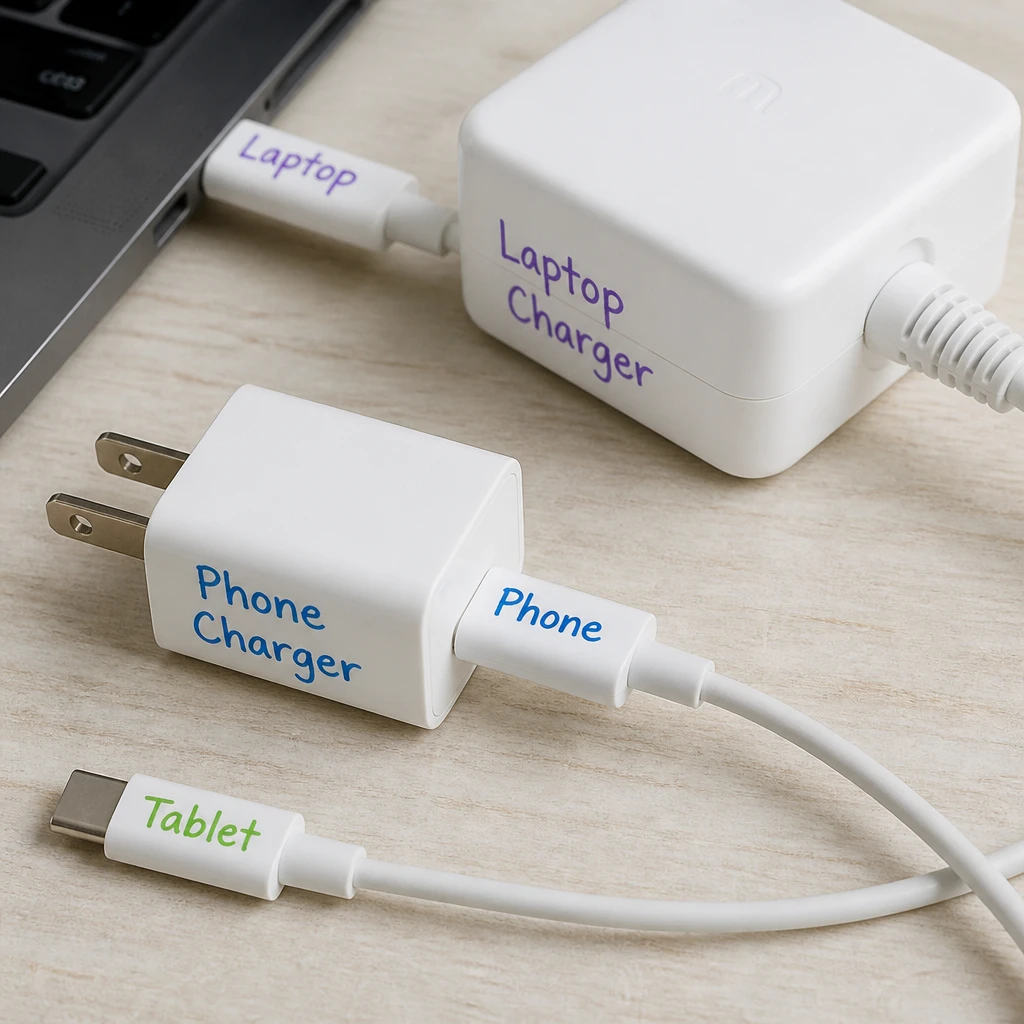
I use washable markers to write my initials or color-code chargers and cables so they don’t get mixed up with others at school or home. This identification method is quick, cheap, and easy to change. It has saved me from several frustrating mix-ups during busy days.
Pro Tip: Mark tech chargers with washable markers to avoid mix-ups.
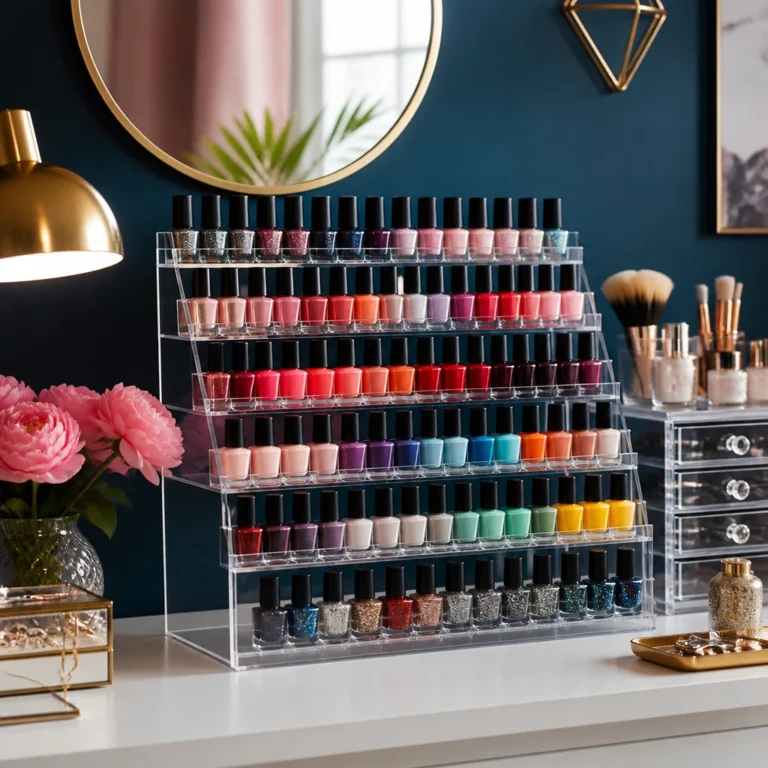
25. Organize Desktop Supplies in a Tiered Spice Rack
I discovered that tiered spice racks work perfectly for organizing small school supplies by height and accessibility. I use one to separate sticky notes, notepads, and correction tape for a decluttered desktop. It’s affordable, compact, and visually appealing for quick supply grabs.
Insight: Spice racks provide a stylish, tiered solution for desktop organization.
FAQs ( Frequently Asked Questions )
Conclusion
Incorporating these 25 budget-friendly school organization ideas has made my 2026 school year smoother and less stressful. I’ve realized that simple, affordable changes can transform clutter into calm and boost productivity. I encourage you to try a few and see how much easier staying organized can be.