21 Water Games for Kids in 2026
I find water games work best when kids have something to do even when they are waiting for the next round. A good activity does not need an expensive pool setup either. A bucket, sponge, cups, sprinklers, water-safe toys, or a small tub can be enough to turn a hot afternoon into active play.
In this guide, I’m sharing 21 water games for kids that cover different ages, group sizes, and spaces. You’ll find competitive relay games, toddler-friendly sensory play, pool activities, sprinkler games, and options that work without a swimming pool. I’ve also included simple ways to reduce waiting, keep younger children involved, and make each game easier to manage.
Key Takeaways
- I recommend keeping water games short and easy to understand, especially when several children are playing.
- You do not need a swimming pool for most of these activities. Buckets, sponges, cups, tubs, and a garden hose can create plenty of games.
- For younger children, I prefer shallow-water activities that focus on scooping, pouring, sorting, and simple movement.
- For larger groups, relay races and team challenges make it easier to keep everyone involved.
- I always treat water safety as part of the game setup. Children should be supervised around water, and slippery surfaces should be checked before play begins.
How Do I Keep Kids Engaged When They’re Waiting for Their Turn in a Water Activity?
I try not to make waiting a separate part of the activity. If one child is playing while five others stand around, boredom and arguments are almost guaranteed. Instead, I give the waiting children a small role, such as keeping score, cheering for a teammate, filling cups, collecting toys, or preparing the next round.
Short rounds also make a big difference. If a child only waits briefly before getting another turn, there is less reason to complain or leave the activity. For younger children, I would skip complicated scoring altogether and use simple goals such as “fill the bucket,” “find the toy,” or “get across without dropping the cup.”
A timer can help older groups understand when a turn ends, but I would keep the rules simple. Water makes surfaces slippery, so I also leave enough space between stations and remove anything that could become a trip hazard.
Kiddie Pool Challenge
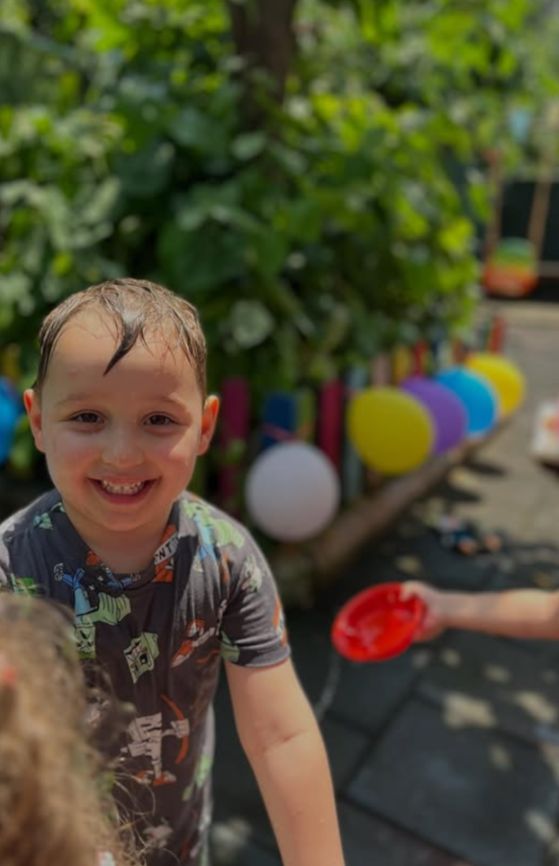
I like using a kiddie pool as a central station because it gives children several ways to play without needing a large swimming area. Fill it with floating toys, soft balls, cups, or other water-safe objects and give kids small challenges.
For example, one child can collect three floating toys while another tries to move a ball from one side to the other using a cup. You can turn it into a timed team game for older children or keep it as free play for toddlers.
Pro tip: Keep the water level low and use only toys that are designed for water play. A shallow setup is easier to supervise and clean up afterward.
Water Battle Arena
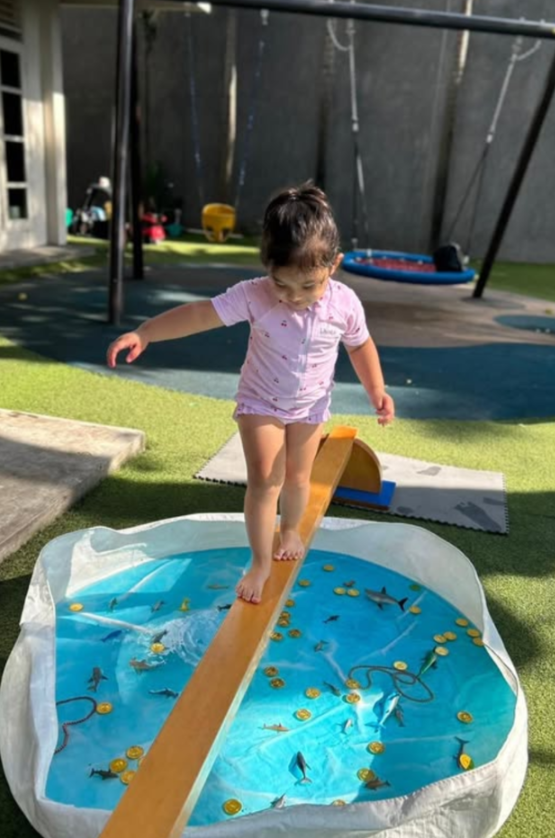
A water battle can work well when you have enough outdoor space for children to move without running into each other. I divide the area into simple zones and give each team a clear target rather than encouraging children to spray randomly.
Water blasters, cups, sponges, and buckets can all become part of the challenge. You can make the game cooperative by asking teams to hit targets or move water to a container instead of aiming at other children.
Pro tip: Set a rule that water blasters stay below the shoulders and never aim at faces. This keeps the game fun without turning it into an uncomfortable spray fight.
Balloon Splash Run
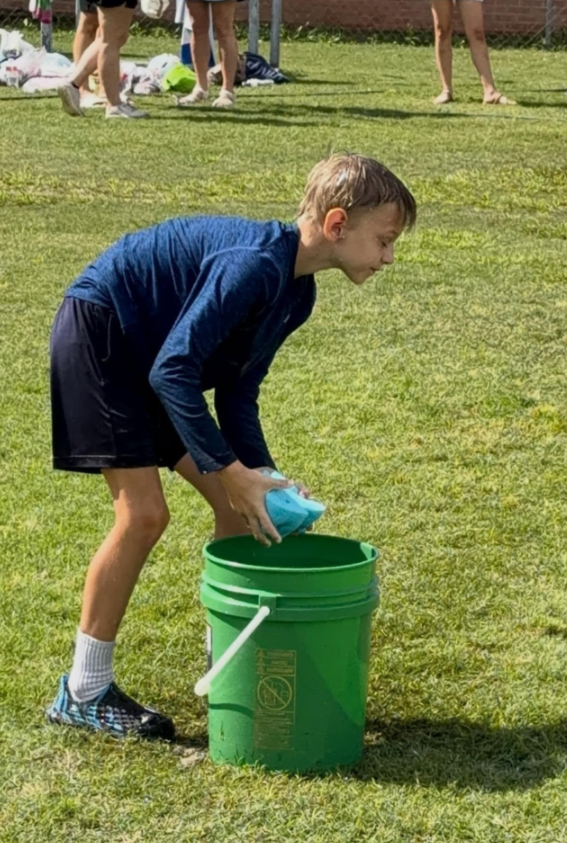
A balloon-based water game can add a simple challenge to a backyard party. Rather than making children stand around waiting for someone else, I set up a short route where they have to carry, tap, or avoid water-filled balloons.
You can create two lanes and have children complete the course one at a time while the others cheer. For younger kids, make the route short and remove the racing element if they are likely to run on a wet surface.
Pro tip: Pick up broken balloon pieces immediately. Small balloon fragments can be a choking hazard for young children and should never be left in the play area.
Pirate Balance Walk
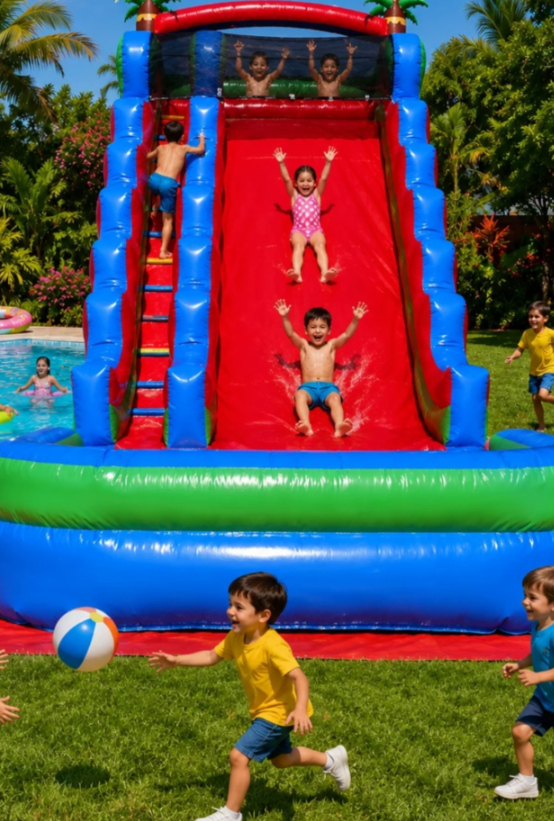
Pretend play makes simple movement games much more interesting for younger children. For a pirate theme, I use a safe low balance surface beside a shallow water area and turn floating toys into “treasure.”
Kids can walk across the course, collect a toy, and return it to their team’s “ship.” You can make the challenge easier by placing the objects within easy reach instead of requiring children to bend over a slippery surface.
Pro tip: I would avoid elevated balance beams over water. A low, stable surface on dry ground is a safer choice, especially for toddlers.
Sponge Bucket Relay
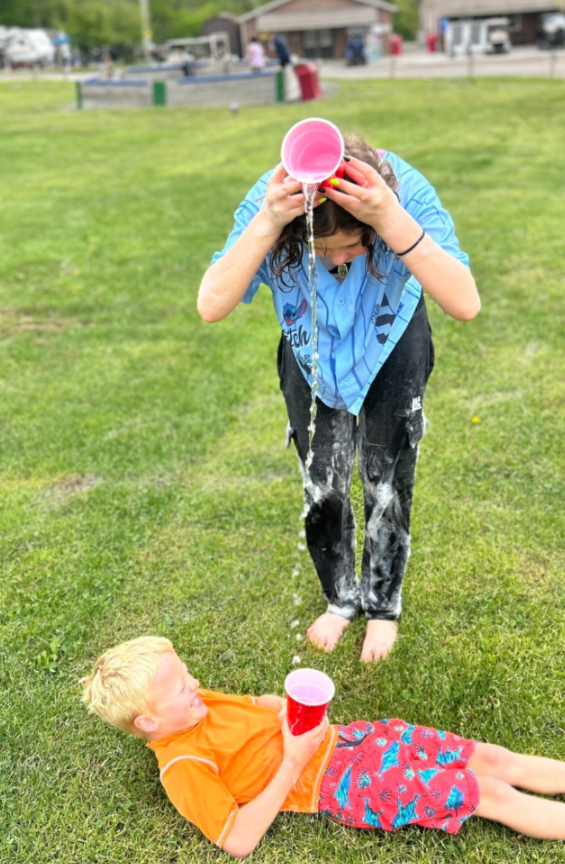
This is one of the easiest group water games to set up. Place a full bucket at one end and an empty container at the other. Each player soaks a sponge, carries it across, and squeezes the water into the empty container.
Teams can take turns until they reach a marked water level. The game uses very little equipment and gives every child a job, which makes it useful for birthday parties, camps, and family gatherings.
Pro tip: Use large absorbent sponges that are easy for small hands to hold. Keep the running distance short so children are not sprinting across a wet surface.
Giant Slide Splash
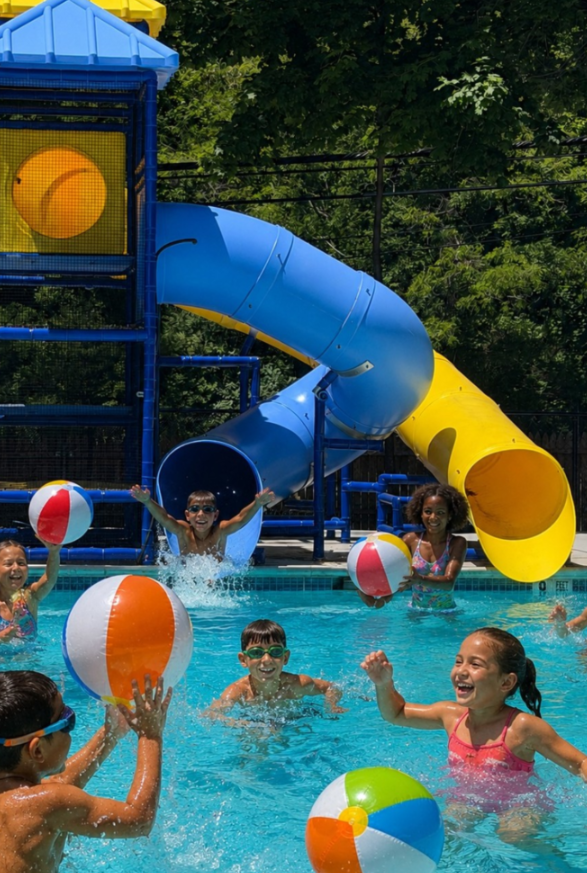
A large water slide can keep a group entertained, but the main problem is often the queue. I would set a clear starting point and let only one child use the slide at a time while another small activity runs nearby.
A bucket-fill challenge, sponge toss, or target game can keep children busy while they wait. This is much easier to manage than having everyone crowd around the slide entrance.
Pro tip: Follow the manufacturer’s instructions for the slide and check the landing area before every session. The surface should be clear of hard objects, garden tools, and other obstacles.
Water Pour Challenge
Pouring games are simple, but children often enjoy them because the goal is easy to understand. Give each player a cup and ask them to transfer water from one container to another without spilling too much.
For a group version, place several cups in a line and have teammates pass water from one cup to the next. You can make the challenge about accuracy rather than speed for younger children.
Pro tip: Use plastic cups rather than glass. A wide container also makes the activity easier for preschool-aged children.
Beach Ball Splash
Beach balls give you an easy way to add movement to a pool or water-play area. Kids can push them across the water, keep them from touching the edge, or work together to move one ball into a marked target zone.
For mixed-age groups, I like cooperative versions because younger children can participate without competing directly with older kids.
Pro tip: Use lightweight balls that are large enough for the children in the group to handle safely. Keep the play area free from sharp objects that could puncture them.
Water Balloon Toss
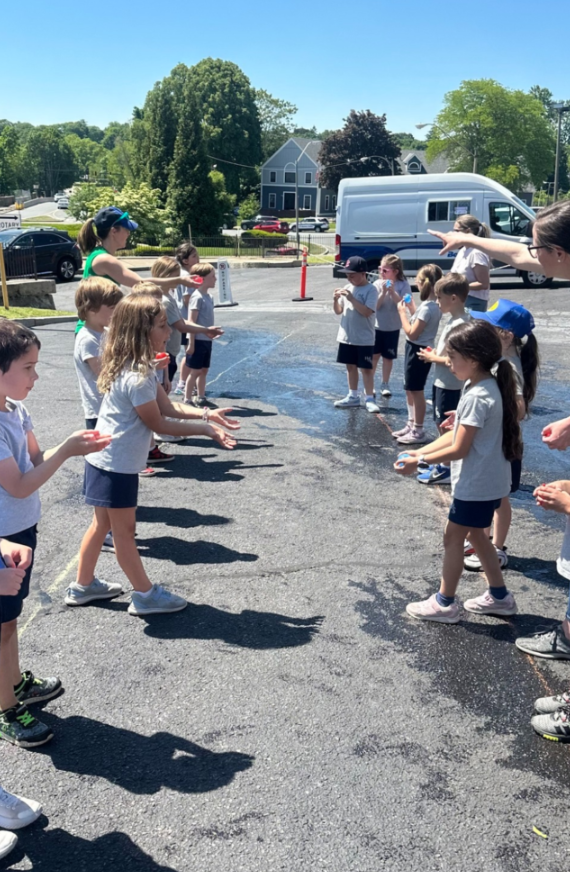
Water balloon tosses are simple and need very little equipment. Partners stand a short distance apart and gently toss the balloon back and forth. After each successful catch, they can take one small step backward.
The game naturally ends when a balloon breaks, so there is no complicated scoring system. For younger children, I would use reusable splash balls or wet sponges instead of small water balloons.
Pro tip: Clean up every balloon fragment as soon as the round ends. Do not leave pieces of latex on the ground.
Partner Splash Pass
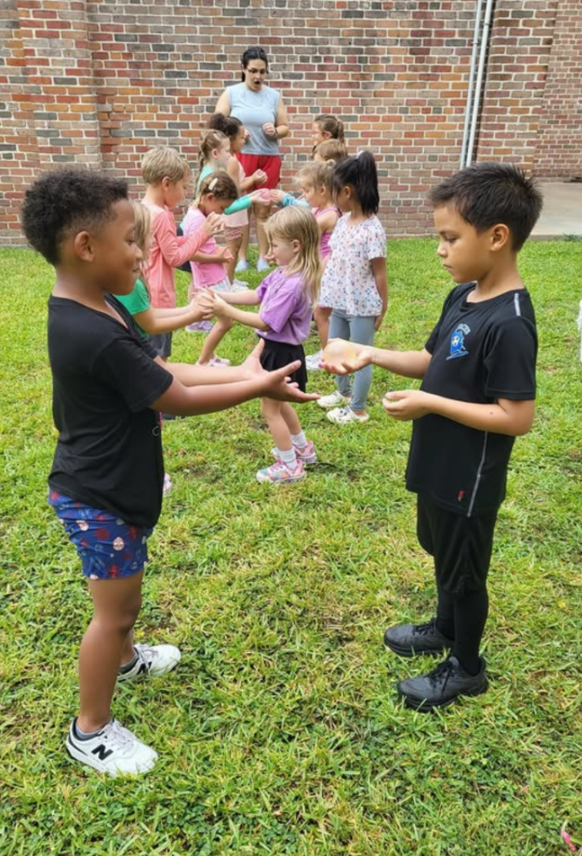
For this game, I pair children and give each pair a small water-filled object, such as a sponge or suitable splash ball. They pass it back and forth while trying not to drop it.
You can make the challenge easier by keeping partners close together. Older children can gradually increase the distance or add a target they must reach.
Pro tip: If you use water balloons, supervise the activity closely and collect broken pieces immediately.
Sponge Squeeze Race
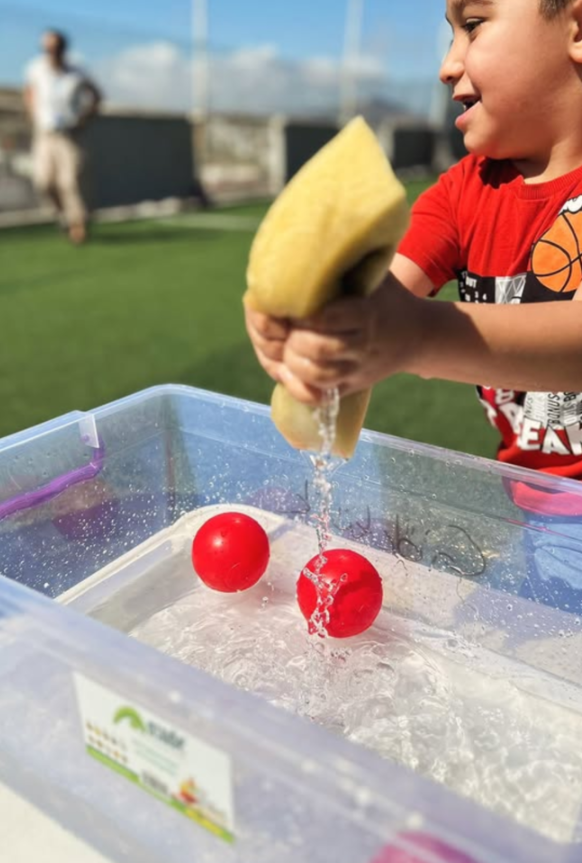
A sponge squeeze race turns a basic water transfer task into a short competition. Each player starts with a dry sponge, soaks it in one container, carries it to another, and squeezes out the water.
I like this activity for younger children because the instructions are visual and easy to copy. It can also be played as a team relay when more children are involved.
Pro tip: Use separate containers for each team if possible. It reduces crowding and gives children enough room to move.
Bucket Splash Drop

This game works best as a short countdown activity. Fill a lightweight bucket with a manageable amount of water and create a target area where children can receive the splash.
For a safer version, I prefer having an adult control the bucket or use a simple pour-and-splash station rather than placing a heavy bucket overhead. The goal is to create a fun surprise without creating a fall or impact risk.
Pro tip: Avoid lifting heavy water-filled containers above children’s heads. Water gets surprisingly heavy as the container fills.
Toddler Water Scoop
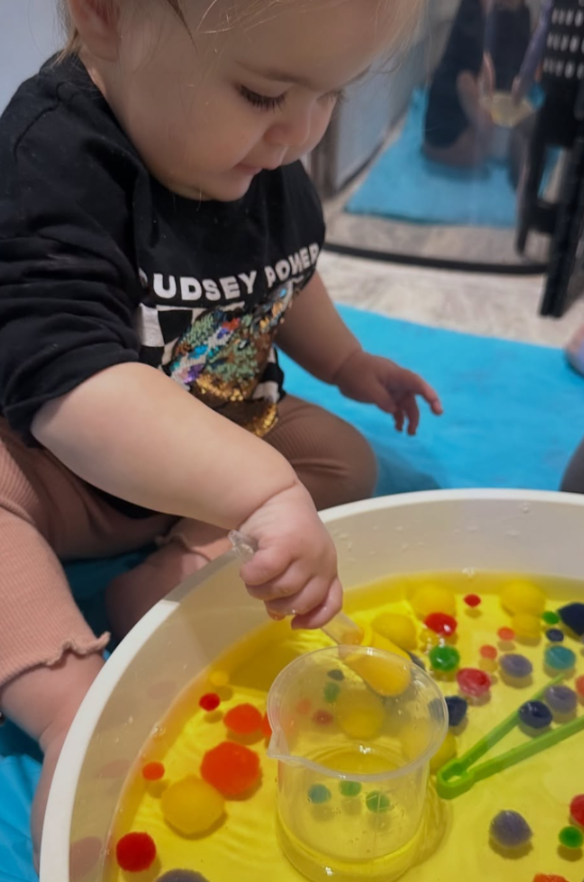
Toddlers often enjoy repetitive water play, so I keep this activity simple. Fill a shallow tub with a small amount of water and add large water-safe cups, scoops, floating toys, and containers.
Children can scoop, pour, fill, empty, and repeat the process at their own pace. You can also ask them to find specific floating objects or move toys from one container to another.
Pro tip: Stay within arm’s reach of toddlers around water. Even shallow water can be dangerous for a young child.
Seated Cup Relay
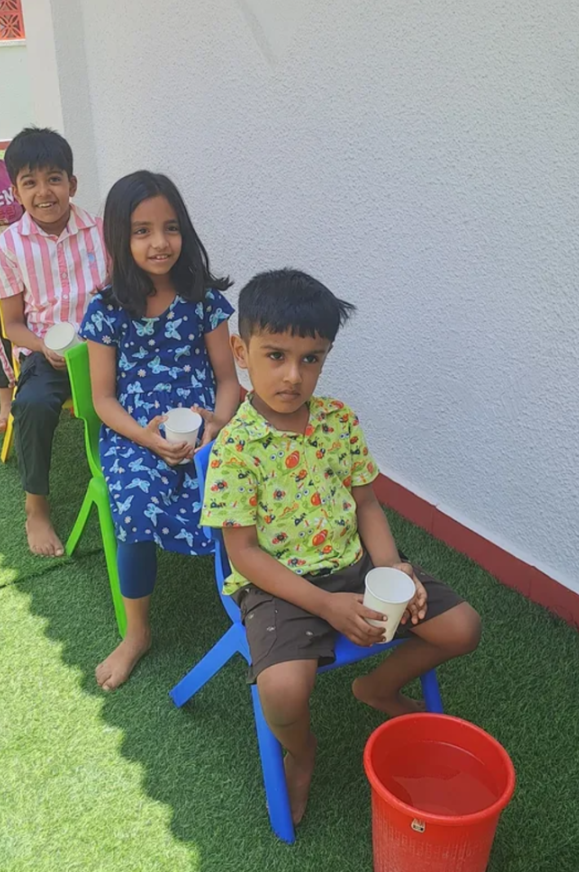
A seated relay is useful when I want to keep children involved without having them run around a wet area. Have the children sit in a line and pass cups of water from one person to the next.
The team tries to move water from the first container to the final container. Younger children can simply pass the cup, while older children can try to reduce spills.
Pro tip: Keep the containers lightweight and use a non-slip surface underneath the activity area.
Water Blaster Course
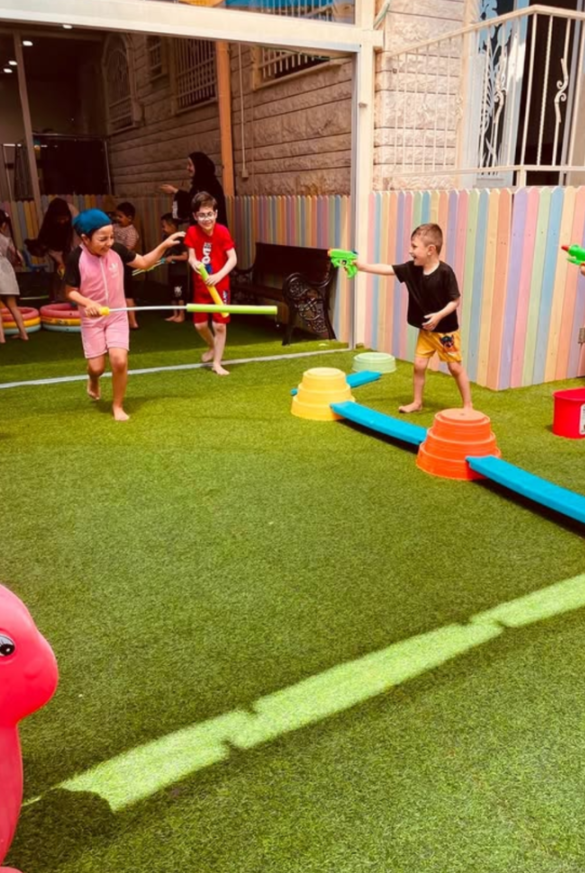
I turn water blasters into an obstacle course by giving children a few simple targets to hit along a route. They might knock over lightweight cups, move a floating ball, or hit a marked target.
This works especially well for children who prefer active games over sitting at a water table. I keep the course short so each child gets a turn without creating a long line.
Pro tip: Establish the direction of play before starting. Everyone should know where to stand and where the water blasters can be pointed.
Rainbow Spray Run

A sprinkler can become the main attraction without requiring a pool. Set it up on a suitable outdoor surface and let children run, walk, dance, or complete simple challenges through the spray.
For a group game, call out instructions such as “walk backward,” “touch the spray,” or “freeze when the water stops.” This keeps the activity varied without needing extra equipment.
Pro tip: Check the ground first. Grass is generally easier to manage than hard surfaces that can become very slippery when wet.
Foot Balance Splash
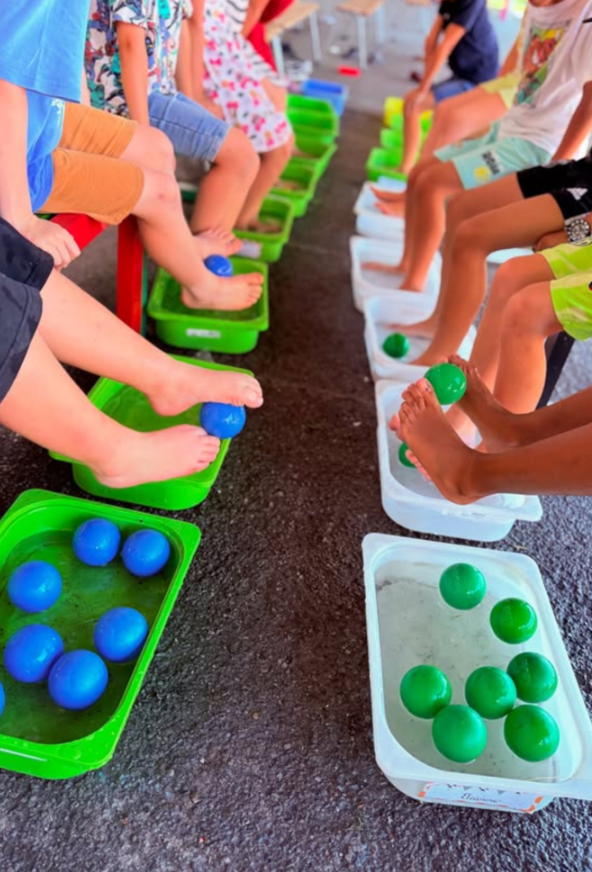
This game gives children a funny movement challenge without needing a complicated setup. Put water and lightweight floating objects into a shallow container and ask children to move or touch the objects with their feet.
For younger kids, I would focus on exploration rather than competition. Older children can try moving a specific object into a marked area.
Pro tip: Use a wide, shallow container that is difficult to tip over. Avoid asking children to stand inside plastic tubs.
Mini Water Slide
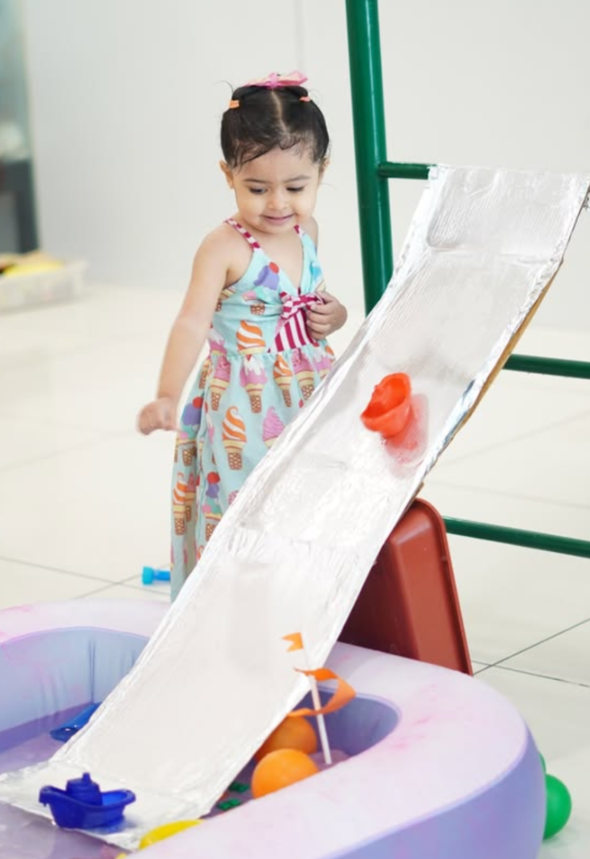
A small water slide can work for younger children when it is designed specifically for their size and used according to its instructions.
Instead of building an improvised elevated slide, I prefer a purpose-made children’s water-play slide or a low, safe setup. Add floating toys at the end for a simple target or collection game.
Pro tip: Never improvise a slide from materials that can shift, tip, or create sharp edges. Check the manufacturer’s age and weight guidance before use.
Backyard Slip Slide
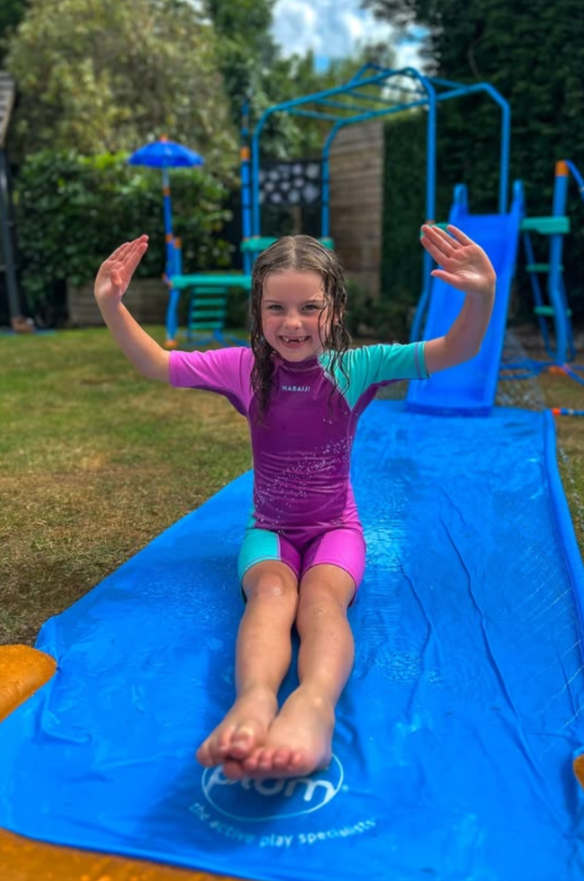
A backyard slip-and-slide can provide plenty of activity without a swimming pool. Set it up on a suitable grassy area, connect the water supply as instructed, and give children plenty of space at the end to slow down.
I would keep the number of children on the slide to one at a time unless the product is specifically designed for multiple users. That makes collisions less likely.
Pro tip: Check the grass for stones, sticks, holes, and other objects before setting up. Wet grass can hide hazards that are easy to miss when the area is dry.
Splash Bucket Chase
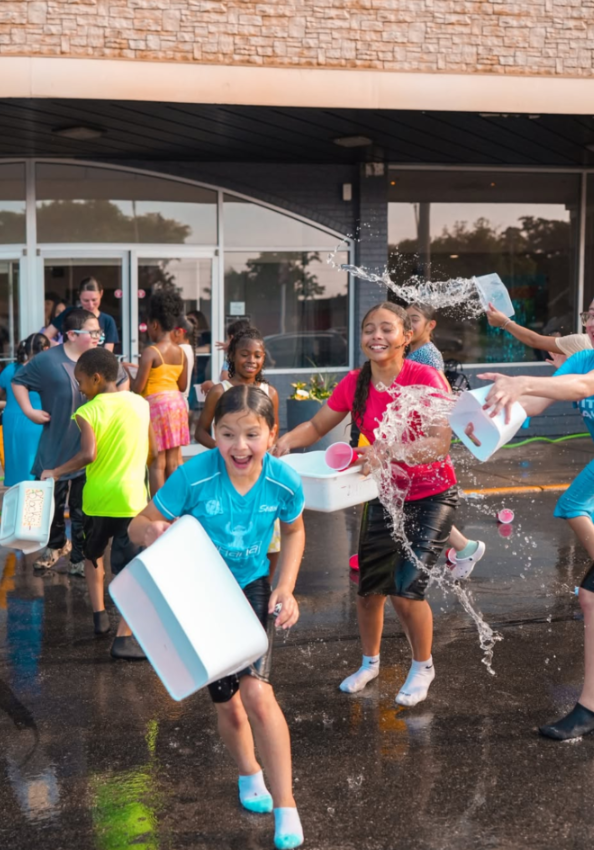
For this game, children can carry a small amount of water while trying to complete a simple route or protect their team’s container.
I prefer making it a team challenge rather than encouraging children to chase and spray one another. For example, each team can try to move water from a starting bucket to a finish bucket while avoiding marked splash zones.
Pro tip: Use small containers that children can comfortably carry. A nearly full large bucket can be heavy and difficult to control.
Water Table Hunt

A water table is a good option when I want younger children to stay busy without a lot of running. Fill the table with water-safe toys and ask children to find objects by color, shape, or type.
You can turn it into a simple sorting activity by giving children separate cups or trays for different objects. The activity can also be changed every few minutes without rebuilding the whole setup.
Pro tip: Choose large items that cannot easily become choking hazards, especially when toddlers are involved. Stay close and supervise throughout the activity.
FAQs
How Do I Keep Kids From Fighting Over Turns During Water Games?
I find the easiest solution is to make turns short and predictable. A simple timer can tell children when one round ends, while a visible queue helps everyone understand who is next.
I also give waiting children something useful to do. They can keep score, cheer for their team, refill a container, collect floating toys, or help prepare the next round. When children have a role, they are less likely to focus only on waiting.
For larger groups, I prefer running two small activities at the same time rather than putting everyone into one long line. It reduces idle time and gives children more opportunities to participate.
What Are the Best Water Games for Kids Without a Pool?
You can run many water games without a pool. Some of my easiest choices are sponge bucket relays, sprinkler races, water pouring challenges, water-table hunts, cup relays, water blaster targets, and splash-ball games.
A backyard, garden, or suitable outdoor play area can be enough. The key is choosing an activity that matches the children’s ages and the space available.
For toddlers, I would choose shallow sensory water play and keep an adult close. For older children, relay races, target games, and sprinkler challenges can provide more movement without requiring a pool.
Conclusion
I’ve found that the best water games for kids do not need to be complicated or expensive. A few basic supplies, a little space, and a clear set of rules can turn an ordinary summer day into hours of active play. From sponge races and water tables to sprinkler games and pool challenges, there are options for toddlers, older kids, small groups, and larger parties.
The biggest thing I would focus on is keeping children involved instead of making them wait too long. Short turns, simple team games, and small jobs for waiting kids can prevent boredom and arguments. Most importantly, I always make water safety part of the setup by supervising children, checking slippery areas, and choosing games that suit their age and abilities.
With the right activity, you can keep kids moving, laughing, and enjoying the water without needing a complicated setup.