29 Baby Organization Ideas for 2026
Organizing a baby changing station is easier when every essential has a specific place. I find that keeping diapers, wipes, diaper cream, clean clothes, and a diaper bin within easy reach makes daily changes much smoother. You don’t need dozens of containers or an expensive nursery setup to make it work.
In this guide, I’ll share practical baby changing station organization ideas, from drawer dividers and clear trays to rolling carts, closet storage, bottle stations, and feeding drawers. These simple setups help you use small spaces wisely, keep baby essentials sorted, and make everyday routines easier for busy parents.
Key Takeaways
- Keep diapers, wipes, and diaper cream together near the changing area.
- Use drawer dividers, baskets, and clear trays to separate small baby items.
- Store everyday clothing where you can see and reach it quickly.
- Use vertical storage, rolling carts, and closet organizers to save space.
- Keep the changing surface clear and never leave a baby unattended on it.
- Restock diapers, wipes, and spare clothes regularly to avoid running out during a change.
What’s the Smartest Way to Organize a Baby Changing Station?
The most practical changing station is one that lets you reach essential supplies without stepping away from your baby. I recommend arranging items in the order you use them: a clean diaper, wipes, diaper cream when needed, and a safe place for used diapers.
You don’t need a complicated storage system. A few well-placed trays, baskets, and drawer organizers can keep the most frequently used items together while leaving the changing surface uncluttered.
Before setting everything up, think about your daily routine. Keep everyday supplies close, store backup products in a drawer or cabinet, and place less frequently used items somewhere else. Most importantly, keep one hand on your baby and never leave them alone on an elevated changing surface, even for a moment.
Double Rods

Baby clothes are small, so a wardrobe’s full hanging height often goes unused. Adding a second hanging rod can create more room for everyday outfits without requiring another piece of furniture.
I would keep onesies, pants, and other frequently worn clothes on the lower rail, provided they remain safely out of your child’s reach. Use the upper rail for jackets, sweaters, special outfits, or clothes in the next size.
Matching hangers can also make the closet easier to manage. Grouping clothes by type or size helps you choose an outfit quickly, especially during busy mornings.
Drawer Zones
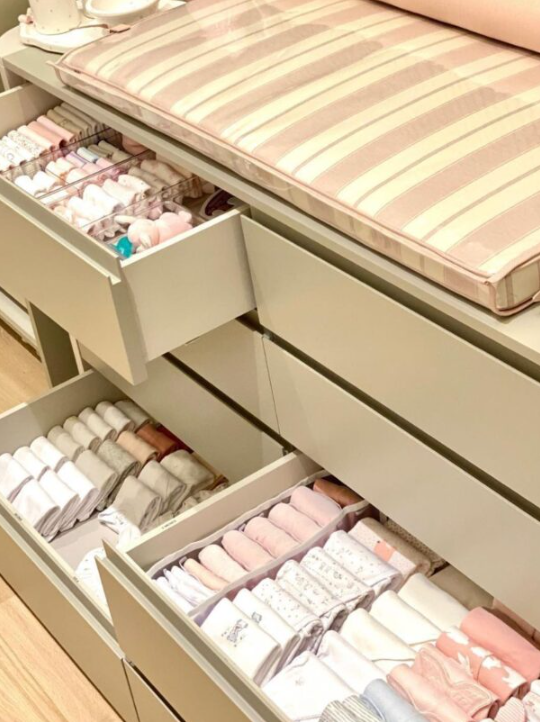
Baby drawers can become messy when socks, bibs, onesies, and spare clothes share the same space. Drawer dividers create separate sections, making it easier to find what you need without moving everything around.
I prefer placing frequently used items in the top drawer and keeping each category together. For example, one section can hold onesies, another can store socks, and a third can contain burp cloths.
Rolling soft clothes instead of stacking them in tall piles can improve visibility. You can see more items at once, making it easier to choose a clean outfit and put laundry away later.
Clear Trays

Clear trays are useful when you want to keep a changing table organized without hiding supplies inside drawers. They create separate spaces for diapers, wipes, creams, and other everyday essentials.
I would place diapers in one compartment, wipes in an easy-to-open container, and diaper cream in a separate section. Keeping each product in a consistent location helps you follow the same routine every time.
Choose trays that fit the available surface and are easy to clean. Keep small products and grooming tools away from your baby’s reach, and make sure the changing surface remains stable and uncluttered.
Micro Sections
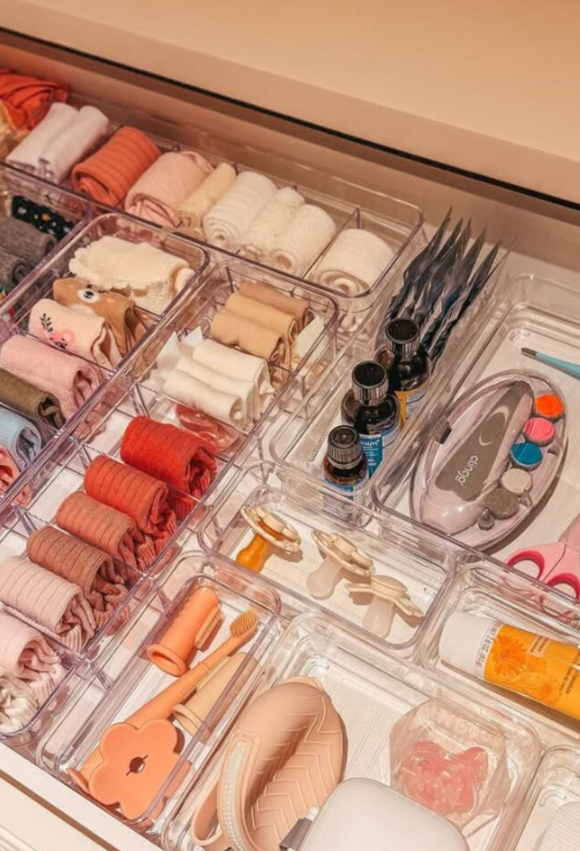
Tiny baby items are easy to lose in deep drawers. Small compartment organizers solve this problem by giving socks, mittens, bibs, headbands, and other accessories their own spaces.
I like using smaller sections for items that tend to get mixed together. You can also dedicate a compartment to everyday grooming supplies, such as a soft brush or baby nail-care tools, stored safely away from children.
Choose compartments based on what you actually own rather than buying a large organizer just to fill the drawer. Leaving a little extra room makes it easier to put items back after laundry or daily use.
Vertical Folds
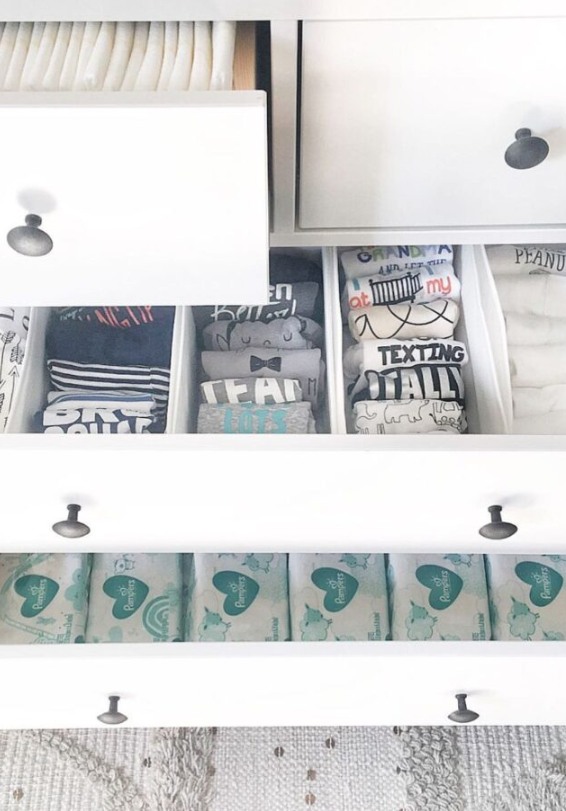
Tall stacks of baby clothes can fall apart whenever you remove something from the bottom. Folding clothes into compact bundles and arranging them upright makes each item easier to see.
I would divide a drawer into sections for everyday clothes, sleepwear, and smaller accessories. Drawer dividers help maintain those categories, even when several outfits are used throughout the day.
You can use another drawer or a nearby shelf for diapers and backup supplies. Keeping clothes and diaper essentials in predictable locations makes the whole changing routine easier to manage.
Closet Zones
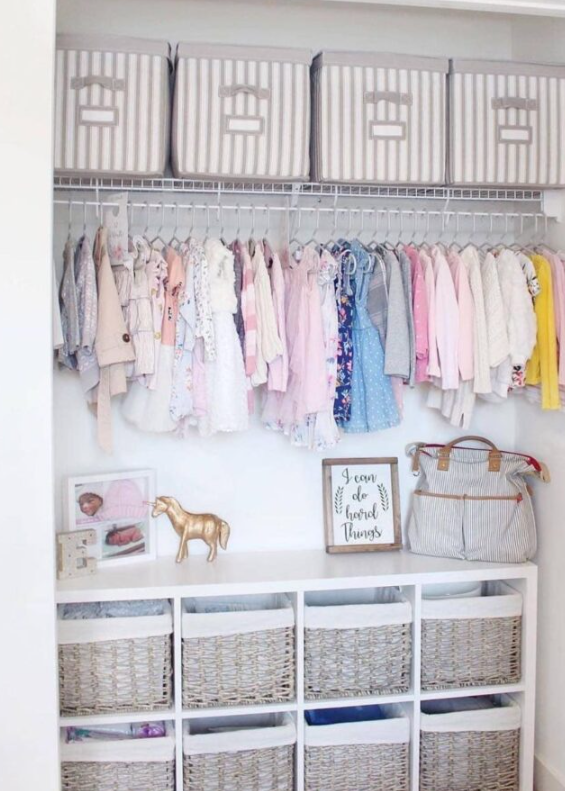
A baby closet works better when each type of clothing has a designated area. Instead of hanging everything together, separate dresses, onesies, jackets, and special outfits so you can quickly scan your options.
Storage boxes on an upper shelf can hold seasonal clothing, extra blankets, and clothes your baby has not grown into yet. Label each box with its contents or size so you can find the right items when needed.
If the closet is small, add baskets to a cube shelf or another stable storage unit for folded pajamas, socks, and accessories. Keep heavy items low and make sure shelves and furniture are securely installed.
Grab Baskets

Grab baskets help keep diaper-changing essentials together instead of scattered across a dresser or shelf. They are especially useful when several products are used during the same routine.
I would use one basket for diapers and wipes and another for creams, lotions, and other care products. A separate container for spare clothes and burp cloths can also help with unexpected messes.
Choose baskets that fit neatly beside the changing area and are easy to lift. Keep the most important supplies close enough to reach without leaving your baby unattended, and return each item to its basket after use.
Basket Sorting
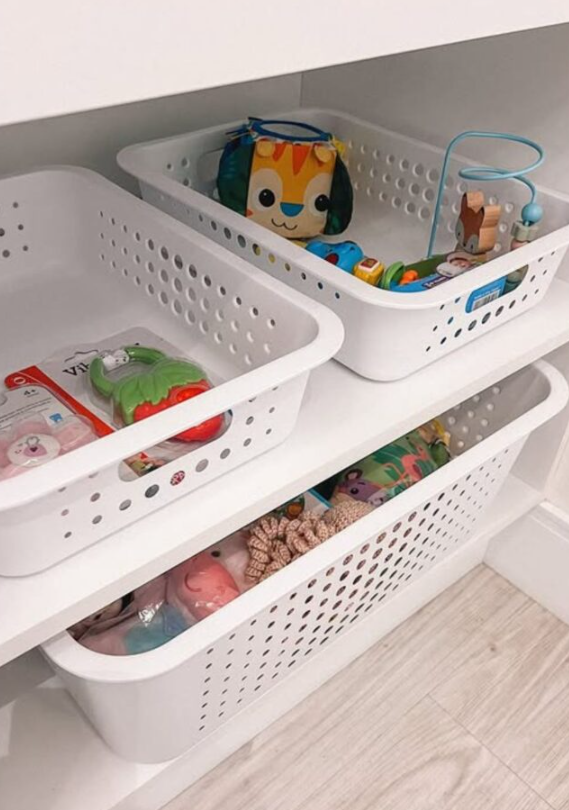
Baby toys can quickly spread across the nursery, making shelves and floors harder to manage. Using several small baskets creates clear categories and gives each toy a regular place.
For example, one basket can hold rattles, another can contain soft toys, and a third can store age-appropriate sensory toys. Open baskets make cleanup easier because toys can be returned without complicated sorting.
Lightweight baskets with ventilation holes are practical for many nursery shelves. Check that they are sturdy, have no sharp edges, and are suitable for the toys being stored. Keep small toys that pose a choking risk away from babies who may put objects in their mouths.
Bottle Drawer
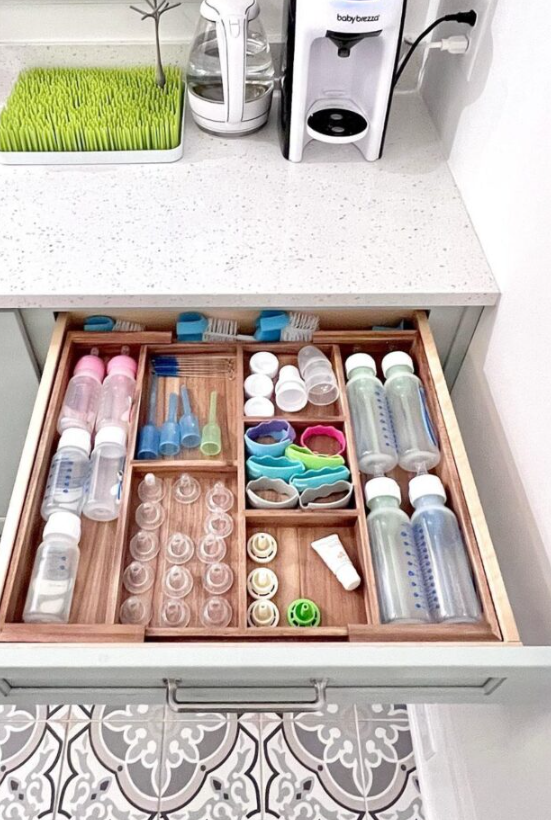
Bottle parts can become difficult to manage when nipples, caps, rings, and valves are mixed together. A divided drawer helps keep these small pieces organized and makes bottle preparation less frustrating.
I recommend assigning separate compartments to bottle bodies and their smaller parts. Use an organizer that fits the drawer properly, and keep the feeding supplies near the sink or bottle-drying area if that makes your routine easier.
Clean and sanitize feeding equipment according to the manufacturer’s instructions and current pediatric guidance. Allow washed parts to dry thoroughly in a clean area before storing them. A tidy drawer should support good cleaning habits, not replace them.
Display Shelves
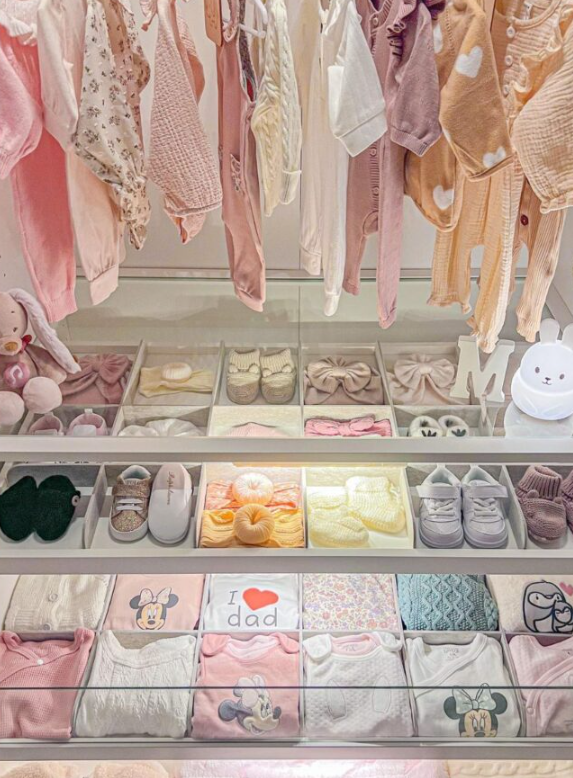
Open shelving makes it easier to see baby clothes and accessories without opening several drawers. It can work well in a small nursery where every inch of storage matters.
I would arrange folded clothes in separate shelf compartments and place frequently worn hanging outfits nearby. Small bins can hold socks, mittens, and other accessories that might otherwise disappear behind larger garments.
Keep heavy items on lower shelves and secure tall furniture to the wall. If the shelves are within your baby’s future reach, avoid storing breakable objects or small items that could become hazards as your child grows.
Meal Drawer

Baby feeding supplies often multiply as children begin trying different foods. Plates, bowls, cups, spoons, and snack containers can quickly take over a kitchen cabinet.
A dedicated drawer gives these items a consistent home. Use wider sections for bowls and divided plates, then reserve a smaller compartment for baby spoons, forks, and other utensils.
I also recommend keeping lids with their matching containers whenever possible. Store feeding equipment close to the area where you prepare meals, and keep clean items separate from used dishes so the routine stays simple.
Rolling Cart
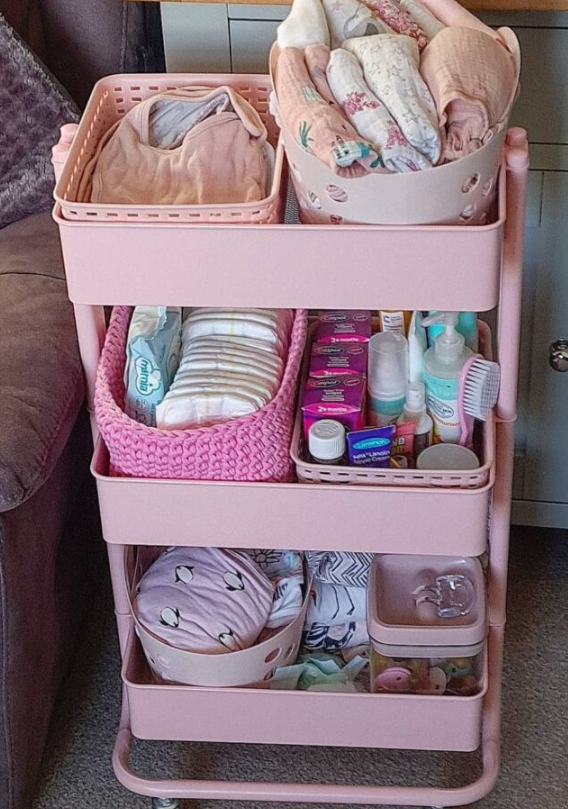
A rolling cart can create extra storage when the nursery has limited drawer or cabinet space. Because it moves between rooms, it can also be useful for parents who change their baby’s clothes in different areas of the home.
I would place diapers, wipes, and other frequently used supplies on the top level, with spare clothes and burp cloths on another shelf. Backup products can go on the bottom, as long as the cart remains stable.
Choose a cart with locking wheels and avoid overloading it. Keep it away from stairs, heat sources, and places where it could tip. A mobile station is helpful, but it should never encourage leaving a baby unattended on a changing surface.
Crib Organizer

A hanging organizer may provide extra storage for lightweight baby essentials, but it needs to be used carefully. Some parents use pocket organizers for diapers, wipes, and spare clothes when they want to reduce clutter around the nursery.
I recommend choosing a product designed for the specific furniture it will attach to and following its installation instructions. Keep cords, straps, and loose fabric away from the baby’s sleeping space.
Never place an organizer or loose storage items inside a crib or within the baby’s sleep area. Follow safe-sleep guidance by keeping the crib free of loose objects, pillows, blankets, and accessories that could create a hazard. If an organizer is used, position it outside the sleep space and out of the baby’s reach.
Wall Rails
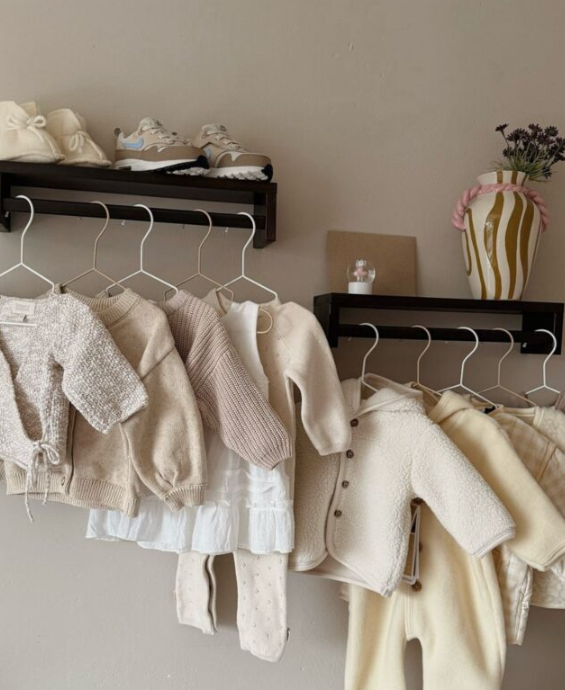
Short wall-mounted clothing rails can turn unused wall space into a small wardrobe. They work especially well for baby clothes because many outfits need very little hanging room.
I would use one rail for everyday clothing and another for special outfits or outerwear. A shelf above the rails can hold lightweight storage boxes or other items, provided the shelf is securely mounted.
Check the weight limits before installing a rail, and use suitable wall fixings. Keep hanging clothes and accessories arranged so they do not obstruct walkways or interfere with nearby furniture.
Bottle Station
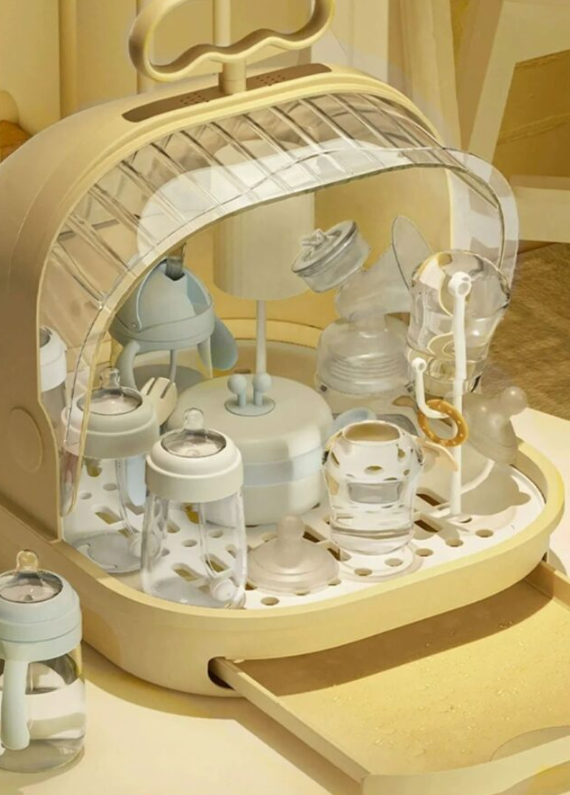
A dedicated bottle-drying station helps keep clean feeding equipment together after washing. It also prevents small parts from spreading across the kitchen counter.
Choose a drying rack designed for bottles, nipples, caps, and other feeding components. Arrange the pieces so they can dry thoroughly, and clean the rack according to its instructions.
I would place the station near the sink to make it easier to move from washing to drying and storage. Keep it away from dirty dishes and frequently splashed areas, and follow current guidance on cleaning and sanitizing feeding equipment.
Outfit Prep

Preparing your baby’s clothes the night before can make busy mornings less stressful. Instead of opening several drawers while getting ready, you can keep a complete outfit together.
I would group a onesie, pants, socks, and any other suitable clothing in a small clean organizer or designated drawer section. This also helps when you need to pack clothes for daycare or an outing.
Check the weather and choose clothing that suits the room temperature and planned activities. Preparing ahead saves time, but keep the outfit on a safe surface away from your baby’s sleeping area until it is needed.
Clear Stacks

Clear storage drawers make small feeding accessories easier to locate. When bottle nipples, caps, valves, and pump parts all look similar, transparent containers can reduce the time spent searching.
I would assign each drawer or compartment a specific category. For example, one section can hold bottle components, while another stores pump accessories and other feeding supplies.
Labeling drawers can help other family members follow the same system. Make sure feeding parts are completely dry before storing them, and keep clean equipment protected from dust and contamination.
Bag Kits
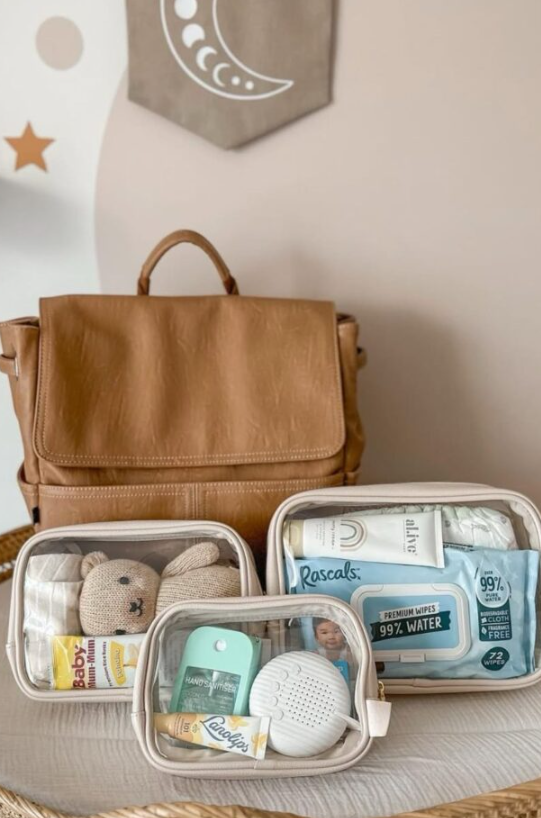
A diaper bag becomes much easier to manage when supplies are divided into small kits. Rather than searching through one large compartment, you can take out the pouch that contains the items you need.
I would prepare one pouch with diapers and wipes, another with spare clothes, and a third for pacifiers or other outing essentials. A separate pouch can hold grooming supplies, provided they are suitable for travel and stored securely.
Clear or mesh pouches make their contents easier to identify. Before leaving home, check that you have enough diapers, wipes, spare clothing, and any other essentials needed for the length of the outing.
Bib Rack

Bibs often end up in a drawer or laundry basket when they do not have a dedicated storage spot. A small rack or set of hooks can keep clean bibs visible and easy to reach before meals.
I would place the rack near the feeding area, with enough space between items to prevent them from becoming a crowded pile. Wash used bibs according to their care instructions and allow them to dry fully before putting them away.
Make sure hooks and racks are securely installed and cannot fall onto your baby. Keep the rack and its accessories out of reach as your child becomes more mobile.
Corner Closet

An unused nursery corner can provide valuable storage when a full wardrobe is not practical. A compact hanging rail paired with shelves or baskets can create a small clothing station without taking up much floor space.
Use the rail for everyday outfits and place folded clothes, socks, hats, and blankets in separate baskets nearby. Sorting items by category makes it easier to put laundry away without mixing everything together.
Choose a stable storage unit that fits the corner without blocking doors or walkways. Secure tall furniture to the wall, and avoid stacking heavy boxes overhead where they could fall.
Pacifier Case
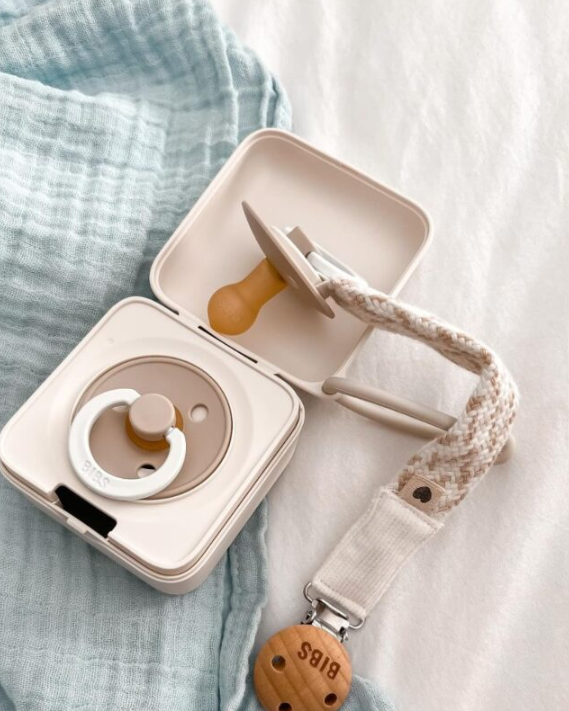
Pacifiers are easy to lose inside diaper bags, strollers, and coat pockets. A dedicated travel case keeps a spare pacifier separate from other belongings and makes it easier to locate when you are away from home.
I would keep the case in a consistent pocket of the diaper bag or stroller organizer. Choose a washable case designed for pacifiers and follow the cleaning instructions provided with the product.
Avoid attaching pacifiers to long cords, ribbons, or straps around your baby’s neck, and never use clips or attachments during sleep. Check pacifiers regularly for damage and replace them according to the manufacturer’s recommendations.
Bow Dividers

Baby bows, headbands, and hair clips can get tangled when they share a drawer with clothes. Small divided trays give each accessory its own section and keep the collection easy to scan.
I would group similar colors or styles together so matching an accessory with an outfit takes less time. Soft headbands can be arranged upright, while small bows and clips can be placed in separate compartments.
Transparent dividers are useful because you can see the contents without pulling everything out. Keep tiny accessories out of reach of babies and young children, as small pieces can present a choking hazard.
Feeding Cabinets
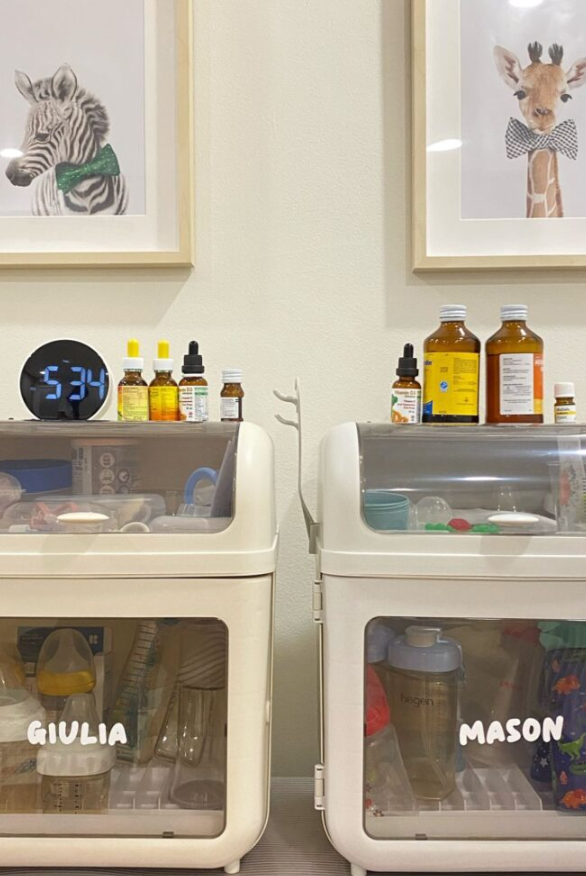
A dedicated feeding cabinet can help organize bottles, cups, and other baby feeding equipment in one location. This is particularly useful when kitchen cabinets are already crowded.
Use separate sections for bottles, clean cups, nipples, and other components. If you have more than one child, labeled containers can help prevent feeding equipment from becoming mixed up.
Keep the cabinet close to the sink or food-preparation area if possible. Store clean, fully dry equipment in a clean place, and keep medicines and supplements separate from feeding supplies and safely out of children’s reach.
Cabinet Baskets

Cabinet shelves often look organized from the outside but become cluttered once small products are pushed to the back. Storage baskets make it easier to group similar supplies and reach them without emptying the whole shelf.
I would use one basket for diapers, another for wipes, and a separate container for creams and other care products. Pull-out baskets are especially helpful when the cabinet is deep or difficult to access.
Choose baskets that fit the shelf and are easy to clean. Keep labels simple, and check the contents regularly so you can restock before essential supplies run out.
Color Sections
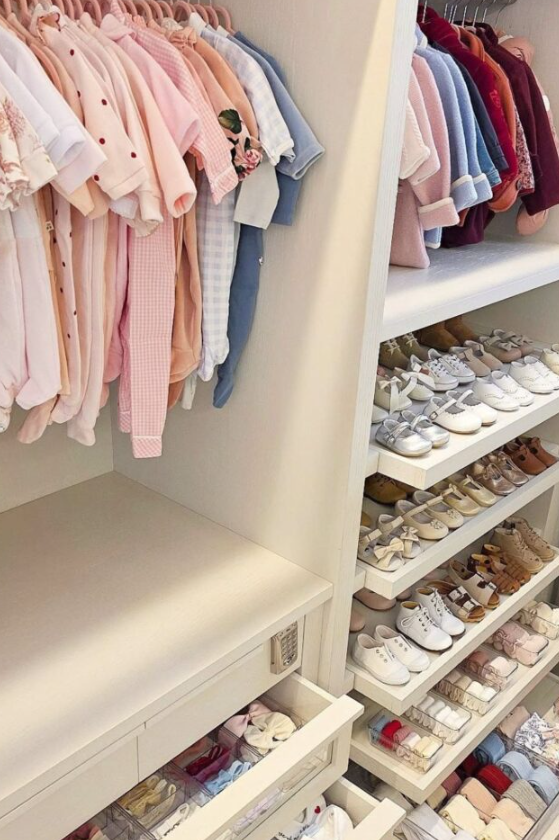
Organizing baby clothes by color can make a closet look more orderly and help you choose outfits quickly. You can group neutral shades together, then arrange brighter colors or patterned clothing in separate sections.
I would combine color sorting with clothing type or size so the closet remains practical. For example, keep everyday onesies together rather than spreading them across several color groups.
Matching hangers can make the rail look consistent, while open shelves keep shoes and frequently used accessories visible. Leave enough space between garments so clothes are easy to remove and return.
Door Storage

The inside of a closet door can provide additional space for lightweight accessories. Hanging organizers or suitable mounted holders can keep headbands, bows, and other small items off crowded shelves.
I would use separate pockets or hooks for each category and keep heavier products out of over-door organizers unless the product is specifically designed to support them. Make sure the door can open and close freely without catching on stored items.
If your closet has enough height, a second hanging rail may also create extra room for short baby garments. Install all organizers securely and keep small accessories out of children’s reach.
Towel Hooks
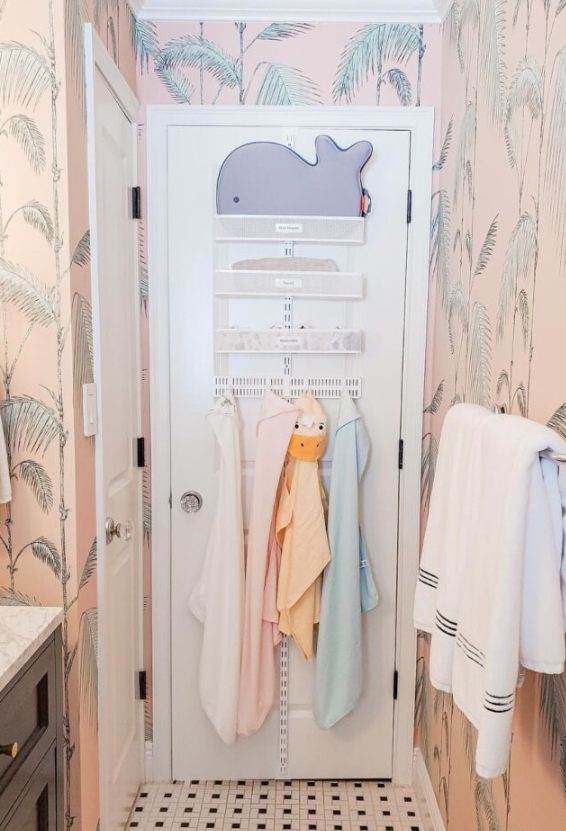
Bath towels and washcloths are easier to manage when each has a designated hanging spot. Hooks on a suitable wall or the back of a bathroom door can keep clean towels from piling up on counters.
I would place frequently used towels where an adult can reach them easily after bath time. Use separate hooks for washcloths and hooded towels, and allow damp items to dry fully between uses.
If you use an over-door organizer, make sure it fits securely and does not interfere with the door. Store bath products safely, especially around young children, and keep medicines and cleaning products locked away.
Diaper Bowl

A dedicated diaper bowl or open container can keep a small supply of diapers close to the changing area. It is a simple option when there is not enough room for a large organizer.
I would refill the container with a manageable number of diapers and store backup packs in a nearby cabinet. Keeping the supplies in one predictable place makes it easier to notice when you need to restock.
Choose a stable container with smooth edges and place it where it cannot be knocked over. Keep creams, cotton swabs, and other small products in separate containers so the changing surface does not become crowded.
Caddy Basket
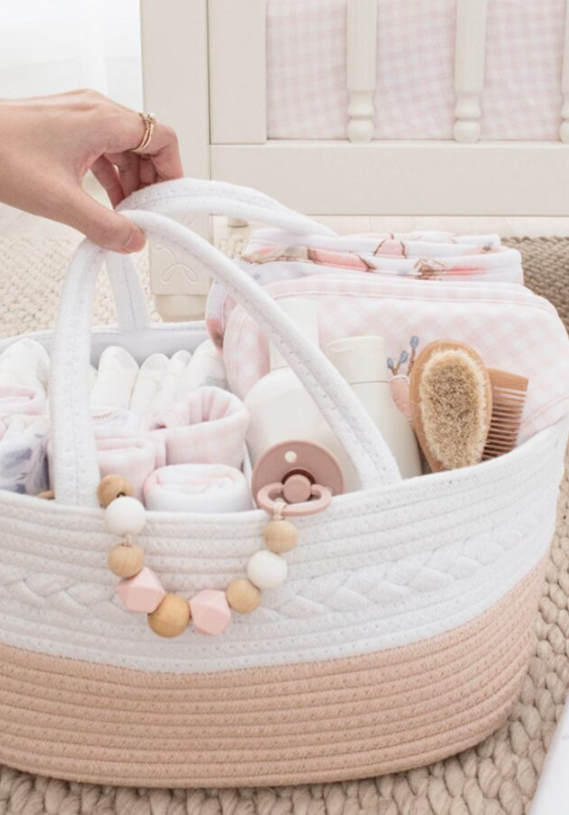
A portable caddy is a useful choice when you change your baby’s diaper in different rooms. Instead of carrying several separate items, you can move diapers, wipes, spare clothes, and other essentials together.
I would choose a caddy with divided compartments so products stay in their own sections. One area can hold diapers and wipes, while another contains burp cloths, a spare onesie, and other supplies you regularly use.
At the end of the day, check the caddy and replace anything that has run low. Keep it on a stable surface when in use, and never leave your baby unattended while reaching for supplies.
FAQs
How do you keep a baby changing station organized every day?
Keep only the supplies you use regularly at the changing station. Diapers, wipes, diaper cream when needed, and a spare outfit should be easy to reach, while extra products can stay in a nearby drawer or cabinet.
Use small baskets or trays to group related items. A quick restock at the end of the day helps you avoid running out of essentials during the next change.
Always keep one hand on your baby and stay within reach throughout the changing process. Never leave a baby alone on a changing table, even if they cannot roll over yet.
What should always be within reach at a baby changing station?
The basic supplies include clean diapers, wipes, and diaper cream if you use it. A spare outfit or burp cloth is also helpful when leaks or spills happen.
A nearby diaper bin can make cleanup easier, while a small organizer keeps everything in a consistent place. Keep any medicines, grooming tools, and other potentially hazardous products securely stored away from your baby.
The most important rule is to prepare your supplies before placing your baby on the changing surface. Never step away to retrieve a forgotten item; take your baby with you if you need to leave.
Conclusion
A well-organized baby changing station does not need expensive furniture or dozens of storage containers. A few practical changes, such as using clear trays, dividing drawers, preparing outfits in advance, and keeping a portable caddy stocked, can make everyday care easier.
Start with the supplies you use most often, give each item a regular place, and adjust the setup as your baby grows. Most importantly, keep the changing area safe and never leave your baby unattended on an elevated surface. A simple system that fits your routine is more useful than one that only looks good.