26 Japanese Organization Ideas for 2026
Japanese organization is based on a simple idea: own less, give everything a purpose, and make everyday routines easier. Instead of filling your home with more storage boxes and shelves, I focus on removing unnecessary items and creating practical spaces that are easy to maintain.
In this article, I’ll share Japanese organization ideas that can help you create a calmer home, from low-profile furniture and closed storage to vertical folding, organized drawers, pantry zones, and simple storage boxes. These methods work in bedrooms, kitchens, bathrooms, laundry rooms, closets, and even small apartments.
The best part is that you don’t need expensive furniture or complicated storage systems. A few thoughtful changes can make your home easier to clean, reduce visual clutter, and help you keep everything in its proper place.
Key Takeaways
- Remove unnecessary belongings before buying additional storage.
- Give everyday items a specific place so they are easier to return.
- Use closed cabinets and baskets to reduce visible clutter.
- Organize drawers vertically to make clothing and small items easier to access.
- Create separate zones for different household activities.
- Leave some empty shelf and counter space to make rooms feel more open.
- Choose simple, practical storage solutions that are easy to maintain.
How is Japanese organization different from Western organizing methods?
Japanese organization starts with reducing the number of things you own rather than buying more storage. Many Western organizing methods focus on adding shelves, boxes, cabinets, and other solutions to accommodate existing belongings.
The Japanese approach takes a different direction. I start by deciding which items are useful, which ones I regularly use, and which ones are simply taking up space.
Instead of asking, “Where should I put this?” I ask, “Do I really need to keep this?”
This small change makes a big difference because clutter often comes from having too many belongings rather than not having enough storage.
Once I remove unnecessary items, I give everything I keep a specific place. This makes daily cleaning easier and reduces the time spent putting things away.
Low-Profile Living

Low-profile furniture is a simple way to create a more open and peaceful living room. Japanese-inspired interiors often use low seating, floor cushions, and rounded coffee tables to keep the room looking spacious.
I like this approach because furniture that sits closer to the floor can make the upper part of a room feel more open. It also keeps the overall design simple without filling every corner with large furniture.
To recreate this look, choose a low sofa, a simple wooden coffee table, and only a few decorative pieces. Avoid overcrowding the surfaces with unnecessary accessories.
Natural materials, woven pendant lights, and plenty of daylight help create a warm and comfortable atmosphere.
Closed Storage Calm
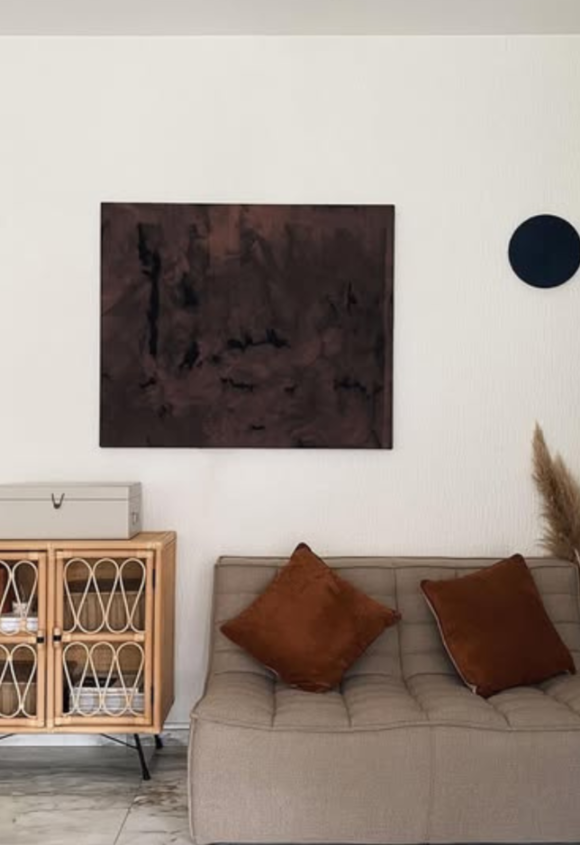
Closed storage is one of the easiest ways to make a room look organized without spending hours arranging everything on display.
Instead of leaving books, cables, cleaning supplies, and everyday extras on open shelves, I prefer keeping them behind cabinet doors.
Cane-front cabinets are a useful option because they hide belongings while adding natural texture to the room. They work well in living rooms, bedrooms, and dining areas.
For a cleaner appearance, keep frequently used items together inside each cabinet and avoid filling every shelf completely.
Contained Essentials

Small everyday products can quickly make a bathroom or dressing table look messy. I find that keeping these essentials inside one container makes a big difference.
A shallow metal or wooden tray can hold skincare products, cotton pads, small bottles, and other daily necessities.
The trick is to group items according to how often you use them. Keep everyday products together and store occasional-use products somewhere else.
This simple system makes cleaning easier because you can lift the entire container instead of moving several individual products.
Shelf Zoning System
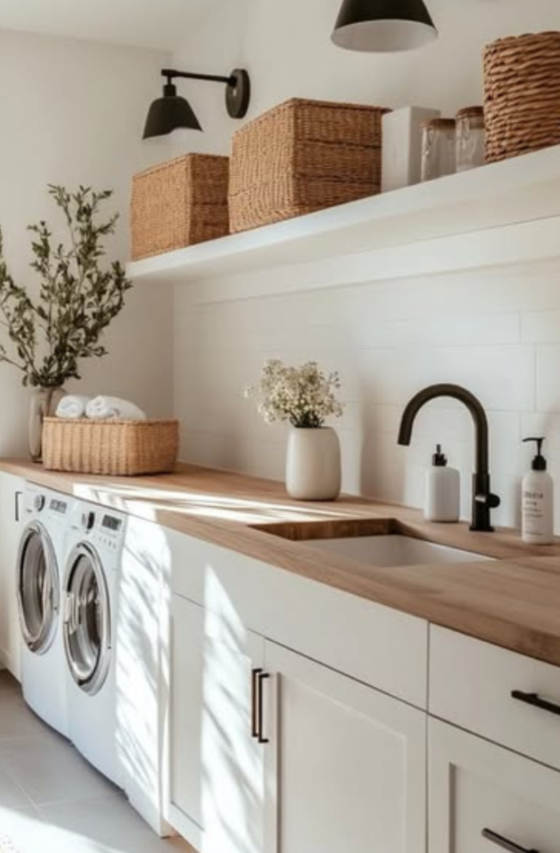
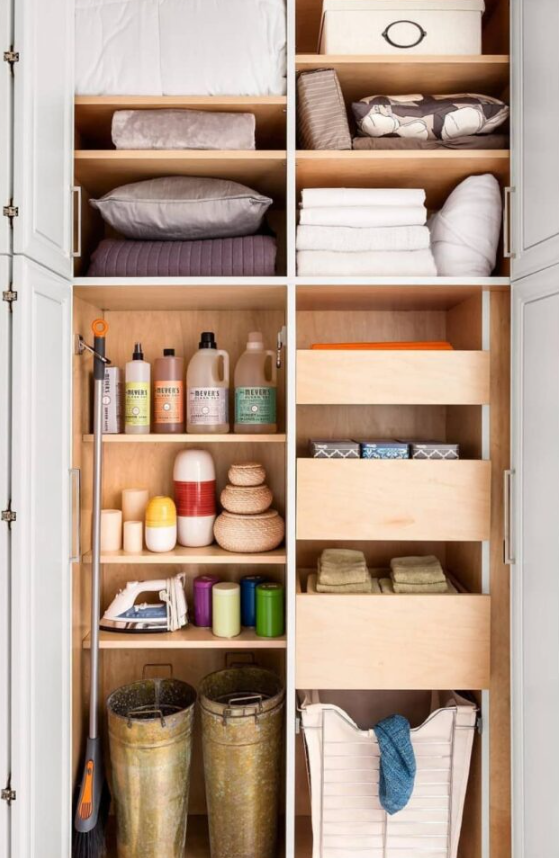
Laundry supplies are easier to manage when everything has its own section. Rather than keeping detergent, fabric softener, dryer sheets, and folding supplies in different places, I recommend creating separate zones.
Open shelving above the washing machine is a practical solution for smaller laundry rooms. Use individual baskets for washing supplies, drying accessories, and cleaning products.
I also recommend keeping one basket for items waiting to be folded. This prevents clean laundry from spreading across the counter or other surfaces.
Leave enough open workspace for folding clothes, and place frequently used supplies within easy reach.
Curated Display Storage

Storage does not always need to be completely hidden. A carefully arranged display can make a dining room or living area look both useful and attractive.
I like using a low cabinet with a small section of open shelving for everyday dishes, serving bowls, or a few meaningful decorative pieces.
The important part is limiting what stays visible. Display only the items you actually use or enjoy looking at instead of filling every shelf.
You can also use a simple color scheme to make the arrangement feel more balanced. Warm lighting and natural materials add a comfortable finishing touch.
Vertical Fold Method
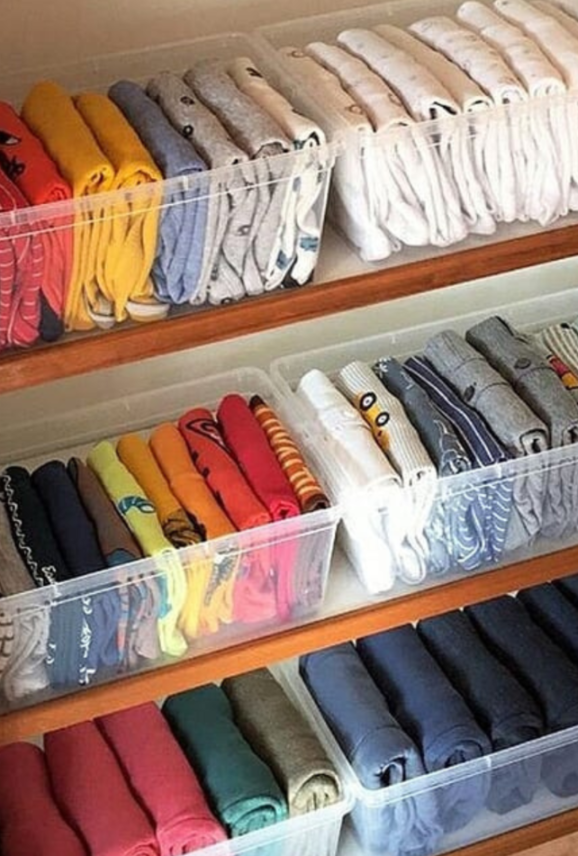
Vertical folding is a practical way to organize clothing, especially when drawer space is limited. Instead of stacking clothes on top of each other, fold each item into a compact rectangle and place it upright.
I find this method helpful because it allows me to see more clothing at once without moving an entire stack.
It works particularly well for T-shirts, leggings, pajamas, and smaller clothing items. You can use drawer dividers or small storage bins to keep each section in place.
Another useful tip is to arrange clothes by type or color. This makes it easier to choose what you need and return everything to the correct spot.
Category Shelf Order
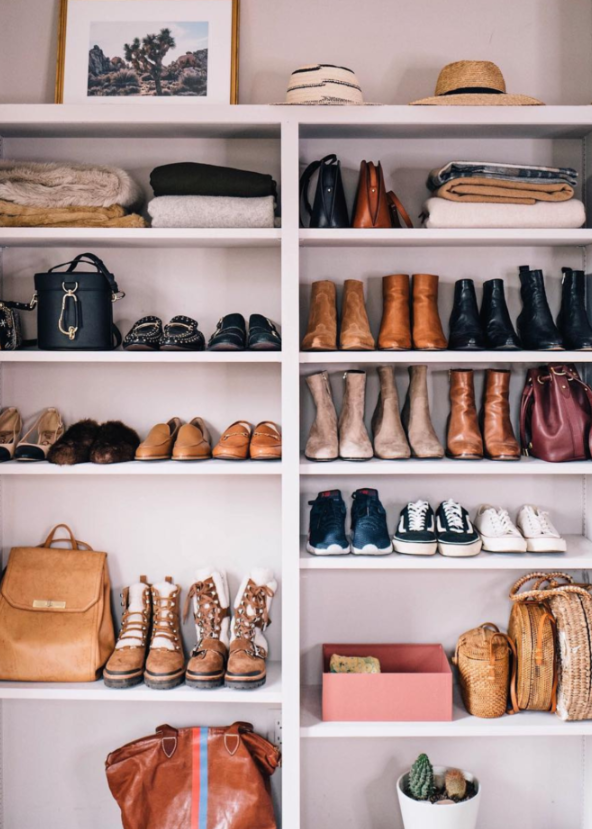
Closets become easier to maintain when similar belongings are stored together. Instead of mixing shoes, bags, folded clothes, and accessories on the same shelf, create a separate section for each category.
For example, I would dedicate one shelf to shoes, another to handbags, and another to folded clothing.
This makes it easier to see what you own and prevents items from getting mixed together.
If you have open closet shelving, try keeping similar colors and storage containers together. A simple arrangement can make even a small wardrobe look more organized.
Clear Pantry Zones

A well-organized pantry saves time during cooking and makes it easier to keep track of groceries.
I recommend dividing pantry shelves into clear categories, such as breakfast foods, snacks, baking ingredients, grains, and canned goods.
Clear jars are useful for storing dry ingredients because you can see how much is left without opening every container. Baskets also work well for smaller packets and items that come in different packaging.
One tip I always recommend is placing frequently used ingredients at eye level. Keep occasional-use items on higher shelves and heavier products on lower shelves.
Entryway Drop Zones

The entryway is one of the first places where everyday clutter builds up. Shoes, handbags, jackets, keys, and outdoor accessories can quickly take over this small area.
To prevent this, create a specific drop zone for each type of belonging. Wall hooks are useful for jackets and bags, while baskets can hold shoes and smaller accessories.
If several people share the home, assign each person their own hook or storage section.
I also recommend keeping a small tray near the entrance for keys and other items you need before leaving. This simple arrangement makes busy mornings much easier.
Wall Tool Layout
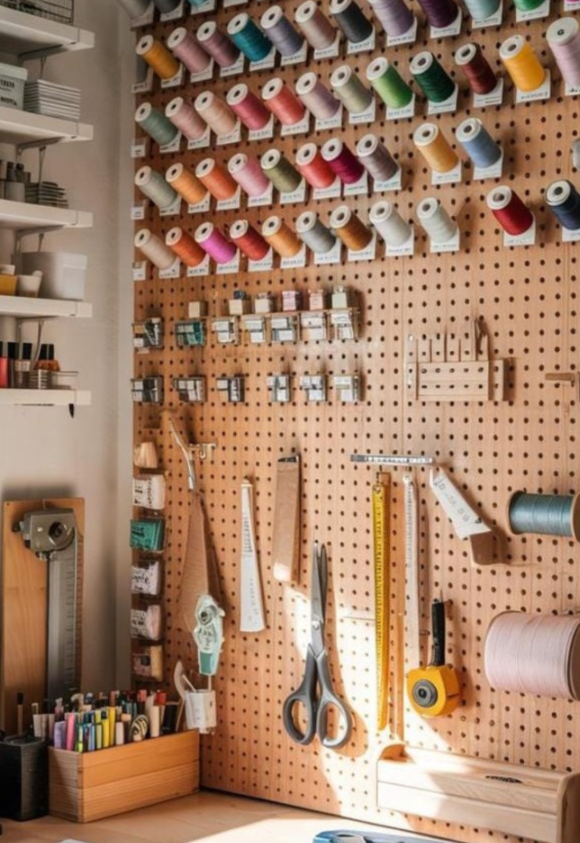
A pegboard wall is a useful way to organize tools and supplies without filling your workspace with additional furniture.
I especially like this idea for craft rooms, home offices, and small creative spaces where scissors, rulers, pens, and other tools are used regularly.
Install a pegboard above your desk or work surface and assign each tool its own hook or holder.
You can arrange supplies according to size or purpose, keeping the most frequently used tools within easy reach. Avoid filling every available space because leaving a little room makes it easier to add new supplies later.
Flat Supply Stacks
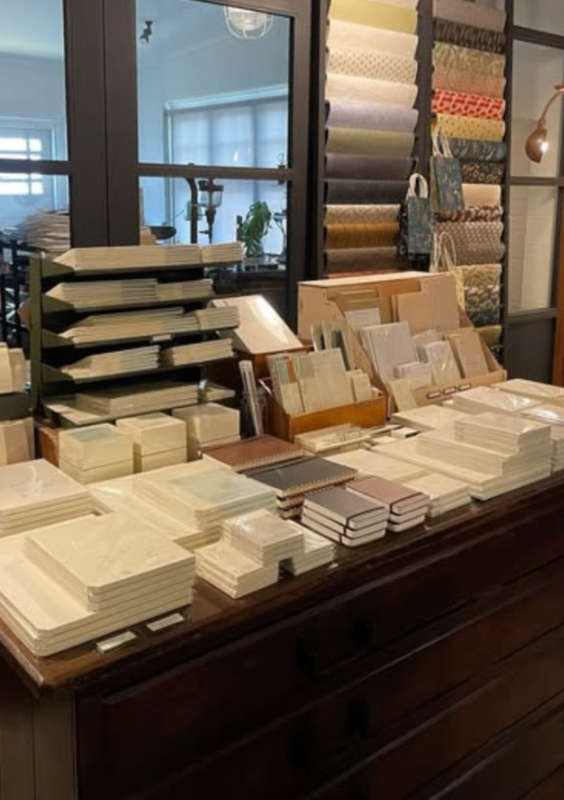
Paper supplies can become difficult to manage when notebooks, documents, craft paper, and other materials are mixed together.
Flat stacking offers a simple solution. I recommend creating separate stacks for different types of supplies and keeping each stack at a manageable height.
This method works well in home offices, craft rooms, and study areas.
Use shallow trays or document organizers when necessary, especially for loose papers that might otherwise slide around. Keep frequently used materials near your desk and store extra supplies somewhere else.
Drawer Micro Zones

Small supplies often disappear inside deep drawers because everything gets mixed together. Drawer dividers help prevent this problem by giving each item a specific section.
For a craft drawer, I would create separate spaces for pens, tape, scissors, stamps, and other small tools.
You can use shallow wooden dividers or adjustable organizers depending on the drawer size.
The same idea works for office supplies, sewing materials, and household accessories. Before buying dividers, measure your drawer so you can choose organizers that fit without wasting space.
Open Utility Rack
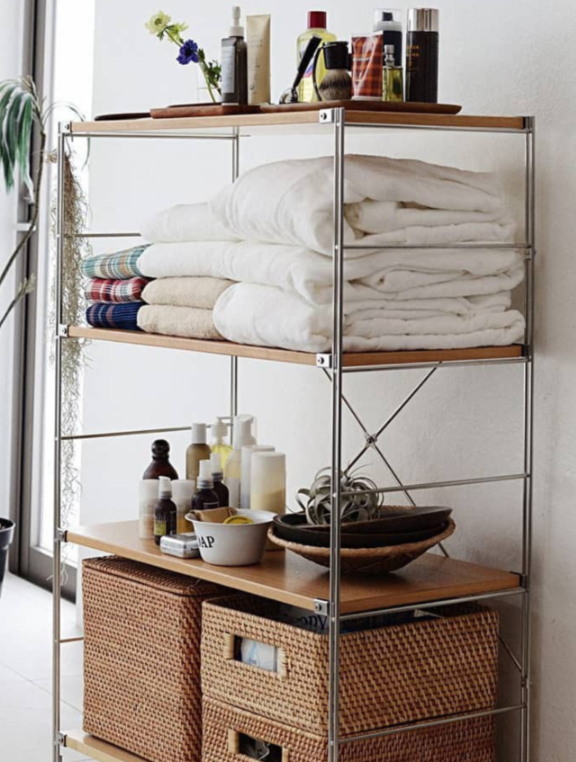
An open utility rack can make laundry and bathroom supplies easier to access while keeping them organized.
I recommend using separate shelves for towels, daily toiletries, cleaning products, and backup supplies.
Fold towels by size and keep the ones you use most often on the easiest shelf to reach. Smaller products can go into baskets to prevent them from spreading across the rack.
If you use an open rack in a bathroom, make sure the materials are suitable for moisture and that products are stored safely away from water.
Ritual Tea Box
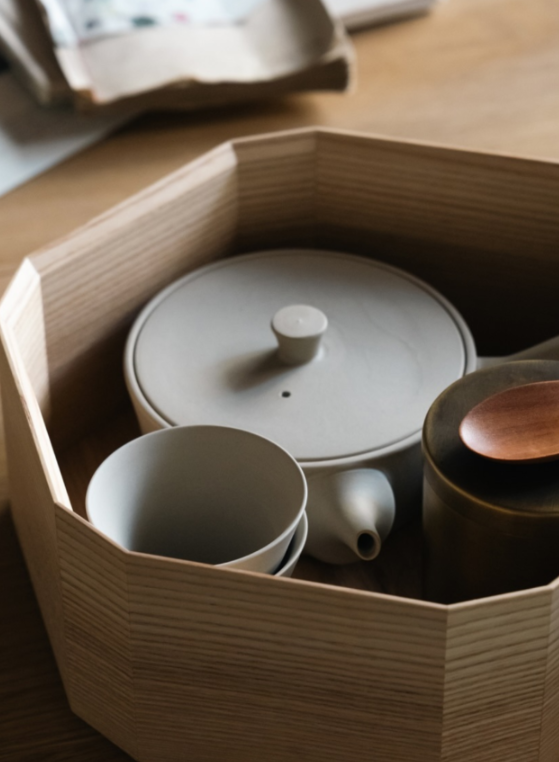
A dedicated tea box is a simple way to organize the items you use for your daily tea routine.
Instead of keeping tea bags, loose tea, spoons, and small accessories in different cabinets, store them together in one lidded wooden box.
I like this idea because it keeps everything in one place while making the kitchen counter look less crowded.
You can use the same approach for a coffee routine by keeping your favorite coffee accessories together. Only store the items you regularly use and leave some extra room for easy access.
Daily Outfit Rack
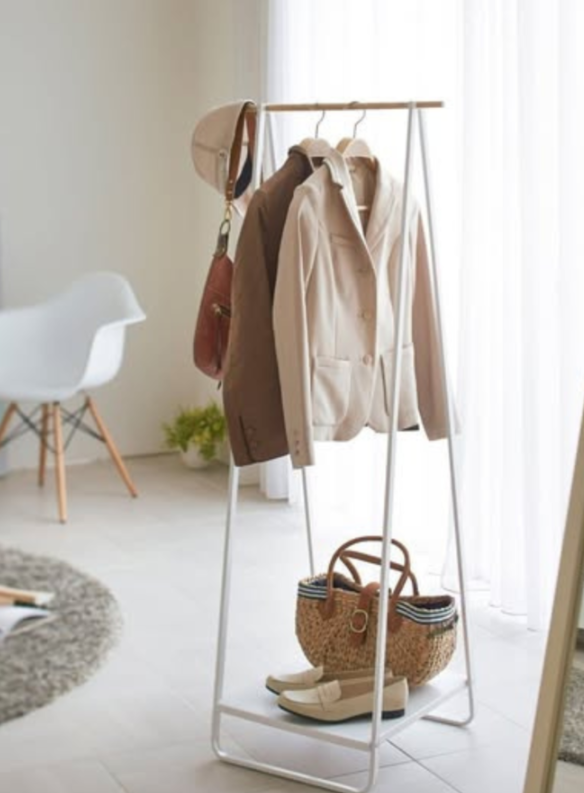
A slim clothing rack can make morning routines easier, especially when your wardrobe feels crowded.
I recommend using it to prepare the next day’s outfit rather than turning it into another place for storing all your clothes.
Keep one outfit, one handbag, and the shoes you plan to wear together. This makes everything easier to grab when you are getting ready.
Choose a compact rack that fits comfortably in your bedroom without blocking walkways. You can also use a small basket underneath for accessories.
Basket Group Storage
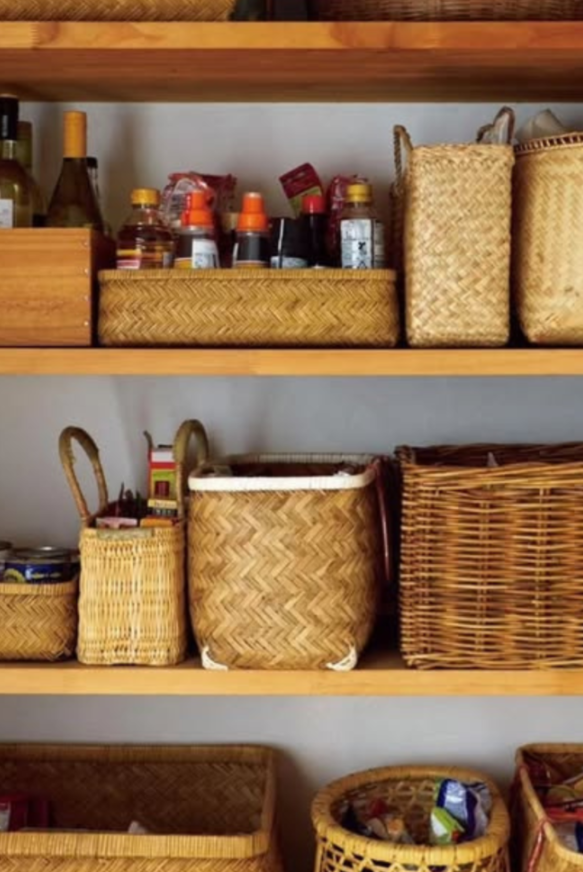
Woven baskets are useful when you want to organize loose items without displaying every package or container.
They work especially well in pantries, kitchens, closets, and laundry rooms.
I recommend using separate baskets for snacks, sauces, cleaning supplies, and extra household products. This way, you can remove an entire basket when you need something instead of searching through several shelves.
Choose basket sizes that fit your shelves properly. Matching or similar baskets can also make open storage look more balanced.
Layered Vanity Drawers

A vanity can become messy when makeup products are stored together in one deep drawer. Layered drawers offer a better way to separate everything.
I like using tiered acrylic organizers because they make products easy to see without taking up too much counter space.
You can create separate sections for face makeup, eye products, lipsticks, and everyday skincare.
Keep your most frequently used products in the top drawer and occasional-use items in the lower sections. This makes your daily routine quicker and prevents unnecessary searching.
Hidden Toy Storage
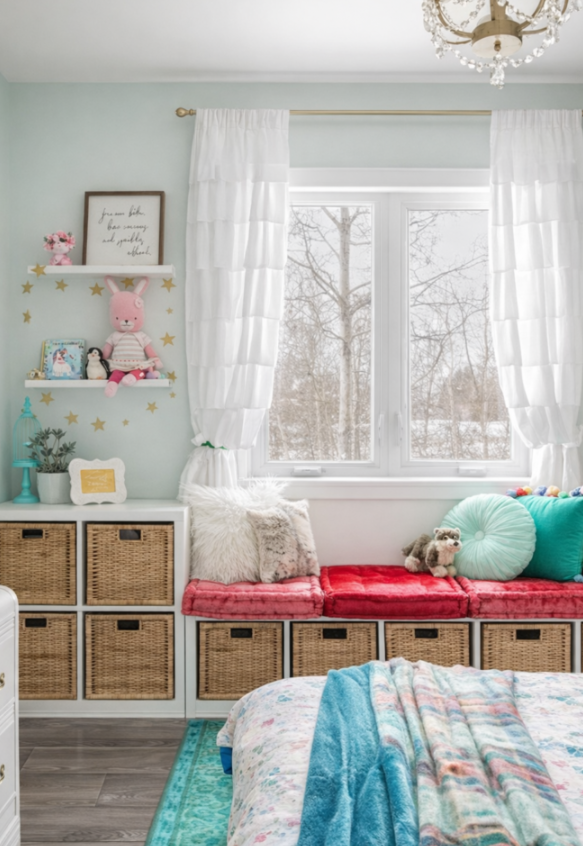
Children’s toys can quickly make a bedroom or playroom look cluttered, especially when small pieces are scattered across the floor.
Cube shelving with woven baskets is a practical solution because it provides separate storage sections without making the room feel too crowded.
I recommend assigning one basket to each toy category, such as building blocks, dolls, puzzles, and stuffed animals.
Use simple labels or pictures on the baskets so children can recognize where their toys belong. This also makes it easier for them to help with cleanup.
Clear Counter Rule
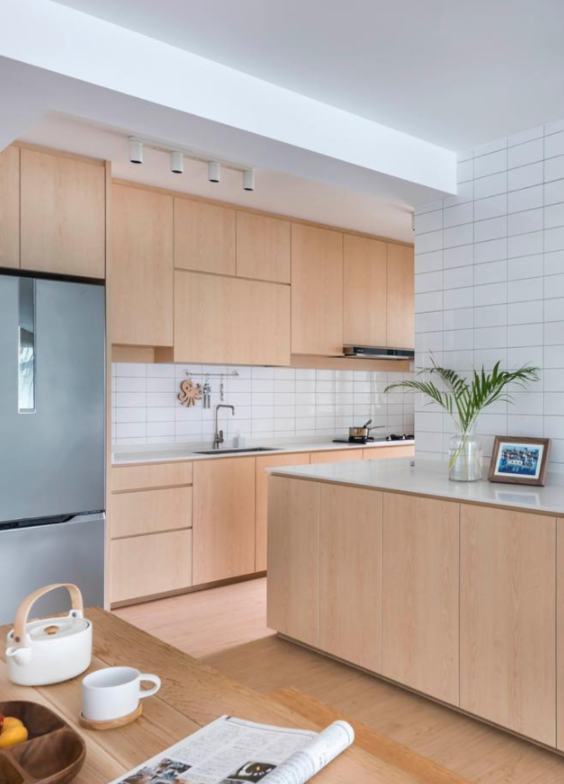
Kitchen counters often become storage spaces for appliances, containers, mail, and everyday items.
I prefer keeping counters as clear as possible because open surfaces make cooking and cleaning easier.
Start by removing items you rarely use and storing them inside cabinets. Keep only the essentials you reach for every day, such as a coffee maker or a fruit bowl.
You don’t have to make every counter completely empty. The goal is to leave enough workspace so everyday cooking does not feel crowded.
Seamless Cabinet Storage
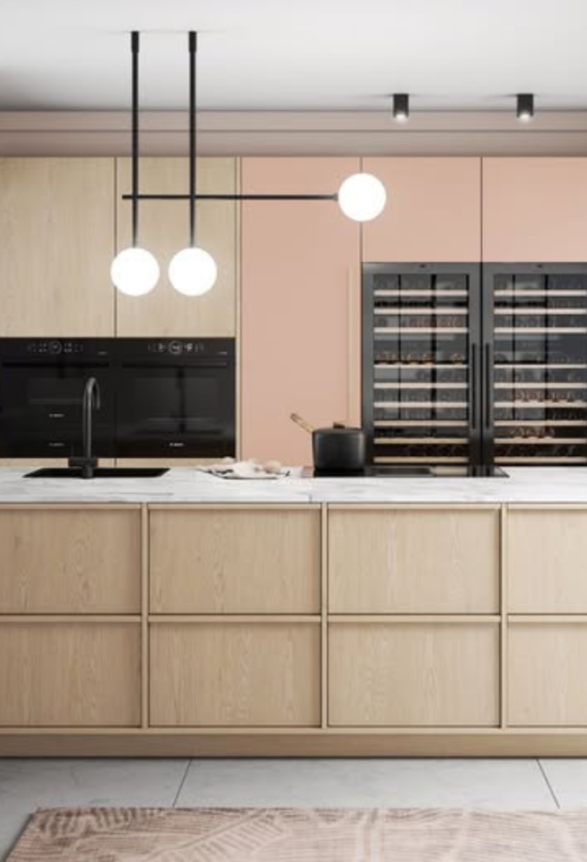
Seamless cabinets help create a clean and organized kitchen by keeping appliances, dishes, and everyday supplies out of sight.
Full-height cabinets with simple fronts are a good option when you want storage that blends into the overall kitchen design.
I recommend organizing the inside of these cabinets according to different tasks. Keep cooking tools near the stove, dishes close to the dining area, and food preparation supplies together.
This arrangement reduces unnecessary movement around the kitchen and makes it easier to return everything to its proper place.
Intentional Empty Shelves
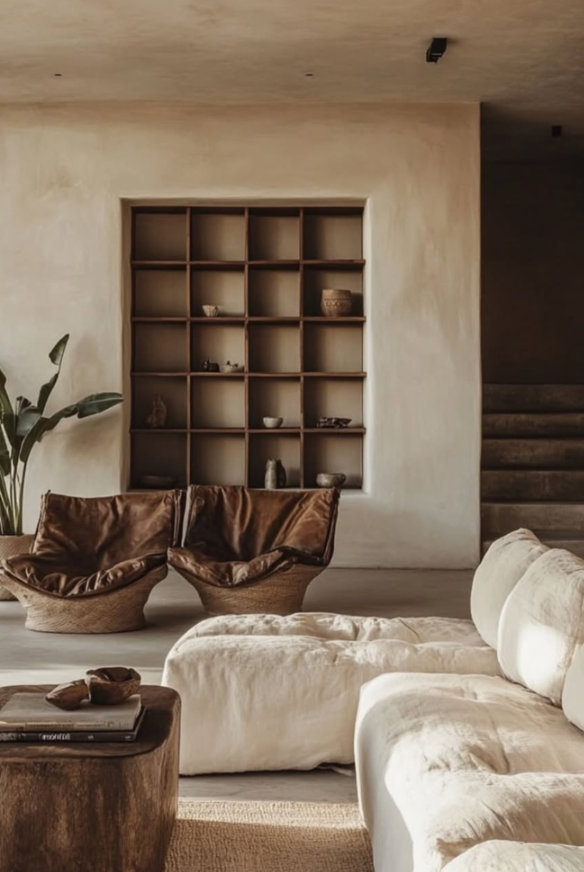
One of the simplest Japanese-inspired organization ideas is learning not to fill every available space.
Empty shelves are not wasted space. They give the room breathing room and make the belongings you do display easier to appreciate.
I recommend leaving some open areas between books, baskets, and decorative pieces rather than arranging objects across the entire shelf.
This approach also gives you flexibility when you need space for something new. A little empty space can make a noticeable difference in how organized a room feels.
Balanced Shelf Styling

A balanced shelf arrangement combines practical storage with a small amount of decoration.
Instead of placing objects randomly, group similar items together and leave enough space between them.
For example, you can arrange books in one section, baskets in another, and a few decorative pieces in the remaining space.
I also recommend varying the height of objects to make the arrangement look more natural. Avoid adding decorations just to fill empty spaces because the goal is to keep the shelf useful and visually simple.
Zonal Living Corners
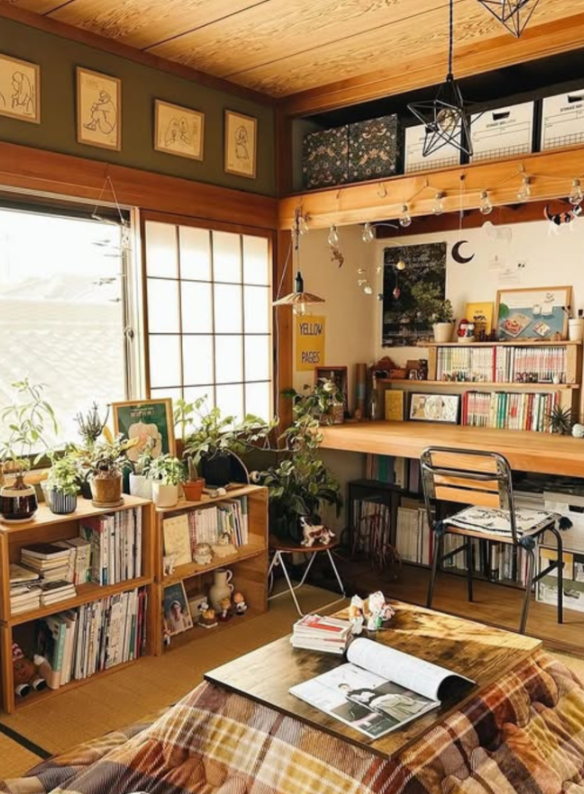
Creating separate zones is especially useful when several activities happen in the same room.
For example, a small living space might include a reading corner, a work area, and a place to relax.
I recommend using low shelves, compact desks, or small rugs to make each area feel separate without building walls or adding bulky furniture.
Keep the belongings related to each activity inside its own zone. Work supplies should stay near the desk, while books and reading accessories should remain in the reading corner.
This makes shared spaces easier to use and maintain.
Soft Drawer Order
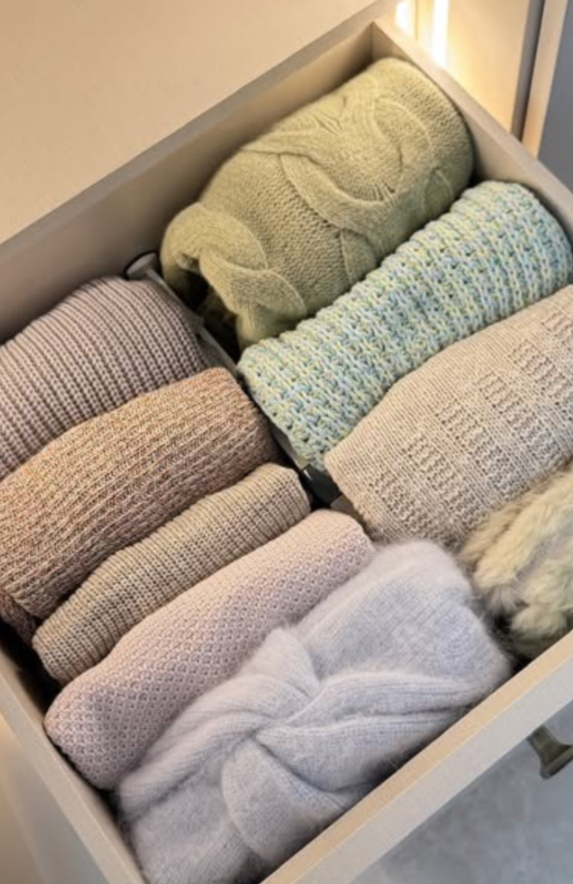
Sweaters, cardigans, and seasonal clothing need enough space to stay in good condition.
I recommend folding or gently rolling these items instead of pushing them into an overcrowded drawer.
You can organize sweaters by weight, fabric, or season so similar pieces stay together.
Avoid stacking too many heavy garments because this makes drawers difficult to open and can create unnecessary wrinkles. Keep frequently worn clothing within easy reach and store seasonal pieces separately.
Budget Storage Base

You don’t need expensive storage furniture to create an organized home.
Simple modular boxes and matching bins can work well in closets, pantries, bedrooms, and under-bed storage areas.
I recommend choosing one or two practical container sizes that fit your available shelves. Repeating similar containers creates a cleaner appearance and makes it easier to rearrange your storage later.
Before purchasing anything, measure the available space and check what you already own. Reusing suitable boxes can save money and prevent unnecessary purchases.
Purpose Storage Boxes
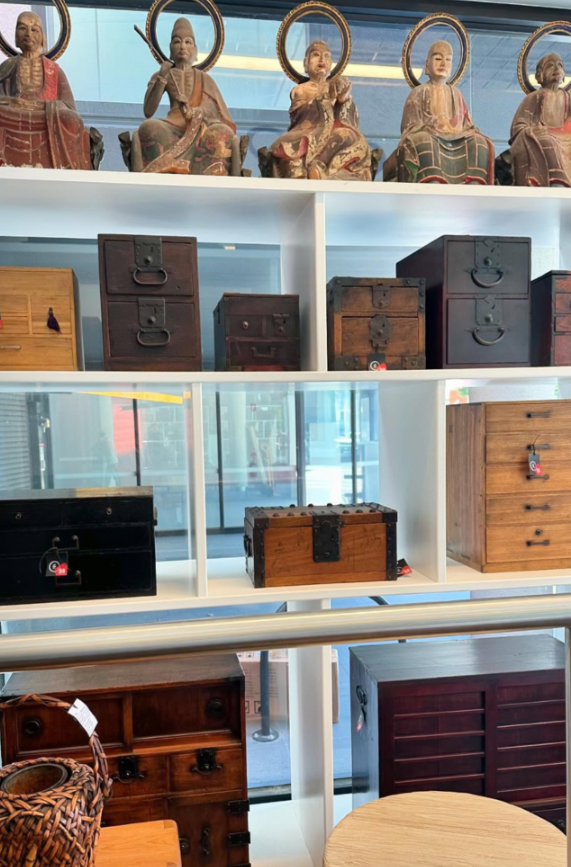
Storage boxes are most useful when each one has a clear purpose.
For example, I would use one box for important documents, another for keepsakes, and a separate container for seasonal accessories.
Wooden boxes are a good option for items you want to protect and keep for a long time. For heavier belongings, choose sturdy containers that are easy to lift.
Label each box so you can identify its contents without opening everything. Also, avoid stacking too many boxes because the items at the bottom can become difficult to access.
FAQs
How can Japanese organizations stay organized longer?
Japanese-inspired organization works best when I remove unnecessary belongings first and give everything I keep a specific place.
I recommend returning items immediately after use instead of leaving them on counters, chairs, or tables. This small habit prevents everyday mess from building up.
A five-minute daily reset can also help. During this time, put away loose items, straighten frequently used areas, and check whether anything has been left outside its assigned space.
When you own fewer things and keep your storage simple, maintaining an organized home becomes much easier.
Which Japanese organization idea works best for small apartments?
Zoning is one of the most practical Japanese-inspired organization methods for small apartments.
I recommend giving each area a clear purpose, even if one room needs to serve several functions. For example, a bedroom corner can become a small workspace, while another section can be used for dressing or storage.
Use compact furniture, wall hooks, and closed baskets to keep belongings organized without taking up too much floor space.
Also, try leaving at least one surface clear in each area. This helps prevent clutter from spreading and makes a small apartment feel more open.