16 Homework Station Organization Ideas for 2026
Homework time can become frustrating when children keep getting up, supplies go missing, and the workspace gets messy before they finish their assignments. Even when you already have a desk at home, it may not provide the organized and comfortable setup your child needs.
The right homework station organization ideas can make daily study time easier. A good setup does not need a large room or expensive furniture. With smart storage, proper lighting, and a clearly defined workspace, you can create a study area that fits your home and your child’s routine.
In this article, I’m sharing 16 homework station ideas, from floating shelves and closet study nooks to shared desks and organized kitchen workspaces. You’ll also learn how to choose the best location and keep the area tidy.
Key Takeaways
- Choose a homework location that allows supervision without too much noise or interruption.
- Use vertical shelves, pegboards, and drawer organizers to keep supplies accessible.
- Create separate workspaces when multiple children share a study area.
- Make the desk comfortable with suitable lighting and enough working space.
- Establish a simple daily cleanup routine to prevent clutter from returning.
What Is the Best Location in the House for a Homework Station?
The best location for a homework station is one that fits your family’s daily routine. It should give your child enough space to concentrate while allowing you to keep an eye on their progress when needed.
A desk placed too far from everyday family activity may make younger children feel isolated. On the other hand, a workspace in a busy area can become distracting without a little planning.
I recommend starting with a kitchen, dining room, or shared family space if your child needs occasional help with homework. These areas make it easier to supervise without sitting beside them the entire time.
Bedrooms can also work for older children who are comfortable studying independently. The important thing is to choose a consistent location with good lighting, comfortable seating, and easy access to everyday school supplies.
1. Floating Shelf Focus
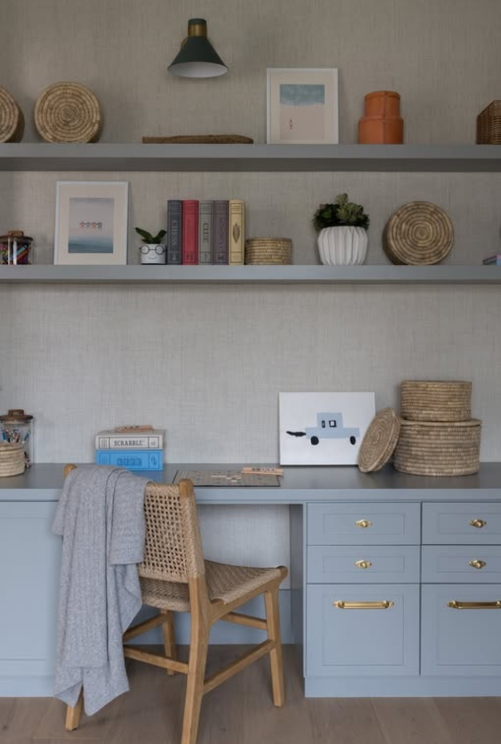
Floating shelves are a practical choice when you want to create a homework station without using too much floor space. They provide room for books, baskets, and school supplies while leaving the desk available for writing and other activities.
I recommend installing deep shelves above the desk and using labeled baskets to separate notebooks, stationery, and other materials. Keep frequently used items within easy reach.
This setup works especially well in dining rooms and small family spaces. Add a desk lamp or suitable wall lighting so the work surface stays bright.
2. Color-Sorted Supplies

Color-sorted supplies make it easier for children to recognize where everything belongs. Instead of keeping all the stationery in one container, group pencils, markers, pens, and other items separately.
Use clear jars, small containers, or labeled organizers to keep supplies visible. You can also assign a different color to each child or school subject.
This system works well with open shelving because children can quickly see what they need. Keep the labels simple so putting everything back becomes part of their routine.
3. Built-In Calm
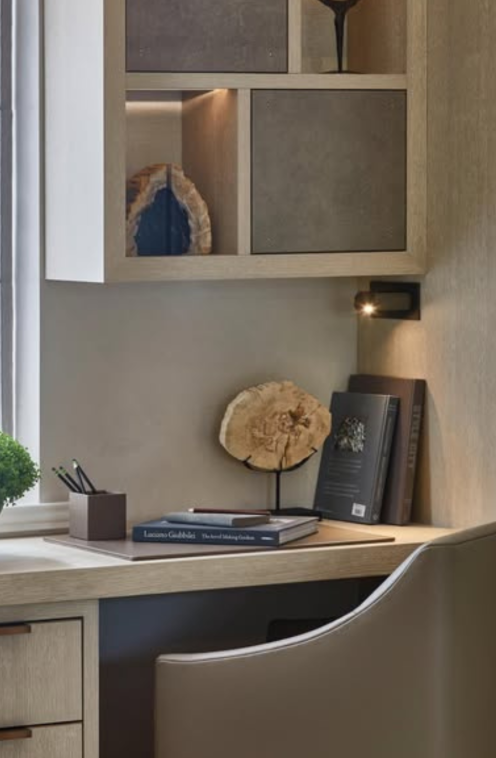
A built-in homework station creates a defined workspace that feels separate from the rest of the room. It is especially useful when you want a neat study area with enough storage for books and school materials.
Use closed cabinets above the desk to hide extra supplies and keep the desktop free from unnecessary items. A few drawers can hold notebooks, paper, and frequently used stationery.
This idea works well in bedrooms, quiet corners, and home offices. Add under-cabinet lighting and a focused desk lamp to make the work surface comfortable.
4. Shared Study Zones
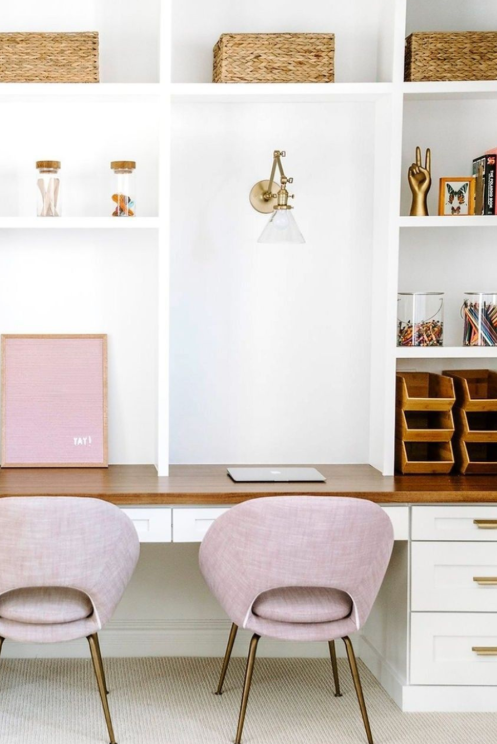
If two children regularly do homework together, a shared study zone can help organize their activities. A long desk provides enough room for both children without requiring two separate rooms.
Divide the workspace into individual sections with separate supply bins, drawers, or shelves. Each child should have a clearly defined place for their books and stationery.
This setup works well in bonus rooms, family rooms, and along long hallway walls. Individual task lamps can also help each child focus on their own work.
5. Pegboard Control Center

A pegboard is a useful way to organize small homework supplies without filling the desk with containers. You can attach cups, hooks, clips, and small shelves to keep everyday items visible.
Place the pegboard above the desk and use closed cabinets or drawers underneath for extra supplies. Children can use the hooks for scissors, rulers, and other frequently used tools.
This idea works particularly well in kids’ bedrooms and playroom corners. Keep sharp tools and small accessories out of reach of younger children.
6. Closet Study Nook
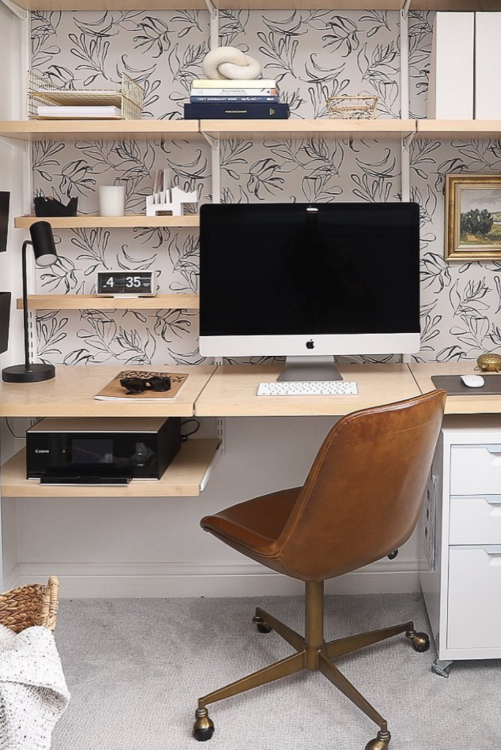
An unused closet can become a compact homework station when floor space is limited. It gives children a dedicated place to study without taking over the bedroom or living room.
Start with a small desk surface, adjustable shelves, and a comfortable chair that fits the available space. Rolling drawers can hold notebooks, paper, and stationery.
When homework is finished, you can close the closet doors to keep the area out of sight. Use a suitable desk lamp and overhead lighting to prevent the small space from feeling dark.
7. Window-Lit Workspace
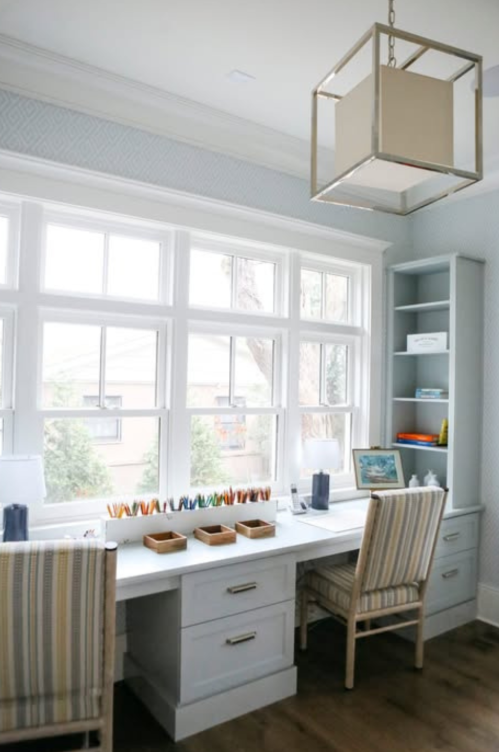
A desk near a window can make homework time feel more comfortable by bringing natural daylight into the workspace. It is a good option for dining rooms, bonus rooms, and other areas with wide windows.
Place a desk or built-in work surface near the window and add shallow drawers for school supplies. Keep the desktop simple with only a few organizers for everyday materials.
Natural light can reduce the need for artificial lighting during the day. However, add a desk lamp for cloudy weather and evening study sessions.
8. Personalized Study Nook
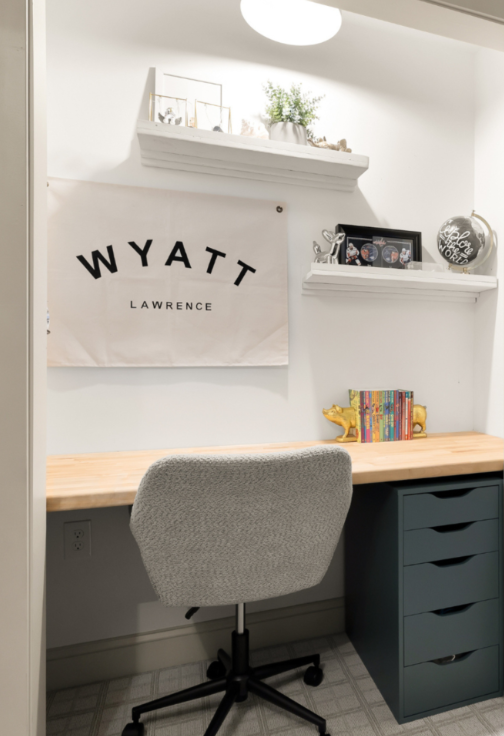
Giving children a workspace of their own can help them feel more responsible for their homework routine. A personalized study nook does not need many decorations or expensive furniture.
Use a simple desk, a slim drawer unit, and a few shelves for books and personal items. You can add a small pinboard for schedules, reminders, or school notes.
This setup works well in recessed wall spaces, bedrooms, and unused corners. Let your child choose a few decorations, but keep the main work surface clear.
9. Cabinet-Closed Station
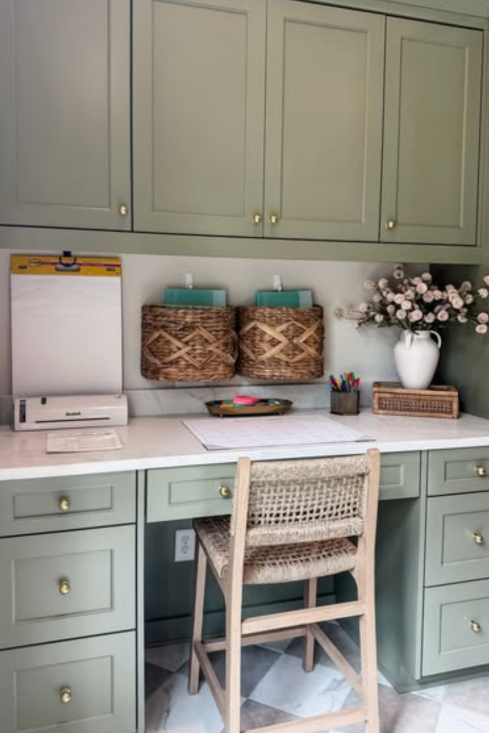
A cabinet-closed homework station is helpful when the study area shares space with everyday family activities. It allows you to store school supplies out of sight when they are not being used.
Use shallow drawers for pencils, notebooks, and paper. Add woven baskets or small containers inside the cabinets to separate different categories of supplies.
This idea works particularly well in kitchens and multipurpose rooms. Under-cabinet lighting can make the desk easier to use while keeping the surrounding area neat.
10. Under-Stair Nook

The space beneath a staircase is often overlooked, but it can become a useful homework area. Its angled shape makes it suitable for a compact desk and vertical storage.
Choose a desk that fits the available width and place a slim drawer unit beside it. Wall-mounted shelves can hold books, folders, and a few everyday supplies.
A focused desk lamp is important because under-stair spaces may not receive much natural light. Add comfortable seating and make sure there is enough headroom for your child.
11. Minimal Wall Setup
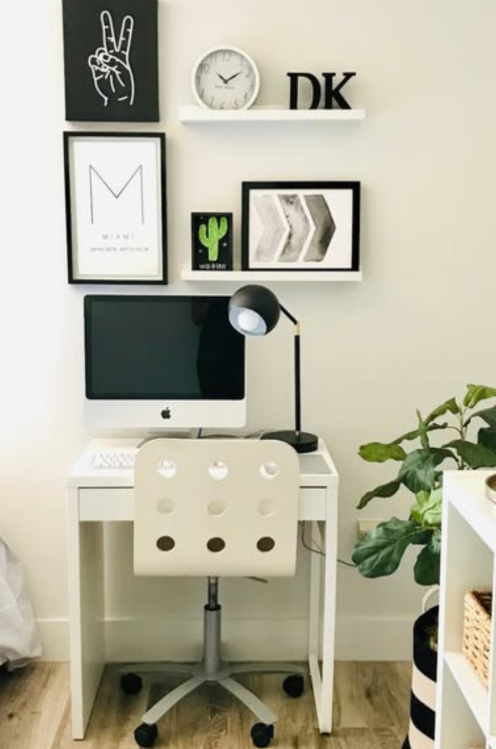
A minimal wall setup is a good solution for small bedrooms and apartments. It keeps the workspace simple and avoids adding furniture that takes up too much room.
Choose a compact desk with a few floating shelves above it. Store extra supplies in a nearby cabinet and keep only the items needed for current assignments on the desk.
This arrangement makes daily cleanup easier because there are fewer things to organize. Natural daylight and a suitable desk lamp can also make the space feel more comfortable.
12. Dual-Desk Balance
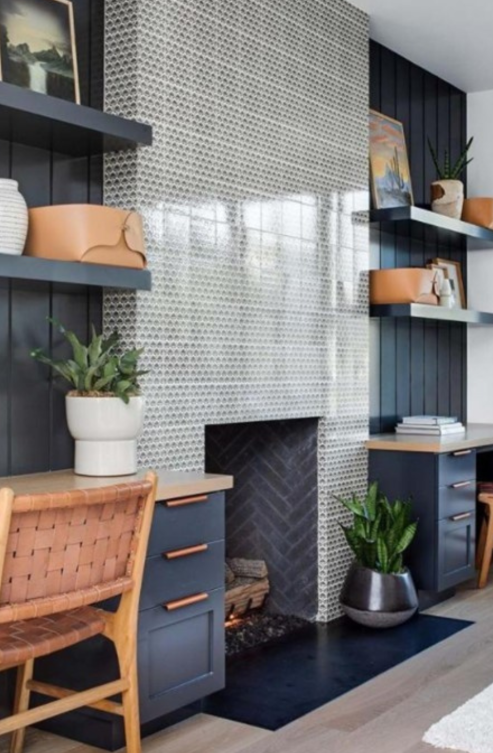
A dual-desk setup gives two children separate workspaces while keeping them in the same room. It can be useful when siblings share a bedroom or when your family has a large living area.
Place matching desks side by side and add individual shelves or storage units above each one. A divider, paneling, or separate pinboards can help define each child’s area.
Make sure both desks have enough space for books, notebooks, and schoolwork. Individual task lamps also help children work comfortably without depending on one shared light source.
13. Symmetry Keeps Order

A symmetrical homework station creates a balanced appearance and makes storage easier to organize. It is a useful option for spare rooms, wide hallway spaces, and dedicated study areas.
Place the desk in the center and add matching cabinets or shelves on both sides. Use shallow drawers for stationery and separate baskets for books and paper.
I recommend keeping frequently used supplies in the same type of storage on each side. This makes it easier for children to remember where everything belongs.
14. Resettable Kitchen Desk
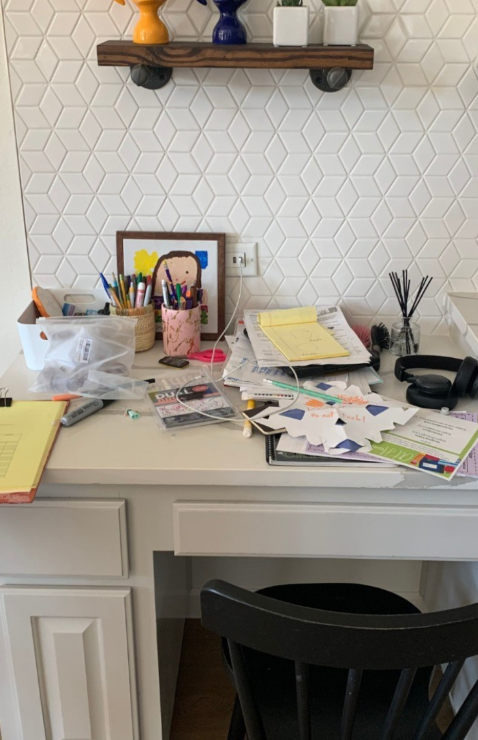
A kitchen homework station needs to stay simple because the same area may also be used for cooking, eating, and family activities.
Limit the desk or counter space to a few essentials, such as one stationery caddy, one paper tray, and one small container for miscellaneous items. Store everything else in drawers or cabinets.
At the end of homework time, return the supplies to their storage places so the kitchen can be used for other activities. Under-cabinet lighting can also help make the work area more practical.
15. Vertical Shelf Flow
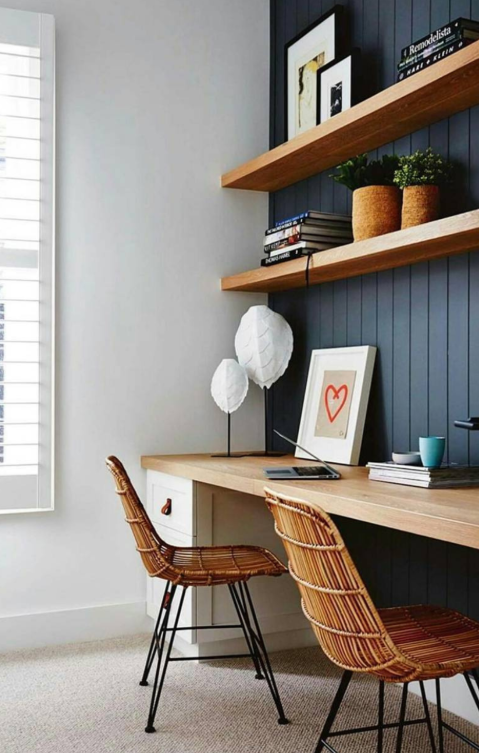
When floor space is limited, use the wall above the desk to create additional storage. Vertical shelving keeps books and supplies organized without requiring another cabinet.
Install floating shelves at suitable heights and use labeled baskets for notebooks, folders, and stationery. Keep the items children use every day on the lower shelves so they can reach them easily.
This setup works well in bedrooms and home offices. Avoid placing heavy objects above the desk, and make sure shelves are securely installed.
16. Defined Work Zones
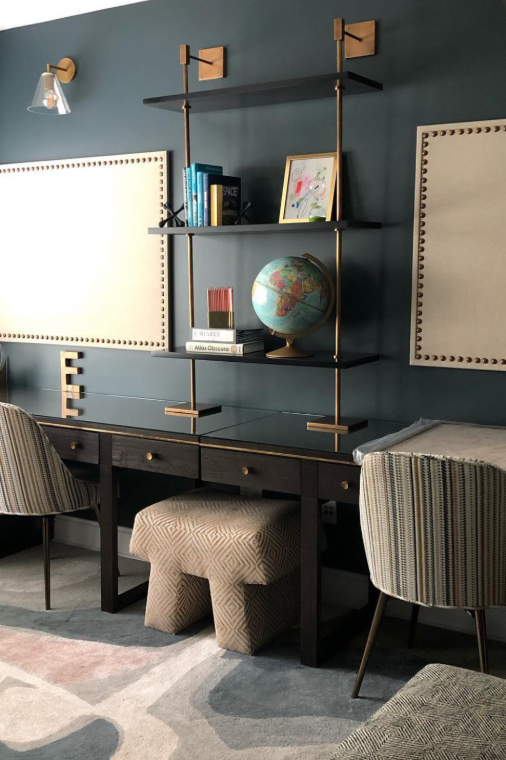
When several children share a homework room, individual work zones can prevent confusion and clutter. Each child should have a clearly marked space for their books, supplies, and assignments.
Use separate desks or divide a long desk into individual sections. Add personal pinboards, labeled storage bins, and shared shelving between the workspaces.
This arrangement works especially well in dedicated homework rooms. Recessed ceiling lights can provide general brightness, while individual desk lamps give each child focused lighting.
FAQs
Should Homework Stations Be in Bedrooms?
Bedrooms can work as homework spaces, but they may also contain distractions such as toys, games, televisions, and comfortable beds.
For younger children, I generally recommend a shared family area where parents can provide help when needed. Older children may prefer a bedroom desk if they can manage their time and stay focused independently.
If you choose a bedroom, keep the desk separate from the sleeping area as much as possible. Use closed storage for toys and other distractions, and establish clear rules about devices during homework time.
How Do I Keep the Homework Station from Getting Messy Again?
A simple daily reset is more effective than adding more storage. Keep only the supplies needed for current assignments on the desk and store extra materials in drawers or labeled containers.
I recommend keeping one tray for active papers and one small bin for items that need to be sorted later. At the end of each study session, ask your child to return stationery, stack books, and clear the work surface.
A five-minute cleanup routine can prevent clutter from building up throughout the week. When every item has a specific place, children can learn to organize their own homework station more easily.
Final Thoughts on Homework Station Organization Ideas
The best homework station organization ideas are the ones that make studying easier for your child and fit naturally into your home. You do not need a separate room or expensive furniture to create a useful workspace.
Start by choosing a suitable location, then add storage that keeps everyday supplies within reach. Whether you use floating shelves, a closet nook, a shared desk, or a simple kitchen setup, focus on keeping the area comfortable and easy to maintain.
Most importantly, make cleanup part of your child’s daily homework routine. A few simple habits can help keep the workspace organized and make homework time less stressful.