18 Pillow Storage Ideas for 2026
Decorative pillows make bedrooms and living rooms feel cozy, but storing them when they’re not in use can become a daily problem. I often see extra pillows ending up on chairs, beds, or random corners because there isn’t a dedicated place for them.
The easiest solution is to use storage spaces you already have instead of adding more furniture. Closet shelves, storage benches, woven baskets, under-bed drawers, fabric bags, and cabinets can all help keep extra pillows organized without taking up valuable floor space.
In this article, I’m sharing 18 practical pillow storage ideas that work for different home sizes and storage needs. Whether you have a small bedroom, a full linen closet, or several decorative cushions, these ideas will help you keep pillows clean, accessible, and in good shape.
Key Takeaways
- Use closet shelves and cabinets to keep extra pillows organized and protected from dust.
- Choose storage benches and ottomans to combine seating with hidden pillow storage.
- Use baskets and fabric bags for decorative pillows you move around frequently.
- Make use of unused space under the bed with flat storage bins or rolling drawers.
- Store seasonal pillows in breathable bags to protect them from dust and moisture.
- Avoid compressing delicate pillows or memory foam for extended periods.
How Can You Store Extra Pillows Without Taking Up Too Much Space?
Extra pillows don’t need to take over your bedroom or living room. I recommend starting with unused areas around your home, such as the space under your bed, the top shelves of your closet, or an empty corner.
A flat storage container under the bed is useful for pillows you don’t need every day. It keeps them out of sight while allowing you to pull them out whenever guests arrive.
Another practical option is a storage bench at the foot of your bed. You can use it as a seat while keeping decorative cushions and spare pillows inside.
If your closet is already full, breathable fabric bags can help organize seasonal pillows on higher shelves. The important thing is to choose storage that protects the pillows without squeezing them too tightly.
Closet Shelves
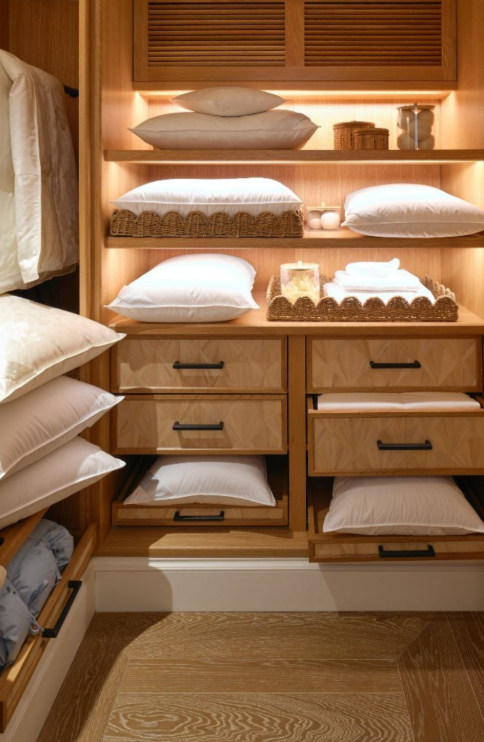
Closet shelves are one of the simplest ways to organize extra pillows without adding furniture to your bedroom.
I like using separate shelves for different types of pillows. Sleeping pillows can stay together, while decorative cushions and seasonal designs can have their own sections.
Try stacking pillows loosely instead of pressing them into a tight pile. This helps them maintain their original shape and makes it easier to take one out without disturbing everything else.
If your closet has several compartments, use the lower shelves for frequently used pillows and higher shelves for seasonal extras.
You can also add small baskets for pillow covers and spare inserts. This keeps everything together and makes changing your bedding much easier.
Wall Display

Who says decorative pillows always need to be hidden? Wall-mounted shelves can turn attractive cushions into part of your bedroom or living room décor.
I would choose sturdy floating shelves or display ledges with enough depth to hold pillows securely. Arrange cushions with different colors, patterns, and textures to create a simple decorative feature.
This idea works particularly well for seasonal or decorative pillows that you enjoy displaying but don’t use every day.
Keep frequently used cushions on lower shelves so they’re easy to reach. Less-used decorative pillows can go higher.
Make sure the shelves are properly secured to the wall and can support the combined weight of the pillows.
Vertical Rack

When floor space is limited, using vertical storage can make a big difference. A tall rack gives extra pillows a dedicated place without taking up much room.
I would use a narrow shelving unit or open rack in an unused bedroom corner, guest room, or storage area.
Place pillows upright instead of piling them on top of one another. This makes it easier to see different sizes and grab the one you need.
Lightweight cushions work particularly well with this arrangement. You can also organize them by color or purpose to make the rack look neat.
Choose a stable rack with enough support so the pillows don’t slide or fall when you remove one.
Bed Bench
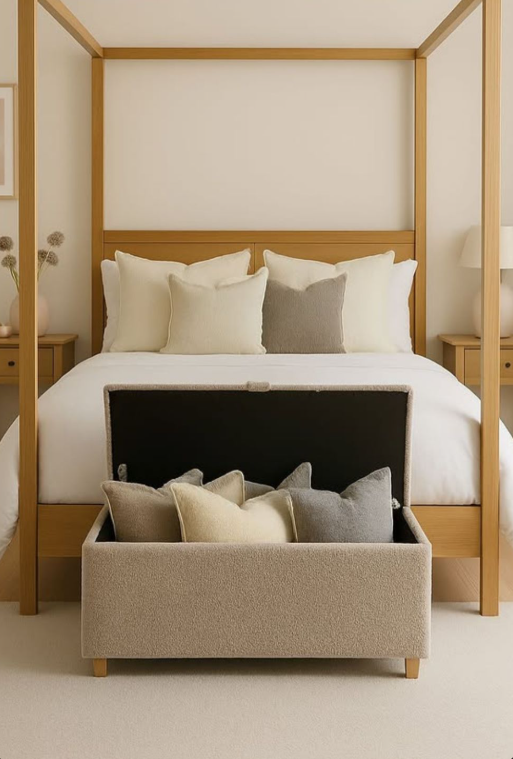
A storage bench at the foot of the bed is a practical way to keep extra pillows nearby without leaving them scattered around the bedroom.
I like this option because it serves two purposes. You get an additional seating area, and the inside provides hidden storage for decorative cushions and spare bedding.
Choose a bench with enough interior space to hold your pillows without forcing them into a tight stack.
Upholstered benches are especially useful when you want the storage to blend with your bedroom furniture. You can match the fabric with your headboard or bedding for a coordinated appearance.
This is a great option for bedrooms where decorative pillows are removed every night and need a regular storage spot.
Labeled Bins
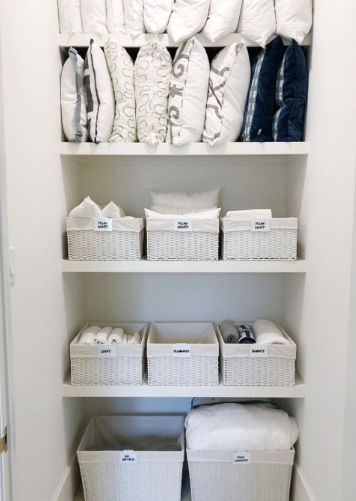
Labeled storage bins make it easier to organize different types of pillows, especially when you have several sizes and seasonal designs.
I recommend using separate containers for decorative pillows, sleeping pillows, pillow inserts, and spare covers.
Fabric baskets and breathable storage containers are useful for keeping everything organized while allowing some airflow.
Place frequently used bins at eye level so you can reach them without moving other items. Seasonal pillows can go on higher shelves or in less accessible closet compartments.
Adding simple labels saves time when you’re changing bedding or preparing a guest room. Instead of opening every container, you’ll know exactly where each pillow belongs.
Cube Organizer

A cube organizer is a useful solution when you want every pillow to have its own storage space.
Instead of creating one large pile, you can place individual cushions inside separate compartments. This makes the collection easier to manage and helps prevent smaller pillows from getting lost behind larger ones.
I would choose a cube unit with compartments large enough for your pillow sizes. Some decorative cushions can fit upright, while larger ones may need to be placed flat.
You can put the organizer inside a closet or against a bedroom wall. Fabric storage cubes can also be added to hide pillows that you don’t want on display.
This arrangement works particularly well if you regularly change decorative pillows according to the season.
Carry Basket
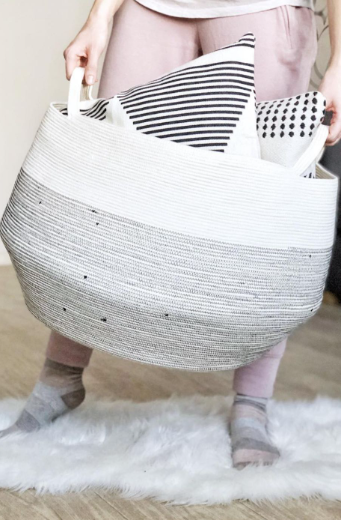
A large woven basket is an easy way to collect decorative pillows from around the house.
I like this idea for living rooms because you can place the basket beside a sofa or in an empty corner. When it’s time to clean up, simply put the cushions inside instead of leaving them on chairs or the floor.
Choose a basket with handles if you want to move it between rooms. A wider design is better because it gives pillows enough room without squeezing them.
Woven baskets also add texture to your décor, making them look like decorative accessories rather than ordinary storage containers.
For everyday use, choose a basket that’s easy to reach and large enough for the number of pillows you usually remove.
Fabric Bags
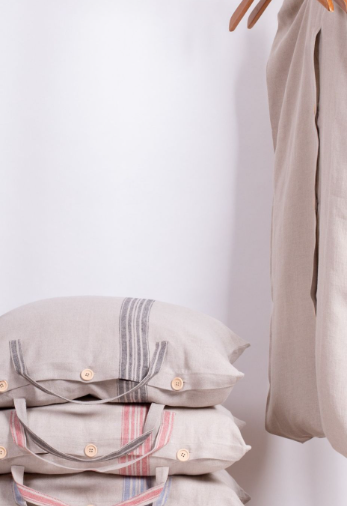
Fabric storage bags are a practical choice for pillows that you don’t use every day.
I would choose cotton or linen bags because they allow better airflow than completely sealed plastic containers. They also help protect pillows from dust while keeping them organized.
You can store the bags on closet shelves, inside cabinets, or under the bed if the space is clean and dry.
Choose bags that are large enough to hold pillows without forcing them into a tight shape. Handles are another useful feature because they make it easier to move the bags when needed.
I especially recommend this method for seasonal decorative pillows and extra guest-room cushions.
Floating Shelf

If your bedroom doesn’t have enough closet space, a floating shelf can provide additional pillow storage without taking up floor space.
I would install a sturdy shelf near the bed or above a suitable furniture area. It can hold a few extra cushions while keeping them within easy reach.
This is particularly useful in guest bedrooms where you need somewhere to place spare pillows without adding a bulky cabinet.
Choose a shelf with enough depth to support the pillows securely. Avoid overcrowding it, as tightly stacked cushions can slide off.
You can also coordinate the shelf finish with your bedside tables or other bedroom furniture to create a consistent look.
Underbed Storage

The space underneath your bed is often overlooked, but it can hold several extra pillows without making your bedroom feel crowded.
I recommend using flat storage bins that slide easily underneath the bed. Clear containers are especially useful because you can see what’s inside without opening every box.
Before storing pillows, make sure they’re completely clean and dry. Place them loosely inside the container instead of pushing them into a tight pile.
Under-bed storage works best for seasonal cushions, guest pillows, and extra bedding that you don’t need every day.
If dust is a concern, choose containers with secure lids. You can also use a breathable fabric storage bag inside the bin to keep pillows organized.
Rolling Drawer
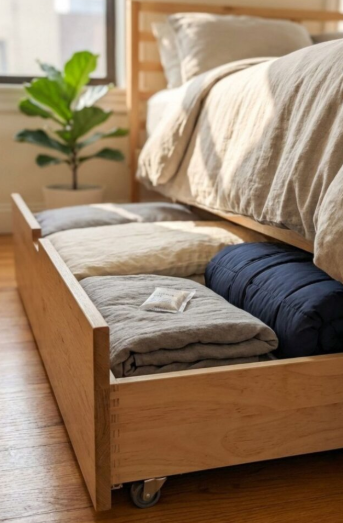
A rolling drawer makes under-bed pillow storage easier because you can pull everything out without lifting heavy containers.
I would choose a low wooden drawer or rolling storage bin with smooth wheels that fit underneath your bed.
Place extra pillows flat inside and keep similar sizes together. This helps you use the available space without creating an uneven pile.
The main advantage is accessibility. You can pull out the drawer whenever you need another pillow and slide it back when you’re finished.
This option works well in smaller bedrooms where closet space is limited. Just make sure the drawer has enough height and width for your pillows.
Vacuum Bags
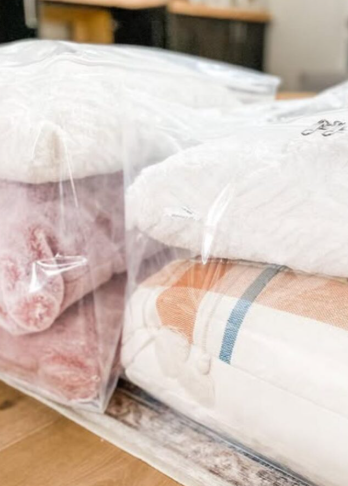
Vacuum storage bags can reduce the space taken up by bulky pillows, making them useful when your closets are already full.
I would consider them for seasonal pillows or spare cushions that you only need occasionally. Once the air is removed, the bags become flatter and easier to stack.
However, not every pillow should be vacuum-compressed. Memory foam, latex, feather, and delicate specialty pillows may be damaged by prolonged compression or may not recover their original shape.
Always check the manufacturer’s care instructions before using vacuum bags.
Make sure pillows are completely dry before sealing them. For long-term storage, breathable bags and shelves are generally a better choice for maintaining pillow shape and freshness.
Stool Stack

A simple stool or small stand can provide an easy place to keep extra pillows when you don’t have room for another storage unit.
I would place a sturdy stool in an unused bedroom corner or beside a dresser. Stack two or three decorative cushions on top, keeping the arrangement loose and balanced.
You can use pillows with different sizes and textures to make the stack look more decorative.
This works especially well for cushions that you use regularly and don’t need to hide inside a cabinet.
Choose a stable stool with a surface wide enough to support the pillows. Avoid making the stack too high, as it may become unstable or fall over.
Open Shelves
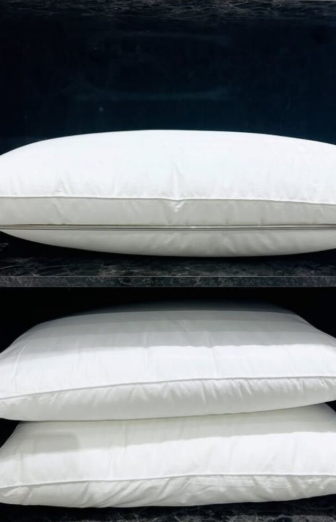
Open shelves are a good choice when you want to keep pillows visible and easy to access.
I recommend arranging cushions in loose stacks rather than pushing them into narrow compartments. This helps prevent unnecessary pressure and makes it easier to remove individual pillows.
You can use built-in bedroom shelves, closet shelving, or a separate bookcase-style storage unit.
Organizing pillows by size and color gives the shelves a cleaner appearance. For example, keep larger sleeping pillows on one shelf and smaller decorative cushions on another.
If the shelves are open, remember that pillows can collect dust over time. Keep the area clean and wash or refresh pillow covers according to their care instructions.
Closet Stack
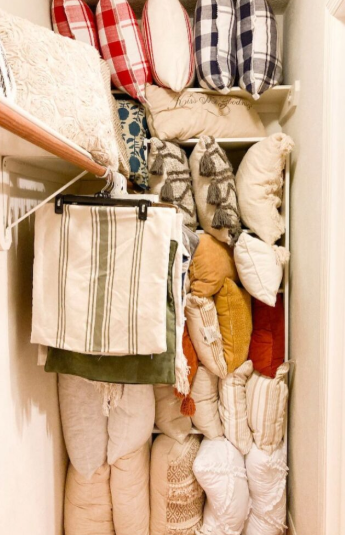
When closet space is limited, arranging pillows vertically can help you make better use of the available room.
I would place the largest and heaviest pillows at the bottom and lighter cushions above them. Keep the stack loose so the pillows don’t become flattened under unnecessary weight.
The back corners of a closet can be useful for extra cushions that you don’t need every day.
You can also use shelf dividers to stop pillows from falling sideways and mixing with other stored items.
This method works well for seasonal pillows and additional guest bedding. Keep frequently used pillows closer to the front so you don’t have to move the entire stack every time you need one.
Cabinet Stack
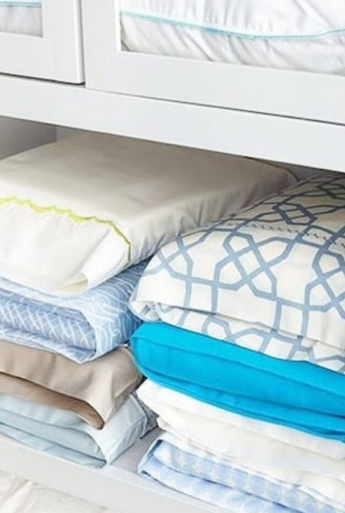
A closed cabinet provides a simple way to store extra pillows while protecting them from everyday dust.
I like using a separate cabinet shelf for cushions instead of mixing them with clothing, cleaning supplies, or unrelated household items.
Arrange pillows by size and keep similar styles together. Larger pillows should go on the bottom, while smaller and lighter ones can sit above them.
If your cabinet has adjustable shelves, change the spacing to fit your pillow collection rather than squeezing everything into one compartment.
This arrangement works well in bedrooms, hallways, and linen closets where you want storage to stay out of sight.
Display Cabinet
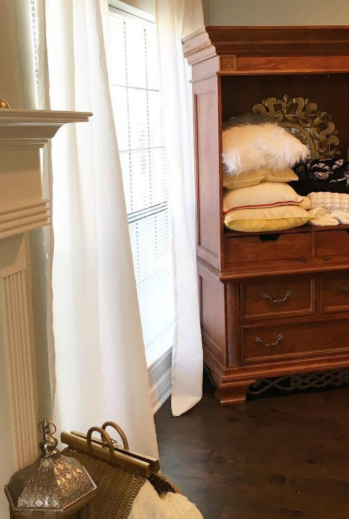
A display cabinet or open hutch can make decorative pillows part of your home styling while keeping them organized.
I would use this option for attractive cushions with interesting patterns, colors, or seasonal designs.
Arrange them loosely inside the cabinet and leave enough space between stacks so the display doesn’t look overcrowded.
You can combine pillows with folded blankets or neatly arranged throws to create a coordinated look.
This works particularly well in guest rooms and living areas where you want extra cushions to remain accessible without leaving them on the sofa.
If the cabinet has glass doors, it can also help protect the pillows from dust while allowing you to see the collection.
Lift Storage
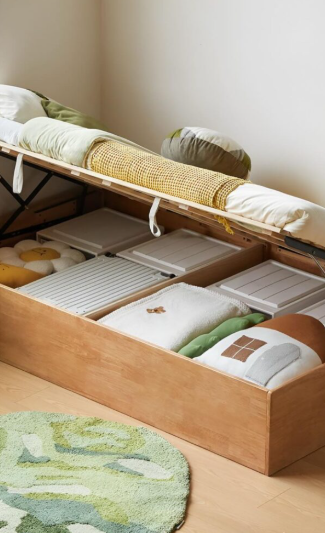
A lift-up storage bed is one of the most useful options when you need a lot of hidden storage without adding another piece of furniture.
The mattress platform lifts to reveal a large compartment underneath. You can use this space for extra pillows, guest bedding, seasonal cushions, and other bulky bedroom items.
I recommend dividing the storage area with fabric bins or separate containers instead of throwing everything into one large pile.
Keep pillows loosely arranged so they aren’t compressed under heavy items. It’s also important to make sure the storage compartment stays clean and dry.
This solution is especially useful for smaller bedrooms because it makes use of space that would otherwise remain empty.
FAQs
Where should you store pillows when not in use?
I recommend storing everyday pillows somewhere easy to reach, such as a storage bench, woven basket, open shelf, or bedroom cabinet.
For seasonal cushions and extra guest pillows, closet shelves, under-bed storage bins, and lift-up beds are more practical options.
Choose a clean, dry location with good airflow to help prevent moisture buildup and unpleasant smells.
If you have limited storage space, fabric bags and flat under-bed containers can help keep pillows organized without taking up additional floor space.
What is the best way to store pillows without ruining them?
The best way to store pillows is to keep them clean, completely dry, and loosely arranged in a breathable storage space.
I recommend using open shelves, cotton bags, or storage furniture that gives pillows enough room to maintain their shape.
Avoid placing heavy objects on top of them or squeezing them into small containers for long periods.
Vacuum bags may work for some synthetic fiber pillows during short-term storage, but always check the care instructions first. Memory foam and other specialty pillows should not be compressed unless the manufacturer specifically allows it.