20 Sock Storage Ideas for 2026
Keeping socks organized can be harder than it seems, especially when pairs get separated during laundry or end up mixed together in crowded drawers. I recommend creating a simple storage system where every pair has its own place. With the right organizers, even a small drawer can hold different sock styles without becoming messy.
In this article, I’m sharing 20 practical sock organization ideas, including fabric grid organizers, drawer trays, hanging clip racks, labeled bins, honeycomb dividers, and wall-mounted storage. Some options work well for small bedrooms and limited closet space, while others are better for deep dresser drawers and larger wardrobes. I’ll also share simple ways to keep pairs together, organize seasonal socks, and maintain a tidy drawer after laundry.
Key Takeaways
- Use drawer dividers and grid organizers to give each pair a separate space.
- Store everyday, sports, and winter socks in different sections.
- Try hanging organizers when drawer space is limited.
- Keep pairs together during laundry by using a dedicated mesh bag.
- Use clear bins and labels to make socks easier to identify.
- Reorganize your sock storage every few weeks to prevent clutter.
How Can You Keep Socks From Getting Lost or Mixed Up?
Keeping socks organized starts before they even reach the drawer. Instead of tossing individual socks into the laundry basket, I recommend keeping each pair together as soon as you take them off.
A small mesh laundry bag is another useful option. Put your socks inside before washing so they stay in one place and are less likely to disappear among larger clothes.
Once the laundry is dry, match the pairs and return them to their assigned storage sections. I also recommend separating everyday socks, sports socks, and winter pairs so you don’t have to search through everything each morning.
Grid Organizer
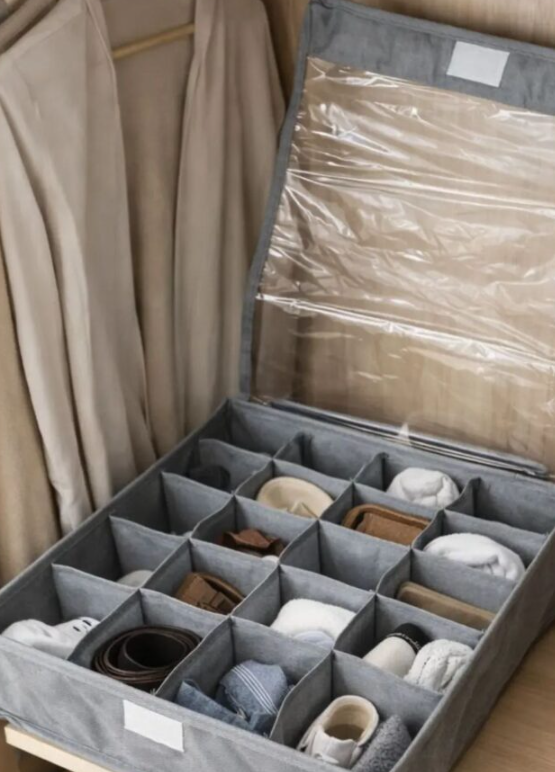
Closet shelves and drawers can quickly become messy when socks don’t have a dedicated storage area. A fabric grid organizer gives each pair its own compartment, making it easier to keep everything in order.
I would place one of these organizers on a closet shelf or inside a large drawer. Roll or fold each pair and arrange them in separate squares so the socks remain visible instead of disappearing under other items.
Another benefit is that you can use the extra compartments for small accessories such as ties, belts, and underwear. Soft fabric organizers are lightweight and easy to move when you want to rearrange your closet.
Clip Hanger
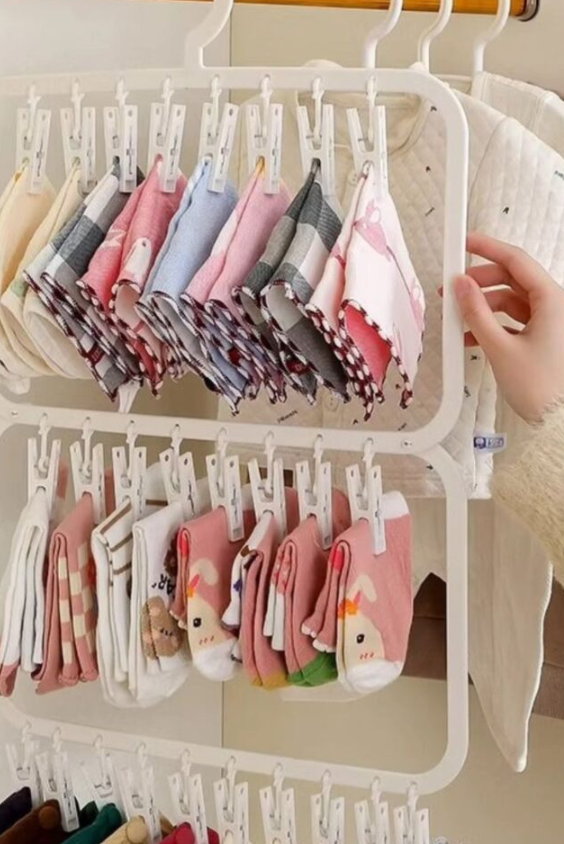
If your dresser drawers are already full, a clip hanger can provide extra sock storage without taking up much room. It uses the unused space on your closet rod and keeps several pairs visible at once.
I would fold each pair together and attach it to a separate clip. You can arrange the socks by color, style, or season, making it easier to choose what you need.
This idea is especially useful for small wardrobes where shelf and drawer space is limited. Just make sure the clips hold the socks securely without leaving marks or stretching delicate fabric.
Sock Dispenser
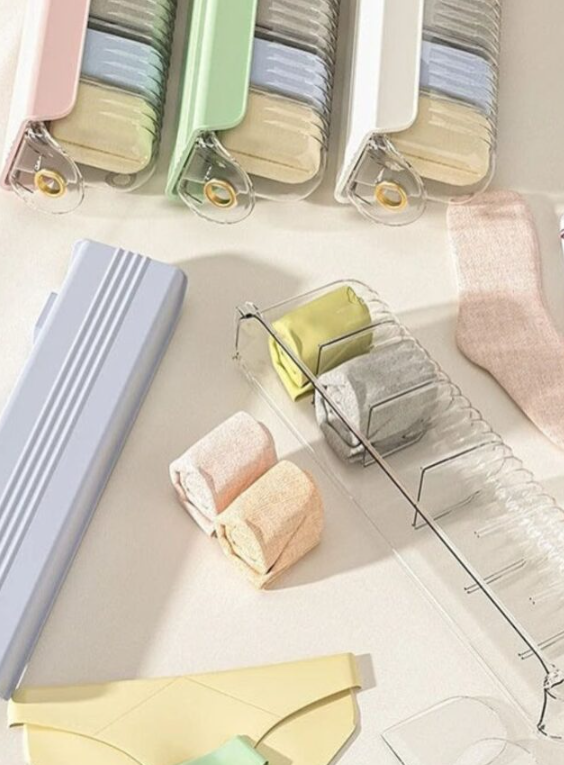
A sock dispenser is a practical choice if you want everyday pairs ready to grab. Instead of keeping socks in loose piles, this storage system holds rolled pairs inside a vertical container.
I like this idea for shared closets, dorm rooms, and small apartments because it keeps socks contained in one compact place. Roll each pair neatly before loading the dispenser so the socks are easy to remove.
You can place the container on a closet shelf, dresser, or another convenient surface. Choose a dispenser with an opening that allows socks to come out easily without pulling the remaining pairs apart.
Drawer Trays

Drawer trays are one of the easiest ways to organize a large sock collection. They divide an otherwise open drawer into smaller sections, so different pairs don’t end up mixed together.
I recommend rolling your socks and placing them side by side in the compartments. This makes the colors and patterns easier to see without moving other pairs around.
You can also use separate trays for everyday socks, athletic styles, ankle socks, and thicker winter pairs. If you have deep dresser drawers, choose trays that fit the available space without leaving too much unused room.
Rotating Rack
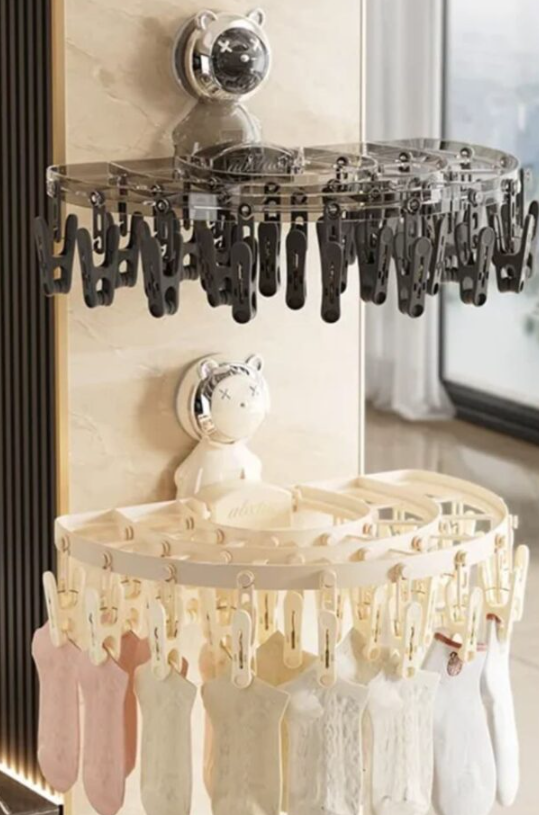
A rotating clip rack is useful for keeping socks together while they dry. Instead of spreading small pairs across chairs, railings, or other surfaces, you can hang them around one compact rack.
After washing, attach each pair to a separate clip and allow the socks to air-dry. The rotating design makes it easier to reach different sections without removing everything.
I would place this rack near the laundry area, balcony, or another suitable drying spot. It is particularly helpful in smaller homes where floor space is limited.
Labeled Bins

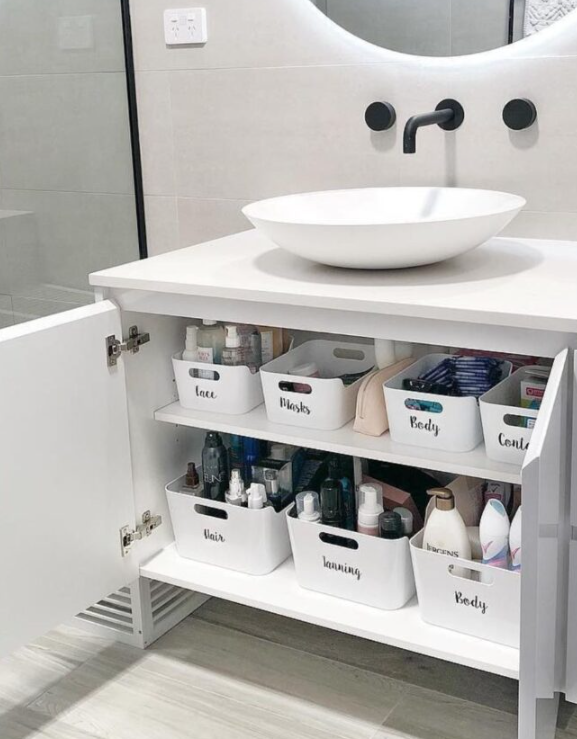
Clear storage bins make sock organization easier because you can see what’s inside without opening every container. Adding simple labels also helps everyone in the household return socks to the correct section.
I would use separate bins for daily socks, sports socks, children’s socks, and seasonal pairs. Rolling the socks before storing them helps use the available space more efficiently.
These containers work well inside dresser drawers or on closet shelves. If you prefer covered storage, choose bins with clear lids so the contents remain visible.
Fabric Boxes
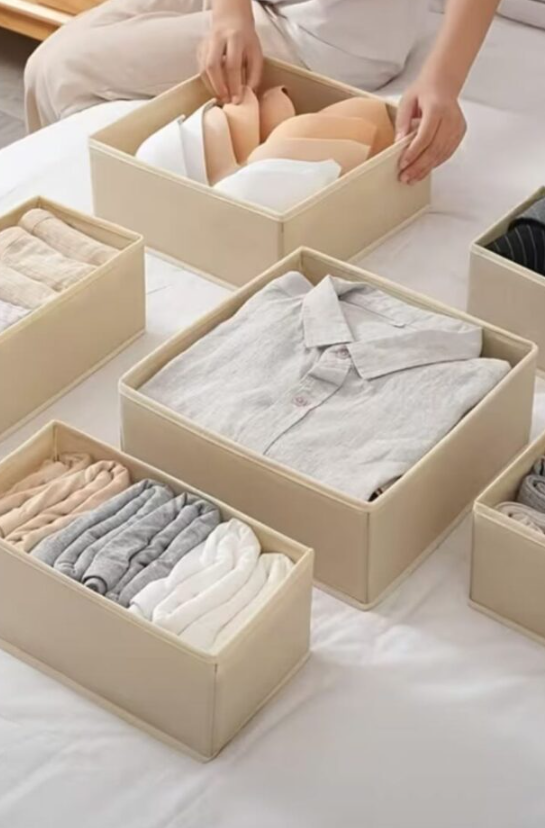
Fabric storage boxes are a simple solution for drawers that don’t have built-in compartments. They create separate sections without requiring permanent changes to your furniture.
I would place a few boxes inside a dresser drawer and assign each one a different category. For example, one can hold everyday socks, another can store ankle socks, and a third can keep thicker pairs together.
These organizers are lightweight and easy to reposition. They can also be used for underwear, small clothing accessories, and seasonal items when you need more storage flexibility.
Honeycomb Divider

A honeycomb divider creates individual spaces for socks using a series of small connected compartments. It is a good choice if you want to prevent pairs from sliding around inside a busy drawer.
I recommend rolling or folding each pair and placing it upright in a separate section. This makes it easier to see different colors and styles without moving the entire collection.
Some honeycomb organizers are adjustable, allowing you to fit them into different drawer sizes. Smaller compartments work well for ankle socks, while wider sections can hold thicker winter pairs.
Shelf Bins
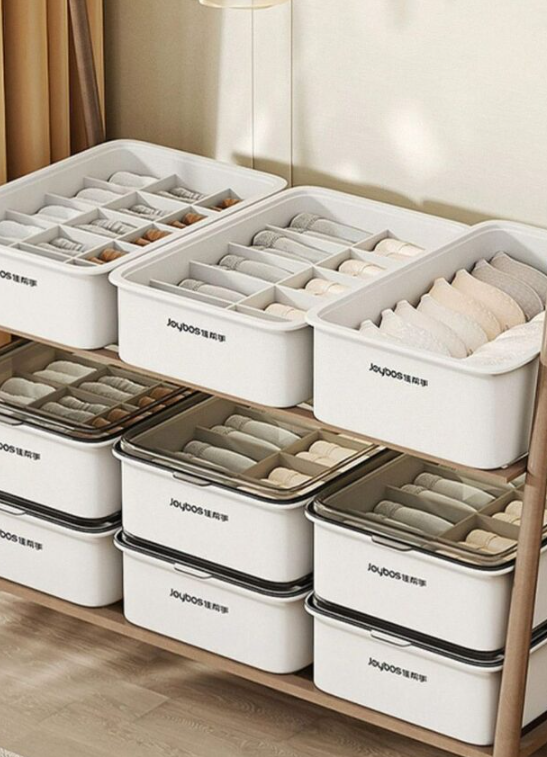
When your sock drawer starts running out of room, moving some of your collection to shelf bins can help. These containers create a separate storage area while freeing up valuable dresser space.
I would use one bin for everyday socks and another for less frequently worn pairs. Small dividers inside the containers can keep different styles from becoming mixed together.
Clear lids are particularly helpful because you can check the contents without opening every box. This arrangement works well in larger closets where you have enough shelf space for multiple containers.
Drawer Channels

Drawer channels offer a slightly different approach to organizing socks. Instead of creating small individual squares, these long dividers separate the drawer into narrow rows.
I would use one channel for athletic socks, another for casual pairs, and a separate section for thicker winter styles. Keeping similar socks together makes it easier to choose a pair without searching through the entire drawer.
This arrangement works especially well in wide dresser drawers. Choose adjustable separators if you want to change the size of each section as your storage needs change.
Color Rows
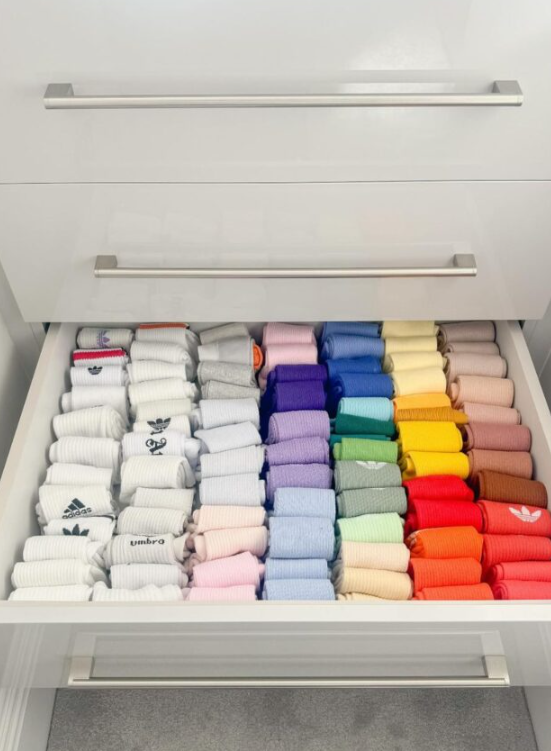
Organizing socks by color is a simple way to make a drawer look neat while keeping different styles easy to recognize. Instead of placing pairs wherever they fit, arrange them in rows according to their shades.
I would start with white and light-colored socks on one side, followed by neutral shades, darker colors, and brighter patterns. Keep each pair rolled or folded together so matching socks remain easy to identify.
This method works best in wide or deep drawers where you have enough room to create separate rows. It is also a good option if you own several colorful or patterned pairs.
Vertical Slots
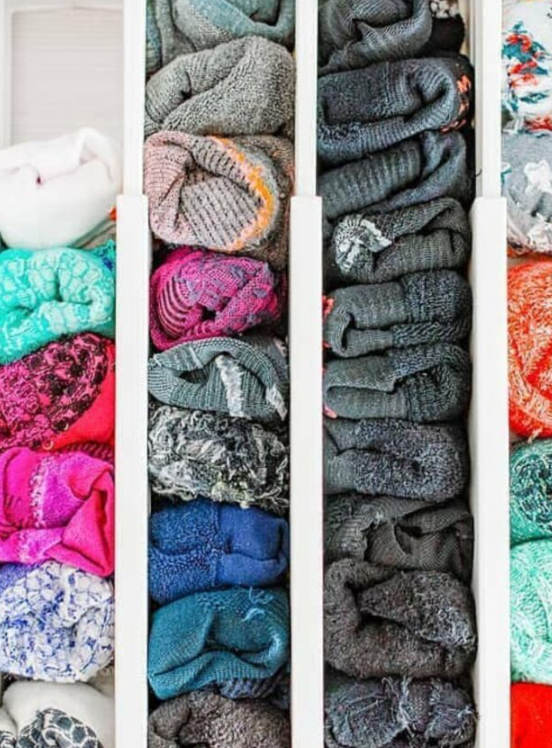
Vertical storage helps prevent socks from disappearing underneath other pairs. Instead of stacking everything horizontally, use long divider sections to keep folded socks standing upright.
I would separate everyday, winter, and sports socks into different slots. This way, each group stays in its own section, and removing one pair doesn’t disturb the rest.
The biggest advantage is visibility. You can look down into the drawer and see most of your collection without lifting several layers of clothing.
Minimal Drawer
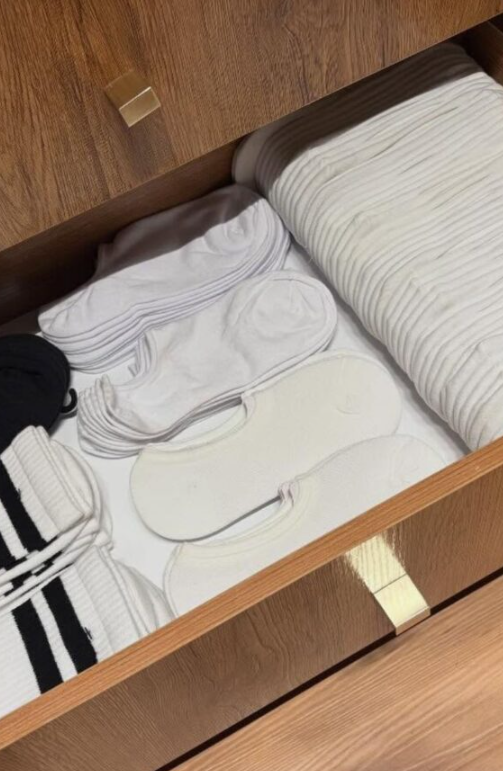
You don’t always need extra containers or expensive organizers to create a tidy sock drawer. A simple arrangement can work just as well if you have enough space and follow the same system consistently.
I would divide the drawer into a few basic groups, such as athletic socks, no-show socks, everyday pairs, and thicker styles. Fold each pair neatly and return it to the same section after laundry.
This idea is especially useful for people who prefer a simple closet setup. It also makes cleaning easier because there are no extra organizers to remove or rearrange.
Door Pockets
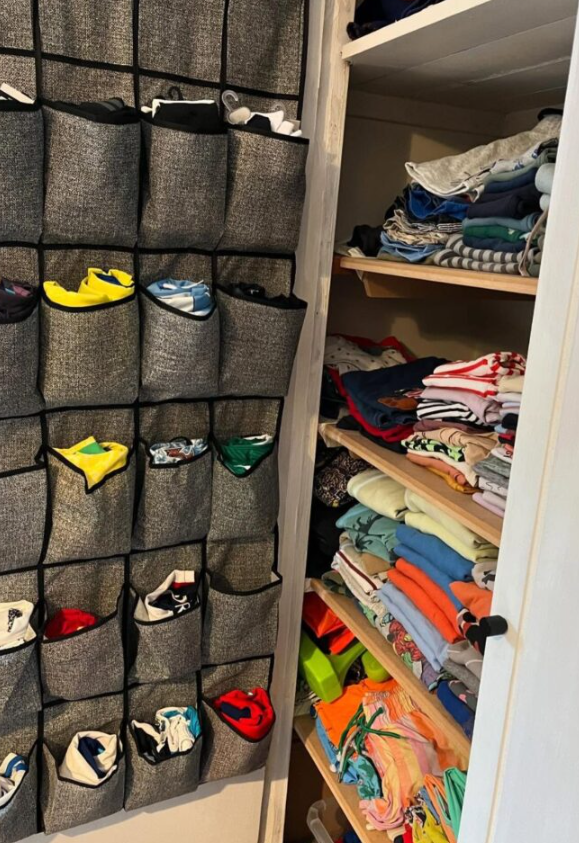
Closet doors offer extra storage space that often goes unused. A hanging pocket organizer can turn that empty surface into a convenient place for socks and other small accessories.
I would dedicate different pockets to everyday socks, athletic pairs, and seasonal styles. Keeping each pair in its own pocket helps prevent them from getting mixed together.
This option works particularly well in small bedrooms where dresser drawers are limited. Look for an organizer with pockets deep enough to hold your socks without allowing them to fall out.
Wall Dispenser

A wall-mounted sock dispenser is another space-saving idea for bedrooms and small closets. It keeps rolled pairs in a vertical container instead of taking up space inside a drawer.
I would install it near the dressing area or inside a wardrobe where it is easy to reach. Load the socks from the top and use the opening at the bottom to take out a pair.
Before choosing this setup, check that the dispenser opening is wide enough for your rolled socks. A well-sized container can keep everyday pairs accessible while leaving more room in your dresser.
Peg Board
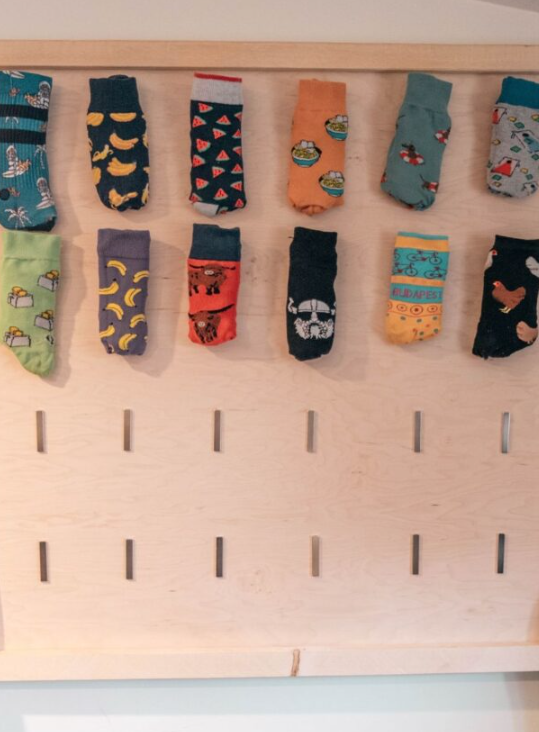
A wooden pegboard offers a creative way to store socks while using empty wall space. Instead of hiding colorful pairs in a drawer, you can display them in neat rows using small pegs.
I would place the board near a wardrobe, dressing area, or laundry space. Attach each pair to its own peg and arrange the collection by color or style.
The layout is flexible because you can move the pegs whenever you want to change the arrangement. However, I would use this idea mainly for lightweight everyday socks rather than delicate or heavy pairs.
Mesh Dividers
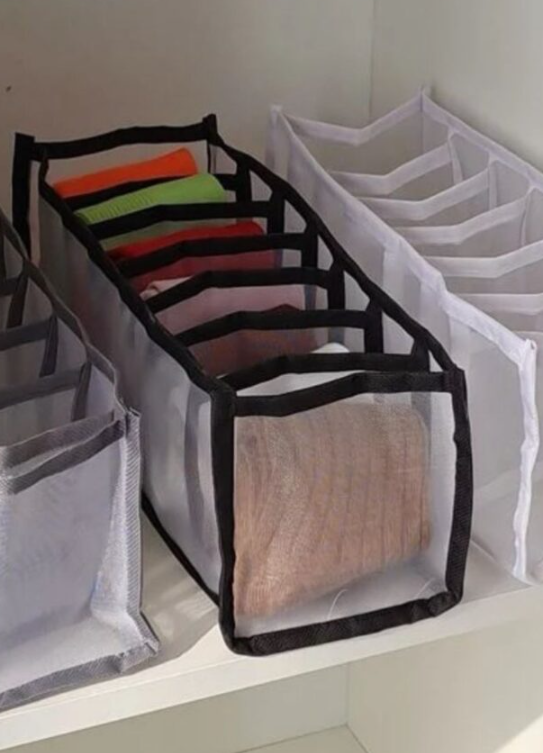
Mesh dividers provide separate storage spaces while keeping the organizer lightweight. They are useful for drawers and closet shelves where you want to avoid bulky plastic containers.
I would place folded or rolled socks inside the individual sections and group them by type. The breathable material also allows more airflow than completely enclosed containers.
Another advantage is that mesh organizers are easy to move when you need to clean or rearrange your closet. You can place several side by side to create more storage sections.
Grid Boxes
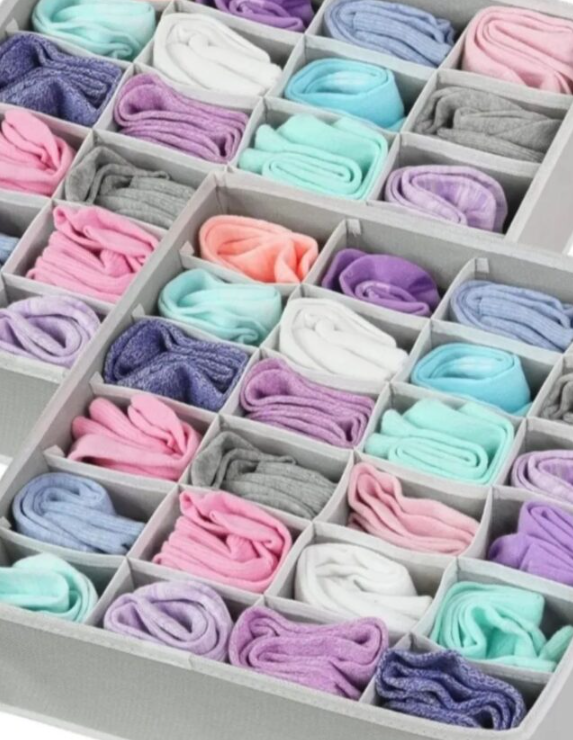
Grid boxes are a practical choice when socks constantly slide into one large pile. Each square creates a separate compartment, helping different pairs stay in their proper places.
I would roll the socks before placing them inside so each section remains neat. You can also assign different squares to everyday pairs, colorful socks, ankle socks, and thicker styles.
These boxes work well in dresser drawers, closet shelves, and other storage compartments. The main benefit is that you can see the available pairs without moving everything around.
Box Sections

If you prefer a simple storage system, divided boxes can help keep different sock collections separate. Instead of allowing everything to mix together, each section holds a specific group of pairs.
I would use one section for everyday socks, another for winter styles, and a separate space for smaller or special-purpose pairs. Folding or rolling them before storage helps make better use of each compartment.
This idea is useful for medium and deep drawers where loose socks tend to move around. It is also easy to maintain because every category already has an assigned place.
Sock Basket

A woven basket can be a useful storage option for thick winter socks, especially when you wear them regularly. Instead of squeezing bulky pairs into an already crowded drawer, you can keep them together in one accessible place.
I would place the basket beside a dresser, near the bed, or on a closet shelf. Choose a size that comfortably holds your collection without making it difficult to reach the socks at the bottom.
To prevent the basket from turning into another messy pile, fold or roll each pair before putting it away. A neutral woven basket can also blend nicely with bedroom decor.
FAQs
How often should you reorganize your sock drawer?
I recommend checking your sock drawer every few weeks, especially if you do laundry regularly. Take a few minutes to match separated pairs, refold loose socks, and return everything to its assigned section.
This is also a good time to remove socks with holes, stretched elastic, or worn-out fabric. A quick check helps prevent small amounts of clutter from building up.
What is the best way to store seasonal socks?
I recommend keeping thick winter socks separate from lightweight summer pairs. Store the socks you aren’t currently wearing in a labeled fabric box, basket, or storage bin.
Place the container on a closet shelf or another dry storage area. This keeps your everyday drawer from becoming overcrowded while making seasonal changes easier.