25 Sweater Storage Ideas for 2026
I’ve learned through trial and error that storing sweaters properly not only keeps them looking fresh but also extends their lifespan. In 2026, creative and practical sweater storage ideas are more accessible than ever, and I’m excited to share the best ones I’ve discovered. Whether you have limited space or want to showcase your collection, these ideas have worked wonders for me.
Key Takeaways
- Proper folding and shelving preserves sweater shape and fibers.
- Using breathable containers prevents moisture and odors.
- Vertical storage maximizes space and visibility for quick access.
- Repurposing household items offers budget-friendly storage solutions.
- Vacuum-sealed bags are great for off-season sweater storage.
1. Folding Sweaters Vertically in Drawers
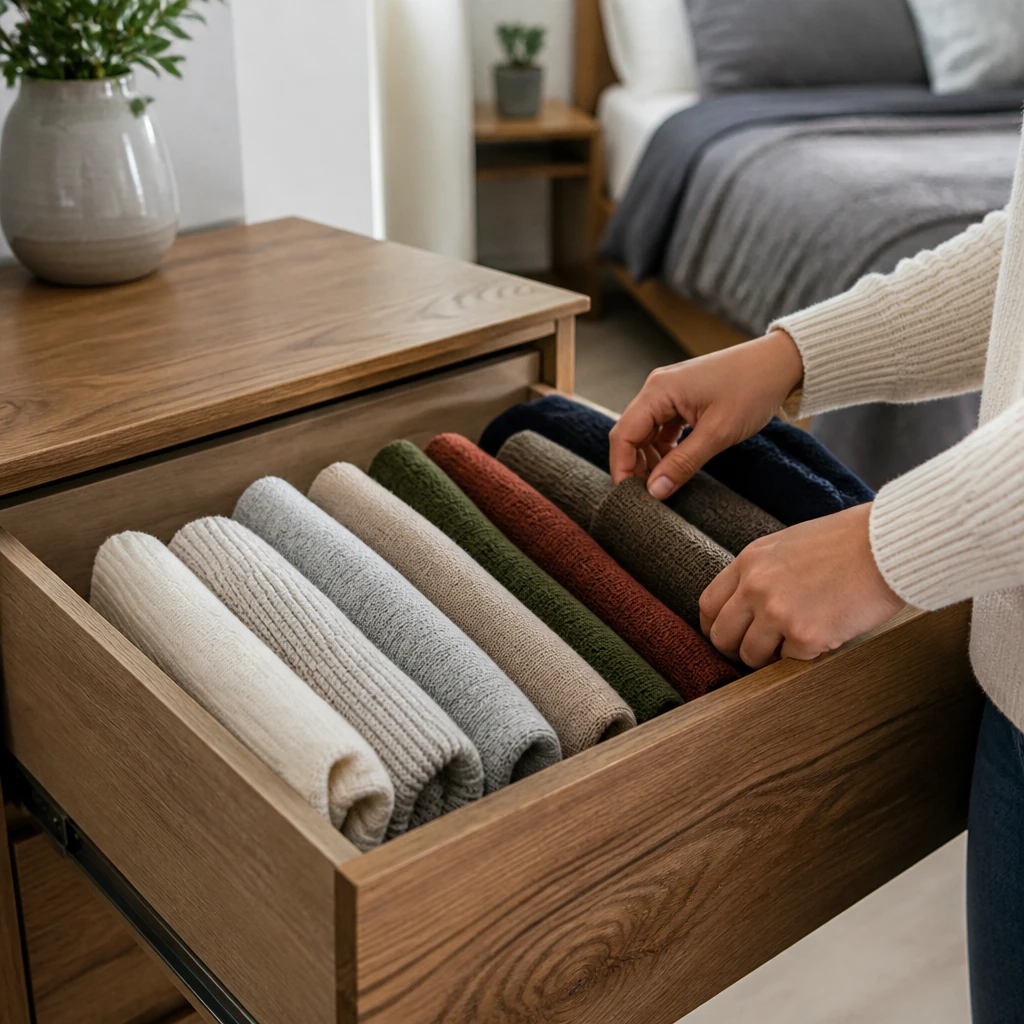
I’ve found that folding sweaters vertically in drawers saves so much space compared to stacking them flat. It also helps me see every sweater clearly without disrupting the pile. This method keeps sweaters wrinkle-free and easily accessible.
Pro Tip: Fold and stand sweaters upright to maximize drawer space and visibility.
2. Using Clear Plastic Bins for Seasonal Storage
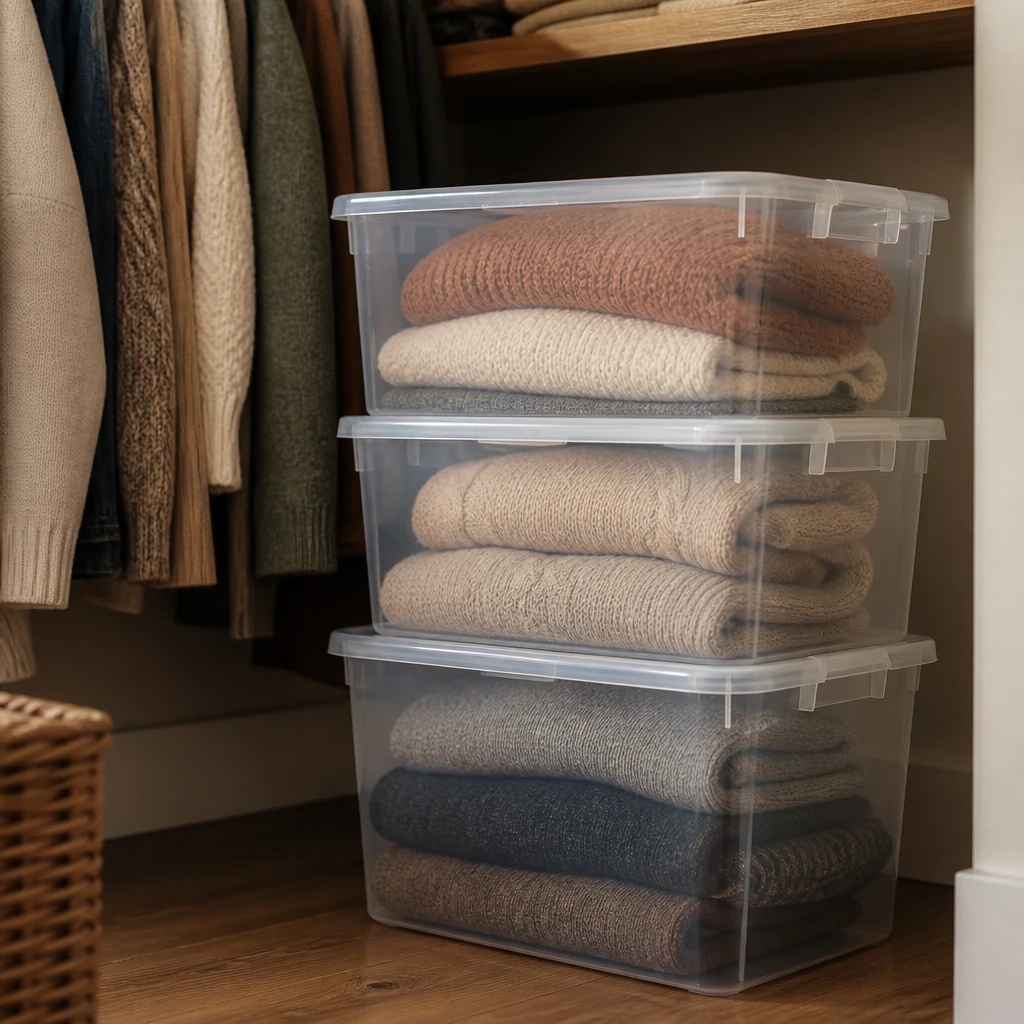
I use clear plastic bins to store sweaters I won’t wear for a while, like summer months. Being transparent, they let me identify contents quickly without opening them. Plus, I make sure bins have lids to keep out dust and pests.
Fact: Clear bins protect sweaters from dust while allowing easy identification.
3. Hanging Lightweight Sweaters on Velvet Hangers
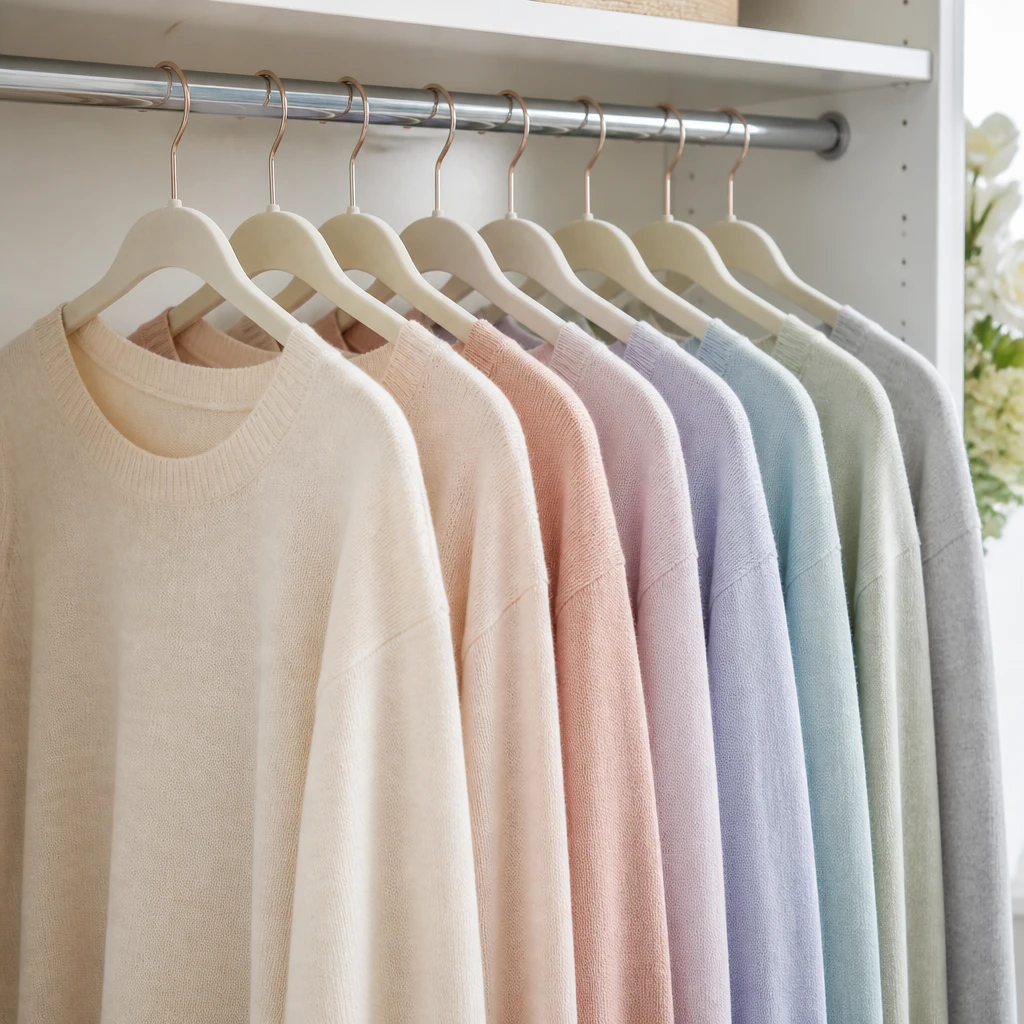
For my lightweight sweaters, I hang them on velvet hangers to avoid stretching. Velvet texture keeps them from slipping off, which I’ve found prevents annoying falls. This also preserves the shape better than bulky wire hangers.
Pro Tip: Hang lightweight sweaters on velvet hangers to prevent slipping and stretching.
4. Using Cedar Blocks to Protect Wool Sweaters
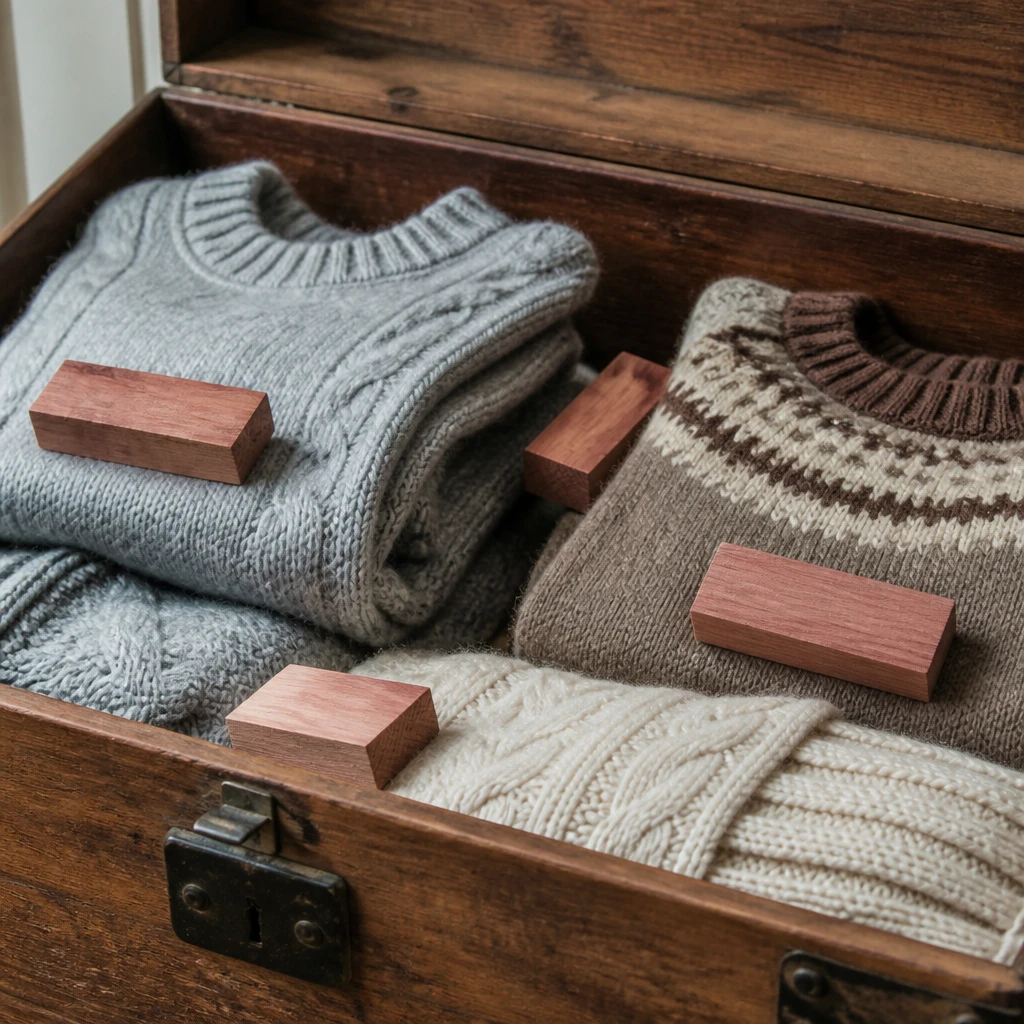
I always place cedar blocks in my sweater storage areas to keep moths away naturally. The scent repels insects and adds a fresh aroma to my wool sweaters. I refresh the cedar blocks every few months to maintain their effectiveness.
Insight: Three months is my sweet spot for refreshing cedar blocks to protect sweaters.
5. Repurposing Shoe Organizers for Sweater Storage
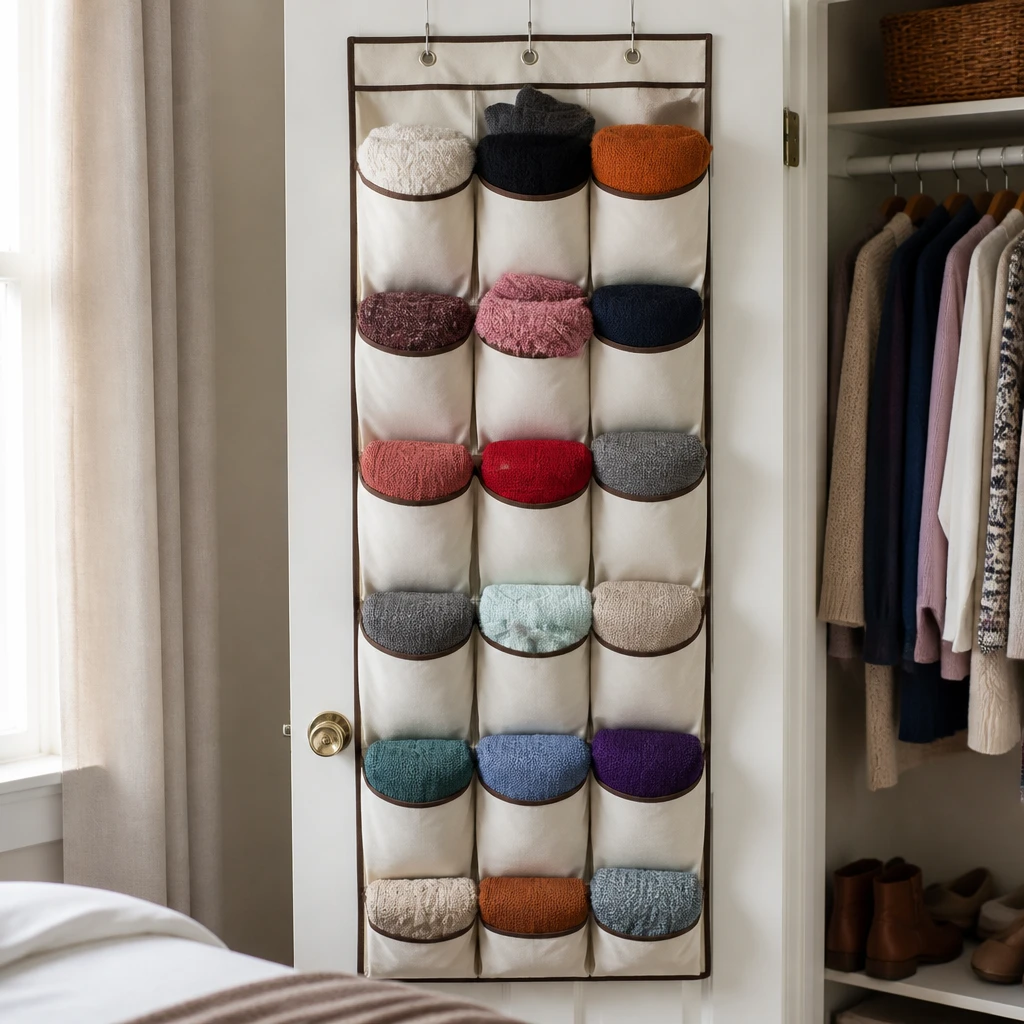
Shoe organizers hanging on closet doors are a creative way I use for spacing out sweaters individually. Each pocket fits a folded sweater snugly, keeping them organized and visible. This solution saved me space and helped prevent overstuffing shelves.
Pro Tip: Repurpose hanging shoe organizers to store sweaters individually in pockets.
6. Rolling Sweaters to Prevent Wrinkles
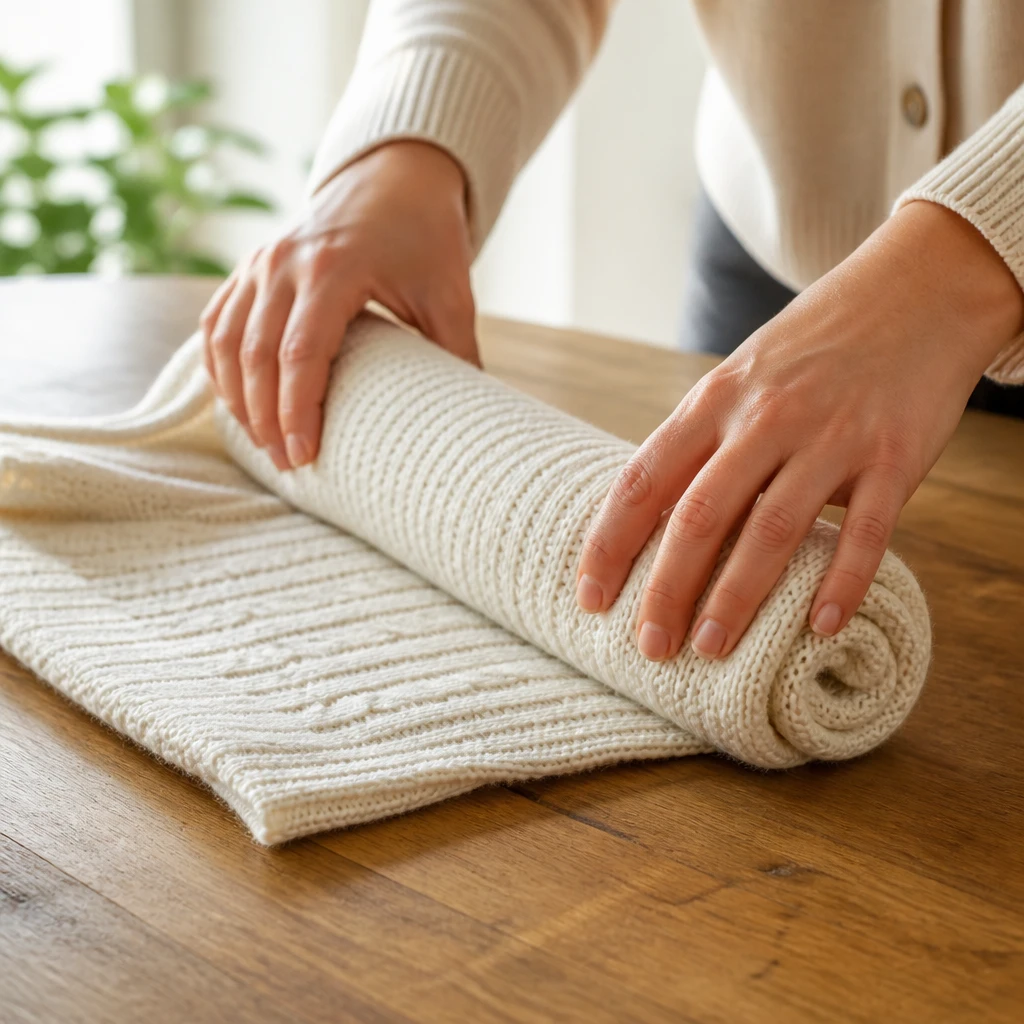
I roll some of my sweaters gently rather than folding to avoid hard creases. Rolling works especially well for knitted sweaters prone to fold marks. This method also makes packing sweaters for trips much easier and more efficient.
Fact: Rolling sweaters reduces wrinkles and maximizes packing space.
7. Stacking Sweaters by Color for Easy Access
Organizing my sweaters by color not only looks great but also helps me pick outfits faster. I arrange stacks from light to dark shades to keep the visual flow nice and neat. This habit has made my wardrobe feel more fun and personalized.
Insight: Color-coded stacks make sweater selection a breeze and brighten up closet space.
8. Using Shelf Dividers to Separate Sweaters
Shelf dividers have been a game changer for me to keep sweater piles separate and tidy. I place them between colors or fabric types to maintain order and prevent toppling stacks. This simple addition keeps my closet organized without extra effort.
Pro Tip: Use shelf dividers to keep sweater stacks neat and prevent shifting.
9. Vacuum-Sealing Sweaters for Long-Term Storage
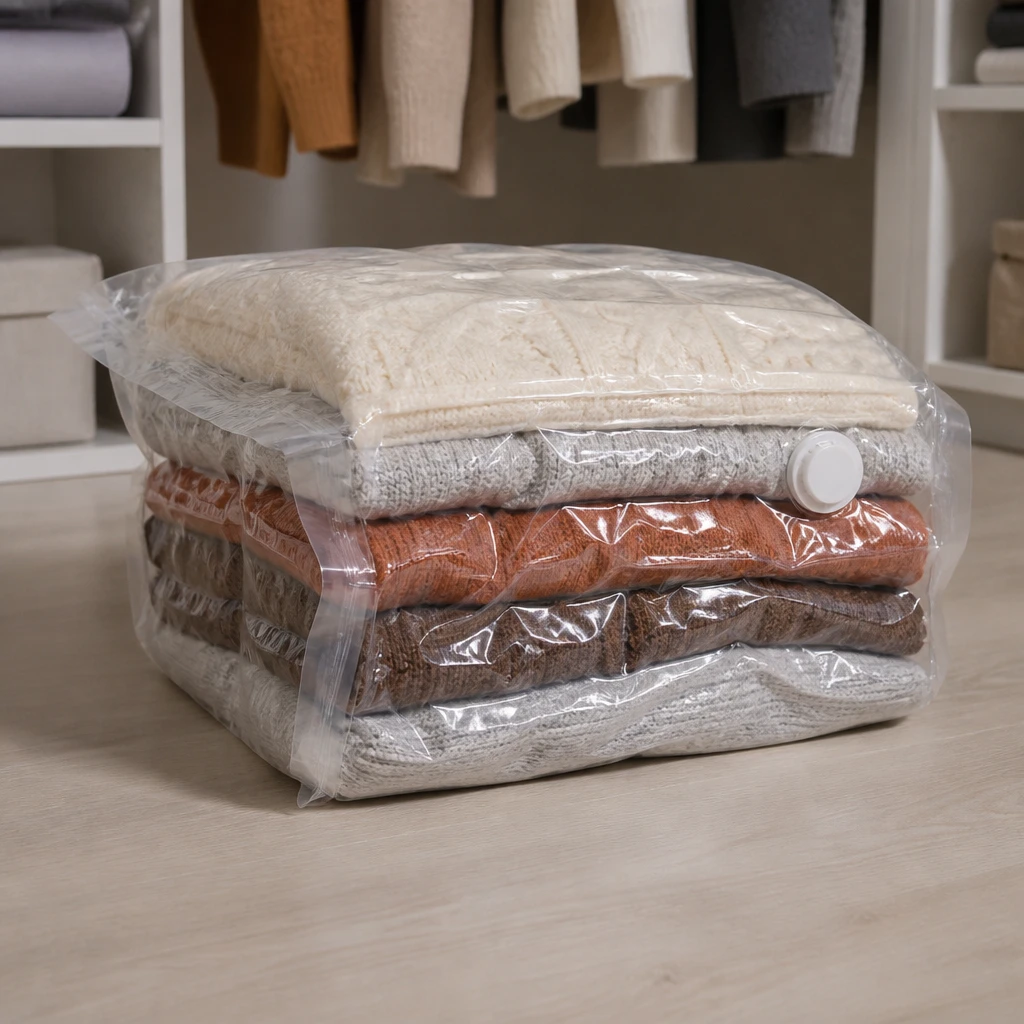
When I pack sweaters away for the off-season, vacuum-sealing is a must in my routine. It drastically reduces space and protects against moisture and bugs. I always add dryer sheets inside the bags for an added fresh scent.
Fact: Vacuum-sealing saves space and protects sweaters from damage.
10. Dedicated Sweater Storage Bins with Labels
Labeling storage bins by sweater type or color helps me find what I need instantly. I use sturdy plastic or woven bins with easy-to-read tags on the front. This system prevents me from dumping through piles and keeps sweaters in great shape.
Pro Tip: Label storage bins clearly to simplify sweater organization.
11. Storing Sweaters in Linen Drawstring Bags
I like storing delicate sweaters in breathable linen drawstring bags to keep them safe from dust while allowing airflow. This method helps preserve fabric integrity better than plastic bags. The neutral fabric also looks charming if stored visibly on shelves.
Insight: Linen bags balance protection and breathability for delicate sweaters.
12. Using Under-Bed Storage for Sweaters
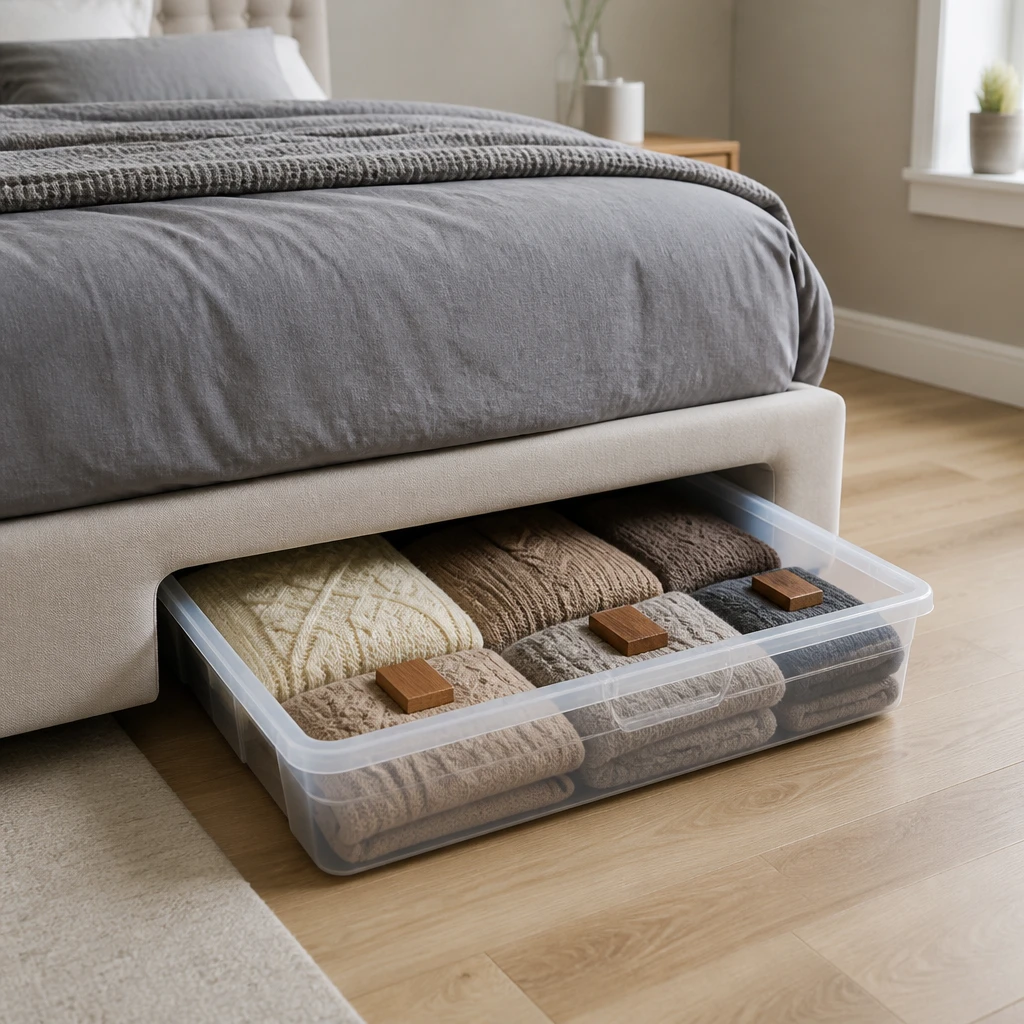
Sliding cedar-lined under-bed storage bins have been my go-to for sweaters I don’t wear often. This keeps them out of the way but still accessible when a chilly day calls for them. I love that it frees up closet shelves for daily-use items.
Pro Tip: Utilize under-bed spaces with cedar-lined bins for off-season sweaters.
13. Displaying Sweaters on Decorative Ladder Shelves
I enjoy draping a few favorite sweaters over decorative ladder shelves as a stylish storage solution. It doubles as decor and keeps sweaters aired out to avoid mustiness. This idea works especially well in small spaces or entryways.
Insight: Decorative ladder shelves add charm while showcasing sweaters naturally.
14. Using Pull-Out Wire Baskets for Ventilation
I’ve found that pull-out wire baskets in closets offer great airflow for sweater storage while making retrieval effortless. Wire baskets help me monitor my inventory and keep sweaters aired out. The pull-out feature minimizes disturbance to folded piles.
Pro Tip: Choose wire baskets for breathable, accessible sweater storage.
15. Stacking Sweaters Horizontally on Open Shelves
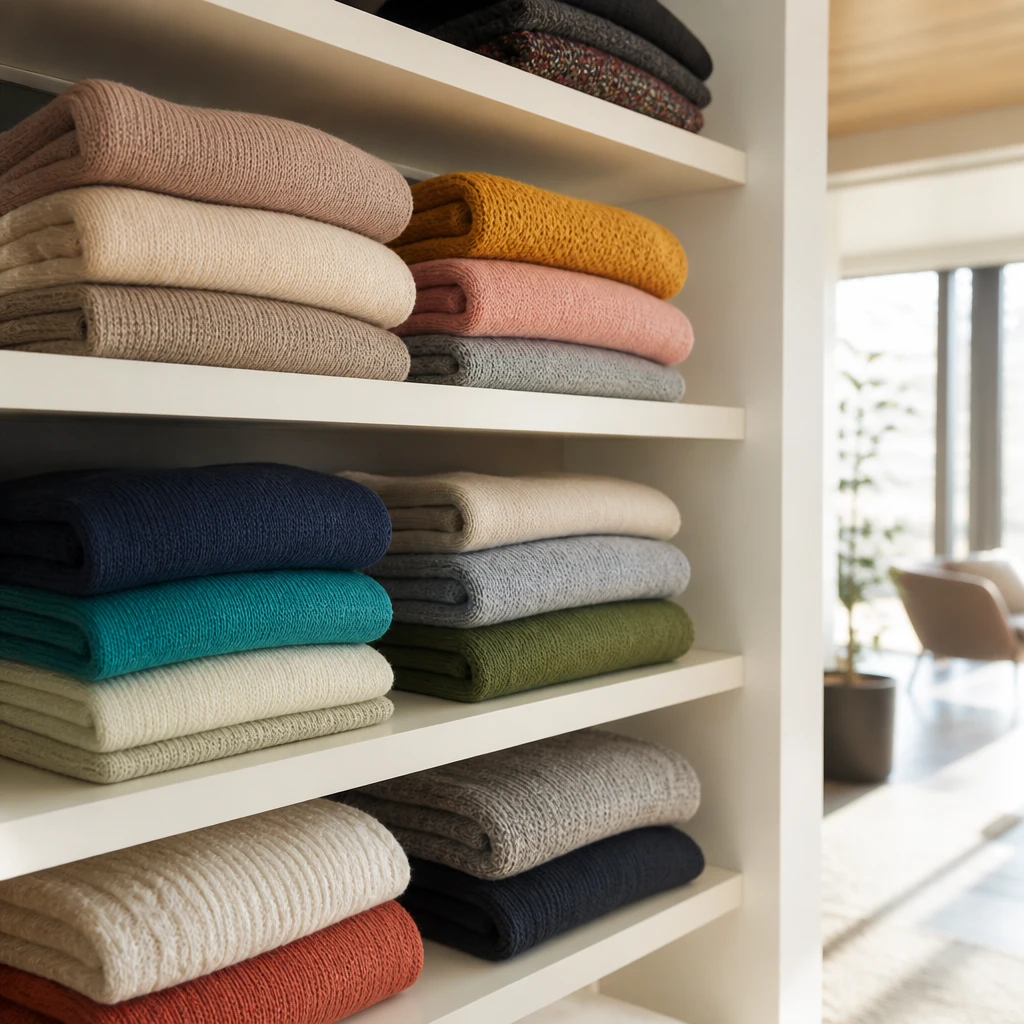
I sometimes prefer stacking sweaters horizontally on open shelving, especially when I own space-efficient cubes. This traditional method keeps sweaters easily visible and accessible without the need for hangers. Good folding technique prevents bulky lumps.
Fact: Horizontal stacks work well on open shelves when folded carefully.
16. Using Hanging Closet Organizers with Compartments
Hanging closet organizers containing multiple compartments have helped me separate sweaters by style and frequency of use. They save floor space and make organization systematic. I appreciate how little effort it takes to keep things tidy this way.
Pro Tip: Utilize hanging compartment organizers to categorize sweaters efficiently.
17. Using Shelved Bookcases for Sweater Storage
Converting an old bookcase into sweater storage has been a great multipurpose solution for me. It gives each sweater type its own cubby and doubles as a stylish room accent. Adding baskets within the cubbies makes the look even neater.
Insight: Bookcases create versatile and attractive sweater storage spaces.
18. Labeling Sweater Piles for Family Members
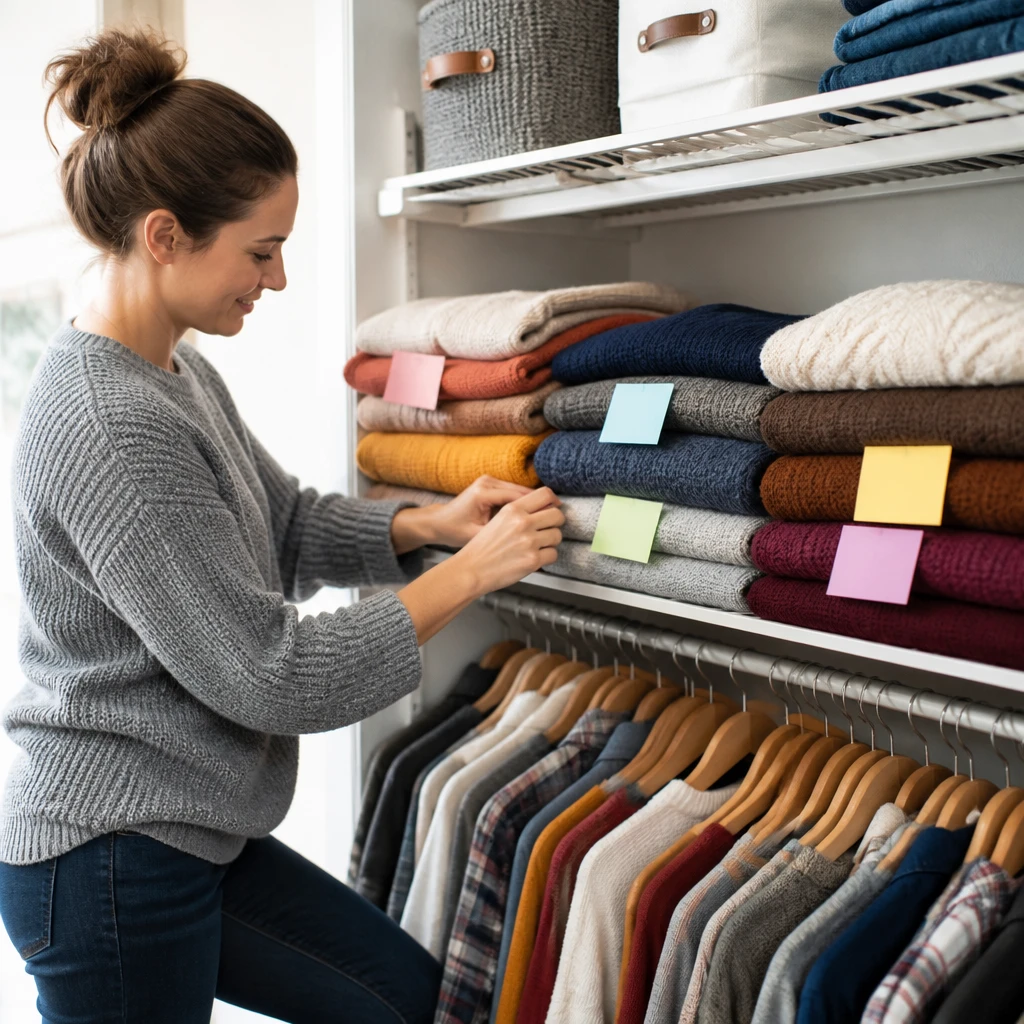
In a shared closet, I label sweater piles by family member to keep everything orderly and prevent confusion. This method also helps teach organization habits to my kids. Customized labels with names keep the system fun and practical.
Pro Tip: Label sweater piles clearly to keep family wardrobes organized.
19. Storing Hand-Knit Sweaters Flat in Drawer Dividers
For my hand-knit sweaters, I like to store them flat inside drawers divided by adjustable panels. This keeps them protected from any snagging or stretching. Drawer dividers also add structure and make flipping through my collection easier.
Fact: Flat storage with dividers protects delicate hand-knit sweaters.
20. Using Decorative Baskets for Sweater Storage
Decorative baskets placed in living spaces work wonderfully for holding everyday sweaters in my experience. They blend storage with decor, adding texture and warmth to the room. Plus, it encourages me to put sweaters away rather than leaving them on chairs.
Insight: Baskets combine sweater storage with attractive home decor.
21. Rolling and Tucking Sweaters into Hanging Closets
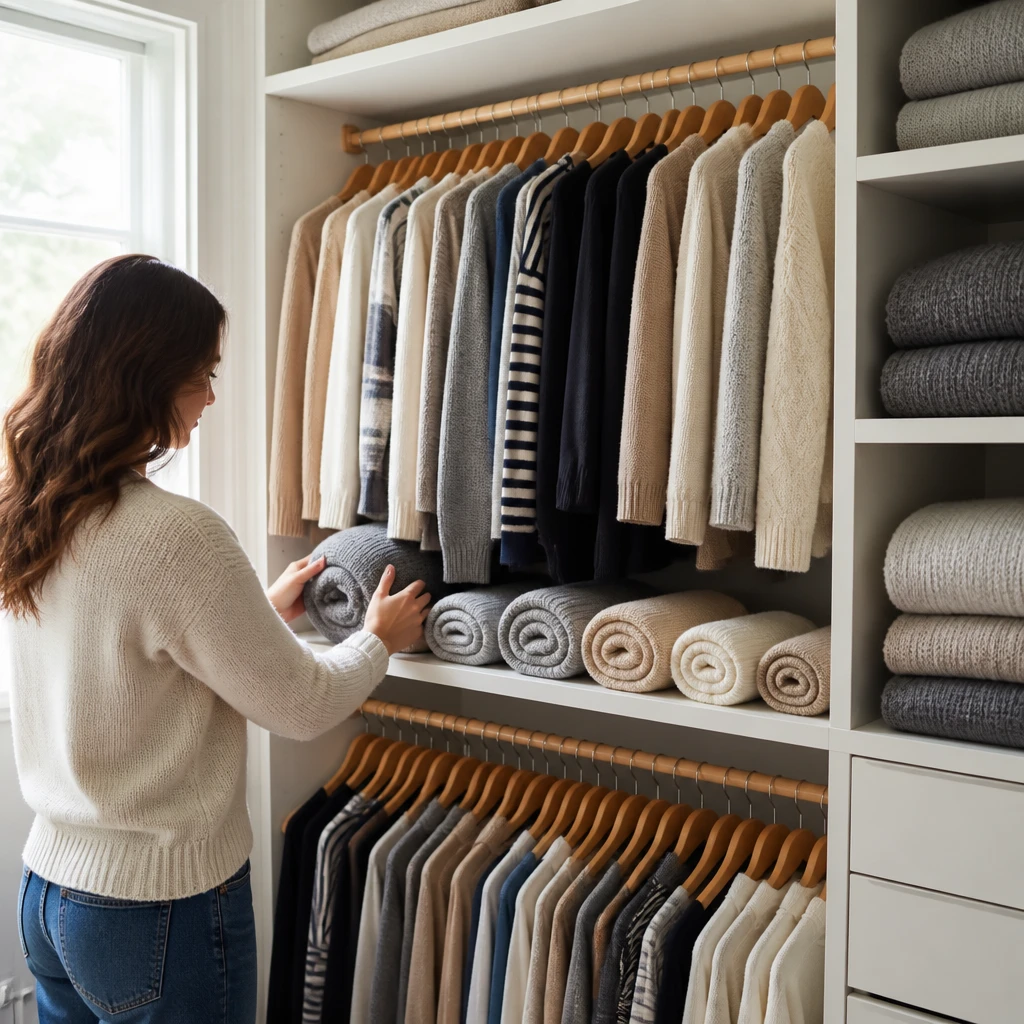
In my limited hanging closet space, I roll sweaters and tuck them onto shelves or the back of hangers. It’s a compact way to utilize every inch while preventing creases. This technique is perfect for sweaters I reach for often during transitional seasons.
Pro Tip: Use rolling and tucking to maximize limited hanging closet space.
22. Storing Cashmere Sweaters in Silk Drawstring Bags
For my delicate cashmere sweaters, I always use silk drawstring bags for storage to avoid static and abrasion. Silk’s smooth texture keeps the fabric in top condition. This luxurious storage feels like extra care every time I dress up.
Insight: Silk bags preserve cashmere softness and prevent static.
23. Using Foldable Fabric Storage Cubes
Foldable fabric cubes are a flexible solution I use often for sweater storage because they’re lightweight and easily moved. They fit snugly into shelves or under beds, making organizing effortless. When not in use, they collapse flat for easy storage.
Pro Tip: Choose foldable fabric cubes for versatile and easy sweater storage.
24. Stacking Sweaters with Acid-Free Tissue Paper
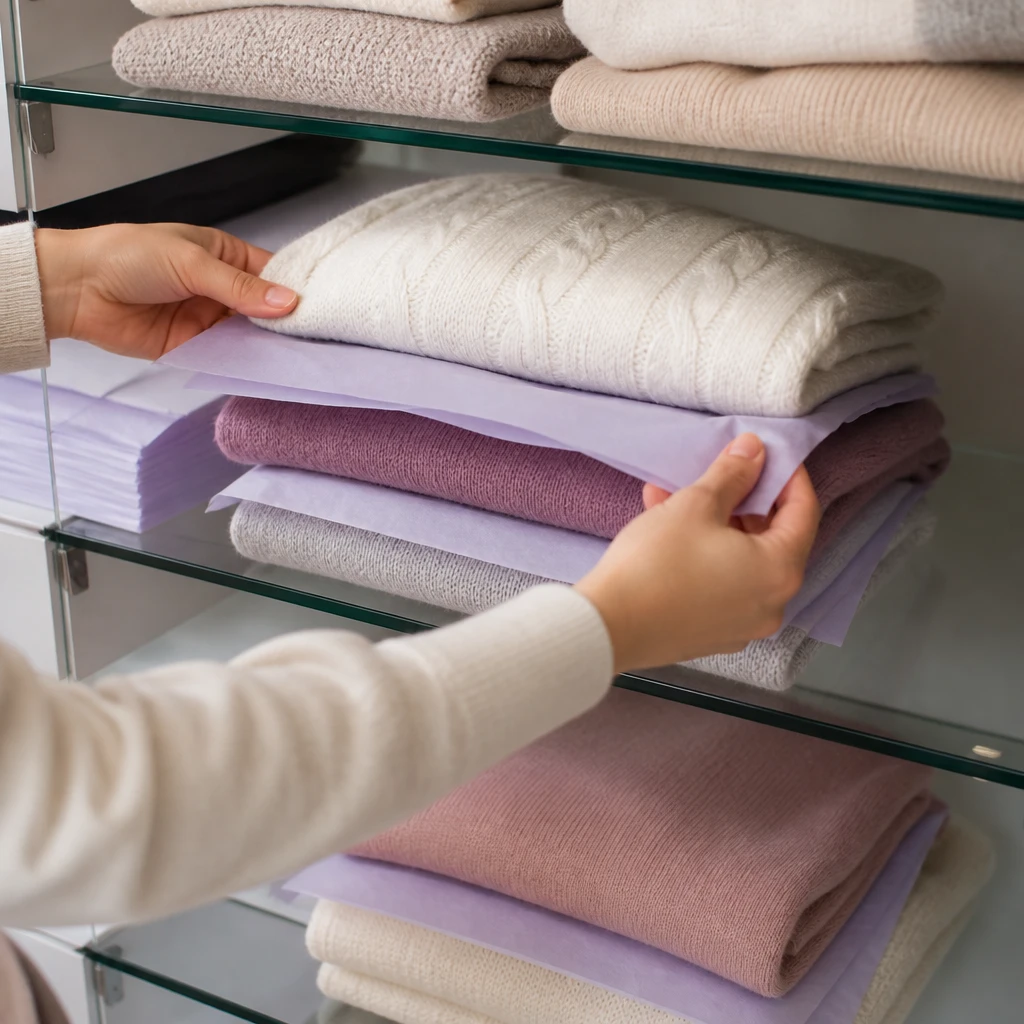
I place acid-free tissue paper between sweaters when stacking to prevent fabric wear and creases. This extra step has helped my knitwear keep its vibrant colors and softness longer. It’s a small habit that produces big benefits for sweater care.
Fact: Acid-free tissue paper protects sweaters from damage during storage.
25. Organizing Sweaters by Fabric Weight
I sort my sweaters by fabric weight so I can easily pick the right layer for the weather. Thin, medium, and chunky knits each have their own designated spots in my closet. This organization method has saved time and kept my collection balanced.
Insight: Fabric weight sorting streamlines sweater selection by season.
FAQs ( Frequently Asked Questions )
Conclusion
I’ve found that a thoughtful sweater storage system is essential for preserving the quality and longevity of my favorite knits. With these 25 ideas, I’m confident you can create an organized, accessible, and stylish setup perfect for 2026. Taking a few extra minutes to store sweaters properly truly pays off.