25 Modern Playroom Organization Ideas for 2026
I've always believed that a well-organized playroom can transform the way kids enjoy their space and make cleanups a breeze for parents. In 2026, modern design blends functionality with aesthetic appeal seamlessly. I've compiled my favorite modern playroom organization ideas that balance creativity and practicality.
Key Takeaways
- Use multi-functional furniture to maximize space without sacrificing style.
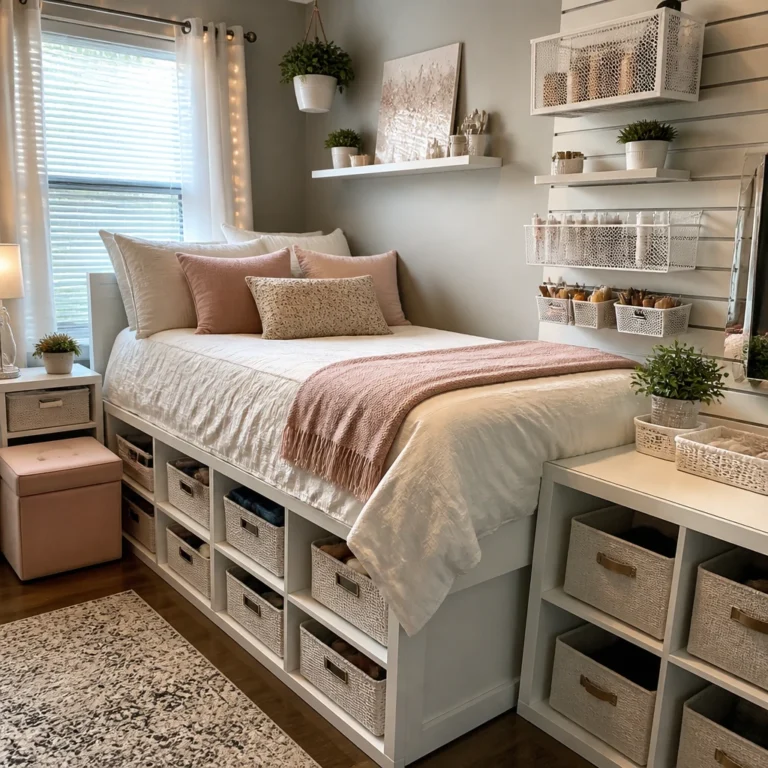
- Incorporate clear storage bins for easy visibility and quick cleanup.
- Create designated zones for different activities to keep things orderly.
- Invest in wall-mounted storage to free floor space and add design interest.
- Regularly rotate toys to keep the environment fresh and less cluttered.
1. Multi-Functional Storage Benches
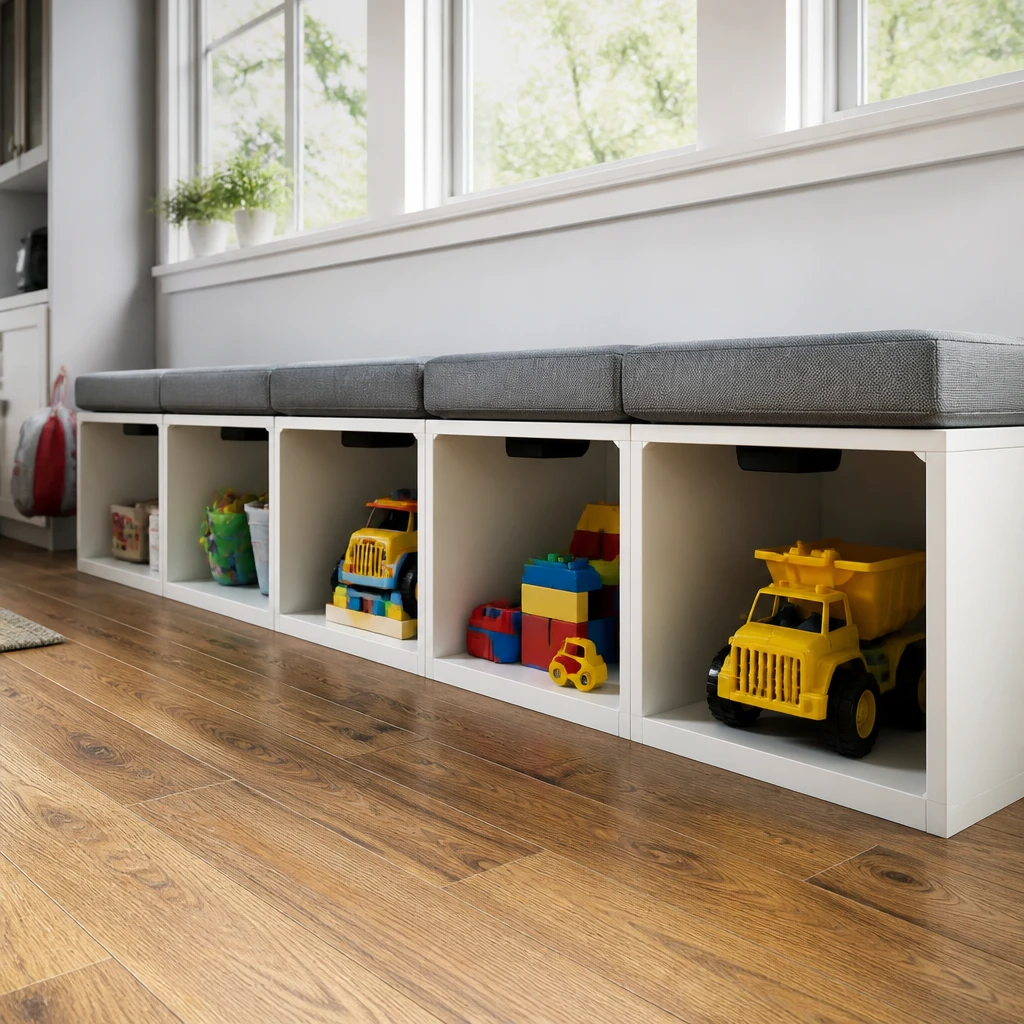
I love using storage benches because they serve two purposes: seating and hidden storage. In my experience, these benches keep toys out of sight but easily accessible for kids. They also add a modern touch when you choose sleek designs with neutral tones.
Pro Tip: Maximize floor space by selecting benches with deep compartments.
2. Clear Plastic Storage Bins
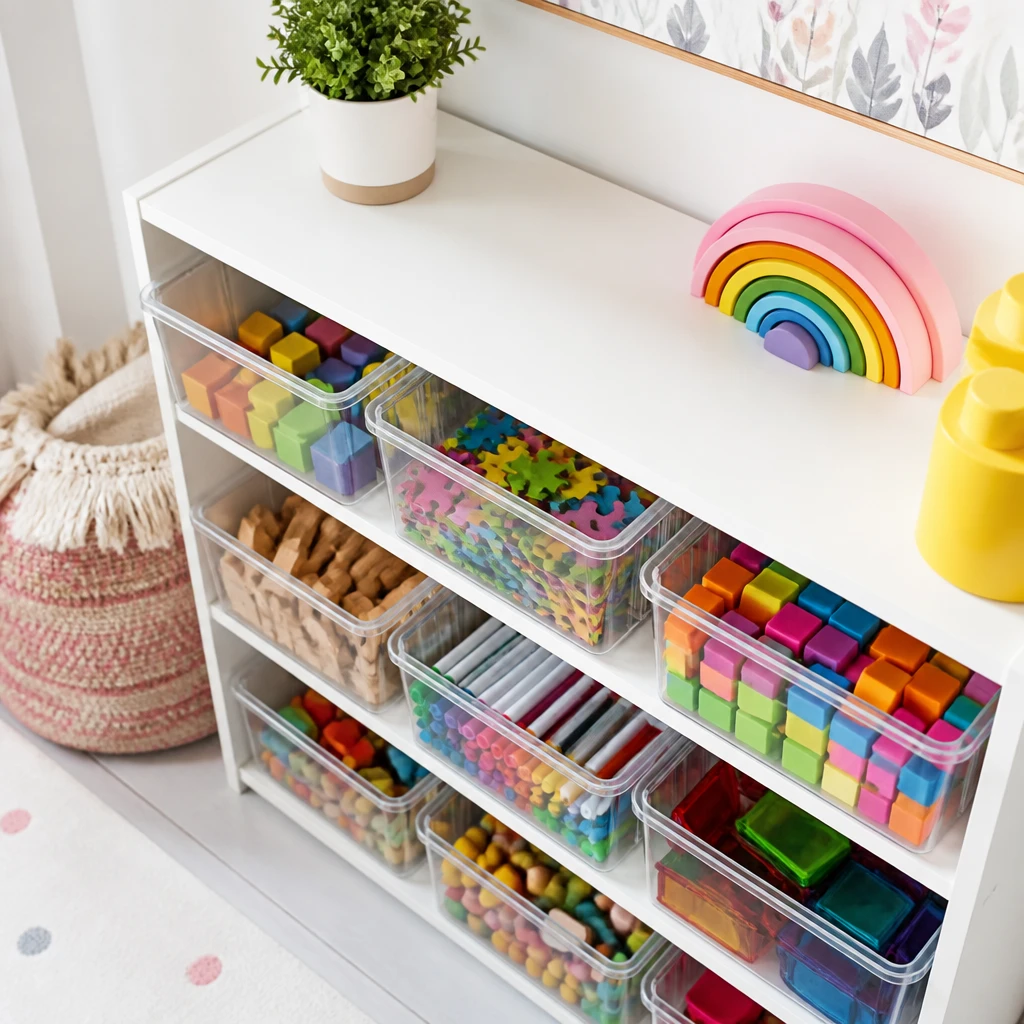
In my playroom, clear bins are a must-have because they make it easy to identify contents quickly. I always label each bin with bold fonts to help my kids learn organization. The clean lines of transparent storage also keep the room feeling uncluttered and light.
Pro Tip: Label bins with pictures and words to boost clean-up habits.
3. Zoning With Area Rugs
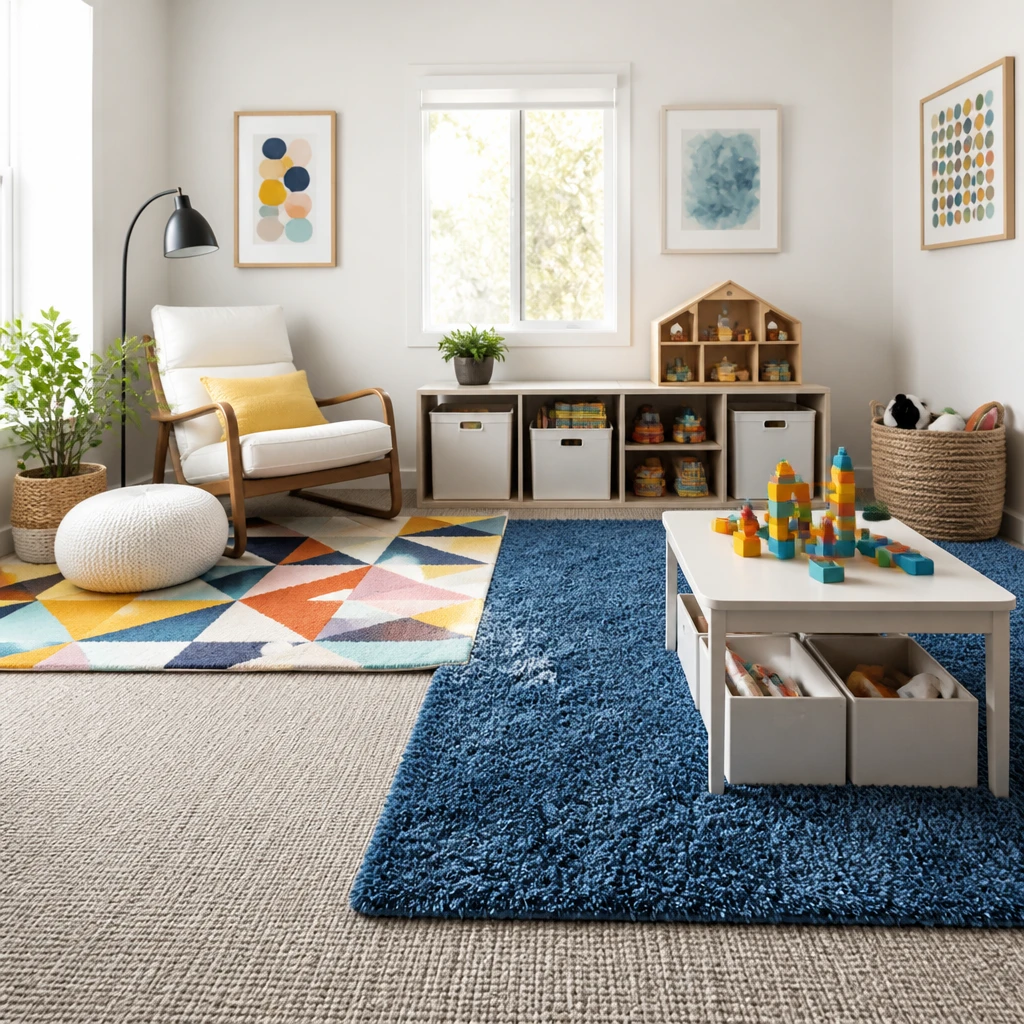
I create different activity zones in the playroom using colorful area rugs to visually divide spaces. This method helps my kids understand where to keep certain toys or play materials. It also adds warmth and texture that modern spaces often lack.
Insight: I noticed kids respond better to cleanup when they have defined play zones.
4. Wall-Mounted Cube Shelves
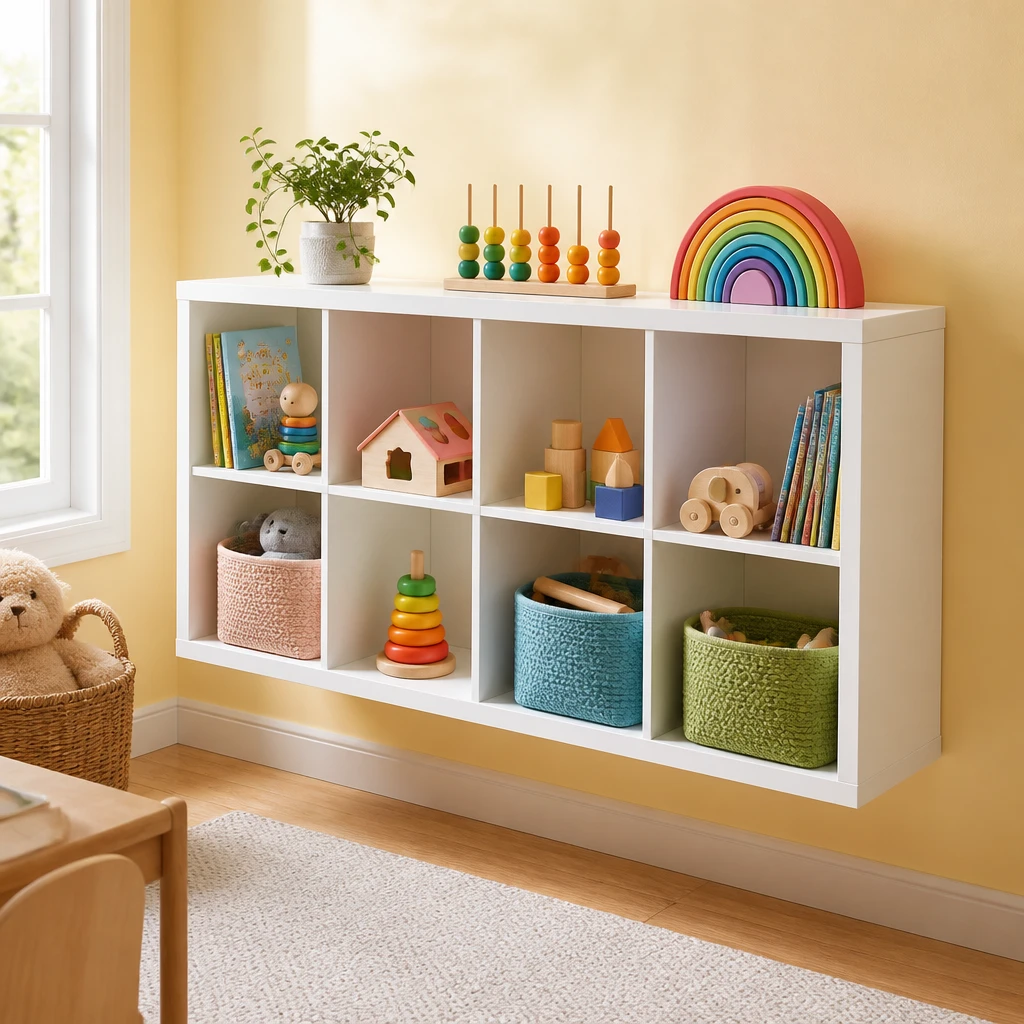
I installed wall-mounted cube shelves because they keep toys off the floor and serve as decor. The cubes let me organize toys by category, which simplifies selection and storage. Plus, it creates a modern, clean-lined look that I love.
Pro Tip: Use varying cube sizes for flexible toy storage and display options.
5. Rotating Toy Rotation System
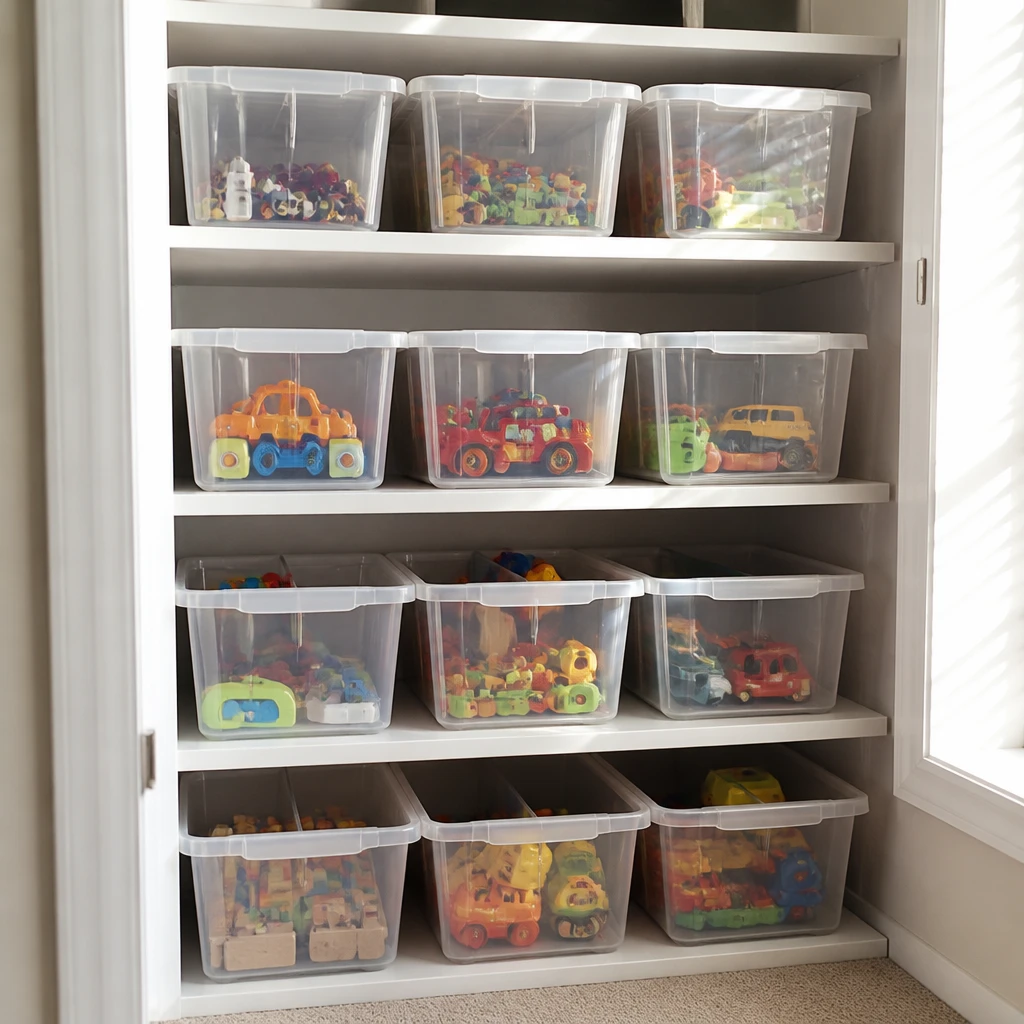
I highly recommend rotating toys regularly to reduce clutter and renew interest. I keep some toys stored away and swap them out every few weeks, which also helps keep the playroom organized. This rotation strategy keeps my children engaged without overwhelming the space.
Insight: I find that rotating toys stimulates creativity and simplifies cleaning.
6. Pegboards for Art Supplies
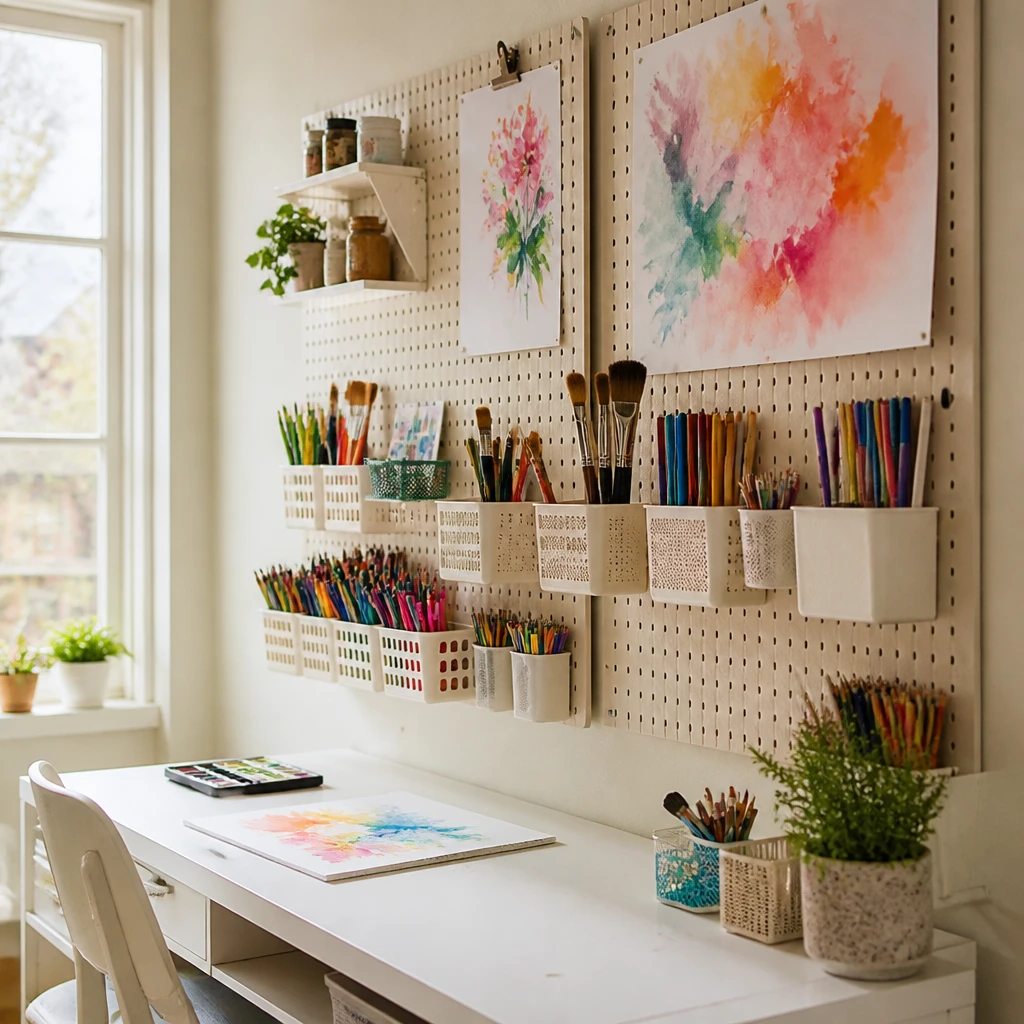
I installed pegboards above the art table to keep craft supplies visible yet organized. Hooks and baskets on the pegboard hold scissors, markers, and rolls of tape within easy reach. This system keeps the surface clutter-free and inspires creativity.
Pro Tip: Customize pegboards with movable hooks to adapt as kids grow.
7. Under-Table Storage Drawers
I found that installing slim drawers under tables creates a perfect spot for flat items like drawing pads and puzzles. These drawers are easy for kids to access and stay tucked away when not in use. It keeps the tabletop clutter-free and looks sleek.
Pro Tip: Install deep drawers for various supplies but keep them shallow enough for easy access.
8. Floating Shelves for Books
Floating shelves are my go-to for organizing books while saving floor space. I hang them at kid-friendly heights so my children can independently pick their favorite stories. The clean, minimalist design fits perfectly with modern playroom aesthetics.
Fact: Floating shelves often encourage kids to read more by making books accessible.
9. Baskets with Handles
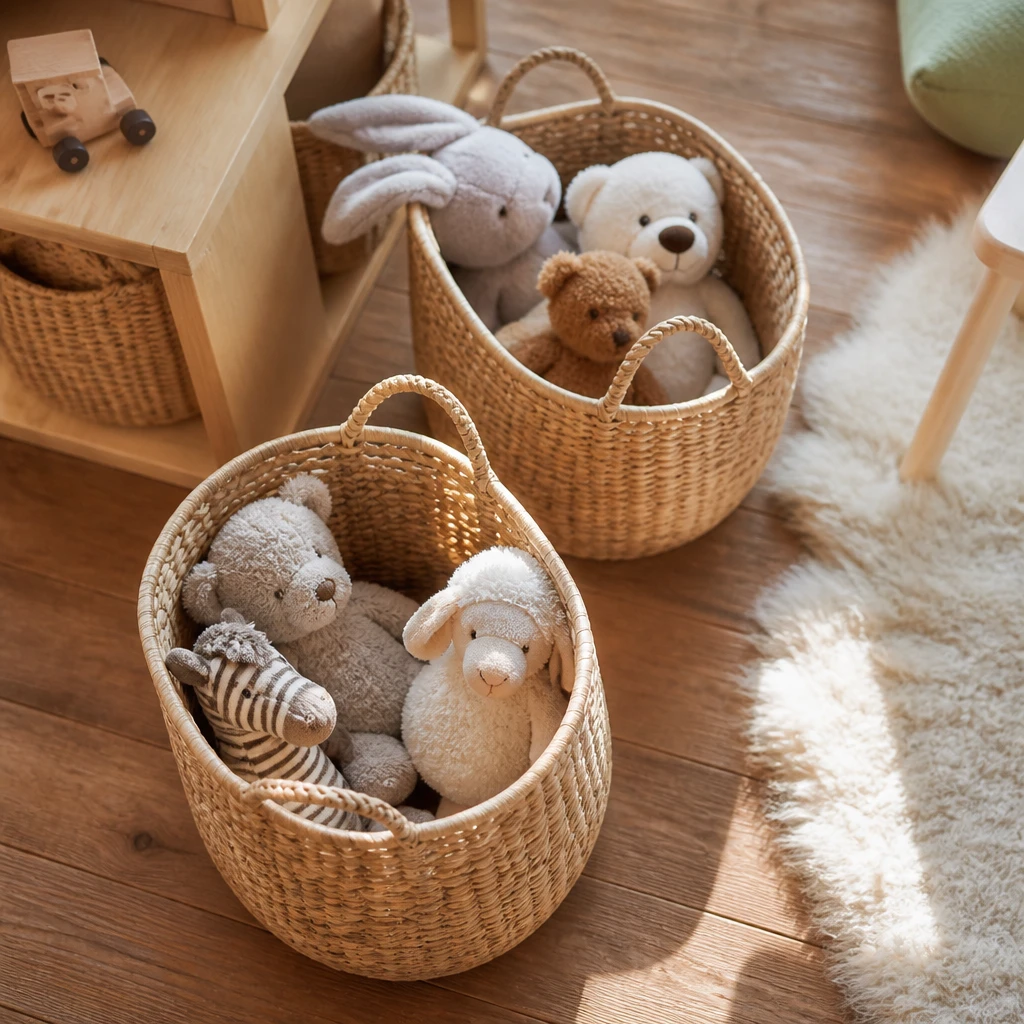
I use lightweight baskets with handles to collect and carry toys quickly during cleanup. These baskets add texture and are easier for kids to manage than bulky bins. They also coordinate well with modern design when I choose neutral colors like beige or gray.
Pro Tip: Pick baskets with sturdy handles for easy transport around the house.
10. Foldable Storage Ottomans
In my experience, foldable ottomans serve double duty with storage inside and extra seating. When not in use, they fold away to save space instantly. This flexibility is perfect for smaller rooms in modern homes.
Insight: I find foldable ottomans ideal for adapting playrooms on the fly.
11. Magnetic Strips for Small Metal Toys
I mounted magnetic strips on the wall for my kids’ small metal toys like cars and magnets. This keeps these tiny items organized and easy to grab without losing them. It also serves as an interactive display that kids enjoy.
Pro Tip: Place magnetic strips at eye level for easier kids’ access and visibility.
12. Color-Coded Storage System
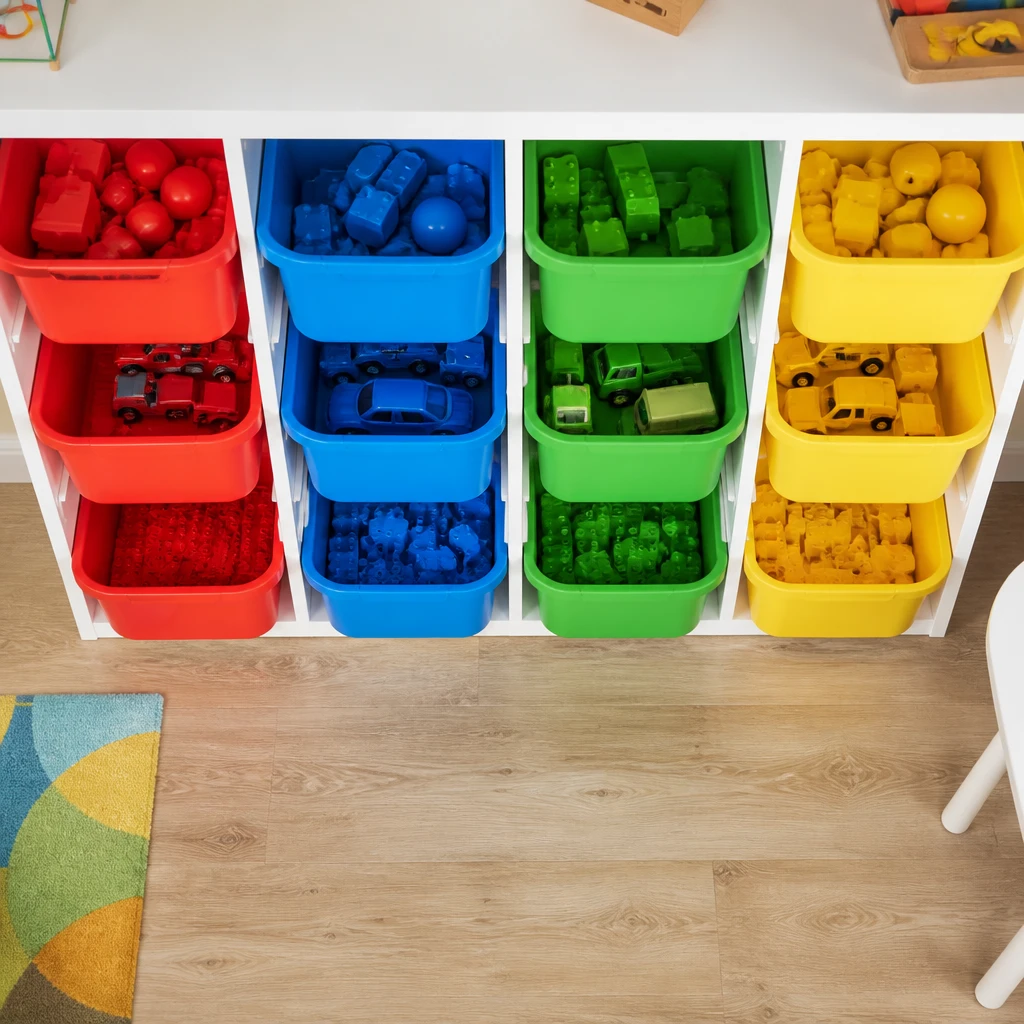
To simplify organizing, I assign colors to different toy types and use matching bins or labels. This helps my kids quickly locate and sort toys during cleanups. The color coding also adds a cheerful visual rhythm to the space.
Insight: I noticed color coding improves kids’ ability to follow cleanup routines independently.
13. Rolling Cart for Art Supplies
I introduced rolling carts to keep all art supplies portable and organized. This way, my kids can create anywhere in the house or playroom, and cleanup is easy when I roll it back. It keeps materials neat without dedicating permanent table space.
Pro Tip: Choose carts with multiple tiers and secure wheels for stability.
14. Built-In Closet Organizers
I customized built-in closet organizers with adjustable shelves and bins to tailor exactly to our toys and games. This integration with the room keeps things out of sight and contained. Plus, I love how it preserves sleek modern lines without bulky furniture.
Fact: Built-in storage increases usable space by utilizing closet depth effectively.
15. Hanging Storage Nets
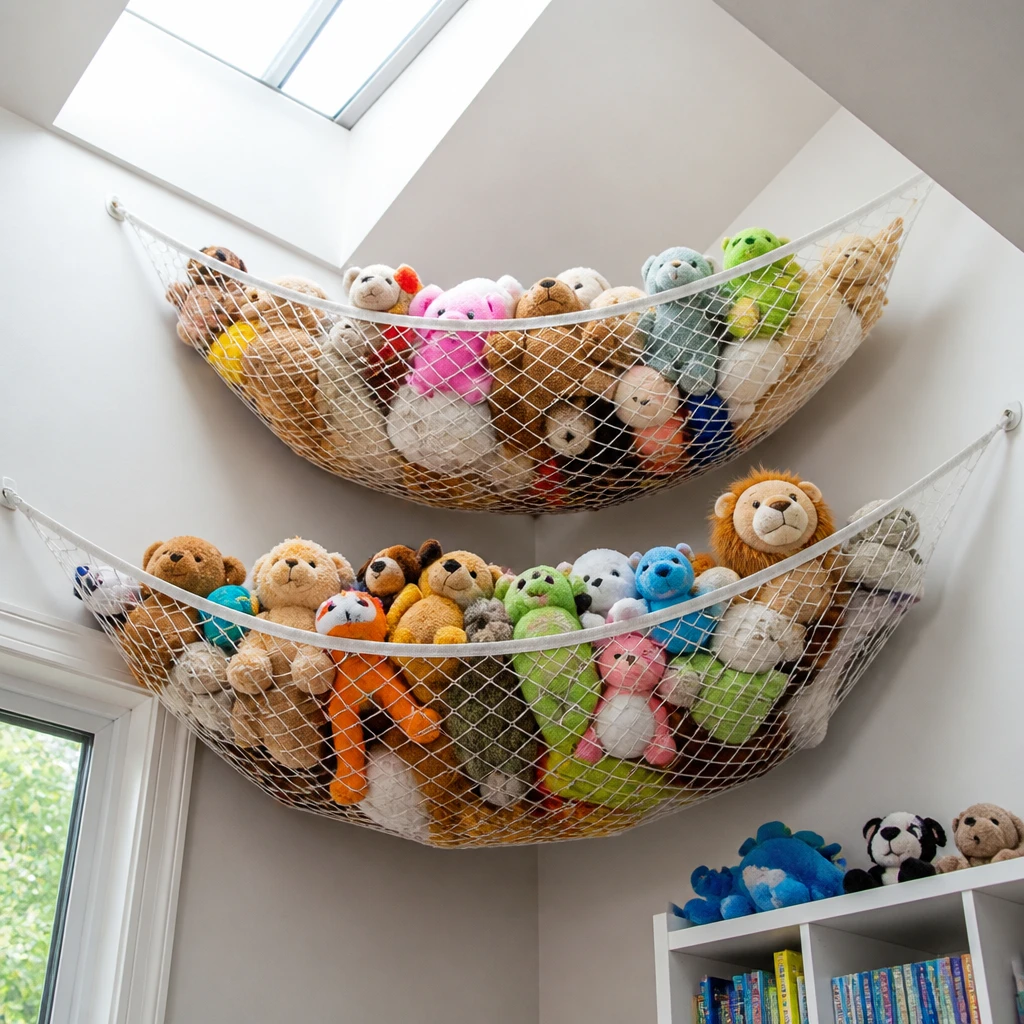
I hang mesh storage nets from the ceiling or walls to hold lightweight stuffed animals and soft toys. This vertical storage option frees up floor space and adds a playful look. It’s a favorite method when space is at a premium.
Pro Tip: Secure nets firmly to avoid sagging and keep toys contained safely.
16. Chalkboard Wall for Daily Organization
I painted a section of the playroom wall with chalkboard paint to create a fun, writable surface. This wall helps me list daily activities and cleanup reminders for the kids visually. It encourages responsibility and adds a creative artistic element.
Insight: I noticed children respond well to visual schedules they can interact with.
17. Toy Hammocks in Corners
Toy hammocks are an easy way I keep bulky balls and larger toys gathered off the floor. Using corners reduces wasted space and gives a casual, fun vibe. I always choose soft fabrics in soothing colors to maintain the modern feel.
Pro Tip: Install hammocks high enough to clear walkways but low enough for kids to reach.
18. Label Everything Clearly
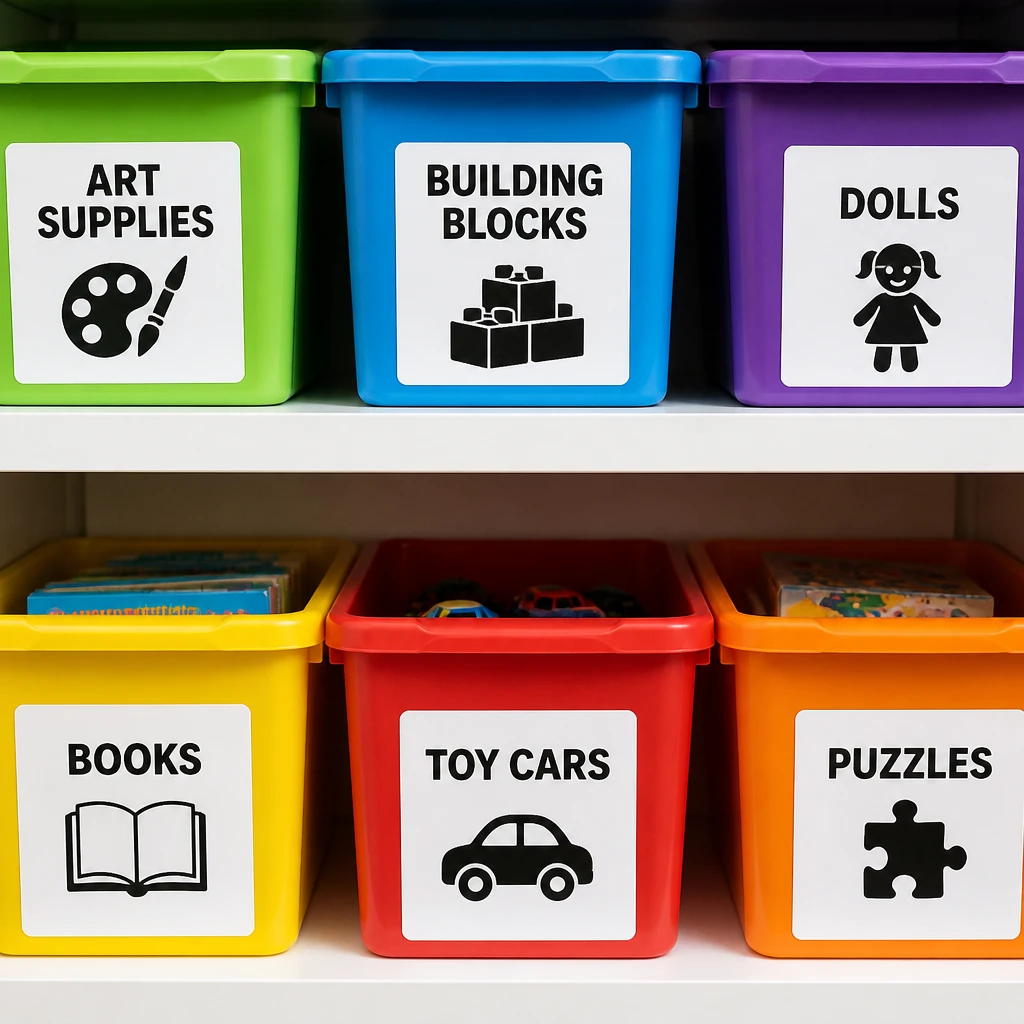
I learned early that clear labeling transforms chaotic playrooms into orderly havens. Labels with both text and pictures ensure even younger kids can help with organization. They quickly learn where things belong, saving time and frustration.
Pro Tip: Use waterproof labels to keep them intact despite frequent handling.
19. Low Open Shelving Units
Low shelving units are essential because they give kids easy access to their toys independently. I choose units with clean edges and matte finishes to blend with modern decor. This encourages self-directed play and easy clean-up routines.
Fact: Low shelves promote independence and safe access for young children.
20. Use of Transparent Drawers
I prefer transparent drawers so my kids can see what’s inside without opening every compartment. This drastically reduces the mess from digging through storage. It adds a modern, clean look and makes organizing at a glance stress-free.
Pro Tip: Stack transparent drawers using secure connectors for stability.
21. Incorporate Natural Materials
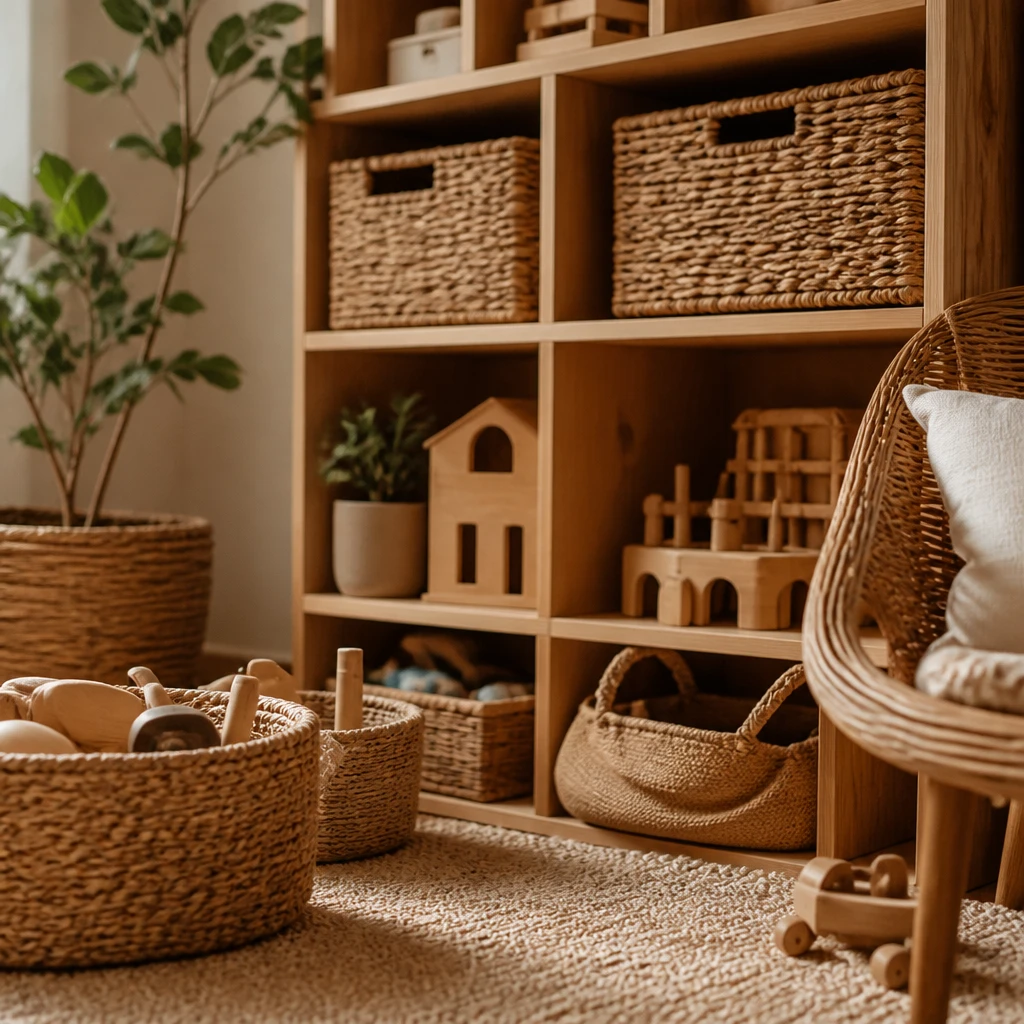
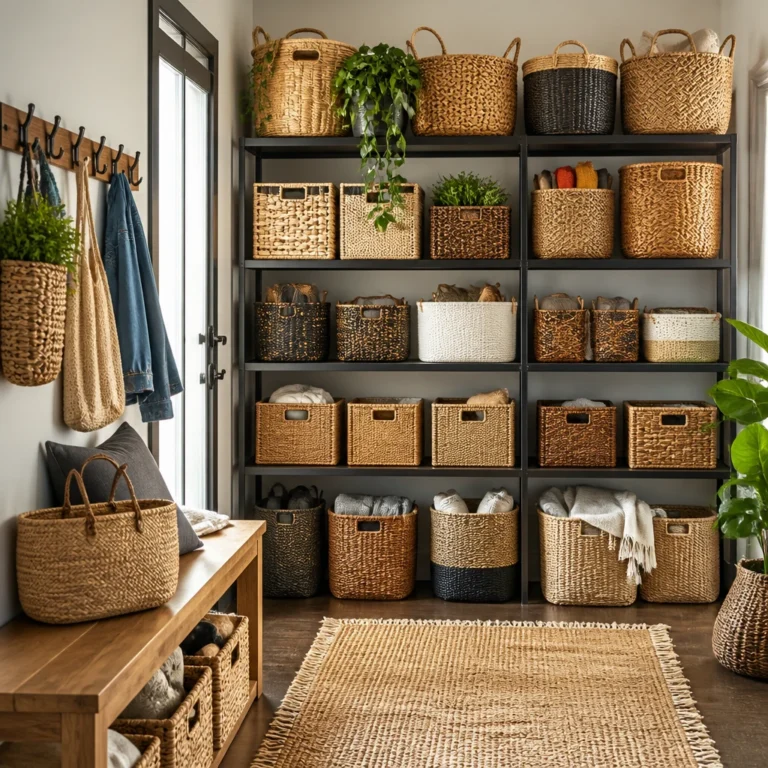
I always incorporate natural elements like wood and woven baskets to soften the modern aesthetic. These textures add warmth and tactile interest to the playroom. It makes the space feel both stylish and inviting for children.
Insight: I find natural textures help kids feel calm and connected in their playroom.
22. Stackable Toy Crates
Stackable crates allow me to customize storage height based on changing needs. I can easily rearrange or add crates as our toy collection grows. Their industrial look often fits well into modern industrial-inspired playroom designs.
Pro Tip: Secure stacked crates to the wall for added safety and stability.
23. Educational Posters for Wall Decor
I use educational posters that double as colorful, informative artwork on playroom walls. These keep learning visible and integrated into daily play routines. Selecting posters with modern, minimalist graphic designs ties the look together.
Fact: Educational posters enhance learning and keep children curious at play.
24. Snack Station Organization
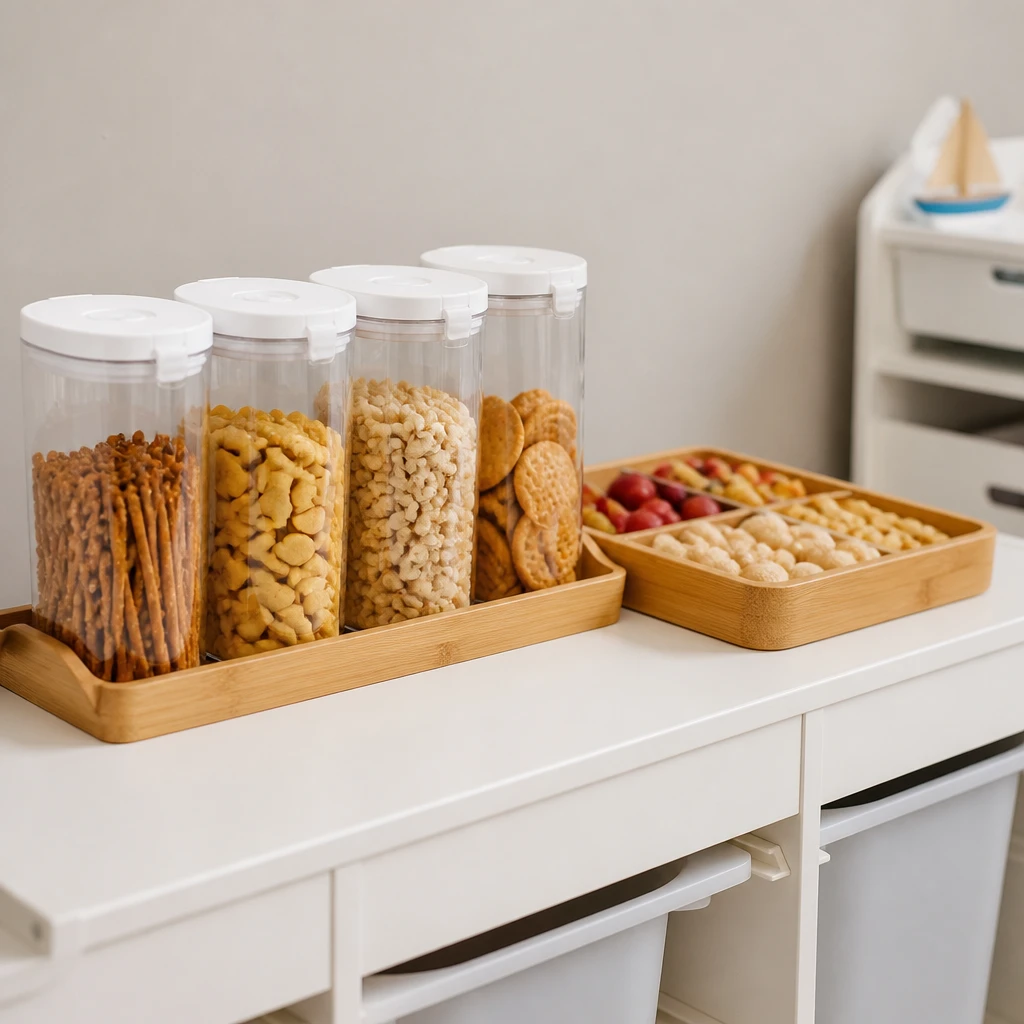
I created a small snack station in our playroom with stackable containers and easy-to-clean trays. It keeps snacks organized and accessible without mess spilling onto play areas. This approach supports independence and maintains cleanliness.
Pro Tip: Keep snack station near a washable surface for quick cleanup.
25. Use of Sliding Panels
I installed sliding panels to hide clutter quickly when guests come or during off-hours. It’s a sleek way to maintain a modern look without moving everything physically. This solution is especially useful in multi-purpose rooms.
Insight: Sliding panels let me switch room function easily without hassle.
FAQs ( Frequently Asked Questions )
Conclusion
Through testing multiple setups, I've learned that blending style and practicality is key for a modern playroom. With these organization ideas, cleanup becomes simpler and playtime more enjoyable. I hope these tips inspire you to create a space your kids love and you appreciate.