26 Small House Organization Ideas for 2026
Making a small home feel organized can be difficult when closets, cabinets, and floor space are limited. I recommend looking beyond traditional storage furniture and using overlooked areas such as cabinet doors, empty corners, the space under the stairs, and the walls above doorways. These small changes can help you store more without making your rooms feel crowded.
In this guide, I’ll cover 26 practical storage ideas for kitchens, bathrooms, bedrooms, laundry areas, closets, and entryways. You’ll find simple ways to organize everyday essentials, make better use of vertical space, and create dedicated spots for items that often end up scattered around the house.
Key Takeaways
- Use vertical space: Wall shelves, tall cabinets, and door organizers help increase storage without taking up much floor space.
- Make hidden areas useful: Under-bed drawers, stair storage, and narrow spaces beside appliances can hold many household essentials.
- Give everything a place: Labeled bins, closet zones, and entryway cubbies make everyday items easier to find.
- Choose storage that fits: Slim organizers and shallow shelves work well in narrow rooms and small apartments.
- Keep frequently used items accessible: Store daily essentials at a comfortable height and reserve higher shelves for occasional use.
Door Storage

Cabinet doors can provide extra storage without requiring another shelf or cabinet. I recommend attaching slim racks or spice holders to the inside of kitchen cabinet doors to keep small jars, sauces, and seasonings within easy reach.
This arrangement leaves the main shelves available for larger items such as bowls, food containers, and dry ingredients. Before installing a rack, check the available door clearance to ensure bottles won’t hit the shelves when you close it.
Door storage also works well in bathroom cabinets for small toiletries and personal care products. Choose a rack that can support the weight of your items, and avoid storing heavy glass bottles on lightweight adhesive holders.
Vertical Laundry
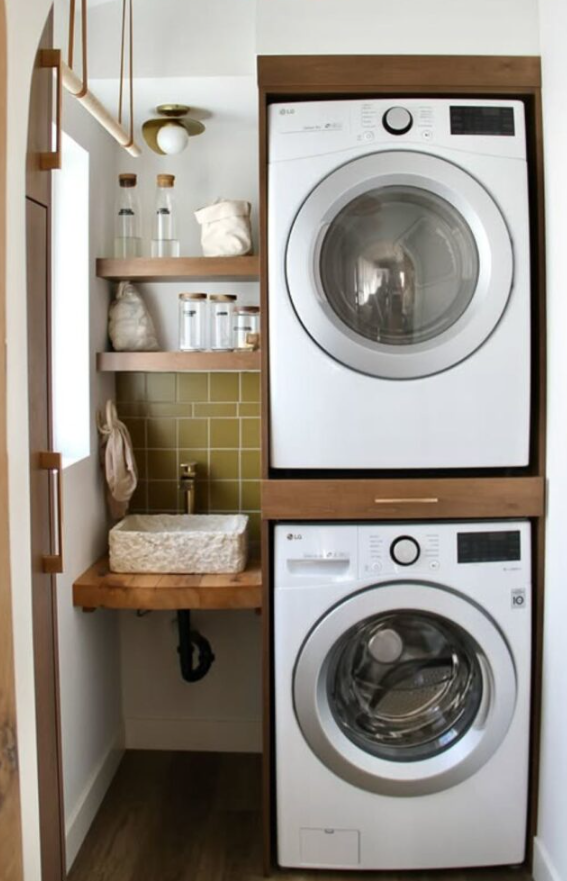
A compact laundry area can become much more useful when you arrange appliances vertically instead of placing them side by side. A properly installed stacked washer and dryer can free up floor space for shelving, laundry baskets, or a narrow utility cabinet.
I recommend using the newly available wall space for detergent, fabric care products, and other laundry essentials. Open shelves make frequently used items easy to reach, while a hanging rod can provide a convenient place for clothes that need to air-dry.
If your laundry area has enough room, a small utility sink can help with hand-washing delicate fabrics and treating stains. Always check appliance compatibility, manufacturer requirements, and installation clearances before stacking machines.
Door Organizer
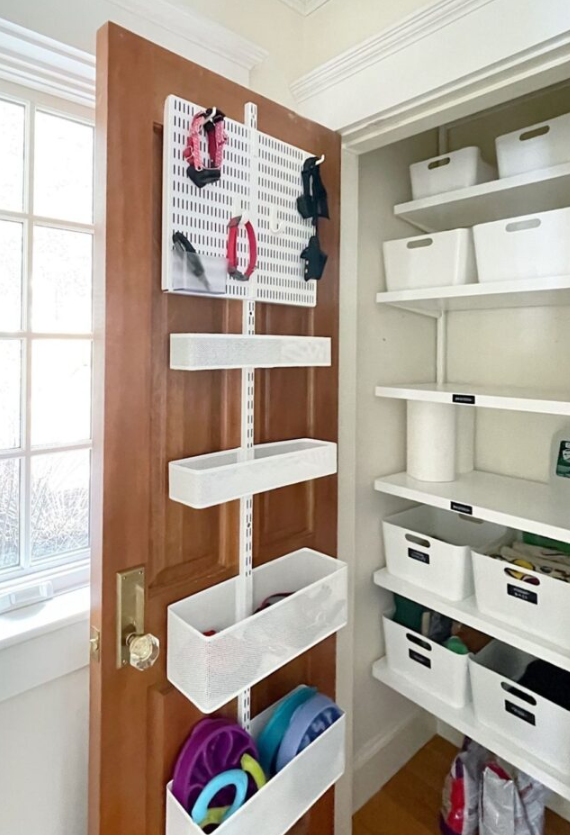
Closet doors can hold more than just a mirror or a hook. A door-mounted organizer with adjustable baskets, rails, or a pegboard creates a useful place for small household supplies that would otherwise occupy valuable shelf space.
I recommend using this setup for cleaning products, pet accessories, toys, craft materials, and other items you need to find quickly. Group similar belongings together so you can see what’s available without searching through several containers.
Adjustable baskets are particularly useful when your storage needs change. Before installing an organizer, make sure the door can support it and that the baskets won’t interfere with shelves or nearby furniture.
Towel Rack
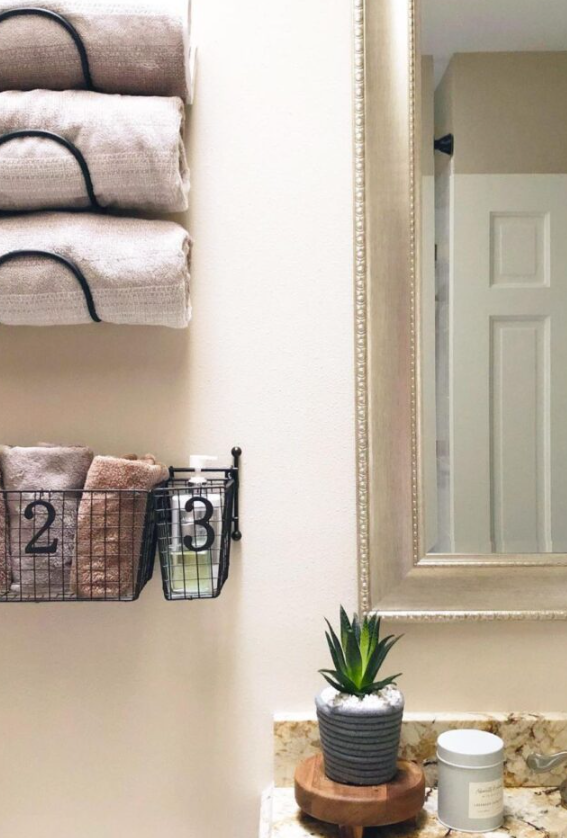
A crowded bathroom counter can make even a clean room feel disorganized. Wall-mounted towel racks offer a simple way to move towels and washcloths off the counter while keeping them easy to reach after a shower.
I suggest installing a sturdy rack near the shower, sink, or mirror, depending on where you usually use your towels. Rolled towels can fit neatly into suitable wall-mounted holders, while separate hooks work well for damp towels that need to dry.
You can also place small wire baskets underneath the rack for spare washcloths, soap, and other bathroom essentials. Leave enough space between towels for airflow, and choose moisture-resistant hardware to help prevent rust.
Wall Shelves
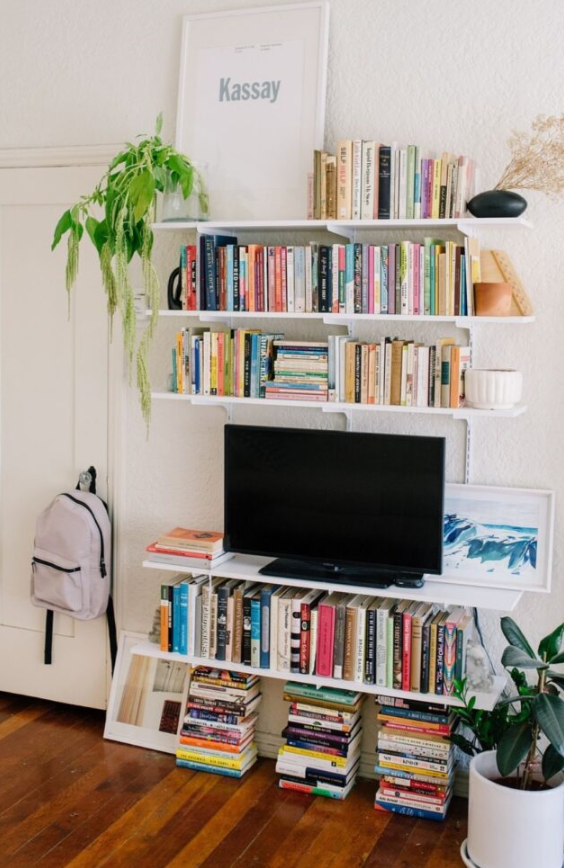
Empty walls offer useful storage opportunities, especially in living rooms where books, decorations, and media accessories can quickly take over tables. Installing several wall shelves allows you to organize these belongings vertically while keeping the floor open.
I recommend arranging shelves at different heights to accommodate books, framed pictures, small plants, and decorative objects. A deeper shelf may also work for media equipment, provided it has the correct dimensions and weight capacity.
The key is to avoid filling every shelf completely. Leaving some open space helps the arrangement look balanced and makes individual items easier to access. Secure the shelves to suitable wall supports, particularly when storing heavy books or electronics.
Wall Cabinet

A slim wall cabinet can provide useful storage in a small kitchen, dining area, or studio apartment without taking up floor space. Models with fold-down doors are especially practical when you need a compact place for cups, small dishes, or everyday kitchen supplies.
I recommend choosing a cabinet that suits the room’s dimensions and the items you plan to store. Adjustable internal shelves can help accommodate different sizes, while closed doors keep the contents out of sight.
For a cleaner appearance, place frequently used items on the lower shelves and reserve higher compartments for things you need less often. Make sure the cabinet is securely mounted and that its doors can open fully without obstructing nearby work areas.
Pantry Nook

The narrow gap beside a refrigerator or kitchen cabinet can become a useful pantry when you add a slim shelving unit. This is a practical way to store dry foods and cooking essentials without installing a full-size pantry.
I recommend using clear, food-safe containers for ingredients such as pasta, rice, cereal, and snacks. Labels help identify contents quickly, while shallow shelves keep small jars visible instead of allowing them to disappear behind larger packages.
Pull-out drawers can hold baking supplies, seasoning packets, and other small items. Woven baskets may also work for suitable produce that benefits from airflow, such as potatoes and onions, provided they are kept in a cool, dark, dry place. Check the refrigerator’s ventilation requirements before filling the surrounding gaps.
Entry Storage
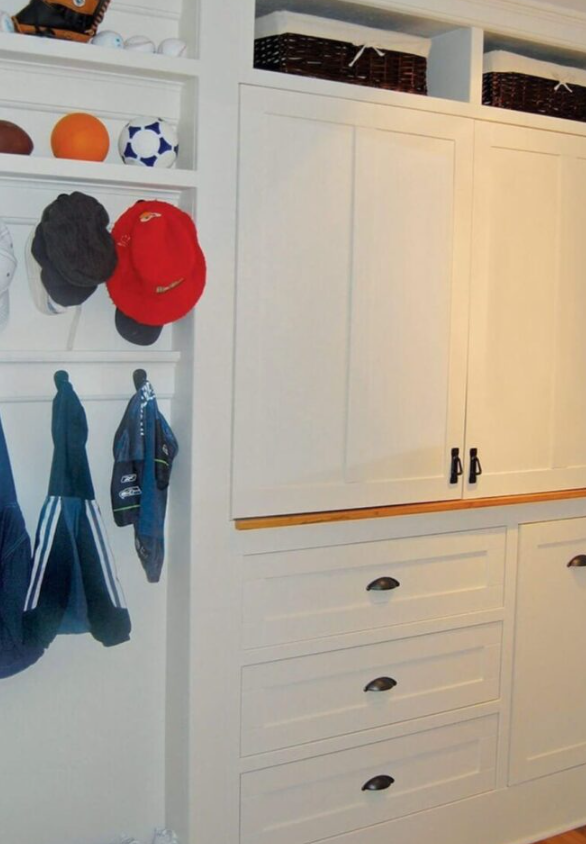
A cluttered entrance often starts with a lack of convenient places for shoes, jackets, bags, and keys. I recommend creating a dedicated entry storage wall that gives each everyday item a clear place as soon as you walk through the door.
Open cubbies can hold baskets for hats, gloves, and smaller accessories, while wall hooks keep jackets and backpacks off chairs. Drawers or closed cabinets underneath provide a place for items you don’t want on display.
Lower shelves are useful for frequently worn shoes, making it easier to put them away instead of leaving them across the floor. If the entrance is narrow, choose shallow storage and leave enough clearance for the door to open and people to pass comfortably.
Stair Storage
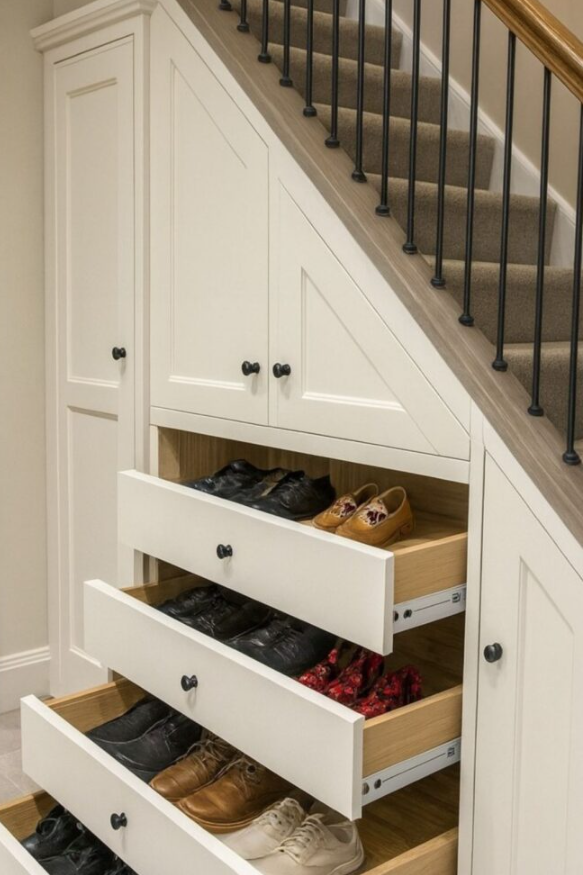
The space beneath a staircase can provide valuable storage in homes where closets are limited. Instead of leaving this area empty, I recommend considering built-in drawers, pull-out compartments, or cabinets that follow the shape of the stairs.
Deep drawers can accommodate shoes, bags, seasonal accessories, and household supplies. Pull-out designs are particularly useful because they allow you to reach items stored toward the back without moving everything in front.
Side cabinets can provide additional room for larger belongings, including cleaning equipment. The best design depends on the staircase layout, available depth, and structural requirements, so custom measurements are worth considering before installation.
Coat Rail
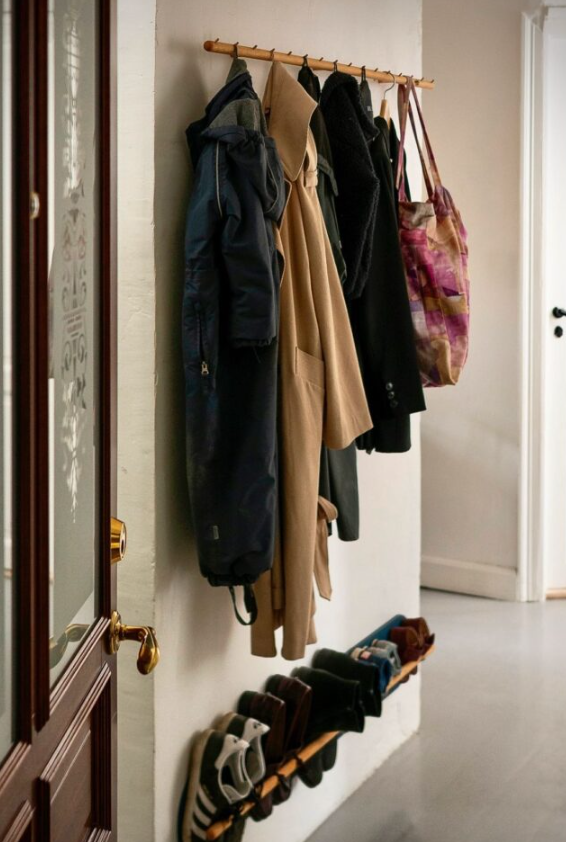
A wall-mounted coat rail offers a simple solution when an entryway doesn’t have enough room for a full closet. A row of sturdy hooks can keep jackets, bags, hats, and backpacks organized without taking up valuable floor space.
I recommend placing the hooks at a comfortable height for the people who use them most often. In family homes, adding a lower row can help children hang up their own belongings and build a consistent routine.
Pair the rail with a narrow shoe rack underneath to give footwear its own place. This combination works particularly well in small apartments and narrow corridors because everything stays close to the wall and the walkway remains clear.
Corner Shelves
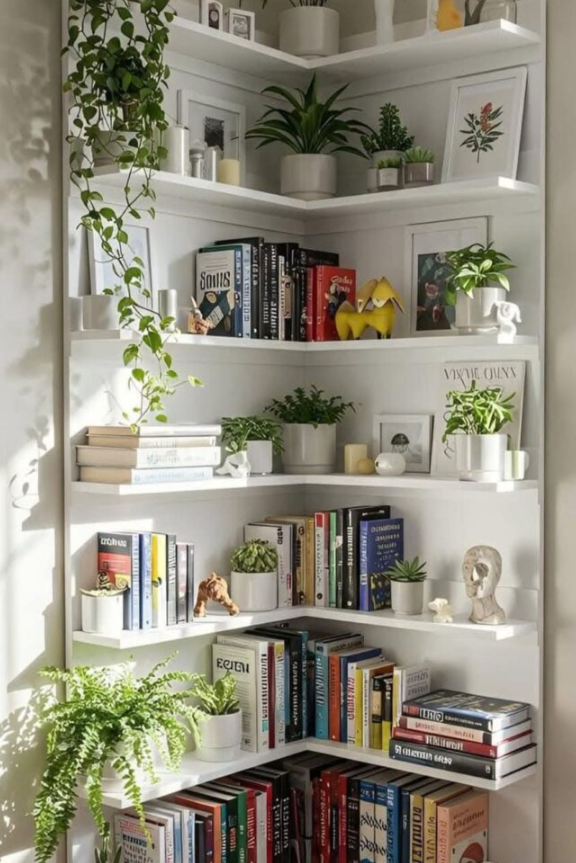
Room corners are easy to overlook when planning storage, but they can accommodate useful shelves without extending far into the living area. Corner shelving makes use of vertical space while keeping books, plants, and decorations off tables and floors.
I recommend choosing shelves that fit the corner’s dimensions and match the room’s style. Rounded or triangular designs can work well in tight spaces, while taller units provide more storage without requiring a wider footprint.
Arrange items by size and leave a little breathing room between them. Small plants, framed photographs, and a few decorative objects can make the shelves attractive without turning them into another cluttered surface.
Shoe Closet
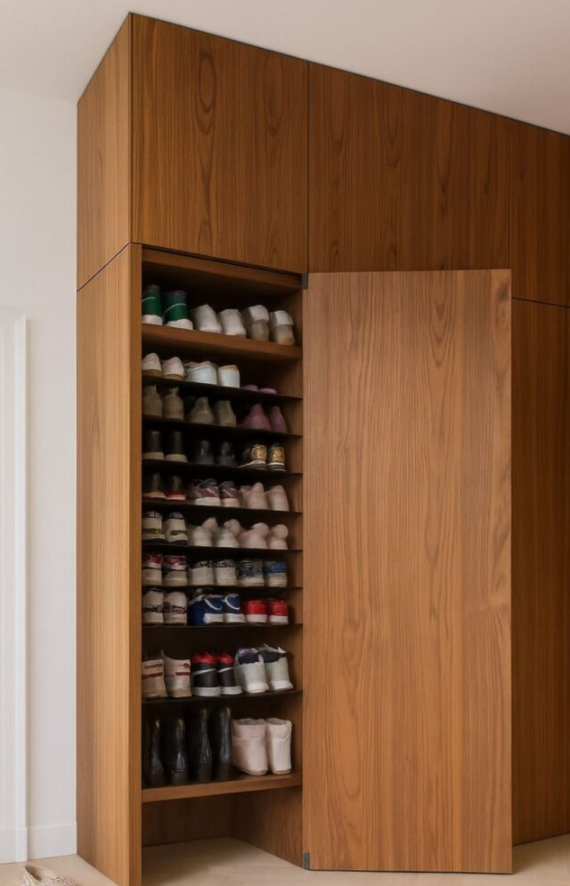
Shoes can quickly take over an entryway when there’s no dedicated storage. A tall, narrow shoe cabinet helps organize multiple pairs while using less floor space than a wide, open shoe rack.
I recommend choosing a cabinet with shelves that match the types of footwear in your household. Adjustable compartments can accommodate flats, sneakers, sandals, and taller shoes more effectively than fixed shelves with limited clearance.
Placing the cabinet near the entrance makes it easier to put shoes away as soon as you arrive home. Closed doors also create a tidier appearance, especially in small apartments where the entryway is visible from the living room.
Before buying, check the cabinet’s depth and make sure it can hold your largest everyday shoes comfortably.
Storage Cubes
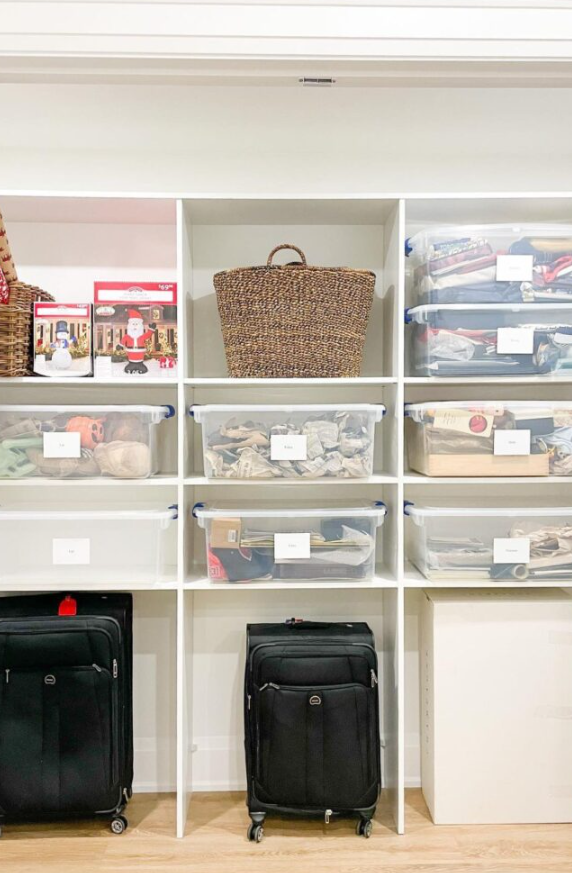
Closets often become difficult to manage when seasonal decorations, paperwork, spare clothes, and household supplies share the same shelves. Cube shelving creates separate compartments that make it easier to group belongings by category.
I recommend using storage bins that fit each cube and labeling them clearly. Transparent containers are useful when you want to see the contents, while opaque bins can keep personal items and visual clutter out of sight.
Store heavier belongings in lower compartments to make lifting safer and keep the unit stable. Higher cubes can hold lightweight seasonal items, craft materials, or spare bedding.
A consistent arrangement also makes it easier for everyone in the household to return things to the right place.
Underbed Storage
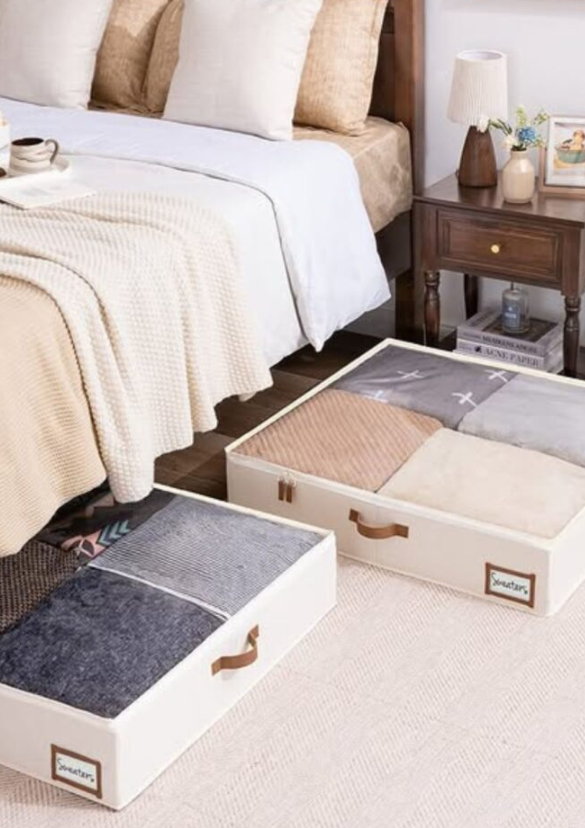
The space beneath a bed can hold useful belongings without requiring another wardrobe or storage cabinet. Low-profile boxes and rolling drawers are practical options for bedrooms where closet space is limited.
I recommend using under-bed storage for spare blankets, off-season clothing, extra bedding, and other items you don’t need every day. Dividers or smaller containers can prevent different categories from mixing together.
Choose storage units that fit beneath the bed frame and can slide out without damaging the floor. If dust is a concern, use lidded containers and clean the area regularly.
For easier organization, label each box so you can find what you need without pulling everything out.
Doorway Shelves
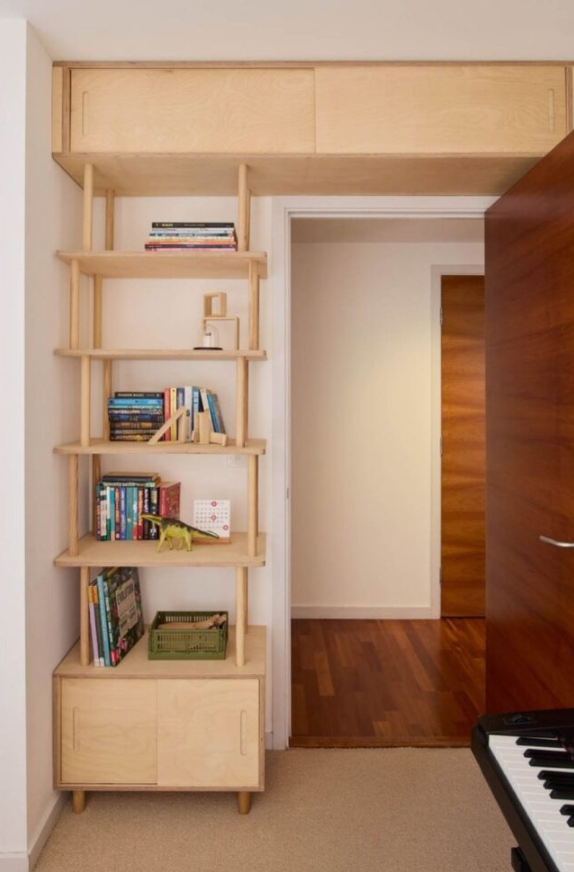
The wall space above and beside a doorway can provide additional storage when floor space is limited. Slim shelves along the sides and a cabinet above the door can create a compact system for books, decorations, and occasional-use belongings.
I recommend keeping side shelves shallow enough to avoid narrowing the passage. The higher compartments are better suited to lightweight items that you don’t need to reach every day.
This design works well in small apartments, bedrooms, and home offices where every available wall matters. Make sure shelves and cabinets are securely installed, and leave adequate clearance around the door frame and its moving parts.
Bed Drawers
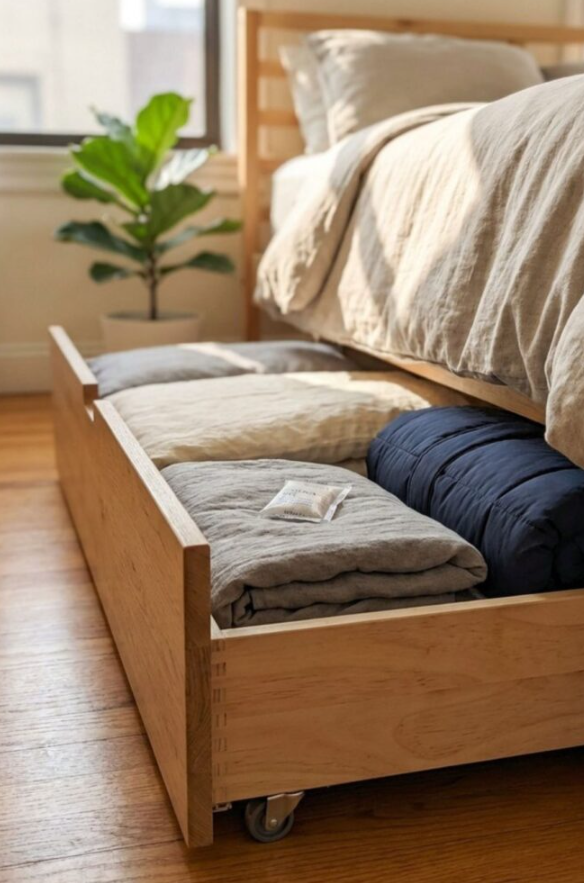
Built-in bed drawers turn the space beneath a mattress into an organized storage area. They provide a convenient place for blankets, extra pillows, sweaters, and seasonal clothing without adding a separate chest of drawers.
I recommend choosing drawers with enough depth for the items you intend to store. Wheeled drawers can make access easier, while integrated drawers offer a more finished look and help keep belongings hidden.
Measure the available space around the bed before choosing a design. Drawers need enough clearance to open fully, so consider nearby walls, bedside tables, and walking paths.
For small bedrooms, this approach can reduce the need for additional furniture and leave more room for everyday activities.
Labeled Bins

Storage bins are more useful when each one has a clear purpose. Without labels, even a well-organized shelf can become confusing when several boxes contain similar-looking items.
I recommend dividing belongings into categories such as towels, seasonal clothes, craft supplies, spare linens, and household tools. Place a readable label on the front of each bin so you can identify its contents without opening it.
Fabric bins work well for lightweight items, while durable plastic containers may be better for supplies that need more protection. Use shelving that fits the containers properly and keep heavier bins at a comfortable lifting height.
A simple labeling system can also help other household members return items to the right place.
Loft Storage
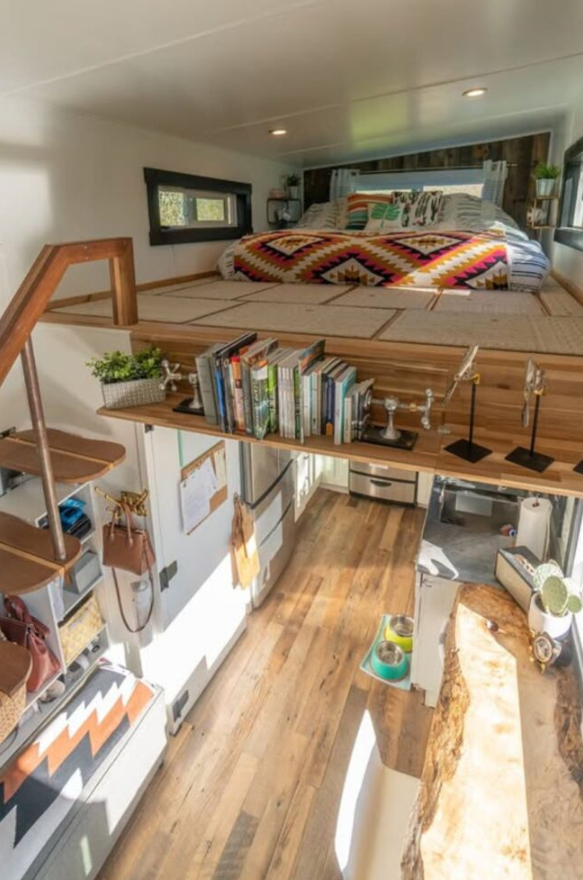
A loft bed can combine sleeping space and storage in a single footprint, making it useful for studio apartments, tiny homes, and compact bedrooms. Raising the bed creates room underneath for shelving, drawers, a desk, or neatly arranged storage compartments.
I recommend planning the storage around the items you use most often. Clothes, books, bags, and folded seasonal belongings can be placed in designated sections instead of being stacked together.
Shelves beside the sleeping platform can hold smaller everyday items, while built-in steps or a suitable ladder provide access to the bed. Safety should come first: use a properly designed loft structure, secure guardrails where required, and a stable access system.
Good planning helps make the area feel organized rather than crowded.
Utility Hooks

Brooms, mops, dustpans, and ironing boards can take up unnecessary floor space when they lean against walls. A wall-mounted utility rack keeps these tools upright, separated, and easier to reach.
I recommend installing the rack inside a utility closet, laundry room, or another convenient cleaning area. Choose hooks or holders designed for the size and weight of your tools so that handles stay secure instead of slipping out.
You can use nearby shelves for cleaning cloths, spare sponges, and other household supplies. Store chemicals safely according to their labels, away from children and pets, and keep them separate from food and personal care products.
This arrangement turns an awkward closet into a practical cleaning station.
Closet Zones

A closet becomes easier to maintain when each type of clothing has a designated area. Instead of placing everything wherever space is available, I recommend separating hanging clothes, folded garments, shoes, accessories, and smaller essentials.
Double hanging rods can create additional space for shorter garments, such as shirts and trousers, while a higher rail can accommodate longer clothing. Shelves are useful for folded sweaters and bags, and drawers can keep socks, underwear, and workout clothes together.
Keep frequently worn items within easy reach and place occasional-use belongings on higher shelves. A little planning can make even a small wardrobe more functional without requiring a complete renovation.
Review the arrangement occasionally so that unused items don’t gradually take over the available space.
Sink Baskets

The cabinet beneath a kitchen or bathroom sink can be difficult to organize because pipes take up room and bottles often get pushed into the back. Sliding baskets help create separate storage levels while making products easier to reach.
I recommend measuring around the plumbing before buying an organizer. A two-tier pull-out system can hold smaller items in the upper basket and larger bottles in the lower one, depending on the available height.
Small containers can keep brushes, sponges, and personal care products grouped together. In kitchen cabinets, keep cleaning supplies separate from food and cooking equipment.
Choose a rust-resistant organizer that fits the cabinet properly, and check for leaks occasionally so stored items don’t remain exposed to moisture.
Pullout Pantry
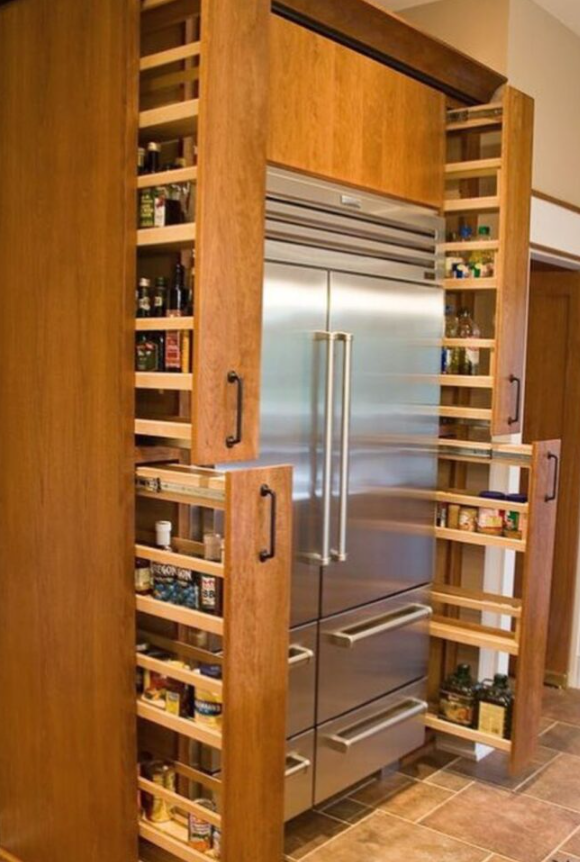
A narrow pull-out pantry can make a small gap beside a refrigerator or cabinet more useful. Instead of leaving that space empty, you can install a slim unit with shelves that slide outward to reveal stored items.
I recommend using this type of pantry for spice jars, sauces, condiments, packets, and other small kitchen essentials. Separate shelves help keep products visible, reducing the need to move several containers just to reach one item.
Before buying a pull-out unit, measure the width, height, and depth of the available gap. Check the required mounting space, load capacity, and clearance around nearby appliances.
Keep heavier items on lower shelves and place frequently used ingredients where they’re easy to reach.
Linen Cabinet
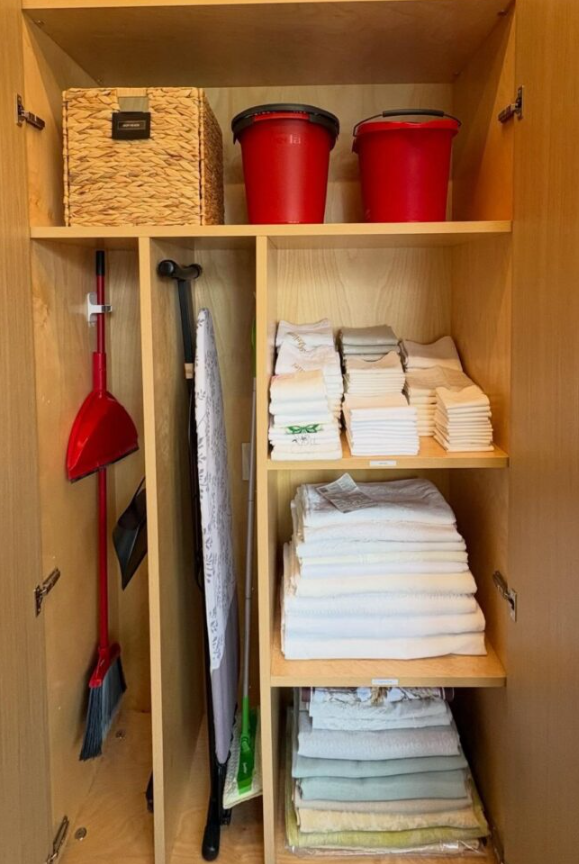
A linen cabinet can become disorganized when towels, blankets, cleaning equipment, and small household supplies share the same shelves. I recommend creating separate sections so each category has a defined place.
Store folded towels and bedding on wider shelves, and use baskets to contain smaller items such as washcloths and cleaning cloths. Tall compartments may accommodate brooms, mops, or an ironing board if the cabinet has enough height and depth.
Clear containers are useful when you want to identify supplies quickly, while labeled baskets keep similar items together. Place frequently used linens at a comfortable height and reserve the upper shelves for occasional-use belongings.
This simple arrangement makes the cabinet easier to maintain and helps prevent items from falling into mixed piles.
Mudroom Cubbies
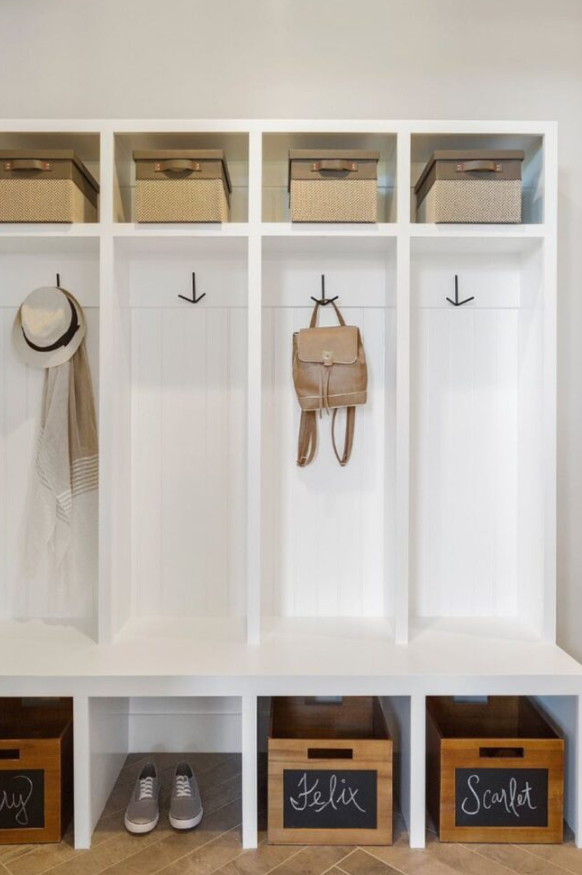
Mudroom cubbies create a dedicated place for shoes, jackets, backpacks, and other belongings that usually collect near the entrance. Giving each family member a separate section makes it easier to keep shared spaces organized.
I recommend combining vertical hooks with a bench and lower storage compartments. The bench provides a convenient place to sit while putting on shoes, while baskets can hold gloves, scarves, hats, and smaller accessories.
Upper cabinets or bins can store seasonal items that aren’t needed every day. If several people use the space, labels or assigned cubbies can help everyone recognize their own storage area.
Choose materials that are easy to wipe clean, particularly if the entryway regularly collects dirt or moisture from outdoor shoes.
Stair Shelving
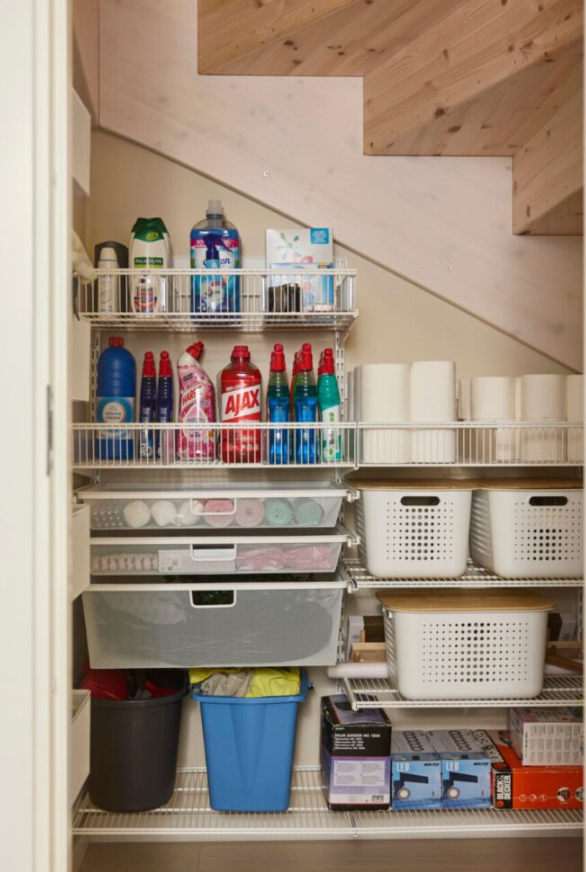
The sloping space beneath stairs can be difficult to use with standard furniture, but fitted shelves can turn it into a practical storage area. Adjustable shelving allows you to make better use of the changing height beneath the staircase.
I recommend arranging the shelves according to the size of your belongings. Larger bins can fit on the lower sections, while smaller household supplies, paper products, and cleaning accessories can occupy accessible shelves higher up.
Pull-out baskets are useful for items that might otherwise disappear behind other belongings. If the space is deep, divide it into clear categories so that stored items remain easy to find.
For a built-in design, measure the slope carefully and make sure the installation does not interfere with the staircase structure or access.
Hallway Storage Nook
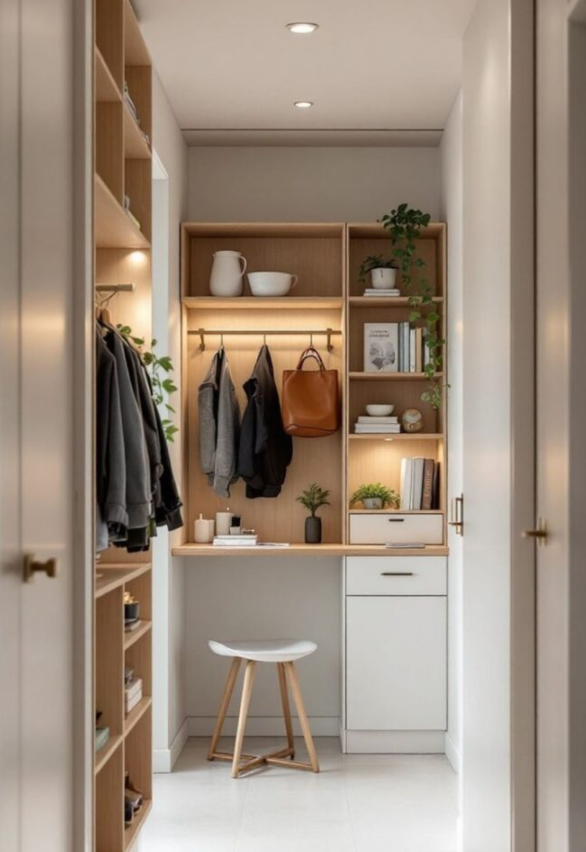
A narrow hallway can do more than connect rooms when you plan its storage carefully. A compact built-in nook with hooks, shelves, and a small counter can provide space for everyday essentials without requiring a separate room.
I recommend using hooks for jackets and bags, with shelves above for books, small baskets, or a few decorative items. A narrow counter can hold keys, mail, and a phone while it charges.
If the nook is also used as a small work area, add only the equipment you genuinely need so that the passage doesn’t become crowded. Soft, well-placed lighting can make the space easier to use, especially in hallways with limited natural light.
Keep the furniture shallow and leave enough room for comfortable movement through the corridor.
FAQs
How can I make a narrow hallway feel less cluttered when adding storage?
I recommend choosing shallow shelves, slim cabinets, and wall-mounted hooks instead of bulky furniture. These options provide storage while keeping most of the floor open.
Use vertical space for items such as coats, bags, and small baskets, and reserve higher shelves for things you rarely need. Good lighting, a simple color scheme, and regular decluttering can also help a narrow hallway feel more open.
What items are best stored in a hallway storage nook?
A hallway nook works best for everyday belongings you want to grab quickly before leaving home. Useful items include keys, mail, jackets, bags, shoes, hats, and umbrellas.
You can also use small drawers or labeled baskets for chargers, notebooks, gloves, and other accessories. I recommend keeping frequently used items within easy reach and moving unrelated belongings elsewhere so the nook remains practical and uncluttered.
Final Thoughts
Organizing a small home doesn’t always mean buying more furniture or making major changes. I find that using overlooked spaces, such as cabinet doors, corners, walls, and the area under the bed, can make everyday storage much easier. Start with one area that feels cluttered, choose a solution that fits your space, and give each item a dedicated place. With a few practical changes, you can make your home feel tidier, more comfortable, and easier to manage without sacrificing valuable floor space.