20 Cat Litter Storage Ideas for 2026
Keeping a cat litter box at home is necessary, but finding a place for it without making the room look messy can be difficult. I know that litter bags, plastic trays, and cleaning supplies can easily become an eyesore, especially when the litter area is in a living room, hallway, or bedroom.
The good news is that you don’t have to sacrifice your home’s appearance to create a practical space for your cat. You can use covered litter boxes, decorative cabinets, storage benches, corner stations, planter-style enclosures, and matching storage containers to keep everything organized. Simple additions like litter mats, sealed bins, and built-in scoop holders can also make daily cleaning easier.
In this article, I’m sharing 18 cat litter storage ideas that help hide litter supplies, reduce scattered litter, control odors, and make the setup blend naturally with your home décor. I’ll also cover useful placement tips and answer common questions about keeping a litter area clean and comfortable for your cat.
Key Takeaways
- Use furniture-style cabinets and decorative enclosures to hide litter boxes without making your room look cluttered.
- Choose covered, high-wall, or top-entry litter boxes to help reduce scattered litter.
- Place textured litter mats underneath boxes to catch loose grains.
- Keep litter supplies, scoops, and waste bags together in one organized station.
- Choose a quiet location where your cat can easily reach the litter box.
- Clean the litter box regularly to prevent unpleasant odors from building up.
Covered Litter
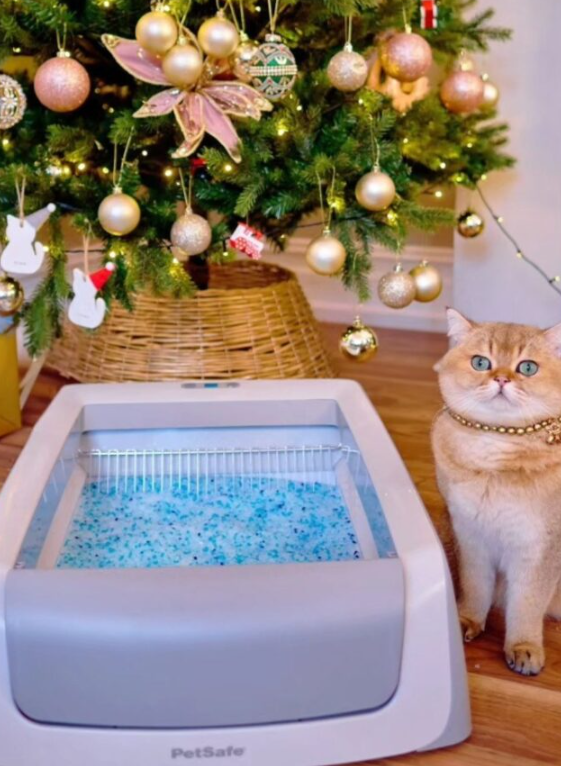
A covered litter box is one of the easiest ways I would make a cat’s bathroom area look cleaner. Unlike an open tray, a covered design keeps most of the litter inside and gives the setup a more finished appearance.
I like rounded designs with neutral colors because they look less like ordinary pet equipment. You can place one beside a sofa, against a wall, or in an unused living room corner without making it the main focus of the space.
Cleaning is also simple with a removable top. I can lift the cover, scoop out the waste, and close it again without moving the entire unit.
For extra cleanliness, I recommend placing a litter mat underneath. It catches loose grains when your cat steps outside the box and makes sweeping much easier. Always make sure your cat is comfortable using a covered design and that the entrance provides enough room.
Open Design
Not every cat likes a covered litter box. Some prefer an open space where they can see their surroundings, and an open-top design can be a practical choice for those cats.
I would choose a wide litter tray with a simple frame that fits neatly against a wall or beside a piece of furniture. Tile and hardwood floors are especially useful around this setup because they are easier to clean if litter spills.
A low entrance is another helpful feature, particularly for older cats, kittens, or cats with mobility difficulties.
You can also choose litter with good odor-control properties and place a mat underneath the tray. This keeps the surrounding floor cleaner while giving your cat a comfortable and accessible bathroom area.
Cabinet Hideout

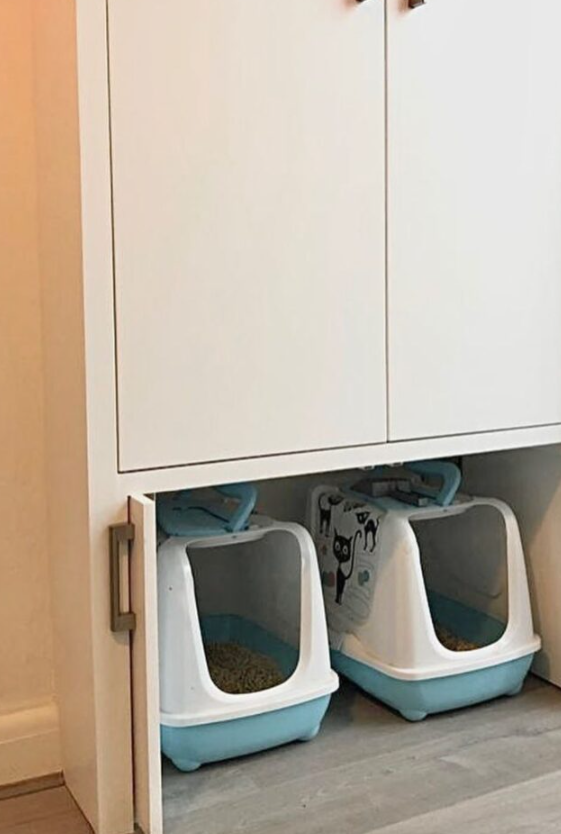
A cabinet hideout is a smart option when you want to keep the litter box completely out of sight. Instead of leaving a plastic tray in the corner, I would use a lower storage cabinet that looks like regular furniture.
The litter box sits inside, while the outside can match your existing cabinets, shelves, or hallway furniture. This makes it easier to maintain a consistent look throughout the room.
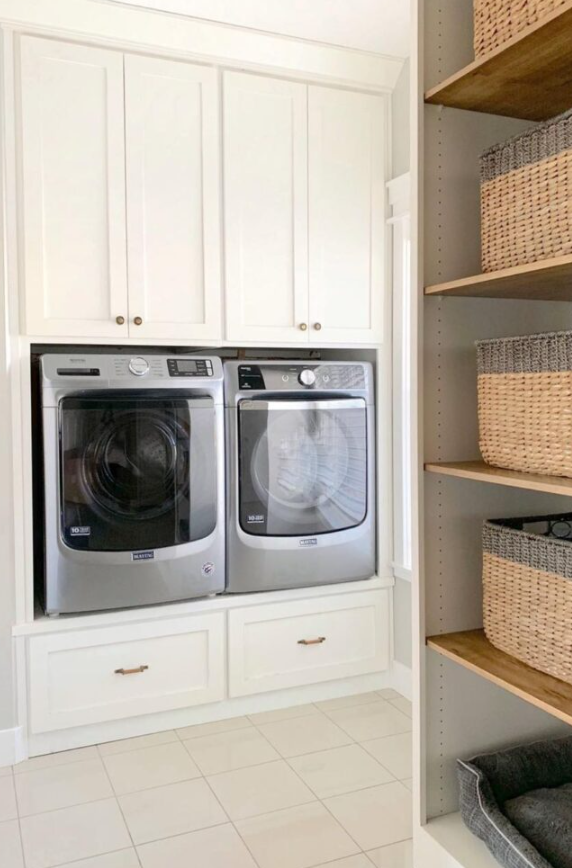
Laundry rooms, hallways, and utility areas are useful places for this type of setup.
You can create an entrance by adding an opening to one side of the cabinet. Make sure it is large enough for your cat to enter and leave comfortably. Good ventilation is also important, so avoid making the enclosure completely airtight.
I would also keep the cabinet easy to open for daily scooping and cleaning.
Corner Station

An unused corner can become a useful litter station without taking up valuable floor space. I like this idea because it uses an area that might otherwise remain empty.
A small corner cabinet can hold one or two litter boxes while providing a flat surface for a small plant, decorative basket, or other room accessories.
You don’t need an expensive custom-built unit. A simple plywood enclosure or a small cabinet designed to fit the corner can work well.
If you have multiple cats, make sure the arrangement provides enough room for each cat to enter and leave without feeling trapped. Separate sections can help organize the space, but they should never block access to the boxes.
One small addition I recommend is an inside hook for the litter scoop. It keeps cleaning tools off the floor and makes daily maintenance easier.
Low Profile

Large litter boxes can stand out in a room, especially when their colors and shapes don’t match the furniture. A low-profile design offers a simpler appearance and can blend more naturally into modern interiors.
I would look for clean edges, neutral colors, and a compact shape that fits against a wall or beside a low console table.
Some designs include a raised barrier around the tray. This helps limit litter scatter while keeping the entrance relatively open.
Another useful feature is a built-in scoop holder. It gives you a dedicated place for cleaning tools instead of leaving them beside the litter box.
This style is worth considering if you want a simple litter setup that doesn’t look overly bulky or take attention away from the rest of your décor.
Top Entry
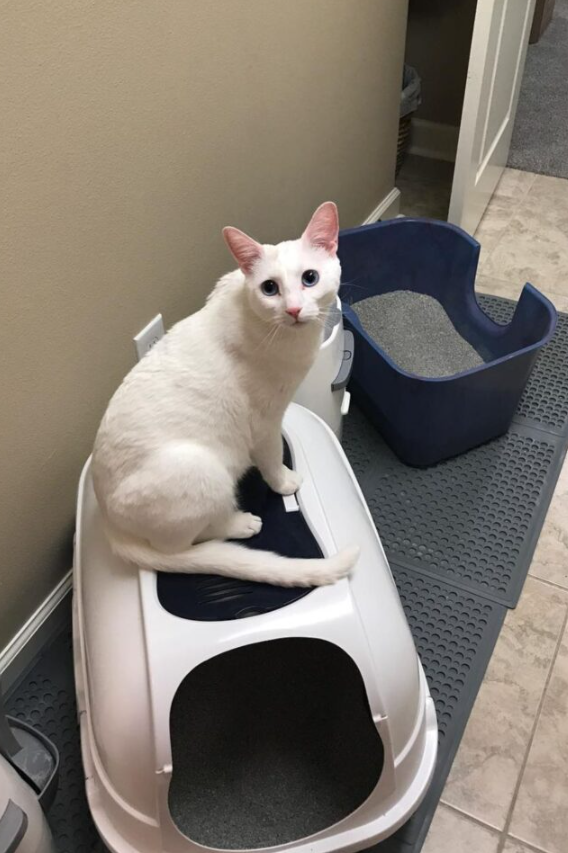
If your cat regularly scatters litter while jumping out of the tray, a top-entry litter box may help reduce the mess.
Unlike traditional designs, this box has an opening on the top. Cats climb inside and step onto the lid when leaving, allowing some loose litter to fall back into the container.
I would consider this design for a bathroom corner, laundry room, or another area where floor space is limited.
The raised sides also help contain litter while your cat digs. Some models have textured lids that catch loose grains from your cat’s paws.
However, top-entry boxes aren’t suitable for every cat. Kittens, senior cats, and cats with mobility problems may struggle to climb in and out. Always consider your cat’s age, size, and comfort before choosing this style.
Mat Zone

A litter mat is a small addition that can make a noticeable difference in keeping your floors clean. Cats often carry litter outside the tray on their paws, and those grains can quickly spread into nearby rooms.
I would create a separate mat zone by placing a large textured mat directly underneath the litter box. The grooves and textured surface help catch loose litter as your cat walks across it.
This arrangement works particularly well in laundry rooms, bathrooms, and hallway corners.
You can choose a waterproof mat that’s easy to shake out or wash. Make sure it has a comfortable surface for your cat and doesn’t slide around when they step on it.
If your cat prefers different litter styles, you can place an open tray and a covered box within the same mat area. This keeps the setup organized while making cleanup easier.
Decor Blend

Your cat’s litter area doesn’t have to look separate from the rest of your home. With the right colors and accessories, I would make it feel like a natural part of the room.
For example, a litter box with a wood-style finish or neutral exterior can blend nicely with nearby furniture. You can place it beside a bookcase, side table, or decorative plant display.
A braided rug or litter-catching mat underneath can also help define the area and make the arrangement look more intentional.
I would use small baskets to store extra litter bags, scoops, and cleaning supplies. Choose containers that match your furniture so they don’t create additional visual clutter.
The main idea is to keep everything practical while making the litter station fit the overall style of your room.
Dual Setup

Some cats prefer open litter trays, while others are more comfortable with covered designs. A dual setup gives them a choice instead of forcing them to use one particular style.
I especially like this arrangement for homes with multiple cats or cats that have different litter preferences.
You can place an open tray and a covered box next to each other in a quiet corner or laundry room. This creates one organized bathroom area rather than spreading litter boxes throughout the house.
You can also use different litter types in each box if your cats are comfortable with them. For example, one may contain clumping litter while the other uses pellets.
Remember to keep both boxes clean and provide enough space around them. Cats need comfortable access, and a crowded arrangement can make the area less appealing.
High Walls
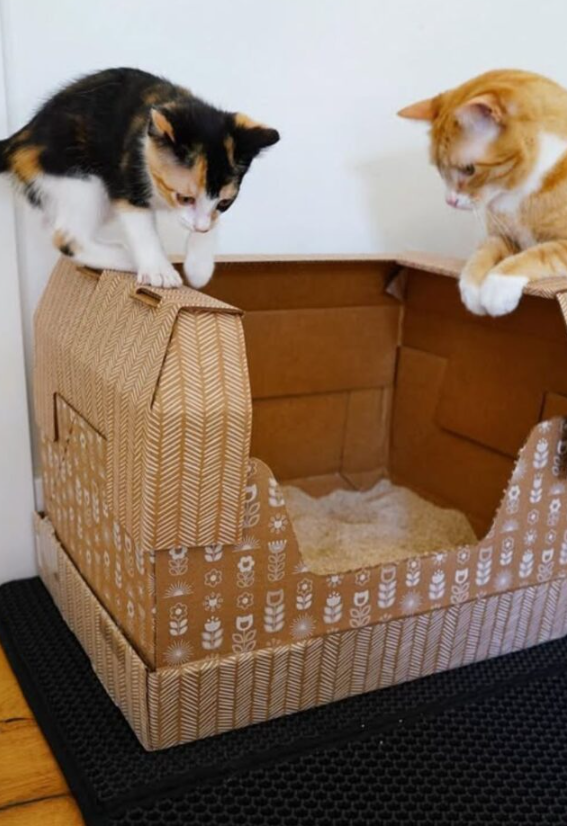
If your cat enjoys digging and regularly throws litter outside the tray, a high-wall litter box can help keep the surrounding floor cleaner.
The tall sides create a deeper enclosure that holds litter inside even when your cat digs enthusiastically. I would place this type of box in a bathroom, laundry room, or utility corner where cleaning is convenient.
Look for a design with a lower entrance at the front. This allows your cat to enter more easily without having to climb over a tall wall.
High-sided boxes are especially useful for cats that tend to scatter litter, but the entrance height still matters. Older cats and cats with mobility issues may need a lower design.
I also recommend placing a washable mat underneath to catch any litter that escapes through the entrance.
Box Hack
If you need a temporary and inexpensive litter station, a sturdy cardboard box can be a useful option.
I would choose a strong delivery box that’s large enough for your cat to enter, turn around, and use comfortably. Cut an opening on one side and place a waterproof plastic tray or liner inside to protect the cardboard from moisture.
A rubber litter mat underneath helps catch loose grains and protects the floor.
This idea is particularly useful during moving days, short-term home arrangements, or when introducing a new cat to a separate space.
However, cardboard absorbs moisture and can become damaged over time. I would treat this as a temporary solution rather than a permanent litter enclosure. Replace it whenever it becomes dirty, damp, or difficult to clean.
Smart Cleaner
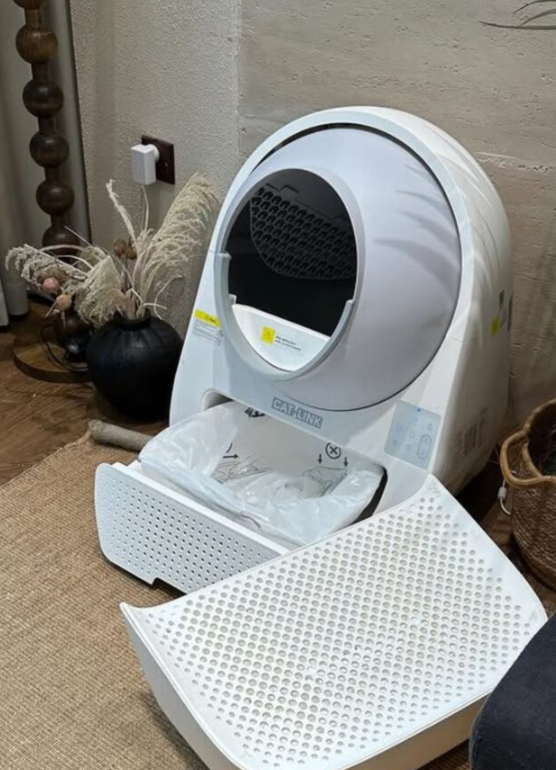
An automatic litter box can make daily cleaning easier, especially in a busy home or a household with multiple cats.
These systems use sensors to detect when a cat has finished using the box. Depending on the model, the unit then separates waste from clean litter and moves it into a collection compartment.
I would place an automatic litter system in a quiet location with enough space around it for your cat to enter and exit comfortably.
A laundry room, utility area, or open corner near a wall can work well. You should also make sure the unit has access to a suitable power outlet if required.
Some models include ramps or litter-catching steps that help reduce scattered grains.
Although automatic systems save time, they still need regular maintenance. Follow the manufacturer’s cleaning instructions, empty the waste compartment, and check that the system is working properly.
Drawer Design
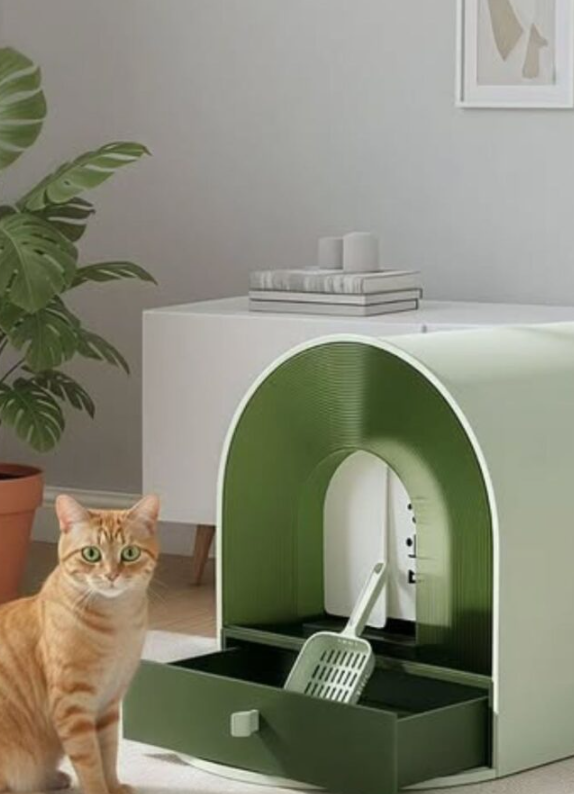
A drawer-style litter box is a practical choice when you want an organized setup that’s easy to clean.
Instead of lifting the entire litter tray or removing a large cover, you can pull out the cleaning drawer to access the litter area. This makes daily maintenance more convenient.
I like furniture-style designs with curved edges and neutral finishes because they look more like small storage units than ordinary litter boxes.
You can place one beside a sofa, against a bedroom wall, or near a workstation where a traditional plastic tray might look out of place.
If the unit includes extra storage, use it for litter bags, scoop holders, and other cleaning supplies.
Before buying one, check the interior dimensions and entrance size to make sure your cat has enough room to move comfortably.
Bin System
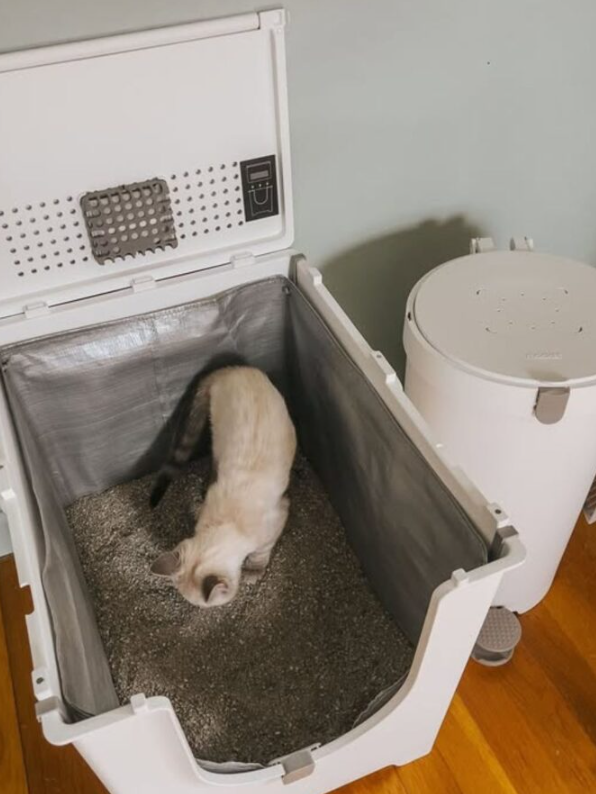
Large litter bags can create clutter when they’re left open in a laundry room or storage corner. A dedicated bin system gives you one place to keep everything organized.
I would use a sturdy storage container with a secure lid for unused litter. This keeps the supplies together and helps protect them from moisture.
If you’re creating a complete litter station, place the main litter box nearby and add a small sealed waste bin for used litter.
Utility rooms, laundry areas, and quiet hallway spaces can work well for this arrangement.
Choose containers that are easy to open and clean. You should also keep fresh litter separate from used litter and waste to maintain good hygiene.
Adding labels to the containers can make it easier to identify cleaning supplies and refill materials without searching through several bags.
Nook Spot
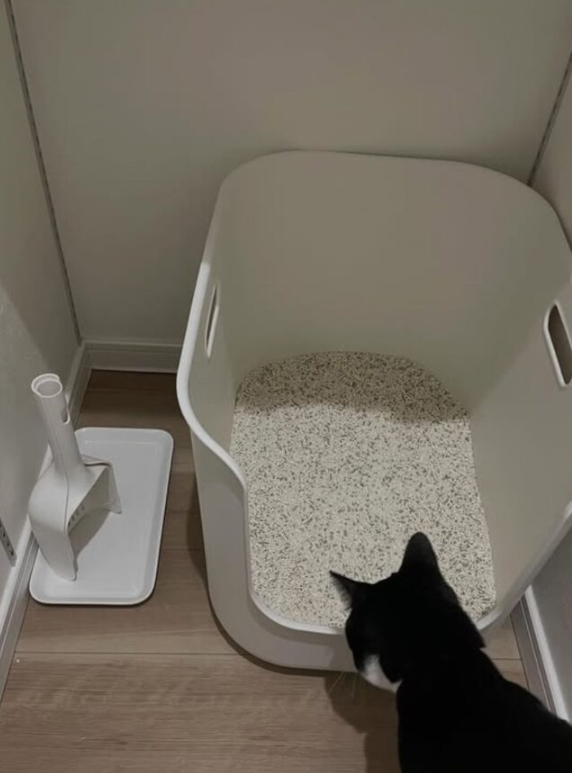
A small unused space between furniture or along a wall can become a useful litter station.
I would look for a quiet nook that’s away from busy walkways but still easy for your cat to access. This can be especially helpful in apartments or homes where every bit of floor space matters.
A tall-sided litter tray can work nicely in these narrow areas because the higher walls help keep litter from spilling outside.
You can place the tray against two walls to create a more contained arrangement. However, avoid squeezing the box into a space that’s too small for your cat to turn around comfortably.
A scoop holder beside the tray and a washable mat underneath complete the setup.
The best part is that you can use an otherwise empty corner without adding a large piece of furniture to your room.
Multi Station
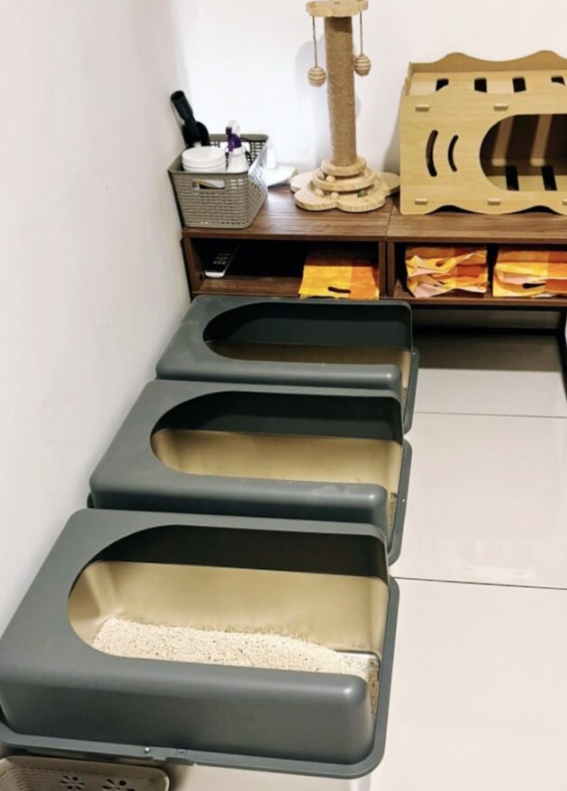
When you have several cats, one litter box may not be enough to keep everyone comfortable. Creating multiple litter stations can help reduce competition and give each cat more privacy.
I would arrange the boxes in separate accessible locations rather than forcing every cat to use the same small area.
If you have enough room, a laundry room, utility area, or quiet hallway can hold more than one station.
You can organize scoops, cleaning sprays, spare liners, and litter bags on a shelf above the boxes. This keeps daily supplies close without taking up additional floor space.
Matching litter trays and storage containers can also make the area look more organized.
For households with multiple cats, a common guideline is to provide one litter box per cat plus one extra. For example, three cats would ideally have four boxes, with placement based on the available space and your cats’ needs.
Plant Disguise
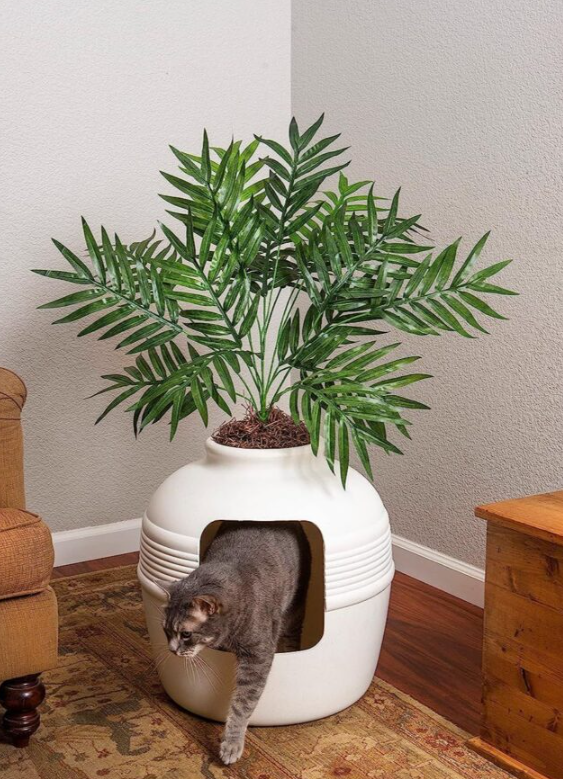
A planter-style litter enclosure is a creative way to hide a litter box while adding a decorative touch to your room.
From the outside, it looks like a large indoor plant pot, but the litter tray sits inside the container. Your cat enters through a side opening that keeps the box hidden from direct view.
I would place this design beside a sofa, near a side table, or in an unused living room corner.
You can choose an artificial plant to complete the look without worrying about spilled water or soil around the litter area.
Make sure the planter has enough interior space for your cat to move comfortably. It should also provide proper ventilation and easy access for cleaning.
I like this idea because it combines decorative storage with a practical pet-friendly purpose.
Cabinet Box
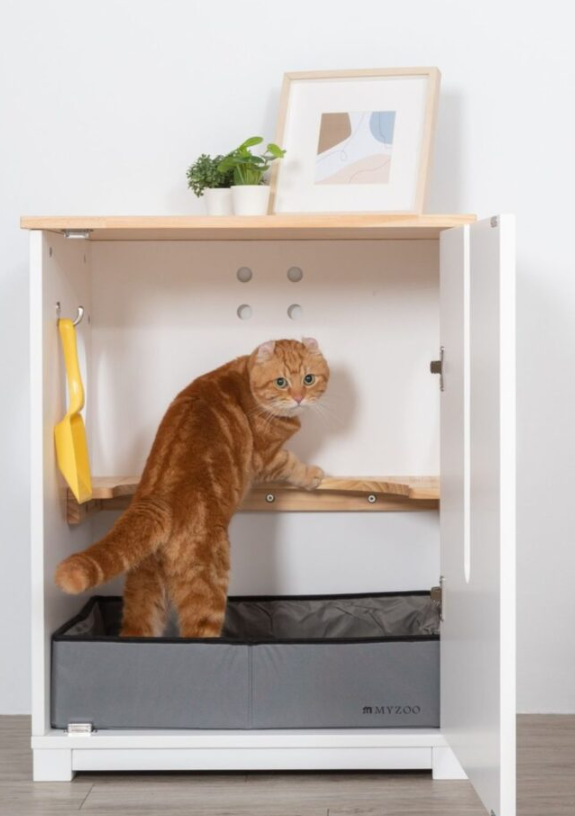
A cabinet-style litter house is another good option when you want to keep the entire litter setup out of sight.
From the outside, it looks like a small storage cabinet or side table. Inside, it provides space for the litter box and sometimes extra room for cleaning supplies.
I would choose a design that matches the nearby furniture so the enclosure doesn’t look like an unrelated addition.
A hallway, bedroom corner, or living room wall can be a suitable location as long as your cat has quiet and easy access.
If you’re converting an existing cabinet, create a comfortable entrance on one side and make sure the interior has enough ventilation. Avoid placing cleaning chemicals or other unsafe supplies where your cat can reach them.
A small internal shelf can also help organize extra litter bags and accessories, provided it doesn’t restrict the cat’s space.
Color Match
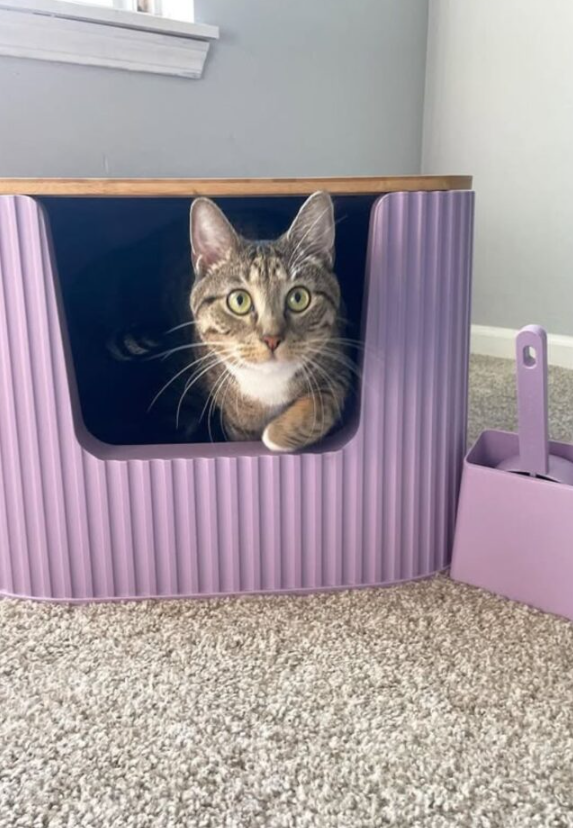
Sometimes the easiest way to make a litter box less noticeable is to choose one that matches your home’s color scheme.
Bright plastic trays can stand out against neutral furniture, but softer shades like beige, gray, white, and pastel colors can blend more naturally with the surroundings.
I would consider this idea for bedrooms, home offices, and other areas where the litter box needs to remain visible but shouldn’t clash with the décor.
You can also coordinate the scoop holder and storage container with the litter box to create a consistent appearance.
If you already have a plain enclosure, you can change its exterior finish to suit your room. Just use materials that are safe for pets and allow everything to dry completely before your cat uses the area.
Small color choices can make a practical pet station look much more intentional.
Twin Boxes

If you have two cats, a twin-box setup can make the litter area easier to organize.
Instead of placing trays in different corners of the house, you can arrange two boxes along one wall with enough space for both cats to use them comfortably.
I would place a large litter mat underneath both boxes to catch loose grains and make cleaning easier.
Choose matching trays if you want the arrangement to look more coordinated. You can also use a low shelf or nearby storage basket for extra litter bags and cleaning supplies.
This setup works best when the cats are comfortable sharing the same general area. If one cat guards the entrance or prevents the other from using the boxes, separate locations may be a better choice.
Keeping the boxes clean and accessible is more important than making them look perfectly matched.
FAQs
Where is the best place to hide a cat litter box in a small home?
In a small home, I would start by looking for quiet corners, laundry areas, hallway ends, or unused spaces beside furniture.
The goal is to keep the litter box out of the main walking area without making it difficult for your cat to reach.
A cabinet enclosure, planter-style litter house, or compact corner station can help save space while keeping the setup less noticeable.
Avoid placing the litter box directly beside food and water bowls or next to loud appliances. Cats generally need a quiet, comfortable location where they can use the box without being disturbed.
How can you control odor when the litter box is inside a living space?
Regular cleaning is the most important part of controlling litter box odors. I recommend scooping out waste at least once daily and following the litter manufacturer’s instructions for replacing and refreshing the litter.
A covered litter box, washable litter mat, and sealed waste container can also help keep the surrounding area cleaner.
Good ventilation makes a difference, too. If possible, choose a location with suitable airflow rather than placing the box inside a completely enclosed space.
You can also use pet-safe odor-control products or activated charcoal designed for litter areas. Avoid strong fragrances that may irritate your cat or discourage it from using the box.