25 Cutting Board Storage Ideas For 2026
I’ve spent a lot of time figuring out optimal ways to store cutting boards in my kitchen. Cutting boards can be bulky yet essential, and proper storage keeps them accessible and in good shape. In this article, I share 25 cutting board storage ideas that work great for 2026 kitchens.
Key Takeaways
- Vertical storage saves counter space and prevents moisture buildup.
- In-drawer dividers keep boards organized and protected.
- Wall-mounted solutions combine functionality with stylish decor.
- Repurposed items like magazine racks make unique storage spots.
- Choosing the right material for storage affects board longevity.
1. Vertical Cabinet Organizers
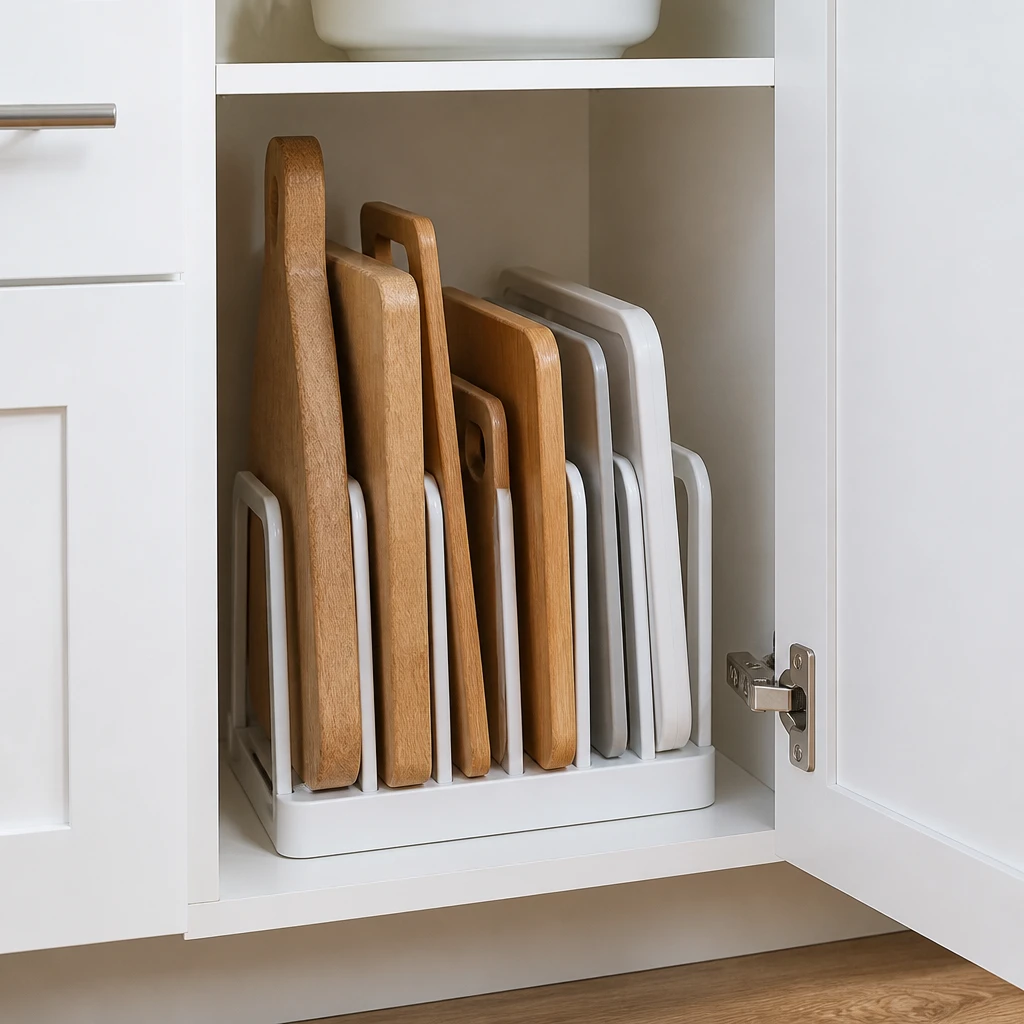
I find vertical cabinet organizers incredibly effective for cutting boards because they allow airflow and keep boards upright. When I use vertical racks inside cabinets, it’s easier to grab a board without disturbing the rest. This method also prevents moisture accumulation by promoting drying.
Pro Tip: Place vertical organizers near your prep zone for quick board access.
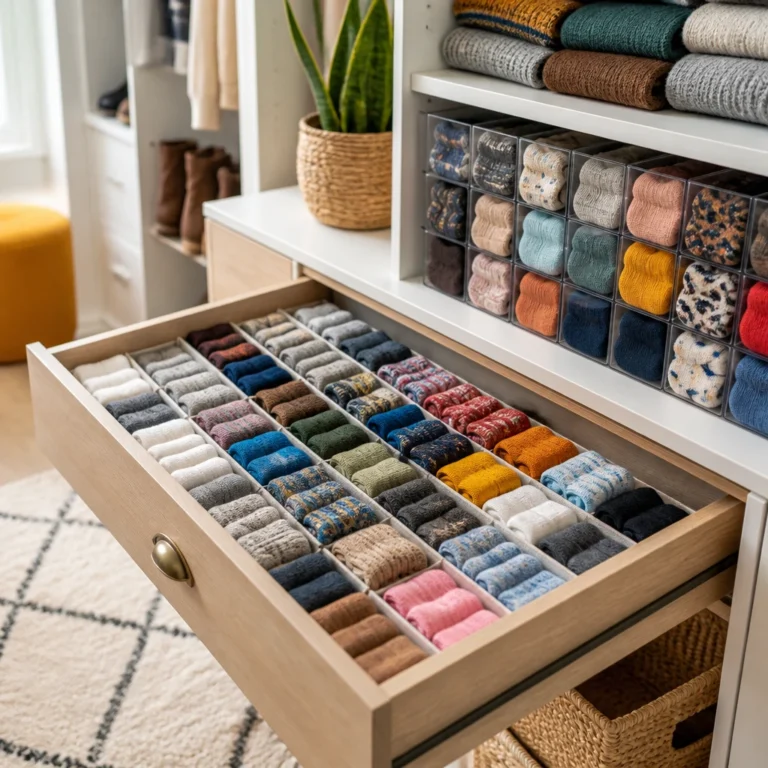
2. In-Drawer Dividers
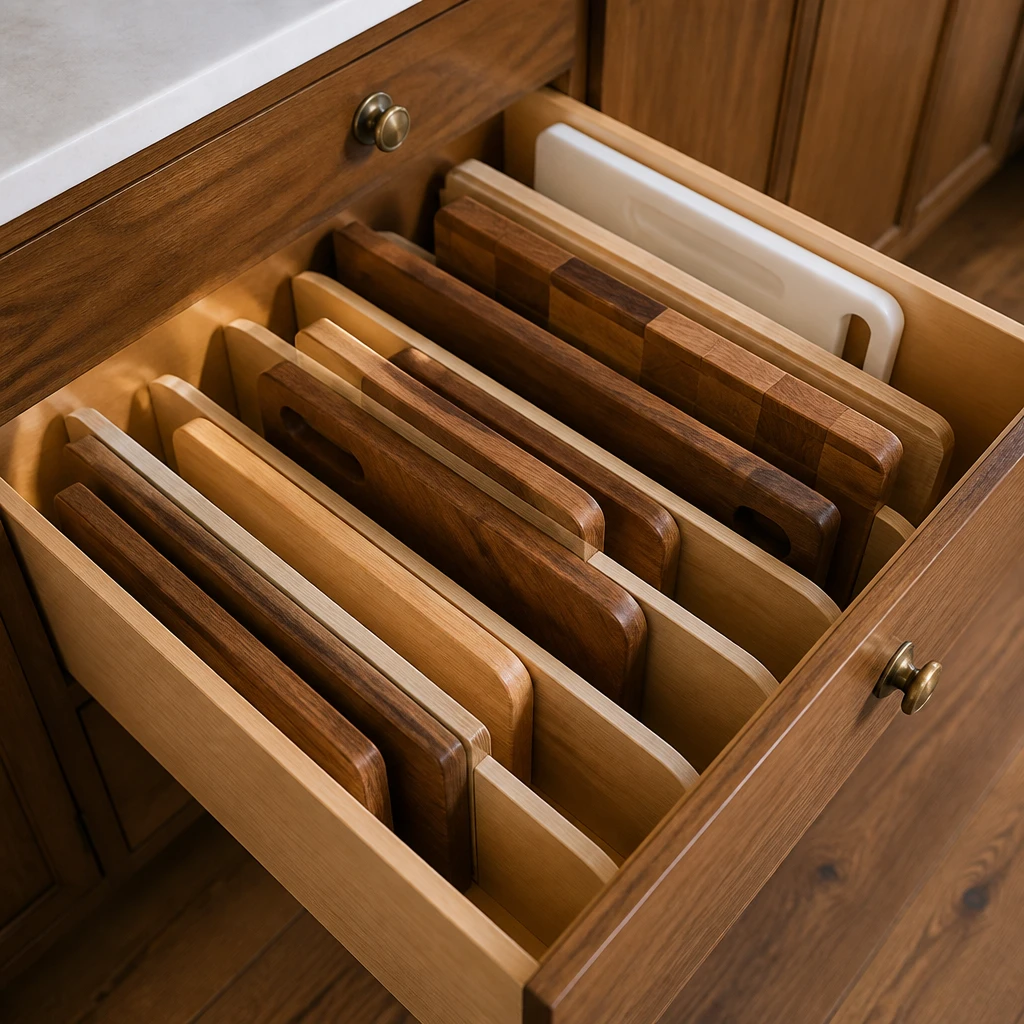
I always use in-drawer dividers to store cutting boards flat but separated, which saves countertop clutter. In my drawer, dividers prevent boards from rubbing against each other, reducing scratches. This setup lets me utilize drawer space efficiently while keeping boards protected.
Pro Tip: Use adjustable dividers to fit cutting boards of various sizes.
3. Wall-Mounted Racks
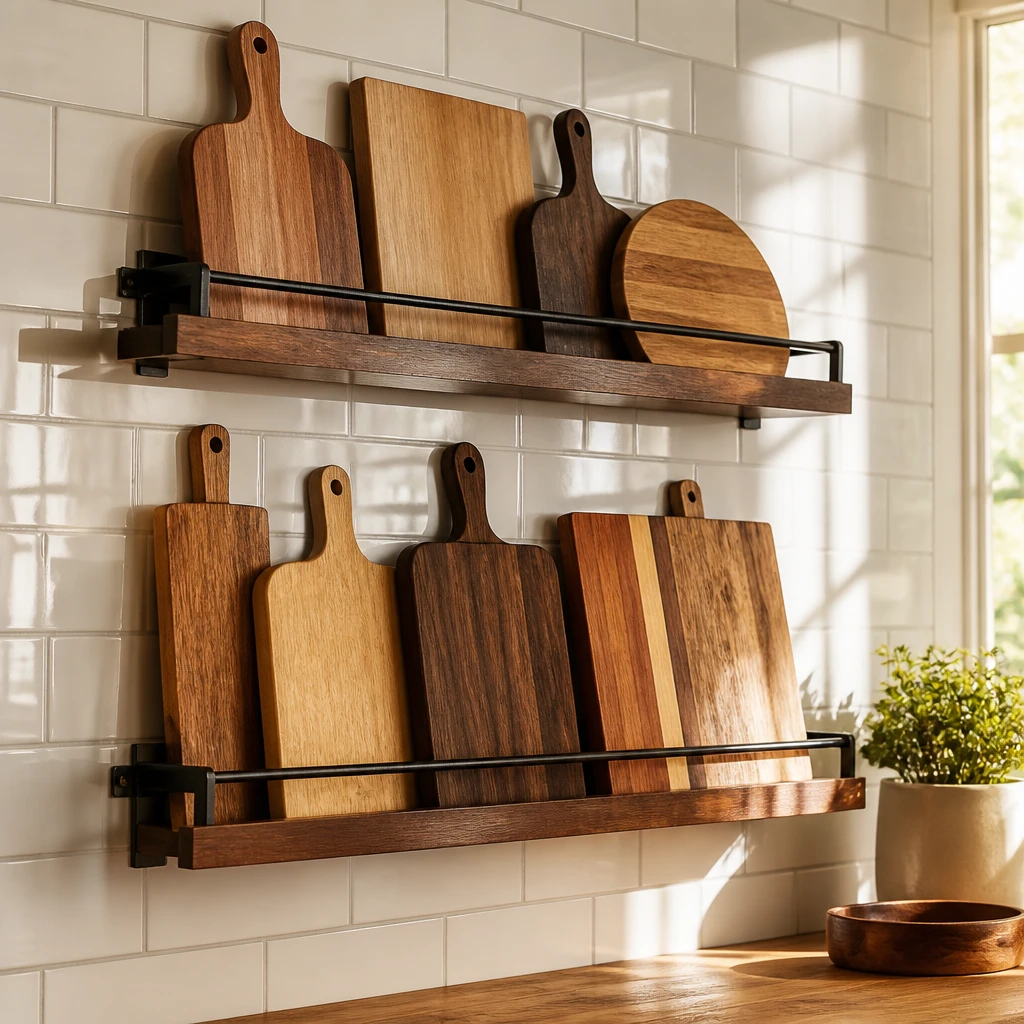
I installed wall-mounted racks in my kitchen to keep cutting boards within easy reach and add rustic charm. This type of storage frees up drawer and counter space while making boards part of the décor. I appreciate seeing my boards displayed attractively on the wall where they dry faster too.
Insight: I find wall racks combine utility and style beautifully.
4. Over-the-Cabinet Door Holders
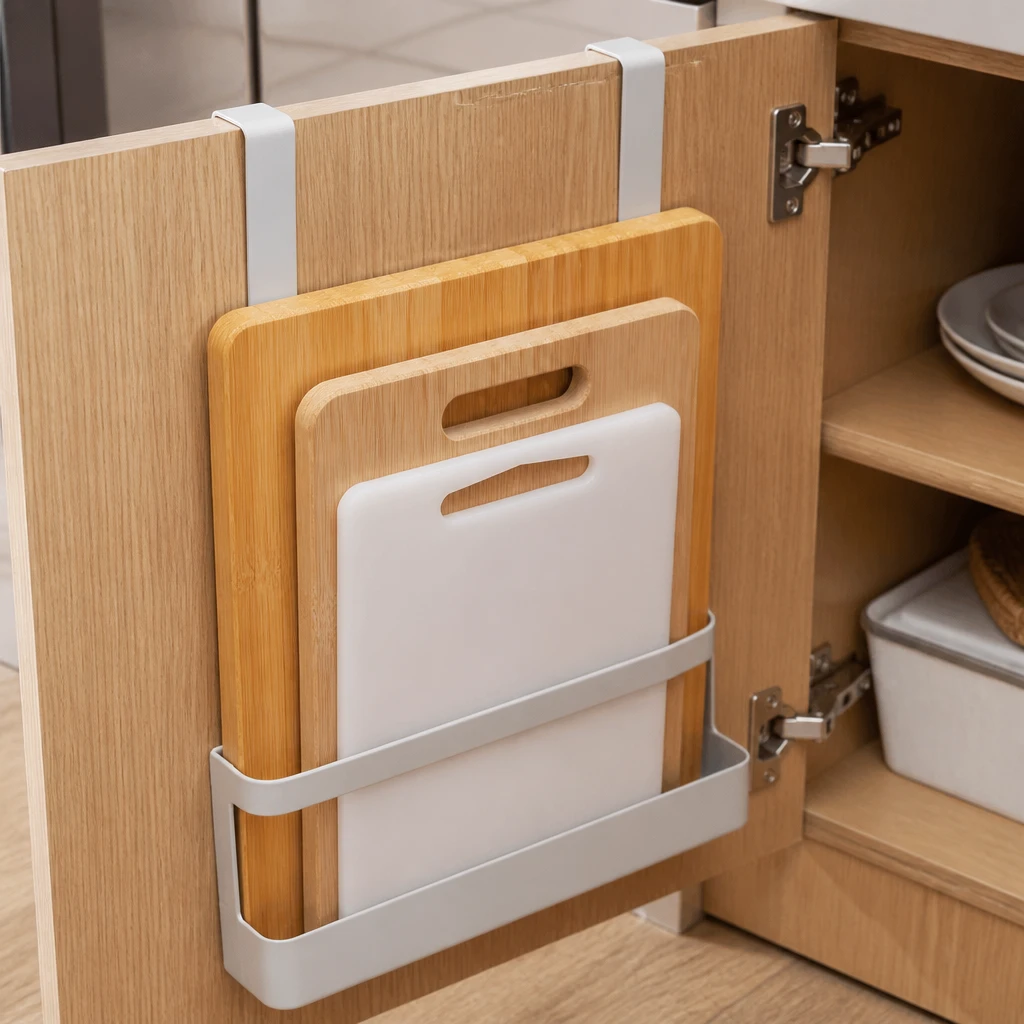
I love using over-the-cabinet door holders because they maximize hidden storage without permanent installation. This solution keeps cutting boards discreetly stored yet easily accessible when I’m cooking. In my kitchen, it helps me keep clutter off my countertops.
Pro Tip: Choose holders with protective lining to avoid cabinet door scratches.
5. Pull-Out Cabinet Shelves
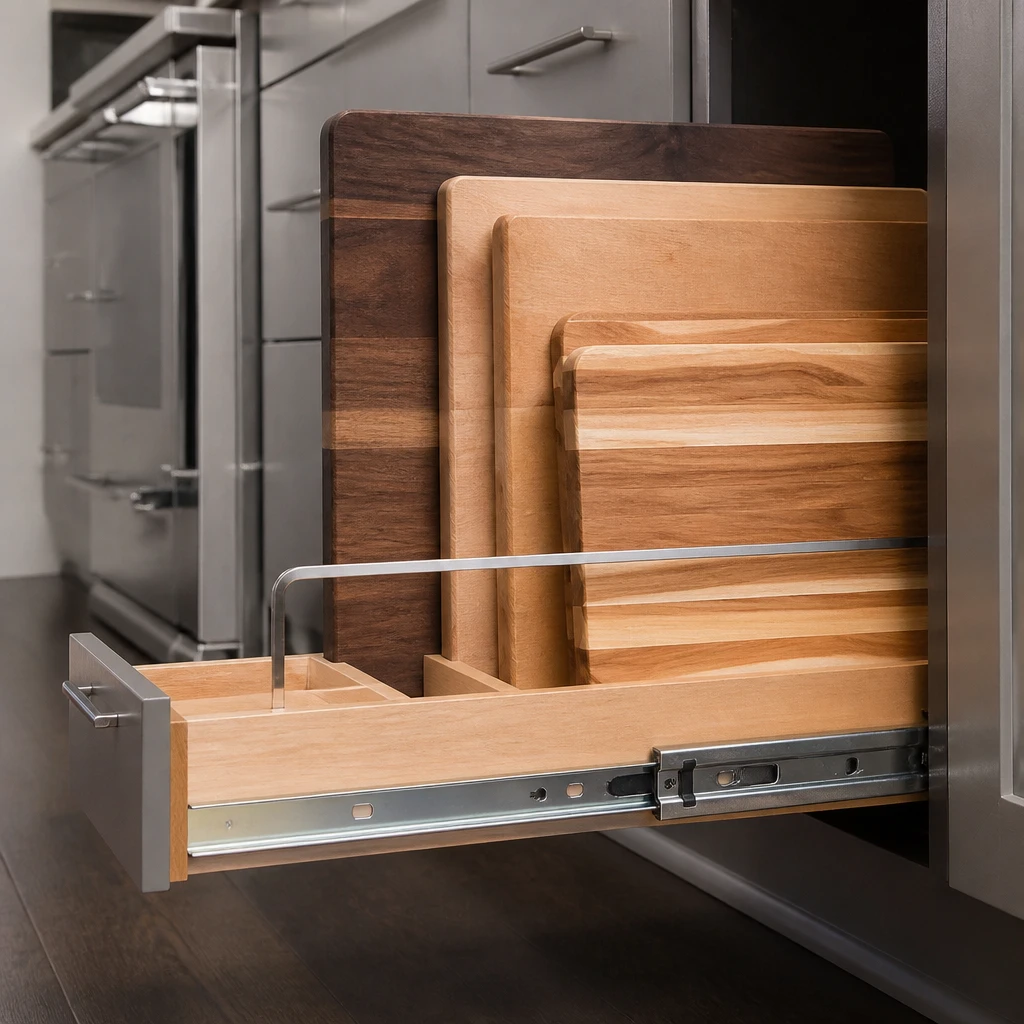
Installed pull-out cabinet shelves transformed how I organize my cutting boards by making all sizes visible and reachable. I simply slide the shelf out, and I see every board lined up neatly. This effortless access encourages me to keep my boards tidy and prevents stacking damage.
Fact: Pull-out shelves reduce bending and reaching during meal prep.
6. Magazine Rack Repurposing
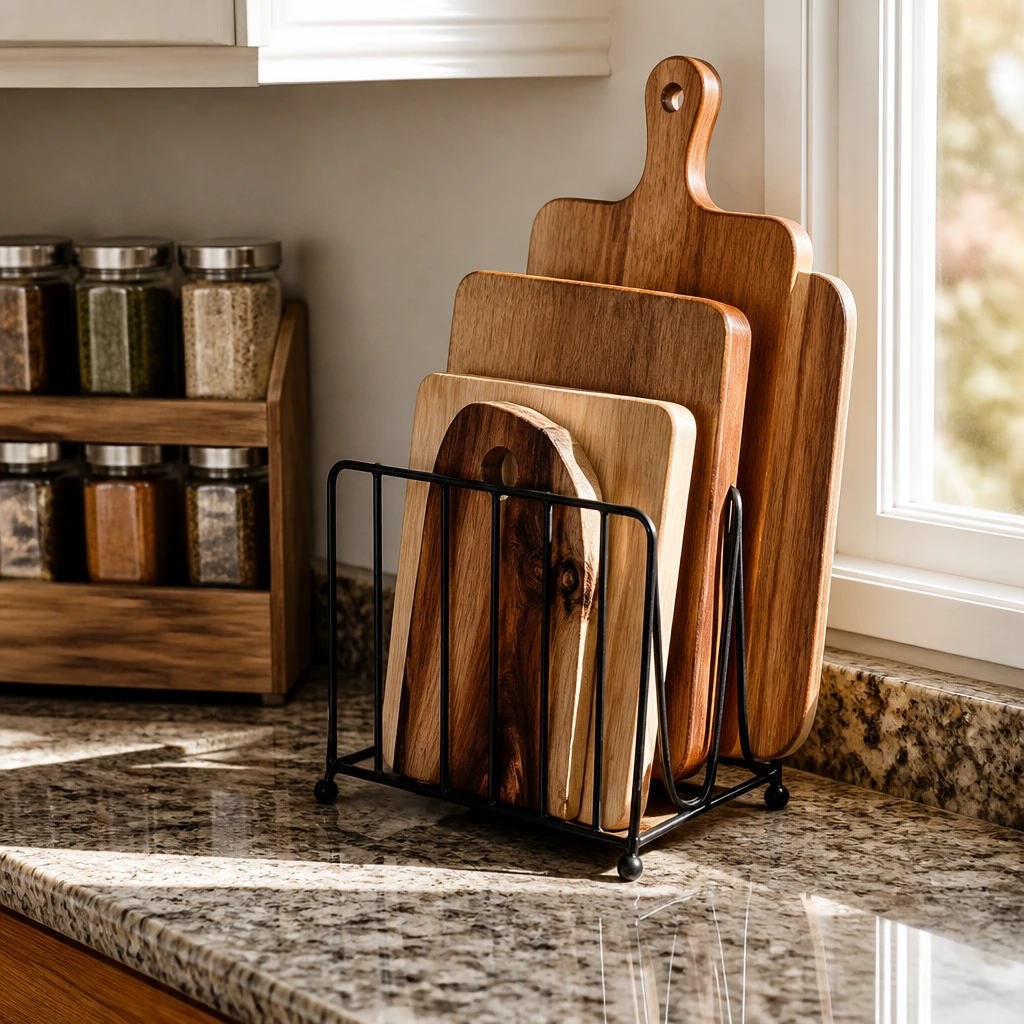
I repurposed an old metal magazine rack on my countertop as a stylish cutting board holder, combining form and function. It keeps my boards neatly separated and upright while adding a quirky element to my kitchen. This makeshift storage is surprisingly stable and easy to clean around.
Insight: I enjoy creatively reusing items to save space and add personality.
7. Built-In Cutting Board Slots
When I renovated my kitchen, I requested built-in cutting board slots in the cabinetry to optimize storage. These shallow slots keep boards upright yet out of the way, with easy slide-in and slide-out. It’s a minimalist solution that seamlessly integrates into my kitchen design.
Fact: Built-in slots help maintain flat boards without warping over time.
8. Pegboards for Adjustable Storage
I installed a pegboard on a blank kitchen wall, which became a versatile spot for storing my cutting boards along with other tools. I can easily move hooks around to fit different board sizes or types. This solution visually declutters the kitchen and keeps boards handy at prep height.
Pro Tip: Use rubber-coated hooks to prevent scratching your cutting boards.
9. Corner Shelves in Lower Cabinets
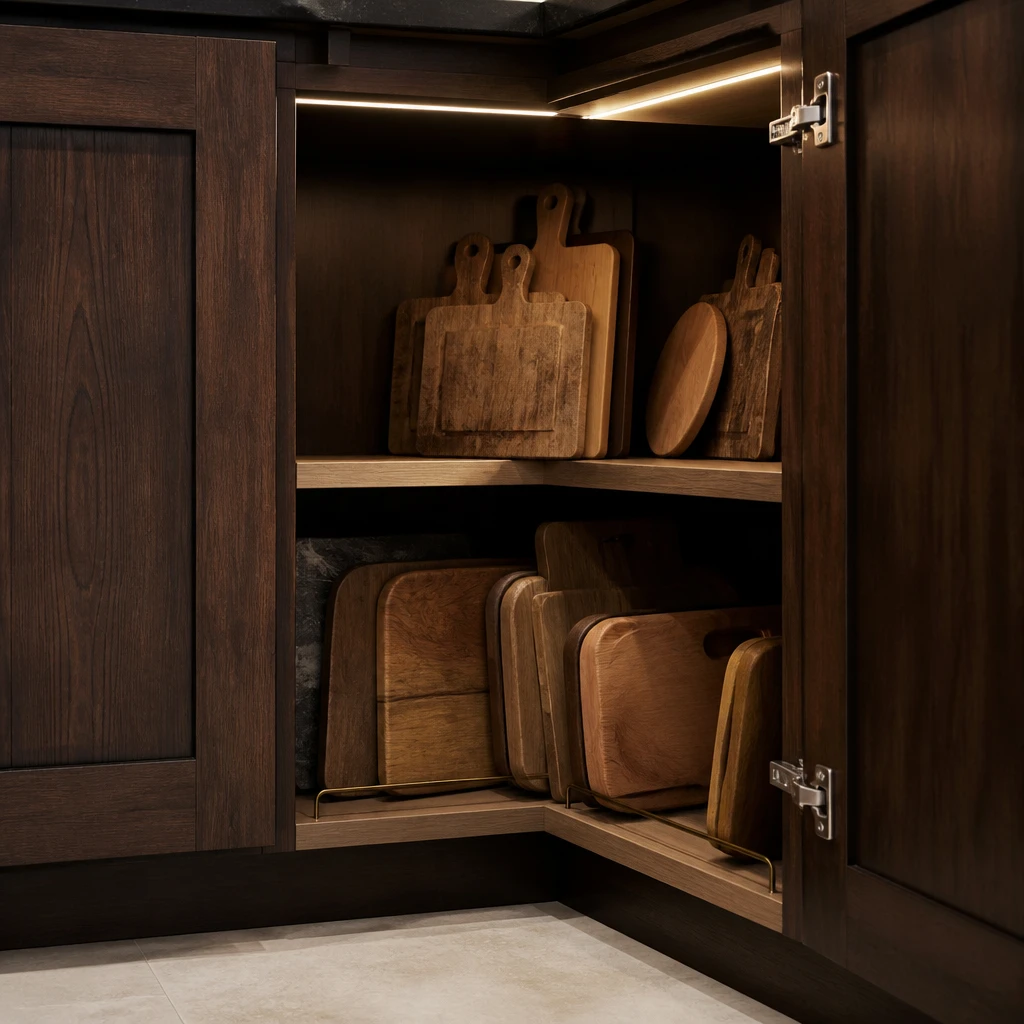
I put corner shelves inside lower cabinets to fully use the often wasted corner space for cutting board storage. This setup allows me to store boards both vertically and flat without them getting lost behind pots. It’s an efficient use of room and keeps everything organized.
Insight: I was surprised how much corner shelving improved my cabinet storage.
10. Under-Shelf Hooks
I hung small hooks under an open shelf to suspend lighter cutting boards by their handles, saving shelf space. This method keeps boards visible and air drying properly after each use. It also adds vertical interest to my kitchen storage setup while keeping tools accessible.
Pro Tip: Secure hooks firmly to hold heavier wooden boards without risk.
11. Storage Baskets on Counters
I use stylish woven baskets to corral my cutting boards on the countertop when I prefer them readily available. This grouping method keeps boards upright and grouped without needing complex installations or drawers. It’s especially helpful in small kitchens lacking storage options.
Insight: I find baskets add warmth and texture to kitchen decor while organizing.
12. Magnetic Strips for Small Boards
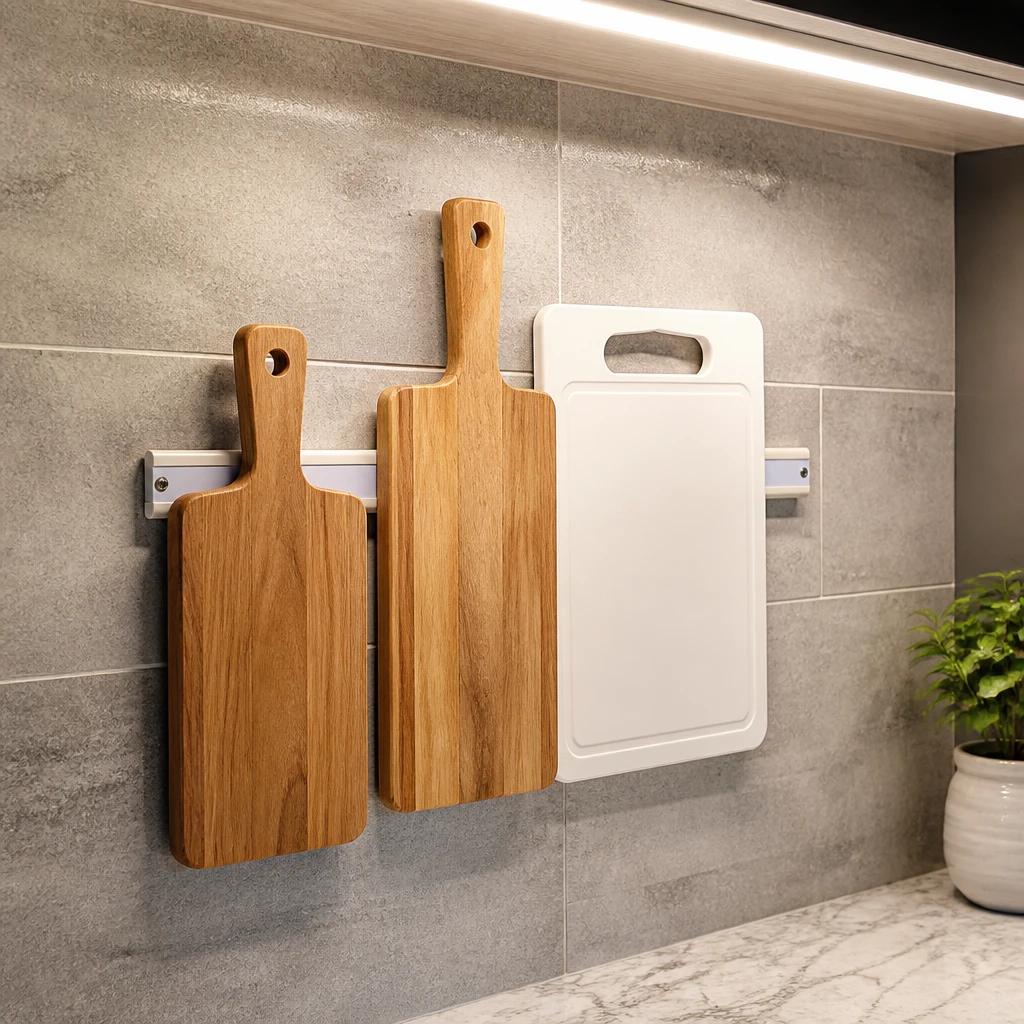
I installed magnetic strips on the backsplash to hold small cutting boards with metal accents or hanging holes. This keeps my smallest boards close at hand and off surfaces, preventing damage. I enjoy the sleek look this creates while optimizing wall space usage.
Pro Tip: Check board material compatibility before using magnetic storage.
13. Sliding Tray Inserts
Sliding tray inserts in cabinets help me compartmentalize my cutting boards neatly with easy pull-out access. I appreciate how this keeps boards flat and separated, reducing wear. It also helps me keep track of the different boards I use for meats, vegetables, or bread.
Insight: Sliding trays combine organization and accessibility for me perfectly.
14. DIY Wooden Divided Cubbies
I built DIY wooden divided cubbies to create a custom storage station for my cutting boards on a shelf. The cubbies keep boards upright and separated while doubling as rustic décor. Making this myself gave me control over sizing and finish to match my kitchen vibe.
Pro Tip: Design cubbies with ventilation gaps to help boards dry properly.
15. Hanging Hooks from Pot Racks
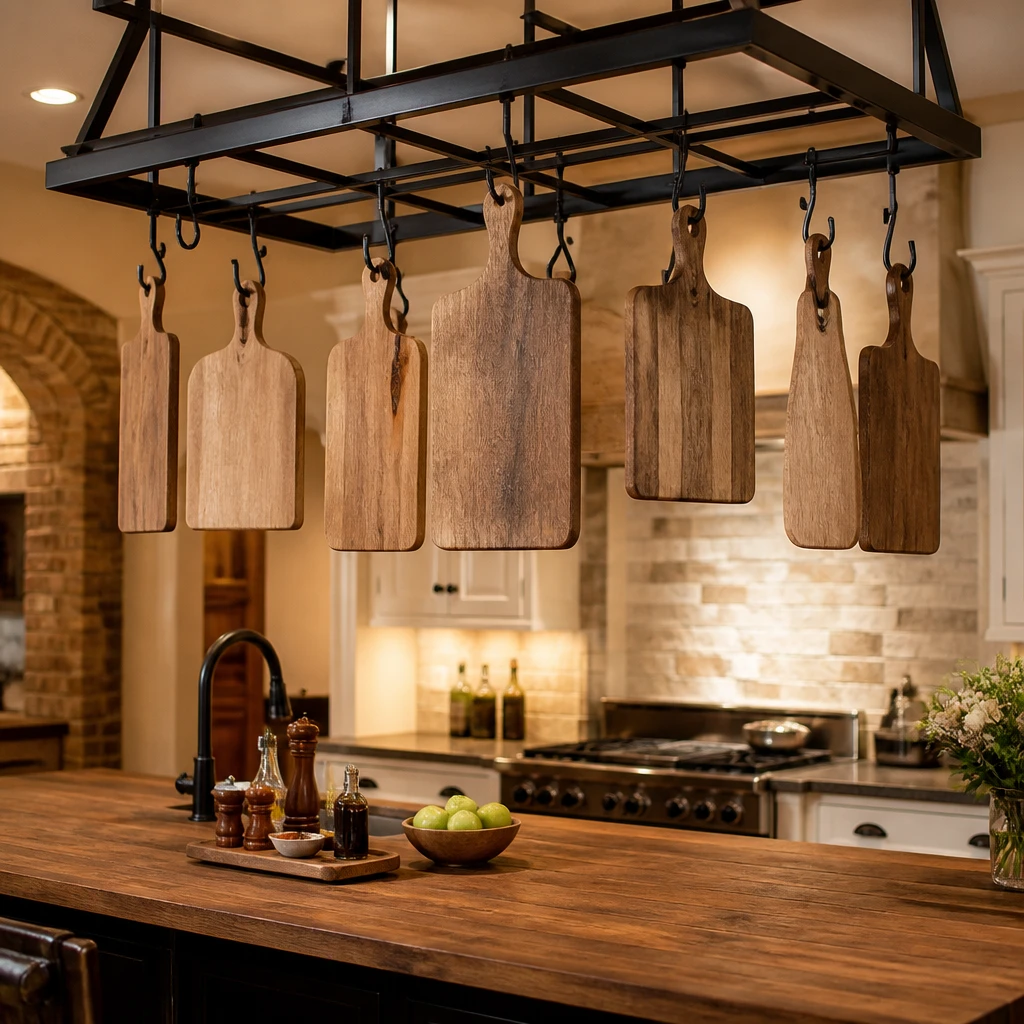
I sometimes hang cutting boards with handles from hooks on my overhead pot rack. This keeps boards accessible and visible without cluttering drawers or counters. The hanging boards add a homey, lived-in charm to the kitchen’s overall look.
Insight: I appreciate the convenience of hanging boards near cooking zones.
16. Shelf Ledge with Built-In Stopper
I use shelf ledges with built-in stoppers inside a cabinet to lean cutting boards neatly without sliding. This prevents boards from tipping or falling when I open the cabinet door. The stopper enhances safety and organization for multiple boards of different sizes.
Pro Tip: Install ledges slightly tilted back to use gravity to secure boards.
17. Clear Acrylic Dividers
I invested in clear acrylic dividers inside a drawer to create an elegant yet functional cutting board organizer. The transparency keeps the look open and modern while allowing me to effortlessly see all boards at once. Acrylic is easy to clean and resistant to moisture buildup.
Fact: Acrylic dividers combine durability with minimal visual intrusion.
18. Rustic Ladder Shelf Display
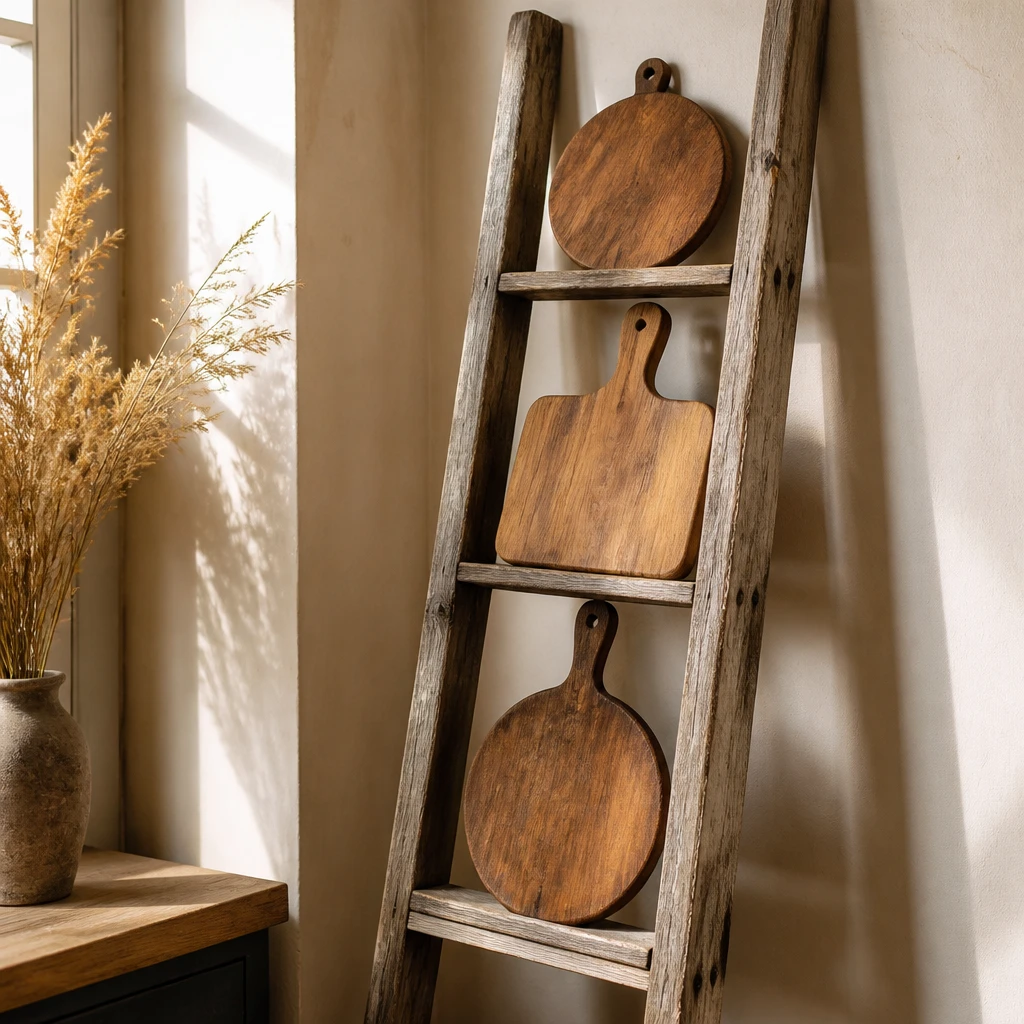
I sometimes display my cutting boards on a rustic ladder shelf leaned against the kitchen wall for a casual, artistic presentation. This gives a layered effect and turns boards into decorative elements. It’s a great idea for open-plan kitchens where storage and style blend.
Insight: I love how this storage doubles as charming kitchen décor.
19. Multifunctional Kitchen Island Storage
I integrated cutting board storage into my kitchen island with vertical slots and shelves, making use of central workspace furniture. This placement puts boards right where I prep food and frees up wall and cabinet space. It’s both convenient and efficient for busy cooking days.
Pro Tip: Combine storage with island prep areas to centralize kitchen workflow.
20. Stacking Trays with Handles
Stacking trays let me pile cutting boards neatly while easily separating them with handles for removal. This vertical stacking saves space and keeps boards protected from direct contact. I especially recommend this for kitchens with limited drawer and cabinet areas.
Pro Tip: Select trays with cushioned handles to avoid damaging edges.
21. Repurposed Plate Racks
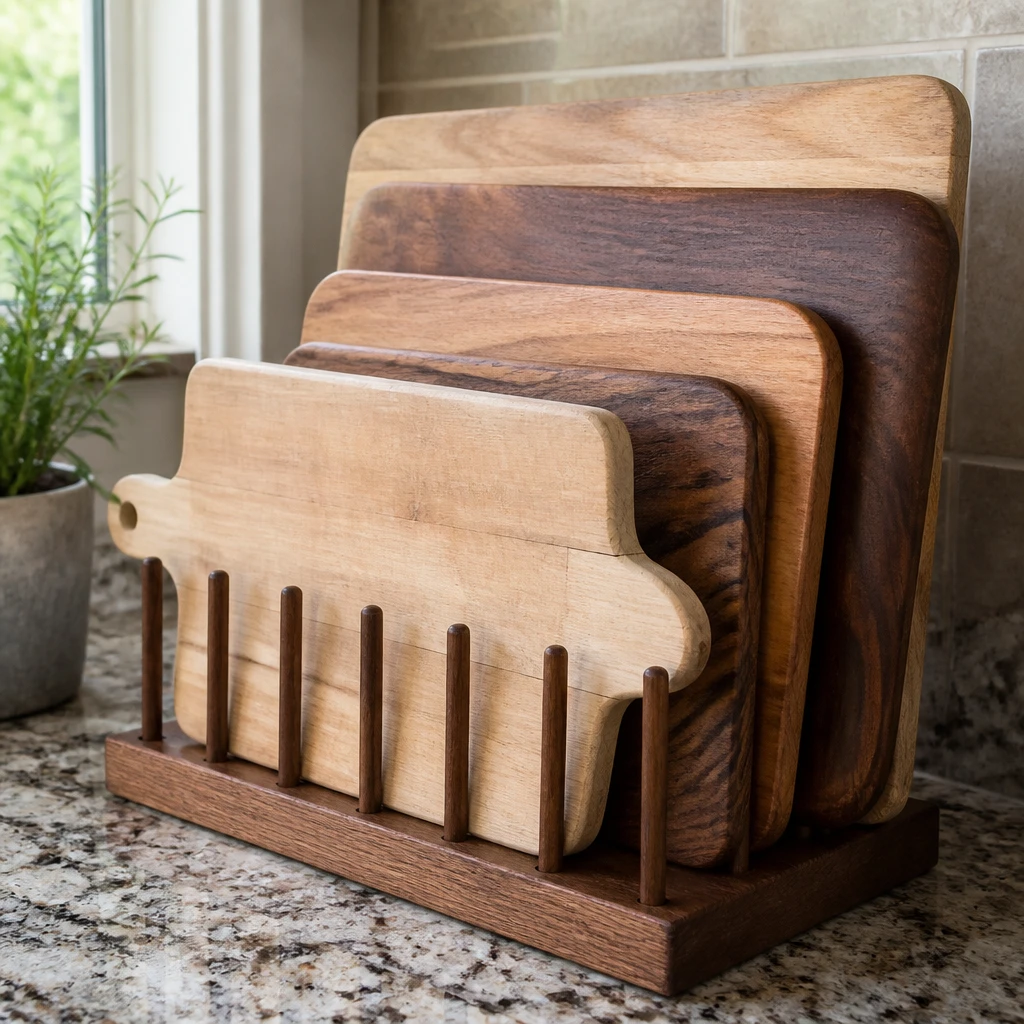
I turned an unused plate rack into a dedicated cutting board holder, leveraging its vertical slots. The repurposed rack keeps boards separated and visible while fitting nicely on a countertop or in a cabinet. This approach extends the life of old kitchen organizers creatively.
Insight: I enjoy turning kitchen storage solutions into multipurpose items.
22. Recessed Wall Niches
I created recessed niches in my kitchen walls specifically to store cutting boards vertically with a snug fit. This built-in storage looks seamless and saves floor space, blending with kitchen cabinetry. The niches also aid airflow around the boards, helping them stay dry.
Fact: Wall niches provide hidden yet accessible cutting board storage.
23. Tall Freestanding Racks
I placed a tall freestanding rack near my prep counter to stack cutting boards vertically by size and type. This mobile unit allows easy rearrangement and cleaning underneath. It’s especially helpful for kitchens without adequate built-in storage options.
Pro Tip: Pick freestanding racks with rubber feet to protect your floor surface.
24. Corner Countertop Stands
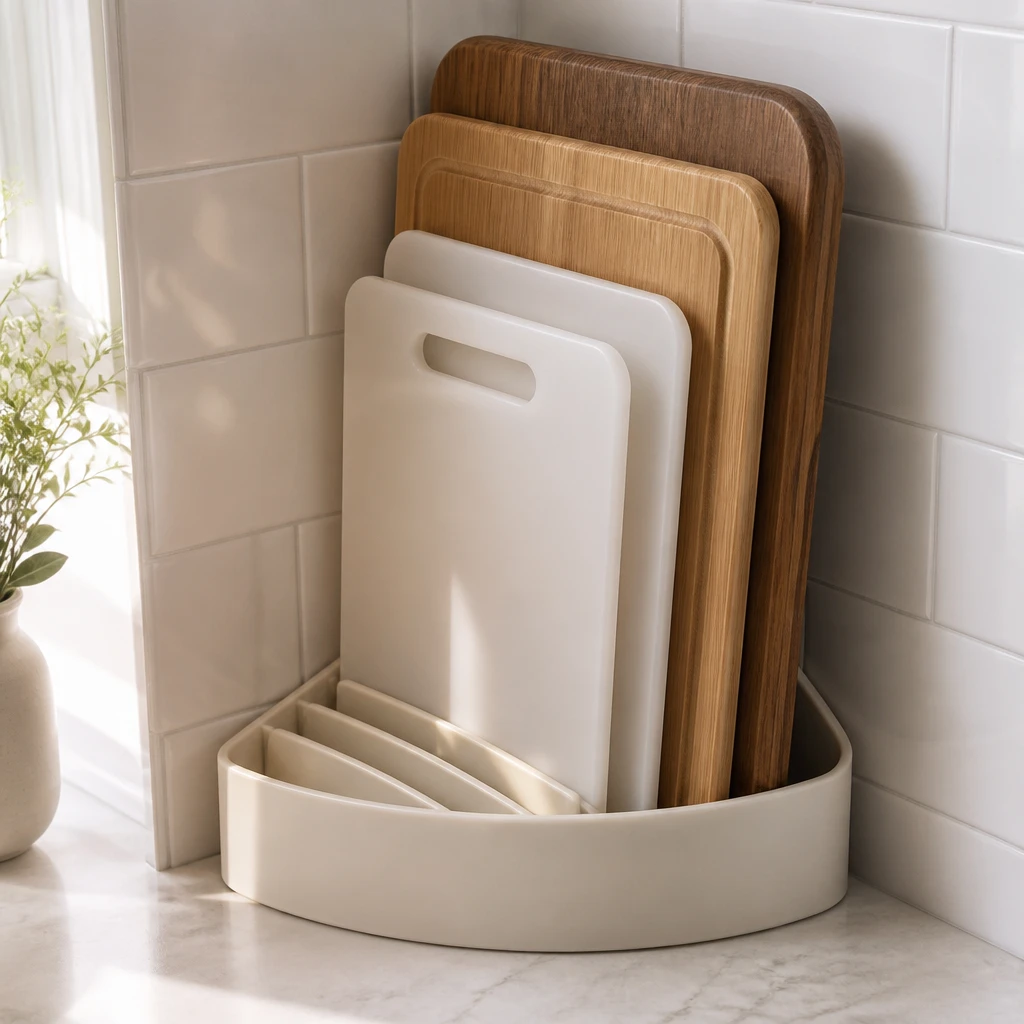
Using corner countertop stands keeps my cutting boards neatly contained in an often-unused corner near my stove. This setup frees central counter space but keeps boards close when I cook. I prefer stands with compartments to sort boards for different food prep tasks.
Insight: I effectively utilize corners to maximize kitchen countertop space.
25. Mounted Wooden Slats
I attached wooden slats horizontally on a kitchen wall to lean cutting boards against securely and decoratively. This simple solution creates an artful display that’s practical for drying and quick access. I recommend sanding the slats edges to avoid board damage.
Pro Tip: Smooth slat edges to prevent scratches on your cutting boards.
FAQs ( Frequently Asked Questions )
Conclusion
After trying various cutting board storage methods, I’ve learned that combining practicality with accessibility matters most. Each idea I shared supports keeping your boards safe, dry, and easy to grab. I hope these options inspire your kitchen organization for 2026.