22 Above Fridge Storage Ideas for 2026
The space above and around a refrigerator can be useful for much more than storing things you rarely use. With the right setup, I can turn this often-wasted area into organized cabinets, open shelves, a small pantry, or an attractive display. From clear storage bins and tray dividers to wine racks, glass cabinets, and decorative plants, there are plenty of ways to make this space work harder. The best choice depends on my kitchen layout, cabinet height, and storage needs. These above-the-fridge storage ideas offer practical ways to save cabinet space, organize kitchen essentials, and give the refrigerator area a cleaner look.
Key Takeaways
- Built-in cabinets: Add extra storage that blends with the existing kitchen design.
- Clear storage bins: Keep deep cabinets organized and make items easier to find.
- Tray dividers: Store baking sheets, cutting boards, and cooling racks vertically.
- Open shelves: Use empty wall space for dishes, jars, cookbooks, and decorations.
- Decorative storage: Add baskets, plants, and colorful dishes to make the area look finished.
- Safety first: Avoid heat-sensitive items and heavy objects in high cabinets, and follow the refrigerator manufacturer’s ventilation requirements.
Built-in Cabinets
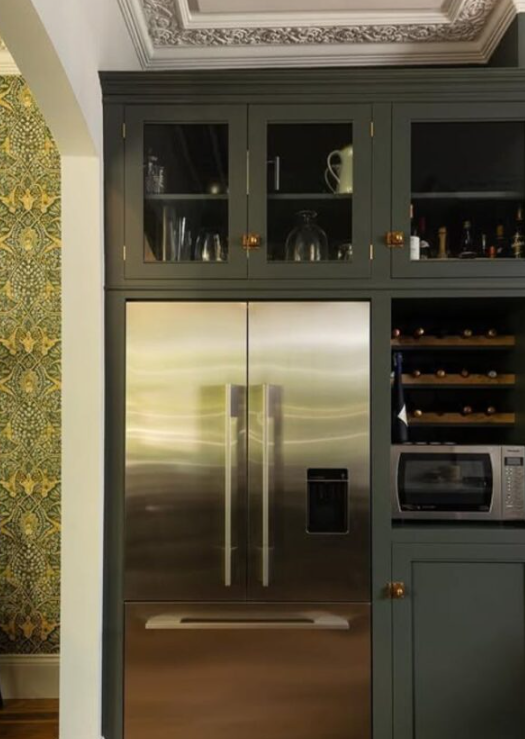
I can make the area above my refrigerator more useful by adding built-in cabinets that match the rest of the kitchen. This creates extra storage without making the room feel crowded.
Glass-front cabinets work well for mugs, drinking glasses, and serving dishes that I want to display. An open middle section can hold suitable appliances or decorative items, provided there is enough room for safe operation and ventilation.
Cabinets that extend toward the ceiling also reduce the exposed surface where dust can collect. Before installing them, I would check the cabinet depth, door clearance, and refrigerator ventilation requirements.
Floating Shelves

Floating shelves are a simple way to use the wall above a compact refrigerator without installing full cabinets. Wooden shelves can hold bowls, glasses, small dishes, and a few cookbooks while keeping frequently used items accessible.
I would place everyday items on the lower shelf and reserve the upper shelf for lightweight decorations, baskets, or glass bottles. Light-colored wood can help a small kitchen feel more open than bulky cabinetry.
For a balanced look, I would choose shelves that extend slightly beyond the refrigerator’s width. Proper wall anchors and sturdy brackets are important, especially when storing dishes or breakable items.
Side Shelves
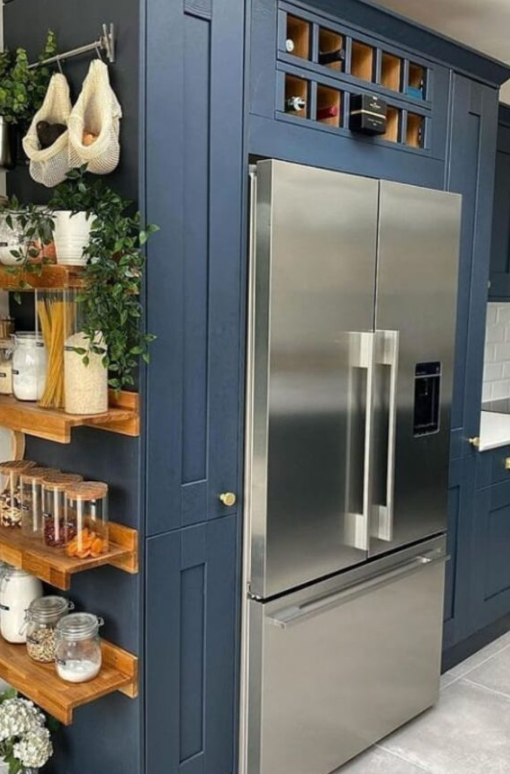
The narrow space beside a refrigerator enclosure can become useful storage when fitted with slim shelves. I can use this area for spice jars, dry pasta, small containers, and other pantry essentials.
I would arrange similar items together on separate levels so everything has a clear place. For example, spices can go on one shelf, small jars on another, and frequently used ingredients within easy reach.
Light wood shelves can create an attractive contrast against darker cabinets. In a small kitchen, I would measure the available width carefully to ensure the shelves do not block walkways or interfere with the refrigerator door.
Tray Dividers
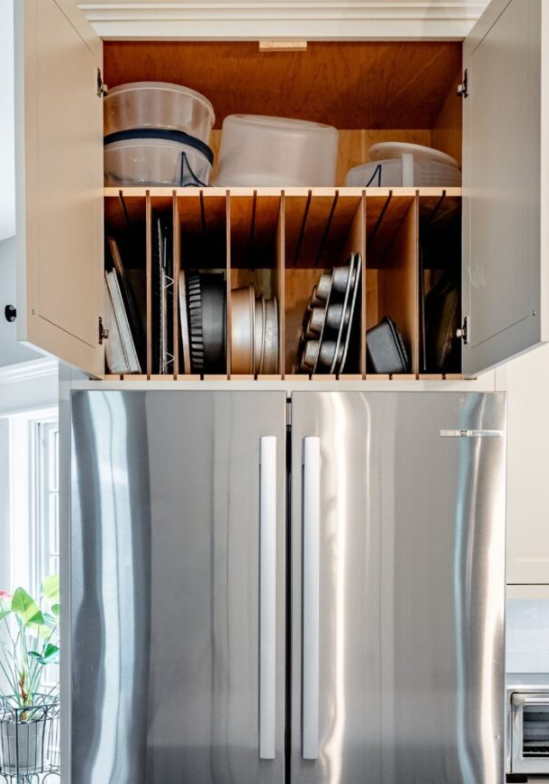
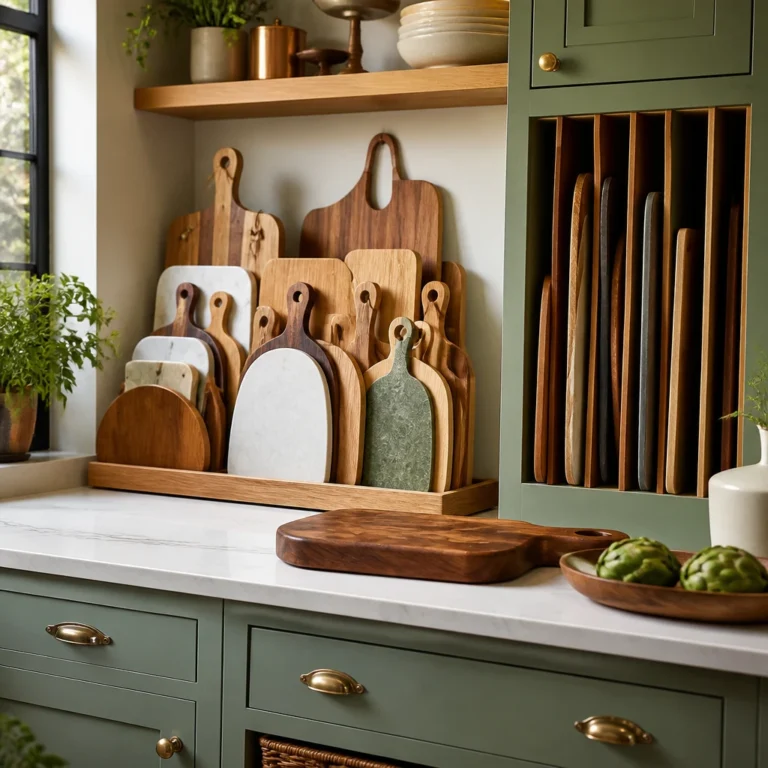
Baking sheets, cutting boards, and cooling racks can become difficult to manage when stacked flat inside a deep cabinet. Vertical tray dividers solve this problem by giving each item its own slot.
I can install adjustable wire organizers or fitted wooden separators inside an existing cabinet. This arrangement makes it easier to remove one baking sheet without lifting an entire stack.
Keeping trays separated can reduce scratches and prevent items from sliding around when the cabinet door opens. Before choosing a divider, I would measure the cabinet to make sure larger trays fit comfortably.
Clear Bins

Deep cabinets above the refrigerator can easily become cluttered because smaller items disappear behind larger ones. Clear storage bins make the contents easier to identify and keep similar supplies together.
I would use separate bins for lightweight containers, serving accessories, spare kitchen tools, and other items I do not need every day. Simple labels make it easier to find things without pulling every container out.
For high shelves, I prefer lightweight bins with comfortable handles. Instead of reaching blindly into the back of a cabinet, I can pull down one container and see what it holds.
Display Niche
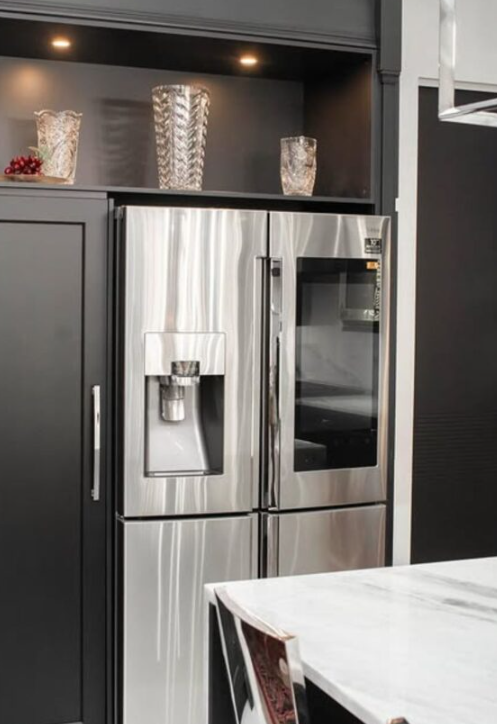
A recessed niche above the refrigerator can turn an empty area into a decorative kitchen feature. It provides a place for glass pitchers, serving bowls, vases, or a few carefully chosen display pieces.
I would keep the arrangement simple rather than filling every inch with small objects. A few larger pieces usually create a cleaner look and are easier to dust.
Soft interior lighting can highlight the display and make the refrigerator wall feel more finished. In a new kitchen, I would consider a built-in niche that matches the surrounding cabinets so the storage feels like part of the original design.
Wine Storage
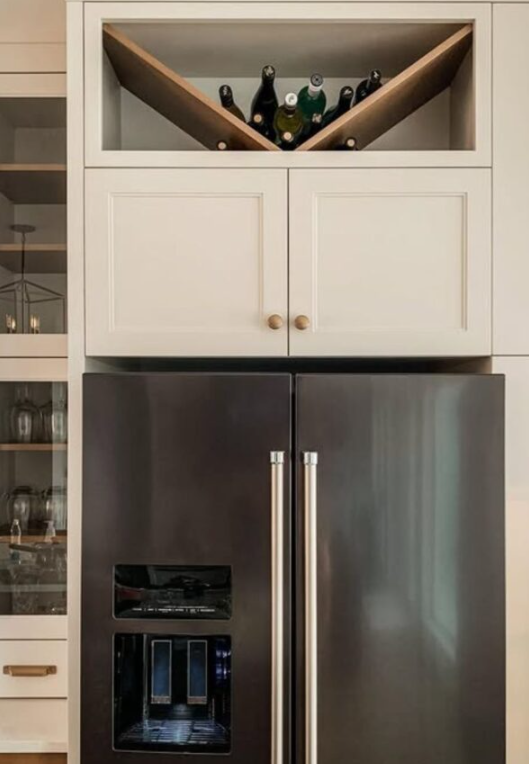
A cabinet above the refrigerator can provide a dedicated place for wine bottles when there is no room for a separate wine cabinet. A fitted rack with individual compartments helps keep bottles organized and prevents them from rolling around.
I would measure the cabinet first and choose a rack that fits securely without wasting too much space. A wooden rack can also add warmth to the kitchen, particularly when it matches the surrounding cabinetry.
However, the area above a refrigerator may become warmer than other parts of the kitchen. Since heat and temperature changes can affect wine quality, I would choose a cooler, more temperature-stable location for long-term wine storage.
Bottle Racks
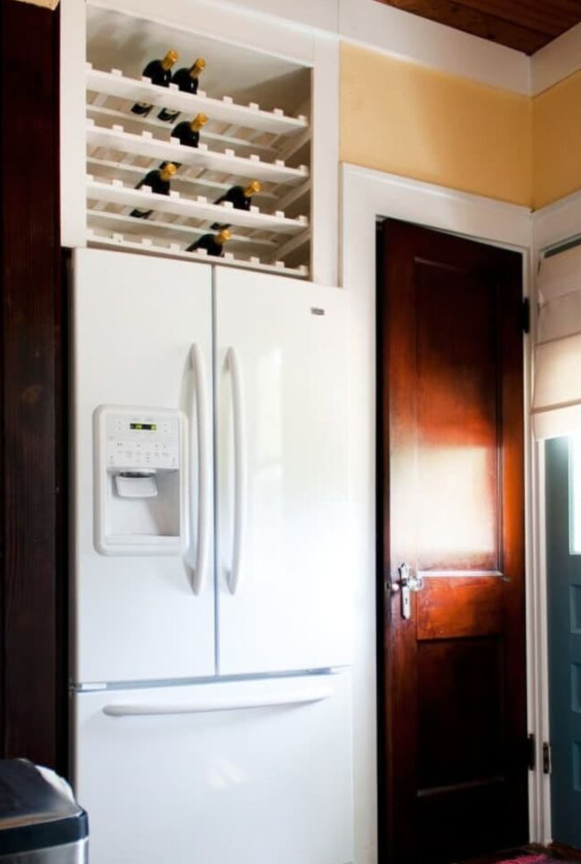
When bottles are scattered across different cabinets, it becomes harder to keep track of the collection. A multi-level bottle rack can create a more organized arrangement above the refrigerator.
Horizontal compartments keep bottles separated and make their labels easier to see. This is helpful when I want to find a particular bottle without moving several others.
Before installing a rack, I would check the cabinet dimensions and make sure it can support the combined weight of the bottles. An open rack can also create a small display without using valuable counter space.
Wine Shelf
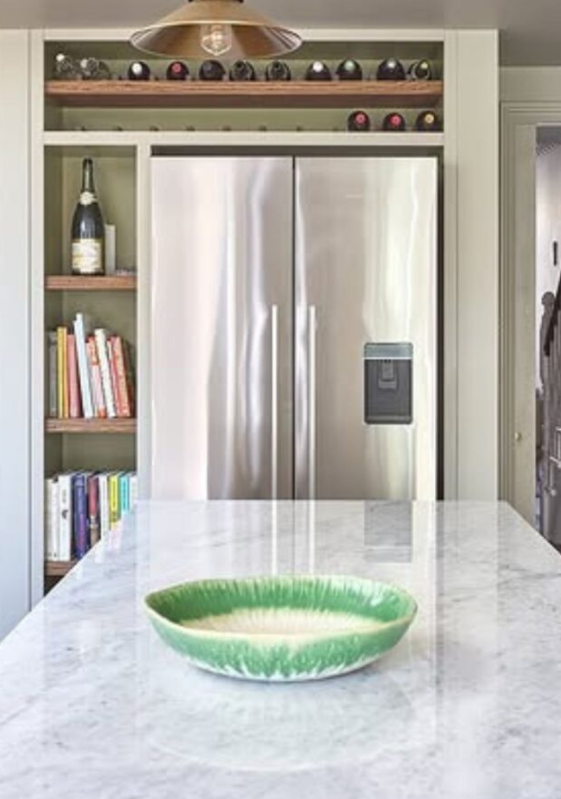
A narrow shelf can provide a simple display for a few wine bottles when a full cabinet is unnecessary. It works particularly well when the refrigerator sits between two cabinets and there is a suitable space above it.
I would choose a shelf with enough depth to support the bottles securely. A raised front edge or retaining rail can help prevent them from rolling forward.
Temperature is another important consideration. Because the refrigerator’s upper area may experience heat from its operation, I would use this idea for decorative bottles or choose a cooler location for wine that needs stable storage conditions.
Storage Bins

Large storage bins can turn a cluttered cabinet above the refrigerator into an organized storage zone. Rather than placing unrelated items together, I can assign each bin a clear purpose.
For example, one bin could hold baking accessories, another could store spare kitchen towels, and a third could contain lightweight serving items. Using matching containers also gives the cabinet a more consistent appearance.
I would choose bins that are easy to lift down and wide enough to use the available shelf space efficiently. Handled baskets can be especially helpful in deep cabinets, although heavy items should stay in lower storage areas.
Pantry Extension
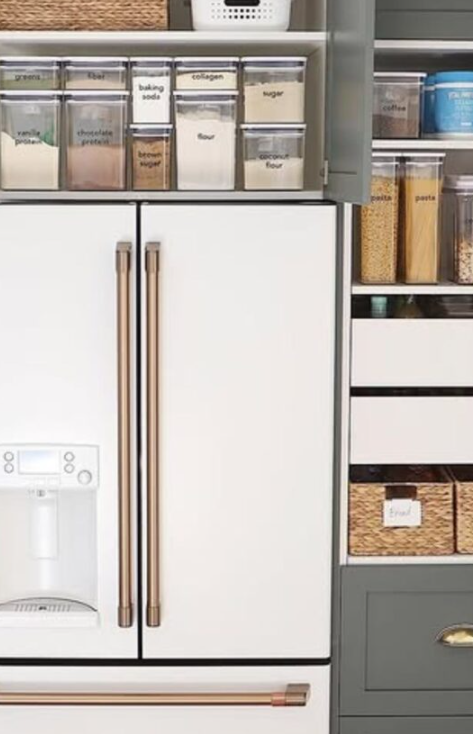
The cabinet above the refrigerator can serve as an extension of the pantry when I organize it around dry goods and occasional-use ingredients. Airtight containers are useful for flour, sugar, pasta, rice, and other suitable pantry staples.
Clear containers make it easier to check quantities before shopping, while labels help identify ingredients quickly. I would keep baking supplies together on one shelf and group other dry goods separately to avoid creating a crowded cupboard.
Before storing food there, I would check the temperature conditions. Since the refrigerator can release heat during normal operation, I would avoid storing temperature-sensitive foods in a warm area and keep frequently used ingredients on accessible shelves.
Basket Display
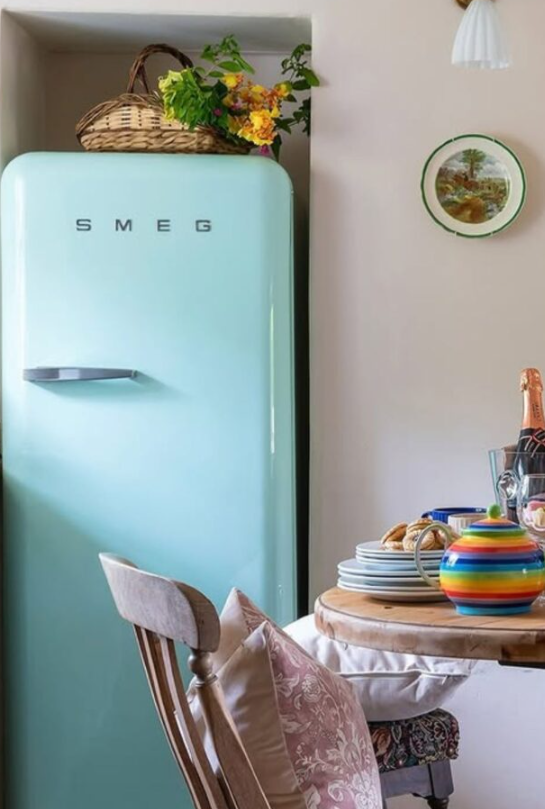
A woven basket can make the space above a built-in refrigerator look warmer while providing a place for lightweight kitchen supplies. It can hold spare tea towels, table linens, seasonal decorations, or other items that do not need to be accessed every day.
I would choose a basket that fits the available opening without sticking out awkwardly. Natural materials such as wicker can complement wooden cabinets and soften the appearance of modern appliances.
For a decorative touch, I could add artificial flowers or another lightweight accent. If I use a real plant, I would make sure watering is practical and that moisture cannot drip onto the refrigerator or nearby electrical components.
Open Shelving

Sturdy open shelves can make the vertical space above the refrigerator more useful without adding another set of cabinet doors. They provide room for plates, bowls, serving trays, cookbooks, and decorative kitchen pieces.
I would keep everyday dishes on the lowest accessible shelf and reserve higher shelves for items I use less often. Arranging similar objects together helps the display look tidy rather than crowded.
Shelf brackets and wall fixings should support the combined weight of the stored items. I would also avoid placing heavy dishes too high because reaching overhead to remove them can increase the risk of dropping something.
Arch Shelving
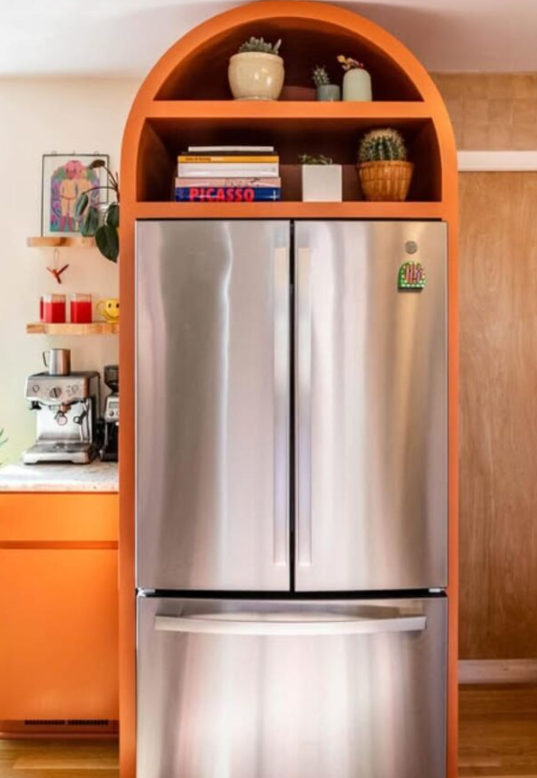
Arched shelving can turn the refrigerator wall into an attractive feature while providing extra display space. The curved frame creates a softer shape than standard square cabinets and can work well in farmhouse, traditional, or contemporary kitchens.
I would use the shelves for a few cookbooks, small plants, bowls, or decorative pieces that suit the room. Keeping the arrangement balanced is important because too many small objects can make the design look busy.
When the refrigerator is surrounded by built-in cabinetry, an arched frame can help the entire wall feel more connected. Before adding one, I would check the available height and ensure the design does not interfere with appliance access or ventilation.
Top Styling
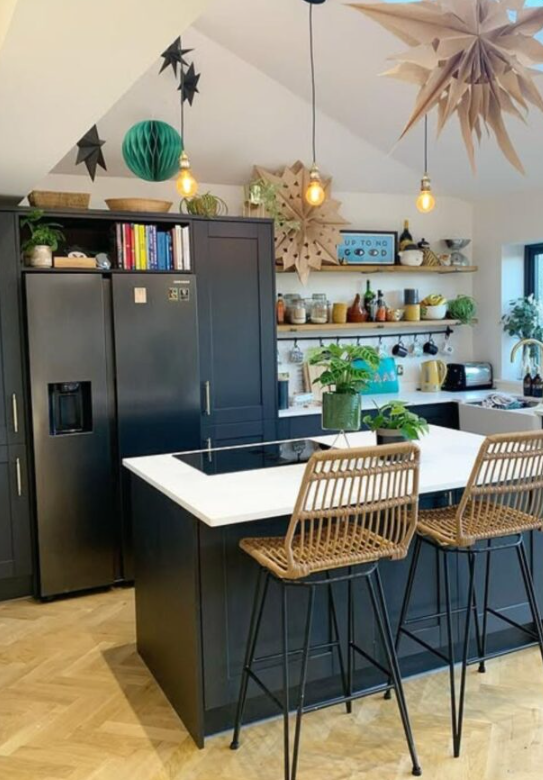
The top of a tall refrigerator cabinet can become a decorative area when there is enough clearance and the manufacturer permits items to be placed there. A few stacked cookbooks, lightweight baskets, or small decorative objects can make the space look intentional.
I would choose pieces that complement the kitchen’s colors and materials instead of mixing too many unrelated styles. Keeping the arrangement low and balanced also helps prevent objects from becoming unstable.
This area is generally better suited to lightweight decorations than everyday kitchen supplies because items stored overhead can be difficult to reach. I would also avoid anything that blocks required ventilation or could fall behind the refrigerator.
Slim Shelves
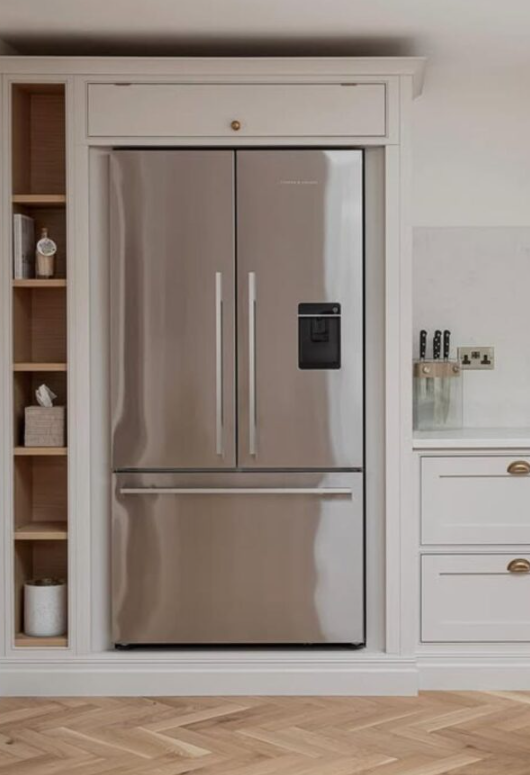
A narrow gap beside the refrigerator can provide extra storage for small kitchen items without taking up much floor space. Slim shelves are suitable for spice jars, mugs, small baskets, and lightweight pantry containers.
I would measure the gap before choosing a shelf unit, paying attention to the refrigerator door and any nearby handles or cabinet doors. Even a small amount of interference can make the arrangement frustrating to use.
Keeping shelf spacing consistent creates a more orderly appearance, while small containers prevent items from becoming scattered. Open shelves are particularly useful because I can see the contents immediately instead of searching through a deep cupboard.
Glass Cabinets
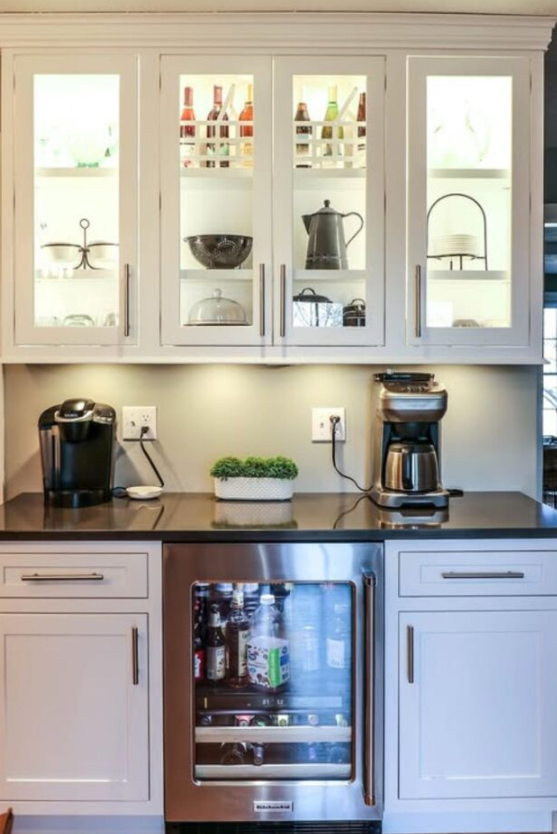
Glass-front cabinets above the refrigerator provide storage while allowing selected dishes and glassware to remain visible. They can make a solid wall of cabinetry feel lighter and create a display area for pieces I want to keep organized.
I would group similar items together, such as drinking glasses on one shelf and serving bowls on another. Leaving some open space between groups helps the cabinet look neat rather than overcrowded.
Interior lighting can make the contents easier to see and add a warm effect to the kitchen. I would choose secure shelving and avoid placing heavy or frequently used breakable items on shelves that are difficult to reach.
Bar Shelves
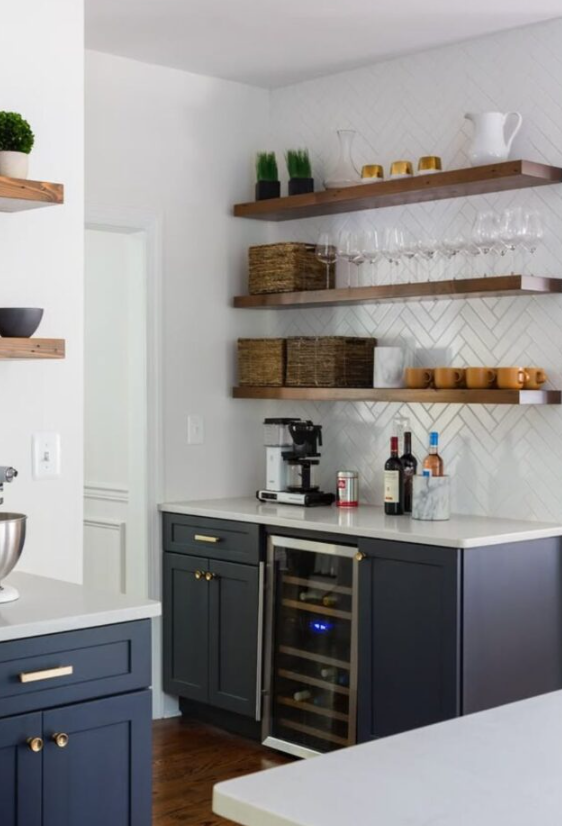
A few shelves near the refrigerator can create a compact drink station without taking up valuable counter space. Depending on the available room, I could use them for mugs, drinking glasses, beverage bottles, and small baskets of drink accessories.
A lower shelf is a convenient place for items used regularly, while the upper shelf can hold lighter glasses or decorative pieces. Under-shelf glass holders may also free up space, provided they are securely installed.
This arrangement works especially well when the refrigerator is close to a preparation counter or serving area. I would keep the setup simple and ensure that bottles, glasses, and other items remain easy to reach without blocking the refrigerator.
Color Display
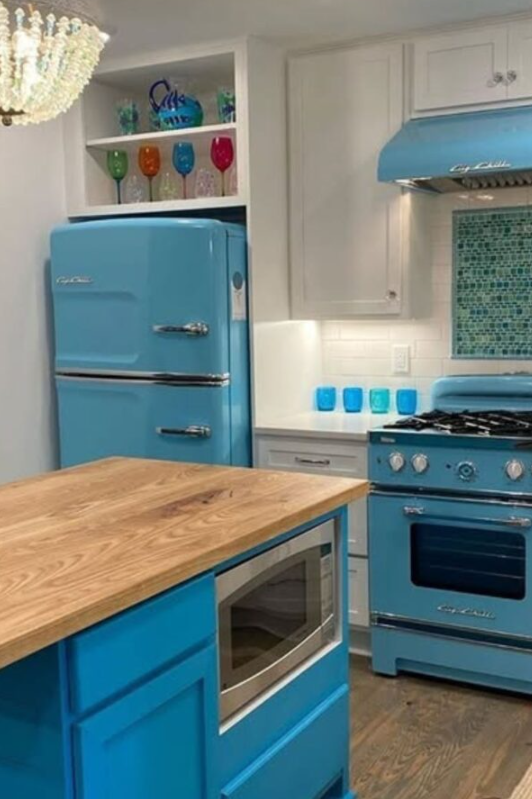
Colorful dishes can turn open cubbies above the refrigerator into a useful display feature. Bright mugs, patterned bowls, and attractive serving pieces can add personality while keeping selected kitchen items within reach.
I would arrange dishes by color or style to create a coordinated appearance. For example, grouping blue mugs together or placing matching bowls on one shelf can make the display feel planned rather than random.
Built-in cubbies are a practical choice when I want open storage that fits the surrounding cabinets. I would reserve them for lightweight items that can be handled safely without awkward reaching.
Plant Styling
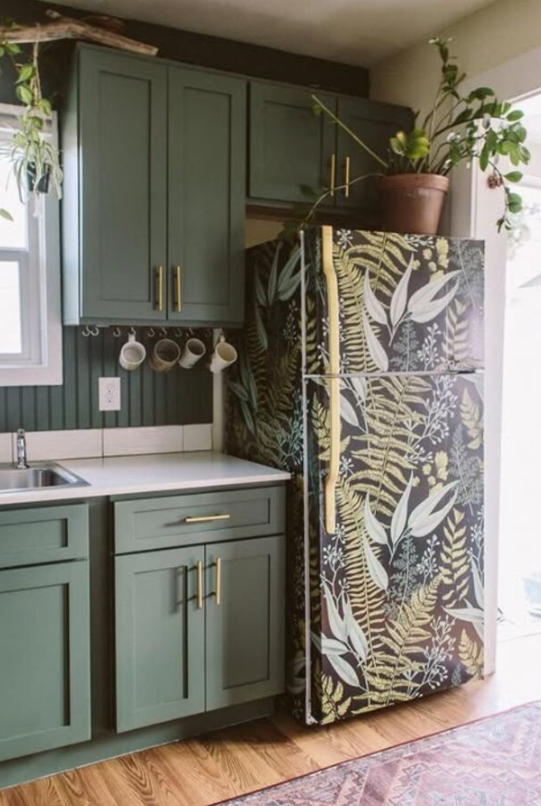
A little greenery can soften the appearance of a refrigerator and bring a more natural feel to the kitchen. If the top of the appliance is suitable for this purpose, a lightweight planter or trailing plant can add color without requiring extra floor space.
I would check the refrigerator manufacturer’s guidance before placing anything on top. Some models require specific clearance around the appliance, and the surface may not be appropriate for a planter.
Light is another important consideration. I would choose a plant that suits the available natural light rather than placing a light-loving plant in a dark corner. A stable, lightweight pot and a waterproof saucer can help prevent spills, although a nearby shelf or windowsill may be a better location.
Pan Organizer
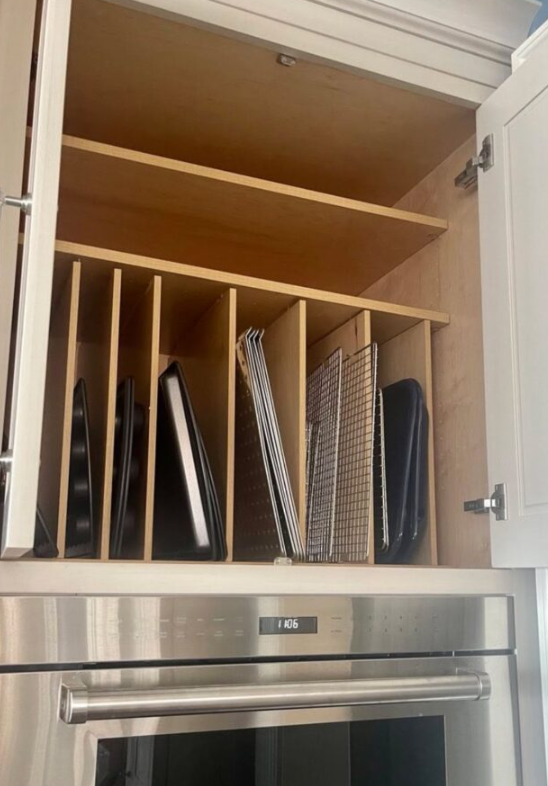
Tall cabinets above the refrigerator can be useful for storing baking trays, cooling racks, and other flat kitchen equipment. A vertical pan organizer gives each item its own slot, making it easier to remove one tray without disturbing the rest.
I would look for adjustable dividers that fit the cabinet’s dimensions or install a suitable wooden insert. Before buying an organizer, I would measure the largest tray to confirm that it fits upright.
This arrangement can reduce scratches between nonstick pans and keep metal racks from sliding into one another. Because upper cabinets are often difficult to reach, I would reserve them for trays I use occasionally and store frequently used pans lower down.
Sheet Storage
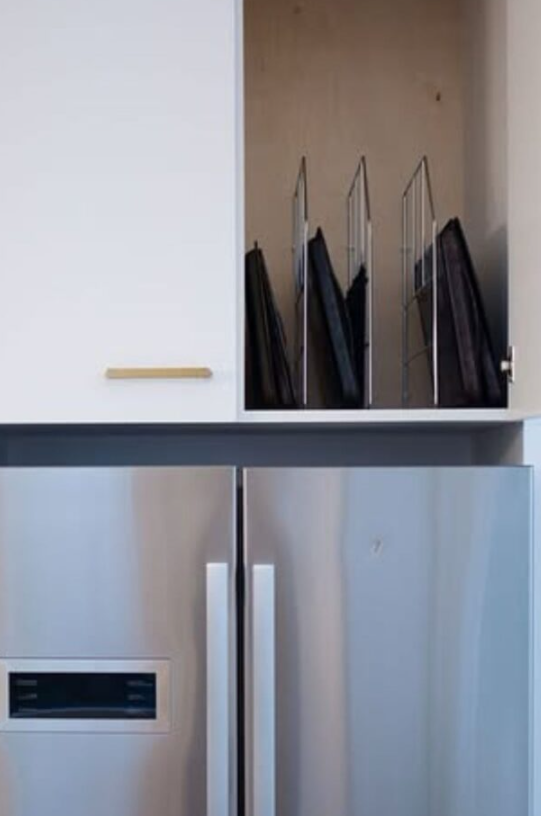
Large baking sheets and cutting boards often take up too much room when stacked flat. Slim metal dividers can make an upper cabinet more practical by allowing each item to stand vertically in its own section.
I would use the dividers to separate sheet pans, cooling racks, and suitable cutting boards. This makes it easier to identify the right item and remove it without lifting a heavy stack.
Adjustable wire organizers can be useful if I want to improve an existing cabinet without replacing it. I would check the cabinet’s height, depth, and shelf strength before installation and keep the heaviest items at a manageable height.
FAQs
What should not be stored above the fridge?
I would avoid storing items that can be damaged by heat, such as temperature-sensitive medicines, perishable foods, and products that require cool storage. The refrigerator releases heat as part of its normal operation, so the surrounding temperature may be less stable than in other kitchen cabinets.
Cooking oils, wine, and other temperature-sensitive products may also deteriorate faster when exposed to unsuitable heat. For medicines and specialty food products, I would follow the storage instructions on the label rather than assume a kitchen cabinet is appropriate.
Heavy appliances, large glass containers, and bulky items are also poor choices for high storage because they can be difficult to lift down safely. I would keep heavy or frequently used objects in lower cabinets and follow the refrigerator manufacturer’s instructions for clearance and ventilation.
How can you organize deep cabinets above the fridge effectively?
I find it easier to manage deep cabinets when every item has a designated place. Clear bins can group similar supplies together, while labels help identify what is stored inside without opening every container.
Vertical dividers are useful for baking sheets, cutting boards, and cooling racks because they prevent flat items from becoming an unstable pile. Pull-out baskets can also make it easier to access items at the back of a deep cabinet.
Finally, I would keep heavier items low, place rarely used supplies in higher cabinets, and review the contents occasionally. A simple organization system works best when I can reach what I need safely and return it to the same place.