23 Key Storage Ideas for 2026
The most practical key holder for an entryway is one that gives every set of keys a regular place near the door. I prefer simple organizers that are easy to reach, keep keys separated, and fit the available space. A wall-mounted key rack, an entry tray, a small shelf with hooks, or a decorative key cabinet can all work well.
The right choice depends on how many people live in your home, how many keys you use, and how much room you have near the entrance. For a small hallway, wall hooks or a slim shelf save valuable space. If you have a console table, a tray or decorative bowl can keep keys and other small items together.
In this article, I’m sharing practical entryway key holder ideas, including compact designs, decorative racks, hidden storage, and options for busy families. Each idea can help reduce everyday clutter and make it easier to grab the right keys before leaving home.
Key Takeaways
- Wall-mounted key racks: Keep keys visible, separated, and easy to reach.
- Entry trays: Provide a simple place for keys, wallets, earbuds, and other small belongings.
- Shelf hooks: Combine decorative display space with useful key storage.
- Key cabinets: Hide keys behind a door for a cleaner entryway.
- Decorative holders: Add personality while keeping everyday items organized.
- Compact organizers: Work well in apartments and small hallways where space is limited.
- Proper placement: Install your key holder near the door you use most often to build a consistent routine.
Entry Tray
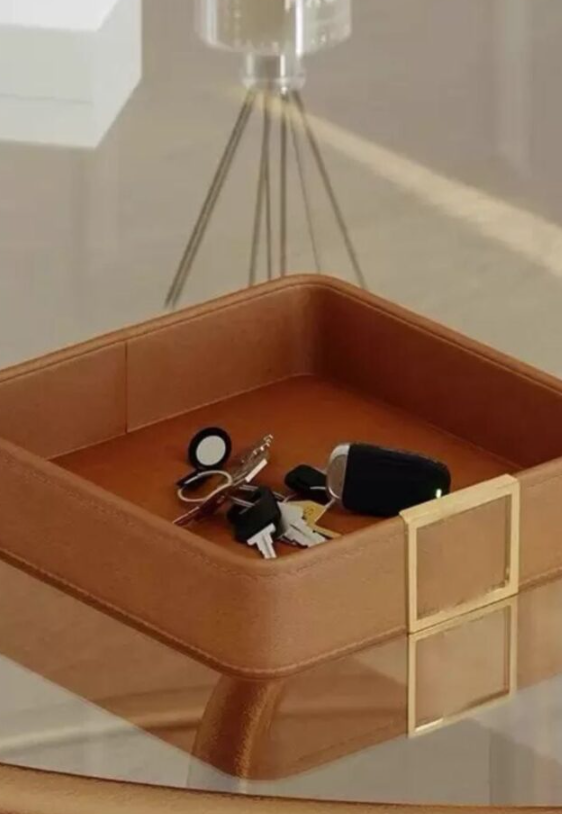
An entry tray is one of the easiest ways to stop keys from getting lost around the house. I like this idea because it doesn’t require drilling holes or installing anything on the wall. You only need a small tray on a console table, side table, or entry cabinet.
Whenever I come home, I can place my keys in the same spot instead of leaving them on kitchen counters or other surfaces. Leather trays with raised edges are especially useful because they help prevent small items from sliding off.
I would also use an entry tray for car fobs, loose change, earbuds, and other pocket essentials. If several people share the same space, a slightly larger tray can provide enough room for everyone’s belongings.
Pro Tip: Choose a tray with raised sides and place it close to the entrance. A tray that is too small can quickly become overcrowded, so consider how many items you usually carry.
Wall Hooks
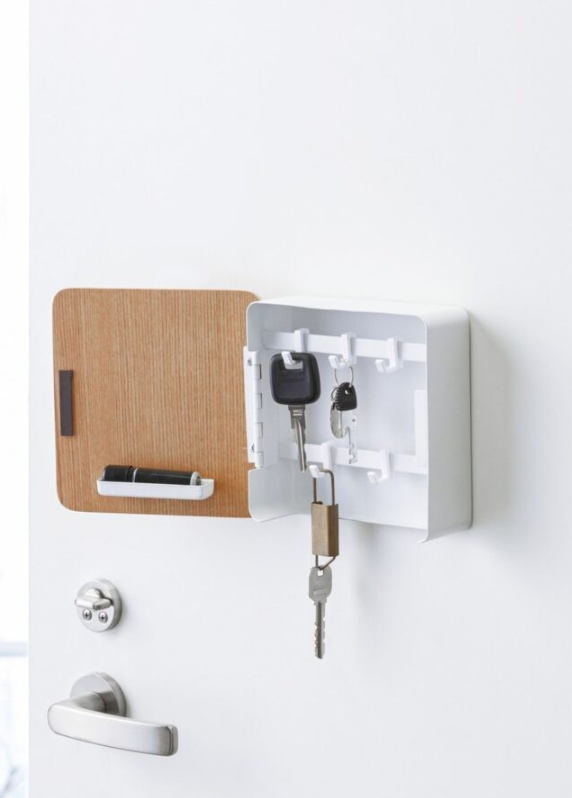
Wall hooks are a practical choice for households where several people use different sets of keys. Instead of putting everything in one bowl, I can give each family member a separate hook.
A wall-mounted key rack also keeps the entryway surfaces clear. I would install it beside the main entrance at a comfortable height so everyone can hang up their keys without searching for a place.
Some wall organizers also include small pockets for cash, mail, sunglasses, or other everyday accessories. This extra storage can be useful when there isn’t enough room for an entry table.
Installation is usually simple, although the right fixing method depends on the wall material and the weight of the organizer. Screws provide a more secure option for heavier racks, while suitable adhesive strips may work for lightweight designs.
Pro Tip: Leave enough space between hooks to prevent bulky keychains from overlapping. Assigning one hook to each person also makes the system easier to maintain.
Bear Tray

A bear-shaped tray is a fun way to organize everyday belongings without making the entryway look like a storage area. I like decorative trays because they serve a useful purpose while adding a little personality to the room.
A small wooden or ceramic bear tray can sit on a console table, entry cabinet, or bedroom dresser. It provides a convenient place for keys, earbuds, coins, and other small accessories that I might otherwise leave scattered around.
The compact size makes this idea suitable for homes where there isn’t much space near the entrance. I would choose a design with a stable base and slightly raised edges so small items stay inside.
You can also match the tray with other wooden or neutral-colored accessories to create a coordinated look.
Pro Tip: Keep this tray for small everyday essentials rather than filling it with unrelated items. A dedicated drop-off spot works best when it stays easy to use.
Shelf Hooks
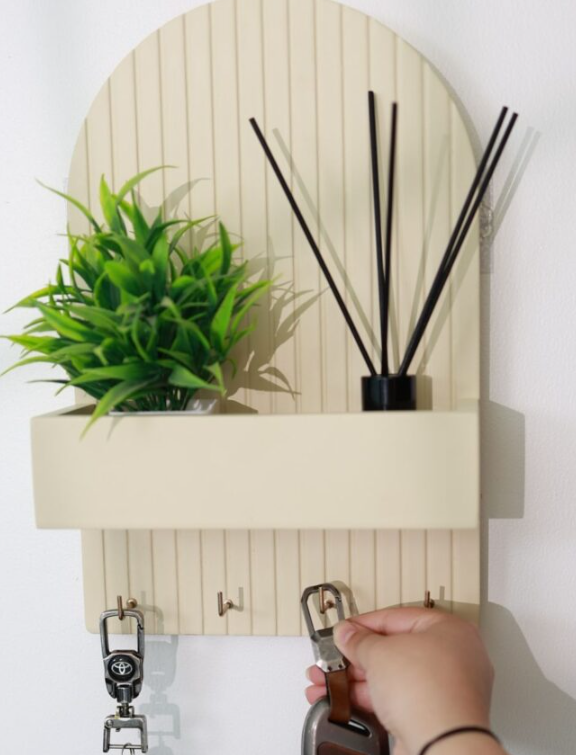
A wall shelf with hooks is a smart solution when an entryway doesn’t have enough room for a console table. It combines two useful storage features in one compact organizer.
I would use the upper shelf for a small decorative plant, wallet tray, or diffuser. The hooks underneath can hold house keys, car keys, and spare sets.
This arrangement makes good use of vertical wall space, especially in apartments and narrow hallways. It also keeps everyday belongings within reach without taking up valuable floor space.
When choosing a shelf, I recommend checking the depth and weight capacity. A narrow design is usually enough for lightweight accessories, while strong hooks are important if you plan to hang several keychains.
Pro Tip: Install the shelf at a comfortable height near the door. Avoid placing too many decorations on top because the main purpose is to keep your keys easy to access.
Doll Rack
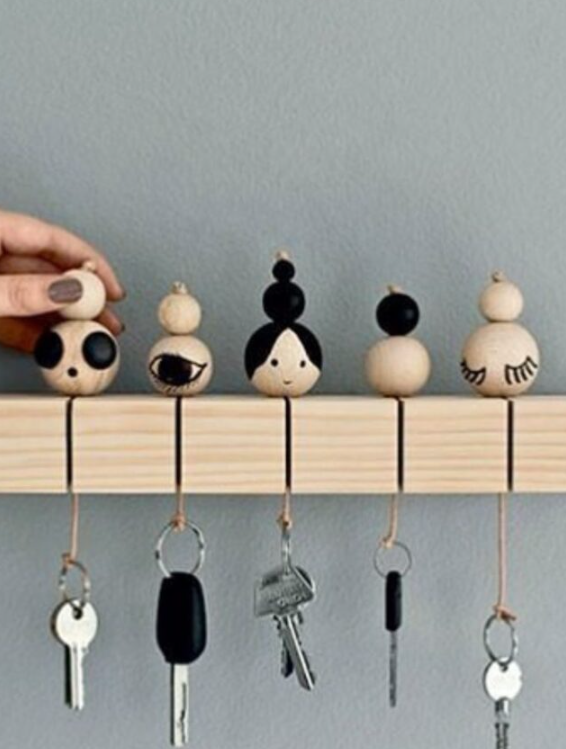
A doll rack offers a creative way to keep keys organized while adding a decorative detail to the entryway. This design uses small wooden figures with hanging strings or hooks underneath to hold individual key rings.
I like this idea for homes where ordinary metal key racks feel too plain. The miniature figures make the organizer look more like a decorative wall accessory.
It also works well in a narrow hallway because the rack uses vertical wall space rather than requiring a table. Each hanging point can hold a different set of keys, making it easier to tell them apart.
You can create a similar look with a wooden bar, small hooks, and decorative wooden figures attached above them. Make sure the hanging parts are strong enough to support the keys you plan to store.
Pro Tip: Keep the design simple and leave enough distance between the hanging points. This prevents key rings from becoming tangled when several people use the rack.
Astronaut Bowl
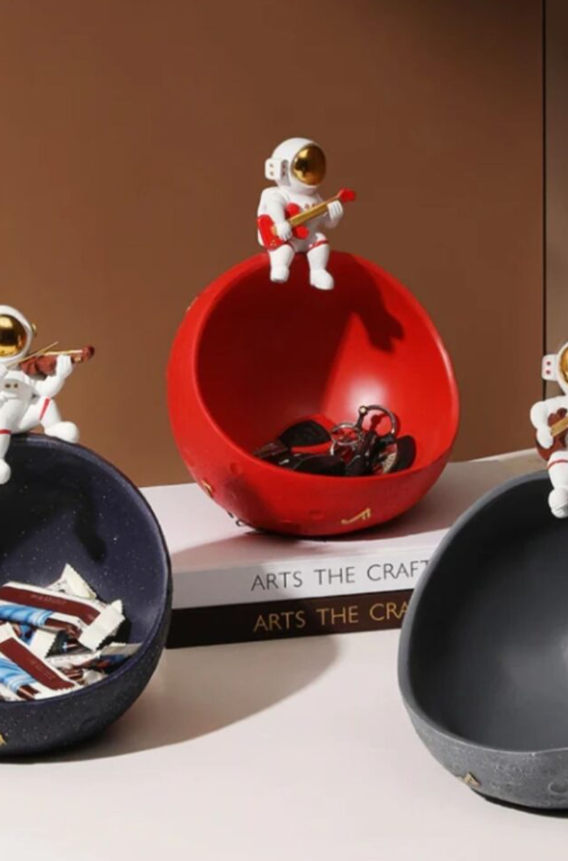
An astronaut-shaped bowl is a playful storage option for anyone who wants something different from an ordinary entryway organizer. I like the idea of using decorative bowls because they can hold everyday items while also acting as a small statement piece.
A deeper bowl works well on an entry console, side table, or floating shelf. I would use it for house keys, car fobs, coins, and other small belongings that need a regular place.
The unusual shape and bright colors can also make the entryway feel more personal. If you enjoy themed home accessories, this type of bowl can match a modern, creative, or playful interior.
However, I would avoid choosing a bowl that is too shallow. Small items can easily fall out when there isn’t enough depth.
Pro Tip: Place the bowl where you naturally empty your pockets after coming home. Keeping it in a visible spot makes it easier to remember where your keys belong.
Key Stand
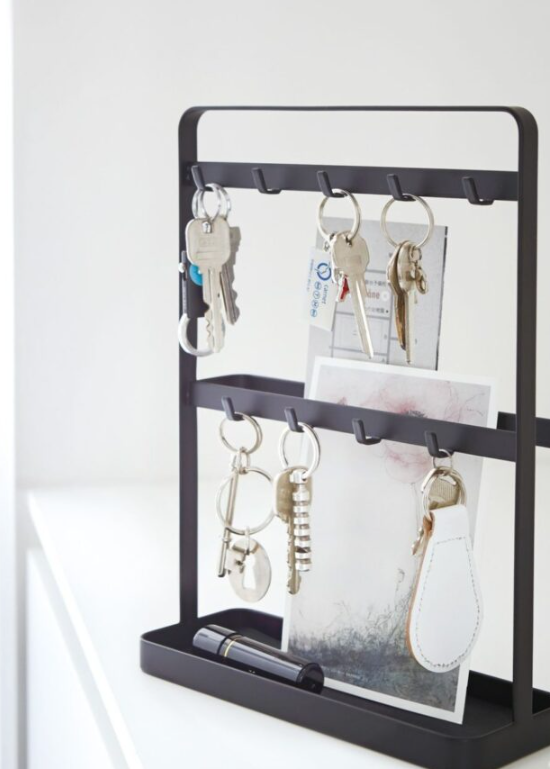
A key stand is a useful alternative when you don’t want to drill into your walls. It sits on a flat surface and provides several hooks for hanging different key sets.
I find this style practical for entry cabinets, console tables, and small shelves. The hooks keep keys upright and visible, while a base tray can hold loose change, lip balm, or other pocket essentials.
A compact metal or wooden stand is usually enough for a small household. If several people share the organizer, choose one with enough hooks to prevent everyone from hanging their keys in the same place.
Another benefit is that you can move the stand whenever you rearrange your furniture. This makes it a flexible option for renters or people who prefer not to make permanent changes.
Pro Tip: Choose a stand with a wide, stable base. It should remain upright when you remove or hang heavier keychains.
Frame Shelf
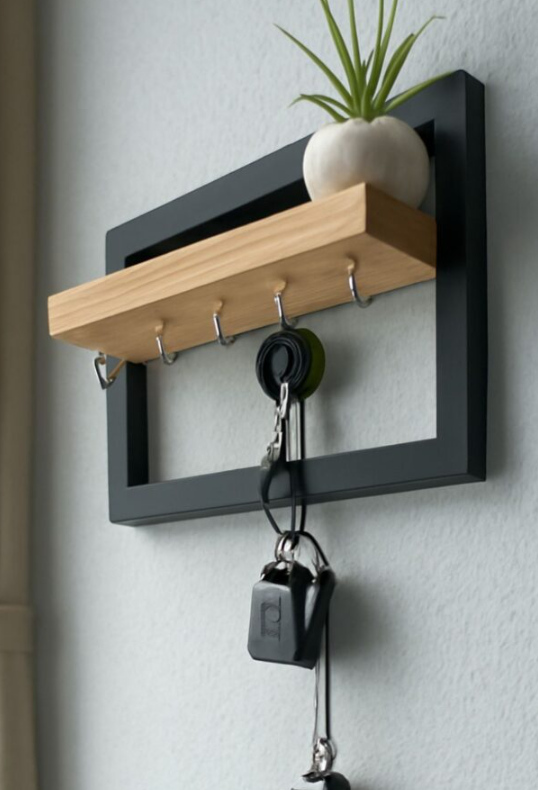
A frame shelf combines decorative display space with practical key storage. It is a good way to use an empty wall near the entrance without installing a large organizer.
I like this design because the upper shelf can hold a small plant, diffuser, or decorative accessory, while the hooks underneath provide a dedicated place for keys.
It works particularly well in apartments and narrow hallways where a full-size console table might block movement. The framed design also gives the wall a finished appearance.
You can choose a wooden shelf with metal hooks to create a warm, simple look. I would keep the shelf decorations small so they don’t interfere with the main storage area.
Pro Tip: Install the frame shelf near the door at a comfortable reaching height. Make sure the hooks are securely attached, especially if you plan to hang several sets of keys.
Key Cabinet
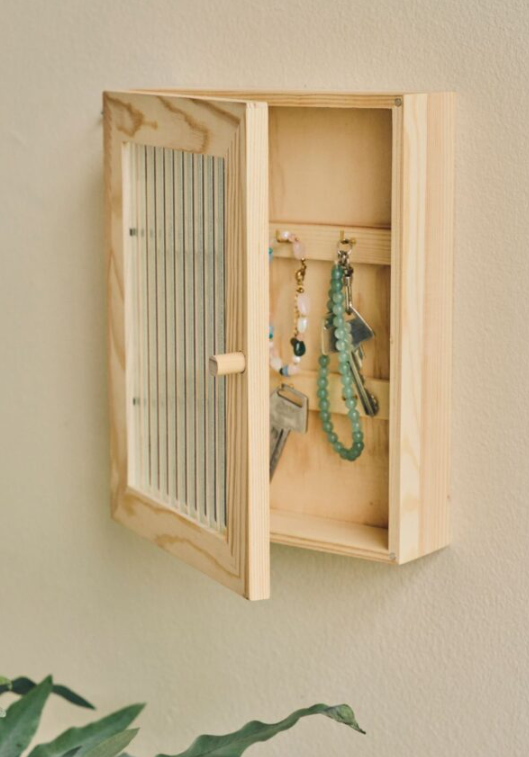
A key cabinet is a good option when I want to keep keys organized without displaying them openly. Unlike an ordinary hook rack, this design has a small door that hides the keys inside.
The interior usually contains several hooks, allowing me to separate house keys, car keys, office keys, and spare sets. This arrangement is especially helpful for families with multiple key rings.
I would place a compact cabinet near the entrance where everyone can access it easily. A wooden cabinet can also blend with traditional or farmhouse-style interiors, while a simple metal or white design works well in modern homes.
Some cabinets include small shelves or labels, which can make organization even easier. Just remember to keep the cabinet key or opening mechanism accessible if it uses a lock.
Pro Tip: Label the hooks inside the cabinet so family members know exactly where each set belongs. This saves time when several people use the same organizer.
Peg Shelf

A peg shelf makes good use of empty wall space near the entrance. It combines a small shelf with rounded pegs that can hold keys, lightweight bags, or other everyday accessories.
I like this option because it offers more than one type of storage without taking up much room. The upper ledge can display a small photo frame, plant, or decorative item, while the pegs keep key rings organized underneath.
This design works well in both modern and traditional entryways. Wooden peg shelves are especially easy to match with neutral furniture and natural home decor.
For the best results, I would give each family member a separate peg. This prevents keys from becoming mixed together and makes the organizer easier to use.
Pro Tip: Check the distance between the pegs before buying. Wider spacing is helpful when you use large keychains or carry several keys on one ring.
Hidden Holder
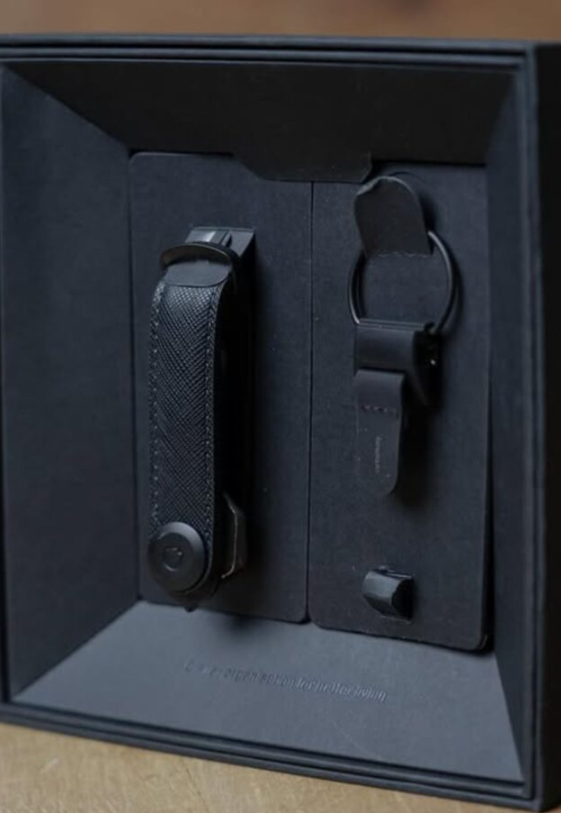
A hidden key holder is a practical choice for people who prefer a clean and simple entryway. Instead of displaying several key rings on an open rack, this organizer keeps them inside a small compartment.
I like concealed storage because it reduces the visual clutter that can build up around a busy entrance. The holder can be designed as a small wall box, decorative frame, or compact cabinet.
This idea works well in modern apartments, offices, and homes with minimalist interiors. It also keeps keys together rather than allowing them to spread across different surfaces.
When choosing a hidden holder, I would check how easily the door or compartment opens. A design that is difficult to access may become inconvenient during busy mornings.
Pro Tip: Place the hidden organizer close to the main entrance rather than inside a distant cupboard. Easy access is important even when the storage itself is concealed.
Dog Hooks

Dog-shaped hooks are a fun way to add personality to an entryway while keeping keys organized. I especially like decorative designs that reflect a family’s interests without taking away from their usefulness.
A wooden dog silhouette with hooks underneath can hold house keys, car keys, and spare sets. Each hook provides a separate place, which helps prevent keychains from getting mixed up.
This type of organizer can look great in a family home, casual apartment, or pet-themed room. You can also choose other shapes, such as cats, bicycles, or personalized name designs.
I would install the rack beside the entrance at a convenient height. Make sure the hooks are strong enough to support your key rings without bending or coming loose.
Pro Tip: Choose a design that matches the rest of your entryway decor. A decorative holder is more likely to stay in use when it fits naturally into the room.
Round Shelf
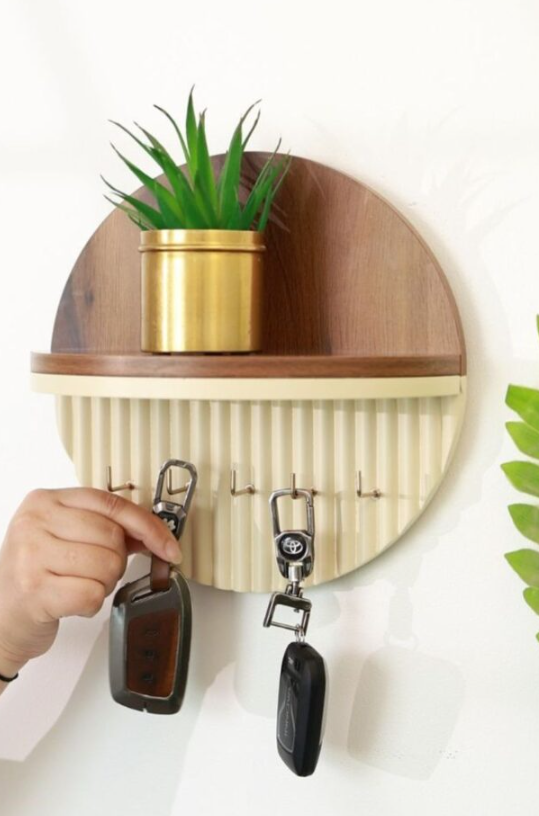
A round wall shelf with built-in hooks is a stylish way to organize keys in a small entryway. It combines a decorative wall feature with practical storage, making it useful when you don’t have space for a separate table.
I like the circular shape because it adds a softer look to plain walls. The upper shelf can hold a small candle, plant, or decorative object, while the lower hooks keep keys within easy reach.
This design works particularly well with modern, minimalist, and Scandinavian-inspired interiors. A wooden finish can create a warm look, while a white or black shelf gives the entrance a more contemporary feel.
You can also use each hook for a different set of keys to make the arrangement easier to maintain.
Pro Tip: Avoid placing heavy decorations on a small round shelf. Keep the top surface light and leave enough room underneath for key rings to hang freely.
Leaf Hooks
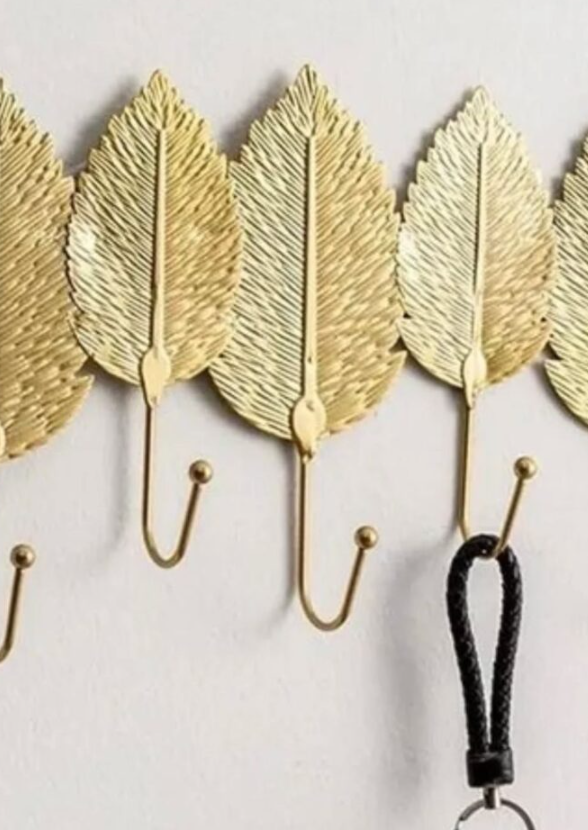
Leaf-shaped hooks offer a decorative alternative to ordinary key racks. They turn an empty wall corner into a useful storage area while adding a natural detail to the entryway.
I like metal leaf hooks because they can look like small pieces of wall art when not in use. Each hook can hold a separate key ring, making it easier to organize house keys, car keys, and spare sets.
You don’t need a large organizer for this idea. A few individual hooks arranged in a row can provide enough storage for a small household.
I would choose a sturdy material and install the hooks with enough space between them. This helps prevent keychains from overlapping or getting tangled.
Pro Tip: Arrange the hooks at a consistent height near the entrance. If each person has a designated hook, everyone can quickly recognize their own keys.
Key Organizer
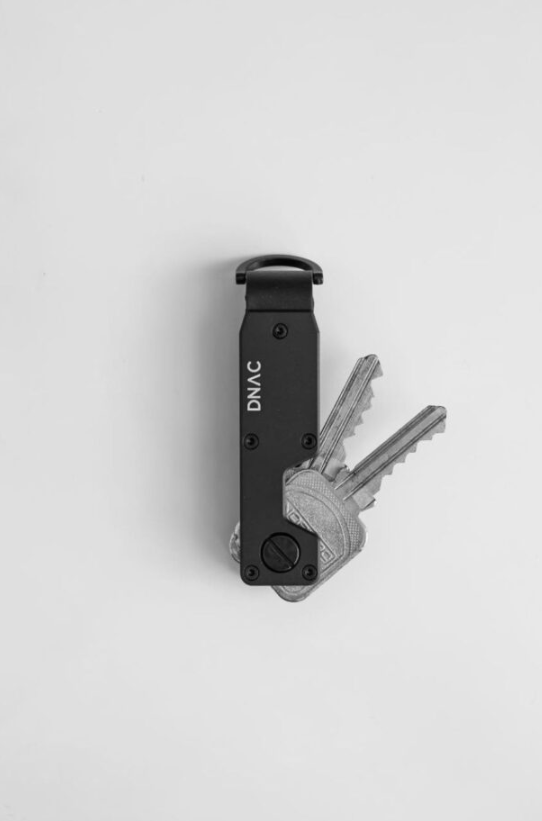
A compact key organizer is designed to keep several keys together in one slim holder. Unlike a traditional keychain, it allows individual keys to fold inside the main body.
I find this especially useful for people who carry several keys in their pockets or bags. Loose keys can scratch phones, catch on fabric, or create unnecessary bulk.
Most folding key organizers use small screws or similar fasteners to hold the keys in place. You can arrange the keys inside and adjust the holder according to the number and thickness of the keys.
Some designs also include attachments for car fobs or larger accessories. Before buying one, check that it is compatible with your key sizes.
Pro Tip: Don’t force too many keys into a compact organizer. Leave enough room for them to fold and rotate smoothly without becoming difficult to use.
Honeycomb Rack
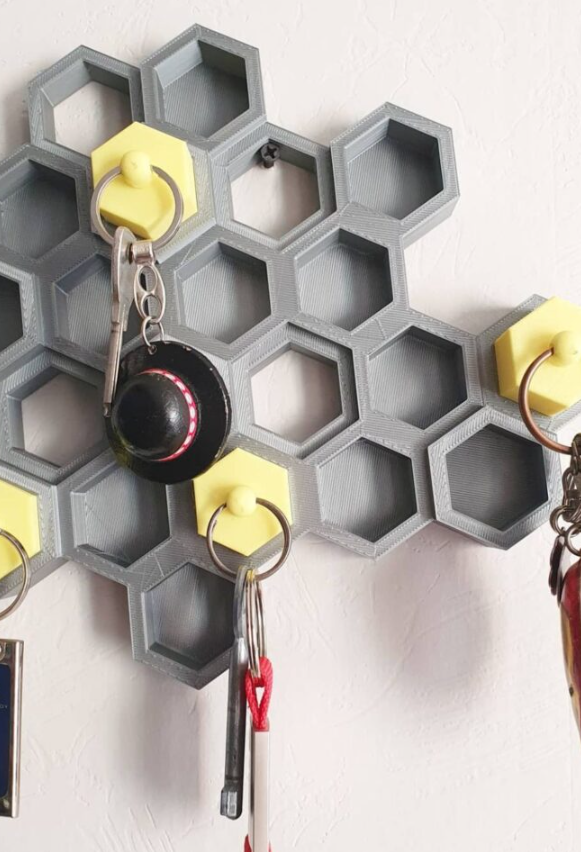
A honeycomb rack turns ordinary key storage into a decorative wall feature. Its hexagonal sections create a geometric pattern, while selected sections can include hooks for hanging keys.
I like this idea for modern homes because it combines wall decor with everyday organization. Instead of installing a plain row of hooks, you get a design that adds more character to the entryway.
The separate hexagonal sections also help keep key rings apart. You can use different hooks for house keys, car keys, office keys, and spare sets.
This type of organizer works best on an empty wall near the entrance. Depending on the design, you can also use a few sections for small decorative objects.
Pro Tip: Choose a honeycomb rack with enough space between the hooks. Make sure the panel is securely mounted, especially if it has several sections or heavier decorative pieces.
Frame Hooks
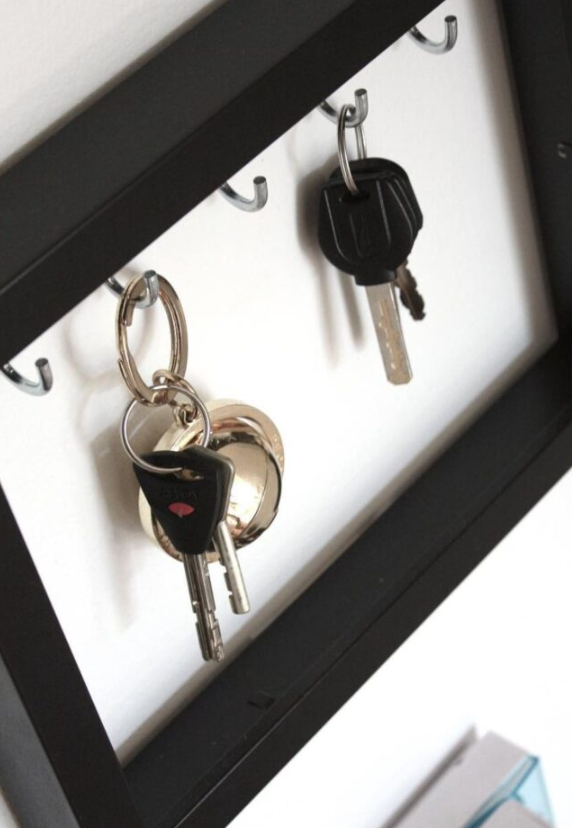
Frame hooks offer a simple way to combine wall decor and key storage. The organizer uses a picture frame-style border with hooks inside, allowing keys to hang neatly while the overall design looks more decorative.
I like this option for entryways where ordinary wall racks might look too plain. The frame can match nearby artwork or photographs, making the key holder feel like part of the room’s design.
A similar organizer can be made using a sturdy deep picture frame without glass and several small hooks attached securely to the inside or backboard.
You can choose a wooden, black, white, or metallic frame depending on your existing decor. I would also check that the hooks are firmly fixed before hanging keys from them.
Pro Tip: Keep the frame close to the main entrance and avoid placing it behind furniture or decorative objects. The keys should remain easy to reach.
House Hooks
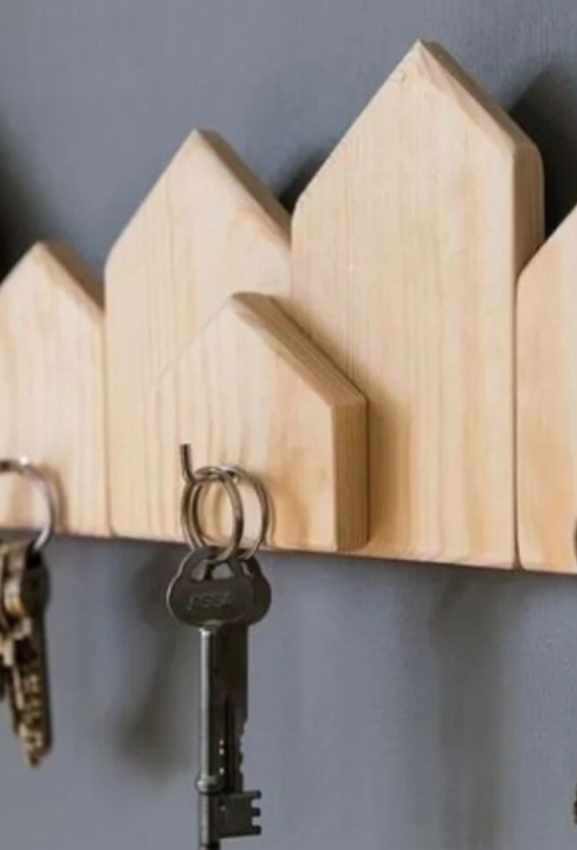
House-shaped key hooks bring a simple decorative touch to an entryway. The small house designs make ordinary key storage look more welcoming while giving every key ring its own hanging place.
I like this style for family homes because it can be both useful and attractive. Several hooks can hold house keys, vehicle keys, and spare sets without putting everything together.
Some designs also include small compartments or ledges above the hooks. These can hold notes, mail, or other lightweight items that need attention before leaving home.
A wooden house-shaped rack looks particularly nice in farmhouse, rustic, and traditional interiors. You can also choose a painted version for a more colorful entryway.
Pro Tip: Give each family member a separate hook and keep spare keys in a designated place. This simple arrangement helps prevent confusion during busy mornings.
Metal Hooks
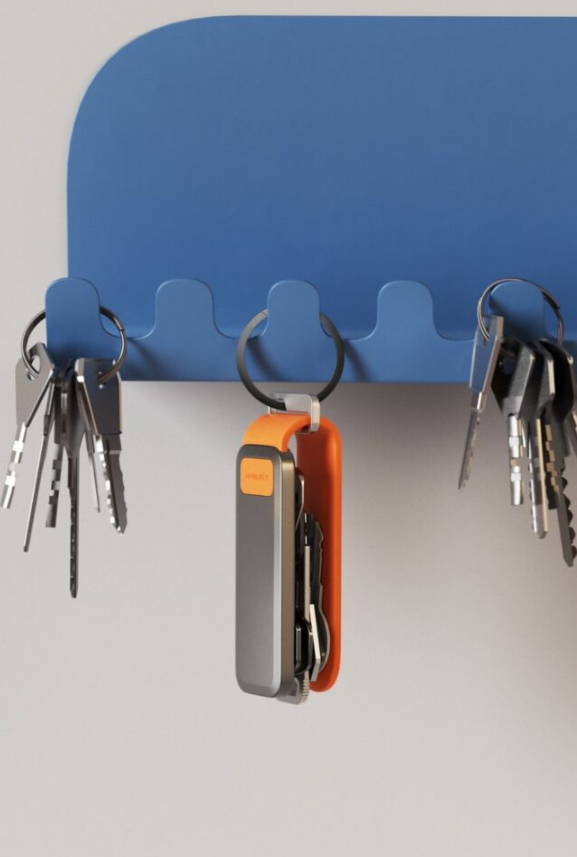
Metal hooks are one of the simplest solutions for keeping entryway keys organized. They don’t require a large shelf or decorative cabinet, and they can fit into almost any available wall space.
I prefer this style when practicality matters more than decoration. A basic metal rack with several hooks provides enough room for everyday keys while keeping the entrance uncluttered.
You can choose black metal for a modern look, brushed steel for a simple finish, or brass for a warmer decorative touch.
Before installing the rack, check the hook size and weight capacity. Some lightweight designs are better suited to small key rings, while stronger metal racks can handle larger keychains.
Pro Tip: Install the rack close to the door and use separate hooks for different key sets. A straightforward system is often easier to maintain than a complicated organizer.
Key House
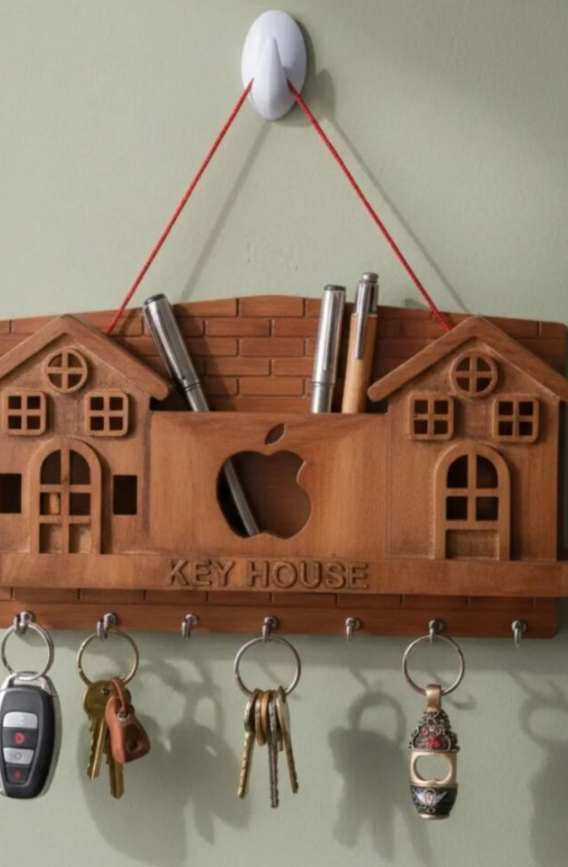
A key house is a wall-mounted organizer shaped like a small home. It provides a decorative way to keep keys together while adding extra storage for everyday items.
I like this design because some versions include small compartments above the hooks. These spaces can hold short notes, mail, pencils, or other lightweight belongings that are useful near the entrance.
The hooks underneath provide separate places for house keys, car keys, and spare sets. In a busy household, you can assign one hook to each family member to prevent keys from getting mixed up.
This organizer works well in hallways, near front doors, or above a small entryway bench.
Pro Tip: Look for a key house with enough hooks and compartments for your household. A design that is too small may become crowded quickly.
Key Sign
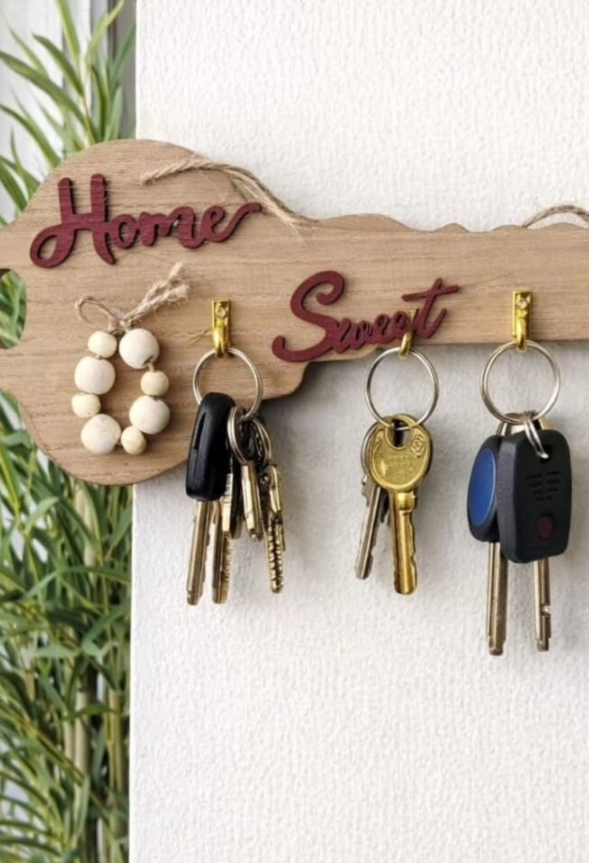
A decorative key sign is a noticeable way to create a dedicated place for everyday keys. The large key-shaped design makes the purpose of the organizer clear, while the hooks provide practical storage underneath.
I like this idea for entryways where a little decorative detail can make the space feel more personal. Some versions include words such as “Home Sweet Home,” making the holder look like a small wall decoration.
The hooks can be used for house keys, car keys, and spare sets. Giving each set its own place makes it easier to pick up the right keys when leaving.
You can also choose a personalized sign with a family name or a finish that matches your existing furniture.
Pro Tip: Make sure the hooks are evenly spaced and securely attached. A decorative sign should still provide enough room for everyday use.
Mario Hooks
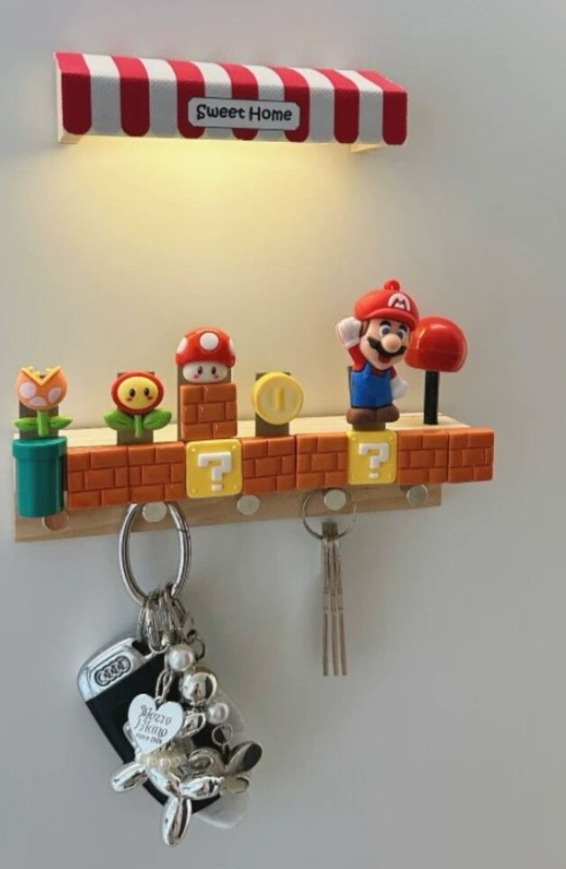
Mario-themed key hooks are a fun option for gaming fans and families who enjoy colorful home accessories. The design often features familiar game-inspired shapes and characters above a row of small hooks.
I like themed organizers because they make practical storage feel more personal. Instead of using an ordinary key rack, you can choose something that reflects your interests.
The hooks underneath can hold house keys, car keys, and other small key rings. The colorful design also makes the organizer easy to notice when entering the room.
This style works especially well in game rooms, creative apartments, or family homes with playful decor.
Pro Tip: Keep the rack near the entrance rather than in a decorative corner where nobody passes regularly. A key holder is most useful when it fits into your everyday routine.
Family Rack
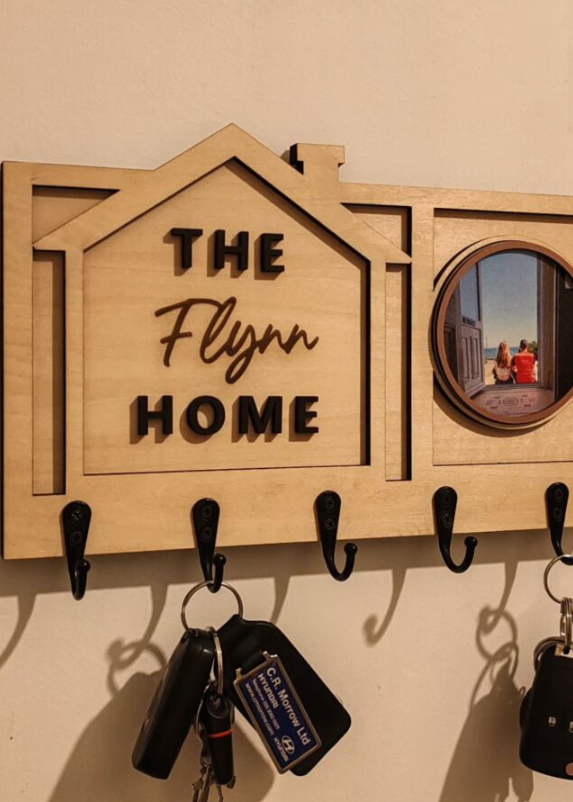
A personalized family key rack is a useful option when several people share one entrance. It gives everyone a separate place for their keys while adding a personal detail to the home.
I like this design because it can include family names, small photographs, or individual labels above the hooks. These details make it easier to identify which hook belongs to each person.
The lower hooks can hold house keys, car keys, and other everyday sets. This helps prevent the usual problem of everyone placing their keys in the same bowl or leaving them on different surfaces.
A wooden family rack works nicely in a hallway or beside the main entrance. You can also choose a simple design that matches your furniture and wall colors.
Pro Tip: Choose enough hooks for everyone, including one or two extra spaces for spare keys. Planning for additional storage prevents the rack from becoming overcrowded later.
FAQs
Where is the best place to install a key holder in your home?
The best place for a key holder is near the entrance you use most often. For many households, this is the front door, but it could also be a garage entrance or a side door used for daily trips.
I recommend choosing a location that you naturally pass when entering and leaving. If the holder is too far away, you may forget to put your keys back in their designated place.
Mounting it at a comfortable reaching height also makes daily use easier. Avoid placing it behind a door, inside a crowded cupboard, or somewhere that is difficult to access.
How many hooks should a key holder have?
The number of hooks depends on how many people live in your home and how many key sets you use regularly. I would start by counting your house keys, car keys, office keys, and spare sets.
For example, a household with two adults may need separate hooks for two house key sets, two car key sets, and at least one spare set.
It’s also helpful to leave one or two extra hooks for future use. This prevents keys from being crowded together and makes it easier for everyone to keep their belongings organized.
A key holder with a little extra capacity is usually more practical than one that only fits your current collection.