25 Room Decor DIY Ideas for 2026
Decorating a room doesn’t have to mean buying new furniture or spending a lot of money. I recommend starting with the areas that need the most attention, whether that’s an empty wall, poor lighting, or a bed that looks too plain. Small changes, such as adding fairy lights, rearranging shelves, layering bedding, or creating a cozy seating corner, can make a noticeable difference.
In this guide, I’ll share 24 DIY room decor ideas for bedrooms, kids’ rooms, nurseries, and small spaces. You’ll find simple ways to use mirrors, plants, fabric, lighting, and everyday materials to make your room feel more comfortable and personal. I’ll also explain how to keep each idea practical, choose colors that work together, and avoid overcrowding your space.
Key Takeaways
- Use warm lighting to make a bedroom feel softer and more inviting.
- Decorate empty walls with prints, mirrors, fabric, or removable decals.
- Refresh existing furniture with paint, new handles, or simple styling.
- Add texture through blankets, rugs, cushions, and lightweight fabrics.
- Make small rooms feel more open by using mirrors and keeping furniture low.
- Choose DIY projects that suit your budget, room size, and daily needs.
Warm Festival Glow
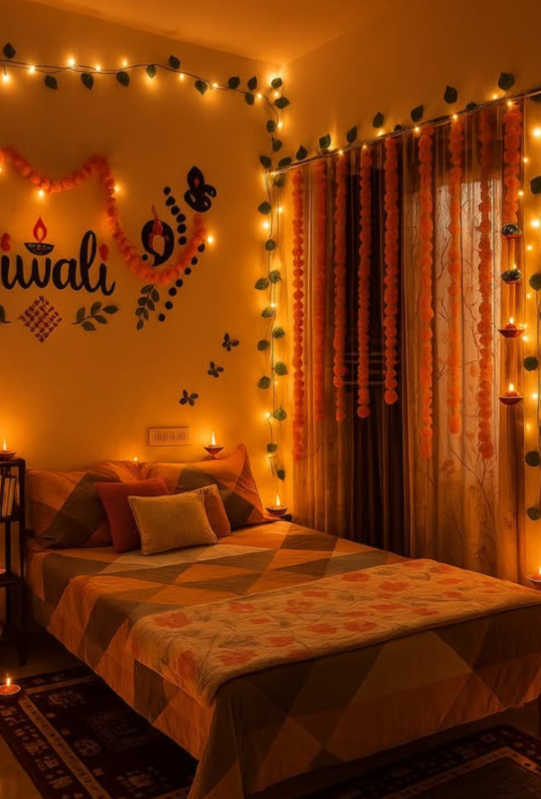
Warm lighting can change the atmosphere of a room, especially during festivals or special occasions. I suggest arranging fairy lights around windows, along a headboard, or across a wall to create a gentle glow without filling the room with extra decorations.
You can also place diyas on suitable shelves or stable surfaces to add a traditional festive touch. Keep the colors and decorations simple so the room doesn’t feel crowded.
For a safer option, use LED diyas and battery-powered fairy lights. Keep electrical lights away from fabric, and never leave real flames unattended.
Soft Shelf Styling
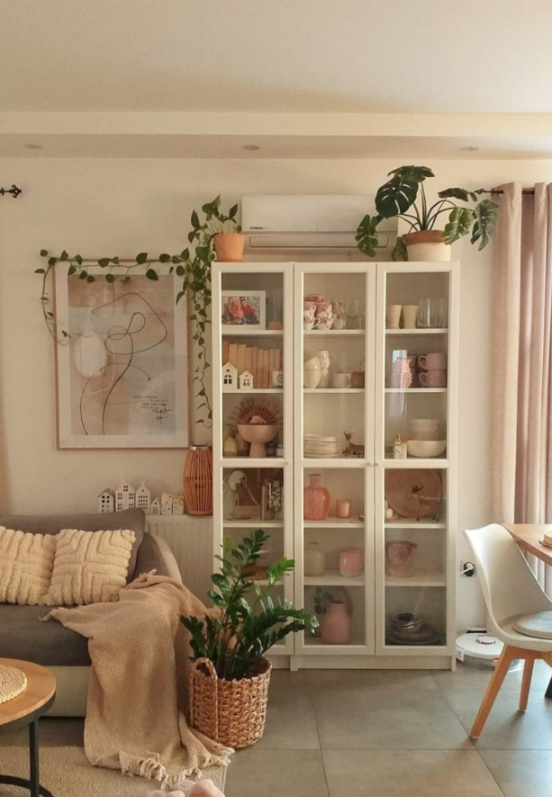
Open shelves can make a room look organized while giving you space to display favorite objects. I recommend grouping items by color or material instead of filling every shelf with unrelated decorations.
Combine books, small decorative pieces, and a few plants to create a balanced arrangement. Leave some empty space between objects so each item remains visible.
Natural light can make shelf decorations stand out, while a small warm lamp adds a cozy touch in the evening. This idea works particularly well in bedrooms, study areas, and small living spaces.
Mirror Light Frame
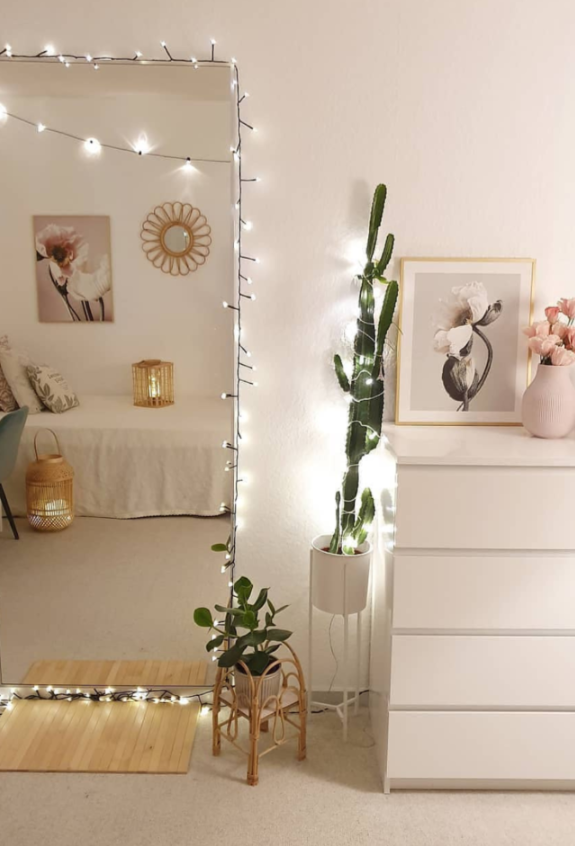
A mirror with fairy lights around its edges can become a useful decorative feature in a bedroom or dressing area. It combines everyday function with soft lighting and can make a small room feel brighter when positioned thoughtfully.
To create this look, outline a full-length mirror with suitable LED fairy lights. Use removable hooks or clips that won’t damage the mirror or wall, and place it where it can reflect natural light or light from a lamp.
I would keep the surrounding decorations minimal so the mirror remains the main feature. Choose battery-powered lights or safely routed cables to avoid creating a tripping hazard.
Projector Cozy Setup
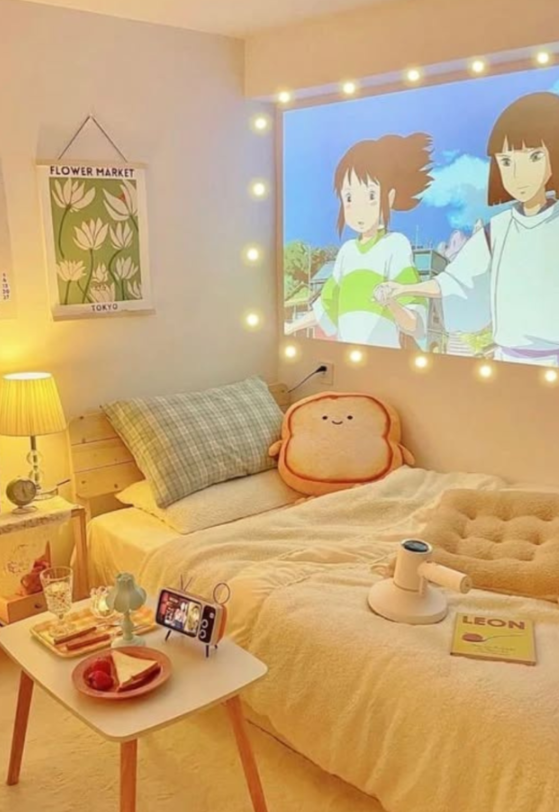
A small projector can turn a plain bedroom wall into a relaxing viewing area. This setup works well if you enjoy watching movies, displaying calming visuals, or creating a comfortable corner without installing a television.
Place the projector on a stable surface and point it toward a clear wall. Add soft bedding, a few cushions, and warm fairy lights around the room to complete the setup.
For the best result, reduce competing light sources near the projection area. Keep the projector’s ventilation openings clear, and arrange its cables neatly so the space remains comfortable and practical.
Underbed Glow Hack
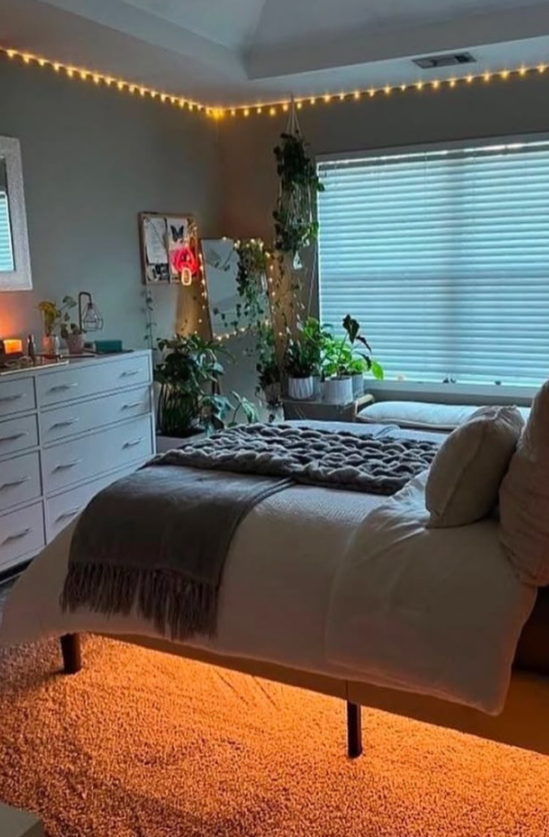
The space beneath a bed is often overlooked when decorating a bedroom. Adding a strip of warm LED lighting under the bed frame creates a subtle glow that can make the room feel more inviting at night.
I recommend choosing LED strips designed for indoor furniture and attaching them according to the manufacturer’s instructions. Position the lights so the individual LEDs aren’t too visible when you enter the room.
This idea is especially useful when overhead lighting feels too bright before bedtime. Keep the rest of the room’s lighting soft, and avoid running cables where feet or furniture can catch them.
Arch Mirror Corner
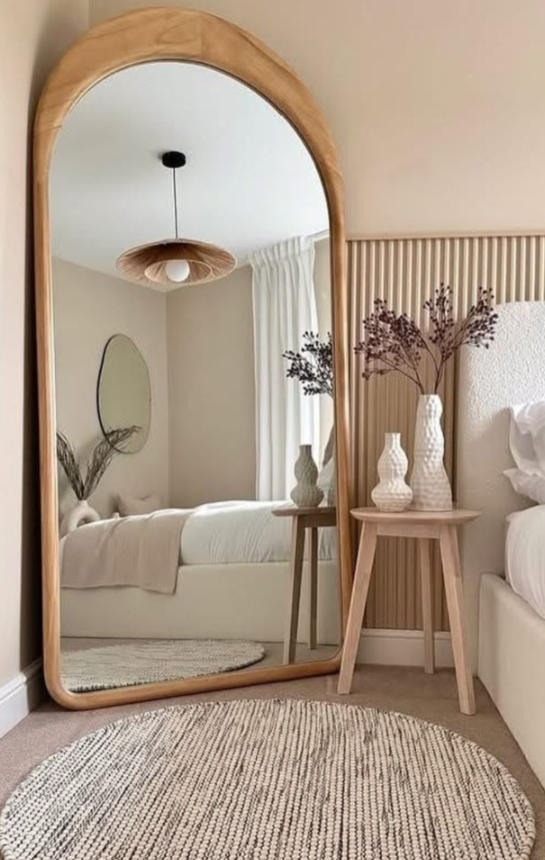
An arched mirror can soften the appearance of a room filled with straight furniture lines. Its curved shape adds visual interest without requiring additional artwork or bulky decorations.
For a simple DIY arrangement, lean a full-length arched mirror against a suitable wall near a window or beside your bed. If you rent your home, this can be a convenient option because it may not require drilling.
Always secure a large mirror according to its safety instructions, particularly if children or pets use the room. Pair it with a small table, a plant, or a warm lamp, but leave enough surrounding space to keep the corner uncluttered.
Boho Bed Corner
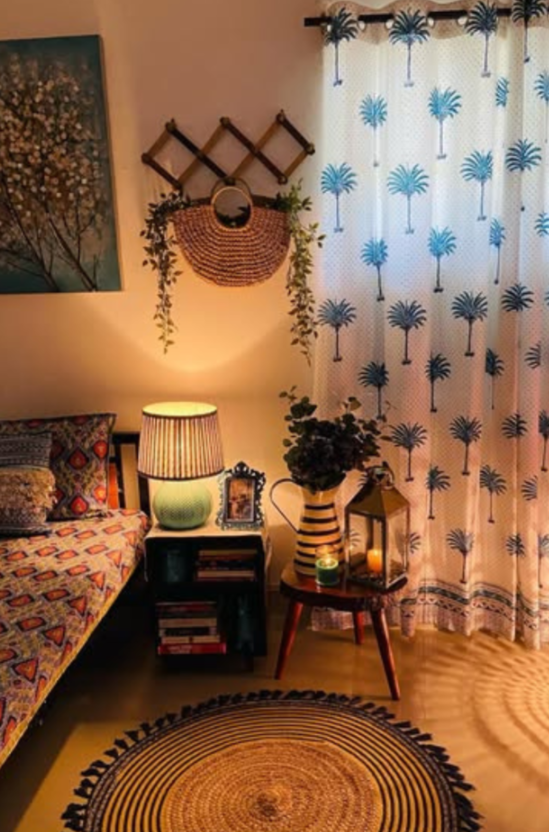
A boho-inspired bedroom can feel warm and relaxed through a mix of natural materials, layered fabrics, and soft lighting. You don’t need to replace your furniture to achieve this look.
Start with neutral bedding, then add a patterned throw, textured cushions, or a small woven rug. Woven wall hangings and baskets can provide decoration without taking up valuable floor space.
I suggest choosing two or three main colors and repeating them throughout the room. A floor lantern or bedside lamp can complete the look while creating a softer atmosphere than bright overhead lighting.
Quote Wall Grid
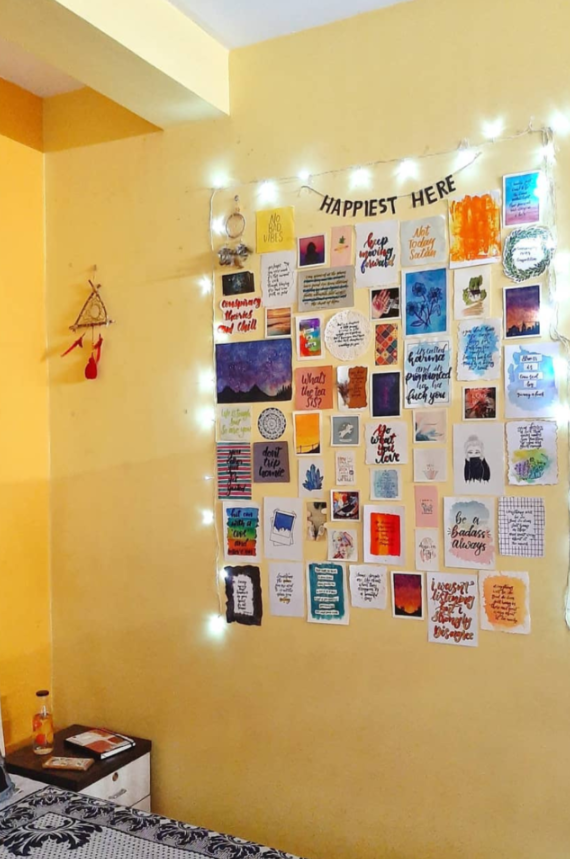
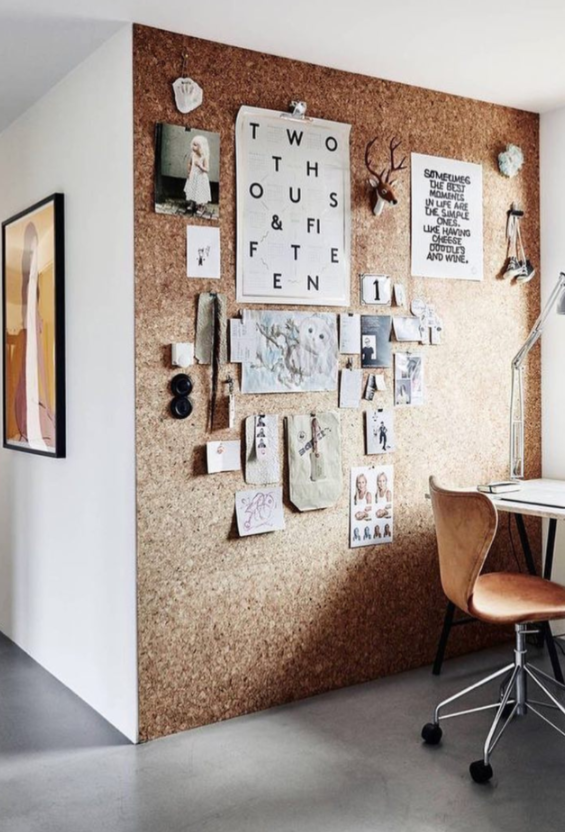
A quote wall is an easy way to personalize a bedroom, study area, or workspace. You can use favorite sayings, short reminders, printed illustrations, or small photographs to create a display that reflects your interests.
Print your chosen designs in a consistent size and arrange them in a neat grid. Before attaching anything, lay the prints on the floor to test the spacing and overall arrangement.
Use removable adhesive strips or wall-safe putty when appropriate for your wall surface. I recommend keeping the colors consistent and leaving enough space between prints so the display looks intentional rather than busy.
Playful Kids Corner

A child’s room can feel more cheerful with a simple themed wall instead of lots of extra toys and decorations. Painted shapes, removable wall decals, or colorful patterns can create a focal point without changing the entire room.
Choose a theme that suits your child’s interests, such as stars, rainbows, animals, or geometric shapes. Keeping the design to one wall helps preserve a calm appearance and leaves the other walls available for shelves or artwork.
For safety, use child-appropriate paints and securely attach wall decorations. Keep heavy objects away from the bed, use age-appropriate furniture, and make sure the room has enough open floor space for play.
Vintage Nursery Wall
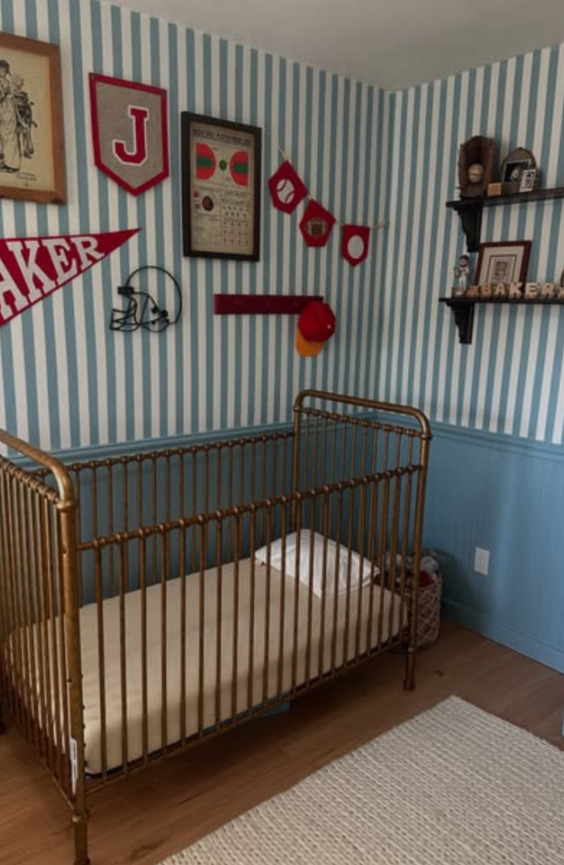
A vintage-inspired nursery can look charming with soft colors, simple patterns, and a few carefully chosen decorations. I would start with one wall and use painted stripes, removable wallpaper, or a muted color to establish the style.
Lightweight framed prints, fabric banners, and small decorative signs can add character without requiring much floor space. Cream, dusty pink, pale green, and warm beige are useful starting points if you prefer a gentle color scheme.
Keep the crib area free from hanging decorations, loose fabric, and other objects that could fall into the sleeping space. Secure wall-mounted items properly and follow current safe-sleep guidance when arranging a nursery.
Canopy Bed Accent
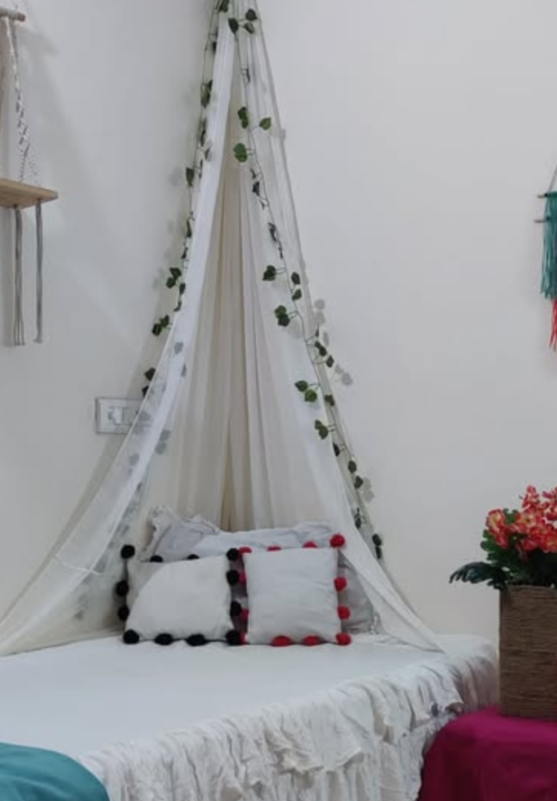
A canopy can give a plain bed a softer, more finished appearance. It adds height and creates a focal point without requiring a new headboard or a complete bedroom makeover.
For a simple decorative effect, use lightweight fabric arranged around a properly secured canopy frame. You can also add artificial greenery around the surrounding wall or use fairy lights outside the sleeping area.
Choose fabric that complements your bedding rather than competing with it. Make sure all materials are securely installed and kept away from hot bulbs, electrical equipment, and anything that could become tangled around a sleeping person.
Neon Line Accent

Neon-style lighting adds a playful detail to a bedroom, gaming area, or study corner. If you want a colorful feature without covering the walls with decorations, an LED neon-style rope light can be a good option.
Shape the light into a simple line, curve, or outline using a product designed for the purpose. Position it behind a desk or above a bed, then keep the surrounding shelves and wall art relatively simple.
I recommend choosing one main accent color and repeating it in a small detail elsewhere in the room. Use suitable mounting clips and follow the product’s electrical and installation instructions.
Floating Crib Decor
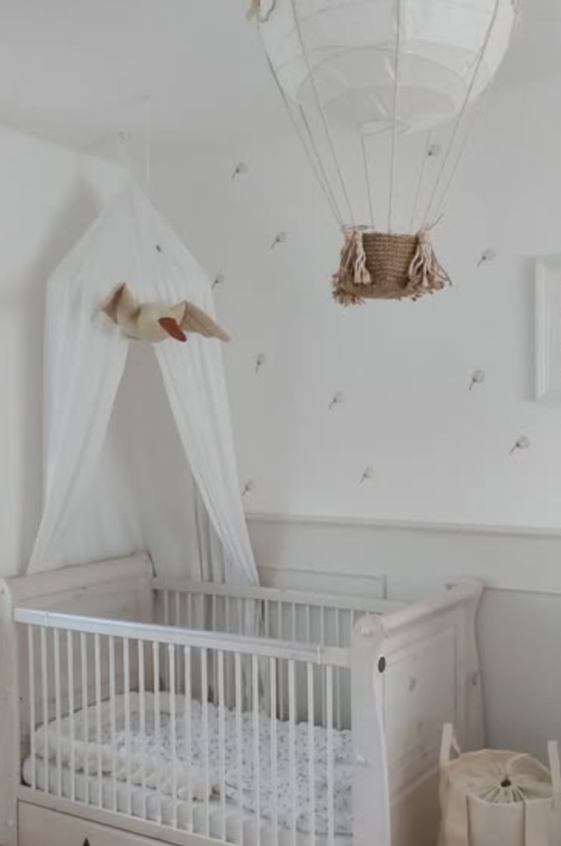
When a nursery has limited floor space, decorating vertically can help the room feel more complete without adding furniture. Soft wall colors, simple artwork, and carefully planned ceiling details can draw the eye upward.
You can create a gentle theme with painted shapes, removable wall decals, or lightweight fabric accents placed well away from the crib. Neutral colors work nicely when you want the room to feel calm and easy to update later.
Avoid hanging fabric, mobiles, lights, or decorative objects over the crib or within a baby’s reach. Keep the sleep space clear and follow current infant safe-sleep recommendations.
Vintage Vanity Setup

An old dressing table can become a stylish bedroom feature with a few simple updates. If you already own a vanity, I suggest checking its condition before spending money on a replacement.
A fresh coat of suitable paint can change its appearance, while new knobs can add a vintage touch. Choose finishes that suit the rest of your furniture, such as muted pastel shades, cream, or a natural wood look.
Style the top with a mirror, a small tray, and one or two useful accessories. Keeping everyday products organized makes the vanity easier to use and prevents the surface from looking cluttered. Add a suitable table lamp for better lighting when getting ready.
Cozy Loft Zone
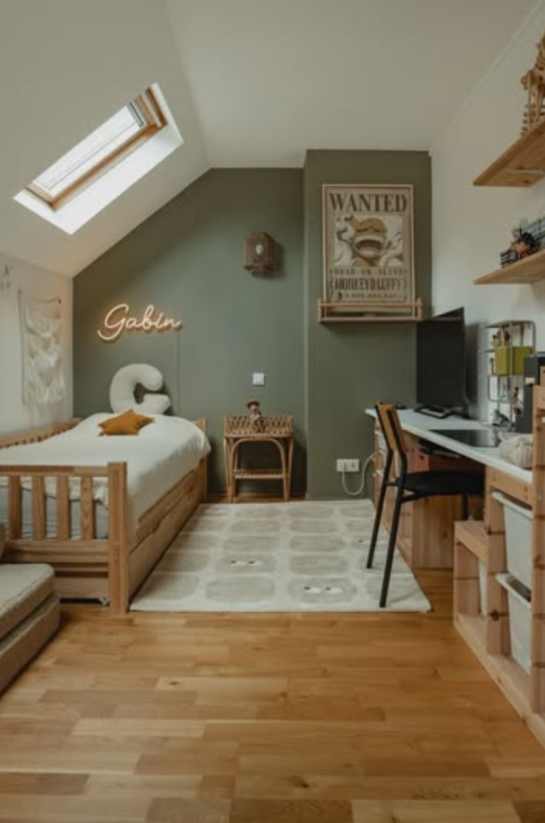
Rooms with sloping ceilings or loft-style layouts can be difficult to decorate because the available wall height varies. I recommend dividing the space into simple zones instead of trying to fill every corner.
Place a low chair, floor cushions, or a small rug near the sleeping area to create a comfortable place to read or relax. Use the taller walls for a few decorations and keep lower sections relatively clear.
A small wall light can add personality without taking up floor space. Check ceiling height and access routes before placing furniture, and make sure the area remains easy to move through.
Romantic Layered Bed
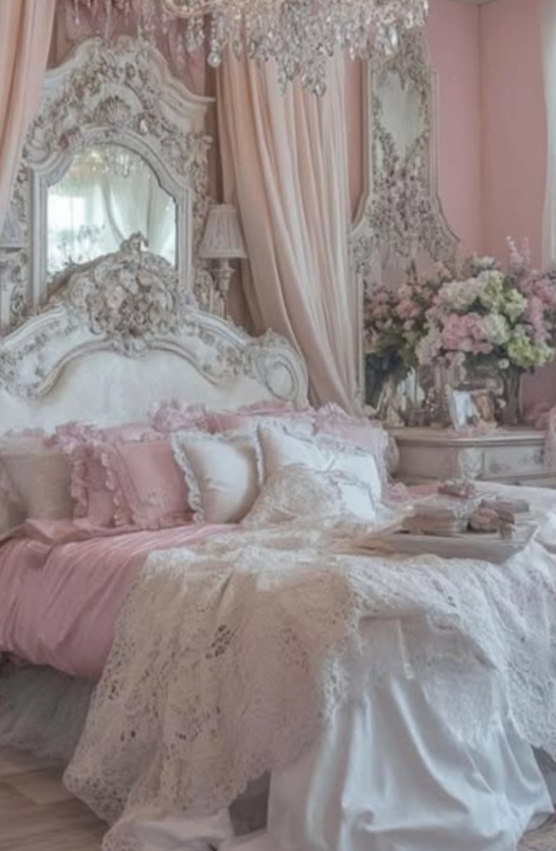
Layering bedding is a straightforward way to make a bedroom feel softer without changing the furniture. Start with a simple duvet or bedspread, then add a textured blanket and a small selection of cushions.
For a romantic look, choose soft colors, delicate patterns, or lightweight fabric details. Drapery around a properly installed bed frame can add visual height, provided the fabric is secure and kept away from electrical equipment.
I suggest mixing textures rather than adding too many patterns. Cotton bedding, a knitted throw, and a couple of cushions can provide enough variation to make the bed look inviting.
For evening lighting, use bedside lamps or suitable indirect lighting to create a softer atmosphere.
Boho Reading Nook

A reading nook can make an unused bedroom corner feel useful and inviting. You don’t need a large armchair; a floor cushion, compact seat, and small rug can be enough to define the area.
For a boho style, add a woven wall hanging, a textured cushion, or a few plants suited to the available light. You can also use a small shelf to keep books within easy reach.
Position the nook near a window if natural light is available. Add a reading lamp for evenings and choose furniture that leaves a clear walkway through the room.
Balanced Bed Lighting
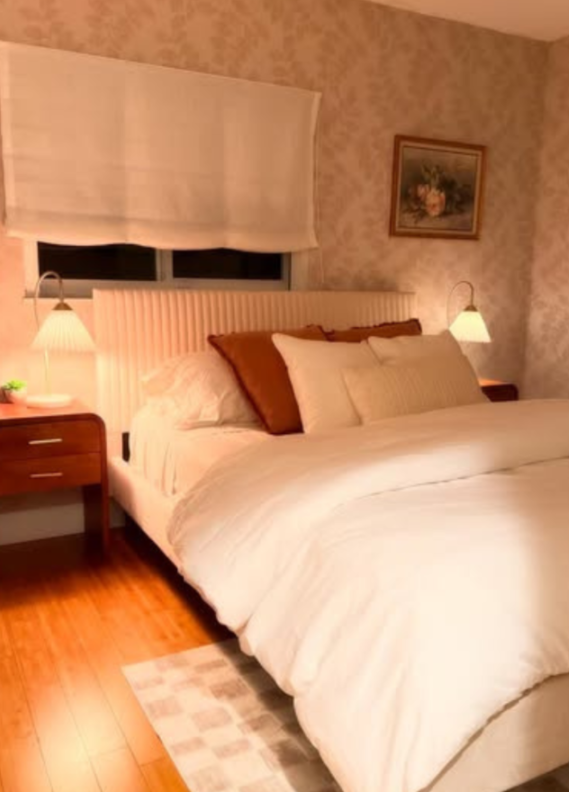
Lighting on both sides of the bed can make a bedroom feel more balanced. If your room has space for matching bedside tables, a lamp on each side creates a simple, coordinated arrangement.
You don’t necessarily need identical furniture. Two lamps with similar shapes or shades can create a matching effect even when the tables differ slightly.
Keep the bedding relatively simple so the lighting remains noticeable. For smaller bedrooms, wall-mounted lights can free up space on bedside tables. Choose bulbs with a comfortable brightness and position lights so they don’t shine directly into your eyes when you’re lying down.
Hanging Plant Glow
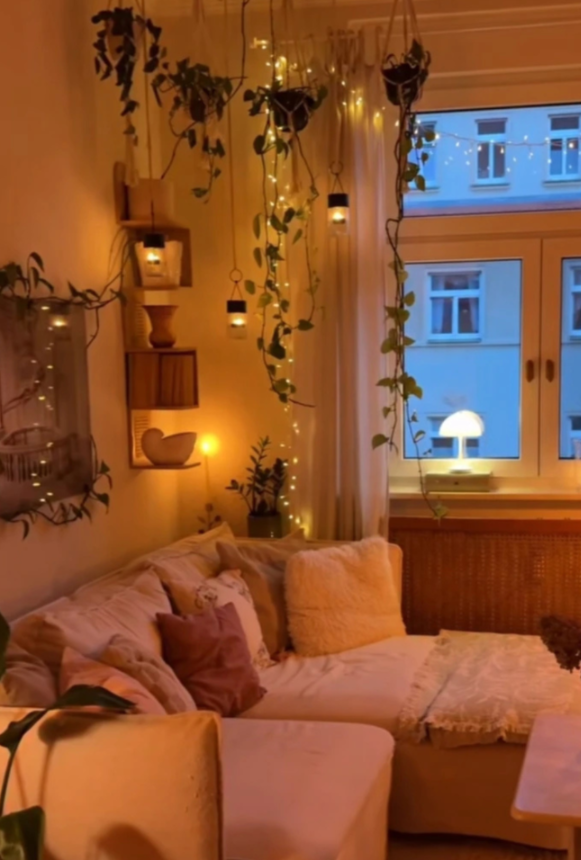
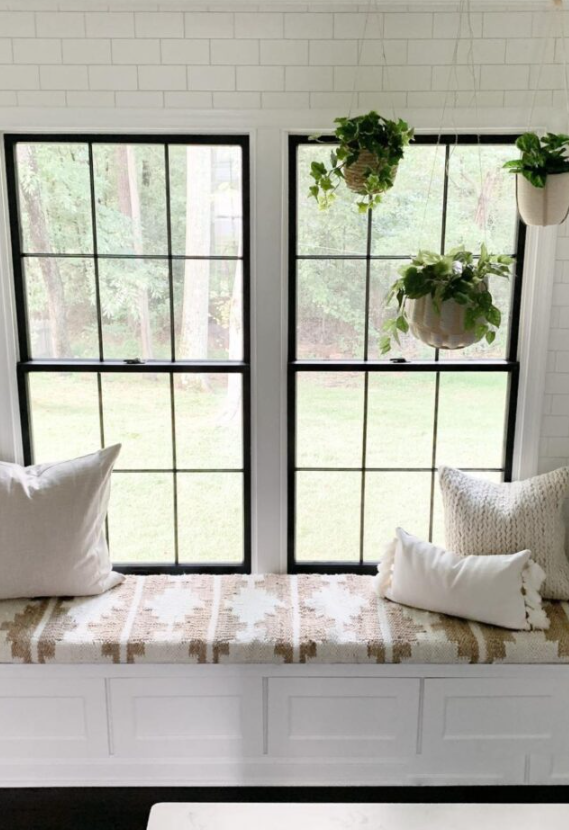
Plants can add color and texture to a bedroom, while hanging arrangements help use vertical space. If your room feels plain, a few carefully positioned plants may provide more interest than additional ornaments.
Use suitable hanging planters or secure wall-mounted holders, and choose plant varieties that match your room’s light and care conditions. Artificial greenery is another option if natural light is limited or you prefer minimal maintenance.
You can add a soft decorative glow with nearby fairy lights, but keep electrical components separate from water and damp soil. Make sure all hanging items are securely fixed and positioned where they won’t fall onto the bed or walkway.
Ceiling Fabric Drape

Lightweight fabric can create a softer look in a bedroom or reading corner. A draped effect adds visual interest above the room without requiring wallpaper or a large wall decoration.
Choose breathable cotton or sheer fabric in a color that complements your bedding. Plan the arrangement before installing anything, and use mounting hardware suitable for the ceiling material.
I recommend keeping the fabric simple so the room doesn’t feel smaller or crowded. Most importantly, keep fabric well away from ceiling fans, heaters, light fixtures, and other heat sources. Never cover smoke alarms or ventilation openings.
Corner Floor Lamps

Dark corners can make a room feel less inviting, even when the rest of the space receives plenty of light. A floor lamp is a simple way to brighten these areas while adding another decorative feature.
Place the lamp beside a chair, near a reading nook, or in an unused corner of the bedroom. Choose a design that fits the room’s size, and use a warm bulb if you prefer a relaxed evening atmosphere.
Avoid placing the lamp where it blocks a doorway or creates a tripping hazard. For a balanced result, combine the floor lamp with softer lighting elsewhere rather than relying on one bright overhead fixture.
Layered Bed Textures
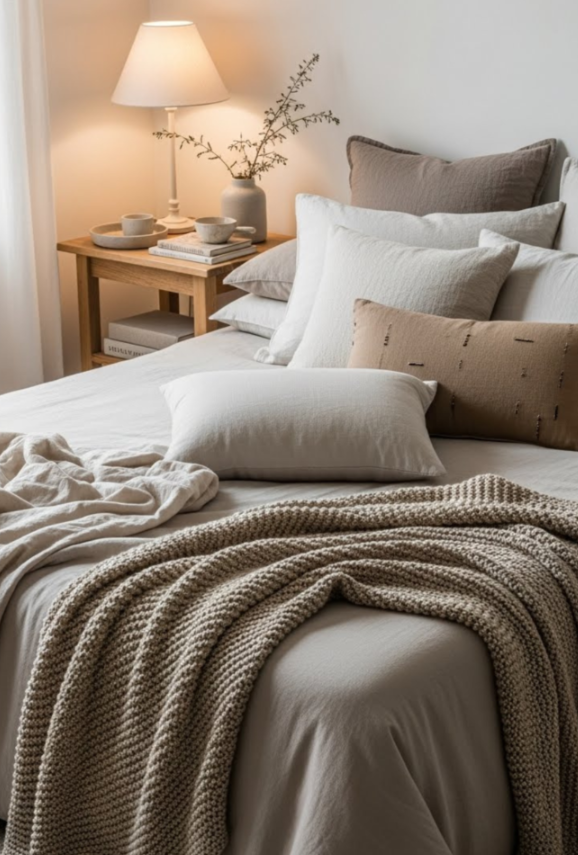
If your bed looks flat despite having clean bedding, adding texture can make it more interesting. You can do this without buying a complete new bedding set.
Start with your existing sheets and duvet, then add a contrasting pillowcase or two and one textured throw blanket. Materials such as cotton, linen, and knitted fabrics can provide variety without relying on bold prints.
I recommend limiting the number of patterns and repeating one or two colors across the bed. Keep the arrangement comfortable for everyday use, and remove extra cushions at night if they get in the way.
Window Frame Decor
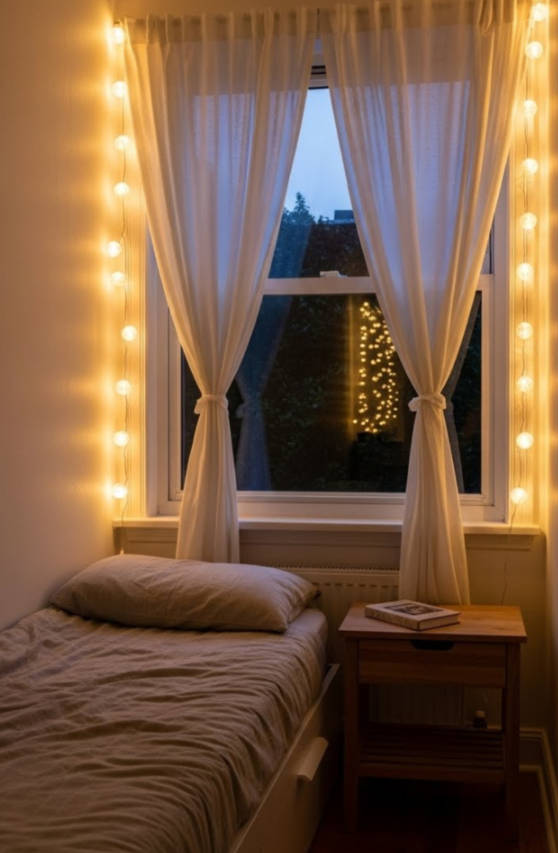
Window decorations can add character to a bedroom while keeping the walls relatively simple. Fairy lights, lightweight garlands, or decorative beads can outline the window and make it a visual feature.
Before attaching anything, check that the decorations won’t interfere with opening the window, operating blinds, or closing curtains. Use suitable clips or removable hooks that won’t damage the frame.
During the day, let natural light remain the main feature. In the evening, soft LED lights can add a gentle glow without requiring extra furniture or large decorations.
Low Seating Zone
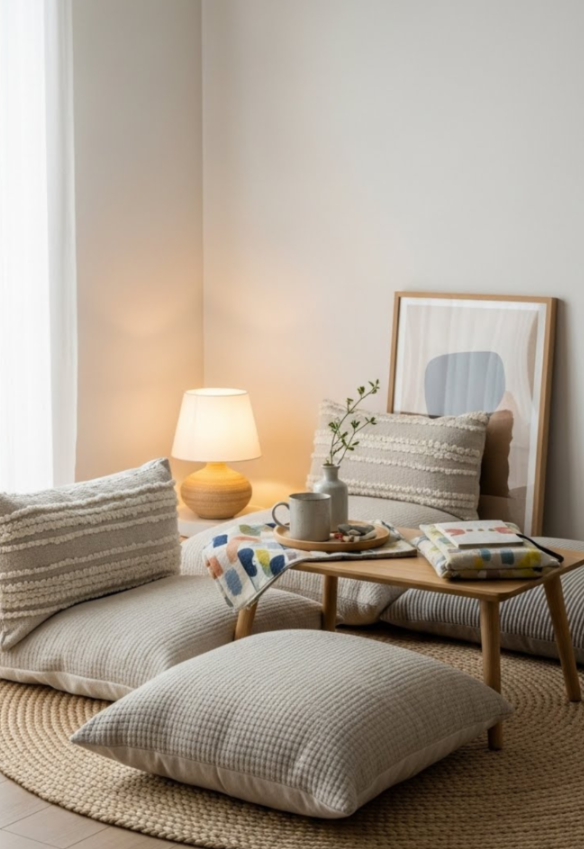
A low seating area can make a bedroom feel more relaxed, particularly when there isn’t enough space for a full-sized sofa. Floor cushions, a pouf, or a small padded bench can create a comfortable spot for reading or chatting.
Place the seating on a compact rug to define the area. Keep the furniture low and avoid adding too many pieces, especially if the bedroom is narrow.
A nearby side table or small lamp can make the corner more useful. I suggest leaving a clear path between the bed, door, and storage areas so the room remains easy to move around in.
Shelf Lighting Trick
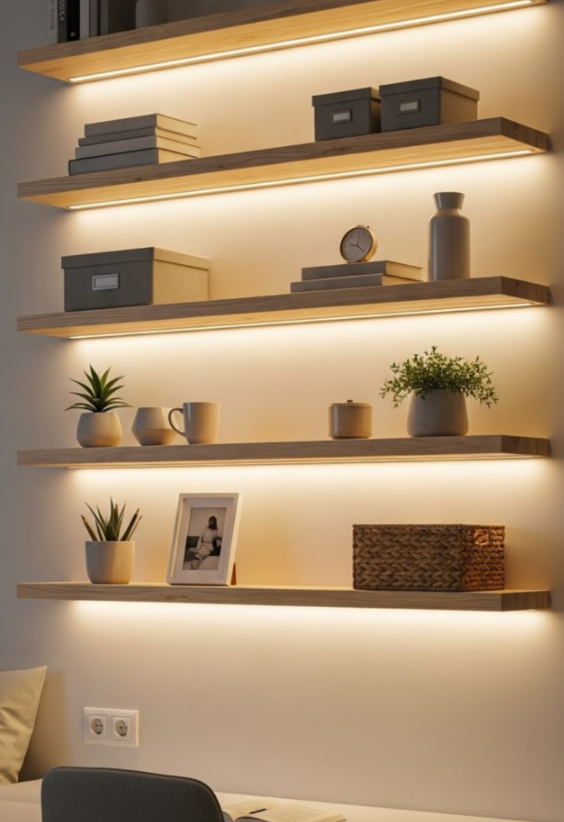
Shelves can become a decorative feature when their contents are easy to see. Small LED strips or battery-powered puck lights installed beneath shelves can highlight books, plants, and other display items.
Before adding lighting, organize the shelves into groups. Place taller objects toward the back, keep smaller items together, and leave some open space to prevent the arrangement from looking crowded.
Choose lighting designed for the shelf material and follow the manufacturer’s installation instructions. Avoid exposing electrical components to water, especially when displaying plants. Keep the surrounding room lighting soft enough that the shelves stand out without becoming overly bright.
FAQs
How do I make my room aesthetic?
I recommend starting with the parts of the room that feel unfinished instead of buying lots of new decorations. An empty wall might benefit from simple artwork, while a dark bedroom may need better lighting before anything else.
Use a consistent color palette and introduce texture through bedding, rugs, cushions, or curtains. Mirrors can help reflect light, and plants or personal photographs can make the room feel more individual.
The key is to choose decorations that suit the size and purpose of your space. A few well-placed items often create a more balanced look than filling every available surface.
What do people use to decorate a room?
Common room decorations include mirrors, wall art, plants, rugs, cushions, curtains, lamps, shelves, and personal items such as photographs or books. Some people also use removable wallpaper, fairy lights, or painted designs to update their walls.
I suggest choosing items based on what your room needs. For example, a mirror may help reflect light, a rug can define a seating area, and a lamp can make a dark corner more useful.
You don’t need to buy everything at once. Start with a few practical pieces, see how they work together, and add more only when they improve the room’s comfort or appearance.