18 Dry Creek Bed Ideas for a Beautiful and Functional Yard
A dry creek bed can turn a soggy patch of grass, a sloping side yard, or a plain garden border into something that looks like a natural part of the landscape. I like this idea because it combines decorative stones, thoughtful planting, and a practical way to guide rainwater through the yard.
The best dry creek bed ideas are not just about choosing pretty rocks. I recommend starting with the direction of the water, the slope of your yard, and the place where the runoff can safely go. Once those details are clear, you can choose from river rock channels, rustic boulder borders, modern desert designs, and narrow drainage beds.
In this guide, I’ll share 18 dry creek bed ideas for different yard styles, along with advice on rock sizes, landscape fabric, drainage routes, and common mistakes to avoid. Whether you have a small side yard or a spacious backyard, you can adapt these designs to fit your space and budget.
Key Takeaways
- Plan the water route first: Find where rainwater enters the yard and where it can safely drain.
- Mix different rock sizes: Small gravel, medium river stones, and larger accent rocks create a more natural appearance.
- Choose stones to suit your yard: White rock works well in modern gardens, while mixed river stones suit rustic and woodland settings.
- Use suitable ground fabric: A permeable geotextile can help separate soil from stones, but it does not replace proper drainage planning.
- Check the channel after heavy rain: Look for displaced rocks, erosion, standing water, and blocked outlets.
Before You Build a Dry Creek Bed
Before choosing stones or marking out a design, I recommend watching your yard during rainfall. Notice whether water comes from a roof downspout, runs downhill across the lawn, collects beside a fence, or flows off a driveway. Understanding the source makes it easier to plan a useful channel.
Next, decide where the water should go. A dry creek bed needs a continuous route that works with the land’s natural slope. Avoid directing runoff toward your home’s foundation, a neighbor’s property, or a walkway where it could create a hazard.
The shape also matters. I prefer gentle curves and slight changes in width because they help a stone channel blend into the surrounding landscape. The channel should still have a clear path for water, especially if the yard receives heavy rainfall.
For the most natural appearance, combine several stone sizes and use plants to soften the edges. Choose materials that suit your home’s exterior, existing garden beds, and the amount of maintenance you are willing to handle.
1. White Rock Channel
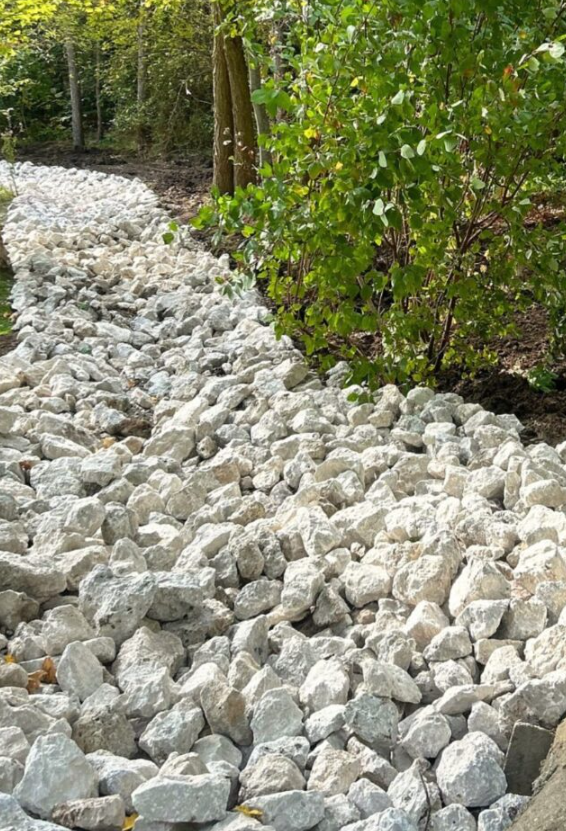
A white rock channel creates a clean, bright look that works especially well in modern gardens. The light stones stand out against green grass, dark mulch, and simple architectural planting, making the drainage feature look like an intentional part of the yard.
I recommend using smaller white stones through the middle and placing medium or larger rocks along selected sections of the edges. This combination adds depth and prevents the channel from looking like a uniform strip of gravel.
White stone can also connect different parts of your landscaping if you already use pale gravel around paths or planting beds. Keep in mind that light-colored rocks tend to show dirt, fallen leaves, and organic staining more clearly, so occasional cleaning may be necessary.
2. River Rock Flow
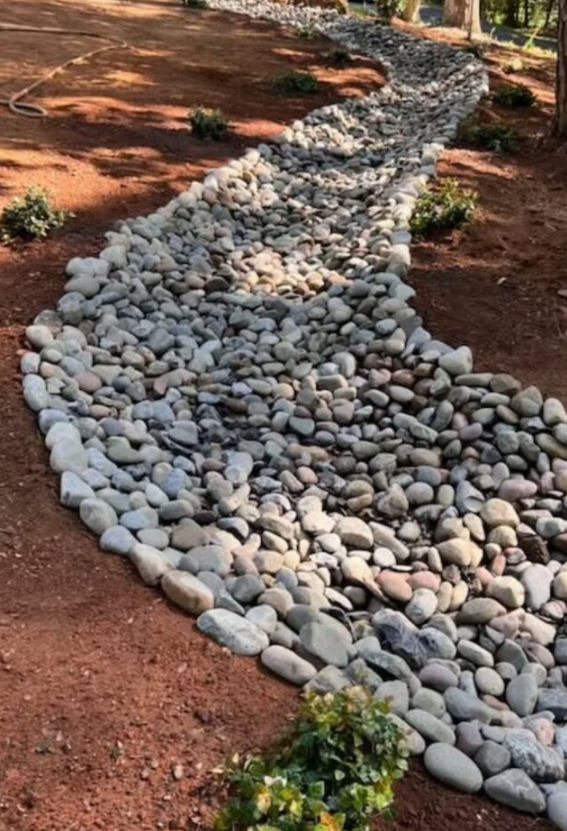
Rounded river rock is a versatile choice for a dry creek bed because it gives the channel a soft, natural appearance. Its smooth shapes work well with lawns, mulch, woodland plants, and informal garden borders.
I would use a mixture of small, medium, and larger stones rather than filling the entire channel with one size. Smaller material can cover the central area, while larger river rocks placed along the edges create a more convincing stream shape.
This design is particularly useful when you want the drainage feature to blend into the yard instead of becoming its main attraction. You can also repeat the same stone around nearby trees or garden beds to create a consistent look.
3. Modern Desert Creek
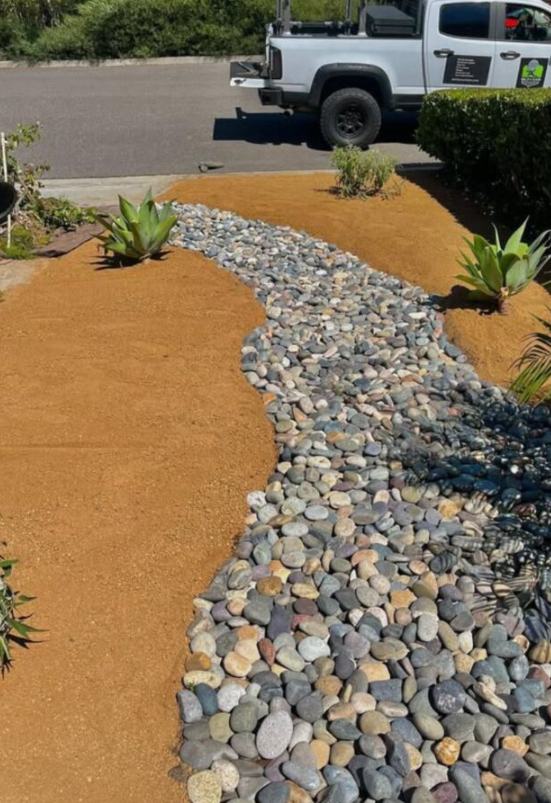
A modern desert creek bed is a good fit for xeriscaping, gravel gardens, and yards where reducing lawn area is a priority. The combination of decorative stones, succulents, ornamental grasses, and drought-tolerant plants creates texture without relying on large areas of turf.
For this style, I would choose a limited palette of tan, gray, cream, or muted brown stones. A few larger boulders can provide contrast, while smaller pebbles define the channel and connect the surrounding planting areas.
Keep plants away from sections where fast-moving water could expose their roots or bury them under loose gravel. Even in a dry-climate garden, the drainage route needs to handle occasional heavy rain, so choose plants and materials that suit your local conditions.
4. Rustic Boulder Border
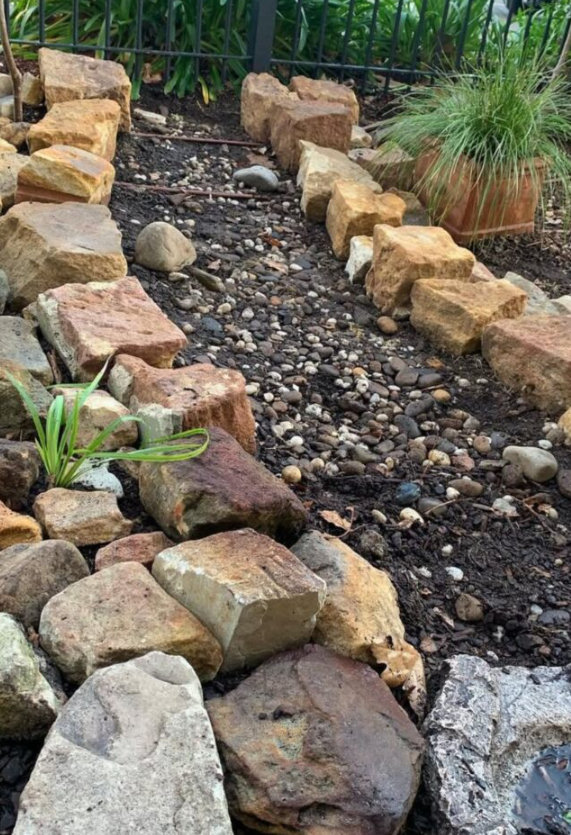
Large boulders give a dry creek bed a grounded, established appearance. This design works especially well in wooded yards, country gardens, and landscapes with mature trees or natural stone features.
I recommend placing the largest rocks first and filling the gaps with medium river stones and smaller gravel. Avoid arranging identical boulders in two perfectly straight rows, as that can make the channel look more like a constructed trench than a natural creek.
Partially burying the larger rocks helps them appear settled into the ground. On sloped sections, appropriately sized and stable stones can also help protect vulnerable areas, although a channel carrying substantial runoff may require professional grading or erosion-control measures.
5. Golden Pebble Path
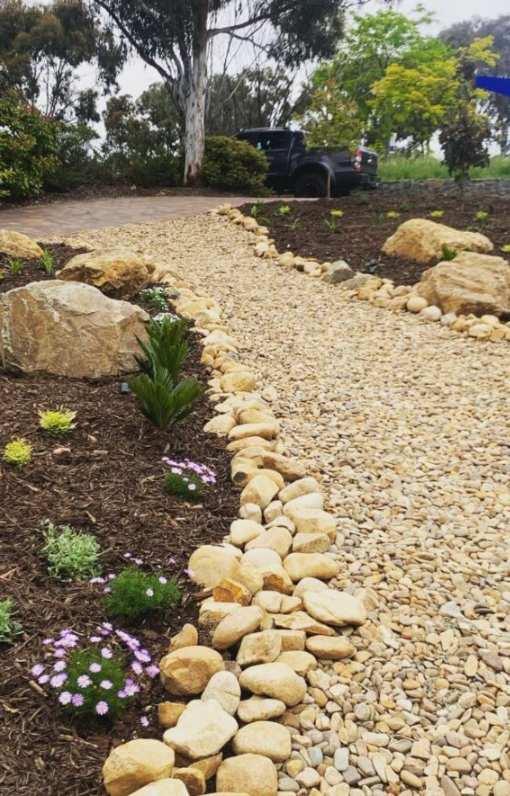
Golden and warm tan pebbles bring a softer, warmer look to a dry creek bed. They pair nicely with timber edging, brown mulch, ornamental grasses, and homes with cream, beige, or earthy exterior colors.
To create some visual depth, I would combine small golden pebbles with medium river stones and a few larger accents. Keep the smaller stones concentrated along the main channel, then vary the size and placement of rocks around bends.
If the creek passes through a garden bed, allow the channel to widen slightly in selected places. This creates room for larger stones and nearby plants without making the overall design look overly planned.
6. Sideyard Streambed
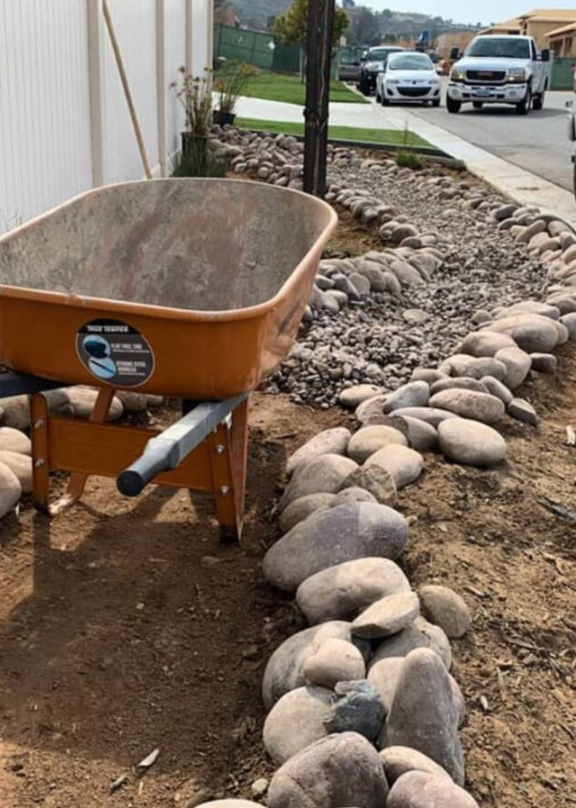
Side yards often have awkward layouts, limited sunlight, and narrow strips of grass that struggle to grow. A rock-lined dry creek bed can make this space more useful while giving rainwater a defined route between buildings and fences.
I recommend measuring the available width before choosing materials. Smaller gravel through the center and medium rounded stones around the edges can create a neat design without taking up too much space.
A narrow trenching shovel can help shape the channel in a confined area, but check for underground utilities before digging. Also, confirm where the water will exit the side yard so it does not collect beside the foundation or create a new wet area at the other end.
7. Boulder Drain Channel
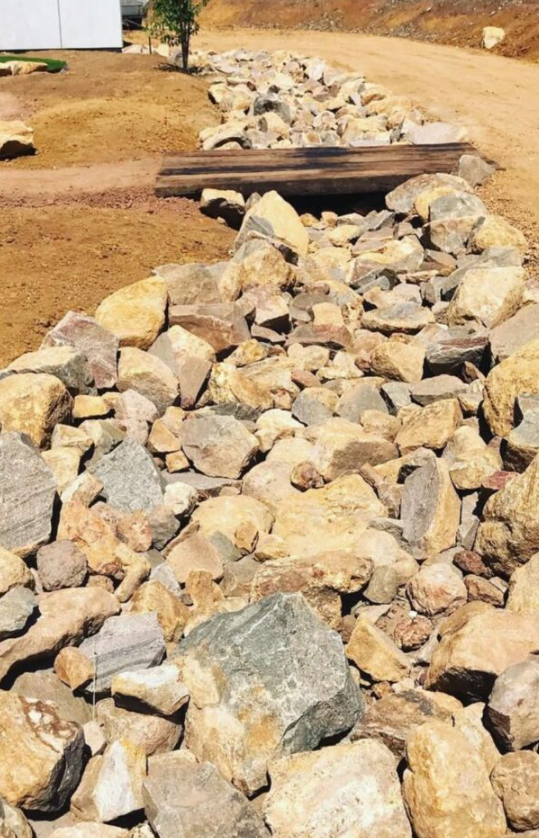
A sloped yard needs a drainage design that accounts for moving water, not just appearance. As runoff travels downhill, it can carry loose gravel, expose soil, and create small channels that become deeper over time.
For this setting, larger stones and appropriately sized boulders can add structure and help protect vulnerable sections. I would vary the placement of the rocks along the slope rather than creating one uninterrupted line of loose stone.
The size and stability of the stones should match the amount and speed of the runoff. If water is cutting into the ground, shifting heavy rocks, or threatening nearby structures, have the drainage route assessed before adding more material.
8. Lush Woodland Bed
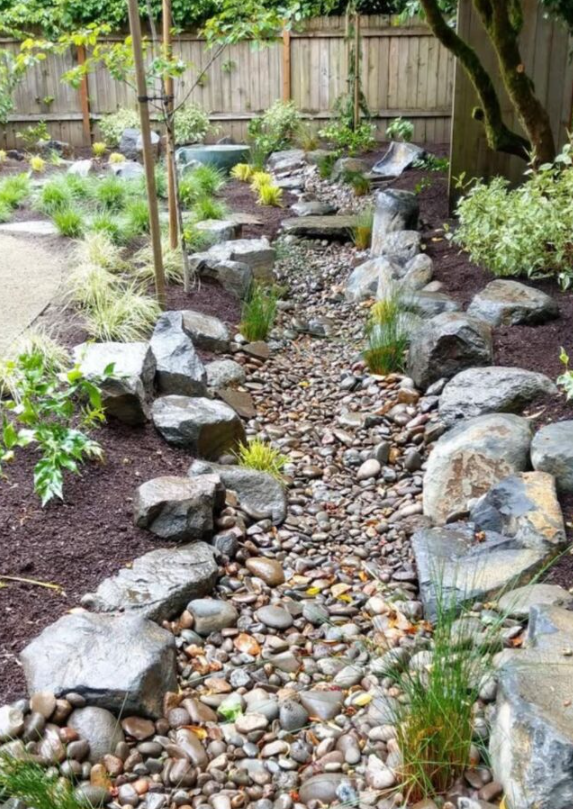
A dry creek bed can look right at home in a shaded garden. Dark river stones, ferns, shade-tolerant groundcovers, and ornamental grasses can create the feeling of a woodland stream without needing a lawn or bright decorative gravel.
I would keep the center of the channel relatively open and use plants along the sides to soften the transition into the garden. This gives water a clearer route while allowing the surrounding planting to provide most of the visual interest.
Dark stones can help the design blend into shaded areas, although they will still collect leaves and debris. If your yard has mature trees, leave enough access to remove fallen leaves before they accumulate and restrict the channel.
9. Backyard Curve Bed
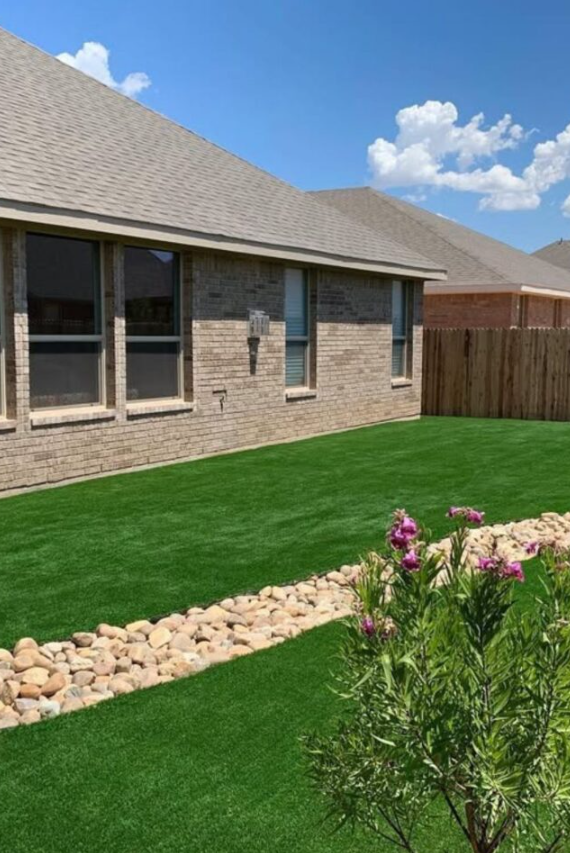
A curved dry creek bed can connect different parts of a backyard while helping manage runoff. It can also create a natural boundary between a lawn, a patio, and planted areas without requiring a tall retaining wall or formal edging.
For a balanced design, I recommend drawing the curve on the ground with a garden hose before digging. This makes it easier to adjust the shape and check how it looks from the patio, windows, and other areas where you spend time.
Use a clear edge where the creek meets the lawn to limit grass growing between the stones. Keep the curves broad enough to maintain a practical water route, and avoid creating decorative bends that send runoff into low spots.
10. Woodland Edge Stream
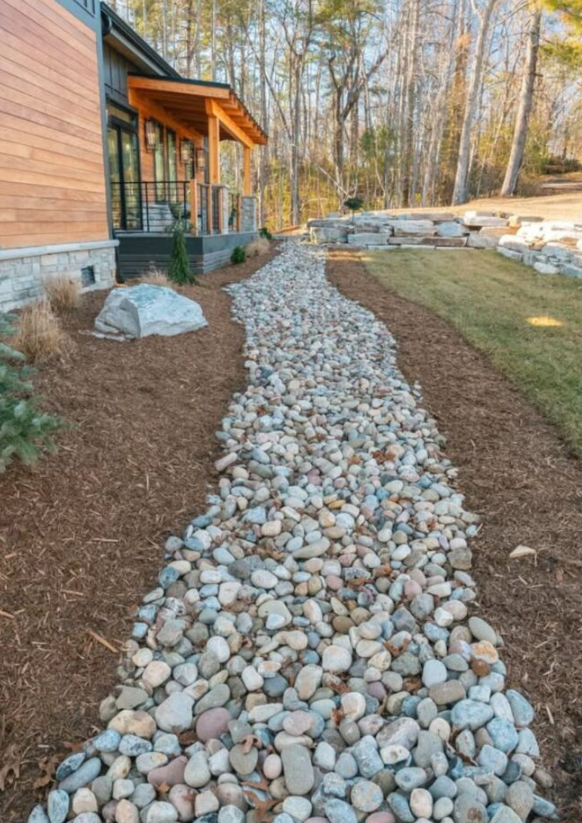
A dry creek bed along the edge of a wooded area can create a smooth transition between open lawn and natural planting. Mixed river stones, scattered larger rocks, mulch, and shade-tolerant plants help the feature look connected to its surroundings.
I would avoid using stones of exactly the same color and size if the goal is a natural woodland appearance. A few different tones and irregular groupings create more variation without making the design feel busy.
Pay particular attention to the section nearest the house if the creek is intended to carry roof runoff. The channel should move water away from the foundation and toward a suitable outlet rather than allowing it to collect beside the building.
11. Narrow Slope Runoff
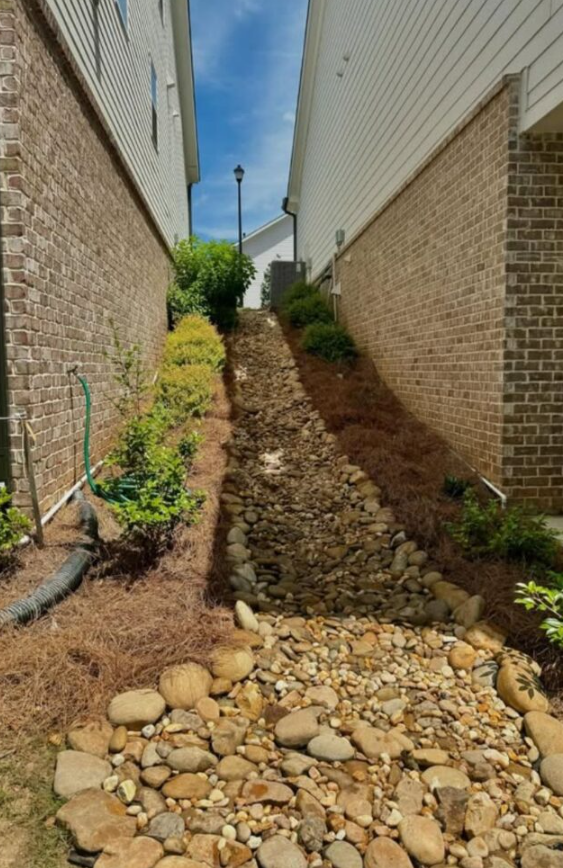
A narrow slope between houses or along a fence can be difficult to maintain, particularly when grass struggles because of shade or erosion. A stone-lined channel gives water a more defined route and can reduce the amount of bare soil exposed to runoff.
I recommend shaping the channel before placing the stones. Where appropriate, a permeable geotextile can help separate the soil from the rock layer and reduce mixing as water moves through the bed.
Secure the fabric according to the product instructions and avoid leaving it exposed around the edges. After the first few heavy rains, inspect the lower end of the channel. If water is washing away soil or pooling there, the outlet needs attention.
12. Gravel Drive Drain
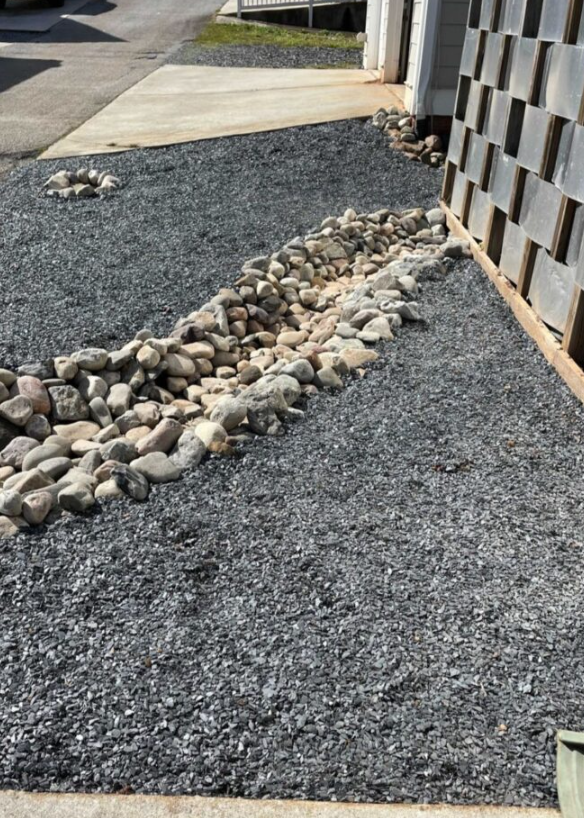
Driveways can send a surprising amount of runoff into nearby garden beds because paved surfaces allow less water to soak into the ground. A dry creek bed along the edge can provide a defined route for that water when the site and outlet are suitable.
For a coordinated look, I would combine darker driveway gravel with lighter river stones in the drainage channel. The contrast helps distinguish the creek from the driveway without making the two areas feel disconnected.
Be careful not to create a raised stone edge that traps water against the paving. Check existing driveway drains and the direction of the slope before digging, and make sure the finished channel does not interfere with vehicle access or move water toward a building.
13. Urban Front Drain
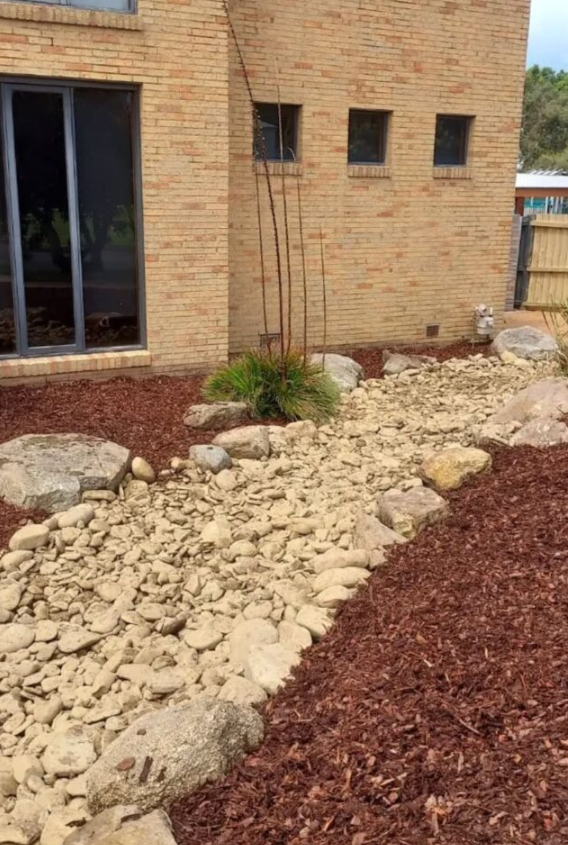
A front-yard dry creek bed can add texture to a modern home without overwhelming the entrance. Light crushed stone, a few larger accent rocks, and a shallow curved channel work well with simple paths and neatly arranged planting.
I would keep the color palette restrained so the drainage feature complements the house rather than competing with it. Repeat a stone color already used in the walkway or garden beds to create a more connected design.
Low-growing plants can soften the edges, but leave enough open space for water to pass through. Because front yards often collect leaves from nearby trees and shrubs, make sure the channel is easy to inspect and clean.
14. Lawn Edge Channel
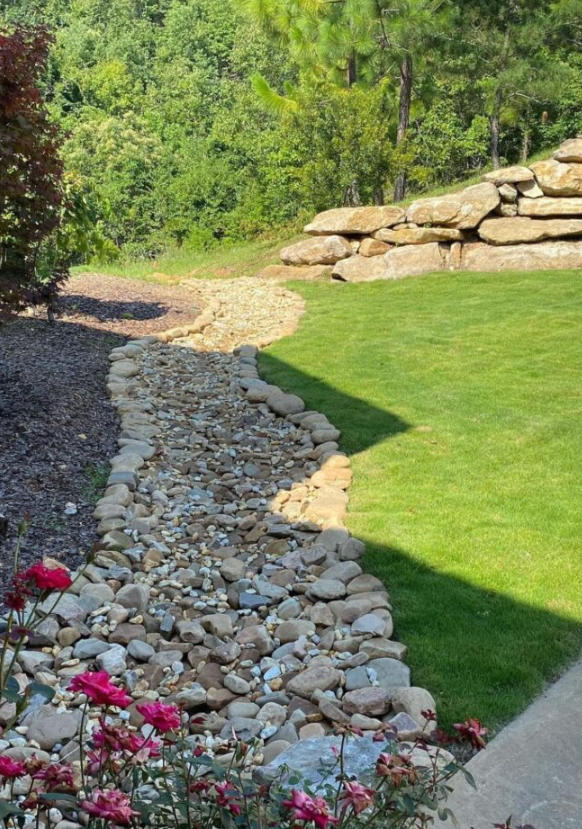
A dry creek bed along the lawn creates a clear boundary between grass and garden beds while giving runoff somewhere to travel. This can be especially helpful where rainwater regularly crosses the lawn or collects along its edge.
Rounded river stones provide a softer appearance than sharp crushed gravel, and the channel does not need to maintain one width throughout. I would widen it slightly around larger rocks or planting groups and keep it narrower where space is limited.
Use a defined lawn edge to reduce grass spreading into the stones. Before building, check the direction of the water and ensure the creek does not become a barrier that blocks runoff from reaching the intended drainage route.
15. Rustic Backyard Stream
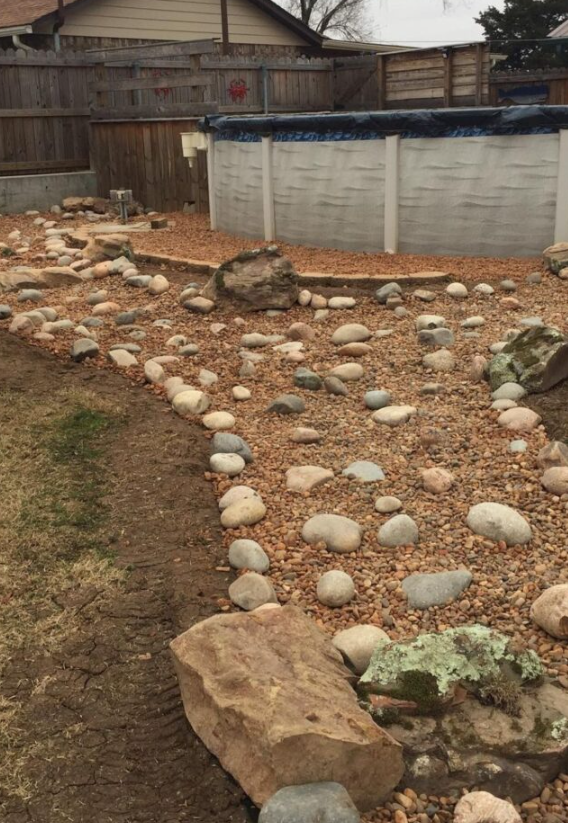
For a relaxed backyard, a rustic dry creek bed can combine mixed gravel, river stones, larger boulders, mulch, and existing grass. It suits informal gardens where a perfectly symmetrical design would look out of place.
I would focus on the overall shape rather than making every section identical. Group larger stones in a few areas, use smaller rocks to fill the channel, and let the edges blend into the surrounding landscape.
Think about how people use the yard, too. If children or guests regularly cross the area, stable stepping stones may make it easier to move between spaces. Avoid placing loose or unsteady rocks where people naturally walk.
16. Contrast Stone Bed
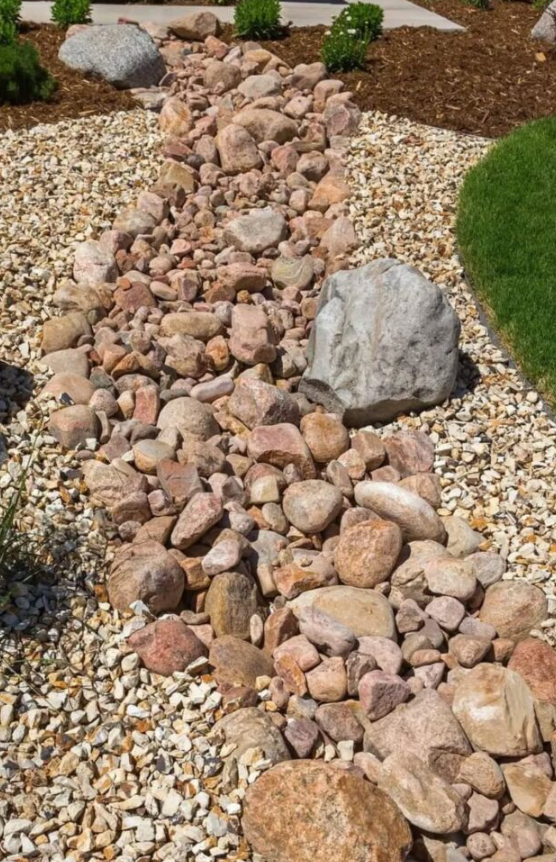
Using two stone colors can make a dry creek bed stand out without adding extra structures or complicated landscaping. A darker central channel framed by lighter gravel, for example, creates a clear visual pattern.
I recommend keeping the stone colors related to the rest of the yard. You might use gray river stones with cream gravel or warm brown stones beside pale landscaping rock.
Keep the channel edges irregular enough to maintain a natural appearance. If the color boundary is too straight and uniform, the feature can start to look like a decorative path rather than a creek bed designed around the land.
17. Shaded Fence Drain

The narrow strip beside a fence can become a practical place for a dry creek bed, especially if grass struggles to grow there. Medium-sized stones, a few shade-tolerant plants, and a simple channel can make this overlooked area look more finished.
For a narrow space, I would avoid oversized boulders that make the strip feel cramped. Medium river stones are easier to arrange, while small groups of plants can soften the fence line without taking over the drainage area.
Keep loose mulch and fallen leaves out of the main channel because repeated runoff can carry them toward the outlet. Leave enough room to remove debris and inspect the bed after storms.
18. Downspout Streamlet
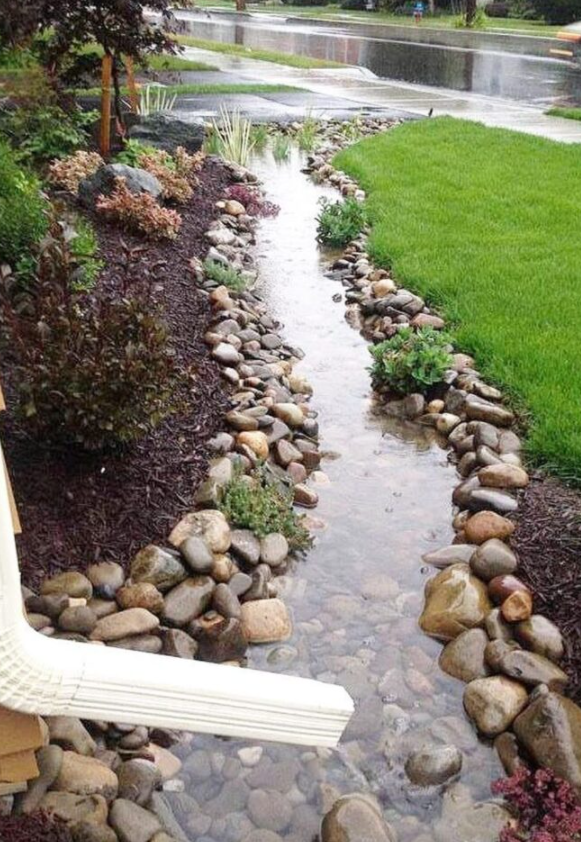
A downspout streamlet is a useful option when roof runoff repeatedly creates a wet patch near the house. Instead of allowing the water to spill directly onto the soil, you can connect the downspout to a shallow stone channel that leads toward a suitable drainage area.
I would begin by checking the downspout’s current discharge point and planning the entire route before adding decorative stones. A suitable extension can help direct the water toward the start of the channel, provided the connection and slope work for the site.
The most important part is the outlet. Do not stop the creek at the end of the decorative section if the water will simply collect there. Test the route during rainfall and check that the discharge does not cause erosion or affect nearby properties.
What Should Go Under a Dry Creek Bed?
The right base depends on the soil, the amount of runoff, and whether the creek is mainly decorative or regularly carries water. In some stable locations, a simple shaped channel with suitable stone may be enough. Other sites need additional preparation to keep the stones from sinking or mixing into soft soil.
A permeable geotextile can help separate the underlying soil from the rock layer. Choose a product intended for the site’s drainage conditions rather than assuming any landscape fabric will work. Fabric that is unsuitable for the application can restrict water movement or clog over time.
I would also avoid treating the fabric as a substitute for proper grading. Water still needs a safe route through and out of the channel. If the soil stays saturated, the slope is steep, or the creek carries heavy runoff, additional drainage work may be needed.
What Size Rocks Work Best?
A mixture of stone sizes generally creates a more natural appearance than using one uniform material. Smaller gravel fills spaces, medium river rock forms much of the visible channel, and larger stones help define bends and edges.
The right combination depends on the amount of water moving through the creek. Decorative beds with little runoff may work with smaller stones, while faster-moving water may require larger, heavier material selected for the site’s conditions.
I recommend partially setting some larger stones into the ground instead of leaving every rock loose on the surface. This creates a more settled look and can improve stability, but it is still important to match the stone size and channel design to the expected flow.
Where Should the Water End Up?
Deciding where the water will go is one of the most important parts of planning a dry creek bed. The stones create a channel, but they do not make excess water disappear.
Depending on your property and local rules, a suitable destination might be an approved drainage system or a properly designed area where the water can spread or soak into the ground. The right option depends on soil conditions, slope, rainfall, and the amount of runoff.
Avoid sending water toward the house, across slippery walking surfaces, or onto neighboring land. If the project involves major grading, a steep slope, or large amounts of roof or driveway runoff, check local requirements and consider getting advice from a qualified drainage professional.
Common Dry Creek Bed Mistakes
A dry creek bed can look attractive on installation day but still fail to manage water properly. I recommend checking the drainage plan before buying decorative stones or starting to dig.
Here are common mistakes worth avoiding:
- Planning only for appearance: Watch how water moves during rainfall before choosing the route.
- Making the channel too straight: Use gentle curves where the landscape allows them, without creating unnecessary bends.
- Using one rock size throughout: Mix suitable stone sizes to create texture and a more natural finish.
- Choosing stones that move easily: Loose, lightweight gravel may wash away where runoff is strong.
- Ignoring the outlet: Water should not collect at the end of the channel or cause erosion elsewhere.
- Blocking the water with raised edges: Avoid edging or stone arrangements that prevent runoff from entering the creek.
- Allowing debris to build up: Remove leaves and mulch before they restrict the water’s path.
- Forgetting the surrounding structures: Check the foundation, driveway, walkways, fences, and nearby properties before redirecting runoff.
How to Make a Dry Creek Bed Look More Natural
The easiest way to make a dry creek bed look convincing is to introduce variation. I would change the width slightly, mix several rock sizes, and group larger stones in selected areas rather than lining both sides with identical boulders.
Gentle curves also help the channel blend into the yard. If you have enough space, let the creek widen around a group of rocks or narrow between planting beds. Avoid adding so many bends that water loses its clear route.
Planting makes a difference, too. Ornamental grasses, low shrubs, and suitable groundcovers can soften the transition between stones and soil. Choose plants that fit your climate, sunlight, and soil conditions, and keep them away from areas where runoff could expose their roots.
Finally, consider how the creek connects to the rest of the landscape. Repeating stone colors from a walkway, garden border, or nearby gravel bed can make the whole yard feel more coordinated without requiring an expensive redesign.
Build the Drainage First, Then Make It Pretty
When planning a dry creek bed, I would start by observing the water rather than choosing the rocks. Identify where the runoff comes from, map out a safe route, and decide where it will end before shaping the channel or purchasing materials.
Once the drainage plan is clear, you can choose stones, add larger accents, introduce curves, and soften the edges with plants. These finishing details help the creek suit your home and garden while keeping its practical purpose in mind.
A well-planned dry creek bed can make a difficult drainage area look like a natural landscape feature. With the right route, suitable stones, and occasional maintenance, it can add texture and interest to your yard while helping guide runoff more effectively.